Analyze Diet
FeedBank
Feed Type

Forages for Horses

View nutrition analyses for different forage sources for horses in the Mad Barn Equine Feed Database. This category includes hay, pasture, haylage, grass forage, legume forage, forage pellets, forage cubes, chopped forage, and other fiber-rich ingredients used in the equine diet.

Compare nutrient profiles for forage sources such as grass hay, alfalfa, mixed hay, pasture, timothy, orchardgrass, bermudagrass, teff, hay cubes, and hay pellets. Review calories, protein, fiber, starch, sugar, minerals, and digestibility to choose forage options that match your horse’s workload, body condition, metabolic needs, and overall feeding program.
Filters
Forage
Stargrass Fresh Mexico Medium Chop
FiberFiber
ForageForage
Gut HealthGut Health
NutritionNutrition
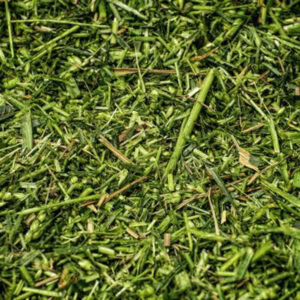
Star grass (Cynodon nlemfuensis) is a perennial grass native to Africa. It is similar to Bermuda grass and can be used for pasture, hay or fresh chop.
Straw Oat – 4% CP 74% NDF
Easy KeeperEasy Keeper
FiberFiber
ForageForage
Metabolic SyndromeMetabolic Syndrome
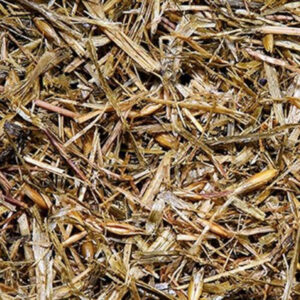
Oat straw is a suitable forage option for mature, easy keepers. Oat straw that does not contain seedheads can replace up to 20% of the forage content in the equine diet.
Straw Wheat – 5% CP 79% NDF
Easy KeeperEasy Keeper
FiberFiber
ForageForage
Weight IssuesWeight Issues
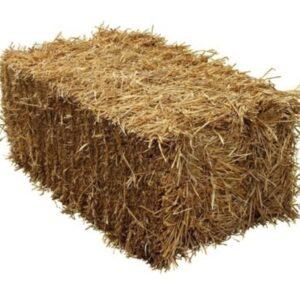
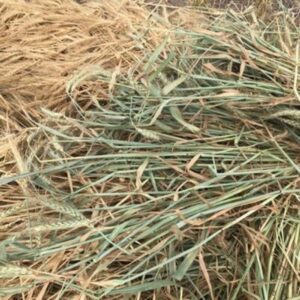
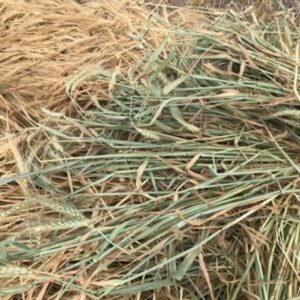
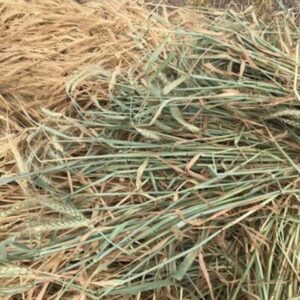
Wheat straw is a low-density forage source with low protein and energy content. It can be used to replace up to 10% of forage for easy keepers that need to lose weight.
Sugarcane Fresh Brazil Fine Chop
Caloric EnergyCaloric Energy
FiberFiber
FlavorFlavor
Weight IssuesWeight Issues
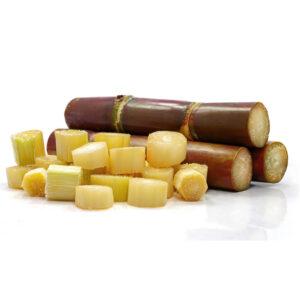
Native to Brazil and grown in other parts of the world, including South Asia, sugarcane can be chopped in different lengths and fed to cattle fresh or ensiled. Sugarcane contains a high sugar content, thus making it unsuitable as an equine feed.
Sugarcane Fresh Brazil Long
Caloric EnergyCaloric Energy
FiberFiber
FlavorFlavor
Weight IssuesWeight Issues
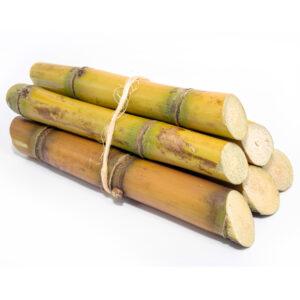
Sugarcane grows in the tropical regions of South America, South Asia and Melanesia. The plant is chopped to varying lengths and fed whole as a fresh or ensiled feed source for cattle. Sugarcane is not a suitable feed for horses since it is high in sugar.
Sugarcane Fresh Brazil Medium Chop
Caloric EnergyCaloric Energy
FiberFiber
FlavorFlavor
Weight IssuesWeight Issues
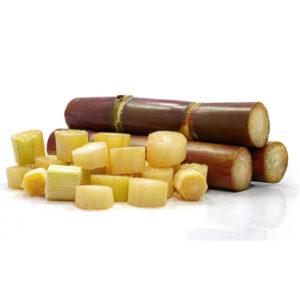
Sugarcane is native to warm temperate climates in tropical regions of South America, South Asia and Melanesia. It can be cut fresh in varying lengths and included in the diet of cattle in a fresh or ensiled state. High in sugar content, sugarcane should not be fed to some horses and never in large amounts.
Sunflower Silage – 35% DM 55% NDF
EnergyEnergy
FiberFiber
ForageForage
NutritionNutrition
Sunflower Silage is the fibrous material that remains after the seeds have been harvested. It is compressed and fermented without air to produce a lower energy, high fiber forage that is used for cattle.
Sunflower Silage – 40% DM 60% NDF
EnergyEnergy
FiberFiber
ForageForage
NutritionNutrition
Sunflower Silage is made from the plant material that remains after sunflower seeds are harvested. It is fermented under anaerobic conditions to produce a lower energy and higher fiber forage commonly used for cattle.
Tall Fescue Hay
FiberFiber
ForageForage
Gut HealthGut Health
NutritionNutrition
Tall Fescue is a perennial grass commonly used for pasture and hay in North America. Endophyte-infected tall fescue can cause reproductive issues in horses.
Tall Fescue Pasture
FiberFiber
ForageForage
Gut HealthGut Health
NutritionNutrition
Tall Fescue is a common pasture grass in North America. Breeding horses should not be grazed on tall fescue pasture as endophyte-infected plants can cause reproductive issues.
Teff Hay
FiberFiber
ForageForage
Gut HealthGut Health
NutritionNutrition
Teff is a warm-season annual grass originating in Ethiopia that is generally low in NSC. Its calcium and phosphorous levels are similar to timothy grass. Teff can be harvested as both high-energy and low-energy hay depending on how early it is cut.
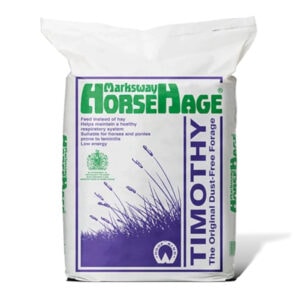
Timothy (HorseHage)
Competition HorsesCompetition Horses
FiberFiber
ForageForage
NutritionNutrition
Timothy from HorseHage is high in fiber and low in protein, making this feed ideal for leisure horses and ponies, native ponies, veterans, and horses and ponies that are in recovery or prone to laminitis.
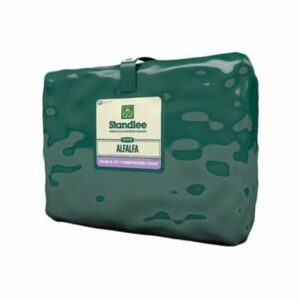
Timothy Grass Grab & Go Compressed Bale (Standlee)
FiberFiber
ForageForage
Gut HealthGut Health
NutrientsNutrients
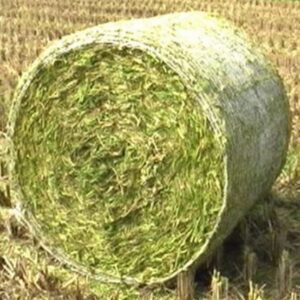
Timothy Grass Grab & Go® Compressed Bales are made from large 4’x4’x8’ timothy hay bales that have been compressed, sliced and shrink-wrapped. Timothy hay is moderate in protein (8%), high in fiber and very palatable.
Timothy Hay – 9.6% CP 66.6% NDF
DigestionDigestion
FiberFiber
ForageForage
Gut HealthGut Health
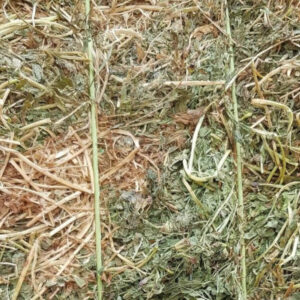
Timothy hay is a good quality forage source for horses. Timothy hay generally has a balanced calcium-phosphorous ratio of 2:1 and is widely grown in North-East Canada and the USA.
Timothy Hay Pellets
FiberFiber
ForageForage
Gut HealthGut Health
Hay StretcherHay Stretcher
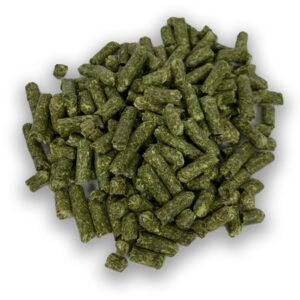
Timothy Hay Pellets are a good source of digestible fibre with lower protein content. This is a lower calorie forage replacement that is easy to feed and can be used in a low-dust diet.
Triticale Silage
EnergyEnergy
ForageForage
NutritionNutrition
ProteinProtein
Triticale is a small grain cereal that was originally developed as a hybrid of wheat and rye. It can be cut early for silage instead of being used as grain. Triticale is not commonly fed to horses.
Vetch Hay
FiberFiber
ForageForage
NutritionNutrition
ProteinProtein
Vetch hay is hay derived from plants of the genus Vicia, grown in the southern and northern hemispheres. It is an annual legume that is used for pasture or hay.
Wheat Hay Brazil Fine Chop
FiberFiber
ForageForage
HindgutHindgut
NutritionNutrition
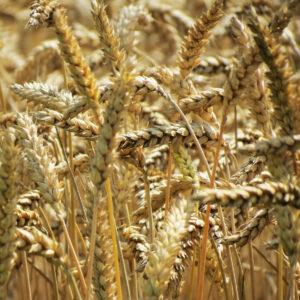
Wheat is typically harvested for grain but can also be used for hay at an earlier growth stage. Nutritional value varies depending on the stage of growth at harvest.
Wheat Hay Brazil Long
Caloric EnergyCaloric Energy
FiberFiber
ForageForage
NutritionNutrition
Wheat is a cereal grain that can be harvested for hay at an earlier stage of growth. Nutritional value depends on the stage of growth at harvest.
Wheat Hay Brazil Medium Chop
Caloric EnergyCaloric Energy
FiberFiber
ForageForage
NutritionNutrition
Wheat hay is a nutrient-dense hay when harvested at the boot stage. Nutritional value varies greatly depending on the stage of harvest.
Wheat Silage – 12% CP 58% NDF
DigestionDigestion
FiberFiber
ForageForage
NutritionNutrition
Wheat silage is obtained from wheat that is cut early instead of being used for grain. This is more commonly fed to cattle than horses. Wheat silage is high in protein and can be ensiled in bunker or tower silos.
Whole Crop Barley Silage – 38% DM 46% NDF
FiberFiber
ForageForage
GrainsGrains
NutritionNutrition
Whole crop barley silage is a high-energy feed for ruminants. Dry matter content and fibre digestibility vary depending on the stage of maturity at harvest.
Whole Crop Barley Silage – 40% DM 43% NDF
FiberFiber
GrainsGrains
Gut HealthGut Health
NutritionNutrition
Whole crop barley silage is primarily fed to ruminants. It can replace a portion of grass silage in lactating dairy cattle diets.
Whole Crop Oat Silage – 32% DM 50% NDF
FiberFiber
GrainsGrains
Gut HealthGut Health
NutritionNutrition
Oat silage is a high-energy forage for ruminants. It is higher in protein than corn silage but has lower digestible energy content.
Whole Crop Rye Silage 36% DM 46% NDF
FiberFiber
GrainsGrains
Gut HealthGut Health
NutritionNutrition
Rye silage is a high-energy feedstuff primarily fed to ruminants. It is lower in starch and higher in fibre than corn silage.
Whole Crop Wheat Silage – 40% DM 48% NDF
FiberFiber
ForageForage
GrainsGrains
NutritionNutrition
Whole crop wheat silage is a starch-rich feed for cattle and other ruminants. Fibre digestibility and dry matter content vary based on the stage of maturity.
Whole Crop Wheat Silage – 42% DM 42% NDF
FiberFiber
ForageForage
GrainsGrains
NutritionNutrition
Whole crop wheat silage is a forage primarily fed to ruminants. It is a starch-rich feed that is produced by chopping and ensiling the entire wheat plant.
Whole Crop Wheat Silage – 44% DM 38% NDF
FiberFiber
GrainsGrains
Gut HealthGut Health
NutritionNutrition
Whole crop wheat silage is a starch-rich feed primarily harvested for ruminants. Dry matter content and fibre digestibility vary with the maturity of the plant.
Is Your Horse's Diet Missing Anything?

Identify gaps in your horse's nutrition program to optimize their well-being.