Analyze Diet
FeedBank
Feed Type

Forages for Horses

View nutrition analyses for different forage sources for horses in the Mad Barn Equine Feed Database. This category includes hay, pasture, haylage, grass forage, legume forage, forage pellets, forage cubes, chopped forage, and other fiber-rich ingredients used in the equine diet.

Compare nutrient profiles for forage sources such as grass hay, alfalfa, mixed hay, pasture, timothy, orchardgrass, bermudagrass, teff, hay cubes, and hay pellets. Review calories, protein, fiber, starch, sugar, minerals, and digestibility to choose forage options that match your horse’s workload, body condition, metabolic needs, and overall feeding program.
Filters
Forage
Perennial Soy Hay Brazil Fine Chop
FiberFiber
ForageForage
NutritionNutrition
ProteinProtein
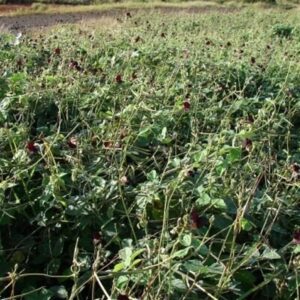
Perennial soy (Neonotonia wightii) is a legume native to Africa. It is also grown in other tropical and subtropical regions as a high-protein forage for ruminants.
Perennial Soy Hay Brazil Long
FiberFiber
ForageForage
NutritionNutrition
ProteinProtein
Perennial soy (Neonotonia wightii) is a legume native to Africa and also grown in other tropical and subtropical regions. It is a high-protein, high-energy forage that is commonly fed to ruminants.
Perennial Soy Hay Brazil Medium Chop
FiberFiber
ForageForage
NutritionNutrition
ProteinProtein
Perennial soy (Neonotonia wightii) is a legume native to Africa. It is cut for hay at the flowering stage to produce a high protein, high-energy forage for ruminants.
Pure Grass (Dengie)
DentalDental
DigestionDigestion
HealthHealth
NutritionNutrition
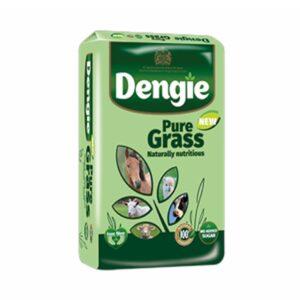
Pure Grass by Dengie is a grass grown in the Eastern counties of England. It is suitable for horses and ponies of all ages and work levels. It is ideal for horses with poor teeth as the short chop length makes it easier to chew.
Reed Canary Silage – 10% CP 65% NDF
FiberFiber
ForageForage
NutritionNutrition
ProteinProtein
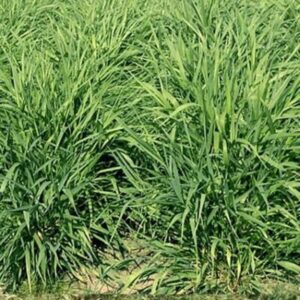
Reed canary grass is a cool-season grass that grows in northern regions of North America. Silage can be used as an alternative to hay in equine diets if necessary.
Reed Canary Silage – 15% CP 56% NDF
FiberFiber
ForageForage
NutritionNutrition
ProteinProtein
Reed canary grass is a high-yielding cool-season grass that can be used for hay, silage and pasture. This silage can be used to replace hay in the horse's diet if forage availability is limited.
Rhodes Grass Hay
FiberFiber
ForageForage
Gut HealthGut Health
NutritionNutrition
Rhodes Grass hay (Chloris gayana) is a perennial grass native to Africa that is cultivated as forage in subtropical regions, especially Australia.
Rye Grass Silage – 15% CP 58% NDF
FiberFiber
ForageForage
NutritionNutrition
ProteinProtein
Ryegrass silage is commonly fed to cattle and can be used in equine diets to replace hay when necessary. Ryegrass silage with 15% protein is appropriate for horses with higher protein and energy demands.
Rye Grass Silage – 21% CP 50% NDF
EnergyEnergy
FiberFiber
ForageForage
ProteinProtein
Ryegrass silage is common as a ruminant feed in North America. Limited quantities of silage can be used in equine diets as an alternative to hay.
Rye Grass Silage – 9% CP 65% NDF
FiberFiber
ForageForage
NutritionNutrition
Weight IssuesWeight Issues
Ryegrass silage is a common feed for cattle. Silage can be used in equine diets if hay supply is limited. Late maturity harvests of ryegrass will have lower protein and higher fibre content.
Ryegrass (HorseHage)
ForageForage
IngredientIngredient
NutritionNutrition
Weight IssuesWeight Issues
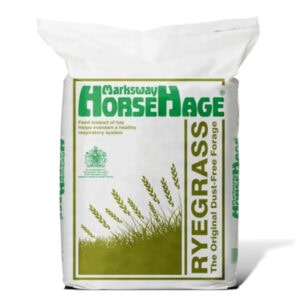
Ryegrass from HorseHage is ideal for hunters, heavy horses, young stock, and breeding stock. This feed contains 32% fiber, 6% NSC, and 9% protein, improving weight and condition.
Ryegrass Pasture Autumn NZ
FiberFiber
ForageForage
NutritionNutrition
ProteinProtein
Ryegrass pasture has higher protein content in the autumn compared to summer. It is commonly grazed by cattle and horses.
Ryegrass Pasture Drought NZ
FiberFiber
ForageForage
NutritionNutrition
ProteinProtein
Under drought conditions ryegrass pasture will have lower protein and higher sugar content. High sugar content forages should be limited for horses with metabolic concerns.
Ryegrass Pasture Spring NZ
FiberFiber
ForageForage
NutritionNutrition
ProteinProtein
Ryegrass pasture is a common feed for cattle and horses. In the springtime, it is relatively high in protein, sugar and energy and may be unsuitable for easy keepers or horses with metabolic concerns.
Ryegrass Pasture Summer NZ
FiberFiber
ForageForage
NutritionNutrition
ProteinProtein
Ryegrass pasture is commonly grazed by cattle and horses. In the summer months it has lower protein, sugar and energy content than in the spring.
Signalgrass Fresh Brazil Fine Chop
FiberFiber
ForageForage
Gut HealthGut Health
NutritionNutrition
Signalgrass (Brachiara decumbens) is a subtropical grass. It is common to South America, Southeast Asia and the Pacific. It can be cut fresh to varying lengths as a feed for cattle or sheep.
Signalgrass Fresh Brazil Long
FiberFiber
ForageForage
Gut HealthGut Health
NutritionNutrition
Signalgrass (Brachiara decumbens) is a subtropical grass common to South America, Southeast Asia and the Pacific. Its chop length affects the physically effective NDF content of the forage which is important to ruminant gut health.
Signalgrass Fresh Brazil Medium Chop
FiberFiber
ForageForage
Gut HealthGut Health
NutritionNutrition
Signalgrass (Brachiara decumbens) is a subtropical grass. It is common to South America, Southeast Asia and the Pacific. It can be cut fresh to varying lengths as a feed for cattle or sheep.
Signalgrass Fresh Fertilized Mexico Fine Chop
FiberFiber
ForageForage
Gut HealthGut Health
NutritionNutrition
Signalgrass (Brachiara decumbens) is a subtropical grass. It is common to South America, Southeast Asia and the Pacific. It can be cut fresh to feed to ruminants.
Signalgrass Fresh Fertilized Mexico Long
FiberFiber
ForageForage
Gut HealthGut Health
NutritionNutrition
Signalgrass (Brachiara decumbens) is a subtropical grass common to South America, Southeast Asia and the Pacific. Its chop length affects the physically effective NDF content of the forage which is important to ruminant gut health.
Signalgrass Fresh Fertilized Mexico Medium Chop
FiberFiber
ForageForage
Gut HealthGut Health
NutritionNutrition
Signalgrass (Brachiara decumbens) is a subtropical grass. It is common to South America, Southeast Asia and the Pacific. It can be cut fresh to varying lengths as a feed for cattle or sheep.
Signalgrass Fresh Mexico Fine Chop
FiberFiber
ForageForage
Gut HealthGut Health
NutritionNutrition
Signalgrass (Brachiara decumbens) is a subtropical grass common to South America. It is palatable and withstands heavy grazing. It can be used for pasture, hay or chopped fresh to feed to all classes of livestock.
Signalgrass Fresh Mexico Long
FiberFiber
ForageForage
Gut HealthGut Health
NutritionNutrition
Signalgrass (Brachiara decumbens) is a subtropical grass common to South America, Southeast Asia and the Pacific. Its chop length affects the physically effective NDF content of the forage which is important to ruminant gut health.
Signalgrass Fresh Mexico Medium Chop
FiberFiber
ForageForage
Gut HealthGut Health
NutritionNutrition
Signalgrass (Brachiara decumbens) is a subtropical grass. It is common in South America, Southeast Asia and the Pacific. It can be cut fresh to varying lengths as a feed for cattle or sheep.
Signalgrass Hay Brazil Fine Chop
FiberFiber
ForageForage
Gut HealthGut Health
NutritionNutrition
Signalgrass is a subtropical grass common to South America, Southeast Asia and the Pacific. It is a low-protein, high-fibre hay that can be fed to ruminants and horses.
Signalgrass Hay Brazil Long
FiberFiber
ForageForage
Gut HealthGut Health
NutritionNutrition
Signalgrass (Brachiara decumbens) is a subtropical grass common to South America, Southeast Asia and the Pacific. It is used as a cover crop and can be harvested for hay.
Signalgrass Hay Brazil Medium Chop
FiberFiber
ForageForage
Gut HealthGut Health
NutritionNutrition
Signalgrass (Brachiara decumbens) is a subtropical grass cultivated as forage. It has a widespread distribution and is used for hay, pasture or fresh feed.
Silage Mixed – 13% CP 56% NDF
FiberFiber
ForageForage
NutritionNutrition
ProteinProtein
Mixed silage containing legume and grass species has variable protein and fibre content. Mid-quality mixed silage containing 13% crude protein and 56% NDF may be appropriate for horses with higher protein requirements.
Silage Mixed – 18% CP 48% NDF
FiberFiber
ForageForage
Hay StretcherHay Stretcher
NutritionNutrition
Mixed silage composed of legume and grass species can be used in equine diets when forage availability is low. Mixed silage containing 18% crude protein can be fed in limited quantities to horses with high protein needs.
Silage Mixed – 9% CP 64% NDF
FiberFiber
ForageForage
NutritionNutrition
ProteinProtein
Mixed silage containing legume and grass species is used in equine diets as an alternative to hay. Silage is commonly fed when weather conditions interfere with hay production.
Silage Oat – 13% CP 60% NDF
FiberFiber
ForageForage
NutritionNutrition
ProteinProtein
Oat silage is commonly fed to dairy cattle as a protein and fibre source. It is not commonly fed to horses.
Siratro Grain Brazil Fine Chop
FiberFiber
ForageForage
Gut HealthGut Health
NutritionNutrition
Siratro (Macroptilium atropurpureum) is a tropical legume found in South America. It is a drought and heat resistant crop commonly used for grazing ruminants.
Siratro Grain Brazil Long
FiberFiber
ForageForage
NutritionNutrition
ProteinProtein
Siratro (Macroptilium atropurpureum) is a climbing vine typically used for livestock grazing in South America. This legume plant is drought and heat-resistant.
Siratro Hay Brazil Medium Chop
FiberFiber
ForageForage
NutritionNutrition
ProteinProtein
Siratro (Macroptilium atropurpureum) is a tropical legume that originated in Central and South America. Siratro can be cut for hay but may experience heavy leaf loss during drying.
Sorghum Grain Silage – 9% CP 64% NDF
EnergyEnergy
FiberFiber
ForageForage
NutritionNutrition
Sorghum silage-containing grain is a high-starch, high-energy forage commonly fed to cattle. Silage is used as an alternative to hay. However, sorghum sudan grasses have high levels of nitrate and prussic acid which are toxic to horses.
Sorghum Silage Brazil Fine Chop
DigestionDigestion
FiberFiber
ForageForage
NutritionNutrition
Sorghum is an annual grass commonly used as a forage source for ruminants. Fine chop increases nutrient digestibility and silage compaction.
Sorghum Silage Brazil Long
DigestionDigestion
FiberFiber
ForageForage
NutritionNutrition
Sorghum is an annual grass commonly used as a forage source for ruminants. Long chop increases the physically effective fibre content.
Sorghum Silage Brazil Medium Chop
DigestionDigestion
FiberFiber
ForageForage
NutritionNutrition
Sorghum is a tall, annual grass that is commonly used as a forage source for ruminants. It can be cut and stored in anaerobic conditions to make silage.
Sorghum Silage Honduras Fine Chop
DigestionDigestion
FiberFiber
ForageForage
NutritionNutrition
Sorghum is a tall annual grass that can be ensiled as a forage source for ruminants. Tropical sorghum is a different species than the sorghum plant found in North America and Europe.
Sorghum Silage Honduras Long
DigestionDigestion
FiberFiber
ForageForage
NutritionNutrition
Sorghum is a tall annual grass that can be used as grain or forage. Tropical sorghum differs from the common species found in North America and Europe.
Sorghum Silage Honduras Medium Chop
DigestionDigestion
FiberFiber
ForageForage
NutritionNutrition
Sorghum is a tall annual grass that can be used for grain or forage. Sorghum is related to maize (corn) and shares similar ensiling characteristics.
Sorghum Sudan Silage – 11% CP 68% NDF
FiberFiber
ForageForage
NutritionNutrition
ProteinProtein
Sorghum Sudan silage is commonly fed to cattle and other ruminants. It should not be fed to horses as they are susceptible to sudan grass toxicity.
Soy Bean Silage
EnergyEnergy
ForageForage
NutritionNutrition
ProteinProtein
Soybean silage is typically produced under drought-stress conditions that are unlikely to result in a high yield of soybean grain. Soybean silage is a high-protein forage source more commonly fed to cattle.
Soybean Straw Brazil Fine Chop
FiberFiber
ForageForage
NutritionNutrition
ProteinProtein
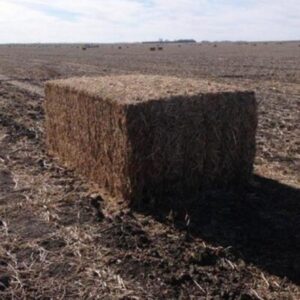
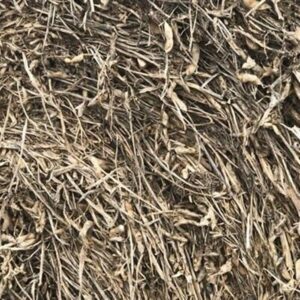
Soybean straw is a byproduct of soybean farming. It has low digestibility and protein with a high fibre content. It is not commonly used as a primary forage source.
Soybean Straw Brazil Long
FiberFiber
ForageForage
NutritionNutrition
ProteinProtein
Soybean straw is a byproduct of soybean production. It has high-fibre, low-protein content and is relatively indigestible which make it useful as bedding.
Soybean Straw Brazil Medium Chop
FiberFiber
ForageForage
NutritionNutrition
ProteinProtein
Soybean straw is a high-fibre, low-protein forage that is a byproduct of soybean harvesting. It is not commonly used as a feed due to its low digestibility but can be used as bedding.
Stargrass Fresh Fertilized Mexico Fine Chop
FiberFiber
ForageForage
Gut HealthGut Health
NutritionNutrition
Star grass (Cynodon nlemfuensis) is a perennial grass native to Africa. It grows well in tropical and subtropical regions. Its nutritional profile and appearance are similar to Bermuda grass.
Stargrass Fresh Fertilized Mexico Long
FiberFiber
ForageForage
Gut HealthGut Health
NutritionNutrition
Star grass (Cynodon nlemfuensis) is a perennial grass native to Africa. It grows well in tropical and subtropical regions. It is similar to Bermuda grass and can be fertilized for faster growth.
Stargrass Fresh Mexico Fine Chop
FiberFiber
ForageForage
Gut HealthGut Health
NutritionNutrition
Star grass (Cynodon nlemfuensis) is a perennial grass native to Africa. It's appearance and characteristics are similar to Bermuda grass, and can be used as hay, silage, or fresh chop.
Stargrass Fresh Mexico Long
FiberFiber
ForageForage
Gut HealthGut Health
NutritionNutrition
Star grass (Cynodon nlemfuensis) is a perennial grass with characteristics similar to Bermuda grass. It is native to Africa and can be used for pasture, hay or fresh chop.
Is Your Horse's Diet Missing Anything?

Identify gaps in your horse's nutrition program to optimize their well-being.