English


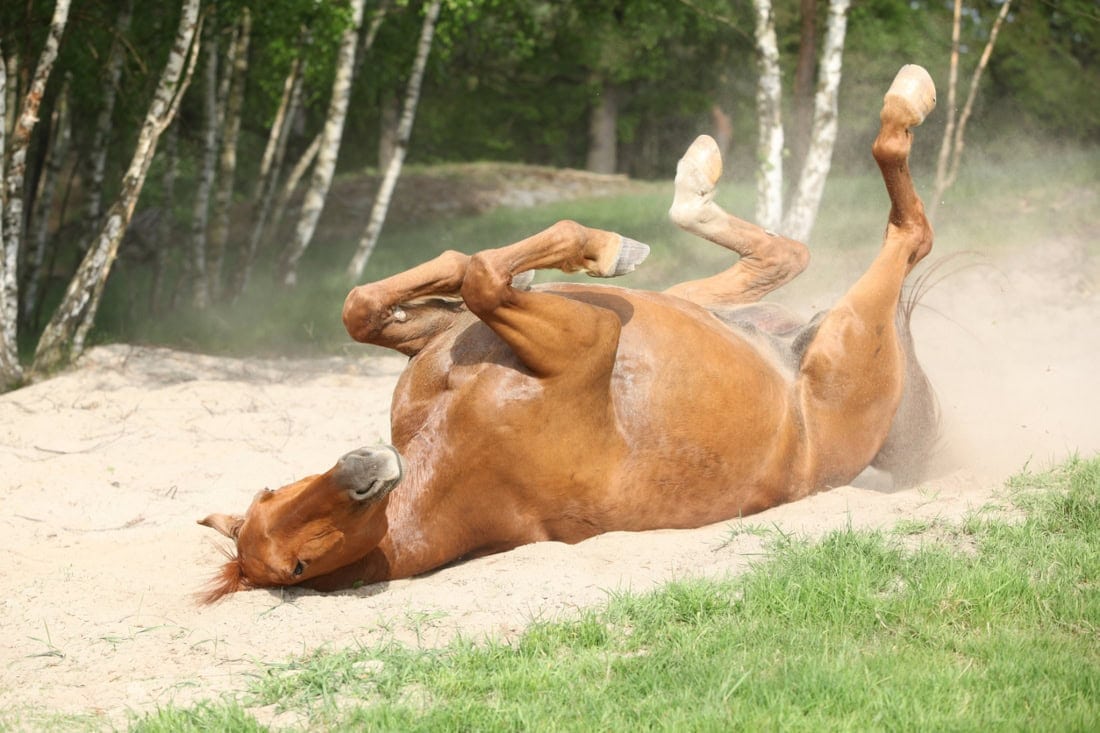
Gas colic, also known as tympany or flatulent colic, is a gastrointestinal disorder in horses characterized by excessive accumulation of gas in the intestines. This common condition can lead to significant abdominal discomfort and distress, posing a serious health risk if left untreated. [1]
This painful condition often results from dietary issues, stress, or sudden changes in feeding routines. [2] Recognizing the symptoms of gas colic early — such as pawing, rolling, and abdominal bloating — is essential for prompt treatment and prevention of further complications.
Gas colic occurs when a horse experiences an imbalance between gas production and expulsion, leading to painful distension of the intestines.
Understanding gas colic is essential for horse owners and caretakers, as prompt recognition and intervention help alleviate discomfort in a timely manner and provide the best chance of preventing complications.
Causes of Gas Colic in Horses
Gas colic, also known as tympany, occurs when excess gas accumulates in the horse’s intestines, leading to painful distension and discomfort. This condition is often triggered by dietary factors, disruptions in gut motility, or an imbalance in the gut’s microbial population. [3]
Horses have a unique digestive physiology that relies heavily on a complex population of microbes, particularly in their hindgut, to ferment fibrous feedstuffs. The fermentation process is essential for breaking down plant materials and aiding in the absorption of nutrients.
When horses consume diets high in rapidly fermentable feeds (such as grains, lush grasses, or beet pulp) the microbial fermentation process can produce excessive gas as a byproduct.
In a healthy digestive system, gas produced during fermentation is typically expelled by the horse’s intestinal motility (peristalsis). However, excessive intake of rapidly fermentable feeds can overwhelm the digestive system, resulting in gas accumulation, particularly in the cecum and large colon. [4][5]
Moreover, sudden dietary changes can disrupt the balance of beneficial microbes in the gut, leading to inefficient fermentation and increased gas production. Conditions that impair intestinal motility, such as dehydration or certain digestive disorders, can also hinder the expulsion of gas, contributing further to accumulation and bloating. [6][7]
The resulting distension can manifest in various ways, including bloating, restlessness, and mild to severe colic. Understanding the interplay between diet, gut motility, and microbial balance is crucial for managing and preventing gas colic in horses.
Risk Factors
Several risk factors can contribute to the development of gas colic in horses, affecting their digestive health and overall well being. These include: [1][3][8][9]
- Oral stereotypies: Cribbing and wind sucking can lead to excessive air ingestion, contributing to gas buildup, and are often associated with stress that disrupts gut motility.
- Prolonged stabling: Spending extended periods in a stable can limit natural behaviors like grazing and movement, which are essential for healthy digestion. Extended confinement can slow intestinal motility and increase stress, leading to changes in eating habits that contribute to gas accumulation.
- Changes in training program: Sudden alterations in a horse’s exercise routine can affect gut motility. Reduced activity may slow digestion, while over exertion without supportive dietary adjustment can lead to digestive upset.
- Parasite load: In the absence of regular deworming with medications like ivermectin can lead to a high parasite load, disrupting normal gut function and increasing the risk of gas colic.
- Travel: Stress from travel, combined with changes in feeding and hydration routines, can disturb digestion and elevate the risk of gas colic.
- Dental issues: Horses that rush their feeding or are fed a diet lacking sufficient forage may not chew their food adequately. Horses with existing dental disease and senior horses may also have difficulty chewing properly. Insufficient chewing results in larger feed particles that are more difficult to digest, increasing the likelihood of gas production during fermentation.
What's your top priority with your horse's health?

Enter your email to receive your store credit
Symptoms
Clinical signs of gas colic in horses vary based on the rate of gas accumulation and the specific part of the gastrointestinal tract involved. Initially, abdominal pain is generally intermittent but may progress to persistent mild, moderate or severe discomfort.
Key clinical signs include: [3][9]
- Abdominal pain: Varies in severity; can be mild to moderate but may escalate to severe in cases of intestinal spasm or extreme distension
- Abdominal distension: Bloating is often bilateral in cases involving the large colon
- Rapid heart rate: Heart rates typically range from 30 to 40 beats per minute but can exceed 80 bpm with severe distension, even without signs of circulatory compromise
- Rapid breathing: Increased respiratory rate may occur, especially if pressure from the distended abdomen compromises the diaphragm’s function
- Abdominal sounds: These can be decreased in severe cases or increased in others. If the cecum is distended, there may be noticeable swelling in the right sub-lumbar area, and listening to the abdomen may show reduced normal sounds, with unusual “ping” or “steel band” sounds when tapped
- Gastric tympany: This can lead to acute distress and severe, uncontrollable pain. If uncontrolled distention of the stomach occurs, it may rupture, leading to an abrupt cessation of pain followed by rapid signs of collapse and shock
Diagnosis
To accurately identify the underlying cause of colic, veterinarians conduct a comprehensive examination that may include rectal palpation, pain management, and nasogastric intubation.
The diagnostic process for gas colic begins with a comprehensive history of the horse, covering recent dietary changes, exercise routines, and any prior gastrointestinal issues.
Rectal palpation allows the veterinarian to evaluate the size and tension of the large colon. Palpation may reveal significant gas distension, often presenting as an enlarged, firm structure. [1][3] Additionally, the passage of a nasogastric tube may facilitate removal of excess gas or fluid, further aiding in diagnosis. [3]
Pain medications are sometimes used to help alleviate the horse’s discomfort long enough for the veterinarian to complete a thorough exam. [3][10]
Differential Diagnosis
Since the symptoms of gas colic can resemble those of other types of colic and abdominal disorders, distinguishing between these conditions is essential for effective treatment. Some common conditions to rule out when diagnosing gas colic include: [1][9][11][12][13]
- Spasmodic Colic: A type of colic with no identifiable pathology, where abdominal pain is thought to result from spasms or abnormal contractions in the gut. It often presents with intermittent pain, increased gut sounds, diarrhea and signs of colic.
- Ileus: A condition characterized by reduced or absent gut motility, often resulting from underlying issues such as inflammation, electrolyte imbalances, or post-surgical complications. Symptoms include abdominal pain, lack of gut sounds, and distended abdomen due to trapped gas or fluid.
- Impaction Colic: A blockage in the intestines, usually in the large colon, caused by an accumulation of feed, sand, or other materials. It leads to abdominal pain, reduced fecal output, and decreased gut sounds, with horses often showing signs of moderate to severe discomfort.
- Displacement or Volvulus (Twisting): A serious condition in which the intestines move out of their normal position or twist, causing severe pain, lack of gut sounds, and rapid deterioration.
- Enteritis or Colitis: Inflammation of the small intestine (enteritis) or large intestine (colitis), typically due to infection or dietary issues. Symptoms include abdominal pain, fever, and often diarrhea.
Each of these conditions requires specific treatment approaches, making accurate diagnosis essential for effective management.
Treatment
The initial step in treating gas colic is to cease all feeding until the tympany, or gas buildup, resolves. Continued feeding can exacerbate the situation by adding more fermentable material to the gastrointestinal tract, leading to further gas production and increased distension. [3]
Following this, the passage of a nasogastric tube is performed to eliminate the gas buildup, which can provide immediate relief in cases of primary gastric tympany. This process may facilitate the spontaneous release of gas, or a siphoning action may be required to effectively remove the excess gas. [14]
If the stomach is bloated with gas, releasing it can alleviate pain right away. This approach can also offer temporary comfort if the buildup is further down the digestive tract. [3]
Light exercise can stimulate the horse’s digestive tract, encouraging the movement of trapped gas and alleviating discomfort. Trotting the horse on a lunge line for approximately 15 to 20 minutes can effectively promote the movement of gas within the intestines. [3] The treating veterinarian may also start a course of pain medication while treatment is ongoing.

Prevention
Implementing proactive measures can significantly reduce the risk of gas colic in horses. Horse owners and caretakers should consider the following guidelines: [15][16][17][18]
- Make dietary changes gradually: Any changes to a horse’s diet should be made gradually over a period of several days or longer. This allows the microbial population in the gut to adjust to new feed types and helps prevent disturbances that can lead to gas accumulation.
- Provide forage-based feeding: Forage promotes normal chewing and salivation, both of which help reduce the risk of gas buildup. A forage-based diet is aligned with the horse’s digestive adaptations and provides optimal opportunities for natural feeding behavior, minimizing the risk of excessive gas build up.
- Optimize hindgut microflora: Avoid feeding large amounts of rapidly fermentable feeds or concentrates, such as grains, especially if a horse is not accustomed to them. Any addition of grain should be introduced gradually and in moderation.
- Ensure adequate hydration: Provide horses with constant access to fresh, clean water. Dehydration can impair gut motility, so it is crucial to encourage adequate water consumption, particularly during hot weather or after exercise.
- Include regular exercise: Providing opportunities for regular exercise is vital for maintaining gut motility. Turnout in pastures, regular riding and lunging can help stimulate the digestive system and reduce the risk of colic.
- Minimize stress: Stress factors such as travel, housing changes or extreme weather can impact digestion. Ensure horses have a comfortable environment, avoid sudden changes in routine, and provide companionship to support equine welfare and counter-balance unavoidable stress.
- Avoid Overfeeding: Be cautious about the quantity of feed given at each meal. Overfeeding can lead to excessive gas production and colic. Horses should be fed smaller, more frequent meals rather than one or two large ones.
Prognosis
The prognosis for gas colic in horses is generally favorable, particularly when the condition is promptly recognized and treated. Most cases fully resolve with appropriate intervention, including dietary management, analgesics, light exercise, and, if necessary, the passage of a nasogastric tube to relieve gas buildup. [3]
If underlying causes, such as dietary changes or stress, are effectively addressed, horses can often return to normal activity without long-term complications. However, if gas colic is severe or associated with other gastrointestinal issues, such as displacement or significant distension, the prognosis may be more guarded, and surgical intervention could be required.
Frequently Asked Questions
Here are some frequently asked questions about gas colic in horses:
Gas colic, also known as tympany, is a gastrointestinal disorder where excess gas accumulates in the horse’s intestines, causing painful abdominal distension. [1]
Gas colic can be triggered by various factors, including dietary changes, rapid fermentation of feed, and disruptions in gut motility or microbial balance. [3][4][5]
Horses with gas colic often show signs of abdominal pain, distension, increased heart and respiratory rates, and abnormal gut sounds. [3][9]
Summary
Gas colic is a common equine disorder caused by excess gas build-up in the intestines, leading to painful abdominal distension.
- Rapidly fermentable feeds, sudden diet changes, stress, lack of exercise, parasites and behaviours like crib biting increase gas colic risk.
- Signs include abdominal pain, distension, rapid heart and respiratory rates, and abnormal gut sounds.
- To diagnose gas colic, veterinarians assess the horse's history, symptoms, and may use rectal palpation, nasogastric tubing, or imaging to confirm gas colic.
- Treatment typically includes withholding feed, relieving gas via a tube, light exercise, and pain management.
References
- Blikslager A.T. et al., The Equine Acute Abdomen, 3rd Edition. VetBooks. 2017.
- Moore J.N., Colic in Horses . Merck Veterinary Manual. 2019.
- Baxter R. et al., Gastrointestinal: tympany/flatulent colic in Horses (Equis). Vetlexicon.
- Colombino E. et al., Gut Health of Horses: Effects of High Fibre vs High Starch Diet on Histological and Morphometrical Parameters. BMC Veterinary Research. 2022.
- Richards N. et al., The Effect of Current Grain Feeding Practices on Hindgut Starch Fermentation and Acidosis in the Australian Racing Thoroughbred. Australian Veterinary Journal. 2006. View Summary
- Garber A. et al., Abrupt Dietary Changes between Grass and Hay Alter Faecal Microbiota of Ponies. PLoS One. 2020. View Summary
- Shirazi-Beechey S.P., Molecular Insights into Dietary Induced Colic in the Horse. Equine Veterinary Journal. 2008. View Summary
- Blikslager A.T., Colic Prevention to Avoid Colic Surgery: A Surgeon’s Perspective. Journal of Equine Veterinary Science. 2019.
- Fikri F. et al., Incidence, Risk Factors, and Therapeutic Management of Equine Colic in Lamongan, Indonesia. Vet World. 2023. View Summary
- Moore J.N., Overview of Colic in Horses. Merck Veterinary Manual. 2021.
- Baxter R. et al., Abdomen: pain - spasmodic colic in Horses (Equis). Vetlexicon.
- Naylor J., Gastrointestinal: ileus in Horses (Equis). Vetlexicon.
- Koenig J. and Cote N., Equine Gastrointestinal Motility — Ileus and Pharmacological Modification. Can Vet J. 2006. View Summary
- Munsterman A.S., Equine Emergency Procedures. Merck Veterinary Manual. 2019.
- Akin M. et al., AAEP Care Guidelines for Equine Rescue and Retirement Facilities. AAEP. 2017.
- Sadet-Bourgeteau S. et al., Effect of Concentrate Feeding Sequence on Equine Hindgut Fermentation Parameters. Animal. 2017. View Summary
- Williams S. et al., Water Intake, Faecal Output and Intestinal Motility in Horses Moved from Pasture to a Stabled Management Regime with Controlled Exercise. Equine Veterinary Journal. 2014.
- Straticò P. et al., Retrospective Study on Risk Factors and Short-Term Outcome of Horses Referred for Colic from 2016 to 2022. Veterinary Sciences. 2022.