English
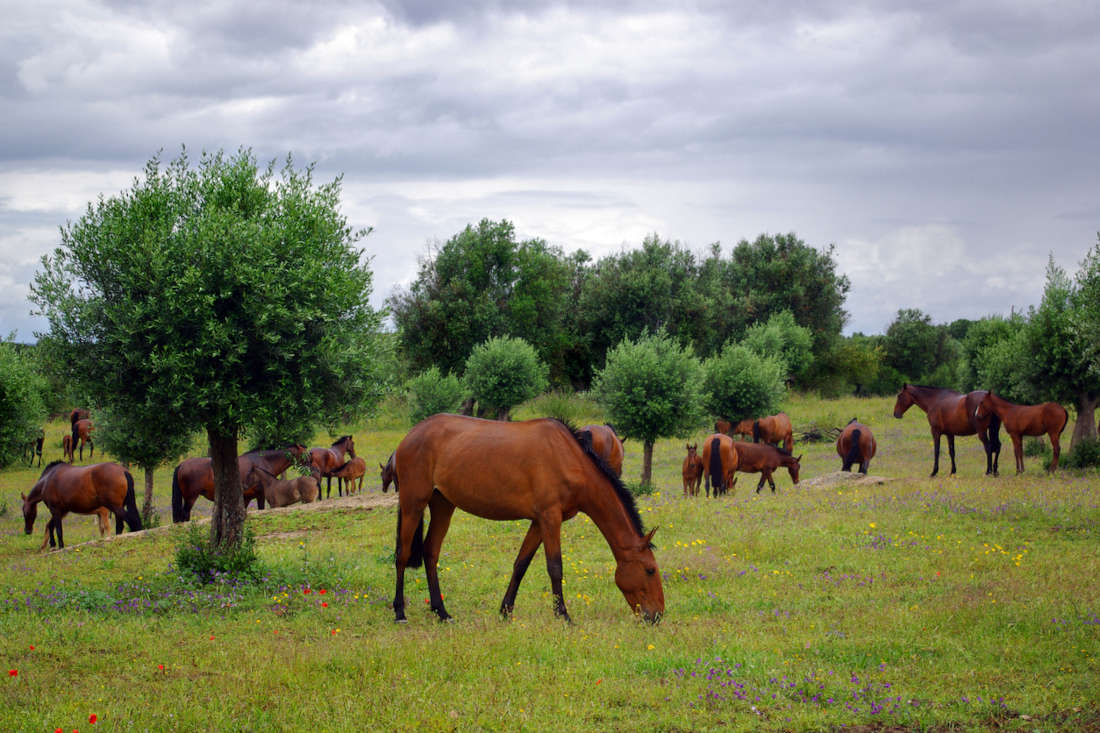
Horsetail toxicosis in horses is a rare but potentially life-threatening condition caused by repeated consumption of horsetail plants.
Horses are most often exposed to horsetail through contaminated hay. Early signs such as weight loss, weakness, and mild incoordination may be subtle, making a history of possible forage exposure especially important.
Horsetail remains toxic after drying and can interfere with thiamine (vitamin B1) availability, leading to progressive neurological impairment. Prompt removal of the contaminated forage and veterinary treatment improve the likelihood of recovery.
Keep reading to learn how to identify horsetail, recognize signs of poisoning, and reduce your horse’s risk of exposure.
Horsetail Poisoning in Horses
Horsetails are perennial, spore-producing plants of the Equisetum genus. These species are widely found throughout temperate regions, particularly in moist and poorly drained environments.
The name Equisetum comes from the Latin words for “horse” and “bristle”, referring to the bushy, tail-like appearance of the shoots. Several relevant species grow across North America. [1]
Equisetum spp. are perennial vascular plants that do not produce flowers or seeds. They reproduce sexually through spores and also spread asexually through extensive underground rhizome systems. Horsetail rhizomes are modified underground stems rather than true roots. Rhizomes produce new shoots from nodes and buds, allowing the plant to spread and form dense colonies. [1]
While rare, horsetail poisoning in horses is potentially life threatening and can seriously decrease an animal’s quality of life. The majority of cases occur as the result of repeated ingestion over several weeks rather than a single exposure. [1][2]
Fresh horsetail is generally coarse and relatively unpalatable because of the high silica content of its stems. The risk of toxicosis increases when horsetail is incorporated into hay, where it remains toxic after drying and a horse may eat it more readily. [1][2]
Common Names for Horsetail
- Mare’s tail
- Scouring rush
- Snake grass
- Puzzlegrass
- Bottlebrush
- Shavegrass
- Joint grass
- Pewterwort
Table 1. Horsetail poisoning in horses at-a-glance
| Category | Key Information |
|---|---|
| Definition |
|
| Primary Cause |
|
| Onset |
|
| Symptoms |
|
| Treatment |
|
| Prognosis |
|
| Prevention |
|
What's your top priority with your horse's health?

What's your top priority with your horse's health?
Identification
Horsetails are distinctive, primitive plants with an unusual growth and reproduction cycle. The earliest remains of modern Equisetum species date back to the Early Jurassic period. [1][4]
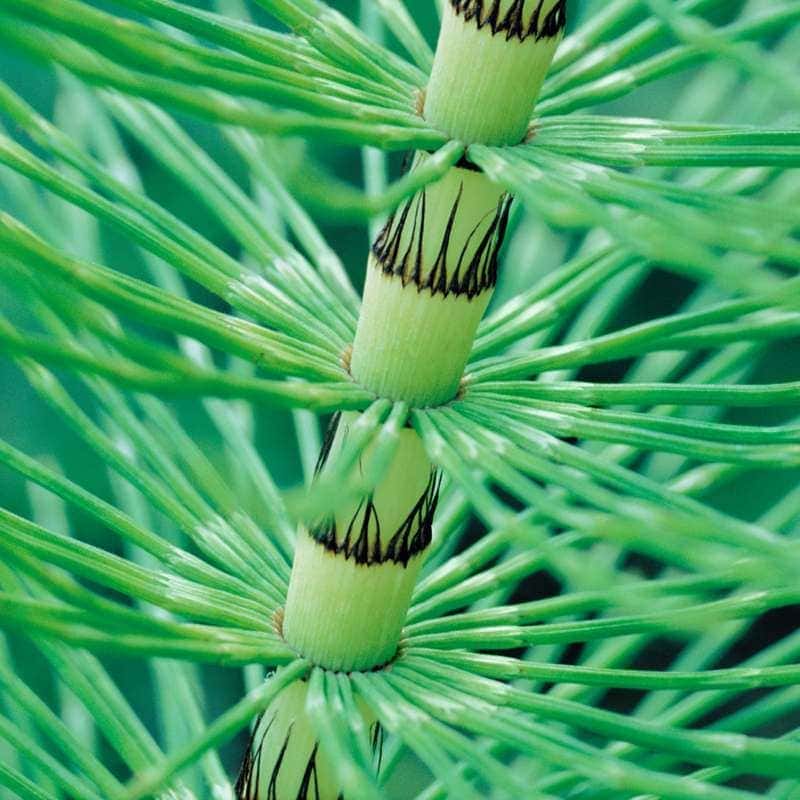
The most prominent feature of horsetails is the hollow, jointed stem, which gives the plant a segmented, bamboo-like appearance.
The stems are cylindrical, ridged, and rough to the touch due to their high silica content. They break apart easily at the joints, and some are fertile and unbranched, while others are sterile and have branches arranged around the nodes. [1][4]
 Stem
Stem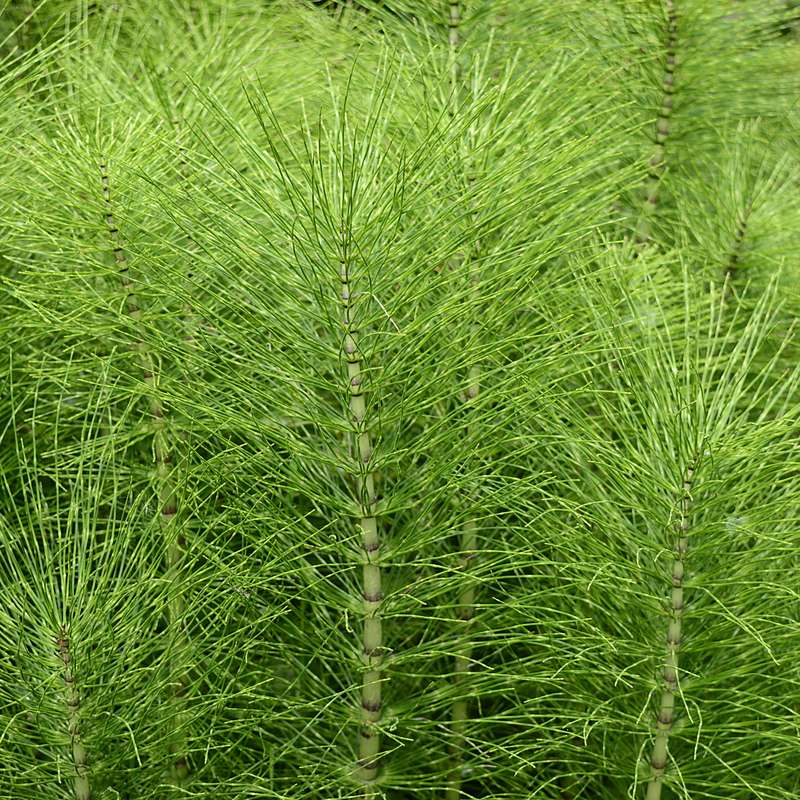 Plants
The leaves do not resemble the foliage found in more evolved plant species. Rather, horsetails have very small, scale-like leaves arranged in rings around each joint of the stem, with dark or blackened tips. The plant does not produce flowers. Instead, the fertile stems produce cone-like structures containing spores. [1][5]
Several species are relevant to animal toxicosis, including: [1]
- Field horsetail (Equisetum arvense)
- Common scouring rush (Equisetum hyemale)
- Smooth scouring rush (Equisetum laevigatum)
- Marsh horsetail (Equisetum palustre)
- Meadow horsetail (Equisetum pratense)
- Water horsetail (Equisetum fluviatile)
- Wood horsetail (Equisetum sylvaticum)
- Giant horsetail (Equisetum telmateia)
While the general appearance may be similar between species, some differences can help identify the individual species: [5][6]
- Field horsetail (Equisetum arvense) has green stems with whorls of narrow side branches, giving it a miniature pine tree appearance. In spring, it also produces separate pale brown or tan fertile stems topped with a single spore-producing cone.
- Scouring rush (Equisetum hyemale) is identifiable by its tall, upright, mostly unbranched green stems marked by obvious joints.
Once established, horsetail is difficult to eradicate because of its deep, branching rhizome system. Soil disturbance may cause propagation as fragmented underground stems are redistributed, allowing new plants to develop from pieces moved through the soil. Dense underground stands easily persist even when above-ground shoots are repeatedly removed. [1]
Horsetails are found across the globe, with the exception of Antarctica. They commonly establish in moist soils, but mature plants can spread into well-drained ground through their rhizome system. [4][7]
Toxicology of Horsetail
The principal toxic effect of horsetail in horses is associated with thiaminase, an enzyme that breaks down thiamine, also referred to as vitamin B1. Horses need thiamine to support normal energy metabolism, especially in the nervous system. [1][2][8]
When horses consume thiaminase-containing plants over several weeks, thiamine levels can gradually decline. As this deficiency worsens, the nervous system may no longer function normally, leading to progressive neurological signs. [1][2][8]
The resulting metabolic disruption in horses contributes to: [2][3]
- Weakness
- Incoordination
- Neurological dysfunction
Contaminated hay is a common source of exposure in horses, since the plant remains toxic after it has been cut and dried.
Horsetail toxicity is cumulative, with the risk of poisoning influenced by both the quantity consumed and the duration of exposure. Diets containing approximately 20% or more horsetail over a period of several weeks are likely to cause clinical disease in horses. [1][3]
In addition to thiaminase, some horsetail species contain other potentially toxic compounds. Marsh horsetail, or Equisetum palustre, also contains the alkaloids palustrine and palustridiene. [1][9]
These alkaloids are believed to contribute to the plant’s toxicity, although their specific effects in horses are not well defined. [9]
Symptoms of Horsetail Poisoning in Horses
Clinical signs of horsetail poisoning develop progressively following repeated exposure. Early signs may include: [1][2][8]
- Weight loss or an unthrifty appearance
- Lethargy
- Weakness
- Mild incoordination
- Wide-based or abnormal stance
- Muscle tremors or fasciculations
- Constipation or tenesmus
- Reduced exercise tolerance
Appetite does not always decline in the early stage of poisoning. Some affected horses continue to eat and drink normally, despite developing neurological signs. [1][2][5]
As thiamine deficiency becomes more severe, neurological and muscular abnormalities become increasingly evident. More advanced signs may include: [2][3][5][8]
- Marked ataxia
- Progressive loss of muscular control
- Trembling or muscle fasciculations
- Difficulty standing or rising
- Recumbency
- Paddling or repeated struggling while down
- Apparent visual impairment
- Central nervous system depression
- Progressive muscular rigidity
- Partial paralysis
- Convulsions or seizures
- Coma
When to Call the Veterinarian
Call a veterinarian promptly if your horse is exposed to horsetail or develops: [2][3]
- Unexplained weakness
- Weight loss
- Incoordination
- Muscle tremors
- Difficulty standing
Prompt treatment is essential, as horses treated before the development of recumbency have the strongest chance of full recovery. [2][3]
Remove access to any suspected hay or forage sources while waiting for veterinary guidance. Keep a sample of the hay or suspected plant material for the veterinarian to identify and assess for possible contamination.
Exposure Risk Factors
Most cases of horsetail poisoning in horses are associated with contaminated hay rather than grazing fresh plants.
Horsetail is coarse and relatively unpalatable when fresh, but horses may consume considerably more of it once it has been cut and incorporated into hay. Drying does not eliminate thiaminase activity, meaning that contaminated forage remains toxic during storage and subsequent feeding. [1]
Exposure risk factors include: [1][9]
- Heavily contaminated hay
- Poor-quality forage
- Limited alternative forage
- Wet or poorly drained ground
- Established horsetail colonies
Plant species and developmental stage may also influence risk. Marsh horsetail (Equisetum palustre) contains palustrine and palustridiene, and concentrations of these alkaloids vary with plant development. [9]

Diagnosis
Diagnosis of horsetail poisoning in horses is based on a combination of: [2][3]
- Exposure history
- Physical examination
- Compatible neurological signs
- Laboratory findings
- Response to thiamine treatment
Postmortem findings are usually not specific enough to confirm horsetail poisoning on their own. Some horses may have no obvious visible lesions. [2][3]
In reported cases of horsetail toxicosis in horses, examination after death has identified congestion in certain tissues such as: [2][3]
Microscopic examination may also show nerve cell death in some cases. These findings can support a suspected diagnosis, but they do not confirm horsetail poisoning without other evidence. [2][3]
Differential Diagnosis
As part of the diagnostic process, veterinarians rule out other conditions with overlapping symptoms. Investigation focuses on nervous system dysfunction.
Conditions with similar signs to horsetail poisoning in horses include: [3]
- Equine leukoencephalomalacia
- Rabies
- West Nile virus infection
- Eastern or Western equine encephalitis
- Equine herpesvirus-associated neurological disease
- Sagebrush poisoning
- Pyrrolizidine alkaloid toxicity
Treatment & Management
Treatment of horsetail poisoning focuses on stopping further exposure and restoring healthy thiamine levels. Owners should remove their horse’s access to contaminated hay or pasture and provide them with clean, good-quality forage.
Early intervention is important because horses treated before severe neurological impairment or recumbency develops are more likely to recover. [2][3]
Veterinarians treat horsetail poisoning with thiamine hydrochloride given by injection. Treatment protocols vary, but horses typically need repeated doses over several days. [1][2][3]
Supportive care is also required while horses recover from horsetail poisoning. Treatments may include: [1][2][3]
- Fluid therapy
- Ample access to fresh water
- Maintaining a quiet, low-stress environment
- Stall rest or controlled exercise
- Ongoing monitoring
Prognosis
The prognosis for horsetail poisoning depends largely on the severity of neurological signs at the time treatment begins.
Horses treated before they become recumbent, or unable to stand, generally respond well to thiamine therapy. Affected horses usually improve within the first day of treatment, and substantial recovery occurs over the following several days. [2][3]
Cases that are caught early carry a good prognosis, particularly when the contaminated forage is promptly removed and thiamine treatment is started before severe weakness or loss of mobility develops. [2][3]
The prognosis is considerably poorer once a horse is unable to stand. Signs associated with a lower likelihood of recovery and a greater risk of secondary complications include: [2][3][8]
- Advanced neurological impairment
- Prolonged recumbency
- Repeated seizures
- Progressive muscular weakness
Prevention
Prevention is the most effective way to reduce the risk of horsetail poisoning because most cases develop after repeated ingestion of contaminated forage. Management focuses on keeping horsetail out of hay and limiting access to established stands. [1]
Prevention strategies include: [1][7]
- Hay inspection: Check hay for hollow, jointed stems and other plant material that does not match the surrounding forage. Because horsetail remains toxic after drying, contaminated bales should not be fed.
- Hay sourcing: Purchase forage from suppliers who monitor fields for toxic plants, particularly when hay is harvested from wet ground, ditches, or poorly drained areas where horsetail commonly grows.
- Pasture monitoring: Inspect wet areas, field margins, and low-lying ground regularly for new shoots or established colonies.
- Drainage management: Improving drainage can make conditions less favorable for horsetail and reduce the risk of plants becoming incorporated into harvested forage.
- Restricted access: Fence horses away from heavily infested areas when plants cannot be removed or controlled effectively.
- Adequate forage availability: Maintain access to good-quality hay or pasture so horses are less likely to consume coarse, relatively unpalatable plants.
Established horsetail can be difficult to control because the plant spreads through an extensive underground rhizome system. Repeated cutting of the visible shoots may not eliminate the plant, and soil disturbance can spread rhizome fragments into new areas. Long-term control requires continued monitoring and management of affected ground. [1]
Frequently Asked Questions
Here are some frequently asked questions about horsetail poisoning in horses:
Horsetail poisoning in horses is a rare but potentially life-threatening condition caused by repeatedly eating plants from the Equisetum genus. It is also known as equisetosis and usually develops gradually after exposure over several weeks rather than after a single ingestion. Most cases are associated with horsetail-contaminated hay. [1][2]
Horsetail plants can be identified by their hollow, jointed stems, which have a segmented, bamboo-like appearance and feel rough because of their high silica content. Small, scale-like leaves grow in rings around the stem joints, and fertile stems produce cone-like structures containing spores rather than flowers. Field horsetail has narrow side branches that give it a miniature pine tree appearance, while scouring rush typically has tall, upright, mostly unbranched stems. [1][4][5][6]
Dried horsetail in hay remains poisonous to horses because drying does not eliminate its thiaminase activity. Fresh horsetail is coarse and relatively unpalatable, but horses may consume more of it after it has been cut and mixed into hay. Contaminated hay is therefore a more common source of poisoning than grazing fresh plants. [1][2]
Horsetail causes poisoning in horses primarily through thiaminase, an enzyme that breaks down thiamine. Horses require thiamine for normal energy metabolism, particularly within the nervous system. Repeated exposure can gradually reduce thiamine availability and lead to progressive weakness, incoordination, and neurological dysfunction. [1][2][8]
The amount of horsetail required to poison a horse depends on both the quantity consumed and the duration of exposure. Clinical disease is most commonly associated with diets containing approximately 20% or more horsetail for several weeks, but this is not a threshold owners should use to judge whether contaminated forage is safe. Any suspected horsetail contamination should be taken seriously because toxicity is cumulative and individual risk can vary. [1][3]
Early signs of horsetail poisoning in horses can include weight loss, lethargy, weakness, mild incoordination, reduced exercise tolerance, and an abnormal or wide-based stance. Muscle tremors, constipation, and straining to defecate may also occur. Some affected horses continue eating and drinking normally during the early stages, so a normal appetite does not rule out poisoning. [1][2][5][8]
Horsetail poisoning is a veterinary emergency when a horse develops worsening incoordination, muscle tremors, difficulty standing, recumbency, seizures, or other progressive neurological signs. A veterinarian should also be contacted promptly after known or suspected horsetail exposure, even if the initial signs appear mild. Horses treated before they become unable to stand have the strongest chance of recovery. [2][3]
If you find horsetail in your horse's hay, remove the suspected forage immediately and prevent further access while contacting your veterinarian. Provide clean, good-quality forage and fresh water unless your veterinarian gives different instructions. Keep a sample of the contaminated hay or plant material so the veterinarian can examine it and help assess the likely exposure.
Horsetail poisoning is diagnosed using the horse's exposure history, physical examination, neurological signs, laboratory findings, and response to thiamine treatment. A veterinarian may also need to rule out other causes of progressive neurological disease, including rabies, West Nile virus infection, equine encephalitis, equine herpesvirus-associated neurological disease, and other plant poisonings. Postmortem findings may support a suspected diagnosis, but they are not specific enough to confirm horsetail poisoning on their own. [2][3]
Horsetail poisoning is treated by stopping further exposure and restoring healthy thiamine levels. Veterinarians typically administer thiamine hydrochloride by injection, with the treatment schedule based on the horse's condition, body weight, and response. Supportive care includes clean forage, fresh water, a quiet environment, and close monitoring for changes in neurological function. [1][2][3]
A horse can recover from horsetail poisoning when contaminated forage is removed and veterinary treatment begins before severe neurological impairment develops. Promptly treated horses may start improving within 24 hours, with substantial neurological improvement over the following several days. Recovery is less likely when the horse is unable to stand or has prolonged recumbency, repeated seizures, or progressive muscular weakness. [1][2][3][8]
Horsetail poisoning can be fatal to horses if exposure continues or treatment is delayed. Advanced poisoning may cause severe incoordination, muscular rigidity, partial paralysis, seizures, coma, and death. The prognosis becomes considerably poorer once an affected horse can no longer stand. [2][3][8]
Horsetail is most likely to grow in moist, wet, or poorly drained soils, although established plants can spread into better-drained ground through underground rhizomes. These deep, branching stems allow horsetail to form persistent colonies and regrow after above-ground shoots are removed. Soil disturbance can spread rhizome fragments and allow new plants to develop in other areas. [1][4][7]
Horsetail poisoning in horses can be prevented by carefully inspecting hay, monitoring wet or poorly drained areas, and limiting access to established horsetail colonies. Owners should provide an adequate supply of good-quality forage so horses are less likely to consume unpalatable plants. Drainage improvement and careful management of infested areas can also help reduce the risk of horsetail entering pasture forage or hay. [1][7]
Summary
Horsetail poisoning is a rare but potentially fatal toxicosis that usually develops after horses repeatedly consume contaminated forage. Prompt removal of the forage and veterinary treatment with injectable thiamine can significantly improve the prognosis.
- Horsetail remains toxic after drying and is most commonly consumed when incorporated into contaminated hay.
- Thiaminase in horsetail breaks down vitamin B1, disrupting energy metabolism and neurological function.
- Early signs can include weight loss, weakness, muscle tremors, constipation, and reduced exercise tolerance.
- Advanced poisoning may cause marked ataxia, difficulty standing, recumbency, seizures, coma, or death.
- Diagnosis requires exposure history, neurological findings, laboratory results, and the horse's response to thiamine treatment.
References
- Burrows. G. E. and Tyrl. R. J. Toxic Plants of North America. 2nd ed. Wiley-Blackwell. 2013.
- Plumlee. K. H. Ed. Clinical Veterinary Toxicology. 1st ed. Mosby. 2004.
- Wilson. D. A. Ed. Clinical Veterinary Advisor: The Horse. 1st ed. Elsevier Saunders. 2012.
- Guide to Poisonous Plants. Colorado State University College of Veterinary Medicine and Biomedical Sciences. n.d.
- Horsetails and Scouring Rushes. USDA Natural Resources Conservation Service. 2006.
- Martinson. K. et al. Field Horsetail and Brackenfern: Harmful Plants to Horses. University of Minnesota Extension. 2021.
- Hartzler. B. Equisetum: Biology and Management. Iowa State University Extension and Outreach. 2017.
- Beasley. V. Thiaminase-Containing Plants and Other Substances. International Veterinary Information Service. 1999.
- Müller. J. et al. Variation of the Main Alkaloid Content in Equisetum palustre L. in the Light of Its Ontogeny. Toxins. 2020.