English
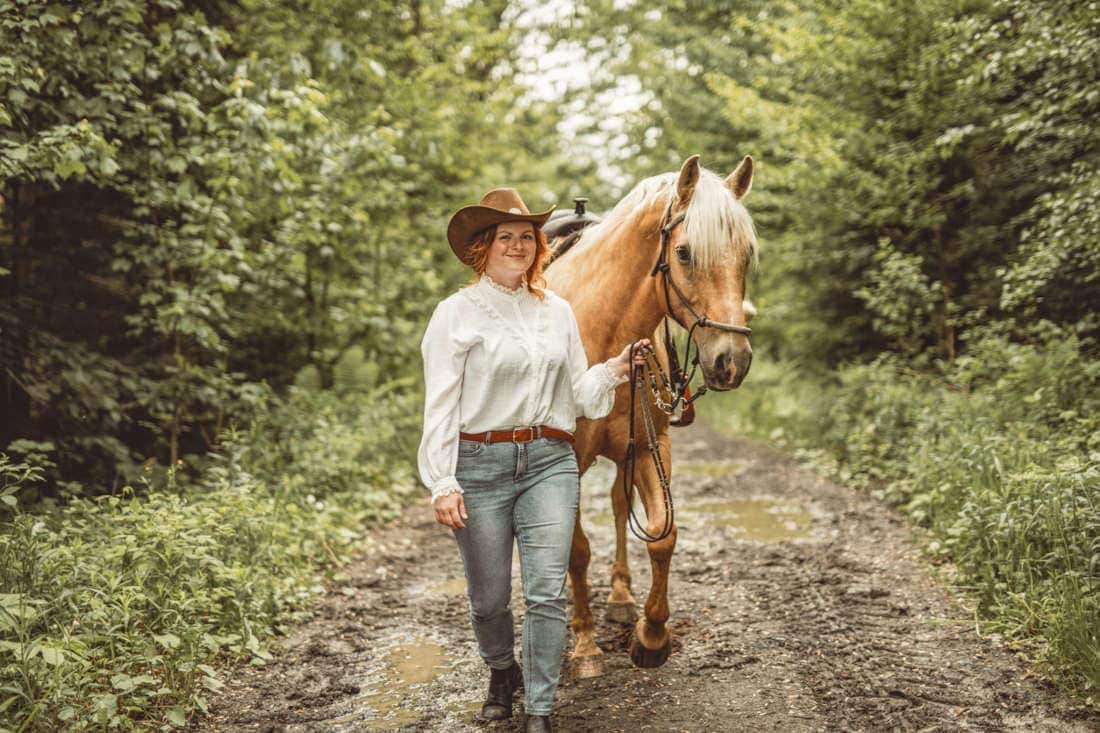
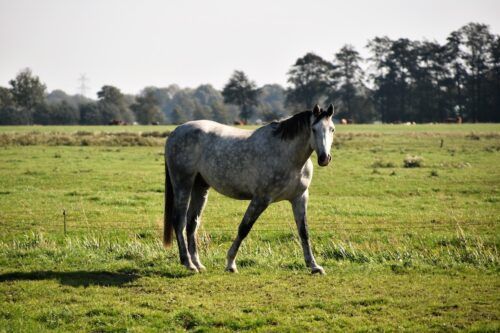
Approaching a horse safely is one of the first skills learned in horsemanship. A handler’s approach can influence the horse’s response before any handling, routine care, training or riding takes place.
As prey animals, horses are highly sensitive to movement and can react quickly to potential threats. A rushed or poorly timed approach can trigger a defensive response, even in a horse you have handled for years.
Learning how to use an appropriate angle, pace, and body position can make horses easier and safer to approach. It also helps new handlers recognize when a horse is relaxed, uncertain, or asking for more space.
By staying consistent and mindful of your own behavior, handlers and caretakers can help ensure every horse interaction is safe and rewarding.
Importance of Approaching a Horse Safely
When people think of horse-related injuries, they often picture riding accidents, but much of the risk occurs on the ground. Approaching, catching, and haltering a horse are routine tasks, but each carries some risk if the horse feels threatened, startled, or cornered.
A horse that is frightened or startled may kick, strike, rear, move sideways, or pull away suddenly. These reactions can cause injury even when the horse is not behaving aggressively.
Trampling and kicking injuries are among the most common types of equine-related injuries reported by veterinary personnel. [2] These injuries are often associated with routine handling rather than riding falls.
Knowing how to approach a horse safely is important not only during routine handling, but also for people who are new to horses or interacting with them in a barn, paddock, or over a fence.
A lack of knowledge about equine behavior and learning is linked to more frequent and serious incidents. In contrast, handlers who understand how horses perceive and respond to their surroundings tend to have fewer close calls. [1]
How a horse reacts in a given situation depends on several factors, including how the handler approaches, the surrounding environment, and the horse’s previous training and experience. A careful approach can reduce the likelihood of startling the horse and triggering a defensive or escape response.
What's your top priority with your horse's health?

What's your top priority with your horse's health?
Equine Perception & Communication
Horses do not see and interpret their surroundings in the same way people do. Their vision, hearing, and sensitivity to movement all affect how they respond when a person approaches.
Recommended techniques for safely approaching horses takes these differences into account. Handlers should approach from an area where the horse can see them, move at a steady pace, avoid sudden movements, and watch the horse’s body language for signs of concern or relaxation.
Understanding how horses perceive and respond to their environment helps handlers approach safely and communicate clearly.
Blind Spots & Field of Vision
A horse’s eyes sit on either side of the head, providing a wide, panoramic view that covers nearly the entire area around the body.
Because of the positioning of their eyes, horses have two blind spots
Due to these blind spots, a horse may not be able to see you if you walk straight toward their face or approach directly from behind. In either case, the horse may not register your presence until you are close enough to startle them.
To account for the horse’s blind spots, handlers should approach towards the horse’s shoulder, rather than directly towards the face or tail. By doing so, the horse will see your approach and is less likely to spook as you get closer.
Flight Zone & Personal Space
Every horse has a flight zone, an invisible boundary that triggers movement when a perceived threat crosses it. [4]
A horse that is handled daily and comfortable around people usually has a small flight zone. A horse with limited handling experience may begin moving away from a much greater distance.
If a horse steps away as you get closer, it is showing you where its current comfort boundary lies. Rather than closing the distance faster, slow down, adjust your angle, and give the horse time to settle.
Horse Body Language
Horses communicate constantly through changes in posture and body position, and the ears are among the most visible indicators of attention and emotional state.
Equine facial expressions can help handlers anticipate spooking or defensive behaviors. Forward, mobile ears generally indicate an attentive, curious state, while widened eyes, flared nostrils and pinned ears show the horse is stressed and may flee. [5][6]
If a horse seems tense as you approach, stop and wait for them to relax before proceeding. Pushing through and continuing the approach is likely to escalate the interaction, which makes handling more stressful for horse and handler.
Communication through body language works in both directions. While you observe the horse for signs of tension or relaxation, the horse is also responding to your posture, movement, and facial expression.
Human Body Language
Horses can detect changes in human posture, movement, and facial expression. These cues can influence whether the horse perceives an approaching person as calm and predictable or as a possible threat.
A relaxed posture, controlled movements, and neutral facial expression can make an approach less threatening. In one study, horses shown photographs of angry human faces had a faster increase in heart rate than horses shown photographs of happy faces, suggesting that human facial expression can affect the horse’s stress response. [7]
Your body position also affects how the horse reacts. Standing squarely toward the horse, making prolonged direct eye contact, moving quickly, or swinging a lead rope can increase pressure on the horse. A quieter posture and a less direct approach give the horse more time to assess the person and remain relaxed. [8]
Horses also respond to differences in human posture when deciding whether to approach. When given a choice between unfamiliar people displaying different body language, horses more often approached the person with the more relaxed posture. [9]

How to Safely Approach a Horse
The following steps provide a general guide for approaching a horse safely. Your approach should be adjusted according to the horse’s body language and response.
Specific techniques may vary with the environment, your familiarity with the horse, and your level of handling experience. However, the same basic principles apply in most situations.
Calm, consistent, and predictable behavior helps the horse anticipate your actions and reduces the risk of a startled or defensive response.
1) Approach from the Correct Angle
Walk toward the horse’s shoulder at an angle rather than heading straight for its face or approaching from behind. This keeps you within the horse’s field of vision and avoids the blind spots directly in front of and behind the horse.
Keep your pace slow and even. A quick approach can startle the horse or cause it to step away before you are close enough to make contact.
In some horses, the side of approach may also affect their response. This is more likely with a young or inexperienced horse.
Untrained yearlings tend to show more negative reactions, including threats and attempts to move away, when approached from the left side rather than the right. In contrast, horses with more training and handling experience usually don’t have a side preference. [10]
If a young or inexperienced horse appears more tense when approached from the left, try approaching from the right.
2) Announce Yourself Before Making Contact
Speak in a calm, low voice as you approach, especially if the horse cannot clearly see you. This alerts the horse to your presence before you enter close contact and reduces the chance of startling them.
Your voice can also provide information about your identity. Horses can recognize familiar human voices, which may help them distinguish a known handler from an unfamiliar person. [11]
Even with an unfamiliar horse, a calm and steady tone can make the approach less starling and promote a comfortable interaction.
3) Make First Contact
Make first contact at the shoulder or neck rather than the face. Keep your hand visible and move toward the horse slowly. Place your hand gently on the shoulder or lower neck, then use a light stroke or scratch to let the horse adjust to your touch.
Avoid reaching suddenly toward the muzzle, forehead, or ears. Do not pat the horse abruptly, as sudden contact can cause a startle response.
After making contact, continue speaking in a calm voice and maintain a relaxed posture. If the horse becomes tense, pause and allow time for the horse to settle before continuing. Keep your movements controlled, your voice quiet, and your facial expression neutral.
If the Horse Moves Away or Reacts
If the horse turns its head away, steps back, or shows other signs of tension, stop your approach. Give the horse time to settle before moving closer again. Do not speed up, follow closely, or try to corner the horse.
Continuing to approach when the horse is already tense can increase fear and make avoidance or defensive responses more likely. Allowing the horse time and space to settle can help prevent the interaction from escalating.
If the horse regularly shows an exaggerated startle response or is difficult to approach, use management and training strategies appropriate for spooky horses.
Table 1. How to approach a horse safely
| Step | Method | Rationale | Managing Reactions |
|---|---|---|---|
| Choose the right angle and pace |
|
|
|
| Announce yourself |
|
|
|
| Make first contact |
|
|
|
Approaching Horses in Different Situations
The basic principles of approaching a horse apply to all situations, but some scenarios deserve extra consideration.
By anticipating when an interaction has higher risks associated with it, handlers can work proactively to keep the horse calm before the situation escalates.
An Unfamiliar Horse
Never assume unfamiliar horses will respond to you the same way your own horse does. An unfamiliar horse may respond differently based on its previous handling, training, environment, and learned associations with people.
If possible, ask the owner or handler about the horse’s temperament and any known handling concerns before you approach.
Building trust takes time and develops through repeated, calm interactions rather than a single successful approach. Horses settle more readily when routines are predictable and the handler’s approach does not change from day to day. [12]
Catching a Horse in a Pasture or Field
A horse turned out with a herd may feel safer staying with the group and may hesitate to separate. Other horses moving away can also trigger a response, even in a horse that would otherwise be easy to catch.
When attempting to catch a horse, enter the fenced area and calmly approach the horse on an indirect line. Avoid chasing the horse if they move away.
Following closely can increase pressure and encourage the horse to continue moving away. Over time, the horse may learn to associate being approached in the field with avoidance or being pursued.
To minimize catching challenges, it helps to demonstrate to the horse that being approached does not necessarily mean they are going to be caught. Make time during routine turnout to approach your horse, interact with them, then release them back into the field without catching them. Over time, the horse is less likely to associate your approach with leaving the herd or other stressors.
A Horse in a Stall or Cross-Ties
Confined spaces are among the biggest safety hazards when working with horses. Since the horse has less room to create distance, interactions can escalate quickly in stalls or during cross-tying procedures.
When approaching horses in confined spaces, enter calmly, speak before you get close, and avoid crowding a horse that seems unsettled.
Ensure cross-ties are equipped with quick release or breakaway options, and make sure your horse practices cross-tying regularly so they are familiar and comfortable with the experience.
Approaching With Children Present
Children need extra distance and close supervision around horses. They may not recognize warning signs as quickly as an experienced adult and are more vulnerable if a horse reacts.
Some horses may also be less comfortable around children, especially if they are not used to their smaller size, quicker movements, higher-pitched voices, or less predictable behavior. Running, shouting, reaching suddenly, or approaching from an unexpected direction can startle the horse.
Keep children a safe distance away during the initial approach. Bring them closer only after the horse has settled and the horse’s handler indicates it is safe to do so.
Children should approach calmly, remain where the horse can see them, and follow the handler’s instructions before touching the horse.
Table 2. Approaching horses in different situations
| Situation | Adjusting Your Approach | Safety Consideration |
|---|---|---|
| Unfamiliar horse |
|
|
| Pasture or field |
|
|
| Stall or cross-ties |
|
|
| Children present |
|
|
Recognizing When Not to Approach
Horses give clear signals that indicate they are not ready for human interaction. It’s important for handlers to know these signs and adjust accordingly when trying to approach a horse.
Watch for a raised head, tense body, or eyes showing more white than usual. A horse that freezes, fidgets constantly, or cannot settle after you slow down may be more anxious than it first appears.
Ears pinned flat against the head, a swishing or clamped tail, bared teeth, and a horse angling its hindquarters toward you may precede a kick or bite. [5]
 Illustration: Dr. Ana Mesa, PhD
These signals do not necessarily mean a horse is dangerous by nature. They may reflect fear, pain, or a specific negative association rather than a fixed personality trait. They still call for extra caution and space in the moment.
When to Get Help
Some situations call for an experienced handler, trainer, or veterinarian rather than trying to push through on your own.
Step back and ask for appropriate help when dealing with an unfamiliar horse with an unclear history, a horse showing persistent aggression, or a horse that appears to be in obvious pain or panic.
Principles of Safe Horse Handling
Safe horse handling starts with an understanding of how horses perceive people, movement, and their surroundings. The handler’s angle of approach, pace, posture, and tone of voice can all influence the horse’s response.
Walking calmly toward the shoulder, remaining within the horse’s field of vision, and announcing your presence before making contact can reduce the risk of startling the horse.
The safest approach also depends on the situation. Don’t assume unfamiliar horses will behave the same way as your own, and take extra care in confined spaces. When children are present, close adult supervision and clear direction from an experienced handler are essential.
Consistent, thoughtful handling helps horses learn that interactions with people are predictable. Respecting a horse’s flight zones and signs of tension builds trust while reducing the risk of spooking or defensive reactions.
If a horse shows persistent aggression, panic, apparent pain, or unsafe behavior, seek help from an experienced behaviorist, trainer, or veterinarian. A calm approach, careful observation, and a willingness to pause provide the foundation for safer and more rewarding interactions with horses.
Frequently Asked Questions
Here are some frequently asked questions about how to approach a horse safely:
The safest way to approach a horse is to walk calmly toward their shoulder at an angle while remaining within their field of vision. Avoid approaching directly from the front or back. Use a steady, unhurried pace and speak in a calm, low voice so the horse can identify your presence. Monitor the horse's body language and facial expressions throughout the approach and pause if they move away or show signs of tension.
Approaching a horse near the shoulder keeps the human inside the horse's field of vision, which reduces the risk of startling it. Horses have blind spots directly in front of the nose and behind the hindquarters, making a direct approach from the front or back less safe. The shoulder also provides an appropriate place to make gentle first contact.
You shouldn't approach a horse from directly behind because the area behind its hindquarters is a blind spot. The horse may not detect you until you are close enough to startle it, which can trigger a reflexive kick or other sudden movement. Approach from an angle where the horse can see you and speak calmly if you must move near its hindquarters.
Walking directly toward a horse's face is not the safest approach because horses have a small blind spot immediately in front of the nose. A head-on path and sustained direct eye contact may also feel intense or threatening to some horses. Aim toward the shoulder on a gentle angle instead.
The best place to touch a horse first is usually the shoulder or neck. Keep your hand visible and move slowly enough for the horse to follow what you are doing. Avoid suddenly reaching toward the face or touching an area the horse cannot see.
If a horse moves away as you approach, stop or slow down rather than immediately following it. Moving away can indicate that you have entered the horse's flight zone or exceeded its current comfort level. Give the horse time to settle, then continue only if its posture becomes more relaxed.
A horse that doesn't want to be approached may raise its head, tense its body, turn away, back up, freeze, or repeatedly move off. Pinned ears, increased nostril movement, visible white around the eyes, and restless behavior can also indicate fear or discomfort. Treat these signals as requests for more space rather than signs of simple disobedience.
It is unsafe to approach a horse when it is showing persistent fear, aggression, pain, or panic. Warning signs can include pinned ears, bared teeth, a tense or swishing tail, and the hindquarters being deliberately angled toward you. Step back and seek help from an experienced handler, trainer, or veterinarian when the horse cannot settle or appears to be in pain.
When a horse pins its ears as you approach, it may be communicating irritation, fear, pain, or a warning to stay back. Flattened ears can precede defensive actions such as biting or kicking, especially when combined with a tense body or threatening posture. Give the horse more space and assess the situation before attempting another approach.
A horse's flight zone is the personal space around it that triggers movement when a perceived threat enters. The size of this zone varies according to the horse's temperament, handling experience, stress level, and familiarity with people. If the horse begins moving away as you get closer, slow down or pause at that boundary.
It can be safe to approach an unfamiliar horse when you use extra caution and have permission from its owner or handler. Ask about the horse's temperament, handling history, and known sensitivities whenever that information is available. Approach slowly, remain visible, and rely on the horse's current body language rather than assuming it will behave like a familiar horse.
The side you approach may matter more with young, inexperienced, or unfamiliar horses than with well-handled horses. Some untrained horses may react differently depending on the side from which a person approaches. Use the shoulder approach on either side, but change sides if one direction consistently produces more tension or avoidance.
If a horse won't let you catch it in the pasture, avoid chasing or quickly closing the distance. Approach on a calm, indirect line and pause when the horse shows tension or begins to move away. Calm interactions that do not always end in work, such as scratching the horse and releasing it again, may help reduce negative associations with being caught.
Approach a horse in a stall by speaking before entering and moving calmly into the confined space. Stay aware that the horse has limited room to create distance if it feels threatened or uncomfortable. Avoid crowding an unsettled horse, and step back if it pins its ears, shifts its hindquarters toward you, or shows increasing tension.
Horses can detect signs of fear or nervousness through a person's posture, facial expression, speed, and movement. A tense or unpredictable handler may cause a horse to become more alert or defensive. Relaxing your posture and using steady, deliberate movements can help make your approach easier for the horse to interpret.
Children should approach horses with close adult supervision and more initial distance than an experienced handler might use. They may not recognize warning signs quickly and are more vulnerable if the horse moves suddenly. An adult should approach and assess the horse first, then bring the child closer only after the horse is settled and comfortable.
You should ask for help when a horse shows persistent aggression, panic, obvious pain, or repeated attempts to escape the approach. Assistance is also appropriate when the horse is unfamiliar, has an unclear handling history, or is in a confined area where movement is limited. An experienced handler or trainer can help manage behavioral concerns, while signs of pain or illness warrant veterinary guidance.
Summary
A calm, predictable approach helps horses recognize a handler's presence without feeling startled or cornered. Adjusting your angle, pace and body language to the horse's responses supports safer interactions.
- Approach toward the horse's shoulder at an angle to remain visible and avoid blind spots in front of the nose and behind the hindquarters
- Walk at a slow, even pace and announce yourself in a calm voice before making contact with the shoulder or neck
- Pause if the horse raises its head, freezes, steps away or displays other signs of tension
- Use extra caution with unfamiliar horses, herds and horses in confined spaces where their ability to create distance is limited
- Keep children at a safe distance until the horse settles, and provide separate adult supervision for the child
- Seek experienced help when a horse shows persistent aggression, panic, apparent pain or other unsafe behavior
References
- Hawson. L.A. et al. The Roles of Equine Ethology and Applied Learning Theory in Horse-Related Human Injuries. Journal of Veterinary Behavior. 2010.
- Riley. C.B. et al. A Cross-Sectional Study of Horse-Related Injuries in Veterinary and Animal Science Students at an Australian University. Animals. 2015.
- Roth. L.S.V. and McGreevy. P. Horse Vision Through Two Lenses: Tinbergen's Four Questions and the Five Domains. Frontiers in Veterinary Science. 2025.
- Comerford. P. and Greene. B. Understanding the Flight Zone of Horses. Extension Horses. 2019.
- Lewis. K. et al. An Ethogram of Facial Behaviour in Domestic Horses: Evolutionary Perspectives on Form and Function. PeerJ. 2025.
- Phelipon. R. et al. Characterisation of Facial Expressions and Behaviours of Horses in Response to Positive and Negative Emotional Anticipation Using Network Analysis. PLOS ONE. 2025.
- Smith. A.V. et al. Functionally Relevant Responses to Human Facial Expressions of Emotion in the Domestic Horse (Equus caballus). Biology Letters. 2016.
- Birke. L. et al. Horses' Responses to Variation in Human Approach. Applied Animal Behaviour Science. 2011.
- Smith. A.V. et al. Domestic Horses (Equus caballus) Prefer to Approach Humans Displaying a Submissive Body Posture Rather Than a Dominant Body Posture. Animal Cognition. 2018.
- Sankey. C. et al. Asymmetry of Behavioral Responses to a Human Approach in Young Naive vs. Trained Horses. Physiology & Behavior. 2011.
- Proops. L. and McComb. K. Cross-Modal Individual Recognition in Domestic Horses (Equus caballus) Extends to Familiar Humans. Proceedings of the Royal Society B. 2012.
- Hartmann. E. et al. From the Horse's Perspective: Investigating Attachment Behaviour and the Effect of Training Method on Fear Reactions and Ease of Handling: A Pilot Study. Animals. 2021.
- Kapteijn. C.M. et al. Measuring Heart Rate Variability Using a Heart Rate Monitor in Horses (Equus caballus) During Groundwork. Frontiers in Veterinary Science. 2022.