English


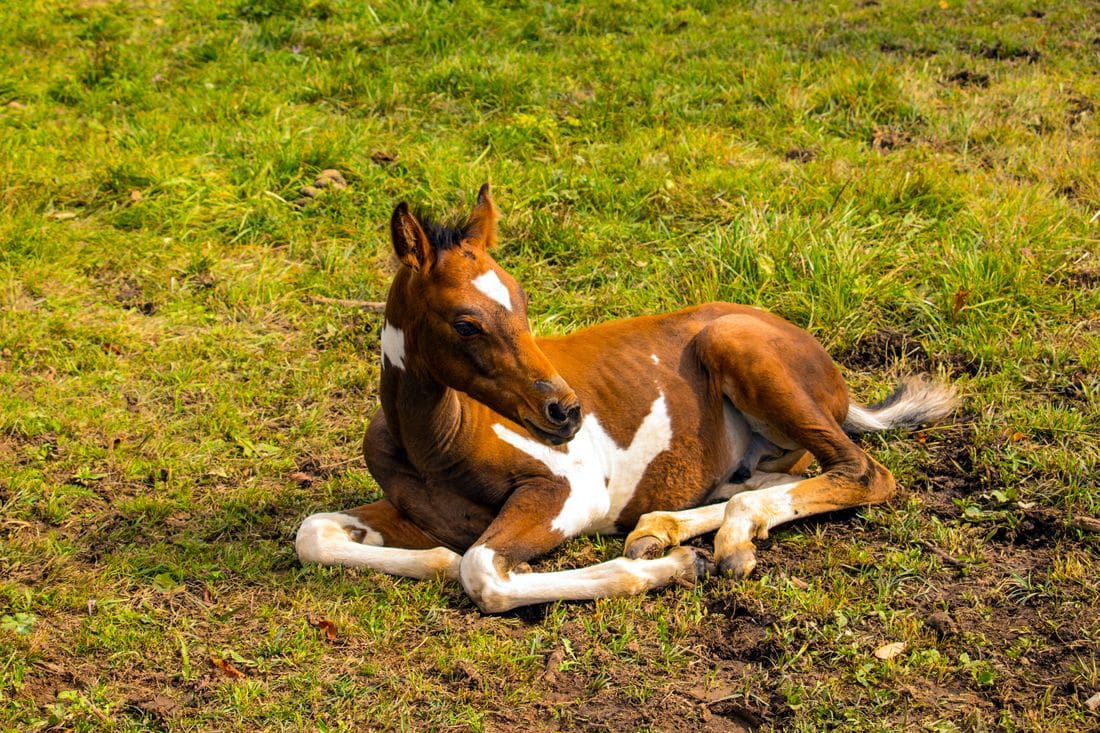
Infectious diarrhea in foals is a significant health concern that can lead to dehydration, weight loss, and systemic illness. Without timely intervention, it can lead to severe complications and even be life-threatening.
Diarrhea in foals can be caused by a variety of pathogens including bacteria, viruses, and parasites. Signs of infectious diarrhea include watery feces, decreased appetite, lethargy and weakness.
Foals are particularly susceptible to infectious diarrhea because their immune system is not fully developed. Their gut microbiome, which plays a crucial role in fighting infections, is also not yet well-established.
Treatment must be administered promptly and may consist of fluid therapy, electrolyte supplementation and antibiotic medications. Through a combination of good management practices, vigilant observation, and prompt veterinary care, the risks associated with infectious diarrhea in foals can be significantly reduced.
Infectious Diarrhea in Foals
Diarrhea refers to an increased volume or fluidity of the feces, resulting in the passage of frequent, watery stool. Diarrhea is a common condition in foals, with one study reporting a prevalence of 48% in foals from birth up to the age of two months. [2]
Unfortunately, diarrhea frequently results in death of affected foals, particularly those under 7 days of age. [1] Early recognition of the signs of diarrhea by breeders is crucial to allow rapid medical intervention and reduce the risk of mortality. [1]
Treatment is primarily supportive in nature, and focuses on maintaining hydration, nutritional support, and protecting the gastrointestinal lining. Specific medications that target the cause of the diarrhea are added to these support measures to complete the treatment plan.
The most common causes of infectious foal diarrhea are: [1]
- Salmonella
- Clostridium
- Rotavirus
- Cryptosporidium
- Strongyloides
For all of these infections, early identification and treatment are essential for a good prognosis for the foal.
Risk Factors
Several studies have identified common environmental and management factors that contribute to a heightened risk of diarrhea in foals. Common risk factors include: [1][2][12]
- Mares that are not vaccinated against rotavirus prior to foaling
- Administering antibiotics to the foal
- Foaling in a stall
- Not receiving adequate colostrum (failure of passive transfer)
- Inadequate deworming of the mares prior to foaling
What's your top priority with your horse's health?

What's your top priority with your horse's health?
Symptoms of Infectious Diarrhea
The symptoms of foal diarrhea are typically related to severe dehydration. In addition to diarrhea, foals may exhibit signs such as: [1][2]
- Colic
- Distention of the abdomen
- Sunken in eyes
- Prolonged skin tent
- Lethargy
- Weakness
- Grinding teeth
- Fever or hypothermia
Systemic Inflammatory Response Syndrome
Some foals develop systemic inflammatory response syndrome (SIRS), in which the infection triggers an inflammatory response spread widely throughout the body. Symptoms of SIRS include: [2]
- Red gums
- Rapid heart rate
- Rapid breathing
- Cool extremities, including the ears
- Weak pulses
- Recumbency
Without treatment, foals affected by SIRS may become comatose or die.
Treatment for Diarrhea
Treatment protocols for foals with diarrhea generally follow a standard approach, focusing primarily on maintaining hydration, protecting the integrity of the intestinal tract, and providing nutritional support.
Once these priorities are addressed, the veterinarian may introduce additional treatments tailored to the specific cause of the foal’s diarrhea for a more comprehensive treatment plan.
Maintaining Hydration
Due to the large amount of fluid excreted in diarrhea, foals with diarrhea are prone to becoming dehydrated. Dehydration directly impacts the function of internal organs, particularly the kidneys, and may lead to organ failure if not corrected. [1][3]
To address dehydration, veterinarians provide intravenous fluids. The volume of intravenous fluids provided depends on: [3][4]
- The level of dehydration when treatment begins
- An estimation of how much fluid the foal is losing per day in diarrhea
- The amount of fluid required to sustain a healthy foal
Foals receiving intravenous fluids require close monitoring, as they are prone to developing overhydration from this treatment. [3] The amount of fluids requires constant recalculation by the veterinarian to prevent overhydration, particularly as the diarrhea resolves and the foal begins to feel better. [3]
Depending on the electrolyte balance of the foal, your veterinarian may also add extra electrolyte minerals to the intravenous fluids. Common electrolytes to add include sodium, bicarbonate, chloride, and potassium. [2][4]
Protecting the Intestinal Tract
When foals develop diarrhea, their intestinal tract becomes highly susceptible to damage. Some bacteria that cause diarrhea produce endotoxins, which can directly damage tissue if they bind to the intestinal lining. [4]
To prevent this damage, veterinarians often administer gastroprotectants, such as bismuth or kaolin/pectin, which coat the intestinal lining to reduce exposure to endotoxins. [2][4] Some products, such as activated charcoal and di-tri-octahedral smectite, can bind endotoxins directly and prevent damage. [2][4]
Many veterinarians administer antibiotics to foals with diarrhea, even in viral or parasitic infections, to target any potentially harmful bacteria in the intestinal tract and prevent them from entering the bloodstream. [2][4]
Probiotics may also be beneficial as the probiotic bacteria compete with the toxin-producing bacteria for nutrients, reducing the production of toxins. [4]
However, not all foals respond favorably to oral probiotics and some may be more prone to diarrhea. [15] Discuss this option with your veterinarian before giving your foal probiotics.
Young foals on a milk-only or predominantly milk-based diet have a very different microbiome from an adult eating forage. The usual probiotic mixtures may not be appropriate.
Foals with diarrhea are highly stressed, which makes them susceptible to stomach ulcers. Prolonged time between feeding, extended time laying down, and use of NSAIDs have also been identified as potential causes of gastric ulcers in young foals. It is estimated that between 25 – 57% of foals have gastric ulcers. [13]
Many veterinarians use medications such as sucralfate, ranitidine, or omeprazole to reduce the risk of ulcers. [4][13]

Nutritional Support
Foals with diarrhea are often unwilling to nurse, which makes it critical to provide nutritional support to prevent starvation. In some cases, milk from the mare can make diarrhea worse, as the large proteins it contains encourage more water to enter the intestinal tract. [4] Foals may need all of their nutrition to come from other sources.
For foals that can tolerate milk, there are three options:
- Allowing the foal to nurse
- Bottle feeding milk
- Nasogastric intubation (tube feeding)
Ideally, the foal will have enough energy and strength to nurse or suckle from a bottle. [5] For weak foals that cannot nurse or suckle, a nasogastric tube allows delivery of milk directly to the stomach. [4] Regardless of the feeding method, foals require frequent feeding, typically every one to two hours. [2][4]
Foals that cannot tolerate milk have their nutrition delivered intravenously, as part of their fluids. The veterinarian will make a special fluid mixture that contains sugars, proteins, fats, vitamins, and minerals at the appropriate level for the foal’s age and weight. [4][5]
Foals should be transitioned to milk as soon as possible to prevent long-term complications. Providing only intravenous nutrition does not stimulate the cells of the intestinal lining to function properly. [4][5]
While the foal is being fed intravenously, the mare should be regularly milked. This helps ensure her milk does not dry up or production drastically decrease before the foal can resume nursing.
Rotavirus
Rotavirus is the most common viral cause of diarrhea in foals, primarily affecting young foals between 5 and 35 days of age. [4][6] Foals acquire the virus when they ingest contaminated materials, including fecal matter in their environment. [6]
After infection, the virus replicates in the cells of the intestinal lining, causing destruction of the lining and preventing normal absorption of nutrients. [6]
Rotavirus can also interfere with processing of lactose, the main sugar in the mare’s milk, resulting in large amounts of the sugar remaining within the intestine. These sugars pull water out of the bloodstream into the intestinal tract, worsening the diarrhea. [6]
Rotavirus Treatment
Treatment primarily involves supportive care. Antiviral medications have not been proven effective against this pathogen in foals. [1] Most veterinarians use a combination of fluid therapy, nutritional support, gastrointestinal protectants, and antibiotics to support the foals until their bodies naturally recover.
Because this virus can interfere with lactose processing, consuming milk can be problematic for foals with rotavirus. Treatment options include restricting milk consumption and using intravenous nutrition temporarily, or administering lactase, the enzyme that breaks down lactose. [6]
Rotavirus Prevention
Like many infectious diseases, preventing rotavirus infections relies on strict biosecurity practices and minimizing exposure of foals to the virus. Any affected foals must be quarantined away from other foals to reduce spread of this disease. [6]
Any areas where affected foals have been must be disinfected thoroughly using chlorine-based or iodine-based disinfectants. [6] Regular hand-washing, the use of gloves and other personal protective equipment, and foot baths are recommended for all individuals handling the affected foal. [6]
Vaccines are available against rotavirus that are licensed for use in pregnant mares. These vaccines are given prior to birth, so that the antibodies the mare produces against rotavirus are present in her colostrum for the foal to consume. [6]
Studies on these vaccines have mixed results, with some showing no effect or only mild reduction in severity of disease. [6]
Salmonella
Salmonella is a particularly severe cause of diarrhea in foals, as it can often lead to septicemia (bacteria within the bloodstream). Foals that develop septicemia can develop infections in the bones, joints and other locations, as well as diarrhea. [1] As a result, the prognosis for foals with Salmonella diarrhea is guarded. [7]
Most foals acquire Salmonella through ingesting the bacteria from a contaminated environment. [2] Salmonella most commonly affects foals between 1 and 3 months of age. [8]
The prevalence of Salmonella diarrhea ranges between 1 – 17% depending on the study, geographic location, season, and population sampled. [9][10]
Salmonella Treatment
Antibiotics specifically used for Salmonella include amikacin, ceftiofur, or cefotaxime. [1]
Some veterinarians may have access to hyperimmune plasma, which is plasma taken from a horse who has developed an immune response to Salmonella endotoxins.
Administering hyperimmune plasma can improve survival rates by supplying antibodies to fight Salmonella organisms that gain access to the body. [1]
Salmonella Prevention
Foals acquire Salmonella from their environment, so strict biosecurity protocols are the best method of prevention.
Any affected foals should be quarantined away from other horses until they have had at least 5 negative tests for Salmonella. [1] Any areas contacted by the affected foal should be cleaned thoroughly before other horses are introduced. [1]
Salmonella is endemic on some farms, meaning that it is not easily removed from the environment even with rigorous cleaning practices. Vaccination against the specific strain of Salmonella present on their farm can reduce the number of foals developing diarrhea. [1]
The veterinarian administers these vaccines to pregnant mares prior to foaling so that the antibodies produced by the mare are transferred to the foal in their colostrum. [1]
It is also advisable to move mares to the farm where they will be foaling at least 4 weeks prior to anticipated foaling date. This allows the mare time to develop antibodies to prevalent pathogenic organisms and pass these to the foal via colostrum.
Clostridium
Clostridium difficile and Clostridium perfringens are some of the most common causes of foal diarrhea, particularly in newborn foals under 5 days of age. [1][10] In severe cases, foals may be found dead before they show any symptoms of diarrhea. [1][2]
These bacteria are commonly associated with use of antibiotics or with stress in adult horses. However, young foals can be affected even without any antibiotic use or stressful events. [4][9]
Clostridium Treatment
Clostridiosis is the scientific name for the bacterial infection caused by Clostridium species. Specific treatment for clostridiosis involves the use of metronidazole, an antibiotic that also has anti-inflammatory properties in the intestinal tract. [4]
Some strains of Clostridium are resistant to metronidazole, so your veterinarian will likely perform a culture and sensitivity test on the foal’s feces to select the most effective antibiotic. [11]
Clostridiosis can also affect the intestine’s ability to process lactose. For this reason, some veterinarians may administer the enzyme lactase to help reduce diarrhea. [4]
Clostridium Prevention
Clostridium bacteria produce spores, which are hardy forms of the bacteria that are virtually impossible to eliminate from an environment. [4] Prevention of clostridiosis primarily relies on rigorous biosecurity and thorough cleaning of foaling areas to reduce risks as much as possible.
In particular, keeping the foaling environment free of manure is crucial. The bacteria are primarily spread through fecal contamination. [4]
Cryptosporidium
Cryptosporidium parvum is a protozoan parasite that commonly affects foals between 4 – 21 days of age. [1][4] Typically, diarrhea from Cryptosporidium resolves on its own within 1 – 8 days. [7][9]
Cryptosporidium Treatment
Treatment is primarily supportive, involving fluids and nutritional support. Some studies suggest that antiparasitic medications such as paromomycin may be beneficial; however the evidence is lacking in foals. [4]
Oral powdered bovine colostrum has been suggested as both a treatment and prevention. Bovine colostrum is likely to have antibodies to Cryptosporidium. [16]
Cryptosporidium Prevention
Due to the highly infectious nature of the parasite, any affected animals must be isolated from all other animals to prevent the spread of infection. [1] These environments must be thoroughly disinfected before introducing other animals into the area, using agents such as bleach or hydrogen peroxide. [1]
The most significant concern with Cryptosporidium is that the parasite is highly infectious to humans, requiring careful handling of any affected animals. [1] Personal protective equipment (PPE) such as gloves and single-use coveralls are recommended for anyone handling an affected foal.
Strongyloides
Strongyloides westeri is a nematode (roundworm) parasite that primarily affects foals. Foals acquire the nematode by consuming larvae in the dam’s milk, which allows the larvae to proliferate in the foal’s intestine. [1][4]
When present in large numbers, Strongyloides can cause diarrhea in foals.
Treatment and Prevention
Ivermectin or oxibendazole are the main medications for treating Strongyloides in foals. [1]
Administering ivermectin to the broodmare 1 to 3 days before birth has been shown to be effective in preventing the transmission of larvae through the mare’s milk. If that window for treatment is missed, it can be given immediately after birth. This is the primary preventive measure currently employed against this internal parasite.
However, using ivermectin in lactating mares may result in the foals have less than optimal exposure to ivermectin, which may contribute to drug resistance. [14]
Some breeders report reduced incidence of foal heat diarrhea when mares are dewormed for Strongyloides, but there can be other causes of diarrhea in newborn foals as well.
Your veterinarian can advise you on a specific deworming protocol for your broodmares, including the timing and dosage of medications.
Frequently Asked Questions
Here are some frequently asked questions about infectious diarrhea in foals:
Young foals are more likely to get diarrhea compared to older horses because their immune system is still developing and their gut bacteria are not yet well established. These two factors make it harder for foals to fight off bacteria, viruses, and parasites that can upset the digestive tract.
Diarrhea is a big concern in foals because it quickly leads to dehydration and loss of vital nutrients. With their smaller body size, foals have less fluid reserve than adult horses, which means they can deteriorate fast when diarrhea continues unchecked. Severe cases can result in weakness, systemic illness, and even death if not addressed with urgent veterinary care.
Diarrhea in foals can spread from one horse to another when the cause is infectious. Many of the common agents, such as rotavirus, Salmonella, and Cryptosporidium, are easily passed through contaminated manure or surfaces in the foaling environment. For this reason, affected foals should be kept separate from others, and their stalls, equipment, and handlers need strict hygiene measures to avoid spreading the illness.
Care a foal with diarrhea usually needs focuses on keeping hydration and strength at safe levels while the gut recovers. Veterinarians often provide intravenous fluids and electrolytes, medicines that protect the intestinal lining, and nutritional support if the foal is unwilling or unable to nurse. Quick action and consistent monitoring help improve the chances of recovery while reducing complications.
Summary
- Diarrhea is common in young foals and can cause serious consequences, including death, if left untreated
- The most common causes of infectious diarrhea in foals are rotavirus, Salmonella, Clostridium, Cryptosporidium and Strongyloides
- Treatment of diarrhea in foals focuses on maintaining hydration, providing nutritional support, and protecting the gastrointestinal lining
- Strict biosecurity practices are crucial for prevention of all types of infectious diarrhea in foals and many forms of infectious disease among livestock
- Deworming the mare for Strongyloides and guaranteeing adequate intake of colostrum are the best preventives against infectious diarrhea in foals
References
- McKinnon, A. O. et al. Equine Reproduction. Wiley-Blackwell, 2010.
- Oliver-Espinosa, O., Foal Diarrhea: Established and Postulated Causes, Prevention, Diagnostics, and Treatments. Veterinary Clinics of North America: Equine Practice. 2018. View Summary
- Reed, S. M. et al., Equine internal medicine, 3rd ed. Saunders Elsevier. 2010.
- Magdesian, K. G., Neonatal Foal Diarrhea. Veterinary Clinics of North America: Equine Practice. 2005. View Summary
- Barr, B., Nutritional Management of the Foal with Diarrhoea. Equine Veterinary Education. 2018. View Summary
- Kopper, J. J., Equine Rotaviral Diarrhea. Veterinary Clinics of North America: Equine Practice. 2023. View Summary
- Hepburn, R., Management of Diarrhoea in Foals up to Weaning. In Practice. 2007.
- Olivo, G. et al., Enteric Pathogens and Coinfections in Foals with and without Diarrhea. BioMed Research International. 2016. View Summary
- Dunkel, B. and Wilkins, P. A., Infectious Foal Diarrhoea: Pathophysiology, Prevalence and Diagnosis. Equine Veterinary Education. 2004.
- Frederick, J. et al., Infectious Agents Detected in the Feces of Diarrheic Foals: A Retrospective Study of 233 Cases (2003–2008). Journal of Veterinary Internal Medicine. 2009. View Summary
- Magdesian, K. G. et al., Characterization of Clostridium Difficile Isolates from Foals with Diarrhea: 28 Cases (1993-1997). Journal of the American Veterinary Medical Association. 2002. View Summary
- Wohlender, F.D. et al. Diseases in neonatal foals. Part 2: potential risk factors for a higher incidence of infectious diseases during the first 30 days post partum. Equine Vet J. 2009. View Summary
- Lewis, S. Gastric ulceration in an equine neonate. Can Vet J. 2003. View Summary
- Mayinda, G-d-K, et al. Ivermectin treatment in lactating mares results in suboptimal ivermectin exposure in their suckling foals. Vet Parasitol. 2021. View Summary
- Schoster, A. et al. Effect of a Probiotic on Prevention of Diarrhea and Clostridium difficile and Clostridium perfringens Shedding in Foals. J Vet Intern Med. 2015. View Summary
- Magdesian. K. G., Neonatal Foal Diarrhea. Veterinary Clinics of North America: Equine Practice. 2005. doi: 10.1016/j.cveq.2005.04.009. View Summary