English
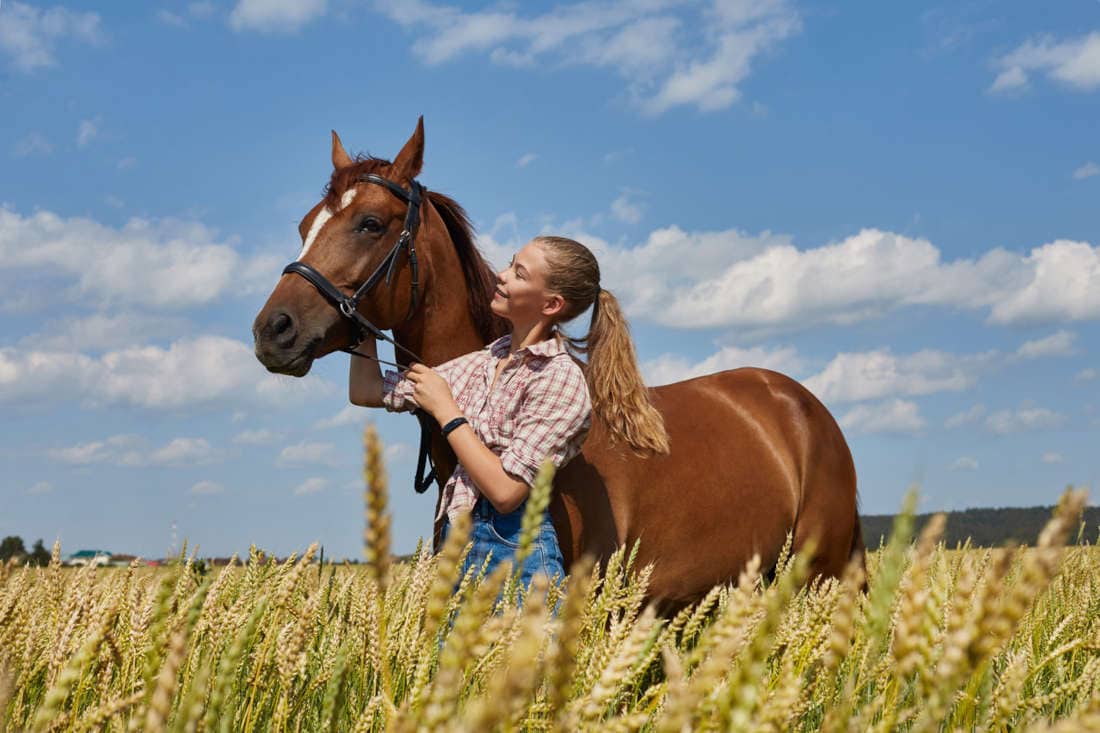
Locoweed poisoning in horses is caused by repeated ingestion of certain swainsonine-containing plants. Often called locoism, the condition primarily affects the nervous system and can lead to changes in coordination, behavior, and body condition.
Early signs may be subtle, making prompt recognition especially important. Continued exposure increases the risk of irreversible neurological damage, and affected horses can become unpredictable or unsafe to handle.
Horse owners in regions where locoweed grows should understand how exposure occurs and what warning signs require veterinary attention. Keep reading to learn how to identify locoweed, recognize toxicosis, and protect horses through effective pasture management.
Locoweed Poisoning in Horses
Locoweed is a collective name for several toxic species of Astragalus and Oxytropis, two closely related members of the legume family. The name does not refer to a single plant, and many species within these groups are non-toxic. [1][2]
The plants responsible for locoweed poisoning contain swainsonine, an indolizidine alkaloid produced by fungal endophytes that live within the plant. When horses consume these plants over time, swainsonine disrupts normal cell function, causing progressive damage that can lead to a disease known as locoism. [1][2]
Locoism primarily affects the nervous system, but it can also interfere with other body systems, including: [1][2]
- Endocrine
- Digestive
- Reproductive
Locoweed poisoning is strongly associated with western North American rangelands, although Astragalus and Oxytropis species are found widely beyond this range. Only a relatively small proportion of the hundreds of species found in North America are considered true locoweeds capable of causing swainsonine-associated locoism. [3][4]
Other Astragalus species can produce different poisoning syndromes through nitrotoxins or the accumulation of selenium, so identification of the plant and the suspected toxic syndrome is important when investigating exposure. [3][4]
Horses are especially vulnerable to the neurological effects of swainsonine, and may voluntarily consume locoweed even when other forage is available. [2][5]
The outcome of equine cases of poisoning depends on the length of time spent consuming the plant and the severity of exposure. Many cellular changes outside the nervous system can improve once ingestion stops, especially when poisoning is identified early. [3][6]
Severe or long-term poisoning can damage nerve cells and lead to permanent neurologic deficits. A horse may regain weight and look much better overall but still have neurological problems that make returning to work unsafe. [3][6]
Common Names for Locoweed
- Milkvetch
- Poisonvetch
- Crazyweed
- Point-vetch
Table 1. Locoweed poisoning in horses at-a-glance
| Category | Key Information |
|---|---|
| Definition |
|
| Common Causes |
|
| Onset |
|
| Symptoms |
|
| Severity |
|
| Treatment |
|
| Recovery Time |
|
| Prognosis |
|
| Prevention |
|
What's your top priority with your horse's health?

What's your top priority with your horse's health?
Identification
Locoweed is not a single species of plant. The name refers to several swainsonine-containing plants within the Astragalus and Oxytropis genera. Hundreds of species grow in North America, but only a small number are associated with locoism.
Individual species can be difficult to distinguish. Finding an Astragalus or Oxytropis plant in a horse’s pasture does not confirm that the species is toxic. [3][4]
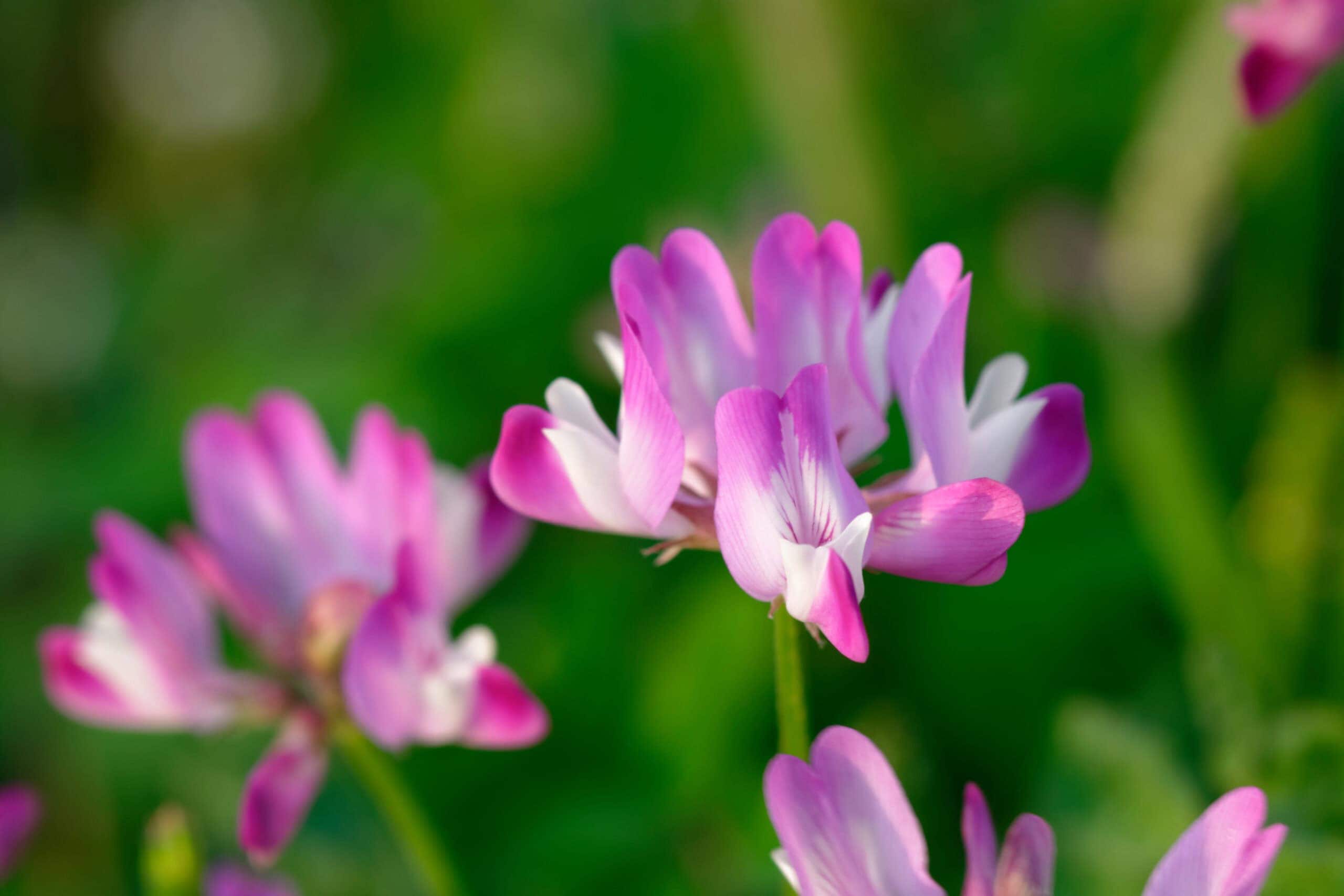 Flower, Astragalus
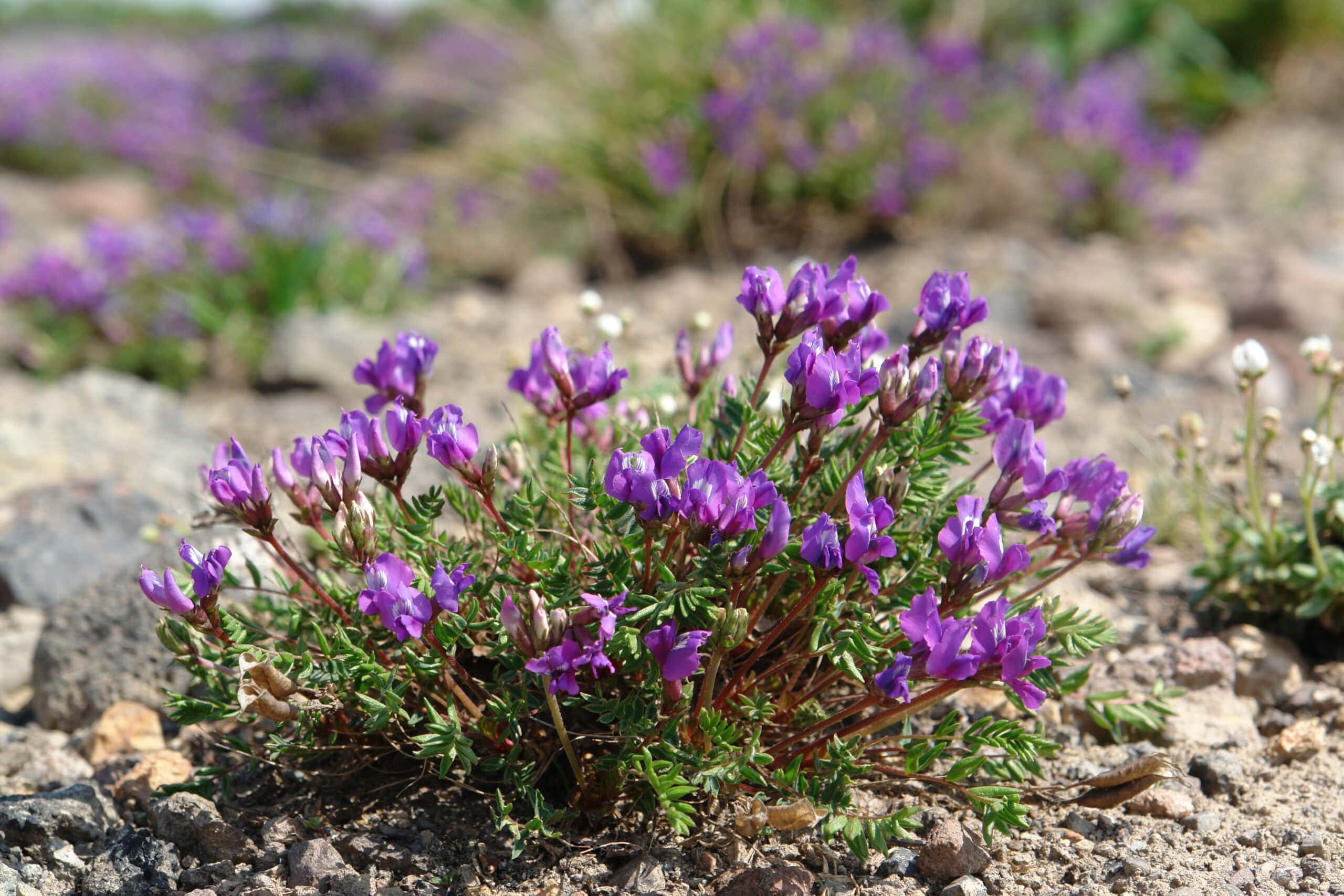 Flowers, Oxytropis
Despite considerable variation between species, general identifying features include: [7][8]
- Leaves: Typically pinnately compound, with multiple small leaflets arranged along a central stalk
- Flowers: Pea-like and usually produced in clusters or racemes. Depending on the species, flowers may be white, yellow, pink or purple
- Seed pods: Develop after flowering and contain numerous seeds. Pod shape and surface vary considerably and can help distinguish individual species
Growth habit can also help distinguish the toxic plant species. Astragalus species generally produce branching stems with compound leaves and flower clusters toward the ends of the stems.
Oxytropis species are usually more compact, with leaves arising mainly from the crown and flowers carried on leafless stalks. The flowers also have a distinctive pointed or beaked keel, which is one of the most useful features for separating Oxytropis from the generally blunter-flowered Astragalus. [2][4][7]
Several species are of particular concern for horses in North America: [2][4][7][8]
- Spotted locoweed (Astragalus lentiginosus): Generally low-growing, with long divided leaves and purple to white pea-like flowers. These develop into beaked pods that are often reddish and spotted.
- Woolly locoweed (Astragalus mollissimus): Covered with fine hairs on the stems and leaves, with pink to purple flowers followed by rounded or egg-shaped pods.
- White locoweed (Oxytropis sericea): A compact perennial with silvery, hairy leaves arising from the crown. Leafless flower stalks carry white pea-like flowers with the characteristic pointed keel.
Because many non-toxic Astragalus and Oxytropis species closely resemble toxic locoweeds, visual identification alone cannot determine whether a plant contains swainsonine. Suspected plants may require expert botanical identification and laboratory analysis to determine whether a particular population is toxic. [2]
Toxicology of Locoweed
The principal toxin responsible for locoism is swainsonine, an alkaloid produced by fungal endophytes living within select species of Astragalus and Oxytropis.
The amount of swainsonine present varies considerably depending on the plant species, individual population, and presence of the endophyte. This means similar locoweed plants may differ substantially in toxicity. [1][3][5]
Swainsonine can occur throughout different parts of the plant. Drying does not destroy the toxin, so mature or dried locoweed can remain hazardous. Concentrations also vary between individual plants and plant parts, making the amount required to cause poisoning difficult to predict. [1][3][5][9]
After a horse eats locoweed, swainsonine inhibits the action of mannosidase enzymes. As a result, mannose-rich sugars build up inside lysosomes, the cell structures that normally help break down and recycle waste.
As the lysosomes enlarge, they form fluid-filled spaces called vacuoles. Normal cellular function becomes increasingly impaired as lysosome activity declines. [1]
These cellular changes can occur in tissues throughout the body, which is why locoism is not exclusively a neurological disease. Systems and organs that may be affected include: [1]
- Nervous system
- Thyroid gland
- Pancreas
- Kidneys
- Liver
- Reproductive tissues
Damage to neurons (nerve cells) involved in coordination and proprioception accounts for many of the characteristic gait and behavioral abnormalities seen in affected horses. Changes within digestive and pancreatic tissues may also contribute to the gradual loss of body condition associated with chronic poisoning. [1]
The severity of poisoning depends strongly on duration of exposure. Swainsonine is absorbed and eliminated relatively quickly, but repeated ingestion continually disrupts normal cellular function, allowing damage to accumulate over time.
Horses are particularly susceptible to its neurological effects and may begin developing abnormalities after comparatively short periods of sustained exposure. [2][5]
Early cellular changes can improve once exposure stops and swainsonine is cleared from the body. Prolonged poisoning is more serious because affected neurons may eventually degenerate and die. This damage is irreversible, meaning horses can retain permanent abnormalities even after body condition and other signs improve. [1][3]
Symptoms of Locoweed Poisoning in Horses
Clinical signs of locoism usually develop gradually after repeated or prolonged ingestion rather than immediately after a horse first eats locoweed. Neurological abnormalities are the most characteristic feature in horses. [1][3]
Severity depends largely on the duration of exposure and the amount of swainsonine consumed. Signs of early disease can be subtle.
Affected horses may show: [1][3][4][5]
- Unusually quiet behavior
- Reluctance to move
- Declining appetite
- Weight loss
- Tremors
- Poor body awareness
As the effects of poisoning accumulate, neurological signs progress and may include: [1][3][4][5]
- Lethargy
- Reluctance to move
- Tremors, particularly during movement
- Weakness
- Proprioceptive deficits (e.g., misplaced steps, bumping into objects, stumbling)
- Ataxia and incoordination
- An exaggerated or high-stepping gait
- Head bobbing
- Abnormal or impaired sensory responses
- Disorientation
- Overreaction to ordinary sights, sounds, touch or handling
- Sudden anxiety, excitement or aggressive behavior
A common characteristic of locoweed toxicosis is a contrast between the horse’s behavior at rest and when stimulated. A horse may appear lethargic when left alone but react excessively when approached or handled. This unpredictability can make routine handling dangerous for both the horse and nearby people. [5]
Movement abnormalities also become more obvious once the horse is asked to move. In horses with persistent neurological damage, sudden stimulation may also trigger tremors or seizure-like episodes. [1][2][3]
Progressive weight loss and muscle wasting are also common features of chronic poisoning. Horses may lose condition despite available forage because neurological impairment can interfere with consuming feed. Advanced disease can lead to further reductions in appetite and mobility and eventually marked emaciation. [1][2][3][4]
Reproductive effects can occur alongside neurological disease as a significant consequence of prolonged exposure. In mares, locoweed ingestion is associated with disrupted estrous activity and ovarian abnormalities. Exposure during pregnancy is associated with: [1]
- Pregnancy loss
- Weak neonates
- Congenital abnormalities such as limb deformities, flexor tendon contractures and arthrogryposis
Locoweed toxicosis also affects male reproductive function through abnormal spermatogenesis and impaired breeding behavior. [1]
With continued exposure, neurological damage can become permanent. Some systemic effects may improve once locoweed is removed from the diet, but abnormalities in a horse’s gait, coordination and behavior may persist even after body condition and general appearance improve. [1][3][4][5]
When to Call the Veterinarian
Owners should seek veterinary assessment if they suspect locoweed exposure and their horse develops:
- Unexplained behavioral changes
- Lethargy
- Weight loss
- Weakness
- Tremors
- Abnormal gait
- Incoordination
- Unusual sensitivity to handling
Horses may require emergency veterinary attention if neurological signs become severe. Signs that indicate advanced nervous system involvement include: [1]
- Marked ataxia
- Repeated falling
- Uncontrolled trembling
- Seizure-like episodes
- Recumbency
- Severe disorientation
- Sudden violent behavior
Prompt veterinary examination can also improve the likelihood of confirming locoweed exposure. Swainsonine is cleared rapidly from the bloodstream, so serum testing is most useful while the horse is still consuming locoweed or within approximately two days after exposure ends. [1]
Exposure Risk Factors
Horses are at particular risk for locoweed poisoning because they may voluntarily consume toxic amounts, even when other forage is available.
Many locoweeds are cool-season plants that begin growing early in spring, when surrounding warm-season grasses are still dormant. Some locoweeds resume active growth in fall. During these periods, green locoweed can be more attractive than dry or dormant surrounding vegetation. [1][3][6][8]
Dormant or dead locoweed plants remain toxic. Swainsonine persists in dried plant material, and dead stalks may remain in arid and semi-arid environments for one or two years. [3][5]
Important exposure risk factors include:
- Presence of toxic locoweed species in pastures or rangeland
- Early spring or fall grazing when locoweed is actively growing while surrounding forage is dormant
- Wet conditions that extend succulent growth or promote increases in locoweed populations
- Sparse forage caused by drought, overgrazing, or high stocking density
- Access to dried or dormant locoweed, which can retain swainsonine
- Repeated or prolonged access to infested pasture
- Previous consumption or familiarity with locoweed
- Grazing management that forces horses to make greater use of locoweed-infested areas
Because population density and palatability can change considerably between seasons and years, a pasture with little apparent locoweed in one year may present a greater exposure risk when environmental conditions favor new growth.
Diagnosis
Diagnosis of locoweed poisoning in horses is based on a combination of known or suspected exposure, compatible neurological signs, laboratory findings, and, where possible, confirmation of swainsonine exposure.
Many of the clinical signs overlap with other neurological diseases and toxicities, making a history of access to locoweed or evidence that horses have been grazing affected pasture an important part of the investigation. [1][10]
Diagnostic findings may include: [1][10]
- Serum swainsonine: Detection provides strong evidence of recent exposure, although samples need to be collected promptly because concentrations may fall below detectable levels within approximately two days after ingestion stops
- Alpha-mannosidase activity: Activity decreases while swainsonine is present and begins returning toward normal once exposure ends, but recover lags behind swainsonine clearance, giving this test a longer diagnostic window than serum swainsonine.
- Serum biochemistry: Increased aspartate aminotransferase (AST) activity may support the diagnosis. Decreased thyroid hormone concentrations and other biochemical abnormalities may also be observed
- Complete blood count: Mild non-regenerative anemia may develop, while vacuolation of circulating lymphocytes can provide additional evidence of swainsonine exposure
- Plant identification and analysis: Identification of locoweed in the grazing area can support the diagnosis. Because swainsonine concentrations vary between populations, laboratory analysis may be useful when the toxicity of a particular stand is uncertain
The timing of sampling is particularly important. Swainsonine has a short serum half-life, and animals tested several days after removal from contaminated pasture may no longer have detectable toxin concentrations.
A negative blood test obtained after exposure has ended does not necessarily exclude locoweed poisoning. [6]
Conditions with similar signs that must be ruled out during diagnosis include: [1][10]
- Equine herpesvirus myeloencephalopathy
- Equine protozoal myeloencephalitis
- Rabies
- West Nile virus and other viral encephalopathies
- Trauma
- Sage poisoning
- Pyrrolizidine alkaloid toxicity
- Bracken fern poisoning
- Other toxicities causing neurological disease
- Chronic weight loss associated with malnutrition, dental disease, or parasitism
Treatment & Management
There is no specific antidote or proven treatment that reverses locoweed poisoning. Management focuses on:
- Ending exposure
- Supporting the horse during recovery
- Reducing the risk of injury while neurological signs are present
The potential for improvement depends largely on whether permanent nerve damage is present.
Treatment and management options may include: [1][5][6][10]
- Immediate removal from locoweed: Further ingestion should be stopped as soon as poisoning is suspected. Swainsonine is cleared from the body relatively quickly, allowing enzyme activity and many reversible cellular changes to recover once exposure ends.
- Access to uncontaminated forage: Horses should be provided with safe forage. Horses that have lost condition may regain weight after exposure ends and adequate nutrition is restored.
- Supportive care: Treatment depends on the severity of the horse’s condition. Horses with marked weakness or neurological impairment may require additional veterinary support if they have difficulty eating, drinking or moving normally.
- Careful handling: Tremors, ataxia and exaggerated responses to ordinary stimulation can make affected horses unpredictable. Handling should be kept to what is necessary, with unnecessary stimulation avoided to reduce the risk of injury to both the horse and nearby people.
- Control of severe neurological signs: Horses with severe trembling, excitement or seizure activity may require medication to control these signs and reduce the risk of injury. Treatment remains supportive and does not reverse the underlying effects of swainsonine.
Veterinarians generally do not use activated charcoal or cathartics once locoism is established. Research has also not shown that mineral supplements or other feed additives prevent poisoning or speed recovery. Older treatments, including Fowler’s solution and reserpine, are not appropriate. [1][3][6][10]
Prognosis
The prognosis for locoweed poisoning in horses is generally guarded and depends largely on the duration of exposure and the extent of neurological damage.
Horses removed from locoweed before significant nerve damage occurs may improve substantially. Appetite and body condition can recover over the following weeks, while many reversible cellular changes resolve once swainsonine is cleared from the body.
The outlook is poorer after prolonged exposure has caused neuronal degeneration, as lost neurons do not regenerate. Severe locoweed poisoning can be fatal. Even after their general condition improves, horses that survive advanced poisoning may retain permanent abnormalities of: [1][2][3][6][10]
- Gait
- Proprioception
- Behavior
- Responses to stimulation
Reproductive function may improve after exposure ends, but prolonged poisoning can affect: [1]
- Fertility
- Breeding behavior
- Pregnancy

Prevention
Prevention is particularly important with locoweed because there is no antidote, and prolonged exposure can result in permanent neurological damage. Horses may also voluntarily consume locoweed even when other forage is available, making prevention of access more reliable than depending on natural avoidance.
Practical prevention measures include: [1][3][5][10]
- Locoweed-free turnout: Pasture without accessible locoweed provides the greatest margin of safety for horses. If horses are observed consuming the plant, they should be removed from the affected area rather than monitored while exposure continues.
- Regular pasture and rangeland inspection: Areas used by horses can be checked for toxic Astragalus and Oxytropis, particularly in regions where locoweed is known to occur. Because toxic and non-toxic species can be difficult to distinguish, uncertain plants may require identification by a botanist, extension service or other plant specialist.
- Increased monitoring during spring and fall: Many locoweeds begin active growth before surrounding warm-season grasses in spring and may grow again in fall. Green locoweed can be particularly attractive when surrounding vegetation is dormant, and horses have been observed actively selecting it during these periods.
- Adequate forage and appropriate grazing pressure: Maintaining desirable forage can reduce additional pressure to consume locoweed, particularly during drought or periods of heavy grazing. Adequate forage does not eliminate the risk, however, because horses may still select locoweed when other plants are available.
- Removal of both living and dead plants: Dried or dormant locoweed remains toxic because swainsonine persists after the plant dies. Dead stalks can remain standing for one or two years in dry environments and should not be assumed safe.
- Targeted plant control: Herbicides can reduce manageable infestations, although control may be temporary because dormant seeds remain in the soil and can germinate when conditions become favorable. Treated areas therefore require continued monitoring, with herbicide selection and application based on local recommendations and current product directions.
Locoweed populations can decline or disappear for extended periods before re-emerging when environmental conditions become favorable, making prevention a continual effort. Keeping horse turnout free of accessible locoweed remains the most dependable way to prevent repeated exposure and reduce the risk of permanent neurological damage.
Frequently Asked Questions
Here are some frequently asked questions about locoweed poisoning in horses:
Locoweed poisoning in horses is a progressive toxicosis caused by repeatedly eating swainsonine-containing species of Astragalus or Oxytropis. Also called locoism, the condition primarily affects the nervous system but can also disrupt digestive, endocrine, and reproductive function. Continued exposure can cause irreversible nerve cell damage and permanent problems with coordination or behavior. [1][2]
Not all Astragalus and Oxytropis plants are toxic to horses. Only a relatively small proportion of the hundreds of North American species contain the swainsonine associated with locoism, and toxicity may vary between individual plant populations. Other Astragalus species can cause different poisoning syndromes involving nitrotoxins or selenium. Expert identification and laboratory analysis may be needed to determine whether a particular plant population is hazardous. [2][3][4]
Horse owners can identify possible locoweed by looking for compound leaves with multiple small leaflets, clusters of pea-like flowers, and seed pods containing numerous seeds. Flowers may be white, yellow, pink, or purple, depending on the species. Oxytropis plants are often compact with leafless flower stalks and a pointed flower keel, while Astragalus plants generally have branching stems and blunter flowers. Visual identification cannot confirm swainsonine content, so uncertain plants should be evaluated by a botanist, extension service, or other plant specialist. [2][7][8]
The early signs of locoweed poisoning in horses can include unusually quiet behavior, reluctance to move, declining appetite, weight loss, weakness, tremors, and poor body awareness. Mild incoordination may become more noticeable when the horse is asked to move. Affected horses can also appear lethargic at rest but respond excessively to handling or ordinary stimulation. These gradual and sometimes subtle changes warrant veterinary assessment when locoweed exposure is possible. [1][3][4][5]
Neurological signs caused by locoweed can include tremors, weakness, impaired body awareness, incoordination, a high-stepping gait, head bobbing, and disorientation. Horses may overreact to sights, sounds, touch, or handling and can suddenly become anxious, excited, or aggressive. Advanced poisoning may result in repeated falling, uncontrolled trembling, seizure-like episodes, or an inability to stand. These abnormalities can make affected horses dangerous to handle. [1][3][4][5]
Locoweed poisoning in horses usually develops gradually during repeated or prolonged exposure rather than immediately after the plant is first eaten. Lethargy may appear after approximately two weeks of consumption, while characteristic neurological signs can become apparent by about five weeks in some horses. The timing and severity vary according to how much locoweed the horse consumes and how long exposure continues. Repeated ingestion allows cellular damage to accumulate even though swainsonine itself is eliminated relatively quickly. [2][5]
Locoweed poisoning is a veterinary emergency when a horse develops marked incoordination, repeated falling, uncontrolled trembling, seizure-like episodes, an inability to stand, severe disorientation, or sudden violent behavior. These signs indicate advanced nervous system involvement and create a serious risk of injury to the horse and nearby people. Handling and stimulation should be minimized while urgent veterinary assistance is obtained. Owners should also seek prompt assessment for less severe neurological or behavioral changes when locoweed exposure is suspected. [1]
Locoweed poisoning is diagnosed using the horse's exposure history, compatible neurological signs, laboratory findings, and evidence of swainsonine exposure when available. Blood testing may assess serum swainsonine, alpha-mannosidase activity, biochemical abnormalities, anemia, or vacuolation of circulating lymphocytes. Identifying and analyzing plants from the grazing area can provide further support. Because similar signs occur with infectious diseases, trauma, and other toxicities, a veterinarian must consider and exclude other possible causes. [1][10]
A negative blood test cannot always rule out locoweed poisoning. Swainsonine is cleared rapidly from the bloodstream, and concentrations may become undetectable within approximately two days after ingestion stops. Tests performed while the horse is still consuming locoweed or shortly after removal from the pasture are therefore most informative. Exposure history, clinical signs, plant identification, and other laboratory findings remain important when testing is delayed. [1][6]
If you suspect your horse has eaten locoweed, remove the horse from the affected area immediately and contact a veterinarian. Provide access to uncontaminated forage and avoid unnecessary handling or stimulation if neurological signs are present. Do not wait for severe symptoms before acting, because continued ingestion increases the risk of irreversible nerve cell damage. Prompt examination also gives the veterinarian a better opportunity to collect useful blood samples during the short diagnostic window. [1][5][6]
There is no specific antidote or proven treatment that reverses established locoweed poisoning. Management focuses on stopping exposure, providing safe forage and supportive veterinary care, and reducing the risk of injury while neurological signs persist. Medication may be required to control severe trembling, excitement, or seizure activity, but it does not reverse the underlying effects of swainsonine. Mineral supplements and other feed additives have not been shown to prevent poisoning or speed recovery. [1][3][5][6][10]
A horse can recover substantially from locoweed poisoning when exposure ends before significant nerve cell degeneration occurs. Appetite, body condition, and many reversible cellular changes may improve over the following weeks. However, prolonged poisoning can kill neurons and leave permanent problems with gait, coordination, sensory responses, or behavior. A horse may regain weight and appear healthier while remaining unsafe for riding or work. [1][2][3][6][10]
Dried or dead locoweed can still poison horses because drying does not reliably destroy swainsonine. Dormant or dead stalks may remain hazardous for one or two years in dry environments. Removing only green plants does not eliminate the risk if toxic dried material remains accessible. Pasture management should address living, dormant, and dead locoweed. [1][3][5]
Locoweed can affect breeding horses and pregnancy through its effects on reproductive tissues and function. In mares, prolonged exposure is associated with disrupted reproductive cycles, ovarian abnormalities, fetal death, pregnancy loss, weak newborn foals, and congenital limb abnormalities. Stallions may develop abnormal sperm production and impaired breeding behavior. Reproductive function may improve after exposure ends, but the outlook depends on the duration and severity of poisoning. [1]
Locoweed poisoning is best prevented by keeping horses on turnout without accessible toxic locoweed. Pastures and rangeland should be inspected regularly, especially during spring and fall when locoweed may be green while surrounding grasses are dormant. Maintaining adequate desirable forage and appropriate grazing pressure can reduce additional exposure pressure, but it cannot guarantee safety because horses may voluntarily select locoweed. Suspected plants should be professionally identified, and living, dead, and dormant material should be controlled according to local recommendations with continued monitoring for regrowth. [1][3][5][10]
Summary
Locoweed poisoning is a progressive toxicosis caused by repeated ingestion of swainsonine-containing plants. Prolonged exposure can cause permanent neurological damage.
- Toxic locoweeds are Astragalus and Oxytropis species containing swainsonine produced by fungal endophytes
- Affected horses may develop weight loss, tremors, ataxia, disorientation, and abnormal responses to stimulation
- Diagnostic tests have short detection windows, so samples should be collected promptly after suspected exposure
- Management focuses on removing locoweed, providing safe forage, limiting stimulation, and delivering supportive veterinary care
- Early changes may improve, but neuronal damage can cause permanent gait, coordination, or behavioral deficits
- Prevention requires pasture inspection and removal of living, dormant, and dead locoweed
References
- Hovda. L. R. et al. Eds. Blackwell's Five-Minute Veterinary Consult Clinical Companion: Equine Toxicology. Wiley-Blackwell. 2021.
- Stegelmeier. B. L. and Davis. T. Z. Range and Pasture Plants Likely to Poison Horses. Veterinary Clinics of North America: Equine Practice. 2024.
- Ralphs. M. H. and Stegelmeier. B. L. Locoweed Toxicity, Ecology, Control, and Management. International Journal of Poisonous Plant Research. 2011.
- Waldridge. B. M. Ed. Nutritional Management of Equine Diseases and Special Cases. 1st ed. Wiley-Blackwell. 2017.
- Turner. J. L. and Allison. C. Locoweed Poisoning of Horses. New Mexico State University Cooperative Extension Service. 2023.
- Plumlee. K. H. Ed. Clinical Veterinary Toxicology. 1st ed. Mosby. 2004.
- Burrows. G. E. and Tyrl. R. J. Toxic Plants of North America. 2nd ed. Wiley-Blackwell. 2012.
- Gupta. R. C. Ed. Veterinary Toxicology: Basic and Clinical Principles. 2nd ed. Academic Press. 2012.
- Guide to Poisonous Plants. Colorado State University College of Veterinary Medicine and Biomedical Sciences.
- Wilson. D. A. Ed. Clinical Veterinary Advisor: The Horse. 1st ed. Saunders. 2011.