English
Caring for your horse’s skin is an important part of supporting their overall health, comfort, and appearance. While a shiny coat is universally associated with good condition, the skin beneath deserves just as much attention.
Healthy skin forms a protective barrier, keeping your horse safe from irritation and infection. Exposure to moisture, insects, or friction from equipment can compromise this barrier, leading to itching, hair loss, or sores.
Regular grooming helps owners identify changes in skin health early. Along with appropriate bathing, balanced nutrition, and suitable living conditions, these practices help maintain healthy skin without a complicated routine.
Continue reading to learn more skin care tips for horses. Routine care can prevent some skin problems, but changes that are painful, persistent, or worsening require veterinary assessment.
Skin Care for Horses
Your horse’s skin care routine should start with regular grooming and inspection to identify potential concerns before they develop into bigger problems.
Thorough brushing removes dirt and loose hair from your horse’s coat and gives owners an opportunity to check for irritation of the skin underneath. Bathing when needed removes accumulated sweat and debris, and keeping equipment clean helps prevent rubbing from dirt trapped against the skin. [1][2]
For horses with healthy skin and no history of skin concerns, this basic care and a balanced diet with adequate vitamins and minerals are often sufficient to maintain skin and coat condition. The frequency of washing and need for additional protection depend on the horse’s workload and exposure to conditions such as mud or biting insects. [1][2][3]
Horses with sensitive skin or recurring problems need closer monitoring and more targeted care. Those with dry skin often benefit from added fat in the diet, as well as topical moisturizing products.
Horses with persistent itching, flaky skin, scabbing, redness, allergic responses, or unexplained hair loss require veterinary assessment to identify the cause. Depending on the findings, the horse may need medications, including topical treatments, or specific management changes to reduce further irritation. [1][2]
Foundations of Skin Health
A horse’s skin consists of two main layers: the outer epidermis and the underlying dermis. [1][2] The epidermis is composed primarily of tightly packed cells called keratinocytes, which produce keratin, a structural protein that helps strengthen the skin.
These cells eventually form the stratum corneum, the outer layer of dead cells that is gradually shed and replaced. Lipids, or fats, between these cells help limit water loss and restrict the entry of irritants and microorganisms. [4]
The dermis supports the epidermis through a network of collagen and elastin, which are proteins that give the skin strength and flexibility. Blood vessels in this layer supply nutrients for cell renewal and repair and help regulate body temperature, while sensory nerves allow the horse to detect touch and pain. [5]
Hair follicles and glands extend into the dermis, where cells produce hair follicles and secretions that reach the skin’s surface. Sebaceous glands release sebum, an oily substance that coats the skin and hair. Sebum helps keep the skin soft and supple, gives the coat its sheen, and has antimicrobial properties. [1][2][4]
Sweat glands release fluid onto the skin, where evaporation draws heat from the body. The hair coat also helps regulate temperature by providing insulation that changes heat loss with the seasons. A thicker coat in winter helps the horse lose less heat through its skin and coat. Hair growth and shedding respond to changes in daylight, temperature, and hormones. [1][2][5]
Maintaining these tissues through ongoing cell renewal and hair growth requires sufficient dietary protein and energy to produce keratin, collagen and lipids, along with the vitamins and minerals involved in normal cell growth.
These tissues also need protection from external damage. At the skin surface, excessive washing can strip away protective oils, and repeated friction can damage the outer cell layer. [1][3][4][6]
With so many complex structures to consider, your horse’s skin care routine needs to take a proactive approach to preventing damage and supporting normal tissue renewal. Many factors can disrupt these functions, making daily skin care important for maintaining healthy skin in horses.
What's your top priority with your horse's health?

What's your top priority with your horse's health?
Grooming Routine for Horses
One of the most important steps for supporting your horse’s skin health is regular grooming. Brushing your horse’s coat helps to remove dirt and debris that can irritate the skin while offering owners a chance to check the skin for any unusual signs. [1][7]
Different grooming tools for horses have different purposes, from loosening dried mud and loose hair to smoothing the coat. [7]
Common tools found in an equine grooming kit include: [7]
- Curry comb: This comb helps loosen dirt, dried mud, and shedding hair
- Stiff brush: Useful for removing loosened dirt and hair from the coat
- Soft brush: Helps remove fine dust and clean more sensitive areas, such as the face and legs
- Mane and tail comb: A comb specifically designed to carefully detangle longer hair
- Hoof pick: Used to remove dirt and debris from the hooves
Grooming your horse requires different approaches depending on the part of the body you are working on, since different areas tolerate different amounts of pressure. A lighter touch is especially important around bony areas or wherever the skin is sensitive, irritated, or affected by redness or wounds. [1]
Clean grooming tools are another part of maintaining good skin health in horses. Brushes and combs can carry infectious organisms between horses, so each horse should have dedicated grooming equipment that is cleaned and maintained regularly. [1][2]
Checking the Skin During Grooming
Grooming is an ideal time to look for changes in the horse’s skin that would otherwise go unnoticed, particularly beneath the saddle and girth, where friction can irritate the skin. [1][2]
Healthy skin should be supple, smooth, and adequately moisturized, without excessive dryness, flaking, or greasiness. It should be intact and free from redness, crusting, swelling, or tenderness. The hair coat should have a natural sheen, with no unexplained thinning or hair loss.
When grooming your horse, watch for changes in the skin such as: [1][2][8]
- Hair loss or thinning
- Flaking, crusting, or scabs
- Redness or swelling
- Sores or broken skin
- Unusual sensitivity to touch
- Excessive rubbing or scratching
- New lumps, bumps, or skin growths, including possible sarcoids
- Changes in localized fat deposits, particularly along the neck crest or around the tailhead
Occasional scratching may be normal, but persistent itching, hair loss, painful sores, new skin growths, or unexplained skin changes warrant veterinary attention. [1][2][8]
Bathing & Washing Horses
Occasional bathing is an important consideration in maintaining your horse’s skin health. Bathing helps remove accumulated sweat, dirt, and debris that can contribute to skin irritation or pose a risk for infection.
The extent of cleaning needed depends on the condition of your horse’s coat. A straightforward rinse with water can remove sweat and loose dirt, while a more thorough bath with shampoo may be needed to address mud or excessive dirt. [1][6]
However, excessive shampooing with commercial products is actually a problem and can strip away the skin’s natural oils and leave the coat dry or flaky. The correct frequency of bathing depends on the horse’s workload, coat condition, environment, and season. [1][6]
Competition or show horses that are scored on presentation in the ring may need to be bathed more frequently, but owners should still be mindful that overbathing can negatively impact the hair coat.
If the horse needs shampoo, make sure to use a product specifically formulated for horses. Thoroughly wet the coat, gently apply shampoo, and rinse away all residue to ensure you clean the skin without causing unnecessary irritation or leaving residue in the hair. [1][6][8]
Always take the time to dry your horse thoroughly after a bath. A wet coat can take longer to dry in cool or humid weather, and prolonged moisture against the skin can contribute to irritation and weaken the protective barrier. [6][9]
Horses with dry or sensitive skin may need moisturizing or hypoallergenic shampoos. In some cases, horses with specific skin conditions may need medicated products according to veterinary recommendations. [1][2][8]
Skin Care Products for Horses
A range of skin care products is available for horses, each of which serves a different purpose, from cleaning the coat to protecting areas exposed to moisture, sunlight, or insects. The correct products to use depend on the condition of your horse’s skin and coat.
Common skin care products for horses include:
- Equine shampoos: These solutions are formulated to remove sweat, dirt, and oils from the skin and coat. Horse-specific shampoos should be used for bathing to avoid excessive drying.
- Conditioners and moisturizers: These products maintain moisture in the skin and coat, particularly in horses prone to dryness or flaking after a bath.
- Barrier creams: These creams are applied to targeted areas prone to irritation from moisture or friction to help protect the skin from further damage.
- Sunscreens: Sun protection is used to prevent sunburn on exposed, unpigmented skin, particularly around the muzzle and on areas with white markings.
- Insect repellents: Used to reduce bites from flies, mosquitoes, and midges that can cause skin irritation, itching, and allergic reactions.
- Medicated shampoos and ointments: Used to treat specific skin conditions, including bacterial and fungal infections. Products should be selected according to veterinary recommendations.
If your horse develops skin problems such as open sores, swelling, discharge, or scabs, seek veterinary guidance rather than attempting to treat the condition at home. Products intended for routine grooming may aggravate an infection or interfere with treatment of an underlying skin condition.
Nutrition for Skin Health
Your horse’s skin and hair coat are continually renewed, requiring a consistent supply of nutrients to maintain normal cell turnover.
A dry, brittle, faded, or dull coat can sometimes reflect nutritional deficiencies or imbalances. Meeting your horse’s nutrient requirements is important for supporting immune function, tissue repair, and the physiological processes involved in maintaining healthy skin and hair.
Feeding a balanced, forage-first diet is the best way to ensure your horse receives the energy, protein, vitamins, and minerals needed to support healthy skin. [1][3]
Protein provides the essential amino acids required to support hair growth and skin repair. It also supplies the building blocks for collagen and elastin, which give the skin strength and flexibility.
Amino acids such as lysine, methionine, and threonine are commonly limiting in equine diets. Methionine and cysteine are especially important for producing keratin, the structural protein found in hair and the outer skin layer. [1][3]
Reviewing your horse’s complete diet with an equine nutritionist can help identify gaps. A nutritionist will assess your horse’s forage quality, protein and amino acid supply, mineral balance, and vitamin intake to ensure their core needs are being met.
Keep in mind that improvements in skin and coat quality following dietary changes may take several months to become apparent as new hair grows and the coat undergoes seasonal shedding. [1][2][3]
Vitamins and Minerals
A diet that provides adequate vitamins and minerals is key to supporting your horse’s skin health. These nutrients perform many functions in the body that are essential for maintaining healthy skin and coat quality.
The trace minerals zinc and copper are particularly important. Zinc supports normal skin cell renewal, wound healing, and keratin production. Copper is required for the formation of collagen and elastin, which contribute to the strength of connective tissues.
Copper is also required for the activity of tyrosinase, an enzyme involved in producing melanin, the pigment responsible for your horse’s skin and hair color. Zinc contributes to normal pigmentation and hair growth.
Equine diets are often inadequate in copper or zinc, which can cause horses to develop dull, faded, or brittle coats. In affected horses, black coats can develop a reddish appearance, and chestnut coats may lose some of their color intensity.
The balance between zinc, copper, and iron in the diet is also important. A zinc-to-copper ratio of approximately 3:1 is recommended by nutritionists. Excessive iron intake can interfere with the utilization of these minerals, making it important to evaluate the complete mineral profile. [3]
Several vitamins also contribute to maintaining healthy skin and hair:
- Vitamin A: Supports normal skin cell growth and differentiation, helping maintain the integrity of the skin’s protective barrier.
- Vitamin E: Acts as an antioxidant, protecting cell membranes from oxidative damage. Fresh pasture is the major source of this nutrient in equine diets, but vitamin E concentrations decline when forage is harvested and stored as hay.
- Biotin: A B-vitamin involved in keratin production that supports normal skin function and the growth of strong hair and hooves.
Essential Fatty Acids
Fat plays a key role in maintaining healthy skin and coat quality in all horses. Lipids are a broad group of fats and fat-like molecules, including triglycerides (fats and oils), phospholipids, cholesterol, and ceramides, all of which have different functions in the skin. [10]
Phospholipids and cholesterol are components of skin cell membranes, while ceramides, cholesterol, and free fatty acids form part of the epidermal barrier, helping prevent excessive moisture loss and protect against external irritants.
Triglycerides are also components of sebum, the natural oil produced by sebaceous glands in the skin that helps lubricate the skin and hair coat. Adequate sebum production prevents dryness and contributes to the smooth, shiny appearance of a healthy coat.
These structures in the skin rely on fat supplied through the horse’s diet to support normal skin function. In horses prone to skin irritation, adding fat to the diet can support coat glossiness and improve skin health. [11][12]
Omega-3 fatty acids also support skin health and help regulate inflammatory responses. These fatty acids are incorporated into cell membranes and influence the production of signaling compounds involved in inflammation and immune function. [1][3]
Mad Barn’s w-3 Oil provides essential fatty acids, omega-3 DHA from microalgae, and natural vitamin E for antioxidant support. This formula helps maintain healthy skin, a shiny coat, and the normal regulation of inflammation.
Introduce supplemental fat gradually and account for the additional calories within your horse’s complete ration.

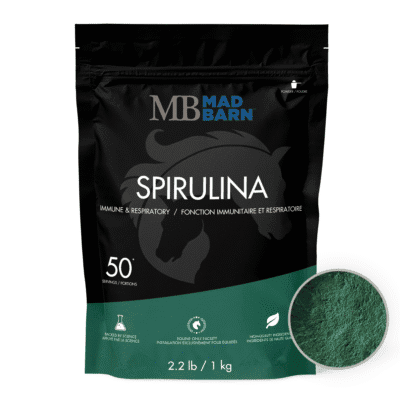
Spirulina for Skin Sensitivity
Horses with recurring skin irritation or allergies may benefit from nutritional support for normal immune function. Spirulina is a blue-green cyanobacterium that contains antioxidants and bioactive compounds, including phycocyanin and gamma-linolenic acid (GLA), which help regulate inflammatory and immune responses.
During allergic reactions, immune cells called mast cells release histamine, a chemical that contributes to itching, redness, and inflammation. Research suggests spirulina may help regulate histamine release and reduce excessive immune responses to allergens. [13]
Phycocyanin in spirulina also provides antioxidant activity, helping protect cells from oxidative stress and regulate inflammatory signaling. Gamma-linolenic acid also contributes to the production of signaling molecules involved in controlling inflammation. [14][15]
These properties may benefit horses prone to seasonal itching, hives, or insect-bite hypersensitivity. Spirulina can provide nutritional support alongside appropriate insect control and veterinary management, but it should not replace treatment for an underlying skin condition.
Environmental Management for Skin Health
Managing your horse’s environment is an important part of maintaining healthy skin and preventing irritation. Providing clean, dry living conditions, adequate shelter, and protection from insects and excessive sun exposure can help reduce the risk of skin problems. [1][2]
Sun Exposure & Insect Protection
Horses with pink, unpigmented skin are particularly vulnerable to sunburn, especially around the muzzle and other areas with little hair coverage. Providing shade and sun protection, such as protective blankets or sunscreen applied to exposed skin, can limit sun exposure. [1][2]
Flies, mosquitoes, and biting midges are common causes of skin irritation. Particularly sensitive horses may develop intense itching and allergic reactions, including conditions such as sweet itch. Fly sheets, insect repellents, and shelter can help reduce exposure to biting insects. [1][2][16][17][18]
External parasites such as lice and mites can also cause itching, scaling, and hair loss. These infestations require identification and appropriate treatment; routine fly repellents are not a substitute for veterinary parasite control.
Mud Management & Stable Hygiene
Prolonged exposure to mud and moisture can damage the skin’s protective barrier, particularly around the horse’s lower legs. This increases the risk of irritation and secondary bacterial infections and can contribute to conditions such as pastern dermatitis (mud fever). [1][2][9]
Providing dry areas for resting and limiting time spent on muddy ground can help protect vulnerable skin. Good mud management includes maintaining adequate drainage in paddocks, particularly around gates, water troughs, and other high-traffic areas.
Stalls should be cleaned regularly, with manure and wet bedding removed to maintain a clean, dry, and hygienic environment. Providing fresh, dry bedding and preventing prolonged contact with moisture and waste can help reduce skin irritation and the risk of infection. [1][9]
Equipment Fit & Friction
Saddles, girths, halters, and blankets can cause inflammation, hair loss, and sores when they fit poorly or rub repeatedly against the skin. Dirt, sweat, and moisture trapped beneath equipment can further increase the risk of irritation.
Regularly check the fit of saddles and girths, halters, and blankets. Pay particular attention to areas around the withers, shoulders, behind the ears, and beneath the girth where friction and pressure can occur.
Keep saddle pads, blankets, and other equipment clean and dry. If rubbing or sores develop, adjust or discontinue use of the equipment until the underlying problem is addressed. [1][2]
Seasonal Skin Care
Your horse’s skin care needs change throughout the year as weather conditions, insect activity, and coat thickness change.
In warm weather, remove accumulated sweat after exercise, monitor areas vulnerable to sunburn, and adjust insect protection to local conditions. Horses that sweat heavily may need more frequent rinsing, particularly beneath tack and equipment.
During wet weather, check the lower legs for persistent moisture and irritation, particularly after turnout in muddy paddocks. Maintain dry bedding and ensure horses have access to areas where they can stand and rest without prolonged exposure to mud.
In winter, regularly inspect the skin beneath blankets for dampness, rubbing, and hair loss. Adjust blanket use according to weather conditions, coat thickness, and the horse’s individual needs. Check for accumulated sweat beneath blankets and allow the coat to dry before replacing damp equipment.
Table 1. Environmental risks to horse skin and prevention measures
| Environmental Exposure | Effects on Skin | Risk Factors | Protective Measures |
|---|---|---|---|
| Sun exposure |
|
|
|
| Biting insects |
|
|
|
| Mud and prolonged moisture |
|
|
|
| Sweat and damp equipment |
|
|
|
| Friction and pressure |
|
|
|

Common Skin Problems in Horses
Even with good skin care, horses can develop problems ranging from mild irritation to serious infections that require veterinary treatment. [1][2] Recognizing changes in the skin and coat can help identify problems that need medical attention. [1][2]
Common skin conditions in horses include: [1][2][8]
- Rain rot (dermatophilosis)
- Pastern dermatitis (scratches)
- Ringworm
- Insect-bite hypersensitivity (sweet itch)
- Hives (urticaria)
- Sunburn
Rain Rot (Dermatophilosis)
Rain rot, or dermatophilosis, is a bacterial skin infection that commonly results in skin crusting and areas of matted hair. When the crusts lift away, they may pull tufts of hair with them and leave exposed skin underneath. [1][2]
Prolonged exposure to moisture can compromise the skin surface and create conditions that make infection more likely, particularly when the skin is already irritated or damaged. Keeping the coat and skin dry and addressing persistent crusting or sores can help limit further skin damage. [1][8][19]
Pastern Dermatitis (Scratches)
Pastern dermatitis, commonly called scratches or mud fever, describes inflammation affecting the skin around the pasterns and lower legs. Horses with pastern dermatitis develop: [1][9]
- Redness
- Scaling
- Crusts
- Hair loss
- Sores
- Thickened skin in the affected area
Pastern dermatitis is a clinical condition rather than a single disease and can have several underlying causes. Moisture, skin irritation, infections, parasites, and other dermatologic conditions are all possible contributing factors.
Persistent cases require diagnosing and treating the underlying cause rather than treating the visible skin lesions alone. [1][8][9]
Ringworm
Ringworm, or dermatophytosis, is a fungal infection caused by dermatophytes, a group of fungi that feed on keratin, the structural protein found in the outer layers of the skin and hair.
The infection damages hair shafts, causing hairs to break and leaving circular patches of hair loss with scaling or crusting.
Ringworm is also commonly called girth itch because lesions often develop beneath the girth and around the armpits, where sweat and friction can irritate the skin. However, ringworm can also affect the face, neck, flanks, and lower legs. [1][2]
Ringworm is contagious and can spread between horses through direct contact or indirectly through contaminated grooming equipment, tack, blankets, and other objects. Management involves treating the affected horse, limiting contact with other horses, and cleaning and disinfecting contaminated equipment to prevent further transmission. [1][2][8]
Insect-Bite Hypersensitivity (Sweet Itch)
Insect-bite hypersensitivity, or sweet itch, is an allergic skin disease triggered by an immune response to allergens in the saliva of biting insects, particularly Culicoides midges. Intense itching is a characteristic feature, and affected horses may repeatedly rub or scratch areas such as the mane and tail. [16][17][18]
Continued rubbing can damage the skin and coat, leading to secondary complications that include: [18][19]
- Broken hairs
- Hair loss
- Scaling
- Crusting
- Thickened skin
Management focuses on reducing exposure to biting insects because controlling the allergen exposure can help reduce recurrent skin inflammation. [18][19]
Hives (Urticaria)
Hives, or urticaria, are raised, swollen bumps on the horse’s skin caused by an inflammatory reaction. During this reaction, immune cells called mast cells release histamine, which increases the permeability of small blood vessels.
This allows fluid to leak into the surrounding skin tissue, producing the characteristic swellings known as wheals. [1][2]
Hives can develop suddenly, often appearing within minutes or hours of exposure to a trigger. Individual swellings vary in size and may merge into larger patches across the horse’s body. Some horses experience itching or discomfort, while others show little irritation.
Common triggers include insect bites, medications, and environmental allergens. However, hives can also develop in response to pressure, temperature changes, or exercise. Hives are a skin reaction rather than a specific disease, and their appearance alone does not identify the underlying cause.
Although individual outbreaks may resolve without treatment, recurrent, persistent, or severe hives require veterinary assessment to identify potential triggers and determine appropriate management of affected horses. [1][2][8]
Sunburn
Sunburn occurs when ultraviolet radiation damages exposed skin. Horses with unpigmented or lightly pigmented skin are particularly vulnerable, especially in areas with sparse hair or white markings. Affected skin becomes red, inflamed, and tender following excessive sun exposure. Severe sunburn can also cause peeling, blistering, or scabbing. [1][2]
Limiting exposure to intense sunlight and providing shade can help protect susceptible skin. Some horses may need UV-protective sheets or fly masks to protect vulnerable areas. Sunscreen formulated for horses can also be applied to exposed skin, particularly around the muzzle.
Photosensitivity caused by an underlying health problem can also make horses unusually sensitive to sunlight. This can occur following ingestion of certain plants or due to liver dysfunction, so severe or recurring skin reactions warrant veterinary assessment. [1][2]
When to Call the Veterinarian
Many skin conditions in horses present with similar signs, making it difficult to determine the cause from appearance alone. Persistent, painful, spreading, or recurring symptoms warrant veterinary assessment rather than attempting to treat them at the barn with over-the-counter products. [1][2][8]
Signs your horse requires veterinary assessment include: [1][2]
- Open sores or discharge from the skin
- Painful swelling
- Spreading redness or irritation
- Persistent itching or excessive scratching
- Unexplained or spreading hair loss
- Skin lesions that fail to improve or repeatedly return
Early identification of the underlying cause helps guide appropriate treatment and reduces the risk of worsening the condition through improper home care. [1][2]
Frequently Asked Questions
Here are some frequently asked questions about skin care for horses:
How often a horse should be bathed depends on its workload, environment, and coat condition. Most horses do not need frequent shampoo baths, and regular grooming or rinsing with water after exercise may provide enough cleaning. Shampoo is useful for removing stubborn dirt, but excessive washing can strip away natural oils and contribute to dryness or irritation. When bathing is necessary, use a mild horse shampoo, rinse thoroughly, and allow enough time for the coat to dry.
Rinsing a horse with water is usually preferable to shampooing after routine exercise. Water can remove sweat and loose dirt without repeatedly exposing the skin to cleaning products. Shampoo may be helpful when the coat needs a more thorough cleaning, but all residue should be rinsed away carefully. The horse should also have sufficient time to dry, particularly in cool or humid weather.
Human shampoo is generally not the best choice for horses because it may contain fragrances, detergents, or other ingredients that irritate or dry their skin. A mild shampoo formulated for horses is a more appropriate starting point when washing is necessary. Horses with dry or sensitive skin may benefit from a moisturizing or hypoallergenic horse shampoo. Medicated products should be selected according to the underlying condition and veterinary guidance.
Dry, flaky skin in horses can result from excessive shampooing, harsh grooming products, environmental conditions, parasites, infections, or other skin disorders. Nutritional deficiencies or imbalances may also affect skin and coat condition, although flaking alone does not identify a specific dietary problem. Review the horse's complete diet and skin care routine before adding individual oils or nutrients. Persistent flaking accompanied by itching, hair loss, crusting, or sores warrants veterinary assessment.
A horse's coat can be kept healthy and shiny through consistent grooming, balanced nutrition, and appropriate environmental care. Brushing removes loose hair, dirt, and debris, while adequate energy, protein, vitamins, minerals, and dietary fats support normal skin and hair growth. Coat appearance also changes with shedding, daylight, temperature, workload, and overall health. A dull coat does not automatically mean the horse needs extra oil or supplements, so the complete diet should be reviewed first.
During routine grooming, owners should check for hair loss, flaking, scabs, redness, swelling, sores, broken skin, and unusual sensitivity. Areas beneath the saddle, girth, and blankets deserve particular attention because friction, pressure, and trapped moisture can cause irritation. Grooming also provides an opportunity to notice excessive rubbing or scratching before the problem becomes more severe. Recognizing what is normal for the individual horse makes new changes easier to identify.
The best way to care for sensitive horse skin is to use gentle grooming techniques and avoid excessive washing, harsh shampoos, and unnecessary rubbing. Use softer brushes and lighter pressure around tender or irritated areas. Tack or blankets that rub against damaged skin may need to be adjusted or temporarily avoided, while wet equipment should be allowed to dry before reuse. Persistent redness, pain, swelling, or irritation should be investigated by a veterinarian.
A horse that is rubbing or scratching excessively may be experiencing irritation caused by insect bites, allergies, parasites, infection, or another skin condition. The location of the itching and the presence of hair loss, scabs, swelling, or sores can provide useful clues. Fly sheets, insect repellents, and shelter may help when biting insects are involved, but they will not address every possible cause. Persistent or severe itching should be assessed by a veterinarian rather than treated repeatedly with different products.
Scabs should not be forcibly removed when grooming a horse because pulling them away can damage healing skin and cause pain. Different skin conditions may require different cleaning and treatment methods, even when the scabs look similar. Gentle handling and protection from further rubbing or prolonged moisture are appropriate while the cause is being determined. Painful, extensive, spreading, or recurring scabs should be examined by a veterinarian.
Horses can catch certain skin infections from each other, including ringworm and some bacterial conditions. Brushes, combs, blankets, tack, and other shared equipment can carry infectious organisms between horses. Grooming tools should be cleaned regularly and kept separate when a contagious condition is suspected. Affected horses should be assessed so appropriate hygiene and treatment measures can be put in place.
Mud, insects, and sunlight can all irritate or damage a horse's skin. Prolonged moisture and muddy conditions can increase the risk of skin problems around the lower legs, while biting insects may cause itching or allergic reactions. Horses with pink, unpigmented skin are particularly vulnerable to sunburn, especially on areas with limited hair coverage. Dry resting areas, insect control, shade, and appropriate sun protection can help reduce these risks.
Tack and blankets can contribute to skin problems when they fit poorly, rub repeatedly, trap moisture, or remain dirty. Pressure and friction commonly affect the skin beneath the saddle, girth, and blanket contact points. Equipment should be kept clean, checked for proper fit, and allowed to dry before it is used again. Irritated areas should be protected from continued rubbing while the cause is addressed.
A veterinarian should examine a horse's skin when symptoms are painful, persistent, spreading, recurring, or worsening. Warning signs include open sores, significant swelling, severe itching, unexplained hair loss, broken skin, and areas that do not improve with gentle care. Many skin conditions look similar, so appearance alone may not reveal the underlying cause. Early assessment can guide appropriate treatment and reduce the risk of unsuitable home care making the condition worse.
Summary
Skin health in horses is best supported through regular grooming, appropriate bathing, balanced nutrition, environmental management, and prompt attention to abnormal changes.
- Routine grooming removes debris and helps owners detect irritation, swelling, sores, or hair loss early.
- Mild shampoos support cleanliness, but excessive washing may strip natural oils and weaken the skin barrier.
- Balanced nutrition provides the energy, protein, vitamins, minerals, and fatty acids needed for healthy skin and hair.
- Limiting moisture, biting insects, friction, and poorly fitted equipment can help prevent skin problems.
- Persistent, painful, spreading, or recurring skin changes require veterinary assessment because many conditions look similar.
References
- Scott. D. W. and Miller. W. H. Equine Dermatology. Saunders. 2011.
- Reed. S. M. et al. Equine Internal Medicine. Saunders. 2009.
- Remillard. R. L. Equine Clinical Nutrition. Wiley. 2023.
- Moriello, K. A. The Integumentary System in Animals. MSD Veterinary Manual. 2025.
- Moriello, K. A. Structure of the Skin in Horses. Merck Veterinary Manual. Updated 2026.
- PNW 4-H Horse Management Team. 4-H Horse Project. Oregon State University Extension. 2018.
- Mississippi State University Extension. Showmanship and Grooming. Mississippi State University Extension. 2024.
- Moriello. K. A. Treatment of Skin Disorders in Horses. Merck Veterinary Manual. 2026.
- Ward. C. Scratches: A Skin Problem in Horses. University of Minnesota Extension. 2021.
- Jia, Y. et al. The mechanism of skin lipids influencing skin status. J Dermatol Sci. 2018.
- Harris, P. A. et al. Effect of feeding Thoroughbred horses a high unsaturated or saturated vegetable oil supplemented diet for 6 months following a 10 month fat acclimation. Equine Vet J Suppl. 1999.
- O'Neill, W. et al. Flaxseed (Linum usitatissimum) supplementation associated with reduced skin test lesional area in horses with Culicoides hypersensitivity. Can J Vet Res. 2002.
- Kim, H. M. et al. Inhibitory effect of mast cell-mediated immediate-type allergic reactions in rats by spirulina. Biochem Pharmacol. 1998.
- Romay, C. et al. Antioxidant and anti-inflammatory properties of C-phycocyanin from blue-green algae. Inflamm Res. 1998.
- Sergeant, S. et al. Gamma-linolenic acid, Dihommo-gamma linolenic, Eicosanoids and Inflammatory Processes. Eur J Pharmacol. 2016.
- Ferroglio. E. et al. Equine Culicoides Hypersensitivity: Evaluation of a Skin Test and of Humoral Response. Journal of Veterinary Medicine Series A. 2006.
- Sloet van Oldruitenborgh-Oosterbaan. M. M. et al. Intradermal Testing of Horses With and Without Insect Bite Hypersensitivity in the Netherlands Using an Extract of Native Culicoides Species. Veterinary Dermatology. 2009.
- Marsella. R. et al. Insect Bite Hypersensitivity in Horses. UF/IFAS Extension. 2020.
- Marsella. R. Skin Barrier in Normal and Allergic Horses: What Do We Know?. Veterinary Sciences. 2025.