English
Tail rubbing is a common behavior in horses, ranging from occasional scratching to persistent rubbing that damages the tail hair and skin.
Horses may rub their tail head, dock, or hindquarters against fences, walls, trees, feeders, and other surfaces. Repeated rubbing can leave the tail looking worn or uneven, break hairs close to the skin, and cause bald patches, irritation, or sores.
In most cases, repeated tail rubbing is a response to itching or irritation. Some horses develop seasonal itching during insect season, while others rub year-round or experience irritation mainly around the anus and tail head.
Because different causes can result in similar signs, identifying the source of irritation is key to managing the condition and preventing further damage. Keep reading to learn more about tail rubbing in horses, and when veterinary assessment is recommended.
Tail Rubbing in Horses
Tail rubbing is the repeated rubbing of the tail head, dock, or surrounding hindquarters against a fixed surface. Horses may rub against fences, stall walls, trees, gates, feeders, or other structures.
This behavior differs from normal tail swishing, in which the horse moves the tail from side to side without contacting an object.
A horse that occasionally exhibits tail rubbing or scratching does not necessarily have an underlying problem. However, frequent or forceful rubbing, particularly when repeatedly directed at the same area, may indicate a health issue such as itching (pruritus), irritation, pain, or altered sensation. [1][2]
Tail rubbing is a behavioral sign rather than a specific diagnosis or condition. The irritation can originate around the tail itself, beneath the tail, or elsewhere on the hindquarters.
Skin disease and parasites are common causes of tail rubbing. Other contributors include sweat and moisture, grooming products, friction from tack or equipment, and, less commonly, neurological disease. [2][3]
Rubbing may provide temporary relief from itching, but repeated friction can damage the tail hair and weaken the skin barrier. Once the skin becomes inflamed or injured, the resulting irritation may encourage further rubbing and create an ongoing cycle. Damaged skin can also become vulnerable to secondary infection. [1][4]
Tail rubbing may be observed directly or recognized by associated hair loss, broken hairs, or skin lesions. The location, frequency, and seasonal pattern of rubbing can help narrow the differential diagnosis, but tail rubbing alone does not identify the underlying cause.
Evaluation should consider the distribution and appearance of skin lesions, environmental exposures, management practices, and other clinical signs. [2][5]
What's your top priority with your horse's health?

What's your top priority with your horse's health?
Signs of Tail Rubbing in Horses
In some cases, owners directly observe their horse repeatedly rubbing the tail in the stall or during turnout. When the behavior is not seen directly, broken or frizzy tail hairs are often the first sign of tail rubbing noticed by owners.
As the problem continues, changes in the skin and itching elsewhere on the body may help identify the underlying cause. [1][2]
In mild cases, the hair over the tail head may appear rough, uneven, shortened, or flattened. With more frequent rubbing, hairs may break close to the skin and areas of hair loss can develop over the tail head. [1][2]
Common signs of tail rubbing include: [1][2]
- Broken, frizzy, or shortened tail hairs
- Thinning hair or bald patches over the tail head
- Frequent rubbing against fences, walls, trees, feeders, or stall doors
- Sensitivity around the tail head or dock
Skin Changes
Repeated rubbing can irritate and damage the skin beneath the tail hair. If you suspect your horse is rubbing their tail, gently separate the hair over the tail head and dock and examine the skin for: [1]
- Redness or irritation
- Flaking, scaling, or dandruff
- Crusts or scabs
- Greasy or damp skin
- Small wounds or open sores
- Thickened skin from repeated rubbing
Heat, swelling, pain, or discharge from the skin, such as pus or fluid from a sore or lesion, may indicate more significant inflammation or a secondary infection and warrant veterinary attention. [2][4]
Other Areas of Itching
Some horses rub only the tail, while others experience itchiness over several areas of the body.
Check your horse for any signs of rubbing, hair loss, or skin changes in the following areas: [1][2][6]
- Mane
- Neck
- Belly
- Shoulders
- Rump
- Legs
The distribution and timing of rubbing can help narrow the underlying cause. Irritation concentrated around the anus and tail head may occur with pinworms, whereas horses with insect-bite hypersensitivity often develop itching of the mane and tail during warmer months. [2][6][7][8]
These patterns can help narrow down the possible diagnosis, but the observation of tail rubbing alone cannot identify the underlying cause without further investigation. [2][5]
When to Call Your Veterinarian
Occasional tail rubbing often resolves when the source of irritation is identified and removed. In some cases, the irritation is transient and resolves on its own without intervention.
However, persistent or intense rubbing can indicate an underlying problem that requires veterinary attention.
Contact your veterinarian if:
- Rubbing is frequent, intense, or worsening over time
- The cause of the itching is unclear
- There is significant hair loss or skin damage
- The skin is painful, swollen, hot, bleeding, or producing discharge
- Itching or skin lesions affect multiple areas of the body
- Signs do not improve with appropriate management
- The problem repeatedly returns
Tail rubbing is more than a cosmetic concern when it becomes persistent. Identifying and managing the cause can improve your horse’s comfort, protect irritated skin, and give damaged tail hair a chance to regrow.
Causes of Tail Rubbing in Horses
Horses rub their tails primarily to relieve itching, irritation, or discomfort affecting the tail head, dock, or surrounding hindquarters. [2]
Some causes of tail rubbing produce localized irritation around the tail head or under the tail, while others cause itching across multiple areas of the body. The location and appearance of skin changes, along with the time of year, can help distinguish between possible causes. [2]
Common causes of tail rubbing in horses include:
- Pinworms
- Biting insects
- Lice and mites
- Allergic skin disease
- Skin infections
- Moisture, manure, and urine
- Grooming products and other skin irritants
- Equipment or mechanical irritation
Table 1. Causes of Tail Rubbing in Horses
| Possible Cause | Typical Pattern | Common Signs |
|---|---|---|
| Pinworms |
|
|
| Biting insects or sweet itch |
|
|
| Lice |
|
|
| Mites |
|
|
| Allergies or contact irritation |
|
|
| Skin infection |
|
|
| Moisture, manure, or urine |
|
|
| Mechanical irritation |
|
|
| Neurological disease |
|
|
Pinworms
Pinworms are a common cause of tail rubbing in horses. Adult female pinworms travel to the anus and deposit eggs on the surrounding skin, producing a sticky residue that can cause intense itching. [7]
Affected horses repeatedly rub the tail head and hindquarters. Owners may also notice broken tail hairs or pale, yellowish, or crusty material around the anus. [7]
Pinworm infections cannot always be identified with a routine fecal egg count because the eggs are deposited on the skin rather than passed consistently in manure. Your veterinarian may recommend collecting a sample from around the anus to look for pinworm eggs. [9]
Biting Insects
Biting insects are a common cause of seasonal itching and tail rubbing, particularly during warmer months when insect activity is highest. [6]
One of the most common insect-related skin conditions in horses is insect-bite hypersensitivity, also known as sweet itch. This condition is an allergic reaction to the saliva of Culicoides biting midges. [8]
Affected horses often develop intense itching along the mane and tail, although the rump, belly, and other areas may also be involved. Repeated rubbing can break hairs, cause bald patches, and leave the skin irritated, thickened, or crusted. [8]
Other biting insects, including flies and mosquitoes, can also irritate the skin and contribute to itching and rubbing. [6]
Lice & Mites
External parasites such as lice and mites can cause intense itching, hair loss, and scaling. [10]
Unlike pinworms, which typically cause itching around the anus and tail, lice and mites often affect several areas of the body. Horses may rub or bite at the mane, neck, shoulders, rump, legs, and tail.
Lice infestations are more common during colder months, when horses have longer coats and spend more time in close contact. Mites can also cause significant itching, although the areas affected depend on the type of mite. Chorioptes mites primarily affect the lower legs and are particularly common in horses with heavy feathering. [10][11]
Lice can spread between horses through close contact and may also be transferred on grooming equipment or tack. If one horse is affected, other horses in the same group should also be checked for signs of infestation. [12]
Allergies & Skin Irritation
Allergic skin disease can make horses intensely itchy. In addition to insect-bite hypersensitivity, horses may react to substances that contact the skin or, less commonly, to other allergens in their environment. [13]
Fly sprays, shampoos, conditioners, detanglers, detergents, topical medications, and other grooming products can irritate sensitive skin. Problems may develop after introducing a new product or using an existing product more frequently. [13]
Contact irritation is more likely when signs develop primarily where a product or piece of equipment touches the horse. [13]
Skin Infections
Skin infections can sometimes contribute to inflammation, crusting, scaling, hair loss, and irritation. Infection may also develop secondarily after repeated rubbing damages the skin barrier. [4]
Open sores created by persistent rubbing can allow bacteria to enter damaged skin. Increasing heat, swelling, pain, discharge, or spreading lesions warrant veterinary assessment. [4]
Because several skin conditions can look similar, persistent or worsening lesions may require diagnostic testing to determine the underlying cause. [4]
Moisture, Manure & Urine
Persistent moisture and soiling around the hindquarters can leave the skin damp and contribute to irritation. Manure, urine, sweat, and other debris may accumulate under the tail, particularly in horses with diarrhea, fecal soiling, free fecal water syndrome, or difficulty keeping the area clean. [14]
Inspect the skin beneath the tail rather than looking only at the tail hair. Redness, dampness, residue, or hair loss around the anus and between the hind legs may help identify the source of discomfort. [14]
Persistent manure or urine soiling warrants attention to why the area is becoming dirty, rather than simply cleaning the skin repeatedly. [14]
Mechanical Irritation
Mechanical irritation from pressure or friction caused by equipment or handling can also lead to tail rubbing. Anything that repeatedly rubs, traps moisture, or irritates the tail and hindquarters can contribute to discomfort. [1][2][13]
Tail wraps, blankets and sheets, tack, or other equipment should be checked for poor fit and areas of friction. Excessive washing, vigorous scrubbing, or frequent use of grooming products can also irritate already sensitive skin. [2][13]
When tail rubbing begins after a change in grooming, equipment, turnout, or management, removing the suspected source of irritation may help determine whether it is contributing to the problem. [13][5]
Neurological Causes
In rare cases, persistent tail rubbing can be related to a neurological disorder that alters sensation in the tail or hindquarters.
One example is polyneuritis equi, an uncommon neurological disorder characterized by inflammation of the sacral and coccygeal nerve roots that supply the tail and perineal region. [3]
Affected horses may initially develop unusual or increased sensitivity around the tail and hindquarters, which can lead to rubbing or other self-trauma. As the condition progresses, they may develop reduced tail tone or loss of sensation around the tail and anus, difficulty urinating or passing manure, or problems coordinating the hind limbs. [3]
Horses showing tail rubbing along with changes in tail tone, sensation, urination, defecation, or movement should be examined by a veterinarian.
Diagnosing the Cause of Tail Rubbing
Because many different conditions can cause tail rubbing in horses, a veterinarian will consider the pattern of itching and appearance of the skin to narrow down the possible cause. [5]
For an initial assessment, start by examining the tail head, dock, and area around the anus. Look for redness, scaling, crusts, sores, moisture, discharge, insects, or unusual residue. Check the rest of the horse for similar skin changes or signs of rubbing. [5]
Consider when the problem occurs. Seasonal rubbing during warmer months may point to biting insects, while winter itching may be associated with lice. Irritation concentrated around the anus can occur with pinworms.
Recent changes in grooming products or management practices may also help identify a possible trigger, including changes to fly sprays, blankets, detergents, or bedding.
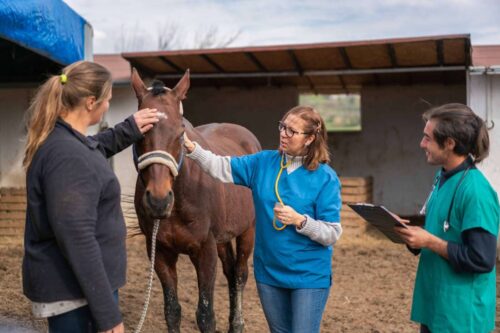
If the cause is not obvious, your veterinarian can examine the horse and perform additional diagnostic testing. Depending on the suspected cause, this may include examining hair or skin samples for parasites, testing for pinworm eggs around the anus, or collecting samples from skin lesions. [15]

Treatment of Tail Rubbing in Horses
A veterinarian can recommend the most appropriate treatment based on the horse’s clinical signs and diagnostic findings. Treatment typically focuses on relieving itching and irritation while protecting the skin and preventing further damage to the tail. [1][2]
Managing the behavior by blocking access to your horse’s preferred rubbing surface will not address the source of the itching. If the horse remains itchy, they may continue rubbing against other surfaces. [1][2]
Parasite Control
If pinworms, lice, or mites are involved, treatment should target the specific parasite responsible for the horse’s symptoms. [2][7]
Pinworm control may include appropriate deworming and cleaning around the anus to remove the sticky material containing eggs. Persistent cases may require veterinary guidance, particularly if rubbing continues despite routine deworming. [7]
Lice and mites may require topical or systemic treatment. Brushes, blankets, tack, and other shared equipment may also need to be cleaned to reduce the risk of reinfestation. [10][11][12] If external parasites are found, other horses that have been in close contact should also be checked. [10][12]
Work with your veterinarian to select topical products that are appropriate for horses. Some topical antiparasitic products formulated for other livestock species are not suitable for use in horses.
Insect Control
Reducing exposure to biting insects can help horses with seasonal itching and insect-bite hypersensitivity. [6][8]
Insect control strategies you can implement include: [6]
- Using fly sheets and other physical barriers
- Applying appropriate insect repellents
- Using fans in stalls or shelters
- Limiting turnout when biting insects are most active
- Reducing standing water and other insect breeding areas where possible
Horses with severe insect-bite hypersensitivity may also need veterinary treatment to control inflammation and itching. [6][8]
Skin Care
Keep irritated areas clean and dry, but avoid excessive washing or scrubbing and repeated application of grooming products. Overcleaning can further irritate already sensitive skin. [2][13]
If rubbing began after introducing a new shampoo, conditioner, fly spray, detergent, blanket, or other product, discontinue the suspected trigger and monitor the horse for improvement. [5][13]
Open sores or damaged skin may require additional treatment. Contact your veterinarian if the area becomes increasingly painful, swollen, or hot, or develops discharge. [4][5]
Tail Hair Regrowth
Once the itching is controlled, your horse’s skin and tail hair can begin to recover. Broken hairs cannot be repaired, so new hair must grow to replace them. [1][2]
Tail hair regrowth takes time, particularly when hairs have broken close to the skin. Handle the recovering tail gently and avoid aggressive brushing, detangling, or frequent washing that could cause additional breakage.
If the horse continues rubbing despite treatment, the underlying cause may not be fully controlled and should be reassessed. [2][5]
Adequate nutrition is also important for normal hair growth. Ensure the horse’s diet provides sufficient essential amino acids, biotin, zinc, copper, and other nutrients required for normal skin and hair health.
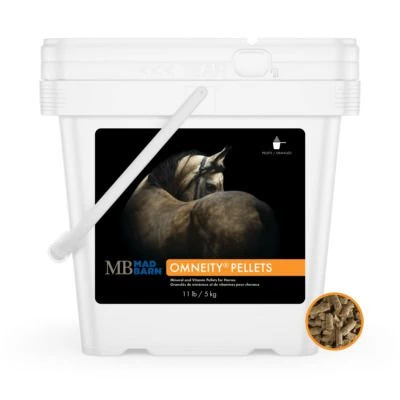
A balanced vitamin and mineral supplement such as Mad Barn’s Omneity® can help balance a forage-based diet and support healthy skin and hair growth.
Preventing Tail Rubbing in Horses
Tail rubbing cannot always be prevented, but regular grooming, appropriate management, and routine skin inspection can help identify irritation before it progresses to significant hair loss or skin damage. [1][2]
Preventive measures depend on the cause of tail rubbing and the horse’s environmental exposures. Horses with seasonal insect-bite hypersensitivity may benefit from fly control before insect activity increases, while appropriate parasite control can help reduce exposure to pinworms, lice, and mites. [6][7][8]
Steps to reduce the risk of tail rubbing include: [2][6][7][10][11][13]
- Check the tail head and skin under the tail regularly
- Follow a veterinarian-guided parasite control program
- Use appropriate fly control during insect season
- Keep the hindquarters clean and dry
- Clean brushes, blankets, and shared equipment regularly
- Introduce new grooming and skin products gradually
- Check blankets, sheets, and other equipment for areas of friction
- Address persistent diarrhea or manure soiling
Pay attention to changes in your horse’s normal behavior. Increased rubbing may be an early sign of irritation, even before obvious hair loss or skin damage develops. [1][2]
Avoid using tail wraps or other coverings to stop a horse from rubbing. If the underlying itchiness remains, covering the tail will not solve the problem and may trap moisture or create additional friction. [1][2]
Nutritional Support for Skin & Coat Health
Nutrition can support horses with skin irritation and help maintain normal hair growth once the source of irritation has been addressed and the rubbing has stopped. Skin repair and hair production require adequate dietary energy, protein, vitamins, minerals, and essential fatty acids.
Hair is composed primarily of keratin, a structural protein formed from dietary amino acids. An adequate supply of essential amino acids is therefore necessary for normal hair production.
Several vitamins and minerals also contribute to skin and coat health. Biotin is involved in keratin formation and normal skin function. Zinc supports keratinization and skin integrity, while copper is required for enzymes involved in connective tissue formation and hair pigmentation.
A balanced vitamin and mineral supplement can help ensure these nutrients are supplied in appropriate amounts. Omneity® is a complete vitamin and mineral supplement formulated to balance forage-based diets and support healthy skin, coat, and hair growth.
Dietary fat contributes to normal skin and coat condition. Essential fatty acids are incorporated into cell membranes and help maintain the structure and function of the skin barrier. Omega-3 fatty acids also support normal regulation of inflammatory responses, which is relevant in horses with irritated or sensitive skin.
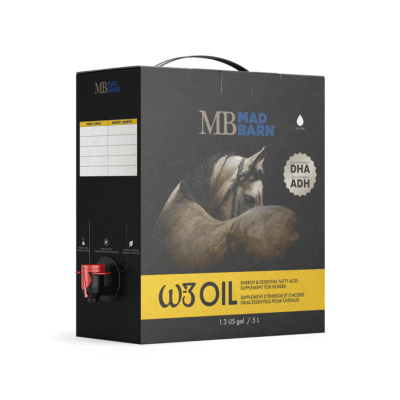
W-3 Oil provides omega-3 fatty acids, including DHA, along with natural vitamin E to support healthy skin, normal inflammatory responses, and a shiny coat.
For individualized dietary recommendations to support your horse’s skin and coat health, book a free consultation with one of our equine nutritionists.
Frequently Asked Questions
Here are some frequently asked questions about tail rubbing in horses:
A horse may rub their tail because the skin around the tail head, dock, or hindquarters is itchy or uncomfortable. Common causes include pinworms, biting insects, lice, mites, allergic skin disease, skin infections, moisture, manure, urine, grooming products, and friction from equipment. The timing of the rubbing, location of the irritation, and appearance of the skin can help narrow down the cause.
Signs of tail rubbing include broken or frizzy tail hairs, thinning hair, bald patches, and frequent rubbing against fences, walls, trees, feeders, or stall doors. Part the hair to check the tail head and dock for redness, scaling, crusts, dampness, sores, or thickened skin. It is also important to examine the mane, neck, belly, rump, and legs for additional itching or skin changes.
Pinworms can cause tail rubbing in horses because female worms deposit their eggs on the skin around the anus. The sticky residue surrounding the eggs can cause intense itching, leading affected horses to rub the tail head and hindquarters repeatedly. Broken tail hairs and pale, yellowish, or crusty material around the anus may also be present.
A horse can have pinworms even when a routine fecal egg count is negative. Pinworm eggs are deposited on the skin around the anus rather than consistently passed in manure, so they may not appear in a manure sample. A veterinarian may recommend collecting material directly from the skin around the anus to check for eggs. [4]
Flies and other biting insects can cause a horse to rub their tail, particularly during warmer months. Insect-bite hypersensitivity, also known as sweet itch, is an allergic reaction to the saliva of biting midges and commonly causes intense itching along the mane and tail. Flies and mosquitoes can also irritate the skin and contribute to rubbing, hair loss, crusting, and thickened skin.
A horse that rubs their tail mainly in summer may be reacting to biting insects. Seasonal itching of the mane and tail is commonly associated with insect-bite hypersensitivity, although flies, mosquitoes, and other insects can also irritate the skin. Fly sheets, appropriate insect repellents, fans, and reduced exposure during periods of high insect activity may help.
Lice and mites can cause tail rubbing in horses, along with intense itching, scaling, irritated skin, and hair loss elsewhere on the body. Affected horses may also rub or bite at the mane, neck, shoulders, rump, or legs. Lice are more common during colder months and can spread through close contact or contaminated grooming equipment, blankets, and tack.
Grooming products or equipment can make a horse rub their tail if they irritate the skin or create friction. Possible triggers include shampoos, conditioners, detanglers, fly sprays, detergents, topical products, tail wraps, blankets, and sheets. If rubbing begins after a product or equipment change, discontinue or remove the suspected trigger and check the skin for irritation.
Determining the cause of tail rubbing starts with examining the tail head, dock, and skin around the anus for redness, scaling, crusts, sores, moisture, insects, or unusual residue. Check the rest of the horse for itching and consider whether the problem is seasonal, concentrated around the anus, or associated with a recent management change. If the cause remains unclear, a veterinarian may examine hair or skin samples, test for pinworm eggs, or collect samples from skin lesions.
Stopping a horse from rubbing their tail requires identifying and managing the source of the itching. Depending on the cause, management may involve parasite control, insect protection, gentle skin care, cleaning shared equipment, removing an irritating product, correcting equipment fit, or veterinary treatment. Simply blocking access to a rubbing surface is unlikely to work because an itchy horse may find another place to rub.
Washing a horse's itchy tail may help remove manure, urine, dirt, or irritating residue, but excessive washing can worsen sensitive skin. Keep the area reasonably clean and dry, use gentle products, and avoid vigorous scrubbing or repeated applications of grooming products. Persistent soiling should be investigated so the underlying cause can be addressed instead of repeatedly cleaning the skin.
A horse's tail can take considerable time to grow back after rubbing because broken hairs must be replaced by new growth. Recovery depends on how close to the skin the hairs broke, the extent of the damage, and whether the underlying itching has been controlled. Handle the recovering tail gently and avoid aggressive brushing, detangling, or frequent washing that could cause further breakage.
Tail rubbing may be prevented by regularly checking the tail head and skin under the tail for early signs of irritation. Appropriate parasite control, seasonal fly protection, clean shared equipment, dry hindquarters, properly fitted blankets, and gradual introduction of new grooming products can reduce common triggers. Persistent diarrhea, manure soiling, or urine contamination should also be addressed rather than managed only with repeated cleaning.
Call a veterinarian about tail rubbing if the itching is frequent, intense, worsening, recurrent, or does not improve with appropriate management. Significant hair loss, open sores, heat, swelling, pain, bleeding, discharge, or lesions affecting several parts of the body also warrant veterinary attention. Seek prompt assessment if rubbing occurs with reduced tail tone, loss of sensation, difficulty urinating or passing manure, or problems coordinating the hind limbs, as these signs may indicate a neurological condition.
Summary
Tail rubbing in horses is usually a response to itching or irritation around the tail head, dock, anus, or hindquarters. Identifying and treating the underlying cause helps protect the skin and allows damaged tail hair to regrow.
- Common causes include pinworms, biting insects, lice, mites, allergic skin disease, moisture, grooming products, and equipment friction
- Broken or frizzy tail hairs, bald patches, redness, scaling, crusts, sores, and repeated rubbing are common signs
- The location, timing, and seasonal pattern of itching can guide diagnosis but cannot confirm the cause on their own
- Veterinary testing may include examining hair or skin samples for parasites, testing around the anus for pinworm eggs, or sampling skin lesions
- Treatment may involve parasite or insect control, removal of irritants, appropriate skin care, and management of secondary infection
- Persistent rubbing, severe skin damage, or changes in tail tone, urination, defecation, or movement require veterinary assessment
References
- Fadok. V. A. Overview of Equine Pruritus. Veterinary Clinics of North America: Equine Practice. 1995. View Summary
- Curnow. B. Diagnosis and Management of the Itchy Horse. In Practice. 2020.
- Melvin. J. M. et al. Tail Rubbing and Absent Tail Tone in a Morgan–Quarter Horse Crossbred Gelding. Journal of the American Veterinary Medical Association. 2023. View Summary
- White. S. D. Equine Bacterial and Fungal Diseases: A Diagnostic and Therapeutic Update. Clinical Techniques in Equine Practice. 2005.
- Knottenbelt. D. C. The Approach to the Equine Dermatology Case in Practice. The Veterinary Clinics of North America. Equine Practice. 2012. View Summary
- Cox. A. and Stewart. A. J. Insect Bite Hypersensitivity in Horses: Causes, Diagnosis, Scoring and New Therapies. Animals. 2023. View Summary
- Reinemeyer. C. R. and Nielsen. M. K. Review of the Biology and Control of O Xyuris Equi . Equine Veterinary Education. 2014.
- Marti. E. et al. Immunopathogenesis and Immunotherapy of Culicoides Hypersensitivity in Horses: An Update. Veterinary Dermatology. 2021.
- Buono. F. Comparison of Three Methods for the Diagnosis of Oxyuris Equi Infection in Horses. Equine Veterinary Journal. 2021.
- Da Silva. A. S. et al. Outbreak of Lice in Horses: Epidemiology, Diagnosis, and Treatment. Journal of Equine Veterinary Science. 2013.
- Rüfenacht. S. et al. Combined Moxidectin and Environmental Therapy Do Not Eliminate Chorioptes Bovis Infestation in Heavily Feathered Horses. Veterinary Dermatology. 2011. View Summary
- Ketzis. J. K. Lice in Horses and Donkeys - Integumentary System. Merck Veterinary Manual.
- Reeder. C. and Griffin. J. Equine Allergic Contact Dermatitis. Veterinary Allergy. 1st ed. Wiley. 2013.
- Yu. A. A. Equine Pastern Dermatitis. Veterinary Clinics of North America: Equine Practice. 2013. View Summary
- Sloet Van Oldruitenborgh‐Oosterbaan. M. M. and Grinwis. G. C. M. Clinical Pathology in Equine Dermatology. Equine Veterinary Education. 2018.