English
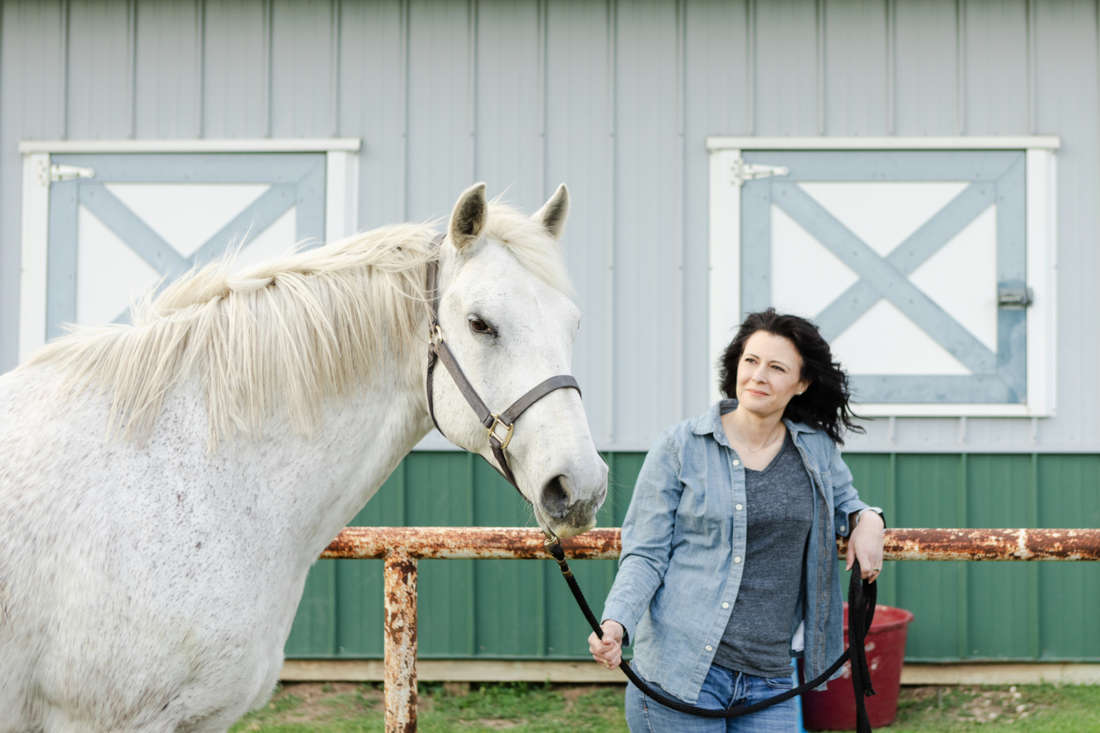
A horse who is hard to catch makes everyday handling a challenge, whether you are bringing them in from the field or keeping up with routine care.
Some horses walk away as soon as they see a person approaching, while others stay nearby until the halter appears. Often, the horse has learned that being caught leads to something they would rather avoid, such as leaving pasture or separation from companions.
This behavior does not mean your horse is stubborn or deliberately misbehaving. As prey animals, fear, previous experiences, discomfort, and changes in routine can all trigger the horse’s flight response.
By recognizing when your horse starts to move away, how they respond to your approach, and what usually happens after they are caught, you can help make routine handling easier for caretakers and other personnel.
Why Is My Horse Hard to Catch?
There are many reasons horses avoid being caught, and more than one factor may cause this behavior. [1][2]
The timing of your horse’s avoidance behavior can help narrow down the root cause. A horse that leaves as soon as you enter the pasture may be reacting to being caught. A horse that stays nearby until you reach for their face or show the halter may be reacting to the haltering process itself. [1][3][4]
These patterns can indicate whether the behavior is linked to: [1][5][6]
- Learned associations
- Fear
- Discomfort
- Social attachment
- The horse’s temperament and handling history
What's your top priority with your horse's health?

What's your top priority with your horse's health?
Learned Associations With Being Caught
Horses learn from repeated experiences. Catching problems can develop when the horse learns that being caught predicts a particular outcome or that moving away changes what happens during the catching interaction. [1][7]
Undesirable Outcomes
Catching may lead to an outcome the horse wants to avoid, such as: [1]
- Leaving pasture
- Separation from companions
- Exercise
- Receiving medication
- Medical or farriery procedures
- Negative associations with training or interacting with humans
Some horses form very specific associations. A horse may approach when your hands are empty, then move away when they see the halter or lead rope because they have learned what usually follows. [1]
Separation from the herd is a significant association for some horses. A horse may stand quietly while you put the halter on, then resist walking toward the gate. Others begin moving away before they are caught because they have learned that being haltered means leaving the group. [6]
Take note of whether catching is easier when: [6]
- Another horse is also brought in
- Pasture mates are nearby
- The horse is already separated from the herd
These patterns can indicate whether social attachment or separation anxiety are contributing to the behavior. [6]
Short, gradual separations can help identify how much distance or time away the horse can tolerate comfortably. Building duration slowly and returning before the horse becomes highly distressed can make the process more manageable and help prevent the horse from associating catching with prolonged separation from the group.
Effective Avoidance
Catching problems can also develop as horses learn which behaviors influence what happens next. A horse may take a few steps away when approached. If the handler stops, slows down, changes direction, or otherwise creates more distance in response, the horse may learn that moving away is effective. [1][7]
Repeated over time, this pattern can reinforce avoidance and make the horse more likely to move away earlier during future catching attempts. What begins as a small response can gradually become an established part of the catching routine.
Fear & Previous Handling Experiences
A horse’s previous handling can influence how comfortable they feel when people approach. [2][8] Stressful or aversive handling situations can result in the horse avoiding similar situations in the future, which can make the horse more difficult to catch.
This caution can develop if the horse has had specific experiences, such as: [2][8]
- Being chased
- Getting cornered
- Sudden grabbing
- Severe punishment
Some horses are comfortable with a person standing nearby but become tense when someone reaches toward their face, ears, or poll. Others need more time to adjust to a new owner, handler, property, or turnout routine before they are comfortable with being caught regularly. [2][3]
Pain or Physical Discomfort
A change in catching behavior can sometimes point to physical discomfort. This is more likely when being caught usually leads to work or handling the horse finds uncomfortable. [1][5]
Musculoskeletal pain is often worse during or after exercise. A horse may begin avoiding the handler if being caught is associated with an activity that causes discomfort, such as tacking up, riding, or training demands. In these cases, the catching problem may be one of several behavioral changes associated with pain rather than an isolated training issue.
Pain does not cause every catching problem, but a sudden change warrants attention, particularly when it occurs with changes in: [9]
- Behavior
- Movement
- Performance
- Sensitivity
- Attitude
If your horse was previously easy to catch and has recently started avoiding you, speak with your veterinarian. Sudden or persistent changes in behavior may be related to an underlying health problem or injury.
Temperament & Handling History
Horses vary in how comfortable they are with close contact and how quickly they respond when pressure increases or decreases. Some horses are naturally curious and approach people readily. Others are more cautious and need time before allowing someone into their space. [2][3]
Previous handling shapes these responses. A horse with a long history of calm, predictable handling may respond differently from one with less consistent experiences. [2][3]
These individual differences do not mean one horse is better behaved than another. They influence how much time, repetition, and support each horse may need to get comfortable with routine interactions like catching. [1][2][3]
Early Signs of Difficult to Catch Behavior
Avoidance does not always involve running across the field. Some horses give much smaller signals before they move away. Look at the horse’s whole body rather than focusing only on whether they leave. [3]
Signs may include: [3]
- Walking away as you approach
- Turning the head or body away
- Maintaining a consistent distance from you
- Moving behind another horse
- Approaching, then stepping back when you reach out
- Allowing touch but moving away when the halter appears
- Becoming tense when the head, ears, or poll are handled
Learning to interpret equine facial expressions and other body language can provide additional context for handlers. [3]
Table 1. What your horse’s catching behavior means
| Observation | Interpretation | Response |
|---|---|---|
| The horse leaves as soon as you enter the pasture |
|
|
| The horse stays nearby but moves away when the halter appears |
|
|
| The horse accepts the halter but resists leaving the herd |
|
|
| The horse becomes tense when the face, ears, or poll are touched |
|
|
| The horse is harder to catch mainly before riding |
|
|
| A previously easy-to-catch horse changes suddenly |
|
|
| The horse kicks, strikes, charges, or bolts |
|
|
Sudden Changes in Behavior
A sudden change in catching behavior warrants attention, particularly in a horse that was previously easy to approach. [5][9]
The onset of the behavior should be considered in relation to recent changes in routine, handling, turnout, or physical comfort. These factors can help identify potential causes of increased reluctance to be caught. [1][5][9]
Possible factors include: [1][2][5][6][9]
- A change in workload or training
- Recent soreness or lameness
- New tack or equipment
- A difficult veterinary or farrier experience
- Medication or treatment
- A new turnout area
- Changes in pasture companions
- A new handler
- Changes in the daily routine
- Increased attachment to certain companions
Consider whether your horse avoids being caught in every situation or only under certain circumstances. A horse that walks away mainly before riding may be responding to something different from one that has become wary of anyone approaching in the field. [1][5]
When Catching Becomes a Safety Concern
Most catching problems involve a horse that moves away from the approaching person, but some horses show behaviors that pose a safety concern. [3]
Behavior that puts both horse and handler at risk includes: [10][11]
- Kicking
- Striking
- Charging
- Bolting through gates
- Panicked attempts to escape
If your horse shows these behaviors or you do not feel safe, do not try to resolve the problem alone. A qualified equine trainer or behavior professional can identify what is happening and develop a safer approach for you and your horse. [11]
Veterinary assessment may also be appropriate if the behavior appeared suddenly, has become more severe, or could be associated with pain or discomfort. [5][9]
Common Mistakes When Catching a Horse
Difficulty catching a horse is one of the most frustrating aspects of horsemanship. As humans, we understand the larger context of why the horse needs to be caught and that the activities or procedures that follow are necessary to ensure their well being.
In addition, there may be time constraints associated with catching the horse that create a sense of urgency, which increases pressure for the handler.
While it is natural for caretakers to try and do what they can to get the horse into a halter and under control, it’s also easy for humans to escalate the situation without meaning to.
Here are the most common mistakes handlers make when trying to catch a horse, and alternative strategies to use instead.
Chasing
Following a horse as they move away can quickly turn catching into a chase. The horse may become more alert or anxious while both horse and handler grow increasingly frustrated. [3][4]
Repeated chasing also gives the horse more opportunities to practice moving away when approached. If the horse is already uncertain about people entering their space, pursuit may make them more likely to keep their distance during future attempts. [7]
When the horse moves away, slow down and reassess your approach instead of increasing your speed. [4]
Cornering
Cornering a horse against a fence or gate restricts the horse’s ability to move away and can provoke a defensive response. A horse that feels trapped may rush past the handler or respond defensively, creating a safety risk. [12]
Even if cornering allows the handler to get close enough to catch the horse, it can make future attempts more difficult if the horse begins to associate approach with feeling trapped.
When possible, maintain enough space for the horse to move without feeling confined. A slower approach, use of a smaller but open area, and gradual training are more effective ways to improve catching experiences.
Correcting the Horse After They Are Caught
After spending longer than expected attempting to catch a horse, it’s natural for riders to feel relieved or frustrated when the halter is finally on. Correcting the horse at this point may inadvertently punish the behavior you want to encourage and make future attempts more difficult. [13]
Once the horse allows you to approach and put on the halter, keep the interaction calm and predictable, even if the catching interaction has put you behind schedule. [1][13]
Top 7 Tips to Make Catching Horses Easier
You can train your horse to become comfortable with your approach and the halter. Breaking the training process into smaller steps makes training easier for both horse and handler.
1) Start With a Calm Approach
Approach at a relaxed walking pace and watch how your horse responds. [4]
Instead of walking directly toward the head or immediately reaching for the halter, give your horse time to notice you. Handlers should always approach horses at the shoulder rather than coming straight toward the face. This ensures the horse can see you and prevents startling them from their blind spots. [4]
Watch for small changes in body language as you get closer. If your horse becomes tense, raises their head, or prepares to leave, slow down or pause so they can remain comfortable enough to stay. Use a calm, gentle voice and avoid making sudden movements or expressing irritation.
2) Use Approach & Retreat
For horses that are uncertain about being approached, approach-and-retreat exercises can build confidence. [14]
Start at a distance where your horse notices you but remains relatively relaxed. Take a few steps closer, pause, and then step away again while the horse is still standing. Repeat the exercise gradually, moving closer as your horse becomes more comfortable.
Stepping away before the horse moves teaches them that they do not have to leave to create more space. [1]
3) Reward Standing Quietly
As your horse becomes more comfortable with your approach, reinforce the moments when they stand quietly and allow you to remain nearby. [1][8]
Choosing an appropriate reward depends on what your horse values. For some horses, pausing or stepping away is enough. Others may enjoy scratches, quiet attention, or a treat. [1][8]
Reward the behavior as it happens. If your horse remains standing as you approach, pause or reward them before moving to the next step. [1][7]
4) Practice Haltering in Small Steps
If your horse is comfortable with your approach but moves away when the halter appears, focus on the haltering process itself. [1]
Instead of putting the halter on all at once, practice the individual steps and watch for the point at which your horse becomes uncertain. [15]
The process may include: [1][15]
- Standing while you approach
- Accepting touch on the neck and shoulder
- Allowing the face and poll to be handled
- Standing while the halter is presented
- Placing the nose into the halter
- Allowing the halter to be fastened
- Walking calmly with the handler
If your horse becomes uncomfortable at one stage, spend more time practicing that step before moving on. A structured halter-training program can help handlers teach these skills progressively. [1][15]
5) Catch, Reward & Release
If being caught always means leaving pasture or beginning work for your horse, changing that pattern can break the association your horse has between catching and undesirable outcomes. [1][8]
To perform a catch and release exercise, you can: [1][8]
- Catch your horse
- Spend a few minutes scratching or grooming them
- Then remove the halter and let them return to the field
- On another day, catch them, walk a short distance, and release them again
These brief catch-and-release sessions show your horse that being haltered does not always mean an enjoyable activity is ending. [1][8]
6) Make Catching Part of Positive Interactions
Include catching in everyday interactions your horse enjoys, such as: [8][16]
- Grooming
- Scratching a favorite area
- Calm, quiet attention
Pasture visits do not always need to end with your horse leaving the field, and catching does not always need to be followed by work. [1][8]
7) Keep Handling Consistent
When possible, ask everyone who regularly handles your horse to use a similar approach. If one person gives the horse time to settle while another hurries or chases them, the horse has less opportunity to learn what to expect. [1][7]
A calm, predictable routine helps the horse understand what happens when someone approaches, puts on the halter, and leads them from the field. [1][7]
How Long Does It Take to Make a Horse Easier to Catch?
There is no set timeline for training a horse to be easier to catch. Some horses respond quickly when the routine changes. Others need more time and repetition of training exercises. Progress may be slower in horses that are fearful or have a long history of moving away when approached. [1][3]
A horse’s response to being approached can vary over time. Factors that can influence willingness to be caught include: [2][4][6]
- Turnout
- Herd dynamics
- Routine
- Handling
Short, calm training sessions repeated over time are more likely to be successful than attempting to resolve the problem in a single day. Signs of progress may include allowing a closer approach, remaining still for longer periods, or showing less avoidance during handling. [7][14]

Other Strategies
The most effective approach for catching a horse depends on the individual horse, the environment, and what is contributing to the behavior. In addition to approach-and-retreat training and consistent handling, handlers can use other strategies to make catching easier and safer in specific situations.
Using Treats to Catch a Horse
Food rewards can support training and help horses form positive associations with human interaction. Instead of using food just to lure the horse within reach, provide the reward after a desired behavior is performed. [16]
Reward behaviors such as approaching the handler, remaining still during the approach, or standing while the halter is put on. This reinforces the behaviors involved in being caught and can improve cooperation over time. [16]
Scratches, attention, or the release of pressure can also be used as rewards. The best reward to offer depends on the individual horse and should be used in a way that does not create unsafe behavior. [8][16]
Take extra care when several horses share a field. Pasture mates may crowd the handler or compete for food, creating a safety concern. If treats cause crowding, tension, or competition, use another reward or practice with your horse in a separate area.
Catching a Horse from a Herd
Catching a horse from a group is more challenging because you must monitor the other horses as well as the one you are trying to catch. [17]
Pasture mates may approach, stand between you and your horse, or follow closely, particularly if they expect food or attention. This can make a calm approach and haltering more difficult. [17]
Stay aware of every horse’s position and avoid standing where you could be crowded or trapped between horses, fences, or gates. [17]
When possible, work in a smaller area or temporarily separate your horse from the group to create a calmer environment for catching and haltering practice. As your horse becomes comfortable with the routine, gradually practice in their usual turnout setting. [1][14]
Preventing Catching Problems
Once your horse is easy to catch, calm and consistent handling can help maintain the behavior. Regularly approach, halter, and release your horse at times that are not associated with work or the end of turnout. [7][8]
Helpful habits include: [4][9][13]
- Catch your horse at different times, not only before work
- Make some pasture visits brief and pleasant
- Reward calm standing and haltering
- Avoid turning catching into a chase
- Keep the moment of catching calm
- Address signs of discomfort promptly
- Continue practicing when catching is going well
As you work to improve your horse’s comfort with catching, remember that progress takes time and isn’t always linear.
Sudden behavioral changes, possible pain, or dangerous responses such as kicking, striking, charging, or bolting require additional support. Veterinary assessment and guidance from a qualified equine trainer or behavior professional can help protect both horse and handler while addressing the underlying cause.
Frequently Asked Questions
Here are some frequently asked questions about horses that are hard to catch:
A horse may be hard to catch because being caught predicts leaving pasture, separating from companions, starting work, receiving treatment, or another less desirable outcome. Fear, previous handling experiences, discomfort, social attachment, and the turnout environment can also contribute. Notice when your horse first moves away and what normally happens after they are caught to help identify the likely cause.
A horse that suddenly starts running away may be responding to a change in routine, workload, handling, turnout, herd dynamics, equipment, or physical comfort. Consider whether the behavior occurs in every situation or mainly before a particular activity, such as riding. Contact your veterinarian if the change is accompanied by lameness, sensitivity, altered movement, poor performance, reluctance to work, or other unusual behavior.
A horse may accept petting but avoid the halter because they have learned that haltering predicts leaving the field, starting work, or separating from companions. Some horses are also uncomfortable with having their face, ears, or poll handled. Practice each part of haltering separately and return to an easier step if your horse becomes tense or begins to move away.
A horse may walk away when they see the halter because they recognize what usually follows being caught. This specific learned association can develop even when the horse is otherwise comfortable approaching and interacting with people. Brief catch-and-release sessions can make the halter a less reliable signal that turnout or another enjoyable activity is about to end.
Chasing or cornering a horse that will not be caught can increase tension and reinforce the habit of moving away. A horse that feels trapped may rush past, bolt, or respond defensively, creating a safety risk for both horse and handler. Slow down, reassess your approach, and use a safe, manageable area without forcing the horse into a corner.
Teaching a horse to come to you begins by rewarding small steps such as looking toward you, turning to face you, approaching, or standing as you move closer. Approach calmly and pause or step away before the horse feels the need to leave. Consistent practice helps the horse learn that approaching and remaining nearby lead to predictable, positive interactions.
The best way to approach a horse that is hard to catch is at a relaxed walking pace while watching their whole body for signs of tension. Some horses are more comfortable when approached near the shoulder instead of directly toward the head. Pausing or retreating slightly from the horse to reinforce standing, as opposed to avoidance, behavior will reinforce stationary behavior during your approach. If the horse raises their head, turns away, or prepares to leave, pause or retreat slightly so standing quietly becomes the easier choice.
Treats can help with catching when they reward a specific behavior, such as approaching, standing still, or accepting the halter. Avoid using food only to lure the horse close enough to grab them, as this does not clearly reinforce the desired behavior. Use another reward, such as scratches, attention, or a release of pressure, if treats cause crowding, tension, or competition among horses.
A horse may be easy to catch some days and difficult on others because motivation and circumstances change. Grazing conditions, weather, herd activity, turnout location, daily routines, handling, and recent experiences can all affect willingness to approach. Tracking when the problem occurs can reveal patterns and help you adjust your training or management.
Pain can make a horse difficult to catch, particularly when catching regularly leads to riding or another uncomfortable activity. Warning signs may include lameness, sensitivity, altered movement, poor performance, reluctance to work, or a noticeable change in attitude. A sudden catching problem accompanied by these signs warrants veterinary assessment.
Catching a horse in a herd requires monitoring every horse in the field, not only the one you are approaching. Avoid standing where you could be crowded or trapped between horses, fences, or gates, and use food rewards cautiously if pasture mates are nearby. When practical, work in a smaller area or temporarily separate the horse before gradually practicing in their normal turnout setting.
Retraining a horse that is hard to catch has no fixed timeline because progress depends on the cause, the horse's history, and the consistency of handling. Some horses improve quickly when their routine changes, while fearful horses or those with an established pattern of avoidance may need more repetition. Short, calm sessions are often more productive than trying to resolve the entire problem in one day.
Preventing catching problems involves making approach and haltering a calm, routine part of everyday handling. Catch your horse at different times, include pleasant pasture visits, reward quiet standing, and occasionally release the horse without taking them to work. Continue practicing when catching is going well and address signs of avoidance and/or pain promptly.
Professional help is appropriate when catching involves kicking, striking, charging, bolting through gates, panicked escape attempts, or any behavior that makes you feel unsafe. A qualified equine trainer or behavior professional can assess the pattern and develop a safer training approach. Veterinary assessment is also appropriate when the behavior appears suddenly, becomes more severe, or may be associated with pain.
Summary
Horses may become difficult to catch because of learned associations, fear, discomfort, social attachment, or inconsistent handling. Calm, gradual training can make catching safer and more predictable.
- Note when the horse moves away to identify whether the concern involves approaching, haltering, work, discomfort, or separation
- Investigate sudden changes, especially when accompanied by changes in movement, performance, sensitivity, or attitude
- Avoid chasing, cornering, or correcting the horse, as these responses can increase tension
- Use approach-and-retreat exercises, timely rewards, and gradual haltering practice to build confidence
- Keep handling consistent and use catch-and-release sessions so haltering does not always predict work
References
- McLean. A. N. and Christensen. J. W. The Application of Learning Theory in Horse Training. Applied Animal Behaviour Science. 2017.
- Sankey. C. et al. Asymmetry of Behavioral Responses to a Human Approach in Young Naive vs. Trained Horses. Physiology & Behavior. 2011. View Summary .
- Riva. M. G. et al. Unhandled Horses Classified with Broken/Unbroken Test (BUT) Exhibit Longer Avoidance, Flight Reactions, and Displacement Behaviors When Approached by Humans. Frontiers in Veterinary Science. 2022. View Summary .
- Birke. L. et al. Horses' Responses to Variation in Human Approach. Applied Animal Behaviour Science. 2011.
- Dyson. S. et al. Development of an Ethogram for a Pain Scoring System in Ridden Horses and Its Application to Determine the Presence of Musculoskeletal Pain. Journal of Veterinary Behavior. 2018.
- Hartmann. E. et al. Training Young Horses to Social Separation: Effect of a Companion Horse on Training Efficiency. Equine Veterinary Journal. 2011. View Summary .
- Goodwin. D. et al. How Equitation Science Can Elucidate and Refine Horsemanship Techniques. The Veterinary Journal. 2009. View Summary .
- Sankey. C. et al. Reinforcement as a Mediator of the Perception of Humans by Horses (Equus Caballus). Animal Cognition. 2010. View Summary .
- Torcivia. C. and McDonnell. S. Equine Discomfort Ethogram. Animals. 2021. View Summary .
- Fenner. K. et al. Reported Agonistic Behaviours in Domestic Horses Cluster According to Context. Animals. 2024. View Summary .
- Safety & Welfare Information. Society of Equine Behaviour Consultants.
- Landsberg. G. M. and Denenberg. S. Behavior Problems in Horses. MSD Veterinary Manual. Updated 2026.
- McGreevy. P. D. and McLean. A. N. Punishment in Horse-Training and the Concept of Ethical Equitation. Journal of Veterinary Behavior. 2009.
- Christensen. J. W. et al. Training Methods for Horses: Habituation to a Frightening Stimulus. Equine Veterinary Journal. 2006. View Summary .
- Ferguson. D. L. and Rosales-Ruiz. J. Loading the Problem Loader: The Effects of Target Training and Shaping on Trailer-Loading Behavior of Horses. Journal of Applied Behavior Analysis. 2001. View Summary .
- Sankey. C. et al. The Way to a Man's Heart Is Through His Stomach: What About Horses?. PLoS ONE. 2010. View Summary .
- Freeman. D. W. Techniques for Safely Handling Horses. Oklahoma Cooperative Extension Service, Oklahoma State University.