English
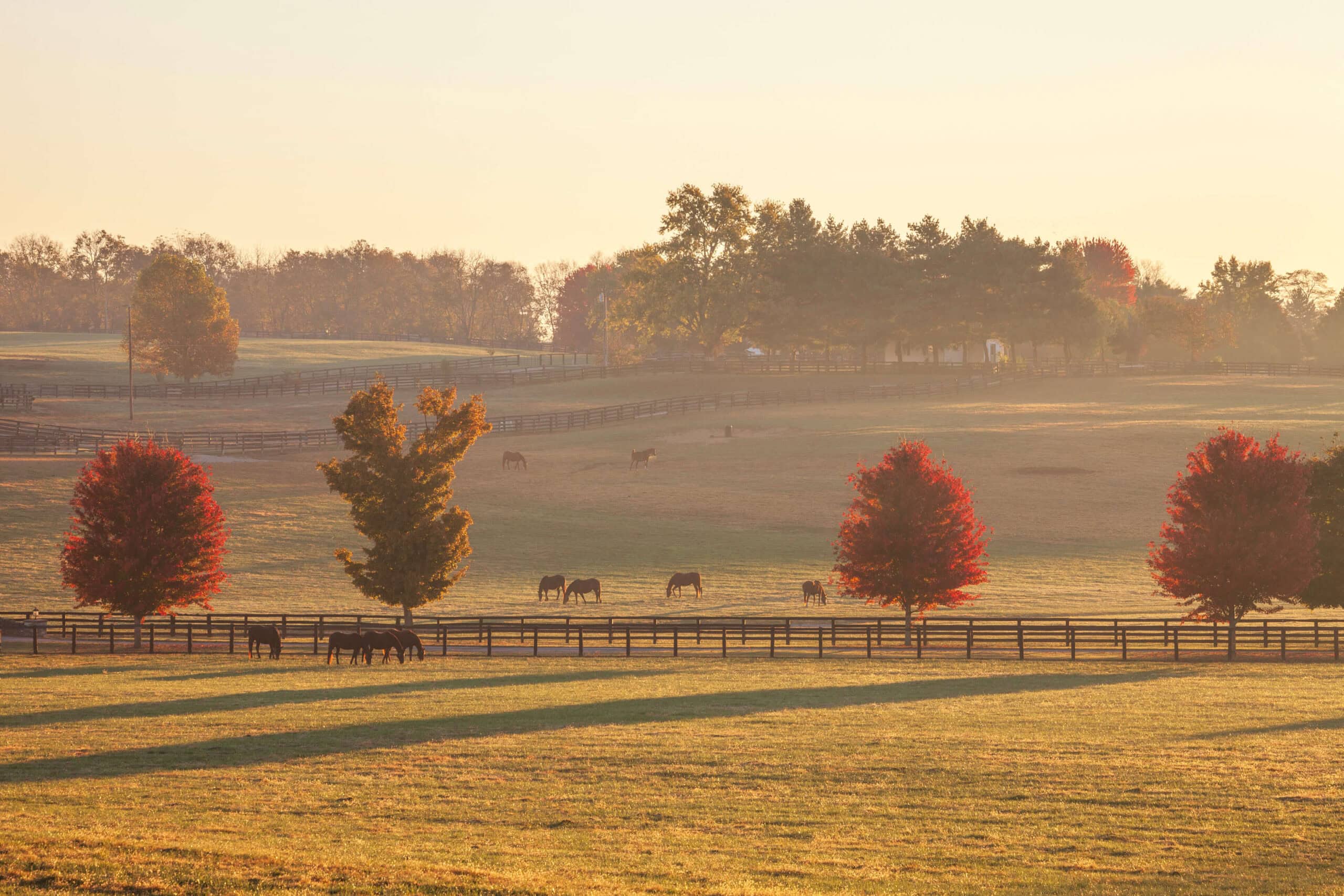
Red maple poisoning in horses is a potentially fatal emergency caused by eating wilted or dried leaves from the red maple tree (Acer rubrum). Exposure often occurs when autumn leaf fall, storms, or pruning increase the amount of foliage in pastures and turnout areas.
Red maples are common across eastern North America and are also planted as ornamental trees. Even when a tree grows outside a fence line, fallen branches or windblown leaves can place horses at risk. Leaves may also contaminate hay or remain accessible when pasture forage is limited.
Affected horses may not show signs for several hours or days after ingestion, even as damage to red blood cells progresses. Suspected exposure requires immediate veterinary attention, particularly if a horse develops weakness, rapid breathing, abnormal mucous membrane color, or dark urine.
Horse owners should understand how red maple poisoning occurs, which signs require urgent action, and how to reduce exposure through pasture and tree management.
Red Maple Poisoning in Horses
Red maple poisoning is a potentially fatal condition in horses caused by the ingestion of leaves from the red maple tree (Acer rubrum).
Poisoning is primarily associated with wilted or dried leaves, which contain compounds capable of causing severe oxidative damage to red blood cells. [1][2]
This can result in hemolytic anemia and methemoglobinemia, two conditions that impair oxygen delivery to the body’s tissues and can lead to life-threatening complications. [1][2]
Red maple is native to eastern North America and is commonly found: [1][3]
- In forests
- In wetlands
- Along waterways
It is also widely cultivated as an ornamental tree and valued for its distinctive foliage and bright autumnal colors. Horses are most likely to encounter toxic leaves during the fall or following storms and pruning, when fallen branches and wilting foliage become accessible in pastures and turnout areas. [1]
Clinical signs generally develop within 12 to 48 hours of ingestion, although the progression and severity of poisoning vary considerably. Affected horses may develop: [3][4][5]
- Weakness
- Lethargy
- Rapid breathing
- Dark urine
Severe poisoning can cause: [4][5]
- Kidney failure
- Circulatory complications
- Death
With reported mortality rates approaching 60%, red maple poisoning requires prompt veterinary attention, and prevention of exposure is particularly important. [4][5]
Common Names for Red Maple
Other names for red maple trees include:
- Swamp maple
- Scarlet maple
- Soft maple
- Carolina maple
Table 1. Red maple poisoning in horses at-a-glance
| Category | Key Information |
|---|---|
| Definition | |
| Primary Cause | |
| Onset | |
| Symptoms |
|
| Severity | |
| Treatment |
|
| Recovery Time | |
| Prognosis |
|
| Prevention |
|
What's your top priority with your horse's health?

What's your top priority with your horse's health?
Identification
Red maple is a deciduous tree belonging to the Sapindaceae family. Native to eastern North America, this tree is widely distributed from Canada to Florida and westward to parts of Texas. [3][4]
 Leaves
 Tree
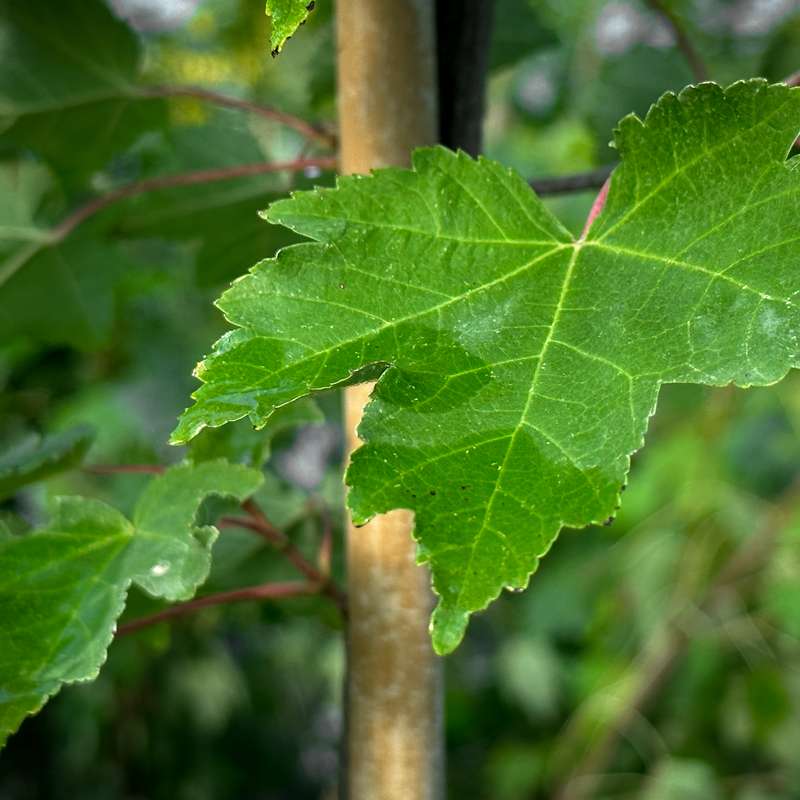 Green leaves
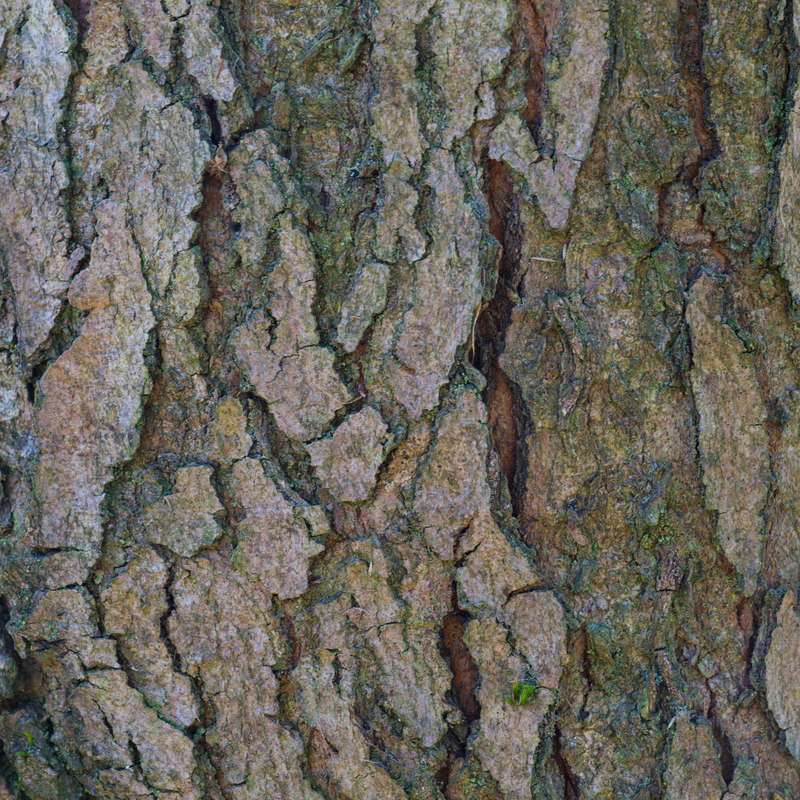 Bark
Although red maple prefers moist, slightly acidic soils, it is highly adaptable and can also thrive in relatively dry conditions. Some of the environments this species thrives in include: [3][4]
- Deciduous forests
- Wetlands
- Stream banks
- Disturbed areas
Mature red maples typically reach heights of 40 to 70 feet (12 to 21 m), although some specimens can grow considerably taller. [3]
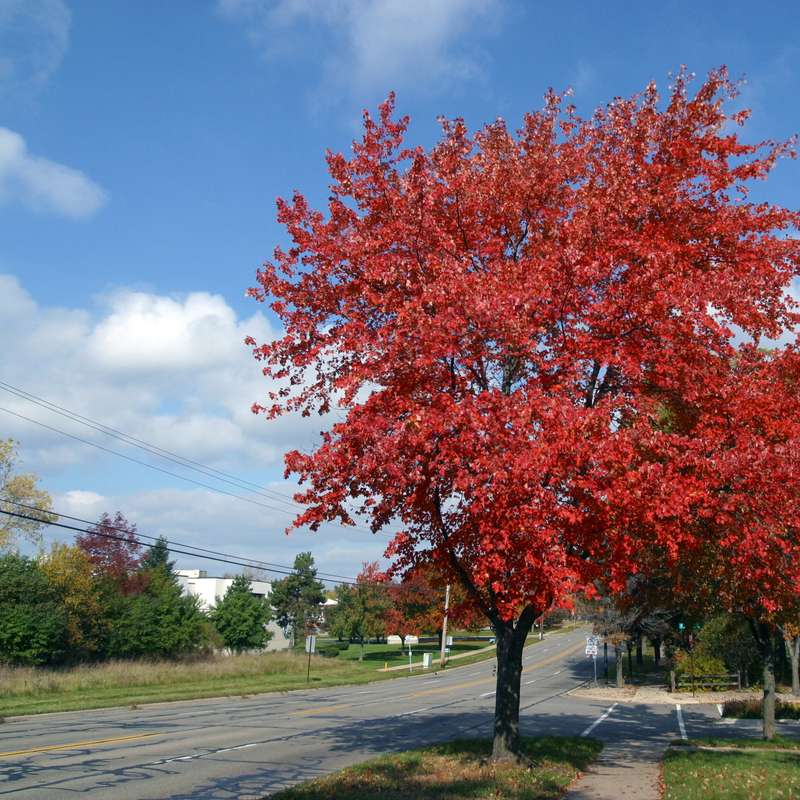
The tree generally develops a rounded crown with ascending branches, while its bark changes from smooth and light gray in younger trees to being darker, scaly, and furrowed with age. Young twigs and leaf stalks often have a reddish coloration. [3][4][6]
Red maple can be identified by the following characteristics: [4][6][7]
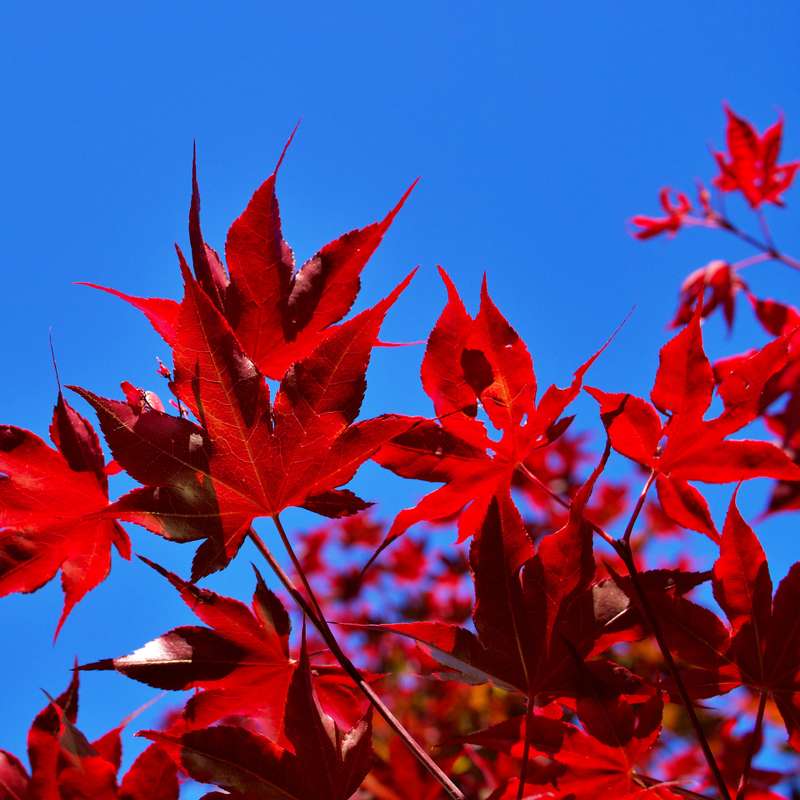
- Leaves: Simple, opposite leaves with three to five palmate lobes and finely toothed margins. The upper surface is green, while the underside is noticeably paler, sometimes appearing silvery.
- Flowers: Small, red flowers that develop in clusters during late winter or early spring, generally before the leaves emerge.
- Fruit: Paired, winged seeds known as samaras, which develop after flowering and are initially reddish before turning brown as they mature.
- Bark: Smooth and gray on young trees, gradually developing darker, irregular scales and shallow furrows with maturity.
- Fall foliage: Leaves typically turn bright red in the fall, although yellow and orange coloration may also occur.
The common name red maple refers to the reddish coloration of several parts of the tree, including its: [3][4]
- Flowers
- Young twigs
- Leaf stalks
- Fall foliage
Its distinctive seasonal appearance makes it a popular ornamental tree in residential landscapes, parks, and other managed areas, including properties where horses are kept. [3][4]
Toxicology of Red Maple
Red maple is highly toxic to horses, with poisoning primarily associated with the ingestion of wilted or dried leaves.
Research has shown fresh green leaves pose less risk, as experimental exposure to freshly harvested foliage did not produce the same toxic effects as dried or wilted leaves. Leaves remain toxic for at least 30 days after they wilt or dry. [1][8][9]
Red maple bark is also considered toxic, although its toxicity has not been as thoroughly investigated. [1][8]
Researchers have yet to identify the specific compound responsible for red maple poisoning in horses. They suspect several substances, including gallic acid and pyrogallol, may contribute to its toxic effects, but the precise roles of these compounds in red maple poisoning remain uncertain. [1][8][9]
Following ingestion, the toxic compounds cause oxidative damage to red blood cells and their hemoglobin, the protein responsible for transporting oxygen.
This damage produces two principal effects in horses: [1][2]
- Hemolytic anemia: Oxidative injury damages red blood cell membranes and causes hemoglobin to form abnormal deposits known as Heinz bodies. Affected cells may rupture within the bloodstream or be removed from circulation by the spleen, resulting in a rapid decline in circulating red blood cells.
- Methemoglobinemia: Oxidation converts normal hemoglobin into methemoglobin, a form that cannot effectively transport oxygen. As methemoglobin accumulates, the blood’s oxygen-carrying capacity decreases, potentially causing severe tissue hypoxia.
These processes can occur simultaneously and substantially reduce oxygen delivery to vital organs. Hemoglobin released during red blood cell destruction also enters the circulation and is filtered by the kidneys.
In severe cases, it can accumulate within the renal tubules and contribute to acute kidney injury or kidney failure. [2][8][10]
Symptoms of Red Maple Poisoning in Horses
Clinical signs of red maple poisoning typically develop within 12 to 48 hours of ingestion, although symptoms may be delayed for up to five days. [1][11]
The severity and progression of red maple poisoning vary depending on the amount of plant material consumed and the extent of damage to red blood cells. In severe cases, horses may deteriorate rapidly, while others develop progressively worsening symptoms over several days. [1][11]
Early signs are often not specific to red maple poisoning and include: [2][12]
- Lethargy
- Reduced appetite
- Weakness
As red blood cells are damaged and destroyed, affected horses develop anemia and reduced oxygen delivery to tissues. This can lead to: [2]
- Increased heart and respiratory rates
- Changes in mucous membrane color
- Dark discoloration of the urine
Common signs of red maple poisoning in horses include: [1][2][8][12][13]
- Lethargy
- Loss of appetite
- Weakness
- Rapid breathing
- Increased heart rate
- Abnormal mucous membranes
- Dark urine
- Colic
- Fever
- Dehydration
One of the more characteristic findings is the development of dark brown or chocolate-colored blood due to methemoglobin formation. Yellow discoloration of the mucous membranes, known as icterus or jaundice, may also occur as large quantities of red blood cells are destroyed. These changes can become more pronounced as poisoning progresses. [7][8]
Severe poisoning may lead to acute kidney injury, particularly when hemoglobin released from damaged red blood cells accumulates within the kidneys. Affected horses may produce less urine, and some develop kidney failure. Other reported complications include laminitis and abortion in pregnant mares, which may occur even without obvious signs of hemolytic anemia. [7][8][9][12]
In the most severe cases, extensive methemoglobin formation can cause profound oxygen deprivation and sudden death before other clinical signs become apparent. Alternatively, horses may develop a progressive hemolytic crisis, with worsening anemia and systemic complications over several days. [1][14]
When to Call the Veterinarian
Suspected red maple ingestion requires immediate veterinary attention, even if the horse appears healthy. Clinical signs may not develop until several hours or days after exposure, and significant damage to red blood cells may already be taking place before any outward sign of illness becomes apparent. [8][12][13]
Contact a veterinarian immediately if a horse has consumed wilted or dried red maple leaves and develops: [8][12][13]
- Unexplained weakness
- Rapid breathing
- Abnormal mucous membrane coloration
- Dark urine
Early assessment is particularly important as red maple poisoning can progress rapidly, and treatment becomes more challenging once severe anemia, tissue hypoxia, or kidney damage develops. [8][12]
Exposure Risk Factors
Red maple poisoning is most commonly reported in the eastern United States and Canada, where the tree is widespread in natural woodlands and cultivated landscapes.
Horses are primarily exposed when wilted or dried leaves become accessible in pastures, paddocks, or other turnout areas. Although poisoning is most common in late summer and fall, exposure can occur at any time during the growing season. [1][3]
Factors that increase the risk of red maple poisoning in horses include: [1][2][3]
- Seasonal leaf fall: Accumulation of wilted or dried leaves in pastures during late summer and autumn
- Storm damage: Fallen branches and broken limbs that make red maple foliage accessible to horses
- Pruning activities: Discarded branches and leaves left in or near turnout areas following tree maintenance
- Contaminated forage: Accidental inclusion of red maple leaves in hay
- Inadequate pasture maintenance: Failure to remove fallen branches, leaf litter, and other potentially toxic plant material

Diagnosis
Diagnosis of red maple poisoning in horses is based on:
- A history of potential exposure
- Characteristic clinical signs
- Laboratory findings consistent with oxidative damage to red blood cells
Veterinarians must also rule out other conditions that cause hemolytic anemia or methemoglobinemia.
The initial veterinary assessment typically includes a physical examination and a review of the horse’s recent environment. Further diagnostic testing can include: [1][8][14]
- Complete blood count (CBC)
- Blood smear examination
- Methemoglobin measurement
- Serum biochemistry
- Urinalysis
Several other conditions can produce similar clinical and laboratory findings. Differential diagnoses include: [1][8]
- Immune-mediated hemolytic anemia
- Equine infectious anemia
- Piroplasmosis
- Poisoning caused by onions (Allium spp.), nitrates, or certain medications
Because these conditions may also cause anemia or methemoglobinemia, a detailed exposure history is particularly important in establishing the most likely cause. [1][8]
Treatment & Management
There is no specific antidote for red maple poisoning in horses. Treatment is primarily supportive, with the aim of limiting further toxin absorption, maintaining adequate oxygen delivery to tissues, and preventing complications associated with severe hemolytic anemia. [1][8]
The first step is to prevent further exposure by removing affected horses from areas containing red maple leaves or branches. If ingestion has occurred recently, a veterinarian may administer activated charcoal to reduce further toxin absorption. [2][8]
Supportive treatment may include: [1][2][8]
- Blood transfusions: Whole blood or packed red blood cells may be administered to horses with severe or rapidly progressing anemia to restore oxygen-carrying capacity
- Oxygen therapy: Supplemental oxygen may help improve oxygen delivery to tissues, particularly in horses experiencing significant hypoxia
- Intravenous fluids: Fluid therapy may be used to support circulation and maintain kidney perfusion
- Antioxidant therapy: Intravenous ascorbic acid (vitamin C) may be administered to help counteract oxidative damage and promote the conversion of methemoglobin back to functional hemoglobin
- Pain management: Medications may be used to improve comfort in horses with painful complications associated with severe toxicosis
Veterinarians may use ascorbic acid (vitamin C) to treat red maple poisoning because its antioxidant properties may help protect red blood cells from further damage.
It may help reduce the buildup of methemoglobin, a form of hemoglobin that cannot carry oxygen effectively. However, researchers have not yet confirmed its effectiveness in treating horses with naturally occurring red maple poisoning. [2][10]
Throughout treatment, repeated blood tests are necessary to assess red blood cell counts, methemoglobin concentrations, and kidney function. Horses must also be monitored for complications such as laminitis and acute kidney injury. [1][11]
Prognosis
The prognosis for horses with red maple poisoning is generally guarded to poor, even with intensive veterinary treatment. [1][11]
The outcome depends on several factors, including the severity and progression of anemia, and the development of complications such as acute kidney injury. Some horses deteriorate rapidly and may die within 18 hours of ingestion, while others develop a progressive hemolytic crisis over several days. [9][15]
Horses that survive the acute phase may recover as damaged red blood cells are replaced and oxygen delivery improves. However, the potential for lasting complications depends on the extent of organ injury, particularly kidney damage. Long-term outcomes following severe red maple poisoning are not well documented. [2][8]
Prevention
Preventing red maple poisoning primarily involves identifying red maple trees growing in or near horse pastures and ensuring that horses cannot access wilted or dried leaves.
Owners should pay particular attention to autumn leaf fall, storm damage, and pruning activities, which can make toxic plant material accessible to grazing horses. [7]
Recommended preventive measures include: [7]
- Identification
- Access restriction
- Regular pasture inspections
- Leaf removal
- Pruning management
- Forage inspections
- Landscaping
Frequently Asked Questions
Here are some frequently asked questions about red maple poisoning in horses:
Red maple trees are highly poisonous to horses, particularly when horses consume wilted or dried leaves. Toxic compounds in the leaves cause oxidative damage to red blood cells and reduce the blood's ability to carry oxygen. Red maple poisoning can lead to severe anemia, kidney injury, and death, with reported mortality rates of approximately 60% to 70%. [1][2][11]
Wilted and dried red maple leaves are the parts most clearly associated with poisoning in horses. Red maple bark may also be toxic, but its effects have not been investigated as thoroughly. Fresh green leaves appear to pose considerably less risk, although horses should still be prevented from accessing any part of a red maple tree. [1][8][9]
Fresh red maple leaves appear to be less dangerous to horses than wilted or dried leaves. Experimental exposure to freshly harvested foliage has not produced the same toxic effects associated with deteriorating leaves. However, fresh leaves can wilt after branches fall or are cut, so all red maple foliage should be kept out of horse pastures and turnout areas. [1][8][9]
Fallen red maple leaves can remain toxic to horses for at least 30 days after they wilt or dry. This prolonged toxicity means that old leaves and branches can remain hazardous even when they no longer look fresh. Pastures, paddocks, and fence lines should be checked regularly, especially after storms, pruning, and autumn leaf fall. [1][8]
The amount of red maple needed to poison a horse is not established in this article, and the severity of poisoning can vary with the amount and condition of the plant material consumed. Wilted and dried leaves present the greatest documented risk, and even an apparently limited exposure should be treated seriously. Contact a veterinarian immediately rather than waiting for signs or attempting to estimate whether the horse ate a dangerous amount. [1][8][11]
When a horse eats toxic red maple leaves, oxidizing compounds damage red blood cells and hemoglobin. This can cause hemolytic anemia as damaged red blood cells rupture or are removed from circulation, while methemoglobinemia prevents the remaining hemoglobin from carrying oxygen effectively. Hemoglobin released from destroyed cells can also accumulate in the kidneys and contribute to acute kidney injury or kidney failure. [1][2][8]
Signs of red maple poisoning usually appear within 12 to 48 hours after ingestion. In some horses, symptoms may be delayed for as long as five days, even though red blood cell damage may already be occurring. The condition can progress rapidly or worsen gradually over several days, so suspected exposure requires immediate veterinary attention before signs develop. [1][11]
Signs of red maple poisoning in horses can include lethargy, reduced appetite, weakness, rapid breathing, an increased heart rate, colic, fever, dehydration, and dark urine. The gums and other mucous membranes may become pale, yellow, brown, or otherwise abnormal as anemia and methemoglobinemia develop. Dark brown or chocolate-colored blood is a characteristic finding, while severe cases may cause reduced urine production, collapse, or sudden death. [1][2][8][12][13]
Red maple poisoning can cause kidney failure and laminitis in severely affected horses. Kidney injury may develop when hemoglobin released from destroyed red blood cells is filtered through and accumulates within the kidneys. Other reported complications include colic and abortion in pregnant mares, and abortion may occur even without obvious signs of hemolytic anemia. [7][8][9][12]
If a horse eats red maple leaves, contact a veterinarian immediately and prevent any further access to the tree, leaves, or fallen branches. Do not wait for symptoms, because serious red blood cell damage can develop before outward signs become apparent. Prompt veterinary assessment is especially important after exposure to wilted or dried leaves, and other horses sharing the area should also be moved away from the suspected source.
Red maple poisoning is diagnosed using the horse's exposure history, clinical signs, physical examination findings, and laboratory evidence of oxidative red blood cell damage. Testing may include a complete blood count, blood smear examination, methemoglobin measurement, serum biochemistry, and urinalysis. Veterinarians may also rule out equine infectious anemia, piroplasmosis, immune-mediated hemolytic anemia, and poisoning from onions, nitrates, or certain medications. [1][8][14]
Red maple poisoning is treated with intensive supportive care because there is no specific antidote. Depending on the timing and severity of the case, treatment may include activated charcoal, intravenous fluids, supplemental oxygen, pain management, antioxidant therapy, and blood transfusions for severe or rapidly progressing anemia. Repeated blood tests are used to monitor red blood cell counts, methemoglobin levels, and kidney function, while the horse is watched closely for laminitis, colic, and acute kidney injury. [1][2][8][11]
A horse can recover from red maple poisoning, but the prognosis is generally guarded to poor. Reported mortality rates range from approximately 60% to 70%, and some horses may die within 18 hours of ingestion. Horses that survive the acute phase may improve as damaged red blood cells are replaced, although recovery and long-term health can be affected by the extent of kidney or other organ injury. [1][2][8][9][11][15]
Horses are most at risk of red maple poisoning in late summer and fall, when wilted or dried leaves may accumulate in pastures. Exposure can also occur at other times during the growing season after storms, pruning, or tree damage brings foliage within reach. Poor pasture conditions, contaminated hay, and inadequate removal of fallen branches and leaf litter further increase the risk. [1][2][3]
A red maple tree can be identified by its opposite leaves with three to five lobes, finely toothed margins, and noticeably paler undersides. It also produces small red flowers before the leaves emerge and paired winged seeds called samaras, while young twigs and leaf stalks often have a reddish color. Young trees have smooth gray bark that becomes darker, scaly, and shallowly furrowed with age, and the fall foliage commonly turns bright red, orange, or yellow. [4][6][7]
Red maple trees commonly grow throughout eastern North America, from Canada to Florida and westward into parts of Texas. They occur in forests, wetlands, stream banks, disturbed areas, and residential or managed landscapes. Because red maple is widely planted as an ornamental tree, it may also grow on or near horse properties, even outside natural woodland settings. [3][4][6]
Other maple trees may present a potential risk to horses, although red maple is the species most clearly linked to clinical poisoning. Laboratory studies have found that extracts from sugar maple and silver maple can cause oxidative damage to equine red blood cells. Their clinical toxicity is less well established, so horses should not be allowed to consume wilted or dried foliage from unidentified maple trees. [2][8][10]
Red maple poisoning can be prevented by identifying red maple trees near horse enclosures and keeping horses away from their leaves, bark, and branches. Inspect pastures regularly, remove fallen leaves and storm-damaged limbs promptly, and never discard pruned branches in or near turnout areas. Hay and other forage should also be checked for leaf contamination, and red maples should not be planted where foliage could fall into horse-accessible areas. [7]
Summary
Red maple poisoning is a potentially fatal emergency caused primarily by ingestion of wilted or dried leaves. Immediate veterinary care and careful management of trees, pastures, and forage are essential.
- Wilted or dried red maple leaves cause oxidative damage to red blood cells, resulting in hemolytic anemia and impaired oxygen delivery
- Clinical signs may include weakness, rapid breathing, increased heart rate, abnormal mucous membrane color, and dark urine
- Diagnosis is based on exposure history, clinical signs, and laboratory evidence of oxidative red blood cell damage
- Supportive treatment may include blood transfusions, oxygen therapy, intravenous fluids, and antioxidant therapy
- Prevention requires restricting access to red maple foliage and removing fallen leaves or branches from horse areas
References
- Hovda. L. R. et al. Eds. Blackwell’s Five-Minute Veterinary Consult Clinical Companion: Equine Toxicology. Wiley-Blackwell. 2022.
- Plumlee. K. H. Ed. Clinical Veterinary Toxicology. 1st ed. Mosby. 2004.
- Burrows. G. E. and Tyrl. R. J. Toxic Plants of North America. 2nd ed. Wiley-Blackwell. 2013.
- Nesom. G. Red Maple (Acer rubrum L.): Plant Guide. USDA Natural Resources Conservation Service. 2006.
- Alward. A. et al. Red Maple (Acer rubrum) Leaf Toxicosis in Horses: A Retrospective Study of 32 Cases. Journal of Veterinary Internal Medicine. 2006.
- Acer rubrum (Carolina Maple, Red Maple, Scarlet Maple, Soft Maple, Swamp Maple). North Carolina Extension Gardener Plant Toolbox. n.d.
- Knight. A. P. Red Maple (Acer rubrum). Guide to Poisonous Plants, Colorado State University. n.d.
- Southwood. L. L. and Wilkins. P. A. Eds. Equine Emergency and Critical Care Medicine. 1st ed. CRC Press. 2015.
- George. L. W. et al. Heinz Body Anemia and Methemoglobinemia in Ponies Given Red Maple (Acer rubrum L.) Leaves. Veterinary Pathology. 1982.
- O’Callaghan. D. K. et al. Protective Effects of Ascorbic Acid and α-Tocopherol on the In Vitro Oxidation of Equine Erythrocytes Caused by Extracts of Wilted Red Maple Leaves. Journal of Equine Veterinary Science. 2015.
- Wilson. D. A. Ed. Clinical Veterinary Advisor: The Horse. 1st ed. Saunders. 2011.
- Honsinger. L. C. Equine Red Maple Toxicosis. Mississippi State University College of Veterinary Medicine. 2016.
- Red Maple Toxicosis in Horses: Signs, Treatment & Prevention. HorseDVM. n.d.
- Lavoie. J.-P. and Hinchcliff. K. W. Eds. Blackwell’s Five-Minute Veterinary Consult: Equine. 2nd ed. Wiley-Blackwell. 2009.
- Agrawal. K. et al. Identification of Protoxins and a Microbial Basis for Red Maple (Acer rubrum) Toxicosis in Equines. Journal of Veterinary Diagnostic Investigation. 2013.