English

Allium plants are a bulb-forming species that include onions, garlic, leeks, shallots, and chives. Although these plants are common in human diets, they can pose a toxic risk to horses when consumed in sufficient amounts or repeatedly over time.
Exposure may involve cultivated onions or garlic products, wild Allium plants in pasture or hay, food waste, or garlic-containing supplements. [1][2]
Allium toxicosis is typically cumulative, meaning clinical effects are more likely to develop after repeated ingestion than after a single small exposure. In horses, toxic compounds in these plants can cause oxidative damage to red blood cells, leading to hemolytic anemia.
Clinically significant poisoning is uncommon in horses, but Allium exposure remains an important management concern. Continue reading to learn how to identify Allium plants, why they are toxic to horses, signs of poisoning, and how exposure can be treated and prevented.
Onion & Garlic Poisoning in Horses
Allium is a large and widely distributed genus of bulb-forming plants comprising more than 550 species worldwide.
Members of the genus occur naturally throughout much of the Northern Hemisphere, where they occupy a broad range of habitats, including grasslands, meadows, open woodland, marsh margins, roadsides, cultivated fields, and disturbed sites. [1]
Many Allium species are valued for culinary, ornamental, or medicinal uses, while others occur as wild plants capable of colonizing pastures and grazing areas.
The genus includes several economically important cultivated crops commonly used in human food production, including: [1]
- Garden onion (Allium cepa)
- Garlic (Allium sativum)
- Leek (Allium porrum)
- Chives (Allium schoenoprasum)
Although generally safe and desirable food items for humans, these plants contain sulfur-containing compounds capable of causing oxidative damage to red blood cells in horses and other animals when consumed in sufficient quantities. [1]
Several wild plants in the Allium family also pose a risk to horses, including: [1]
- Wild onion or meadow garlic (Allium canadense)
- Nodding onion (Allium cernuum)
- Pacific onion (Allium validum)
- Wild garlic or crow garlic (Allium vineale)
Depending on the species, these plants may occur in meadows, prairies, open woods, wetlands, hay fields, lawns, roadsides, and unmanaged pasture systems. [1]
Certain species, particularly Allium vineale, may behave as invasive weeds and become established in pastures, hay fields, and managed turf areas. Cultivated onions and garlic generally do not naturalize extensively outside agricultural settings, although escaped plants may persist temporarily near gardens, compost piles, refuse areas, or discarded food waste. [1]
Horses are commonly exposed to cultivated species when onions, garlic products, or food waste are incorporated into feed. In regions where onions are produced commercially, cull onions and excess crop material are more readily accessible to livestock. [1]
Unlike many acute toxic plant exposures, Allium poisoning in horses is typically associated with repeated ingestion over time rather than consumption of a single small amount. Because clinical disease develops gradually as oxidative damage accumulates, horses may continue consuming contaminated material for extended periods before abnormalities become apparent. [1]
Table 1. Allium toxicosis in horses at-a-glance
| Category | Key Information |
|---|---|
| Definition |
|
| Primary Cause |
|
| Common Causes |
|
| Onset |
|
| Symptoms |
|
| Severity |
|
| Treatment |
|
| Recovery Time |
|
| Prognosis |
|
| Prevention |
|
Identification
Allium species are herbaceous bulb-forming plants recognized by their strong onion or garlic odor, which becomes especially pronounced when the bulbs, foliage, or flowers are crushed or damaged. This pungent sulfurous smell is one of the most important identifying features of the genus and is particularly useful when differentiating Allium species from other similar plants.
 Flower
 Leaves
 Flower
Allium plants may grow alone or in dense clusters, depending on the species and growing conditions. Some stay short and compact, while others produce tall flowering stalks that stand out above nearby grasses during the flowering season. [1]
Underground bulbs vary considerably in size and shape and are typically enclosed by papery or fibrous outer layers. In clustered species, numerous smaller bulbs or bulblets may develop around the parent bulb, allowing the plant to spread and persist in pastures or disturbed soils. [1]
The leaves usually grow from the base of the plant. They are generally long and narrow, but their shape varies between species. Some leaves are flat or grooved, while others are round or hollow. The leaves may feel smooth, waxy, or slightly ridged. Their color ranges from bright green to blue-green. Many species have soft, flexible leaves that collapse easily when damaged or drought-stressed. [1]
Flowering stems, known as scapes, are upright and unbranched and may be either hollow or solid. Mature plants range considerably in height, with scapes typically reaching between approximately 4 inches and 5 feet (10 and 150 cm) depending on species, soil conditions, and moisture availability. [1]
Flowers grow in clusters at the top of the stalk. These clusters may look round, half-round, or slightly flattened. Each cluster may contain only a few flowers or several dozen, depending on the species. Individual flowers are usually small and star-shaped, with six petal-like parts. [1]
Table 2. Common Allium plants that may be toxic to horses
| Plant name | Scientific name | Where it may be found |
|---|---|---|
| Onion | Allium cepa |
|
| Garlic | Allium sativum |
|
| Leek | Allium porrum |
|
| Chives | Allium schoenoprasum |
|
| Wild onion or meadow garlic | Allium canadense |
|
| Nodding onion | Allium cernuum |
|
| Pacific onion | Allium validum |
|
| Wild garlic or crow garlic | Allium vineale |
|
What's your top priority with your horse's health?

What's your top priority with your horse's health?
Flower color varies considerably and may include white, pale pink, rose, purple, lavender, or greenish tones. In some species, flowers may be partially or entirely replaced by bulbils. Following flowering, fruits develop as three-lobed capsules containing numerous small black seeds that may be angular, flattened, or rounded. These seeds can spread into disturbed pastures, roadsides, hay fields, and unmanaged grazing areas. [1]
Wild Allium species grow in many habitats across North America. Common species include: [1]
- Allium canadense: Commonly referred to as wild onion or meadow garlic, is among the most widespread species in eastern North America and frequently occurs in prairies, meadows, open woods, roadsides, and disturbed sites.
- Allium cernuum: Occupies many of the same regions but is generally less abundant and is often associated with rocky soils and open woodland habitats.
- Allium validum: Occurs primarily in moist northwestern environments, including marshy meadows and stream-adjacent habitats.
- Allium vineale: A European species now naturalized across many parts of North America, may become invasive and commonly occurs in lawns, pastures, hay fields, and grazing areas.
Seasonal growth patterns can also help with identification. Many wild onions and garlic plants emerge early in the growing season before surrounding pasture grasses are fully established. This may increase the risk of accidental ingestion when forage availability is limited. During flowering, the tall stalks and rounded flower clusters make the plants easier to see. Later in the season, dried stalks may remain in hay or harvested forage. [1]
Table 3. How to identify Allium plants in pastures and hay
| Plant feature | What to look for |
|---|---|
| Odor |
|
| Growth habit |
|
| Bulbs |
|
| Leaves |
|
| Flowering stems |
|
| Flowers |
|
| Flower color |
|
| Fruits and seeds |
|
| Habitat |
|
| Seasonal clues |
|
| Lookalikes |
|
Toxicology of Allium spp.
Allium species contain a complex mixture of sulfur-containing compounds capable of causing damage to red blood cells in some domesticated animals, including horses. Among the most important are alk(en)ylcysteine sulfoxides, naturally occurring compounds that become chemically reactive when plant tissues are damaged through chewing, crushing, cutting, or wilting. [1][3][4][8]
Once plant cells are disrupted, natural enzymes convert compounds in the plant into sulfur-containing substances. Some of these substances give onions and garlic their strong smell and taste, while others can be toxic. Propyl disulfide and related compounds involved in Allium poisoning cause oxidative stress, which damages red blood cells. [1][3][4][8]
As oxidative damage progresses, affected red blood cells are recognized as abnormal and removed from circulation by the spleen, resulting in hemolytic anemia (breakdown of red blood cells resulting in reduced circulating oxygen).
In some cases, damage to the red blood cell membrane may also cause these cells to break apart too early, releasing hemoglobin into the bloodstream. The syndrome associated with this process is known as Heinz body hemolytic anemia. [1][3][4][8]
Unlike many acute plant toxicities, Allium poisoning in horses is generally cumulative rather than immediate. Clinical disease most often develops after repeated ingestion of small quantities of plant material, allowing oxidative damage to build up before obvious clinical abnormalities become apparent. Horses can appear clinically normal during the early stages of exposure despite red blood cell injury being in progress. [1]
Symptoms of Onion Poisoning in Horses
Signs of Allium poisoning mainly occur because the plant damages red blood cells, leading to anemia. Severity varies depending on the amount consumed, duration of exposure, and individual susceptibility. Signs may develop gradually because the toxic effects are cumulative.
Early clinical signs are often nonspecific and may initially be mistaken for generalized illness or fatigue. Affected horses may develop the following signs: [3][7]
- Pale gums
- Weakness and lethargy
- Reduced exercise tolerance
- Increased heart rate
- Increased respiratory rate
- Staggering or incoordination
- Dark red to brown urine
- Icterus (jaundice)
- Sulfur, onion, or garlic odor on the breath
- Abortion in pregnant mares
Despite the potential severity of some associated symptoms, significant life-threatening anemia is relatively uncommon in horses with Allium poisoning. Most affected horses recover when exposure is identified early and the source is removed.
When to Call the Veterinarian
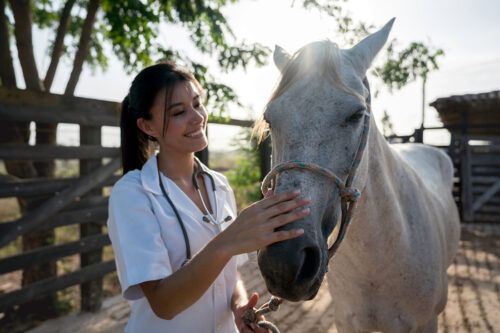
Contact your veterinarian if your horse may have consumed onions, garlic, wild Allium plants, contaminated hay, or garlic-containing supplements and is showing signs consistent with anemia or systemic illness. Early evaluation is important because Allium toxicosis can develop gradually, and horses may appear normal during the early stages of red blood cell damage.
Call your veterinarian for assessment if you notice:
- Pale or yellow gums
- Weakness, lethargy, or exercise intolerance
- Increased heart rate or respiratory rate
- Dark red, brown, or abnormal-looking urine
- Staggering, incoordination, or signs of collapse
- Known or suspected repeated access to Allium-containing feed, hay, supplements, or pasture plants
A veterinarian may perform a physical examination, bloodwork, and urine testing to assess the degree of anemia and red blood cell damage. Prompt care can also help rule out other causes of similar signs, including other toxic plant exposures or diseases that affect red blood cells.
Exposure Risk Factors
Several factors can increase a horse’s risk of Allium toxicosis. Horses are most commonly affected after repeated ingestion of onions, garlic, or other Allium plants over days to weeks, allowing oxidative damage to accumulate gradually. [1]
Risk is higher in horses with access to:
- Pastures or hay fields contaminated with wild onion or wild garlic
- Cull onions, discarded produce, compost piles, or food waste
- Garlic-containing supplements fed at excessive amounts or for prolonged periods
- Feeds or forage inadvertently contaminated with Allium plant material
Because clinical signs often develop slowly, horses may continue consuming toxic plants for an extended period before anemia becomes apparent. [1]

Diagnosis
Diagnosis of Allium toxicosis is based on a combination of exposure history, clinical signs, physical examination findings, and bloodwork showing proof of oxidative hemolytic anemia. Because clinical disease is typically cumulative and may develop gradually over time, identifying potential exposure sources is often a critical component of diagnosis.
A detailed dietary and environmental history should include possible access to cultivated onions, garlic, leeks, chives, garlic-containing supplements, food waste, compost, contaminated hay, or wild Allium species growing in pasture.
Physical examination findings vary depending on the severity of anemia and ongoing hemolysis. Bloodwork and other lab tests can reveal evidence of oxidative damage to red blood cells and hemolytic anemia, including: [3]
- Low packed cell volume (PCV) or low red blood cell count
- Heinz bodies, or signs of damaged red blood cells seen on a blood smear
- Hemoglobin in the blood or urine
- High bilirubin levels related to red blood cell breakdown
- Other signs of red blood cell destruction and anemia
Because clinical signs are not specific to Allium poisoning, differential diagnoses should include other causes of oxidative hemolysis and anemia, particularly red maple toxicosis, along with infectious or inflammatory conditions capable of causing red blood cell destruction.
Pasture inspection and feed evaluation may help identify the source of exposure, especially in chronic or low-level cases where ingestion was not directly observed. Careful examination of hay and forage for dried plant material can be particularly important, as wild onions and garlic may be difficult to recognize once incorporated into baled feed.
Treatment & Management
Treatment focuses primarily on eliminating further exposure while providing supportive care during recovery from red blood cell damage and anemia. Early recognition and removal of the toxic source are important, as continued ingestion may result in worsening clinical disease over time.
Owners must remove all onions, garlic products, contaminated feed, supplements, or suspect plant material immediately from the horse’s environment. Horses require clean pasture or uncontaminated forage and fresh water while exposure sources are identified and eliminated. If contaminated hay or feed is suspected, discard all affected material to prevent continued low-level ingestion. [7]
Supportive care depends largely on the severity of clinical signs and the degree of hemolytic anemia present. Horses with mild disease may recover with monitoring and conservative management alone once exposure ceases, particularly if anemia is limited and there is no cardiovascular damage. [7]
More severely affected horses may require fluid therapy to support hydration, circulation, and kidney function, especially in cases involving hemoglobinuria or significant red blood cell destruction. In moderate to severe cases, veterinarians may need to closely monitor the horse’s heart and circulation, hydration, gum color, and bloodwork, since signs can continue to change over several days. [7]
Horses with marked hemolytic anemia, substantial red blood cell loss, or impaired oxygen delivery to tissues may require blood transfusion. Additional supportive measures aim to minimize physiologic stress and maintain the horse’s overall stability. [7]
Prognosis
Recovery is generally favorable once exposure stops, as clinically significant anemia is relatively uncommon in horses with Allium toxicosis. Prognosis is good in most cases, particularly when severe hemolysis has not developed and ongoing exposure is prevented. [7]
Prevention
Prevention of Allium toxicosis relies primarily on careful feed management, regular pasture monitoring, and minimizing opportunities for accidental exposure to cultivated or wild Allium species.
Because toxicity is cumulative and often develops gradually following repeated ingestion, prevention strategies should focus not only on obvious sources of exposure, but also on smaller, repeated dietary inclusions that may initially appear harmless. [3][4][6]
Horse owners should never intentionally feed onions, garlic, or related plant material to horses. Garlic-containing supplements should also be approached cautiously. Long-term supplementation carries the potential for cumulative hematologic effects, particularly when fed consistently over extended periods. [4][5][6]
Inspect pastures routinely for wild onions, wild garlic, and other potentially toxic plants, especially during spring when fresh vegetative growth is abundant. Provide adequate forage access and prevent overgrazing, as horses are more likely to ingest dangerous species when forage availability is poor, pasture quality declines, or grazing pressure becomes excessive. [4][5]
Hay and harvested forage should also be evaluated carefully for contamination with dried plant material. Wild Allium species may retain toxicity after drying and can become difficult to identify once incorporated into baled hay. Feeding contaminated forage may result in chronic low-level exposure that initially goes unnoticed. [3][4][6]
Good pasture management practices help reduce the spread of toxic plants. Dense, healthy forage stands leave less space for weeds to establish. Regular mowing, appropriate stocking density, and targeted weed control can also help reduce toxic plant growth over time.
Frequently Asked Questions
Here are some frequently asked questions about Allium poisoning in horses:
Onions are toxic to horses when eaten in sufficient amounts or repeatedly over time. Onions belong to the Allium genus and contain sulfur-containing compounds that can cause oxidative damage to red blood cells. This damage can lead to Heinz body formation and hemolytic anemia, a condition in which damaged red blood cells are removed from circulation or break apart too early. Horses may be exposed through cull onions, discarded produce, food waste, compost areas, contaminated feed, or onion plant material in forage.
Allium plants that may be poisonous to horses include onions, garlic, leeks, chives, shallots, wild onion, wild garlic, nodding onion, and Pacific onion. These plants contain sulfur-containing compounds that can damage red blood cells when consumed in sufficient quantities or repeatedly over time. Cultivated Allium plants are most often encountered through gardens, farms, food waste, compost piles, discarded produce, or supplements. Wild species may occur in pastures, hay fields, roadsides, meadows, open woodland, lawns, wetlands, and disturbed grazing areas.
Horses should not be intentionally fed garlic as a routine dietary ingredient. Garlic contains sulfur-containing compounds similar to those found in onions, and repeated intake has been associated with oxidative damage to red blood cells and Heinz body formation in horses. Garlic-containing supplements should be approached cautiously, especially when fed consistently or for long periods. Long-term or excessive intake may increase the risk of cumulative blood changes even if the horse appears normal at first.
Wild onions and wild garlic can be poisonous to horses when consumed repeatedly or in large enough amounts. These plants may grow in pastures, hay fields, lawns, roadsides, open woodland, meadows, wetlands, and disturbed areas. Horses may be more likely to eat them when desirable forage is limited, pastures are overgrazed, or grazing pressure is high. Many wild Allium species emerge early in the growing season, so spring pasture checks are especially important.
If a horse eats onions, garlic, or other Allium plants repeatedly, sulfur-containing compounds can damage red blood cells and cause hemolytic anemia. Affected horses may develop weakness, lethargy, pale gums, reduced exercise tolerance, increased heart rate, increased respiratory rate, dark red or brown urine, jaundice, depression, or incoordination. Some horses may also have a sulfur, onion, or garlic odor on their breath. Severe cases require veterinary evaluation and supportive care to assess anemia and prevent further decline.
A small amount of onion is less likely to cause serious illness than repeated or ongoing exposure, but onions should still be kept out of equine diets. Allium poisoning in horses is typically cumulative, meaning red blood cell damage can build gradually over days or weeks. A horse may look normal during early exposure even while blood cell injury is developing. If a horse has eaten onions or onion-containing material, remove the source and contact a veterinarian for guidance, especially if the amount or duration of exposure is unclear.
Dried onions, wild onions, garlic, and related Allium plants in hay can still harm horses. The toxic sulfur-containing compounds may remain active after drying, so contaminated hay can continue to pose a risk even when the plants are no longer fresh. Dried plant material may also be harder to recognize once it is mixed into baled forage. Suspect hay or feed should not be fed, especially if horses may have repeated access to it.
The signs of Allium poisoning in horses are mainly related to anemia and red blood cell destruction. Affected horses may show pale or yellow gums, weakness, lethargy, poor exercise tolerance, increased heart rate, increased breathing rate, depression, staggering, dark red or brown urine, or jaundice. Signs often develop gradually because toxicity commonly follows repeated exposure rather than a single small ingestion. A horse with dark urine, marked weakness, pale gums, rapid breathing, collapse, or sudden decline should be assessed by a veterinarian promptly.
Allium poisoning can cause dark urine in horses when damaged red blood cells release hemoglobin into the bloodstream. This free hemoglobin may pass into the urine, giving it a dark red, brown, or abnormal appearance. Dark urine can indicate more significant red blood cell destruction and should not be ignored. Horses with dark urine after possible Allium exposure need prompt veterinary assessment.
Allium poisoning in horses is diagnosed using exposure history, clinical signs, physical examination findings, and laboratory testing. A veterinarian may ask about access to onions, garlic, leeks, chives, garlic-containing supplements, food waste, compost, contaminated hay, or wild Allium plants in pasture. Bloodwork may show anemia, low packed cell volume, Heinz bodies, damaged red blood cells, high bilirubin, or evidence of hemoglobin in the blood or urine. Pasture, hay, and feed inspection can help identify the source of exposure.
You should call a veterinarian if your horse may have eaten onions, garlic, wild Allium plants, contaminated hay, or garlic-containing supplements and is showing signs of anemia or illness. Concerning signs include pale or yellow gums, weakness, lethargy, depression, exercise intolerance, rapid heart rate, rapid breathing, dark urine, staggering, incoordination, or collapse. Early evaluation is important because Allium poisoning can develop gradually, and horses may appear normal during the early stages of red blood cell damage. Seek urgent care if the horse is very weak, breathing rapidly, unable to stand normally, or passing dark urine.
Allium poisoning in horses is treated by stopping further exposure and providing supportive care based on the severity of illness. Onions, garlic products, contaminated feed, supplements, hay, or suspect pasture access should be removed immediately. Mild cases may improve with monitoring once exposure stops, while more serious cases may require fluids, bloodwork monitoring, and supportive veterinary care. A blood transfusion may be needed if anemia is severe enough to impair oxygen delivery.
Most horses recover from Allium poisoning when exposure is identified early and the toxic source is removed. Prognosis is generally good when severe hemolytic anemia has not developed and the horse is no longer consuming contaminated feed, forage, supplements, or pasture plants. Blood changes associated with repeated garlic intake can resolve after ingestion stops, supporting the reversible nature of many cases. Recovery may take longer if exposure continued for an extended period or if the horse developed significant red blood cell destruction.
Wild onions and wild garlic can often be identified by their strong onion or garlic odor when the leaves, bulbs, or flowers are crushed. These plants usually have underground bulbs, narrow leaves, upright flowering stalks, and clusters of small flowers that may be white, pale pink, rose, purple, lavender, or greenish. Some species grow in clusters and may spread through bulbs, bulblets, bulbils, or seeds. Odor is an important identification clue because toxic lookalikes such as death camas do not have the characteristic onion or garlic smell.
Horses are most likely to encounter Allium plants in contaminated pastures, hay fields, baled forage, gardens, compost areas, discarded produce piles, food waste, or garlic-containing supplements. Wild Allium species may grow in meadows, prairies, open woods, rocky soils, wetlands, roadsides, lawns, pastures, and disturbed sites. Cultivated onions and garlic are more likely to pose a risk when crop waste, cull onions, kitchen scraps, or discarded plant material are accessible to horses. Hay contamination is a concern because dried Allium material can be difficult to recognize once it is baled.
Allium poisoning in horses can be prevented through careful feed management, pasture monitoring, and avoidance of onion or garlic products. Horses should not be fed onions, garlic, leeks, chives, shallots, kitchen scraps, discarded produce, or spoiled vegetables. Pastures and hay fields should be checked regularly for wild onions, wild garlic, and other toxic plants, especially in spring and in overgrazed areas. Maintaining dense forage growth, avoiding overstocking, inspecting hay, controlling weeds, and cleaning equipment that may spread bulbs or seeds can all reduce exposure risk.
Summary
Allium plants, including onions, garlic, leeks, shallots, chives, and wild onion species, can be toxic to horses.
- Exposure may occur through pasture plants, contaminated hay, food waste, cull crops, or garlic-containing supplements
- Allium toxicosis is usually cumulative, meaning signs are more likely after repeated ingestion over time
- Toxic compounds cause oxidative damage to red blood cells, leading to Heinz body formation and hemolytic anemia
- Signs may include weakness, lethargy, pale or yellow gums, dark urine, increased heart rate, reduced exercise tolerance, and incoordination
- Prevention focuses on avoiding onions and garlic in feed, using supplements cautiously, inspecting hay and pastures, and removing toxic plants or contaminated material
References
- Burrows. G. E. Toxic Plants of North America. 2nd ed. John Wiley & Sons. 2013.
- Huxley. A. and Griffiths, The New Royal Horticultural Society Dictionary of Gardening. Macmillan Press. 1992.
- Cope. R. B. Allium Species Poisoning in Dogs and Cats. Veterinary Medicine. 2005.
- Thal. D. Onion Toxicity in Horses: Signs, Treatment & Prevention. horsedvm. 2018.
- Pierce. K. R. et al. Acute Hemolytic Anemia Caused by Wild Onion Poisoning in Horses. Journal of the American Veterinary Medical Association. American Veterinary Medical Association. 1972.
- Hayes. C. and Brutlag. A. Garlic and Onion (Allium Spp) Toxicosis in Animals. Merck Veterinary Manual. 2024.
- Orsini. J. A. and Divers. T. J. Eds. Equine Emergencies: Treatment and Procedures. Fourth edition. Elsevier/Saunders. 2014.
- Cope. R. B. Allium Species Poisoning in Dogs and Cats. Veterinary Medicine. 2005.