English








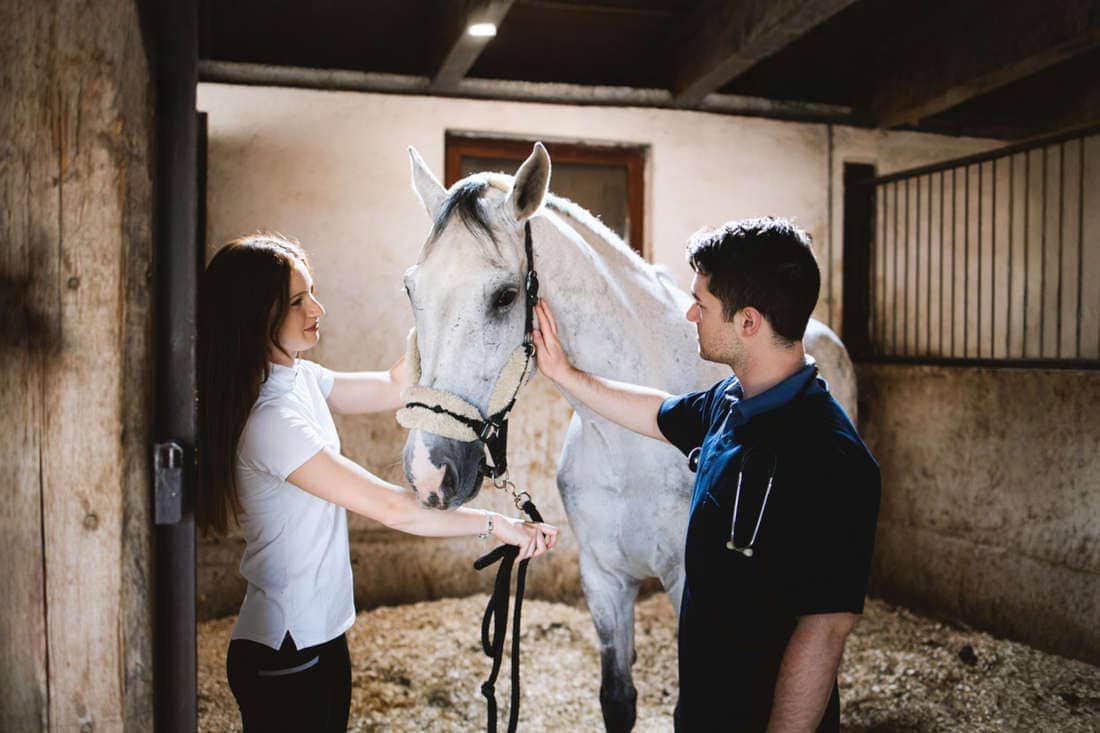
Twitching is an equine restraint technique that is sometimes used during veterinary and husbandry procedures. Most often applied to the upper lip, a twitch is designed to limit movement and improve safety when a horse reacts to brief discomfort or stress.
While it has been used for centuries, many horse owners question whether twitching is necessary and how it affects horse welfare. Research suggests that lip twitching may temporarily alter heart rate and behavioral responses, possibly through endorphin release.
However, responses vary between horses, and the apparent calming effect does not always indicate true relaxation. Because of these variable responses, twitching is increasingly evaluated alongside alternatives such as sedation, training, and environmental management.
This article explains what a twitch is, how it works, when it may be appropriate, and what factors should be considered before one is used. By examining both practical and welfare perspectives, horse owners can better understand why a veterinarian might recommend a twitch and whether other options may be suitable.
What Is a Twitch for Horses?
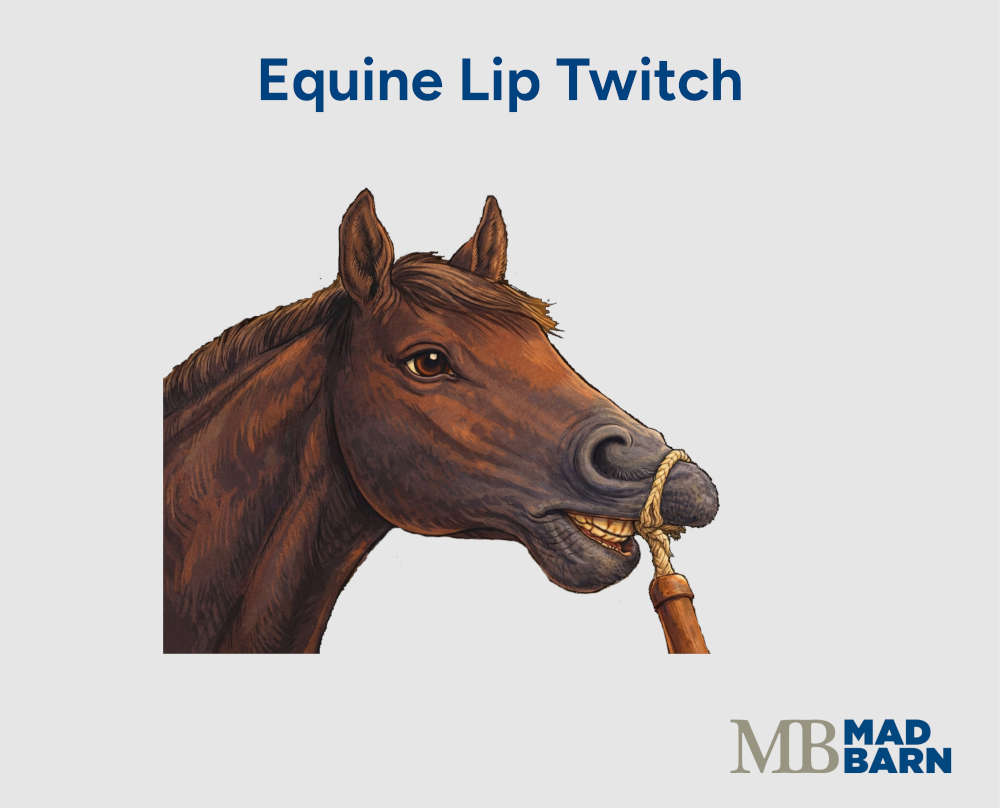
A twitch is a physical restraint tool used to help limit a horse’s movement during certain veterinary or husbandry procedures. The twitch itself is typically a stick with a loop of rope, chain, or strap at the end. [1]
The loop is passed around the horse’s upper lip and gently twisted to create pressure and temporarily reduce reactivity. Visually, it looks like the horse’s upper lip is pinched while the twitch is in place. [1]
For horse owners, it’s important to understand that a twitch is not meant to induce injury or force compliance. Its purpose is short-term restraint by way of endorphin release and distraction, usually only a few minutes, and it’s only used when necessary for the safety of the horse and handlers.
History of Twitching Horses
The twitch has been used in equine handling for centuries, primarily as a practical tool to manage difficult horses during medical or farrier procedures. Historical accounts suggest that early horse handlers discovered applying pressure to a sensitive area of the horse’s head could temporarily reduce movement and make procedures easier to perform. [2][3]
The modern lip twitch likely evolved from these early methods. Initially, horsemen experimented with pinching, twisting, or applying simple loops of rope to the lip to restrain horses when sedation did not exist.
Over time, these methods were refined into the standard stick-and-loop design, which allows for putting a controlled twist on the upper lip while minimizing injury. [2][3]
Early veterinary texts from the 19th and early 20th centuries describe the twitch as a practical alternative to chemical sedation, especially in situations where drugs were unavailable or risky. The ear twitch (grabbing and twisting at the base of the horse’s ear) was also historically used but gradually fell out of favor as veterinarians observed long-term fear and head shyness in horses. [2][3]
Types of Twitches
The main types of twitches used on horses include: [2][4][5]
- Nose (upper lip) twitch: The most commonly used type and generally considered the safest when applied correctly.
- Ear twitch: Less commonly used today, and its exact mechanism is not well understood.
- Shoulder or neck roll: Involves pinching a fold of skin. Typically reserved for very specific situations by experienced professionals.
What's your top priority with your horse's health?

Enter your email to receive your store credit
Effects of Lip Twitching Horses
When a lip twitch is applied, it does more than physically restrict movement. Researchers have investigated how pressure on the upper lip affects a horse’s nervous system, heart rate, and behavioral responses during brief procedures.
Understanding these effects helps clarify why some horses appear calmer when twitched—and why responses can vary between individuals.

“A lip twitch is a safe restraint tool that can be appropriate for brief, mildly uncomfortable or irritating procedures, but it should never replace good training or proper sedation when those are indicated. It must be used thoughtfully, for a short time, and with the horse's welfare in mind.”
— Dr. Fran Rowe DVM, PASMad Barn Veterinary Nutritionist
Ear twitches are sometimes used as an alternative, but their exact mechanism is not well understood. The horse’s ears are very sensitive, and repeated use can cause pain, long-term fear, or head shyness, making future handling more difficult. [2][6]
Physiological Effects
A twitch works by applying pressure to a horse’s upper lip, which can help reduce reactions to pain or stressful procedures. Research shows that lip twitches can temporarily lower heart rate and make horses appear calmer during brief procedures such as injections, dental exams, or shoeing. [1][4][5][6][7]
This calming effect may be partly due to the release of natural endorphins, which act like mild pain relief, or an acupuncture-like distraction that helps the horse focus away from the procedure. [1][4][5][6][7]
Behavioral Effects
Studies also show that not all horses respond to lip twitching the same way. Some horses may experience an immediate increase in heart rate, or may appear calm for the first few minutes, then become agitated if the twitch is applied for too long. [1][4][5]
Experts also caution that “calm” behavior may sometimes reflect learned helplessness, where the horse tolerates the procedure because it has learned that it cannot escape, rather than true relaxation. [1][4][5]
Welfare Concerns About Twitching for Horses
Twitching has long been used in equine handling as a form of restraint. Most commonly applied to the horse’s upper lip, a twitch is intended to limit movement and improve safety for both the horse and the people involved.
Despite its widespread use, twitching remains one of the most debated restraint methods in modern equine welfare discussions.
Proponents argue that, when applied correctly and for a brief period, a twitch can provide rapid and effective restraint without the need for chemical sedation. Conversely, critics of the practice question whether the apparent calming effect reflects true relaxation or a stress-induced response, raising concerns about pain, fear, and potential long-term behavioral consequences. [1][2][4]
When Is Twitching a Horse Necessary?
Veterinary and equine organizations recommend twitching only as a last resort when less stressful methods fail. Guidelines emphasize brief use, proper placement and pressure, and application by trained personnel. [4]
Modern welfare-focused approaches typically favor sedation, training, and environmental modifications to minimize stress. Horse owners should discuss handling options with their veterinarians and ensure any twitching is brief, necessary, and carefully applied. [8]
In practice, twitching is considered appropriate for short, time-sensitive procedures when a horse is reactive but not severely distressed, and when alternative strategies such as environmental adjustments or light restraint have not been sufficient. It may also be used when delaying treatment would pose greater risk to the horse’s health or safety.
Twitching is generally not appropriate for prolonged procedures, repeated routine use in place of training, or in horses that are highly fearful, panicked, or have a history of negative restraint experiences.
Common Veterinary & Husbandry Uses
When used appropriately, twitching is reserved for specific situations where brief restraint is necessary to safely complete a procedure. It is most often considered when a horse reacts defensively to touch, equipment, or close handling, and when immediate treatment cannot be postponed.
Twitches are typically used on horses that resist handling during procedures such as:
- Injections
- Upper airway endoscopy
- Blood draws
- Farrier visits
- Minor wound care
Because twitching does not address the underlying cause of fear or resistance, it does not replace appropriate training, desensitization, or veterinary-directed sedation when those options are more suitable. Careful assessment of the horse’s stress level and overall safety should guide the decision to use a twitch.
Individual Horse Factors
Horses do not all respond to twitching in the same way, making individual assessment a key part of welfare-focused handling. Factors such as age, temperament, previous experiences, and current health all influence whether a twitch is appropriate or likely to cause unnecessary stress. [9]
Young or inexperienced horses may find twitching particularly distressing, increasing the risk of fear-based reactions and long-term handling difficulties. Older horses may also have reduced tolerance due to jaw arthritis, dental discomfort, or other underlying conditions.
A horse’s handling history is equally important, as those with past negative or traumatic experiences may associate twitches with pain or fear and respond defensively. Consistently well-handled horses tend to tolerate brief restraint more calmly. [10]
How to Twitch a Horse
Before applying a twitch, the horse should be secured in a calm, controlled environment. The handler should stand close to the horse’s shoulder, maintaining safe body positioning and clear communication with anyone assisting in the procedure. Sudden movements, loud noises, or rushed handling can increase reactivity, so preparation and coordination are essential.
A lip twitch is the most commonly used type and is generally considered the safest when applied correctly. The goal is to apply firm, controlled pressure to the upper lip for a short duration while continuously monitoring the horse’s response.
The twitch should never be used as a first-line handling tool, but rather as a temporary aid when other restraint methods have proven insufficient.
To apply a lip twitch, the following steps are typically used:
- The loop of the chain or rope is placed over the hand, securing one side between the little finger and ring finger.
- The horse’s upper lip is gently gathered, pressing the edges together to protect the delicate inner tissue.
- The handle is positioned so the loop rests high on the gathered lip.
- The handle is gently twisted until the loop fits snugly, curling the lip slightly upward.
- During the procedure, tension is adjusted as needed. Continuous pressure is avoided to prevent reduced circulation and loss of effectiveness.
- Once the procedure is complete, the twitch is removed and the lip is gently massaged to help restore circulation.
When applied correctly, a twitch can calm the horse, reducing anxious or hostile behavior. The eyelids may droop, the horse pays less attention to its surroundings, and it tolerates brief discomfort more readily, making procedures safer. [4]
If applied too tightly, the horse may react defensively, such as striking with its front legs, signaling discomfort. Careful observation and proper technique are essential to ensure the horse remains safe and minimally stressed. Never use the twitch to guide the horse’s head or hold it in a particular position.

Alternatives to Twitching
While twitches can be useful in certain situations, there are alternatives that can reduce stress and are often safer for the horse. One option is chemical sedation, where a veterinarian administers a sedative or tranquilizer to calm the horse.
This approach can make handling easier and reduce the risk of injury to both horse and handler, but it requires professional supervision, may have side effects, and requires time to take effect. [11][12][13][14]
Another effective approach is positive reinforcement training, which teaches horses to cooperate during procedures using treats, praise, or gradual desensitization. Over time, this helps the horse learn that veterinary or farrier work is safe and predictable, often reducing or even eliminating the need for restraint.
Physical restraint and positioning can also help. Using stocks, padded restraints, or proper haltering techniques, along with gentle and consistent handling, can minimize movement during short procedures.
Similarly, environmental and handling modifications, such as working in a quiet, familiar area and allowing the horse time to settle, can improve cooperation and reduce stress.
In some cases, a combination of methods may be the most effective solution. For example, a brief twitch paired with gentle restraint or light sedation can be safer and less stressful than relying on a twitch alone.
Because each horse is different, veterinarians and experienced handlers can determine the least aversive approach for each individual animal.
Frequently Asked Questions
Here are some frequently asked questions about using a twitch on a horse:
A twitch is used to limit a horse's movement during procedures such as injections, dental work, farrier visits, or minor wound care. It acts as a restraint and distraction tool, allowing the procedure to be performed more safely for both the horse and handler.
When applied correctly, a twitch is not intended to cause pain and may temporarily calm the horse. However, some horses may experience mild discomfort or stress. If applied too tightly or left on for too long, a twitch can cause pain and provoke defensive reactions.
Twitches are intended for short-term use, typically no more than 5 to 15 minutes. Prolonged application can increase discomfort, stress, and the risk of negative behavioral responses, so the horse should be closely monitored while the twitch is in place.
Horses may be restrained using halters, stocks, padded restraints, sedation under veterinary supervision, positive reinforcement training, or a combination of methods. The least stressful and safest approach appropriate for the situation should be selected.
The upper lip is the most common and generally safest location for twitch application. Ear twitches are used less frequently because they may increase fear responses or risk of injury. Proper placement and technique are essential for safety and welfare.
Summary
A twitch is a restraint tool, usually applied to a horse's upper lip, that limits movement to make procedures like injections, dental work, or farrier visits safer for both horse and handler.
- When applied correctly, a lip twitch can calm a horse, reduce reactions to brief discomfort, and distract it from the procedure
- The most common twitch is the nose or upper lip twitch, while ear and neck twitches are less used because they can increase fear or risk of injury
- Twitches should only be applied by trained veterinarians, technicians, or very experienced handlers for a short period of time
- Proper application technique prevents pain, tissue damage, or defensive reactions
- Twitches are intended for short-term use only, and extended use can cause stress or long-term behavioral issues, so careful monitoring is essential
References
- Lagerweij. E. et al. The Twitch in Horses: A Variant of Acupuncture. Science. American Association for the Advancement of Science. 1984.
- O'Brien. C. et al. Efficacy and Welfare Effects of Different Forms of Physical Restraint for Upper Airway Endoscopy of Horses. Equine Veterinary Journal. 2025.
- Surgical Tools. MSU Libraries
- Rogowski. J. Is Restraint with a Lip Twitch Aversive to Horses?. Purdue University Extension. 2022.
- Mirza. M. H. and Costa. L. R. R. Manual of Clinical Procedures in the Horse. John Wiley & Sons. 2017.
- Flakoll. B. et al. Twitching in Veterinary Procedures: How Does This Technique Subdue Horses?. Journal of Veterinary Behavior. 2017.
- Carroll. S. L. et al. Moving toward Fear-Free Husbandry and Veterinary Care for Horses. Animals. 2022. View Summary
- Sackmna. J. Is Twitching Necessary? Understanding Equine Behavior for Safe Restraint. American College of Veterinary Behaviorists. 2025.
- Hall. C. et al. Is There Evidence of Learned Helplessness in Horses?. Journal of applied animal welfare science. 2008. View Summary
- Schlote. S. Applying a Trauma Lens to Equine Welfare. First International Symposium for Equine Welfare and Wellness in Animal-Assisted Interventions. 2017.
- Dodman. N. H. Chemical Restraint in the Horse. Equine Veterinary Journal. 1980. View Summary
- Christmann. U. Handling and Restraint. Equine Reproductive Procedures. John Wiley & Sons. 2021.
- Herron. M. E. Introduction to Animal Behavior and Veterinary Behavioral Medicine. John Wiley & Sons. 2024.
- Grimm. K. A. et al., Eds., Veterinary Anesthesia and Analgesia: The Fifth Edition of Lumb and Jones. 1st ed. Wiley. 2015.