Is your horse showing signs of girthiness? Also known as girth aversion or cinch sensitivity, horses that are girthy express signs of discomfort when they are being saddled. A girthy horse may respond to having a girth tightened by expressing...
Equine sinusitis is the most common disease affecting the paranasal sinuses in horses. Sinusitis is an inflammatory condition that often involves excessive nasal discharge. Horses with sinus diseases can also experience swelling in the face or reduced appetite. The causes...
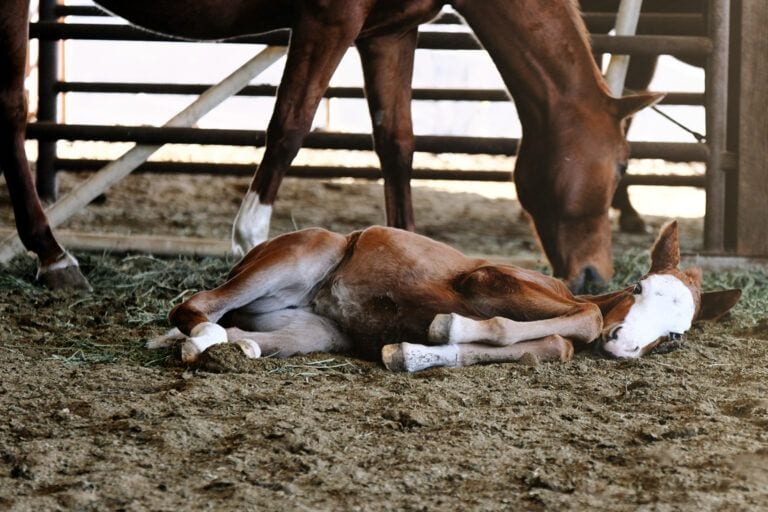
Foal heat diarrhea is a condition involving transient diarrhea in young foals, lasting for a few days up to two weeks. Foals with heat diarrhea do not have any systemic illness. While it is not known exactly what causes foal...
Competing in horse shows can be stressful for both you and your horse. Trailering, changes in routine and exposure to new environments are all major stressors for horses. But with a little planning, you will feel more confident heading into the...
Strangles, also known as equine distemper, is a highly contagious disease caused by the bacteria Streptococcus equi. Young horses are most susceptible to developing strangles disease. This condition most commonly occurs in horses under the age of two. The name...
Does your horse resist going in the trailer or show signs of stress after being unloaded at your destination? You may need to trailer your horse for many reasons, such as seeing a veterinarian, competing, breeding, or for recreational purposes....
Roaring is a condition that causes some horses to make a whistling or roaring sound during exercise. It can affect a horse’s performance during high-intensity exercises, such as racing. This condition is also referred to as recurrent laryngeal neuropathy (RLN)...
The horse's knee is a complex joint, susceptible to trauma and progressive arthritis - especially in performance horses. Knee (or carpal) lameness is characterized by a shuffling gait, shortened foreleg strides, tripping in front due to not being able to...
Equine Coronavirus (ECoV) is a highly contagious illness transmitted between horses that can cause fever, anorexia, diarrhea, and colic. Most horses recover from equine coronavirus with supportive care. In serious cases, affected horses may require specific treatments such as electrolytes,...
The internet is full of criticism and judgment about what we do wrong with our horses. We’re often told that we aren’t good enough because we don’t jump high enough, don’t ride well enough, or can’t afford the most expensive...
Exercise-Induced Pulmonary Hemorrhage (EIPH) is a condition that causes bleeding in the airways, commonly seen in high-performance horses such as racing Thoroughbreds. Horses that experience EIPH are known as "bleeders."
Uveitis in horses is a condition in which the uvea layer of the eye becomes inflamed. It is the most common cause of blindness in horses. It is estimated that as many as 25% of horses worldwide are affected by...
Equine Motor Neuron Disease (EMND) is a disease that causes progressive damage to nerve cells in the brain and spinal cord of adult horses. The disease damages cells that are involved with muscle movement, rendering them dysfunctional and leading to...
Equine rotavirus is a potentially deadly virus that causes severe gastrointestinal symptoms in foals. Rotavirus is one of the most common causes of diarrhea in foals less than 6 months of age.
Rain scald is a relatively common skin infection caused by the bacteria Dermatophilus congolensis. The infection often affects the skin on the back and rump of horses. Rain scald can develop when skin is exposed to excessive moisture which weakens...
Sucralfate is an FDA-approved drug for use in humans that is used off-label for the treatment of equine gastric and hindgut ulcers. It is typically used in conjunction with omeprazole. Sucralfate (Carafate® Sulcrafate®) helps to protect the lining of the...
Equine pastern dermatitis - also known as mud fever or greasy heel - is a reaction or infection that occurs on the skin of the pastern. In mild forms, it is characterized by itchiness, redness and hair loss on the...
Equine Protozoal Myeloencephalitis (EPM) is an infectious disease of the horse’s central nervous system. It is one of the most difficult diseases for veterinarians to diagnose because it often mimics other conditions and has a wide range of symptoms that...
Osteochondritis Dissecans (OCD) is a common developmental disease involving the joints and cartilage of horses. OCD typically develops during the first year of life and can lead to ongoing joint health issues. It is the leading cause of lameness and...
Cribbing, also known as crib-biting, is the most common oral stereotypic behaviour seen in horses. Cribbing involves the horse repeatedly and compulsively grasping an object between its teeth and sucking in air. Horses may crib bite for many hours per...
Podotrochlear Syndrome (also referred to as navicular syndrome or navicular disease) affects the podotrochlear apparatus (PTA) of the equine foot and typically occurs in the forelimbs. The condition can cause a variable degree of lameness. There is no single cause...
Equine odontoclastic tooth resorption and hypercementosis (EOTRH) is a progressive and painful dental condition that occurs in some horses. Primarily affecting senior horses, it typically involves the gradual degeneration of the incisors and canine teeth. Over time, the roots of...
Mycotoxins are naturally occurring toxic substances which are produced by mould and fungus in your horse’s hay. Mycotoxins can cause negative effects in horses including colic, gastrointestinal upset, weight loss, feed withdrawal, immune suppression, impaired performance or poor growth.
Non-steroidal anti-inflammatories (NSAIDs) are some of the most commonly used equine medications. They come in several forms, including tablets, powder, paste, or as an injectable. As their name implies, NSAIDs help to control inflammation in the body. Therefore, they are...
Lameness in the horse's stifle joint can result in shortened stride length, reluctance to work or a rough canter. While lameness is more commonly attributed to problems with the hock joint, stifle lameness is seen frequently in performance horses. The...