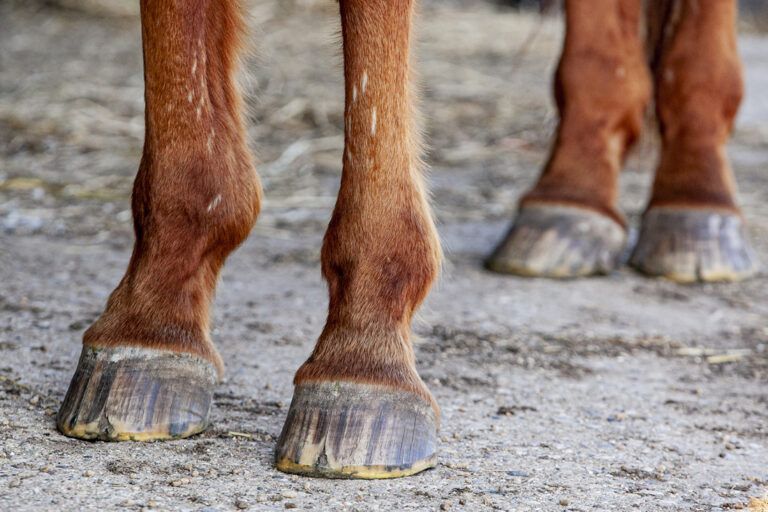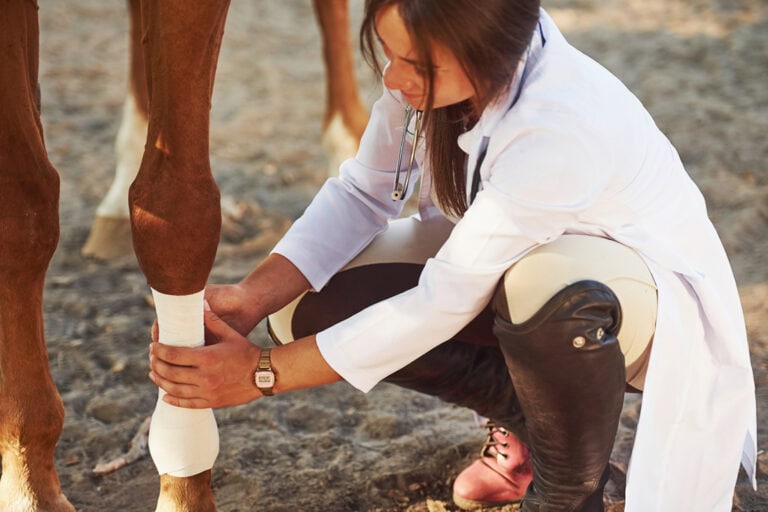
Does my horse need shoes? This is a question frequently asked by horse owners, and the answer varies depending on several factors. Horses wear shoes for various reasons, including providing protection and traction, supporting hoof structure, and improving performance. Some...
Eastern equine encephalitis (EEE), otherwise known as Triple E or sleeping sickness, is a rare and lethal virus in horses that causes inflammation of the brain. EEE is transmitted through mosquito bites and attacks the central nervous system (CNS). It...
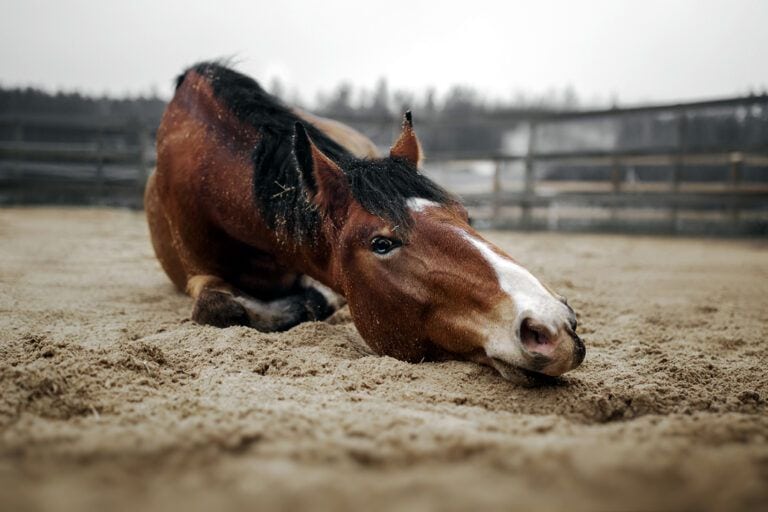
Narcolepsy is a neurological and rapid eye movement (REM) sleep disorder. It involves the sudden onset of sleep during the daytime. The condition occurs chronically and throughout life in affected horses unless treatment is provided. Two types of narcolepsies are...
Shivers, or shivering, in horses is a progressive neuromuscular condition characterized by an abnormal, jerky gait while backing up. Horses affected by Shivers exhibit muscle tremors in the pelvic limbs when forced to back up. Clinical signs typically appear in...
Respiratory problems are a common occurrence in horses, sometimes they occur in acute (short-term) bouts or can be chronic illnesses. Some respiratory diseases are communicable to other horses, while others are not contagious and occur due to allergies or environmental...
Shipping horses over long distances can be a daunting but rewarding undertaking. Many breeders, trainers, exporters and equestrians eventually find themselves needing to transport a horse over a long distance via air or land travel. Even settled horse owners may...
No horse owner wants to face the impossible decision of leaving their animal behind in an emergency. While natural disasters can be unpredictable, an emergency preparedness checklist can help horse owners keep their animals safe when disaster strikes. Not having...
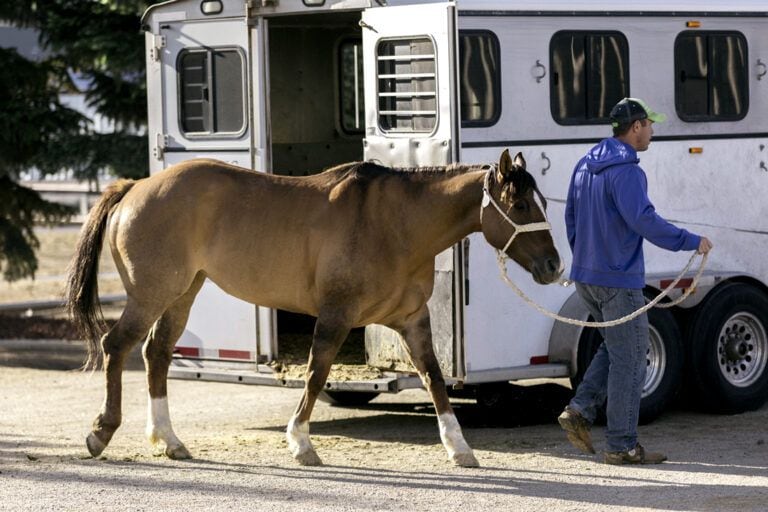
Whether you are a seasoned equestrian or a new horse owner, trailering your horse can be a daunting task but does not have to be uncomfortable for you or your horse. Many factors influence equine welfare while trailering. However, the...
Angular limb deformities (ALDs) and flexural deformities (FDs) frequently affect foals’ legs. When severe, they are deemed clinically significant and require conservative management or veterinary intervention to achieve correction.
Tetanus, or lockjaw, is a non-contagious neurological disease that results from a bacterial infection. Horses are particularly vulnerable to tetanus, with individuals of all ages and breeds affected worldwide. Tetanus spores are particularly dangerous for horses as they survive for...
Botulism is a fatal neuroparalytic disease that affects horses, humans and other animals worldwide. Botulism interferes with nerve signalling, weakening and often paralyzing the horse. This disease is caused by the ingestion of botulinum toxin produced by Clostridium botulinum bacteria....
Alopecia or hair loss in horses can occur for several different reasons and may be temporary or permanent. Alopecia refers to the partial or complete absence of hair that occurs in any area of the body where hair is normally...
Horses are prone to hoof cracks for various reasons. Cracks can lead to the hoof chipping away in certain areas. Cracks can be a cosmetic problem that can be easily corrected, but sometimes, they indicate something more serious is happening within...
Photosensitization, or light-induced dermatitis (photodermatitis), is a noncontagious condition in horses where the skin becomes extremely sensitive to sunlight. This condition often mimics a sunburn, but it is much more serious and painful. Photosensitization is most commonly caused by ingesting...
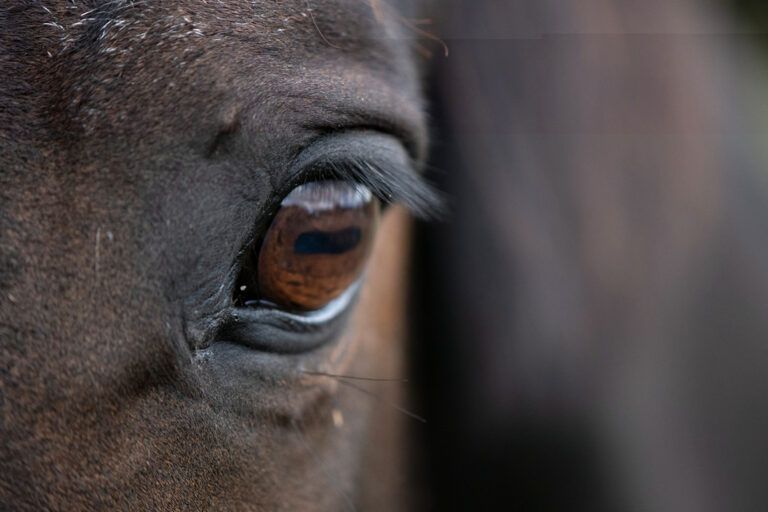
It’s not uncommon for horses to experience eye problems. Several conditions and diseases can affect vision and eye health in horses, including uveitis, cataracts, and conjunctivitis. Horses experiencing eye issues may have symptoms such as swelling, tearing, drainage, discoloration, cloudiness,...
Coughing is a common clinical sign in horses that can be entirely benign or the first clue of a medical condition. Your horse’s cough is a normal reflex that keeps his airway healthy and clean. But some conditions associated with...
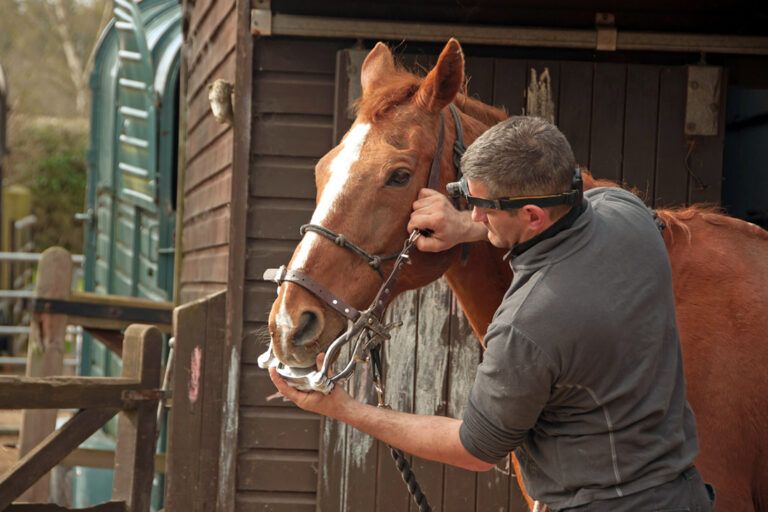
Routine equine dentistry is an often overlooked aspect of preventative care that can significantly impact your horse's welfare and performance. Horses have specialized teeth adapted to continuous grazing. Unlike human teeth, horse teeth erupt throughout their life and can become...

If you own horses long enough, you'll eventually have to deal with the loss of a horse. Saying goodbye to a beloved equine can be traumatic. But death is an inevitable aspect of caring for any animal. Sometimes horse owners...
Shipping fever is a lower respiratory tract infection seen in horses transported over long distances or experiencing unusual or stressful events. Known causes of shipping fever include prolonged periods of head elevation, strenuous exercise, anesthesia or complications from a viral...
Sand colic is a term for abdominal pain in horses caused by the ingestion of sand. Depending on the geographic region, five to thirty percent of all colic cases are caused by sand or sediment accumulation in the gut. Sand...
Of the many skin conditions horses can develop, sarcoids are the most common. The term "sarcoid" was first used in 1936 in South Africa as a way to distinguish this skin lesion from other tumors. Sarcoids are benign (nonmetastatic) skin...
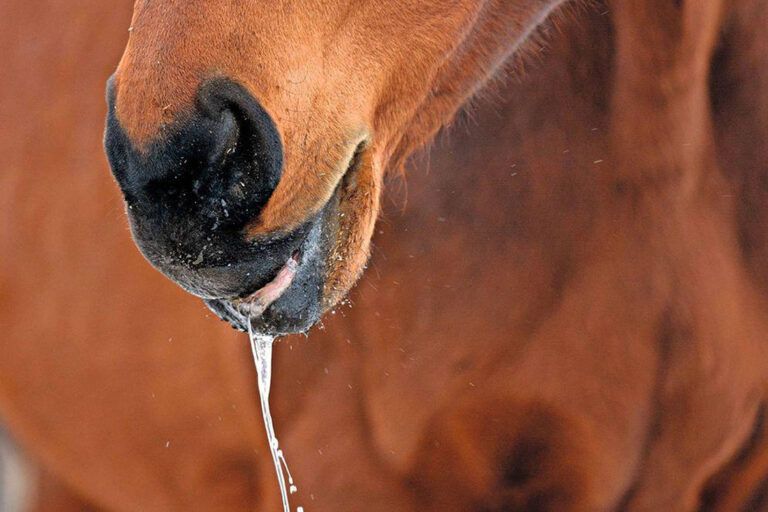
Slobbers, otherwise known as slaframine poisoning or salivary syndrome, is a condition that causes excessive salivation or drooling in horses. It is relatively rare and usually occurs in outbreaks, with multiple horses affected at once. Slaframine intoxication is caused by...
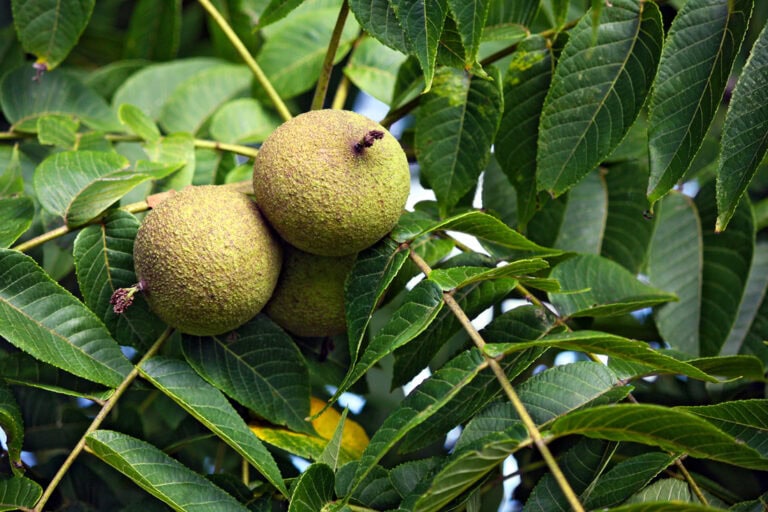
Black walnut tree poisoning occurs when horses come into contact with toxic compounds in the black walnut (Juglans nigra) tree. The roots, bark, wood, nuts, pollen and leaves of the tree contain a chemical that is poisonous to horses upon...
Bone spavin, also known as Degenerative Joint Disease (DJD) of the hock (tarsus), is an extremely common cause of equine lameness. It is caused by repeated concussion and rotational forces on the hock joint, as well as excessive forces on...
Equine herpesvirus (EHV), or rhinopneumonitis, is a contagious infection that is endemic to horses worldwide. EHV may cause mild to severe symptoms that usually involve the upper respiratory tract. In rare cases, it may cause neurological symptoms, abortion or death....
Are you considering setting up a track system such as the Paddock Paradise for your horse? In recent decades, many horse owners have shown interest in natural equine management and care practices. These practices seek to mimic the lifestyle of...
Botflies (Gasterophilus spp.) are parasitic flies that affect the horse's digestive tract and can cause negative health consequences. Botflies lay eggs on the horse's coat in the summer. Some of these eggs, known as horse bots, are ingested as the...
Equine COPD - or chronic obstructive pulmonary disease - is a now-obsolete term for a common condition in horses that causes coughing and poor performance. This condition is now referred to as equine asthma and is one of the most...
Lymphangitis, also known as big leg disease or stovepipe leg, is a condition in horses involving inflammation of the lymph vessels, most often in the lower limb. Lymphangitis presents as extreme swelling with rapid onset, resulting in pain in the...
Equine asthma (EA) is a relatively new collective term for chronic respiratory signs in horses that range in severity from mild to severe. These conditions were previously known as inflammatory airway disease (IAD) or recurrent airway obstruction (RAO), respectively. Equine...