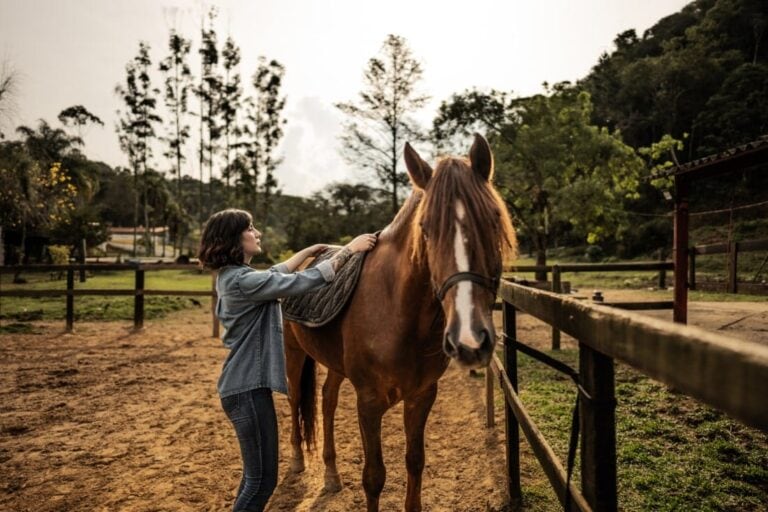
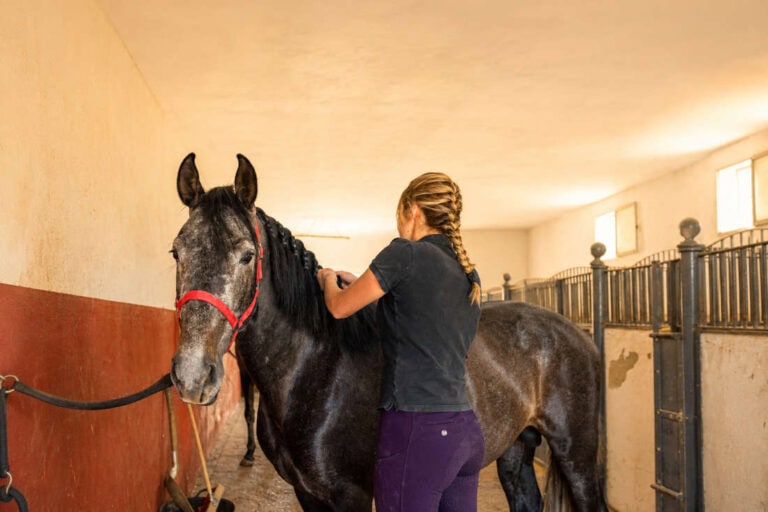
Braiding horse manes is a practical grooming skill that creates a neat, polished appearance while supporting discipline-specific turnout and mane management. Whether you are preparing for a hunter round, dressage test, breed show, or simply keeping a long mane tidy,...
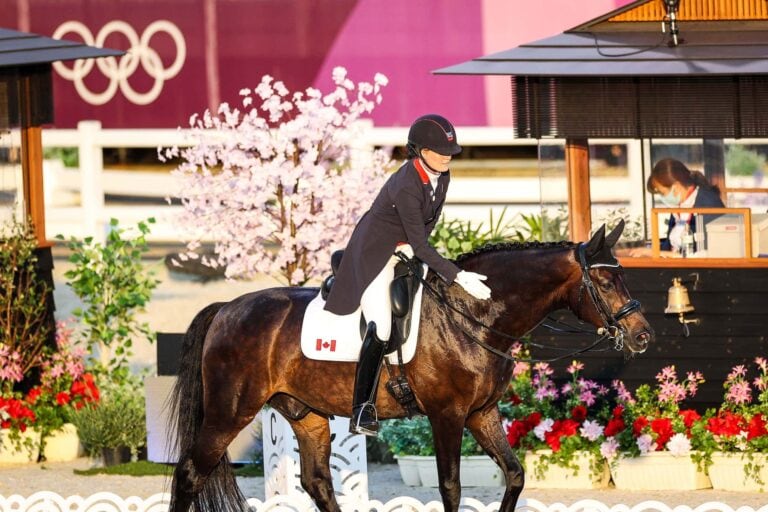
Lindsay Kellock has represented Canada on some of dressage's biggest stages, from winning a Pan American Games Team Gold medal to competing at the Tokyo Olympics. Her career has been shaped by dedication to the sport and the meaningful partnerships...
Rhythm, balance, and straightness are key training principles that influence how a horse moves, carries their body, and responds to the rider's aids. Together, they help the horse stay organized, coordinated, and easier to guide under saddle. Although these concepts...
Sharon Buffitt's para dressage career has taken her to the highest levels of the sport, including representing Canada at the World Equestrian Games, ranking 12th in the world, and earning a place at multiple Paralympic Games. Today, Sharon is building...
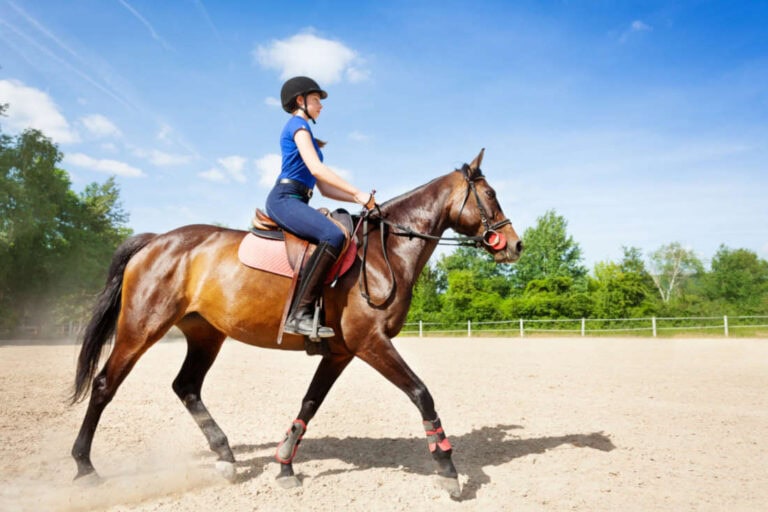
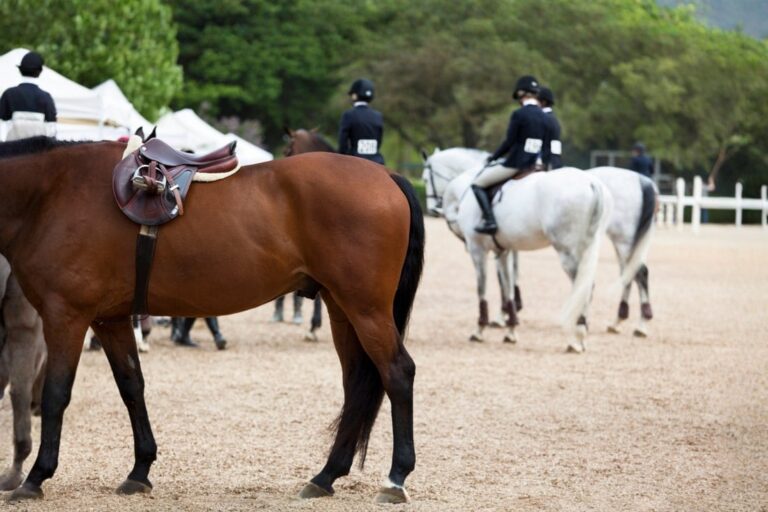
Warm-ups for horses entering the ring help prepare them for competition, giving riders a chance to address stiffness, tension, distraction, or dullness before the class begins. A busy show environment can affect how a horse feels under saddle, from focus...
The Canadian Cowgirls Drill Team brings speed, precision, and unmistakable red-and-white rodeo energy to arenas across Canada and the United States. With flags flying, their performances showcase the trust, timing, and athleticism required of both rider and horse. Since the...
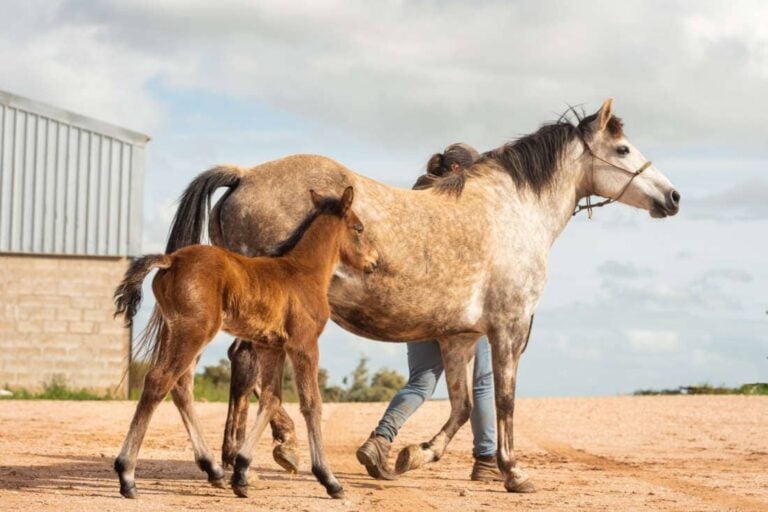
Owning a mare can be a deeply rewarding experience. Mares are often intelligent, expressive, and highly responsive partners, but their behaviour and care needs are sometimes misunderstood or oversimplified. Good mare management starts with knowing what is normal for the...
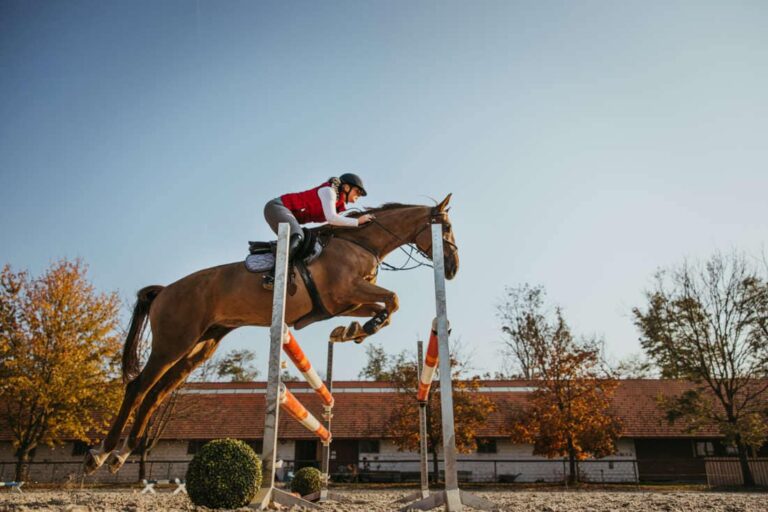
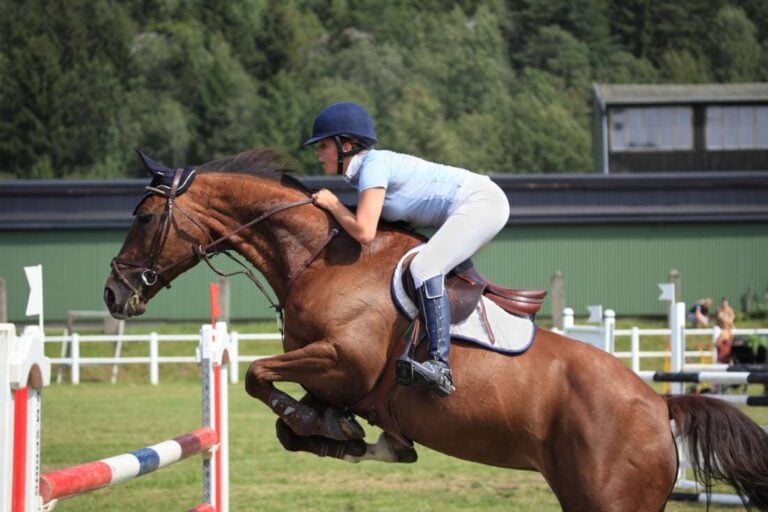
Rider position influences how a horse balances, moves, and clears fences in jumping performance. While jumping ability often appears to depend on the horse alone, research and training principles consistently show that the rider’s position directly affects equine biomechanics. During...
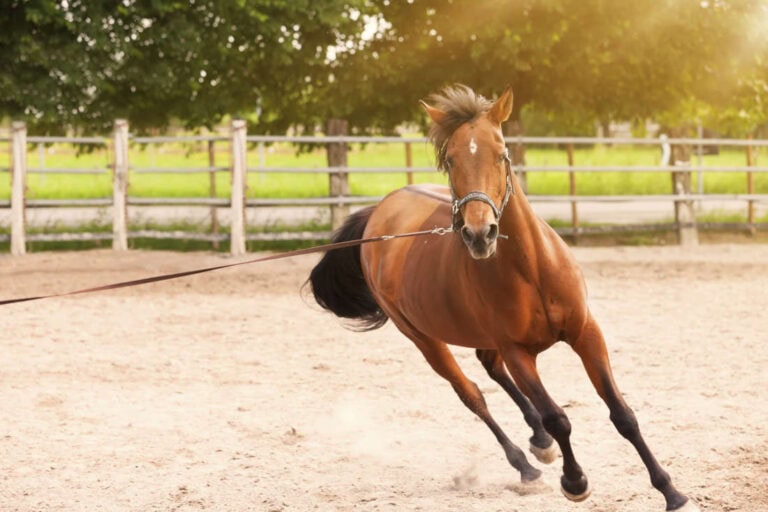
Groundwork exercises are an essential part of equine training, care, and conditioning, yet they are often overlooked in favor of ridden work. Working with a horse from the ground allows handlers to reinforce clear cues, improve responsiveness, and observe how...
Overcoming a performance plateau is a common goal in horse training. When progress stalls, most riders assume the horse needs better conditioning or a more advanced training plan. While conditioning and training gaps can contribute to plateaus, they are not...
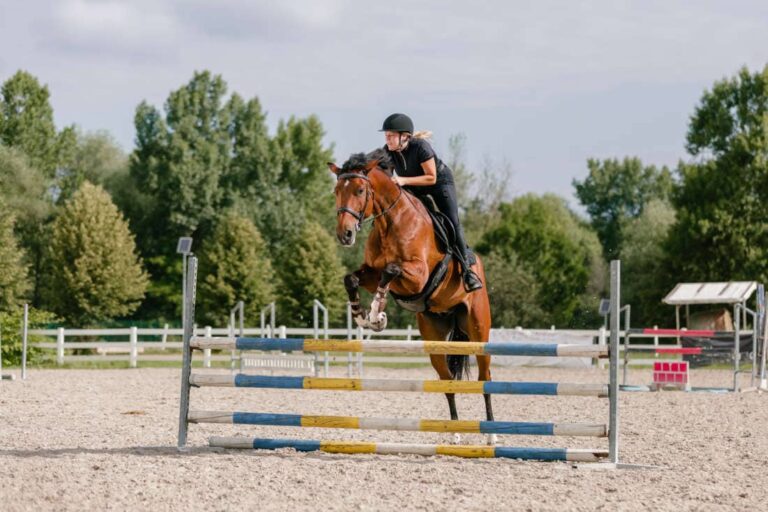
Show jumping places significant physical demands on horses, requiring a combination of strength, power, balance, coordination, and stamina. Each round of show jumping involves repeated efforts that challenge the cardiovascular system, muscles, joints, tendons, and ligaments. A structured conditioning program...
A horse’s mane and tail require a different grooming approach than the body coat. Long hair is more prone to tangling, breakage, and thinning, especially when knots are brushed from the roots or handled without a detangler. Choosing the right...
Improving jumping performance often begins long before a horse leaves the ground. While jumping schools, gymnastic grids, and course work are important parts of training, correct flatwork underpins every phase of the jumping effort. Flatwork forms the foundation of a...
Upper-level dressage rider Denielle Gallagher-Legriffon has built her career through years of dedication, hard work, and international experience. Her journey has led to an impressive résumé, including Nations Cup team appearances, multiple Olympic shortlist selections, and Grand Prix wins at...
Jim Greendyk is a reining trainer and educator based in Scottsdale, Arizona whose path into the western performance horse industry was anything but traditional. He built his program the hard way—one ride, one client, and one opportunity at a time....
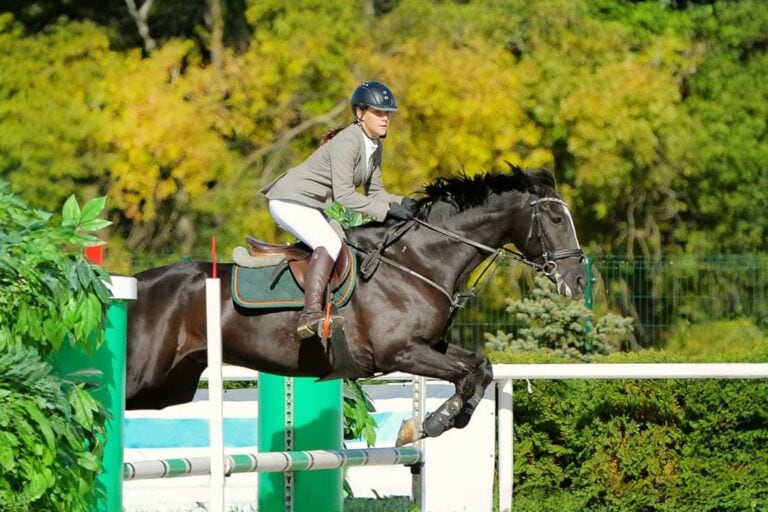
Riding show jumping lines and combinations requires more than simply finding the right distance. Each related distance, double, or triple combination asks the horse and rider to maintain the ideal pace, balance, straightness, and communication from the approach through to...
Few racehorses have altered the course of Thoroughbred racing the way Secretariat did, placing him firmly among the most legendary Thoroughbreds in history. Six of his nine victories either equaled or broke existing records, and he finished his career with...
“On the bit” is one of the most commonly used and misunderstood phrases in equestrian sports. It’s often used to describe a horse’s head or neck position, but true on-the-bit work involves far more than creating a certain outline. When...
Canadian eventer Claudia Iannuccilli has built a successful riding and coaching career—but she didn't follow the traditional playbook. She develops off-track Thoroughbreds and competes them barefoot at the FEI level, approaching horse management with a philosophy centered on long-term soundness,...
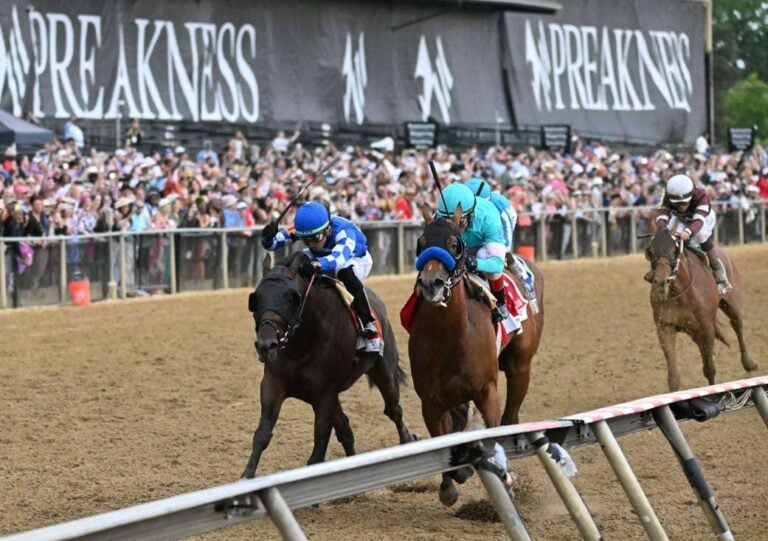
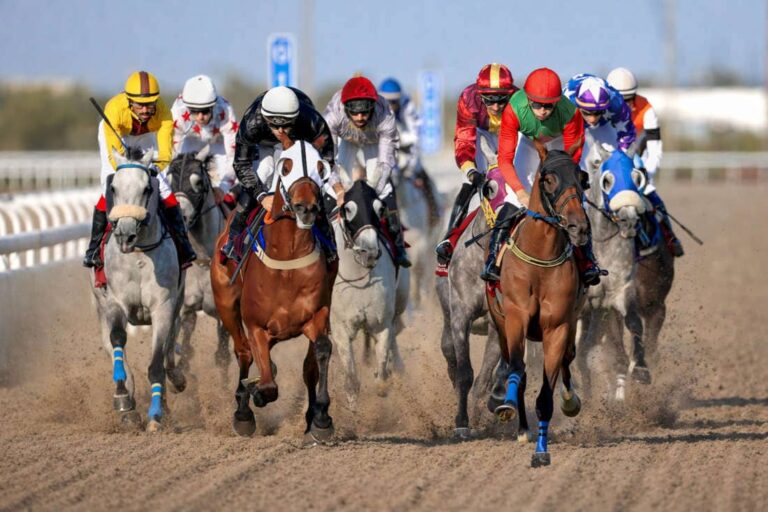
The Preakness Stakes is the middle jewel of the Triple Crown and one of the most historic and influential races in American Thoroughbred racing. For over a century, the Preakness has shaped Triple Crown campaigns and tested the limits of...
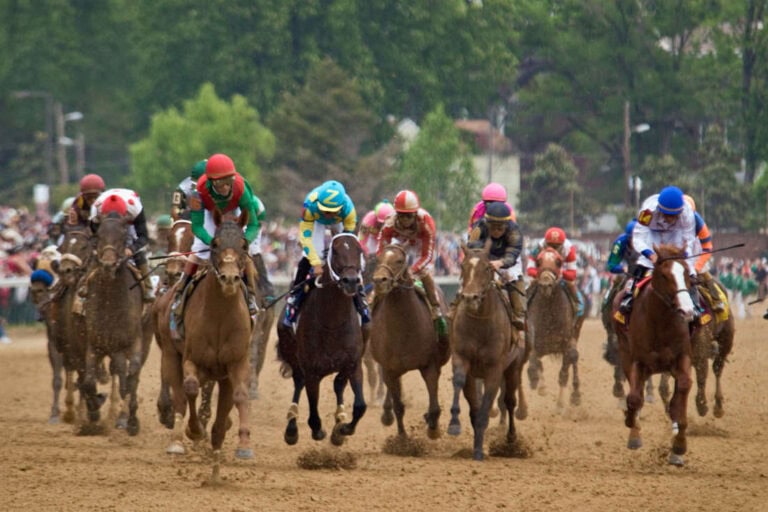
The Kentucky Derby is one of the most iconic and demanding events in American Thoroughbred racing. Held each year at Churchill Downs, the race has stood at the center of the sport for over a century, combining elite athletic performance...
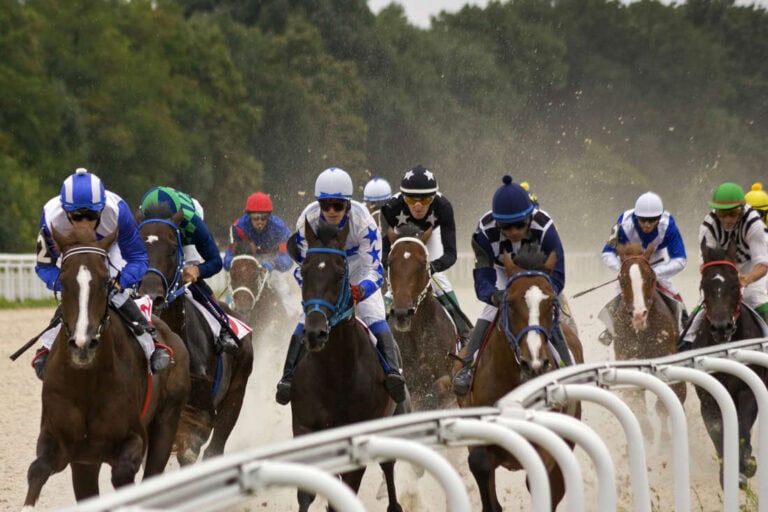
The Triple Crown represents the ultimate test of equine athleticism in Thoroughbred racing. Comprised of the Kentucky Derby, Preakness Stakes, and Belmont Stakes, it is one of the sport’s most prestigious and demanding achievements. To win all three races within...
The Belmont Stakes stands as one of the most historic and demanding races in Thoroughbred racing. Established in 1867, it’s the oldest and final race in the American Triple Crown series. Known as the “Test of the Champion,” the Belmont...
At the highest levels of show jumping, careers are often shaped by timing, talent, and chance encounters. For Bretton Chad and Charlie Jones, that defining moment came during an international competition—an unexpected meeting that would change the course of their...
Hunter paces, commonly referred to as “paces,” is an equestrian sport that integrates aspects of endurance riding, eventing, and the strategic skills of traditional fox hunting. This discipline offers a unique way to test your horse’s fitness and partnership outside...
Most riders struggle with nerves before stepping into the ring at some point in their careers. For some, show-day anxiety can become a significant obstacle. Whether you're heading to your first show or competing at a high level, horse show...
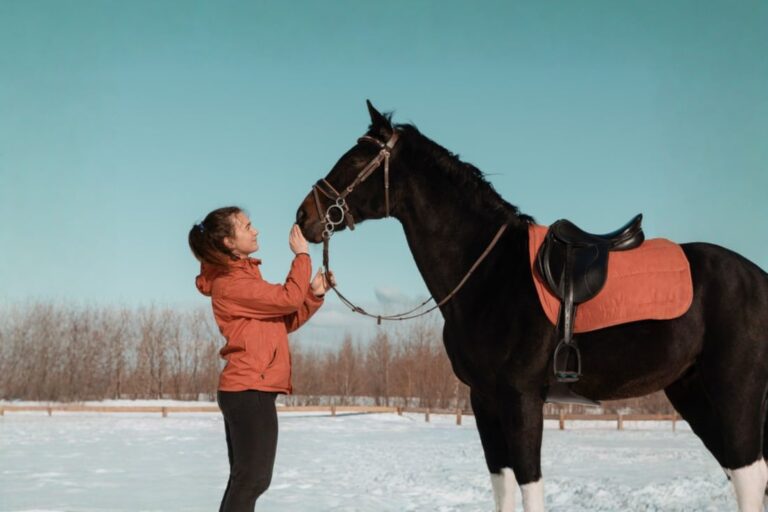
While cold temperatures and shortened daylight hours can make a regular riding schedule difficult in the winter, thoughtful planning can help you maintain and even improve your horse’s fitness during colder seasons. The key is understanding how the season affects...
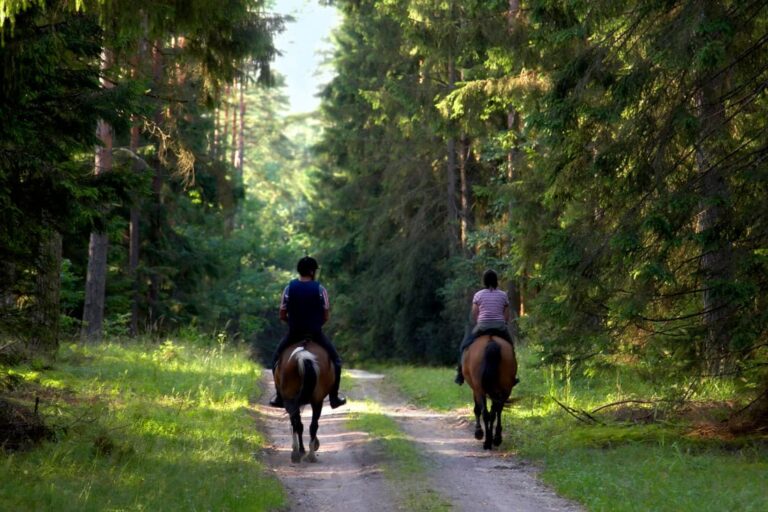
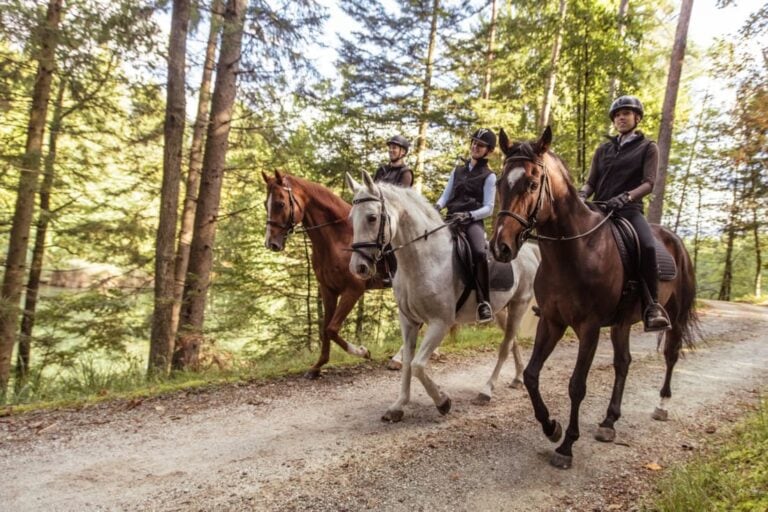
Leaving the arena and navigating varied terrain with your horse engages their bodies and minds in ways that flatwork alone cannot. Time on the trail can strengthen their muscles, improve cardiovascular fitness, and deepen the partnership between horse and rider....
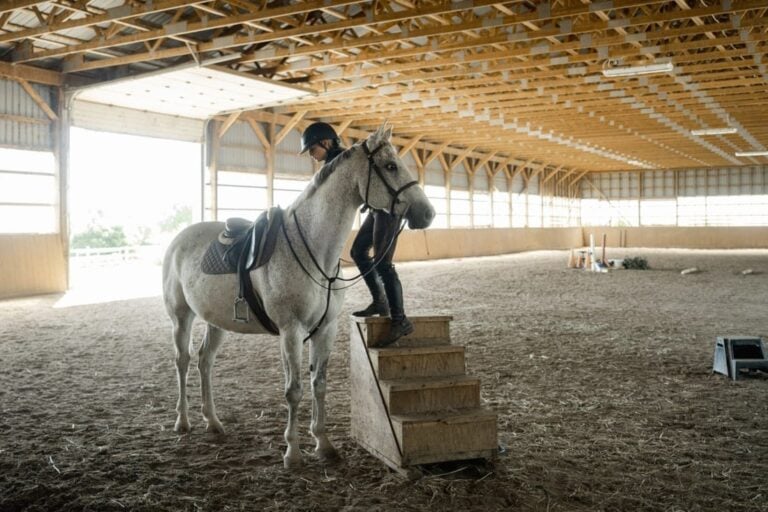
Cold-backed behavior in horses is a common yet often misunderstood issue that can significantly affect a horse’s comfort, performance, and overall well-being. Whether the horse reacts to being saddled, shows stiffness during warm-up, or seems resistant under saddle, identifying and...
Riding a green horse can be both a challenge and a valuable learning experience for skilled equestrians. Green horses are horses that are still learning the fundamentals of communication, balance, and trust, which means every interaction shapes their development. Regardless...