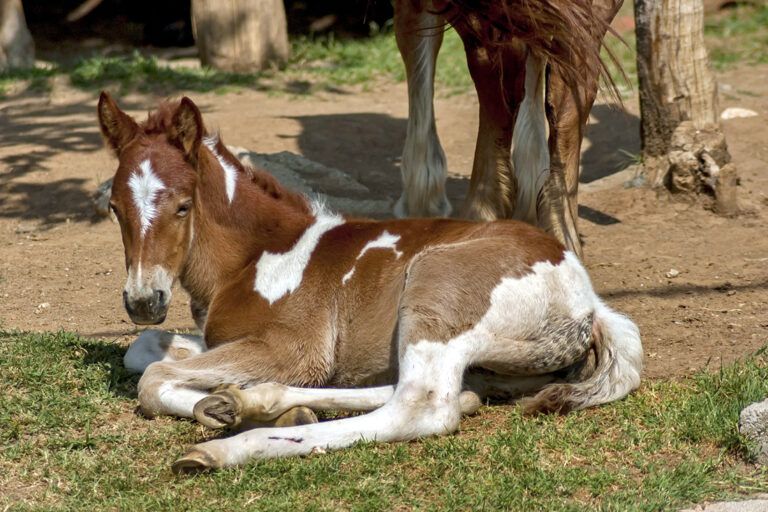
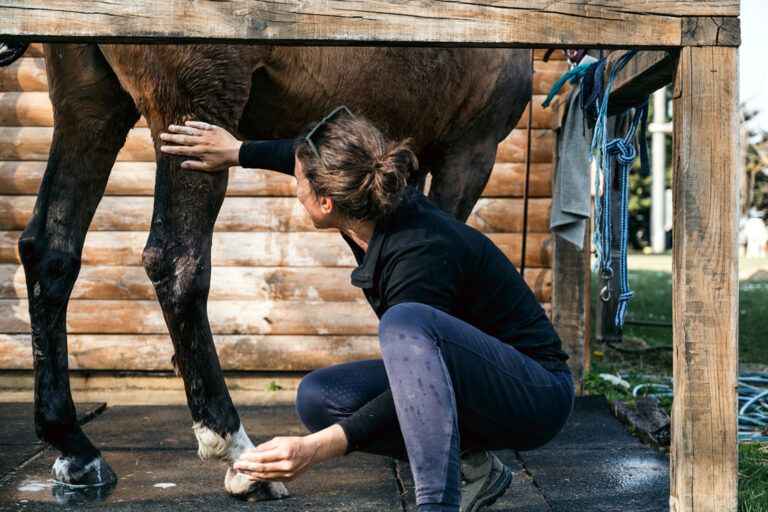
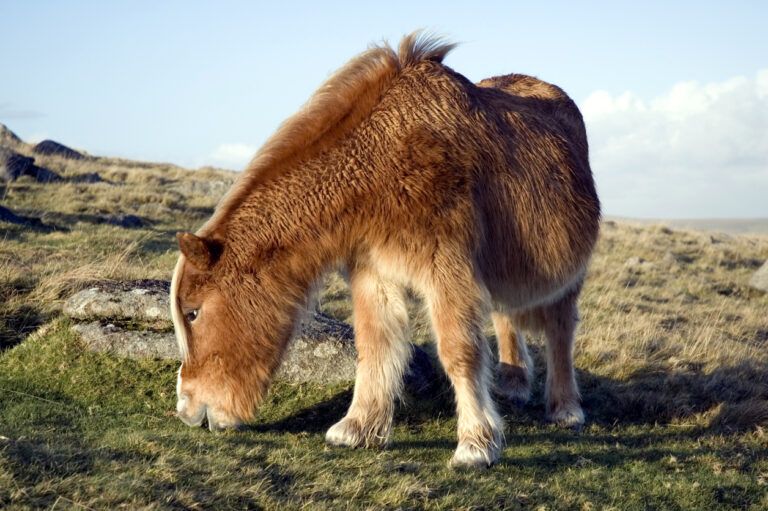
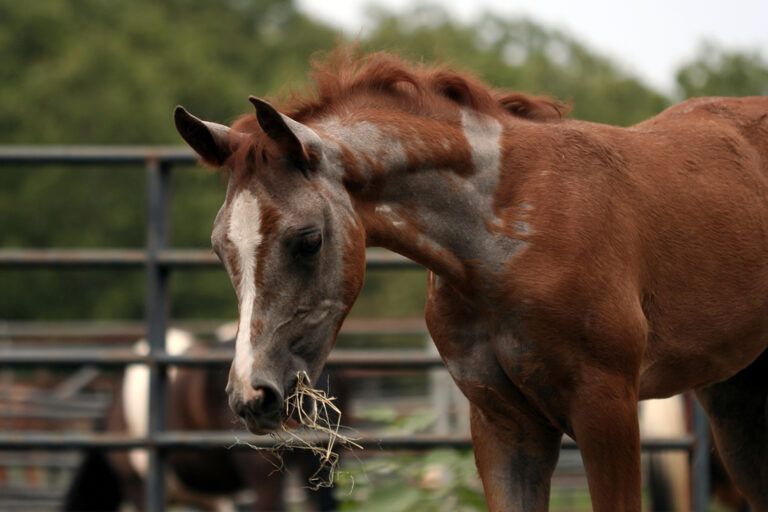
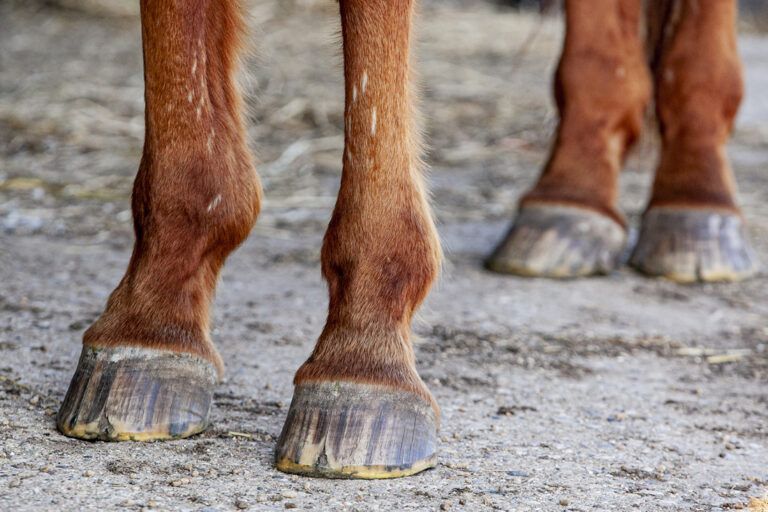
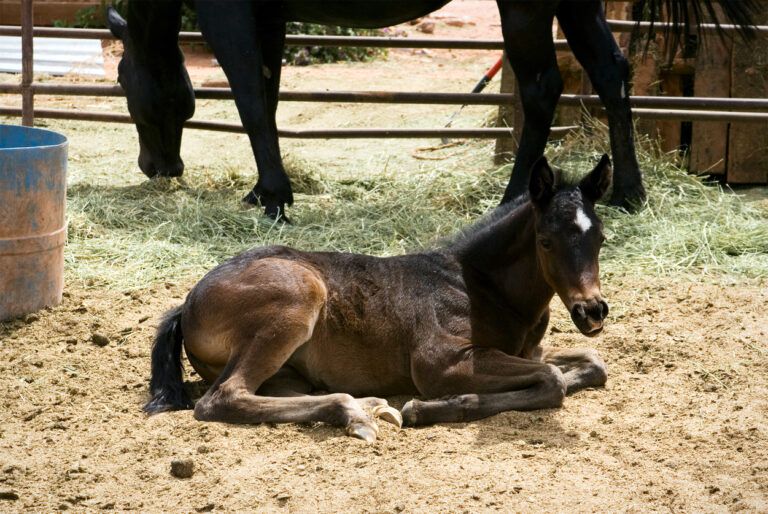
Hypothyroidism refers to inadequate production of thyroid hormones, primarily thyroxine and (T4) and triiodothyronine (T3). These hormones are produced by the thyroid gland and play a role in regulating your horse's metabolism. Hypothyroidism most commonly occurs in neonatal foals and...
Conditions
Explore Mad Barn’s comprehensive list of common equine health conditions, detailing each condition’s causes, symptoms, treatment options, prevention methods, and prognosis.
A
- Abnormal Gestation
- Abortion (Stillbirth)
- Acquired Heart Murmurs
- African Horse Sickness
- Anaplasmosis in Horses (Equine Granulocytic Ehrlichiosis)
- Anemia
- Anhidrosis (Absent Sweating)
- Anthrax Poisoning
- Arrhythmias (Irregular Heart Beats)
- Arthritis
- Ascarids Parasites
- Atrial Fibrillation
- Aural (Ear) Plaques
- Autoimmune disease - Primary Immunodeficiency Disorders
B
- Back Pain
- Bartonella Infection
- Big Head Disease (Nutritional Secondary Hyperparathyroidism)
- Black Walnut Tree Poisoning
- Bleeding Disorders
- Blister Beetle Poisoning (Cantharidin Toxicity)
- Bog Spavin (Tarsocrural Joint Effusion)
- Bone Bruises
- Bone Spavin
- Botflies Parasites
- Botulism
- Bowed Tendons
- Box Elder & Sycamore Poisoning
- Brain Anatomy & Disease
- Bucked Shins (Dorsal Metacarpal Disease)
- Buttercup Poisoning
C
- Canker
- Capped Hock (Calcaneal Bursitis)
- Cataracts
- Caudal Heel Pain
- Cellulitis
- Cerebellar Abiotrophy
- Choke
- Chronic Progressive Lymphedema
- Coffin Bone Lameness
- Colic in Foals
- Colic Treatment, Management & Prevention Guide
- Colitis
- Congenital Heart Murmurs
- Congenital Hypothyroidism & Dysmaturity Syndrome
- Conjunctivitis (Pink Eye)
- Contagious Colitis
- Contagious Equine Metritis
- Corneal Ulcers
- Cranial Nerve Conditions
D
- Degenerative Joint Disease (DJD)
- Degenerative Suspensory Ligament Desmitis (DSLD)
- Dehydration
- Dental Disease
- Developmental Orthopedic Diseases
- Dew Poisoning (Alsike Clover Poisoning)
- Dislocated Eye Lens
- Displacement Colics
- Dorsal Displacement of the Soft Palate in Horses (DDSP)
- Dummy Foal Syndrome (Neonatal Maladjustment)
- Dysmastication (Abnormal Chewing)
- Dystocia (Difficulty Foaling)
E
- Ear Mites & Psoroptic Mange
- Eastern Equine Encephalitis (EEE)
- Endometritis
- Enlarged Ovaries
- Enteritis & Inflammatory Bowel Disease
- Enteroliths
- Epilepsy
- Equine Chronic Obstructive Pulmonary Disease (COPD)
- Equine Coronavirus (ECoV)
- Equine Degenerative Myeloencephalopathy (EDM)
- Equine Gastric Ulcer Syndrome (EGUS)
- Equine Grass Sickness
- Equine Herpesvirus
- Equine Herpesvirus-1 Myeloencephalopathy (EHM)
- Equine Infectious Anemia (EIA)
- Equine Metabolic Syndrome (EMS)
- Equine Motor Neuron Disease
- Equine Odontoclastic Tooth Resorption & Hypercementosis (EOTRH)
- Equine Proliferative Enteropathy (Lawsonia)
- Equine Protozoal Myeloencephalitis (EPM)
- Equine Viral Arteritis (EVA)
- Equine Wobbler Syndrome (Cervical Vertebral Stenotic Myelopathy)
- Exercise-Induced Pulmonary Hemorrhage (EIPH)
- Eye Conditions
F
G
H
- Hay Belly
- Hay Belly & Other Causes of Bloating
- Heart Disease
- Heat Stress
- Heaves
- Hendra Virus (Equine Morbillivirus)
- Hepatitis
- Hereditary Equine Regional Dermal Asthenia (HERDA)
- Hindgut Acidosis
- Hindgut Ulcers
- Hives (Urticaria)
- Hoof & Sole Bruises
- Hoof Abscess
- Hoof Anatomy & Conditions
- Hoof Cracks
- Hoof Degloving
- Hunter’s Bump
- Hyperkalemic Periodic Paralysis (HYPP)
- Hyperlipidemia & Hyperlipemia
- Hypothyroidism
I
- Immune Mediated Myositis (IMM)
- Impaction Colic
- Inappropriate Lactation
- Infectious Diarrhea in Foals
- Inflammatory Airway Disease
- Influenza Virus (Flu)
- Inguinal (Scrotal) Hernias
- Injuries: Endurance
- Injuries: English Performance
- Injuries: Racehorses
- Injuries: Western Performance
- Insect Stings & Spider Bites
- Internal Entrapments (Reasons for Colic Surgery)
- Internal Parasites
- Intussusception
- Ionophore Toxicosis
- Iron Overload
J
K
L
M
- Mange
- Mare Reproductive Loss Syndrome
- Mastitis
- Melanomas
- Meningitis
- Mesenteric & Omental Rents
- Migrating Grass Awns (Foxtails)
- Moldy Hay (Mycotoxin) Poisoning
- Monensin Poisoning
- Moon Blindness (Equine Recurrent Uveitis)
- Mosquito-Borne Equine Diseases
- Most Common Equine Allergies
- Mud Fever (Equine Pastern Dermatitis)
- Myofibrillar Myopathy (MFM)
- Myosin Heavy Chain Myopathy (MYHM)
N
O
P
- Parrot Mouth (Rostral Malocclusion)
- Pasture-Associated Laminitis
- Pedal Osteitis
- Physitis
- Pigeon Fever
- Pinworms Parasites (Oxyuris Equi)
- Piroplasmosis (Babesiosis)
- Pituitary Pars Intermedia Dysfunction (PPID, formerly Equine Cushing's)
- Placentitis
- Pneumonia
- Podotrochlear Syndrome
- Polysaccharide Storage Myopathy Type 1 (PSSM1)
- Potomac Horse Fever
- Progressive Ethmoidal Hematomas
- Protein Bumps (Eosinophilic Granulomas)
- Proud Flesh (Granulation Tissue)
- Proximal or Anterior Enteritis
- Purpura Hemorrhagica
Q
R
- Rabies
- Ragwort Poisoning (Pyrrolizidine Alkaloid Toxicity)
- Rain Scald
- Rattles in Foals
- Reproductive Emergencies in Mares
- Respiratory Diseases
- Retained Fetal Membranes (Placenta)
- Rhino in Horses
- Right Dorsal Colitis
- Ringbone
- Ringworm (Girth Itch)
- Roach Back (Kyphosis)
- Roaring (Laryngeal Hemiplegia)
- Rotavirus
- Ryegrass Staggers
S
- Sacroiliac Dysfunction
- Salmonella Infection
- Sand Colic
- Sarcoids
- Scours (Foal Heat Diarrhea)
- Scratches (Pastern Dermatitis)
- Seasonal Respiratory Allergies
- Selenium Poisoning (Alkali Disease)
- Sepsis & Toxic Shock
- Septic Laminitis
- Sesamoid Injuries
- Sesamoiditis
- Shelly Feet
- Shipping Fever
- Shivers
- Shoe Boils (Olecranon Bursitis or Capped Elbow)
- Sidebone
- Sidewinder Syndrome (Crab Walking)
- Sinusitis
- Skin Allergies
- Skin Diseases Guide
- Skin Irritations
- Slobbers (Slaframine Poisoning)
- Small Intestine Volvulus
- Smoke Inhalation Injury
- Sorghum & Sudan Grass (Cyanide) Poisoning
- Splints in Horses
- Squamous Cell Carcinoma (SCC)
- Staphylococcus & MRSA
- Stocking Up (Stagnation Edema)
- Stovepipe Leg (Lymphangitis)
- Strangles
- Strangulating Lipomas
- Stringhalt
- Strongyles Parasites
- Summer Sores (Habronema)
- Supporting Limb Laminitis
- Swayback (Equine Lordosis)
- Sweet Itch (Insect Bite Hypersensitivity)
- Swollen Sheath
- Synovial Joint Infections
T
- Tapeworms Parasites
- Tendon Injuries
- Tetanus
- Theiler's Disease (Equine Serum Hepatitis)
- Threadworms <em>(Strongyloides Westeri)</em>
- Thrush
- Thumps (Synchronous Diaphragmatic Flutter)
- Tick-Borne Disease [Guide]
- Top 30 Most Common Equine Diseases
- Top 6 Gastrointestinal Conditions in Horses
- Trigeminal Mediated Headshaking Syndrome
- Twisted Gut (Intestinal Torsion)
- Tying-up (Exertional Rhabdomyolysis)
- Tyzzer's Disease
U
V
W
Z
Shivers, or shivering, in horses is a progressive neuromuscular condition characterized by an abnormal, jerky gait while backing up. Horses affected by Shivers exhibit muscle tremors in the pelvic limbs when forced to back up. Clinical signs typically appear in...
Pituitary Pars Intermedia Dysfunction (PPID), previously referred to as Cushing’s Disease, is an endocrine-related disease that affects approximately 20-25% of senior horses, ponies, and donkeys. Signs of PPID in horses include abnormal hair coats, muscle atrophy, loss of topline, poor performance, regional...
Bowed tendon in horses is defined as acute or chronic inflammation of a tendon. This condition is also known as tendinitis, tendonitis or tendinopathy. This injury usually occurs when the tendon is strained beyond its limit, resulting in torn collagen...
Impaction colic in horses is a painful condition caused by an obstruction in the gastrointestinal (GI) tract. It is a serious and sometimes fatal condition. The term colic describes abdominal pain or discomfort in horses. Cases of colic are generally...
Strange lumps, itching, bald spots, redness, skin flaking, and scruffy patches are common signs of skin problems in horses. While most equine skin irritations don’t present serious health risks, persistent skin problems can lead to infections and could indicate allergies,...
Angular limb deformities (ALDs) and flexural deformities (FDs) frequently affect foals’ legs. When severe, they are deemed clinically significant and require conservative management or veterinary intervention to achieve correction.
Tetanus, or lockjaw, is a non-contagious neurological disease that results from a bacterial infection. Horses are particularly vulnerable to tetanus, with individuals of all ages and breeds affected worldwide. Tetanus spores are particularly dangerous for horses as they survive for...
Botulism is a fatal neuroparalytic disease that affects horses, humans and other animals worldwide. Botulism interferes with nerve signalling, weakening and often paralyzing the horse. This disease is caused by the ingestion of botulinum toxin produced by Clostridium botulinum bacteria....
Alopecia or hair loss in horses can occur for several different reasons and may be temporary or permanent. Alopecia refers to the partial or complete absence of hair that occurs in any area of the body where hair is normally...
Horses are prone to hoof cracks for various reasons. Cracks can lead to the hoof chipping away in certain areas. Cracks can be a cosmetic problem that can be easily corrected, but sometimes, they indicate something more serious is happening within...
Photosensitization, or light-induced dermatitis (photodermatitis), is a noncontagious condition in horses where the skin becomes extremely sensitive to sunlight. This condition often mimics a sunburn, but it is much more serious and painful. Photosensitization is most commonly caused by ingesting...
It’s not uncommon for horses to experience eye problems. Several conditions and diseases can affect vision and eye health in horses, including uveitis, cataracts, and conjunctivitis. Horses experiencing eye issues may have symptoms such as swelling, tearing, drainage, discoloration, cloudiness,...
Myosin Heavy Chain Myopathy (MYHM) is a muscle disease that can affect Quarter Horses and related breeds with the associated mutation in the MYH1 gene. MYH1, also called myosin heavy chain 1, is a gene that encodes a type of...
Coughing is a common clinical sign in horses that can be entirely benign or the first clue of a medical condition. Your horse’s cough is a normal reflex that keeps his airway healthy and clean. But some conditions associated with...
Lasix (furosemide) is a medication routinely used to prevent lung bleeding in horses with exercise-induced pulmonary hemorrhage (EIPH). This bleeding disorder is prevalent in racehorses following bouts of high-intensity exercise. Veterinarians often recommend treating with Lasix on race days to...
Retained fetal membranes (RFM), also referred to as retained placenta, is a condition that affects a small percentage of broodmares. RFM can lead to serious medical complications in affected mares and requires prompt treatment. Potential complications of RFM include laminitis,...
Shipping fever is a lower respiratory tract infection seen in horses transported over long distances or experiencing unusual or stressful events. Known causes of shipping fever include prolonged periods of head elevation, strenuous exercise, anesthesia or complications from a viral...
Sand colic is a term for abdominal pain in horses caused by the ingestion of sand. Depending on the geographic region, five to thirty percent of all colic cases are caused by sand or sediment accumulation in the gut. Sand...
Of the many skin conditions horses can develop, sarcoids are the most common. The term "sarcoid" was first used in 1936 in South Africa as a way to distinguish this skin lesion from other tumors. Sarcoids are benign (nonmetastatic) skin...
Myofibrillar myopathy (MFM) is a newly identified muscle disorder that causes exercise intolerance in horses. MFM is a genetic condition that results from the abnormal build-up of desmin in muscle tissue. Desmin is a protein that is important for muscle...
Slobbers, otherwise known as slaframine poisoning or salivary syndrome, is a condition that causes excessive salivation or drooling in horses. It is relatively rare and usually occurs in outbreaks, with multiple horses affected at once. Slaframine intoxication is caused by...
Glycogen branching enzyme deficiency (GBED) is a fatal disorder caused by a gene mutation found in the Quarter Horse and Paint Horse bloodlines. GBED causes abortion in late-term pregnancies, stillbirth or severe muscle weakness and eventually death in newborn foals....
Black walnut tree poisoning occurs when horses come into contact with toxic compounds in the black walnut (Juglans nigra) tree. The roots, bark, wood, nuts, pollen and leaves of the tree contain a chemical that is poisonous to horses upon...
Horses are prone to a number of different skin conditions and diseases. Some are minor and resolve on their own, while others can be much more serious. Skin conditions may affect localized areas on the horse, such as the legs...
Equine grass sickness (EGS), or equine dysautonomia, is a rare and fatal disease in horses. It almost exclusively affects grazing horses kept on pasture. EGS is characterized by the development of severe lesions on the neurons of the peripheral and...
Pain is something that all horses deal with at some point in their lives. Horses can experience pain for many different reasons, including injury, illness, or a result of surgery. For example, castration is the most common surgical procedure performed...
Stringhalt, or equine reflex hypertonia, is a neuromuscular condition that causes abnormal hindlimb movement in the horse. Horses with stringhalt have excessive and prolonged flexion of the pelvic limbs while in forward movement, showing signs of the condition at most...
A large, round belly doesn't always mean your horse is overweight. Some horses have a hay belly that makes them appear pregnant, yet they may struggle to maintain enough body condition to cover their ribs. While multiple factors contribute to...
Bone spavin, also known as Degenerative Joint Disease (DJD) of the hock (tarsus), is an extremely common cause of equine lameness. It is caused by repeated concussion and rotational forces on the hock joint, as well as excessive forces on...