Analyze Diet
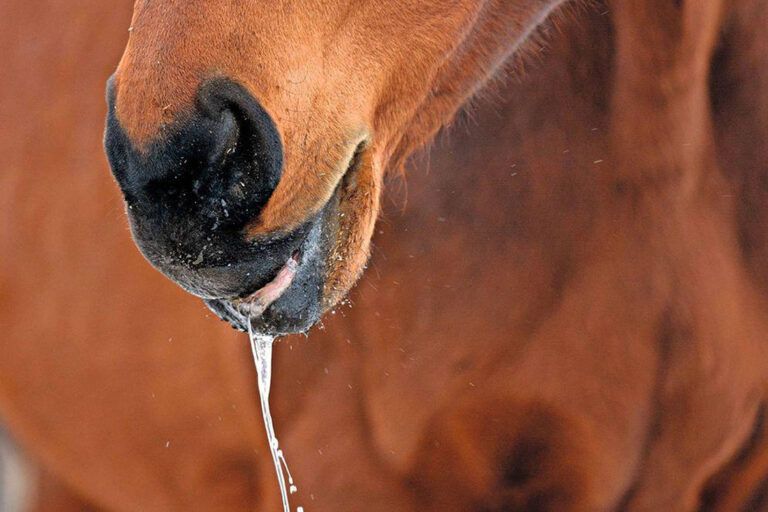
Slobbers in Horses
Slobbers in Horses: Slaframine Poisoning Signs, Causes & Treatment Camryn McNeill, B.B.R.M. | February 22, 2026

Slobbers, otherwise known as slaframine poisoning or salivary syndrome, is a condition that causes excessive salivation or drooling in horses. It is relatively rare and usually occurs in outbreaks, with multiple horses affected at once. Slaframine intoxication is caused by...
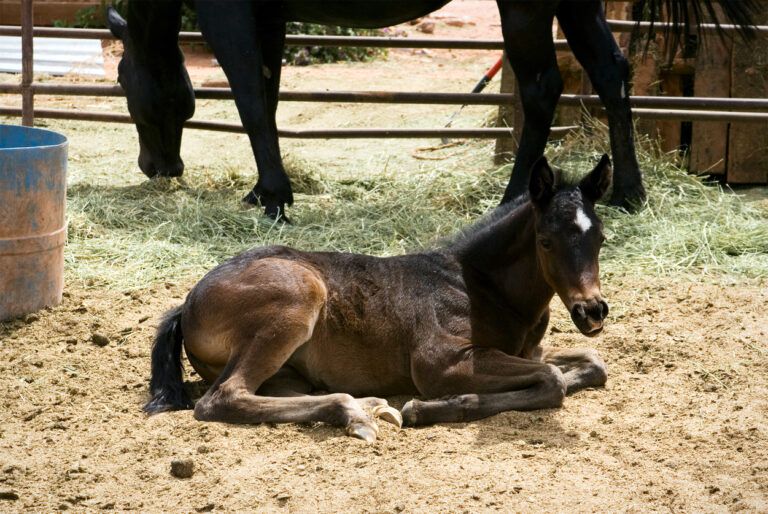
Glycogen Branching Enzyme Deficiency in Horses
Glycogen Branching Enzyme Deficiency (GBED) in Horses Dr. Eleanor Kellon, VMD | February 16, 2026

Glycogen branching enzyme deficiency (GBED) is a fatal disorder caused by a gene mutation found in the Quarter Horse and Paint Horse bloodlines. GBED causes abortion in late-term pregnancies, stillbirth or severe muscle weakness and eventually death in newborn foals....

Black Walnut Tree Poisoning in Horses
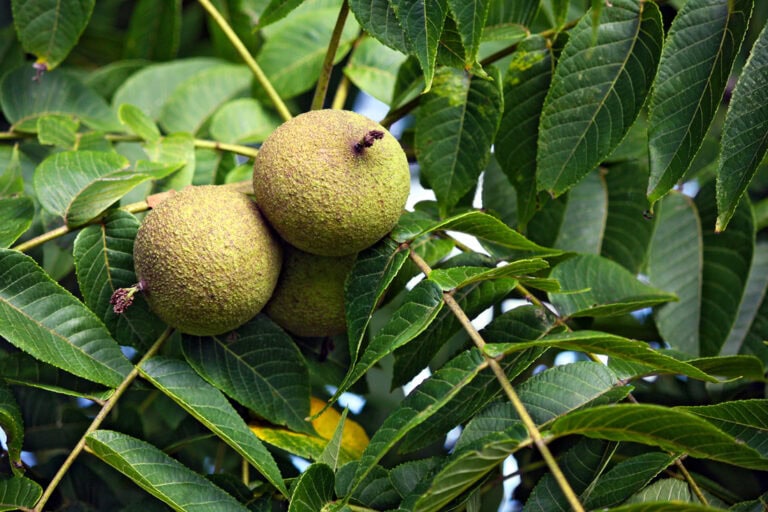
Black Walnut Tree Poisoning in Horses: Symptoms & Treatment Camryn McNeill, B.B.R.M. | March 1, 2026

Black walnut tree poisoning occurs when horses come into contact with toxic compounds in the black walnut (Juglans nigra) tree. The roots, bark, wood, nuts, pollen and leaves of the tree contain a chemical that is poisonous to horses upon...

How to Identify Skin Diseases in Horses
16 Common Skin Diseases in Horses: Identification & Treatment Casie Bazay, BS, NBCAAM | February 22, 2026

Horses are prone to a number of different skin conditions and diseases. Some are minor and resolve on their own, while others can be much more serious. Skin conditions may affect localized areas on the horse, such as the legs...

Equine Grass Sickness
Equine Grass Sickness: Symptoms, Treatment & Prevention Dr. Eleanor Kellon, VMD | February 16, 2026

Equine grass sickness (EGS), or equine dysautonomia, is a rare and fatal disease in horses. It almost exclusively affects grazing horses kept on pasture. EGS is characterized by the development of severe lesions on the neurons of the peripheral and...

Pain Management in Horses
Pain Management in Horses: Signs, Treatments & Therapies Dr. Eleanor Kellon, VMD | February 22, 2026

Pain is something that all horses deal with at some point in their lives. Horses can experience pain for many different reasons, including injury, illness, or a result of surgery. For example, castration is the most common surgical procedure performed...

Stringhalt in Horses
Stringhalt in Horses: Causes, Symptoms & Treatment Camryn McNeill, B.B.R.M. | February 16, 2026

Stringhalt, or equine reflex hypertonia, is a neuromuscular condition that causes abnormal hindlimb movement in the horse. Horses with stringhalt have excessive and prolonged flexion of the pelvic limbs while in forward movement, showing signs of the condition at most...

Hay Belly in Horses
Hay Belly in Horses: Signs, Causes, and Treatments Caroline Cochran, BSc. | February 16, 2026

A large, round belly doesn't always mean your horse is overweight. Some horses have a hay belly that makes them appear pregnant, yet they may struggle to maintain enough body condition to cover their ribs. While multiple factors contribute to...

Bone Spavin in Horses
Bone Spavin in Horses: Symptoms, Treatment & Management Dr. Jane Clothier, Ph.D. | February 12, 2026

Bone spavin, also known as Degenerative Joint Disease (DJD) of the hock (tarsus), is an extremely common cause of equine lameness. It is caused by repeated concussion and rotational forces on the hock joint, as well as excessive forces on...

Equine Herpesvirus Infection
Equine Herpesvirus Infection: Symptoms, Treatment & Prevention Keisha Heeringa, BSc, MSc | February 12, 2026

Equine herpesvirus (EHV), or rhinopneumonitis, is a contagious infection that is endemic to horses worldwide. EHV may cause mild to severe symptoms that usually involve the upper respiratory tract. In rare cases, it may cause neurological symptoms, abortion or death....

Botflies in Horses: Symptoms, Prevention & Treatment Camryn McNeill, B.B.R.M. | February 22, 2026

Botflies (Gasterophilus spp.) are parasitic flies that affect the horse's digestive tract and can cause negative health consequences. Botflies lay eggs on the horse's coat in the summer. Some of these eggs, known as horse bots, are ingested as the...

Equine COPD Causes Symptoms Treatment
Equine COPD: Signs, Causes, Diagnosis & Treatment Dr. Sarah Graves, DVM | February 16, 2026

Equine COPD - or chronic obstructive pulmonary disease - is a now-obsolete term for a common condition in horses that causes coughing and poor performance. This condition is now referred to as equine asthma and is one of the most...

Lymphangitis in Horses
Lymphangitis in Horses: Symptoms, Causes, Treatment & Recovery Kelly Hebner, BSc (Kin), MSc | February 11, 2026

Lymphangitis, also known as big leg disease or stovepipe leg, is a condition in horses involving inflammation of the lymph vessels, most often in the lower limb. Lymphangitis presents as extreme swelling with rapid onset, resulting in pain in the...

Equine Asthma
Equine Asthma: Symptoms, Diagnosis, Treatment & Management Dr. Jane Clothier, Ph.D. | February 12, 2026

Equine asthma (EA) is a relatively new collective term for chronic respiratory signs in horses that range in severity from mild to severe. These conditions were previously known as inflammatory airway disease (IAD) or recurrent airway obstruction (RAO), respectively. Equine...

Chronic Kidney Disease in Horses
Chronic Kidney Diseases in Horses: [Signs & Causes of Renal Failure] Dr. Priska Darani, Ph.D., PAS | February 16, 2026

Chronic kidney disease (or chronic renal failure) in horses is a rare but serious disorder that interferes with normal kidney function. Your horse's kidneys perform many important processes in the body including managing blood pressure, excreting waste products, and regulating...

Obesity in Horses
Obesity in Horses: Health Risks, Prevalence & Management Strategies Dr. Priska Darani, Ph.D., PAS | February 16, 2026

Obesity is a health concern in horses worldwide, with a prevalence estimated between 31 – 45% in some equine populations. Among ponies and easy keeper breeds, the prevalence is even higher with one study reporting that 72% of adult ponies...

Stocking Up in Horses
Stocking Up in Horses: Stagnation Edema Causes, Symptoms, & Treatments Dr. Priska Darani, Ph.D., PAS | February 12, 2026

Stagnation edema, also known as stocking up, is a common cause of leg swelling in stabled horses. It occurs due to impaired circulation from periods of reduced activity. This short-lasting form of edema typically affects both hind limbs and causes...

Common Dental Issues in Horses
20+ Common Dental Issues in Horses – [Signs of Problems & Treatment] Dr. Priska Darani, Ph.D., PAS | February 12, 2026

Horses can experience a number of different dental issues over their lifetime, impacting their ability to chew and digest their feed. Unaddressed dental issues can affect your horse's health, condition, behaviour and performance. This is why it’s important to have...

Equine Influenza Virus
Equine Influenza Virus (Flu): Symptoms, Treatment & Prevention Dr. Priska Darani, Ph.D., PAS | February 12, 2026

Equine influenza virus, or EIV, is an extremely contagious respiratory disease or flu affecting horses, mules, and donkeys. EIV is characterized by fever, apathy, and lack of appetite, and causes respiratory symptoms such as coughing and nasal discharge. However, some...

White Muscle Disease in Horses
White Muscle Disease in Horses: Signs, Causes & Treatment – [Nutritional Myodegeneration] Dr. Priska Darani, Ph.D., PAS | February 23, 2026

Nutritional myodegeneration (NMD), more commonly known as white muscle disease, is a disorder that affects various animals, including horses. In equids, the condition primarily occurs in newborn foals, although adult horses can also develop it. The condition results in degeneration...

Equine Pneumonia Causes Symptoms and Treatments
Equine Pneumonia: Causes, Symptoms & Treatment Casie Bazay, BS, NBCAAM | March 1, 2026

Equine pneumonia is a common respiratory illness that can be life-threatening. It can affect different parts of the horse’s lungs and may cause varied symptoms. Pneumonia refers to inflammation of the lung tissue. Upper airways and lining of the lungs...

Equine Infectious Anemia
Equine Infectious Anemia (EIA) – Signs, Treatment & Coggins Test Dr. Priska Darani, Ph.D., PAS | February 23, 2026

Equine Infectious Anemia (EIA) is an infectious disease that affects horses and other equids, such as donkeys and mules. The disease is caused by an RNA virus transmitted by blood-sucking insects. Many affected horses show no clinical signs and are...

Girthiness in Horses
Girth Aversion (Girthiness) in Horses – Causes & Remedies Dr. Priska Darani, Ph.D., PAS | February 12, 2026

Is your horse showing signs of girthiness? Also known as girth aversion or cinch sensitivity, horses that are girthy express signs of discomfort when they are being saddled. A girthy horse may respond to having a girth tightened by expressing...

Developmental Orthopedic Disorders in Horses
6 Developmental Orthopedic Diseases in Horses – [Causes, Signs & Treatment] Dr. Priska Darani, Ph.D., PAS | February 23, 2026

Developmental orthopedic diseases (DODs) refer to a range of non-infectious conditions that affect the musculoskeletal system of growing horses. These conditions arise from an interruption in the normal development of cartilage, bone, or soft tissue (joint capsule, tendon, or ligament)....

Dummy Foal Syndrome
Dummy Foal Syndrome (Neonatal Maladjustment) in Horses: Signs, Causes & Treatment Dr. Priska Darani, Ph.D., PAS | February 12, 2026

Neonatal maladjustment syndrome (NMS) - also referred to as dummy foal syndrome - is a condition that causes neurological symptoms in foals. This condition prevents the foal from performing normal behaviours, such as recognizing and feeding from the mare, standing...

Sinusitis in Horses
Sinusitis in Horses: Symptoms, Diagnosis, & Treatment Dr. Priska Darani, Ph.D., PAS | February 11, 2026

Equine sinusitis is the most common disease affecting the paranasal sinuses in horses. Sinusitis is an inflammatory condition that often involves excessive nasal discharge. Horses with sinus diseases can also experience swelling in the face or reduced appetite. The causes...

Foal Heat Diarrhea
Foal Heat Diarrhea (Scours) – Signs, Causes & Treatment Dr. Priska Darani, Ph.D., PAS | February 11, 2026

Foal heat diarrhea is a condition involving transient diarrhea in young foals, lasting for a few days up to two weeks. Foals with heat diarrhea do not have any systemic illness. While it is not known exactly what causes foal...

Swayback in Horses
Swayback (Equine Lordosis): Causes, Management & Care Kelly Hebner, BSc (Kin), MSc | February 23, 2026

Swayback, or equine lordosis, is characterized by a large dip in the spine of a horse, often resulting in a high wither and severe downwards curve to their topline. Swayback is more common in older horses and broodmares who have...

Strangles Disease in Horses
Strangles Disease in Horses: Symptoms, Treatment & How to Prevent Dr. Priska Darani, Ph.D., PAS | February 10, 2026

Strangles, also known as equine distemper, is a highly contagious disease caused by the bacteria Streptococcus equi. Young horses are most susceptible to developing strangles disease. This condition most commonly occurs in horses under the age of two. The name...

Dehydration in Horses
Top 10 Signs of Dehydration in Horses [+ How to Prevent & Treat] Casie Bazay, BS, NBCAAM | March 5, 2026

Dehydration is a serious problem in competing and working horses, especially during hot weather. Horses competing in endurance racing or engaging in sustained or strenuous activities are at the highest risk of dehydration. Dehydration occurs when a horse loses excessive...