English










Equine respiratory health often goes overlooked until a horse is affected by a respiratory condition. However, understanding the causes and prevention of common respiratory diseases that can affect horses is important for all horse owners.
Respiratory symptoms are among the most common concerns presented to equine veterinarians. Lung and airway disorders can have a number of different causes including viruses, bacteria, fungi, parasites, immune-mediated reactions, or inhalation of irritants or toxic substances. [1]
Equine athletes are particularly susceptible to respiratory diseases, which rank as the second most common cause of lost training days. However, respiratory illness is also prevalent in foals and adult horses outside of athletic activities, and in severe cases, it can be life-threatening. [2]
This article will explore the anatomy of the equine respiratory system, how to identify symptoms, and provide a comprehensive overview of the most common respiratory conditions affecting horses.
Respiratory Tract Anatomy in Horses
The horse’s respiratory system is designed to transport air from the environment into the lungs and back out. Unlike humans, horses are obligate nasal breathers, which means they can only breathe through their noses.
Since horses only breathe through their noses, their nasal passage is large and can expand during strenuous exercise in order to take in more air. [1]
Horses have a long nasopharynx, or throat, which serves as the airway passage from the nose to the lungs. Inside this structure, all inhaled air passes over the turbinates—small structures that filter, clean, and humidify the air before it enters the lungs. [2][3]
After the larynx, air reaches the lungs via the trachea – a tube-like structure that is kept open by C-shaped cartilage rings. The trachea is lined with a mucous membrane with cilia that trap and remove particles.
The respiratory tract of the horse can be divided into two main sections: [4]
- The upper respiratory tract is composed of the nostrils, nasal passages, pharynx, larynx, and upper part of the trachea.
- The lower respiratory tract consists of the thoracic (lower) trachea and the lungs. The lungs are contained within a region called the pleural space.
Equine Respiration
When the horse inhales, air travels down the trachea, which separates into tubes known as the right and left bronchi. Inhaled air then travels into smaller airways called bronchioles in the lungs. The bronchioles end in small sacs called alveoli, where the only barrier between air and blood is a thin membrane. [1]
The primary function of the horse’s respiratory system is to deliver oxygen to the blood and remove carbon dioxide. Blood distributes oxygen to the rest of the body and collects carbon dioxide, the main waste product of cell metabolism. This exchange of oxygen and carbon dioxide occurs in the alveoli. [1]
A healthy horse breathes at a resting rate of approximately 10 to 15 breaths per minute, although this rate can increase significantly during exercise or stress. With each breath, the average horse moves about 4 to 6 liters of air into and out of its lungs. During intense exercise, this volume can increase dramatically, with an equine athlete exchanging up to 1,800 liters of air per minute to meet oxygen demands. [5]
The respiratory system is equipped with a variety of protective mechanisms. Air is warmed and humidified as it passes through the nasal passages, while large particles are trapped by the mucous lining and either swallowed or coughed up. Smaller particles are typically eliminated by the immune system, ensuring that harmful substances do not reach the lungs. [1]
However, when this intricate system is disrupted by infection, inflammation, or environmental factors, respiratory diseases can develop, compromising the horse’s ability to breathe efficiently and maintain optimal gas exchange.
Respiratory Symptoms
Recognizing the early signs of respiratory disease is crucial for timely intervention and treatment.
While symptoms may vary depending on the specific condition, many respiratory disorders in horses share common signs, such as: [1][3]
- Discharge from the nostrils
- Coughing
- Rapid breathing
- Labored breathing or shortness of breath
- Signs of pain associated with breathing
- Noise accompanying breathing (whistle, roar, gurgle, or rattle)
- Head shaking
- Abnormal head carriage
- Decreased exercise tolerance
- Foul odor to breath
- Swelling around horse’s face, eyes, or throat latch region
- Decreased appetite
- Fever
Types of Nasal Discharge
Many respiratory conditions are accompanied by nasal discharge of some kind. This discharge can range in thickness, color, and overall appearance. Below are some terms used to characterize nasal discharge observed in horses: [6][7]
- Mucoid: Clear, relatively thick, white discharge with high levels of mucus. Mucoid discharge is common as an early symptom of viral respiratory tract infections.
- Mucopurulent: Contains mucoid secretions but also purulence (pus). This type of discharge is thick, opaque, and usually greenish-gray or yellow. Mucopurulent discharge is associated with viral, bacterial, or fungal infections and sometimes with allergies as well.
- Serous: Clear to yellow discharge that is slightly thicker than water. Serous discharge is common with viral infections such as equine herpesvirus and equine influenza.
- Bloody: Bloody discharge, especially related to intense exercise, is associated with exercise-induced pulmonary hemorrhage (EIPH), also known as “bleeding”.
- Unilateral: Refers to discharge from only one nostril. This is common with sinus infections affecting only one side of the upper respiratory tract.
- Bilateral: Refers to discharge from both nostrils and usually indicates lower airway disease.
What's your top priority with your horse's health?

What's your top priority with your horse's health?
Diagnosis
At the first indication of respiratory distress or illness, it is important to have your horse evaluated by a veterinarian promptly. Early detection and intervention offer the best chance for a successful recovery and positive outcome. [8]
The diagnostic process begins with a thorough review of the horse’s medical history, including details about any observed symptoms, changes in appetite, and changes in performance. [8]
The next step is a physical examination, including observation of the horse’s respiration at rest. During this assessment, your veterinarian may use a stethoscope to hear any sounds made during breathing, and make note of any abnormal head extension, nostril flaring, posture, or gait. [8]
Depending on the initial findings, further diagnostics may include: [1][8]
- Radiography (X-rays)
- Ultrasound
- Endoscopy
- Rebreathing testing
- Tissue or cell sampling
Radiography
X-ray images of the thoracic (chest) area may be taken to visualize the lungs. Equine chest X-rays are usually taken at a referral center as they require specialized equipment. Multiple images are often needed to visualize the entire lung area. [8]
Ultrasound
Ultrasound of the chest is another way to visualize the lungs and related structures. However, abnormalities in lung tissue can only be seen on ultrasound if they significantly change the shape of the lungs or if they are present on the surface of the tissue. [8]
Ultrasonography may be used to assess the lungs for the following suspected conditions: [8]
- Pneumonia
- Abscesses
- Lung collapse
- Abnormal cells or tissue growth
- Blood clots
- Abnormal fluid accumulation
- Pneumothorax (air trapped outside the lungs but inside the pleural cavity)
Endoscopy
Endoscopy is often used in horses with respiratory problems. In this procedure, a small camera on the end of flexible tubing is passed through the nose, throat, and airways. This procedure can be performed when the horse is at rest and without sedation. However, sedation may be needed for more detailed endoscopic examination. [8]
Endoscopy can also be used to explore the guttural pouches if strangles infection is suspected. The guttural pouch is a structure that only horses have: a tube that connects the ears to the nose and mouth which helps regulate air pressure in the adjoining cavities. [8]
Additionally, endoscopy can be used during exercise. This is known as dynamic endoscopy, and is often recommended for horses that have exercise intolerance, poor performance, or produce respiratory noise during exercise. It may also be used to further assess abnormal endoscopic findings at rest. [8]
Dynamic endoscopy was historically used while the horse moved on a high-speed treadmill, but is often used during natural exercise today. [8]
Rebreathing Testing
This procedure is commonly performed in horses with poor performance or exercise intolerance. In the rebreathing procedure, a plastic bag is placed over the horse’s nose until they breathe deeply and demonstrate mild anxiety. [7]
This tends to accentuate abnormal lung sounds and also allows the veterinarian to evaluate the time period for induction of and recovery from shortness of breath (dyspnea). [7]
The rebreathing procedure is often helpful in diagnosing bronchopneumonia, pleuropneumonia, and heaves. [7]
Tissue or Cell Sampling
Depending on the horse’s symptoms and initial diagnostic findings, tissue or cell samples may be needed to narrow down the underlying cause.
In addition to blood tests, further diagnostic samples may include:
- Direct samples
- Tracheal aspiration
- Bronchoalveolar lavage
- Thoracocentesis
- Biopsy
Direct Samples
Nasal or pharyngeal swabs may be used to provide samples for pathogen testing. Depending on the horse’s disposition, restraint with a twitch or sedation may be required to take swabs from the respiratory tract. [8]
Other methods of direct sampling include pharyngeal washes, swabs from purulent discharge collected from an abscess, or from guttural pouch lavage fluid. [8]
Tracheal Aspiration
When trying to determine the type, degree, and origin of inflammation of the lower airway, tracheal aspiration may be used. This is performed either by using a catheter inserted into the trachea or through biopsy via an endoscope. [8]
This procedure evaluates the debris carried from the lower airways through the mucociliary clearance mechanism (a system of coated hair-like cell projections that trap particles) in the lungs. [8]
Bronchoalveolar Lavage
Bronchoalveolar lavage (BAL) extracts a sample of proteins from the lining of the pulmonary alveoli and terminal airways. BAL is the best way to asses lower respiratory tract inflammation. [7]
If equine asthma is suspected, BAL is often the most appropriate diagnostic tool. However, the horse must be stable and able to tolerate endoscopy and sedation for this procedure. BAL is more invasive than tracheal sampling, but may produce clearer cytology results. [8]
Horses need to be monitored closely for signs of pneumonia for at least 48 hours following BAL, as that can be a possible side effect of the procedure. [8]
Thoracocentesis
If excess fluid is found within the pleural space using ultrasonography, sampling is needed to characterize the fluid and suggest a root cause. Thoracocentesis involves taking a sample of fluid from the pleural space by inserting a tube into the chest cavity, then using a syringe to withdraw the fluid. [8][9]
Biopsy
Lung biopsy is only used if a few specific disorders are suspected. For example, nodular masses that show up on ultrasound are often sampled by lung biopsy. This procedure may also be performed to assess the degree of lung scarring present in horses with severe equine asthma, for chronic cases of bronchiolitis, interstitial pneumonia, and lung silicosis. [8][10]
A lung biopsy can be performed in horses under standing sedation. A long needle is inserted through the appropriate intercostal space (i.e. the space between the ribs) and a sample of lung tissue is removed manually for testing. [10]

Common Respiratory Conditions
Horses can experience a wide array of respiratory conditions, ranging from minor to severe and from acute to chronic. The following are some of the most common respiratory conditions:
Equine Asthma & Heaves
Equine asthma is the current name for the condition that previously went by Heaves, Recurrent Airway Obstruction (RAO), or Inflammatory Airway Disease (IAD).
Equine asthma is characterized by labored breathing, caused by constriction and inflammation of the airways, mucus accumulation, and airway remodeling. Although equine asthma is a disease of the airways, recent research suggests the inflammatory process may not be limited to the lungs. [11]
The current consensus among researchers and veterinarians is that equine asthma exists on a spectrum, ranging from the mild-moderate form (formerly IAD) to the severe form (previously known as heaves or RAO).
The term asthma also includes summer pasture-associated RAO. Mild-moderate asthma does not include horses that have respiratory effort at rest, but includes those with milder airway inflammation and airflow limitations. [12]
This disease may involve a multifactorial process, similar to the way asthma develops in humans. Exercise, feeding, housing, location, seasonality, infections, and genetic influences have all been linked with the condition. [13]
Clinical signs of equine asthma include: [14][15]
- Chronic cough
- Nasal discharge
- Exercise intolerance
- Increased respiratory effort
- Weight loss
Diagnosis of equine asthma involves exclusion of other respiratory disease, BAL characterization, and assessing lung function. [15] Reversibility of airway obstruction is also often used to confirm diagnosis. [14]
Severe asthma is chronic and affects approximately 15% of adult horses. This form reduces quality of life and severely limits athletic performance. [16]
With severe asthma, remodeling in the central and peripheral airways often occurs, affecting other respiratory structures and reducing lung function. [17] It may result in premature retirement and/or euthanasia. [16]
The barn environment often plays an important role in the development of equine asthma. When horses are exposed to dust or mold in hay or dust from feed or stall bedding, symptoms of equine asthma tend to worsen. [14]
Management changes are often needed for horses with equine asthma. Methods for reducing a horse’s exposure to airborne particulates include: [14][18]
- Changing from dry hay to haylage
- Soaking hay
- Feeding low-dust concentrates
- Avoiding bedding of straw or sawdust; cardboard material is preferable
- Avoiding cleaning stalls or sweeping barn aisles while horses are in the barn
- Ensuring adequate ventilation
Equine asthma may also be treated with IV-administered bronchodilators such as atropine and N-butylscopolammonium or aerosolized bronchodilators such as ipratropium bromide and albuterol. [14] Inhaled and systemic corticosteroids can improve lung function in horses with severe asthma. [18] Consult with your veterinarian to learn more about medications for treating equine asthma.
Another method of controlling the inflammatory response associated with equine asthma is through dietary measures. Supplementing with omega-3 fatty acids, along with feeding a low-dust diet has been shown to provide rapid improvement of clinical signs, especially when compared to feeding a low-dust diet alone. [19]
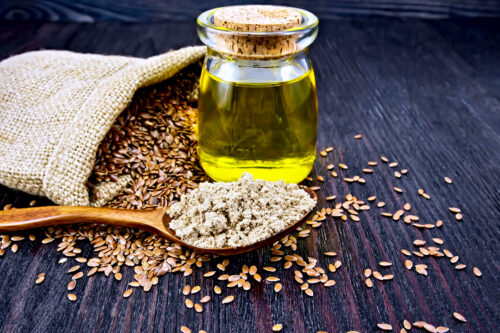
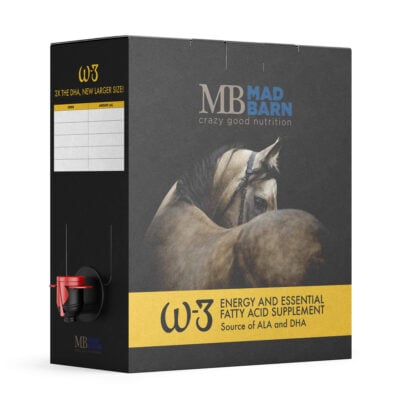
Mad Barn’s w-3 Oil is a rich source of DHA, an omega-3 fatty acid that helps maintain a normal inflammatory response in horses, supporting respiratory health and overall well-being.
Equine Pasture Asthma
While equine asthma is frequently triggered by dusty conditions in stabled horses, some horses may develop equine pasture asthma (EPA), a condition that occurs when they are primarily kept on pasture.
This condition is characterized by episodes of reversible airway obstruction when the horse is grazing in hot, humid climates. However, EPA may also develop during hot, dry weather or from exposure to dust from harvesting or burning crops. [13]
EPA symptoms typically begin in summer and last until fall. Current research suggests grass pollen and fungi may play a role in the development of this disease, but the condition is not well understood at this time. [13]
Pasture-associated asthma is most effectively managed by removing the horse from pasture and placing them in a low-dust stall environment during the warmer months. [13]
Exercise-Induced Pulmonary Hemorrhage
Exercise-induced pulmonary hemorrhage (EIPH) is a common lung condition in racehorses, and those in other high-intensity sports. EIPH is generally believed to impair exercise performance in racehorses. [21]
Interestingly, research suggests that EIPH is a physiological process rather than a disease itself. It results from failure of the pulmonary system to accommodate a massive increase in cardiac output during high-intensity exercise. [14] Some research indicates EIPH may also occur secondary to equine asthma. [7]
EIPH is diagnosed through endoscopic visualization of blood in the trachea of a horse after exercise. The abundance of blood is usually scored using an ordinal scoring system to assess the severity of the condition. BAL is a useful diagnostic technique with EIPH as well. [7][18][22]
Treatment for EIPH is typically furosemide (Lasix), a drug which reduces the horse’s blood volume prior to exercise. This medication helps reduce blood pressure in the fragile capillaries of the lungs during exercise. Furosemide has been shown to reduce severity of EIPH in 64% of treated horses. [7][22]
Adhesive nasal strips that stabilize the external part of the nostrils may also reduce EIPH symptoms. However, one study found that using both furosemide and a nasal strip was more effective than just the nasal strip alone. [22]
Other possible treatments for EIPH include coagulating agents such as vitamin K, oxalic acid, conjugated estrogens, and aminocaproic acid.
EIPH can often be controlled but it cannot be eliminated in horses that continue to participate in high-intensity sports such as racing. [7] Repeated episodes of EIPH may result in lower respiratory tract inflammation, bronchiolitis, and bronchial neovascularization. [7]
Shipping Fever (Pleuropneumonia)
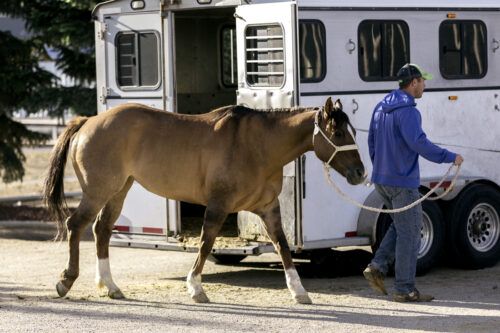
Shipping fever or pleuropneumonia is an infection of the lungs and pleural space. It usually develops from bacterial infection or penetrating chest wounds. Horses with weakened immunity from previous viral respiratory conditions or while undergoing long-distance transport are most prone to this condition. [23]
Most horses that develop shipping fever are athletic horses younger than five years old. [23]
Symptoms of this infection include: [23]
- Fever
- Lethargy
- Poor appetite
- Shortened stride or stiff gait
- Shallow breathing
- Flinching when chest is tapped
- Reluctance to move, cough, or lie down
- Bad breath or foul smelling nasal discharge
Horses with recent onset of pleuropneumonia usually have a decreased white blood cell count and dehydration. However, those with an ongoing case may have increased white blood cell count, anemia (low red blood cell count), and increased antibodies. [23]
Ultrasound of the chest is often used to examine fluid in the pleural cavity. This diagnostic tool is also used to direct the veterinarian if it is necessary to drain fluid from the affected area (pleurocentesis). [23]
Chest X-rays are used after pleurocentesis to investigate the presence of lesions in the lungs and air in the pleural cavity. Bacterial culture can identify the type of bacteria involved. [23]
Treatment of shipping fever involves monitoring fluid in the pleural cavity, medications such as broad-spectrum antibiotics, non-steroidal anti-inflammatories (NSAIDs), and supportive care. If antibiotics are ineffective, a more invasive approach may be required. [23]
In severe, chronic cases, the treating veterinarian may need to create an opening in the chest to remove fluid, detritus, and dead lung tissue. [23]
The prognosis for horses with shipping fever has improved in recent decades due to early recognition, advanced diagnostics, and aggressive therapy. The survival rate is approximately 90% with a 60% chance of returning to athletic performance. However, prompt treatment is crucial to increase the chance of a good outcome. [23]
Rhodococcus equi in Foals
Rhodococcus equi, also known as “rattles,” is a bacterial infection that mainly affects foals, especially those with compromised immune systems. The bacteria are present in soil and become more abundant with warmer temperatures. This illness causes necrotizing pneumonia and lung abscesses. [24]
Foals between 1-6 months old are most commonly affected by this infection, likely due to their immature immune systems. The disease can also result in ulcerative colitis (causing diarrhea) and inflammation of the large intestine (typhlitis). [25]
Symptoms of R. equi in foals include: [25]
- General unthriftiness
- High fever
- Significant nasal discharge
- “Rattles” noise in chest
Interestingly, affected foals may still have a good appetite. [25]
Thoracic ultrasonography may show abscesses in the lung or other pulmonary changes. The bacteria may be difficult to identify on direct samples. BAL is another option, as is culture from respiratory tract secretions. [25]
R. equi is common on large farms where soil contamination plays a role. Most mature horses shed the bacteria in their manure. The infection can also be spread through the air. In fact, this is thought to be the major route of infection for foals. [25]
Management strategies for reducing speed of R. equi include: [25]
- Preventing aerosol spread through intensive irrigation of holding pens and lanes
- Avoiding housing at-risk foals in areas with low water holding capacity such as sandy areas
- Maintaining good pasture cover in paddocks and fields used to house foals
Stable time should be reduced for foals to avoid inhalation of contaminated particles. Additionally, affected areas should be thoroughly cleaned. This includes removing all contaminated bedding material and using chemical fogging agents. [25]
Another prevention tactic is to avoid keeping large herds of foals together. [25]
Equine Herpesvirus
Equine herpesvirus (EHV) has five known strains, with EHV-1 and EHV-4 both affecting the respiratory system. Both are also highly infectious between horses. [7]
EHV-4 causes the common cold (rhinopharyngitis) and inflammation of the trachea and bronchi (tracheobronchitis). [7]
EHV-1 is very similar to EHV-4 but spreads rapidly from the respiratory tract, becoming a systemic (whole-body) infection. Abortion and neurologic disease have been associated with EHV-1 and are a direct result of vasculitis (inflammation of the blood vessels) from systemic spread of this virus. [7]
Symptoms of EHV-1 and EHV-4 include: [7]
- Significant serous nasal discharge that becomes mucopurulent with secondary bacterial infection
- Enlarged lymph nodes under the jaw
- Eye discharge in some cases
Symptoms are most severe in young horses, especially young foals that have just been weaned. However, EHV can also affect adult horses. [7]
EHV can also cause latent infections, in which affected horses become carriers of the virus for life. Carrier horses may have reactivation of the virus during times of stress, shedding the virus again. [7]
Both inactivated and attenuated vaccines containing EHV-1 and EHV-4 are available and may reduce severity of illness or likelihood of abortion. However, there is currently not enough data on their efficacy in preventing symptomatic infection. [7]
Equine Influenza
Equine influenza is another highly contagious viral disease that produces symptoms similar to influenza in humans. Outbreaks occur in endemic areas when local herd immunity is low. This often happens when there are large numbers of unvaccinated or inadequately vaccinated horses. [2]
Equine influenza is mostly spread through aerosol particles or from direct contact between horses. The virus can also spread through contaminated clothing, equipment, and handlers. [2]
Common symptoms of equine influenza include: [2]
- Fever
- Serous nasal discharge that progresses to mucopurulent discharge
- Coughing
Diagnosis is usually made through clinical signs and rapid spread on a farm. In a fully vaccinated horse, the only symptom may be reduced performance. A definitive diagnosis can only be made through bloodwork or detection of the virus on nasal or nasopharyngeal swab. [2]
Vaccination of horses that frequently travel for competition or racing is the best means of protection from equine influenza. [2]
Strangles
Streptococcus equi equi, commonly called strangles, is a highly infectious upper respiratory disease that can occur in horses of any age. However, younger horses appear to be more severely affected by this infection. [26]
Although not all horses exhibit the same symptoms of strangles, common signs often include: [26]
- Abrupt fever
- Reluctance to eat or drink
- Abscess formation in the lower jaw and neck lymph nodes
- Mucoid cough, sometimes associated with eating
- Discharge from eyes (and sometimes swelling around the eye)
- Nasal discharge
- Lowered head position
- Difficulty breathing
Lymph node abscesses usually rupture anywhere from seven days to four weeks after infection. Inflammation associated with pharyngitis and lymph nodes may cause obstruction of the upper respiratory tract. If this happens, a temporary tracheostomy (an incision in the throat to bypass the nasal passage) is needed. [26]
Strangles infection may also travel to the brain, abdomen, and mammary gland. These forms are known as “bastard strangles.” Other complications involve lymphangitis of the limbs and pneumonia. [26]
Older horses with residual immunity, foals with waning maternal antibody protection, and vaccinated horses can develop a mild form of the infection known as “catarrhal or atypical strangles.” Despite experiencing milder symptoms, these horses can still shed the bacteria, potentially transmitting the disease to more vulnerable horses, where it may lead to more severe illness. [26]
Bacterial shedding typically does not begin until one or two days after the onset of fever, making it crucial to isolate sick horses early to prevent transmission. Nasal shedding usually lasts 2-3 weeks in most horses, but they may remain infectious for at least 6 weeks after all visible discharge has dried. [26]
In some cases, chronic guttural pouch infections can lead to intermittent bacterial shedding over the long term, prolonging the risk of transmission. [26]
Strangles is transmitted through direct or indirect transfer of purulent discharge between infected and susceptible horses. Once strangles is confirmed, biosecurity measures should be strictly enforced to prevent a widespread outbreak. [26]
Sharing tack, feeding utensils, and other equipment should be strictly avoided. Handlers should thoroughly wash hands and change clothing after caring for ill horses. [26]
Strangles can be confirmed through bloodwork, but symptoms alone may be enough to diagnose the condition. [26]
Unfortunately, about 10% of horses with strangles do not experience adequate guttural pouch drainage. This leads to persistent guttural pouch empyema – accumulation of pus or bacteria-containing secretions in the guttural pouch. [26]
Treatment for strangles depends on the severity of the infection and progression of disease. Most horses only need rest, shelter, and soft, moistened food while the virus runs its course. Antibiotics for strangles are controversial and often unnecessary. [26]
Non-steroidal anti-inflammatory medications such as bute or banamine may help to reduce pain, fever, and inflammation, which can also help encourage eating and drinking. Occasionally, horses may need IV fluids as well. [26]
Aside from guttural pouch infection and immune-mediated complications such as purpura hemorrhagica, other reported complications associated with strangles include: [26]
- Anemia
- Agalactia (absence of milk production)
- Myocarditis or endocarditis (severe inflammatory conditions of the heart)
- Panophthalmitis (severe inflammatory disease of the eye)
- Periorbital abscesses (infection around the eye)
- Tenosynovitis (inflammation of the tendon sheath)
- Sinus infection
In longstanding cases, pus inside the guttural pouch forms a smooth mass called a chondroid which has S. equi on the surface and in the core. Removal of chondroids is recommended to prevent spread of the bacteria to other horses. [26]
Aspiration Pneumonia
Aspiration pneumonia can occur when foreign material is inhaled and causes an infection in the lungs. The severity of this illness can range from mild to severe depending on what was inhaled. A common cause of aspiration pneumonia in horses is improper administration of liquid medications. [27]
Horses that eat or drink during a choke episode are also at risk of aspiration pneumonia. The risk of aspiration also increases during general anesthesia and in horses with deformities like a cleft palate. [27]
Signs of aspiration pneumonia in horses include: [27]
- Apparent inhalation of foreign substance
- Labored or rapid breathing
- Rapid heart rate
- Fever
- Sweet or off-smelling breath
- Reddish brown or green nasal discharge
- Bluish mucous membranes
It’s best to prevent aspiration pneumonia whenever possible as it has a poor prognosis with a high death rate. Even recovered horses are prone to developing lung abscesses. If you believe your horse has inhaled a foreign substance, contact your veterinarian immediately.
Prevention
Not all equine respiratory disease can be prevented. However, there are measures horse owners and barn managers can take to greatly reduce a horse’s chance of developing many types of respiratory conditions.
An ideal prevention management plan includes vaccination, along with strategies for managing exposure risk, early detection of illness, and implementing measures to prevent the spread of disease. [28]
Owners should also be aware of factors that increase a horse’s risk of respiratory disease. Some of these include: [1]
- Sudden dietary changes
- Abrupt weaning practices
- Cold weather
- Dusty environments
- Poor barn ventilation
- Long-distance transport
- Mixing different age groups of horses kept together
- Stress
If horses are kept stalled, having a low-dust environment with proper barn ventilation is essential. Avoid high-dust feeds and stall beddings and stay current with your routine cleaning and muck-out schedule to avoid ammonia buildup. [1]
Maintaining good health with regular veterinary check-ups, a balanced, forage-based diet, and adequate turnout and exercise can strengthen a horse’s immune response, helping to prevent various health issues, including respiratory disease. [1]
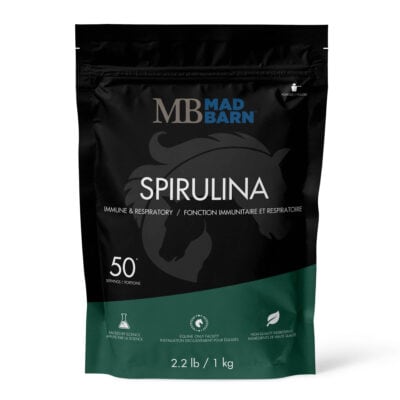
In addition to these management practices, certain natural supplements can further support respiratory health. Jiaogulan and spirulina are two natural ingredients that can be combined to help maintain healthy respiratory function in horses by supporting normal bronchodilation. [29]
Providing 2 grams of jiaogulan and 20 grams of spirulina twice daily may help promote normal respiratory health by reducing common signs of discomfort, such as coughing, headshaking, snorting, and sneezing. [29]
Horses with seasonal allergies or inflammatory airway disease may experience support for normal respiratory function and comfort within a few weeks to months when supplemented with jiaogulan and spirulina. [29]

Frequently Asked Questions
Here are some frequently asked questions about respiratory health in horses:
Horses are especially vulnerable to respiratory disease because they are obligate nasal breathers, inhale large volumes of air during exercise, and are often exposed to dust, mold, or pathogens in barn environments. These factors make respiratory disease in horses a common health issue that can impact both daily life and athletic performance.
A horse should be seen by a veterinarian for respiratory concerns if symptoms such as nasal discharge, persistent cough, labored breathing, or fever are observed. Since respiratory problems in horses can escalate quickly, early veterinary evaluation is the best way to ensure accurate diagnosis and treatment.
The respiratory diseases that most often reduce athletic performance in horses include equine asthma, exercise-induced pulmonary hemorrhage, and infectious diseases such as equine influenza or herpesvirus. Because these conditions interfere with efficient breathing, athletic horses with respiratory disease often experience decreased stamina and training setbacks.
Management practices that help prevent respiratory problems in horses include maintaining good barn ventilation, feeding low-dust forage, minimizing stress, and using vaccination and biosecurity to limit infectious disease spread. With consistent care, horse owners can greatly reduce the risk of respiratory problems in horses.
Summary
Respiratory conditions can significantly reduce a horse's performance and quality of life. Given the prevalence of respiratory disease in horses, it is essential to seek prompt veterinary attention to ensure proper diagnosis and treatment.
- The lungs play a critical role in equine performance by facilitating oxygen exchange, a key factor in maintaining overall fitness and athleticism.
- Many respiratory diseases in horses, such as strangles and equine herpesvirus, are highly contagious, emphasizing the need for strict biosecurity measures.
- Effective management practices that prioritize equine welfare are essential in preventing respiratory conditions in horses.
- Vaccinations, maintaining a low-dust barn environment, providing a healthy diet, and ensuring regular exercise all contribute to supporting your horse’s lung health.
References
- Rush, B.R. Introduction to Lung and Airway Disorders of Horses. Merck Veterinary Manual. 2019.
- Gilkerson, J.R. et al. Update on Viral Diseases of the Equine Respiratory Tract. Vet Clin North Am Equine Pract. 2015.
- Respiratory Tract. Texas A&M Veterinary Teaching Hospital. 2018.
- Dyce, K.M. et al. Textbook of Veterinary Anatomy, Fourth Edition. Saunders Elsevier. 2010.
- Franklin, S.H. et al.Respiratory responses to exercise in the horse. Equine Vet J. 2012.
- Brazil, T. et al. Nose: nasal discharge. Vetlexicon.
- Moore, B.R. Lower Respiratory Tract Disease. Vet Clin North Am Equine Pract. 1996.
- Hewson, J. and Arroyo, L.G. Respiratory Disease Diagnostic Approaches in the Horse. Vet Clin North Am Equine Pract. 2015.
- Schumacher, J. and Moll, H.D. Manual of Equine Diagnostic Procedures. IVIS. 2011.
- Venner, M. et al. Percutaneous Lung Biopsy in the Horse: Comparison of Two Instruments and Repeated Biopsy in Horses with Induced Acute Interstitial Pneumopathy. J Vet Intern Med. 2006.
- Lavoie-Lamoureux, A. et al. Markers of systemic inflammation in horses with heaves. J Vet Intern Med. 2012.
- Kinnison, T. et al. Mild-moderate equine asthma: A scoping review of evidence supporting the consensus definition. The Vet Journal. 2022.
- Couetil, L. et al. Equine Asthma: Current Understanding and Future Directions. Front Vet Sci. 2020.
- Ivester, K.M. et al. Investigating the link between particulate exposure and airway inflammation in the horse. J Vet Intern Med. 2014.
- Mainguy-Seers, S. and Lavoie, J.P. Glucocorticoid treatment in horses with asthma: A narrative review. J Vet Intern Med. 2021.
- Leduc, L. et al. Severe asthma in horses is associated with increased airway innervation. J Vet Intern Med. 2024.
- Bessonnat, A. et al. Airway remodeling in horses with mild and moderate asthma. J Vet Intern Med. 2022.
- Couëtil, L.L. et al. Inflammatory Airway Disease of Horses—Revised Consensus Statement. J Vet Intern Med. 2016.
- Nogradi, N. et al.Omega-3 fatty acid supplementation provides an additional benefit to a low-dust diet in the management of horses with chronic lower airway inflammatory disease. J Intern Vet Med. 2015.
- Giodano, A. et al.Thromboelastometric Profiles of Horses Affected by Exercise-Induced Pulmonary Hemorrhages. Vet Med Int. 2010.
- Hinchcliff, K.W. et al. Association between exercise-induced pulmonary hemorrhage and performance in Thoroughbred racehorses. Am Vet Med Assoc. 2005.
- Williamson, K.K. and Davis, M.S. Evidence-Based Respiratory Medicine in Horses. Vet Clin North Am Equine Pract. 2007.
- Rush, B.R. Pleuropneumonia (Shipping Fever) in Horses. Merck Veterinary Manual. 2019.
- Ayoade, F. et al. Rhodococcus Equi. StatPearls (Internet). 2024.
- Muscatello, G. Rhodococcus equi infection in foals: the science of 'rattles'. Merck Veterinary Manual. 2019.View Summary
- Boyle, A.G. et al. Streptococcus equi Infections in Horses: Guidelines for Treatment, Control, and Prevention of Strangles-Revised Consensus Statement. J Vet Inter Med. 2018.View Summary
- Scott, P.R. Aspiration Pneumonia in Horses. Merck Veterinary Manual. 2019.
- Giedt, E.J. Respiratory Diseases in Horses: What You Can Do to Prevent Them. OSU Extension. 2018.
- Kellon, Eleanor. Use of the Herb Gynostemma pentaphyllum and the Blue-green Algae Spirulina Platensis in Horses. Equine Congress. 2006.