English
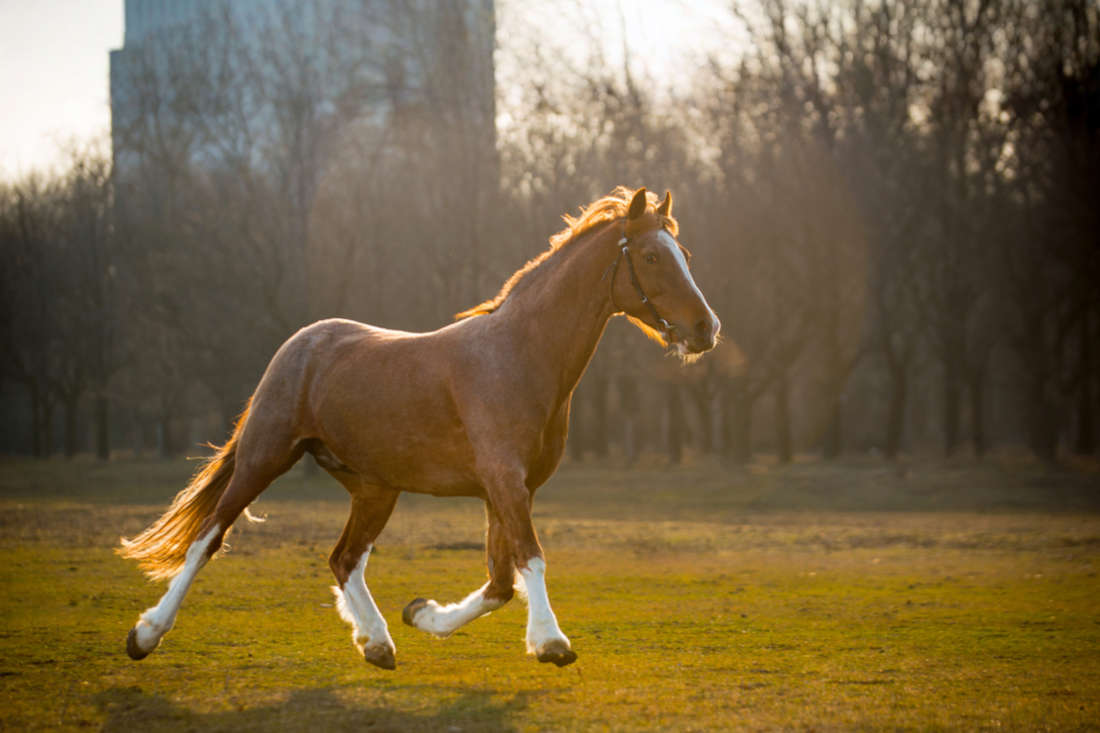
The Dutch Tuigpaard is a Dutch harness horse breed known for expressive movement, an elevated trot, and proud carriage in the show ring. Descended from versatile Dutch carriage and farm horses, the modern Tuigpaard is purpose-bred to stand out in harness with a lifted forehand, active hind end, and powerful trot.
Also known as the Dutch Harness Horse, the breed developed within the Dutch warmblood tradition. It is recognized by the Royal Warmblood Studbook of the Netherlands (KWPN) as a distinct harness horse breeding direction. Selection emphasizes animation, uphill balance, cooperative temperament, and suitability for competitive driving.
Although Dutch Tuigpaards are not traditionally bred as riding horses, many have demanding performance careers in fine harness, carriage presentation, and combined driving.
Keep reading to learn more about the Dutch Tuigpaard’s history, characteristics, health considerations, care, and nutritional needs.
Dutch Tuigpaard History
The Dutch Tuigpaard was shaped by changing expectations for carriage horses. As the need for working horses declined, Dutch breeders focused more heavily on elegance, animation, and competitive harness performance.
Origin
The Dutch Tuigpaard originated in the Netherlands and developed from the country’s long tradition of breeding versatile warmblood horses. The breed’s foundation is closely connected to the Gelderlander, a multipurpose horse historically used for agricultural work, transportation, riding, and carriage driving.
As machinery replaced horses in farming and transport, Dutch breeders began selecting more specifically for performance in harness.
Horses with an upright posture, powerful hindquarters, expressive knee action, and an elevated front end were favored because these qualities created an impressive appearance in front of a carriage. [1]
Selective breeding gradually produced a more specialized harness horse with the following traits: [1]
- An alert, proud carriage
- A long, upright neck
- Strong engagement of the hindquarters
- An energetic and highly expressive trot
What's your top priority with your horse's health?

What's your top priority with your horse's health?
Historic Use
The horses that contributed to the Dutch Tuigpaard were originally bred for practical work. Earlier Dutch warmbloods, including the Gelderlander, were used on farms, for transportation, and to pull carriages. These horses needed enough strength for daily work while remaining comfortable, reliable, and presentable in harness.
As farming became mechanized and motor vehicles replaced horse-drawn transportation, demand for general-purpose working horses declined. Dutch breeders responded by developing more specialized breeding programs, including a distinct harness-horse direction focused on performance, movement, and presentation rather than heavy draft work. [1]
Selection increasingly favored horses that could create an impressive picture in front of a carriage, including: [1]
- Strong impulsion generated by the hindquarters
- An elevated forehand and proud, upright posture
- Expressive movement with noticeable knee and hock action
- An energetic temperament and willingness to perform
Although the breed was traditionally a versatile working horse, the modern Tuigpaard is not intended to pull heavy loads or function as a general-purpose riding horse. Instead, it is bred to demonstrate athletic, elevated movement and a distinctive, commanding appearance in harness. [1]
Breed Registry
The Dutch Tuigpaard is registered by the Koninklijk Warmbloed Paardenstamboek Nederland (KWPN), or Royal Warmblood Studbook of the Netherlands. The KWPN maintains a separate harness-horse breeding direction with standards designed specifically for the conformation, movement, health, temperament, and performance expected of the modern Tuigpaard. [1]
In North America, registration and breeding activities are coordinated through the KWPN of North America (KWPN-NA), the official North American department of the Dutch studbook.
KWPN-NA registers eligible horses, records pedigrees and ownership information, organizes inspections, and helps North American breeders follow the breeding policies established by the KWPN. [1]
Depending on pedigree, parental approval, and inspection results, a KWPN horse may be recorded in one of four books or registers: [1]
- Foal Book: For eligible young horses with pedigrees that meet the requirements of their breeding direction
- Register A: Commonly used for eligible offspring involving approved horses from recognized outside studbooks
- Register B: For horses whose pedigrees do not meet all requirements for the Foal Book or Register A
- Studbook: For eligible mature horses that meet the required inspection standards
Registration requirements differ between breeding directions. Harness horses may be subject to specific pedigree and blood-percentage rules intended to preserve the characteristics of the Tuigpaard population. A horse’s registration category therefore reflects both its ancestry and whether it has completed the required evaluation process. [1]
KWPN inspections, known as keurings, allow inspectors to evaluate horses against the breeding goal. Harness horses are assessed for qualities such as: [1]
- Correct, functional conformation
- An uphill build and long-lined frame
- Powerful movement originating from the hindquarters
- An elevated forehand and expressive use of the front limbs
- Willingness to work and a cooperative temperament
Foals and young horses may receive premium gradings based on how closely they meet the breed standard. Mature mares undergo detailed studbook inspections, while breeding stallions face additional performance and veterinary requirements before receiving full breeding approval. [1]
| Breed Summary | |
|---|---|
| Breed Name | Dutch Tuigpaard |
| Also Known As | Dutch Harness Horse |
| Breed Type | Harness horse / Dutch warmblood |
| Origin | Netherlands |
| Breed Registry | Royal Warmblood Studbook of the Netherlands (KWPN); separate harness horse breeding direction |
| Population Status | Rare breed; population data unavailable |
| Average Height | 15.2 – 16.2 hh |
| Average Weight | 1,000 – 1,200 lb |
| Common Coat Colors | Bay, black, chestnut, brown; white facial and leg markings can occur |
| Conformation | Rectangular frame, long-lined build, long legs, uphill balance, light head-neck connection, long arching neck, strong hindquarters |
| Lifespan | 25-30 years |
| Price Range | $5,000 – $150,000+ USD |
| Common Uses | Fine harness, carriage presentation, singles, pairs, four-in-hand, combined driving, light riding for some individuals |
| Temperament | Cooperative, keen, honest, intelligent, responsive, sensitive |
| Best For | Drivers seeking an expressive, athletic harness horse that thrives with consistent routines, calm handling, and regular work |
| Common Health Concerns | Possible WFFS risk in related warmblood populations; joint and soft tissue wear, osteoarthritis risk, digestive stress, gastric ulcers, weight gain or obesity |
Breed Characteristics
Dutch Tuigpaards are known for their style, but the breed is more than a dramatic trot. These horses are athletic, sensitive, and purpose-bred for harness work.
Conformation
Dutch Tuigpaards generally stand between 15.2 and 16.2 hh and weigh approximately 1,000 to 1,200 lb (454 to 545 kg).
These horses have a rectangular frame, meaning their bodies are generally longer than they are tall. The ideal horse is long-lined and well-proportioned, with long legs, an uphill build, a light head-neck connection, and a long, arching neck. [1]
The topline should be well muscled, and the hindquarters should be strong enough to generate the power needed for elevated movement. This conformation helps enable the animated harness action for which the breed is known. [1]
Correct movement is central to the breed. At the trot, the horse should show suppleness, self-carriage, impulsion, and a clear moment of suspension. The hind legs should step actively under the body, while the front legs lift high and reach forward from the shoulder.
Colors
Dutch Tuigpaards are usually seen in solid coat colors common in Dutch warmblood populations, including bay, black, chestnut, and brown. White facial and leg markings can occur.
Color is not a major part of the breed’s performance standard, so movement, type, and correctness matter much more to judges than coat pattern.
Temperament
The ideal Dutch Tuigpaard is cooperative, keen, honest, intelligent, and quick to respond to aids. These horses are meant to be expressive and forward without becoming difficult to manage. [1]
In daily life, this breed enjoys work and thrives with clear routines. Many Dutch Tuigpaards are sensitive enough to notice small changes in handling, turnout, feeding, or workload. They tend to do best with calm, consistent training and regular exercise.
Disciplines
The Dutch Tuigpaard is first and foremost a harness horse breed. They excel in fine harness, carriage presentation, singles, pairs, and four-in-hand classes.
These horses are also used in combined driving, where athleticism, trainability, and stamina matter alongside style. The KWPN notes success for its harness horses in both national and international driving competitions. [1]
Some individual horses may also cross-train for light riding, but harness performance remains the breed’s defining specialty.
Dutch Tuigpaard Health
While Dutch Tuigpaards are generally strong and healthy, no breed is free of health concerns. For owners, the key areas to watch are breeding decisions, soundness, digestive health, and body condition.
Genetic Diseases
Because the Dutch Tuigpaard sits within the broader warmblood breed, breeders and owners should stay aware of inherited disorders reported in related populations.
One example is Warmblood Fragile Foal Syndrome (WFFS), a recessive connective tissue disorder associated with a mutation in the PLOD1 gene. This condition has been documented in warmblood populations in multiple countries. [2]
Breed-specific data on Dutch Tuigpaards is limited, so further research is needed to determine whether WFFS is a significant concern for the breed. [2]
Health Problems
Dutch Tuigpaards are bred for expressive, elevated movement. That high-impact action can increase wear on joints and soft tissues over time, especially if conditioning, hoof balance, or footing are not aligned with lifestyle.
Osteoarthritis
Osteoarthritis is one of the most important musculoskeletal concerns in athletic horses because it affects comfort, performance, and long-term soundness. [3] It develops when joint structures become inflamed or damaged over time, leading to pain, stiffness, reduced range of motion, and changes in how the horse moves. [4]
In driving and harness horses, repeated loading through the limbs may place added stress on the joints, especially when the horse performs collected, animated movement on firm or inconsistent surfaces. Subtle signs can include shorter stride length, reluctance to work, uneven movement, swelling around a joint, stiffness after rest, or declining performance. [4]
Preventive management focuses on maintaining appropriate body condition, building fitness gradually, supporting balanced hoof care, using suitable footing, and allowing enough recovery between harder work sessions. Any persistent stiffness, swelling, lameness, or change in way of going should be evaluated by a veterinarian.
Gut Health
Digestive stress is another practical concern, particularly in horses that travel, compete, spend long hours in stalls, or receive large concentrate meals. Equine Gastric Ulcer Syndrome is common in performance horses, and management factors play a role in risk. [5]
Inadequate forage intake can further disrupt normal equine digestive function because horses are adapted to consume fiber continuously throughout the day. Long gaps without hay or pasture can reduce chewing time and saliva production, leaving the stomach with less natural buffering against acid. [6]
Low-forage diets can also affect the hindgut. When horses receive large concentrate meals or too little fiber, normal microbial balance may be disrupted, increasing the risk of digestive upset, loose manure, gas, or changes in appetite and behavior. [6]
Supporting gut health in Dutch Tuigpaards starts with consistent forage access, gradual feed changes, and limiting large grain meals. Horses in work, travel, or competition may also benefit from management strategies that reduce stress, maintain hydration, and keep forage available before and after exercise whenever possible.
Care & Management
Daily care has a strong influence on how well a Dutch Tuigpaard stays sound and comfortable. These horses often do best when management stays consistent. Abrupt feed changes, inconsistent exercise, long confinement, or poorly fitted equipment can all affect performance and welfare.
Core management practices for Dutch Tuigpaards include:
- Veterinary exams: Schedule regular checkups to monitor soundness, body condition, and digestive health, especially when workload, travel, or diet changes.
- Vaccinations: Follow a vaccination schedule your veterinarian sets for your region and competition plans.
- Dental care: Routine dental care supports efficient chewing on high-forage diets.
- Parasite management: Use a strategic deworming plan based on fecal egg counts and veterinary guidance to reduce the risk of internal parasites.
- Hoof care: Regular farrier care is especially important; movement should come from correct conformation, fitness, and balance, not from practices that sacrifice comfort.
- Exercise and turnout: Regular turnout supports natural movement, gut health, and mental well-being; horses in harness work benefit from structured fitness plans that develop topline and hindquarter strength without overloading the limbs.
Routine evaluation of tack or harness fit should also be part of the plan. Contact your veterinarian if you notice persistent lameness, poor appetite, weight gain, or behavior changes after management shifts.
Nutrition
Dutch Tuigpaards do best on a forage-based diet that is balanced for energy, protein, vitamins, and minerals. There is no single feeding plan that works for every horse. The best ration depends on body condition, hay quality, workload, and health status.
Weight Maintenance
Like other warmbloods, some Dutch Tuigpaards gain weight easily when not in full work, and owners may not always recognize when a horse is obese. Research shows horse owners often underestimate body condition score and cresty neck score, which can delay needed diet changes. [7]
Excess body fat is not just a cosmetic issue. It can increase joint strain and is associated with increased risk of metabolic issues and laminitis in horses. [8]
Weight maintenance starts with regular body condition scoring. Owners should aim for a moderate condition with good muscling to support performance. Tracking body condition is especially important for horses with changing workloads throughout the year.
For easy keepers, it’s important to provide adequate forage while reducing unnecessary calories from grain or rich pasture. For horses with higher energy needs, owners can increase calories safely with digestible fiber and fat instead of large starch-heavy meals.
Sample Diet
The following sample diet is intended for a mature 1,100 lb (500 kg) Dutch Tuigpaard with normal body condition at maintenance (not exercising).
| Feed | Amount per day |
|---|---|
| Hay (mid quality; 8% crude protein) | 22 lb (10 kg) |
| Salt (plain) | 15 g (1 tbsp) |
| Omneity® Pellets | 200 g (2 scoops) |
| Diet Analysis | |
| Digestible energy (% of req) | 106% |
| Protein (% of req) | 113% |
| HC (ESC + starch; % diet) | 8.8% |
Dutch Tuigpaards typically do well on a high-quality forage-based diet balanced to match body weight, workload, and body condition. Many mature horses can meet baseline energy and protein needs from good hay or pasture alone, but horses in regular harness training, combined driving, or frequent competition may require additional calories and amino acid support. [9][10]
Forage-only and hay-only diets are commonly low in key vitamins and minerals. A comprehensive vitamin and mineral supplement can help correct these gaps without adding excess sugar, starch, or calories. [9][10]
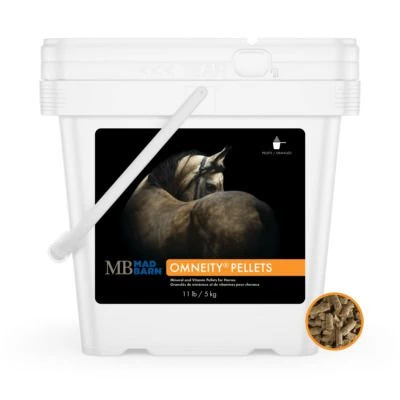
Omneity® is a complete vitamin and mineral supplement designed to support hoof strength, muscle function, metabolic health, immune function, and coat quality.
Omneity® also provides amino acids, yeast, and digestive enzymes in a palatable pellet with no added sugars or fillers, making it suitable for both easy keepers and active performance horses.
Owners should ensure fresh, clean water is available at all times, especially for horses that travel, sweat in harness work, or eat mostly dry hay. Provide plain loose salt daily to encourage drinking and help replace sodium lost in sweat.
Most horses require at least 1 – 2 tablespoons of salt per day, with higher intakes needed during hot weather or heavy work.
Forage
Forage should form the foundation of every Dutch Tuigpaard diet. Mature horses should generally consume about 1.5 – 2% of body weight per day in forage dry matter, unless a veterinarian or equine nutritionist recommends otherwise.
For a typical 1,100 lb (500 kg) Dutch Tuigpaard, this equals approximately 16.5 – 22 lb (7.5 – 10 kg) of hay dry matter daily. [10]
Most horses in light to moderate work do well on good-quality grass hay or mixed grass hay. Horses with higher workloads, poor topline, or increased protein needs may benefit from a moderate amount of alfalfa or alfalfa-mix hay to improve protein and amino acid supply.
Easy keepers or horses prone to weight gain may need mature grass hay, controlled pasture access, slow feeders, or a dry lot system to maintain intake time while limiting excess calories.
A forage analysis is the best way to determine the calorie, protein, sugar, starch, and mineral content of hay or pasture. Testing forage helps identify whether the ration needs more protein, fewer calories, or mineral balancing.
Feeding Recommendations
Most Dutch Tuigpaards do not need large grain meals or high-starch commercial concentrates, especially when they are in light work or maintain weight easily. If extra calories are needed for training, competition, or weight gain, choose low-starch, fiber-based feeds that support digestive health while reducing the risk of excess sugar and starch intake.
Good options include soaked beet pulp, hay pellets, chopped forage, or forage cubes. Introduce all feed changes gradually over 7 – 14 days to reduce digestive upset.
Hard-working driving horses or those who struggle to maintain condition may benefit from added fat, such as stabilized rice bran oil or flax oil. Fat provides concentrated calories without increasing dietary starch, making it useful for performance horses that need more energy but do not tolerate large concentrate meals well.
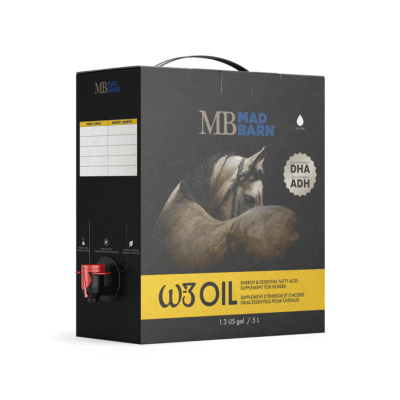
For horses who need added calories from fat, w-3 Oil provides a palatable source of cool calories enriched with omega-3 DHA and natural vitamin E. It can be used to help support body condition, a shiny coat, and the higher energy demands of exercising horses without relying on larger starch-heavy meals.
Divide any concentrate or calorie-dense feed into small meals, and avoid feeding large amounts immediately before intense work or travel. Keeping meals modest and forage intake steady is especially important for horses with a history of gastric ulcers, digestive stress, or inconsistent appetite. [11]
Senior Dutch Tuigpaards or horses with chewing difficulty may need softer forage sources such as soaked hay pellets, chopped hay, or complete senior feeds. Horses with suspected dental issues should receive prompt dental care, since poor chewing can reduce forage intake and increase the risk of weight loss, choke, or digestive upset.
All horses need constant access to abundant, fresh water. Provide free-choice access to loose salt and add 2 tbsp to the daily ration to meet sodium requirements and support adequate hydration.

Nutritional Supplements
Supplements work best when the rest of the diet is balanced. For Dutch Tuigpaards, the most useful products often balance their diet, support digestive health, or add calories without relying on extra starch.
Mad Barn supplements that may benefit a Dutch Tuigpaard include:
- Omneity® Pellets is a comprehensive vitamin and mineral supplement formulated to balance forage-based diets.
- AminoTrace+ is another vitamin and mineral balancer, but it is positioned for horses that need more concentrated support for hoof and metabolic health.
- Visceral+ is designed to support gastric and hindgut health for horses in regular work, frequent travel, or stressful competition schedules.
- OmegaPrime+ provides concentrated omega-3 fatty acids to support recovery and normal immune balance for horses in heavy work or stress.
- MSM provides a bioavailable source of sulfur to support healthy joints, tendons, ligaments, and connective tissue.
For personalized diet recommendations for your Dutch Tuigpaard, book a free consultation with one of our expert equine nutritionists today.
Frequently Asked Questions
Here are some frequently asked questions about Dutch Tuigpaards:
A Dutch Tuigpaard is a Dutch harness horse bred for elevated action, proud carriage, and show-ring driving performance. The breed is also known as the Dutch Harness Horse and belongs to the Dutch warmblood breeding tradition. These horses are selected for expressive movement, uphill balance, and a cooperative but responsive temperament. Their defining specialty is harness work rather than general-purpose riding.
The difference between a Dutch Tuigpaard and a Dutch Warmblood is that the Dutch Tuigpaard is a specific harness-horse breeding direction within the Royal Warmblood Studbook of the Netherlands. Dutch Warmblood is a broader term that often refers to Dutch sport horses bred for disciplines such as dressage or jumping. Dutch Tuigpaards are selected for carriage presence, animated trot, and harness performance. This gives them a different type, movement goal, and traditional use than many riding-focused warmbloods.
Dutch Tuigpaards were originally shaped from Dutch horses used for farm work, transport, and carriage driving. As practical working roles declined, breeders selected more strongly for elegance, animation, and competitive harness presentation. The modern breed still reflects that shift, with emphasis on impulsion from behind, a lifted forehand, and a proud outline. They were not developed to pull heavy loads or serve mainly as riding horses.
A Dutch Tuigpaard is generally a medium to tall horse, standing about 15.2 to 16.2 hands high. Mature horses commonly weigh around 1,000 to 1,200 lb. The breed typically has a long-lined, rectangular frame with long legs, an uphill build, a long neck, and strong hindquarters. This conformation helps support the animated harness action for which the breed is known.
Dutch Tuigpaards commonly come in solid coat colors such as bay, black, chestnut, and brown. White markings on the face and legs can also occur. Coat color is not a major focus in judging or breeding selection. Movement, type, correctness, temperament, and harness performance are more important than color.
The temperament of a Dutch Tuigpaard is typically cooperative, keen, intelligent, honest, responsive, and sensitive. These horses are meant to be expressive and forward while remaining manageable with correct handling. Many do best with calm, consistent routines because they may notice changes in feeding, turnout, workload, or handling. Regular work and clear expectations help support their confidence and performance.
Dutch Tuigpaards are not always the best choice for complete beginners because they are energetic, athletic, and quick to respond. Many individuals are willing and cooperative, but their sensitivity and forward nature can be challenging for inexperienced handlers or drivers. They are often better suited to owners, trainers, or drivers with experience managing performance horses. A calm routine, good groundwork, and appropriate training are especially important for this breed.
Dutch Tuigpaards are mainly used for fine harness, carriage presentation, singles, pairs, four-in-hand driving, and combined driving. Their elevated trot, proud carriage, and expressive presence make them especially suited to show-ring harness work. Some individuals may also cross-train for light riding, depending on temperament, soundness, and training history. However, harness performance remains the breed's defining role.
Dutch Tuigpaards are considered rare compared to mainstream riding warmbloods. Population data is limited, and breed-specific research is not as widely available as it is for larger sport horse populations. Their rarity can make it harder to find breeders, trained horses, and detailed health information specific to the breed. Owners may need to rely on both breed knowledge and broader warmblood management principles.
Dutch Tuigpaards can have health problems similar to other athletic warmblood and performance horses. Important concerns include joint and soft tissue wear, osteoarthritis risk, digestive stress, gastric ulcers, weight gain, and obesity. Their elevated movement can increase strain on the limbs if conditioning, hoof balance, or footing are poor. Regular veterinary care, soundness monitoring, appropriate exercise, and careful feeding help reduce risk.
Warmblood Fragile Foal Syndrome may be a concern in Dutch Tuigpaards because the breed belongs to the broader warmblood population. This inherited connective tissue disorder has been documented in warmblood horses in several countries, including the Netherlands. Breed-specific data for Dutch Tuigpaards is limited, so the exact level of risk is not fully known. Breeders should discuss genetic testing and responsible mating decisions with a veterinarian or breeding professional.
Dutch Tuigpaards need consistent daily care that supports soundness, digestive health, body condition, and mental well-being. Regular veterinary exams, dental care, vaccinations, parasite management, hoof care, turnout, and structured exercise are all important. Harness fit should also be checked routinely because poorly fitted equipment can affect comfort and performance. Owners should contact a veterinarian if they notice persistent lameness, poor appetite, weight gain, or behavior changes.
Dutch Tuigpaards do best on a forage-first diet based on good-quality hay or pasture, balanced vitamins and minerals, clean water, and plain salt. Many mature horses can meet baseline energy and protein needs from forage, but the ration still needs mineral balancing. Horses in regular harness training, combined driving, or frequent competition may need additional calories or amino acid support. Extra feed should be matched to workload, body condition, hay quality, and health status rather than added automatically.
Dutch Tuigpaards do not usually need large grain meals, especially if they are in light work or maintain weight easily. When extra calories are needed, low-starch, fiber-based feeds such as soaked beet pulp, hay pellets, chopped forage, or forage cubes may be more appropriate than sweet feed or high-starch concentrates. Hard-working horses that struggle to maintain condition may also benefit from added fat. Any feed changes should be introduced gradually to help reduce digestive upset.
A Dutch Tuigpaard should generally eat about 1.5 to 2% of body weight per day in forage dry matter, unless a veterinarian or equine nutritionist recommends a different plan. For a 1,100 lb horse, this equals about 16.5 to 22 lb of hay dry matter daily. Forage intake may need adjustment based on body condition, pasture access, workload, and hay quality. A forage analysis is the best way to understand the calorie, protein, sugar, starch, and mineral content of the diet.
Some Dutch Tuigpaards can be easy keepers, especially when they are not in full work. These horses may gain weight on rich pasture, unnecessary grain, or excess calories. Regular body condition scoring helps owners recognize weight gain before it affects soundness or metabolic health. Easy keepers still need enough forage for digestive health, but may require mature grass hay, controlled pasture access, slow feeders, or a dry lot system.
Owners can support soundness in Dutch Tuigpaards by combining regular conditioning, balanced hoof care, appropriate footing, and careful weight management. Their expressive movement should come from correct conformation, fitness, and training rather than from practices that compromise comfort. Excess body fat can increase joint strain, so maintaining a moderate body condition is important. Persistent stiffness, lameness, or performance decline should be evaluated by a veterinarian.
Owners can support digestive health in Dutch Tuigpaards by keeping forage intake steady and avoiding long gaps without hay or pasture. Digestive stress can be more likely in horses that travel, compete, spend long hours stalled, or receive large concentrate meals. Offering hay before work, during hauling breaks, and between meals helps support normal digestive function. Horses with poor appetite, recurrent digestive upset, or suspected gastric ulcers should be assessed by a veterinarian.
Dutch Tuigpaards may need a vitamin and mineral supplement when hay or pasture does not provide a balanced nutrient profile. Forage-only and hay-only diets are often low in key vitamins and minerals, even when they provide enough calories and protein. A comprehensive supplement such as Omneity can help fill common gaps without adding excess sugar, starch, or calories. The best choice depends on forage analysis, workload, body condition, and the rest of the ration.
Senior Dutch Tuigpaards should be fed in a way that maintains forage intake, body condition, chewing comfort, and digestive health. Older horses or those with dental problems may need softer forage sources such as soaked hay pellets, soaked forage cubes, chopped hay, or a complete senior feed. Dental issues should be addressed promptly because poor chewing can increase the risk of weight loss, choke, and digestive upset. Senior feeding plans should be adjusted to the individual horse's teeth, workload, health status, and body condition.
Summary
The Dutch Tuigpaard is a specialized Dutch harness horse valued for animated movement, uphill balance, and a powerful trot. With consistent care, sound management, and balanced nutrition, these athletic horses can thrive in driving and harness disciplines.
- The Dutch Tuigpaard developed from Dutch warmblood and Gelderlander-type carriage horses
- The breed is registered through the KWPN harness horse breeding direction
- Tuigpaards are known for expressive movement, proud carriage, and strong hindquarter engagement
- Common management priorities include soundness, digestive health, hoof care, and body condition
- A forage-based diet with balanced vitamins and minerals supports long-term health and performance
References
- KWPN Handbook & Stallion Roster. Koninklijk Warmbloed Paardenstamboek Nederland of North America. 2020.
- Rowe. Á. et al. Warmblood fragile foal syndrome causative single nucleotide polymorphism frequency in horses in Ireland. Ir Vet J. 2021.
- Baccarin. R. Y. A. et al. Osteoarthritis: a common disease that should be avoided in the athletic horse's life. Anim Front. 2022.
- Brokken. M. T. et. al. Joint Disorders in Horses. Merck Veterinary Manual. 2025.
- Vokes. J. et al. Equine Gastric Ulcer Syndrome: An Update on Current Knowledge. Animals. 2023.
- Ermers. C. et al. The Fibre Requirements of Horses and the Consequences and Causes of Failure to Meet Them. Animals. 2023.
- Busechian. S. et al. Are Horse Owners Able to Estimate Their Animals’ Body Condition Score and Cresty Neck Score?. Vet Sci. 2022.
- Carter. R. A. et al. Apparent adiposity assessed by standardised scoring systems and morphometric measurements in horses and ponies. Vet J. 2009.
- Nutrient Requirements of Horses: Sixth Revised Edition. National Academies Press, Washington, D.C. 2007. View Summary
- Richards. N. et al. Nutritional and Non-Nutritional Aspects of Forage. Veterinary Clinics of North America: Equine Practice. Elsevier BV. 2021. View Summary
- Cipriano-Salazar, M. et al. The Dietary Components and Feeding Management as Options to Offset Digestive Disturbances in Horses. J Equine Vet Sci. 2019.