

 English
Identify gaps in your horse's nutrition program to optimize their well-being.



Omneity® Pellets
All-In-One Vitamin & Mineral Pellet
Timothy hay is used as a feed ingredient in equine diets primarily for its high fiber content and digestibility. It serves as a source of roughage, which is essential for maintaining gut motility and digestive health in horses. Compared to legume hays like alfalfa, Timothy hay has a lower protein content and calcium levels. It is often included in formulated feeds and supplements to provide structured fiber, support chewing activity, and promote a healthy digestive system.
Timothy hay can be included in feeds in multiple forms to accommodate different feeding preferences and management systems. Chopped hay consists of short-cut dried Timothy hay, while pelleted Timothy hay is made by grinding the dried hay into a uniform meal and compressing it into pellets.
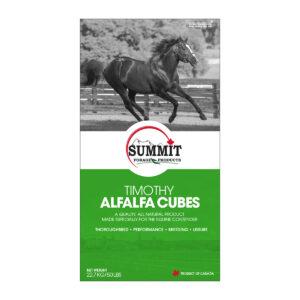
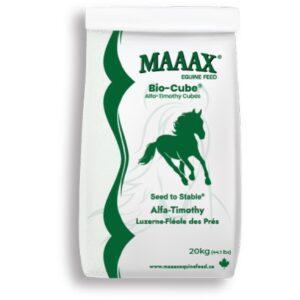
The following equine feeds, supplements and products contain Timothy Hay as an ingredient.
 Caloric Energy
 Fiber
Fiber Forage
 Protein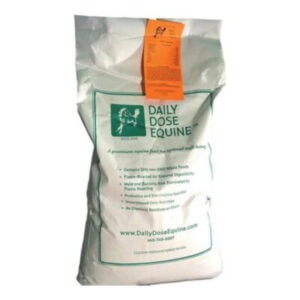
 Grains
 Gut Health
 Ration Balancer
 Vitamins
 Complete Feed
 FatFiber
 Weight Issues
 FiberForageGut Health
 Hay Stretcher
 FiberForageGut Health
 Low NSC Feeds
 DentalForageHay Stretcher
 Health
 FiberForage
 NutrientsProtein
 DentalFiberForage
 Nutrition
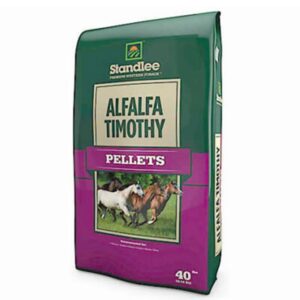
 ForageGut HealthHay StretcherHealth
 FiberForageGut HealthProtein
 HealthLow NSC Feeds
 Metabolic Syndrome
 Senior
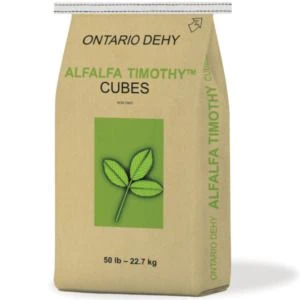
![Bio-Cube® Alfa-Timothy Cubes (MAAAX Equine Feed) – [Discontinued]](/wp-content/uploads/2019/12/Alfalfa-Cubes-MAAAX-Equine-Feed-1-300x300.jpg) FiberHay Stretcher
FiberHay Stretcher Hindgut
 Respiratory
 FiberForage
 IngredientWeight Issues
 Gut HealthLow NSC FeedsRation BalancerVitamins
 DigestionFiber
 FlavorNutrients
 FiberHealthNutrientsNutrition
 Complete FeedFiberGut HealthLow NSC Feeds
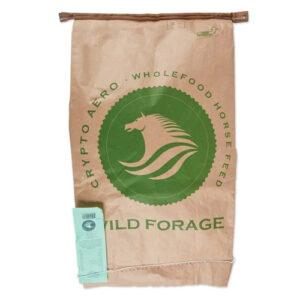 Fiber
Fiber Grain FreeHealthNutrition
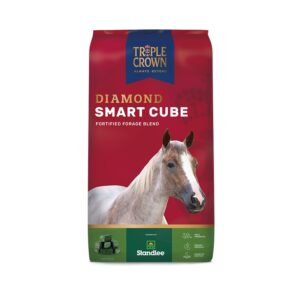 DentalForage
 PerformanceSenior
 FiberForageHealthLow NSC Feeds
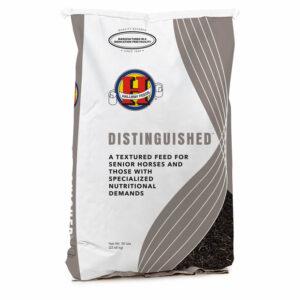 DigestionGut HealthNutritionSenior
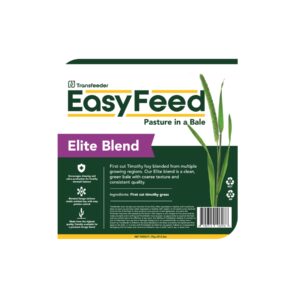 DigestionFiberForageHealth
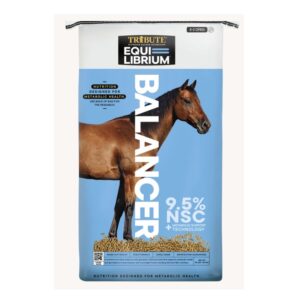 Metabolic Syndrome
 Mineral BalanceNutritionRation Balancer
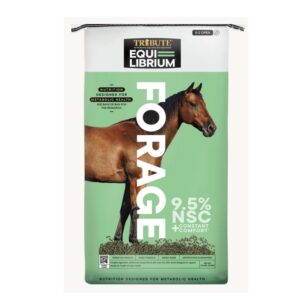 FiberHay StretcherNutritionSenior
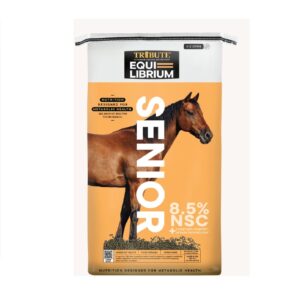 Complete FeedFlavorHay StretcherSenior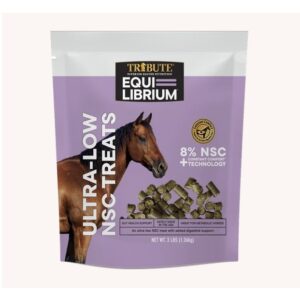
 Competition HorsesFiberGrain FreeSenior
 Caloric EnergyHealthNutrientsNutrition
 Caloric EnergyFiberHay StretcherNutrition
 FiberGut HealthLow NSC Feeds
 Ulcers
 Competition HorsesFiberGrain FreeLow NSC Feeds
 Easy KeeperHealthNutrientsWeight Issues
 Exercise
 JointsNutrients
 Recovery
 Caloric EnergyFatFiberPerformance
 DigestionFiberForageHealth
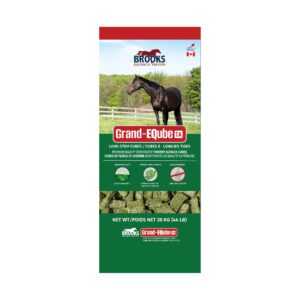 FiberForageHindgutPerformance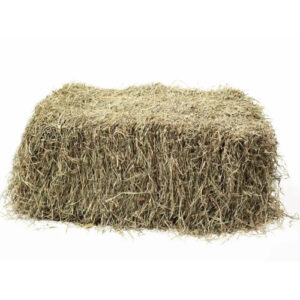
 EnergyFiberForageProtein
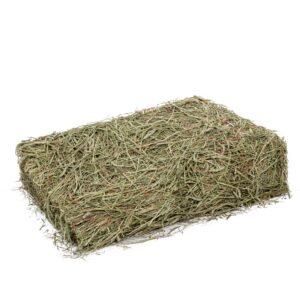 EnergyFiberForageProtein
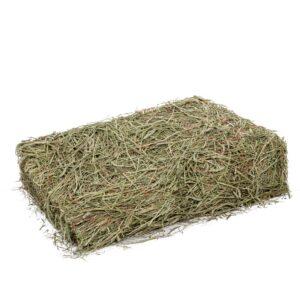 EnergyFiberForageNutrition
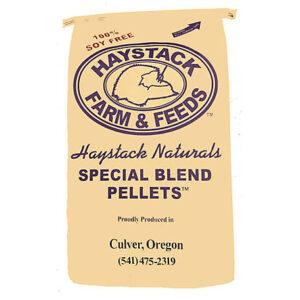 Complete FeedFatFiberGrain Free
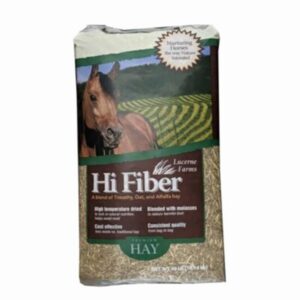 FiberForageGut HealthNutrients
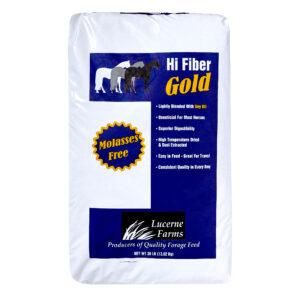 Caloric EnergyFiberForageProtein
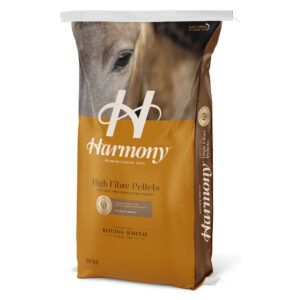 FiberHealthLow NSC FeedsNutrition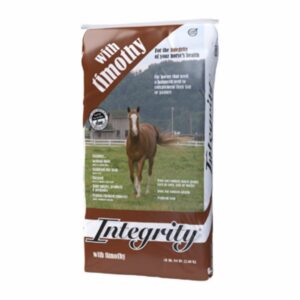
 Omega 3-6-9ProteinRation Balancer
 Yeast
Yeast Easy KeeperFiberForageNutrition
 Caloric EnergyHealthLow NSC FeedsNutrition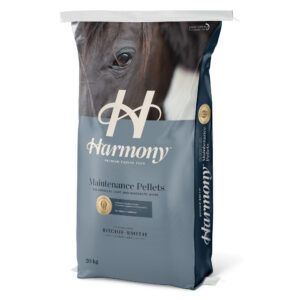
 GrowthHealthNutritionWeight Issues
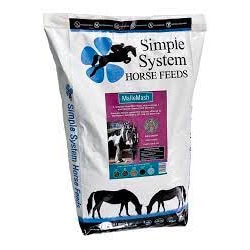 FiberHealth
 Immunity
 Skin + Hair
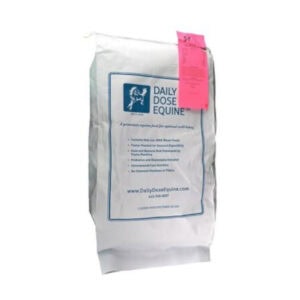 DigestionFiberForageWeight Issues
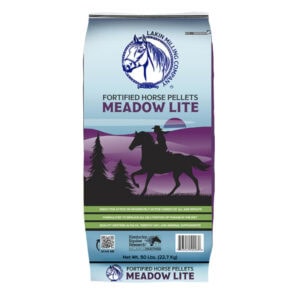 FiberLow NSC FeedsNutrientsPerformance
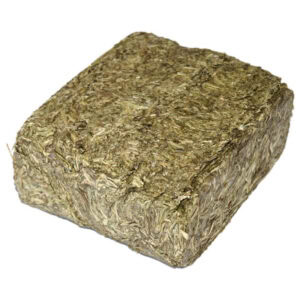 FiberForageHay StretcherIngredient
Timothy hay is a good forage option for many horses because it provides fiber to support normal gut motility, chewing activity, saliva production, and digestive function.
As a grass hay, Timothy is typically lower in protein, calcium, and digestible energy than legume hays such as alfalfa. This makes it a practical choice for many mature horses, easy keepers, and horses that do not need a calorie-dense forage.
The nutrient value of Timothy hay depends on maturity at harvest, growing conditions, curing, storage, and leaf-to-stem ratio. A hay analysis is the most accurate way to determine whether a specific batch is appropriate for your horse’s body condition, workload, and health status.
Timothy hay is used as a source of roughage and fiber in horse diets. Forage should form the foundation of the ration because the horse’s digestive tract is adapted for steady fiber intake throughout the day.
In formulated feeds and forage products, Timothy hay may be used as chopped hay, forage meal, cubes, or pellets. These forms make it easier to provide consistent fiber while keeping the ration lower in starch and sugar than many grain-based feeds.
Timothy hay is often selected when the diet needs more forage-based fiber without the higher protein and calcium levels typically supplied by alfalfa.
Timothy hay and alfalfa serve different roles in the diet. Timothy is a grass hay that is usually lower in protein, calcium, and digestible energy. Alfalfa is a legume hay that is usually richer in these nutrients. However, nutrient values can vary and should be confirmed by a forage analysis.
Timothy hay often fits mature horses at maintenance, easy keepers, and horses in light work. Alfalfa may be more useful for hard keepers, growing horses, lactating mares, and performance horses with higher protein or calorie requirements.
Many feeding programs use both forages together. Timothy hay can provide the main forage base, while a smaller amount of alfalfa can be added when the horse needs more protein, calcium, digestible energy, or palatability.
Timothy hay can be low, moderate, or high in sugar depending on the specific batch and growing conditions. Grass hay type alone does not reliably predict non-structural carbohydrate content.
Sugar and starch levels are influenced by plant maturity, weather, time of cutting, curing conditions, fertilization, and storage. Later-cut Timothy hay is often stemmier and lower in digestible energy, but testing is still needed to confirm the actual sugar and starch content.
For horses with insulin dysregulation, equine metabolic syndrome, PPID, obesity, or laminitis risk, Timothy hay should be selected based on forage analysis. The key values to review are sugar, starch, digestible energy, and mineral balance.
Timothy hay can be appropriate for horses with laminitis risk or metabolic concerns when the analysis shows that sugar, starch, digestible energy, and minerals fit the horse’s needs.
Some Timothy hay works well in controlled-carbohydrate diets, while other batches may provide too much sugar or digestible energy for horses that require stricter management. This variation is why hay testing is especially important for metabolic horses.
For these horses, forage should be chosen based on hay analysis, body condition, insulin status, workload, pasture access, and the rest of the feeding program. Mature grass hay is often useful, but the specific nutrient profile matters more than the hay name.
Most horses should receive at least 1.5% of body weight per day in forage dry matter. Many horses do best closer to 2% of body weight, depending on workload, body condition, turnout, and weight goals.
For a 500 kg (1,100 lb) horse, this equals approximately 7.5–10 kg (16.5–22 lb) of forage dry matter per day. Because hay contains some moisture, the amount fed as-is is usually slightly higher than the dry matter amount.
Easy keepers may need controlled intake if free-choice hay leads to weight gain. Hard keepers, lactating mares, growing horses, and horses in heavier work may need higher-quality forage, more total forage, or additional calorie sources.
Timothy hay can support weight gain when the horse eats enough of it and the hay provides adequate digestible energy. Softer, leafier Timothy hay is generally more digestible and more calorie-dense than late-cut, stemmy hay.
For hard keepers, Timothy hay may not provide enough calories on its own. These horses may need higher-quality forage, alfalfa, beet pulp, oil, a fortified feed, or amino acid support depending on the reason they are underweight.
If a horse is losing weight despite good forage access, the feeding program should be reviewed along with dental function, parasite control, workload, digestive health, and underlying medical concerns.
Timothy hay is often a useful forage for overweight horses because it is usually less calorie-dense than alfalfa or very leafy early-cut grass hay.
However, its effect on body condition depends on how much the horse eats and how digestible the hay is. A horse can still gain weight on Timothy hay if it is highly digestible, fed free-choice, or combined with unnecessary concentrates or calorie-dense supplements.
For overweight horses, the best approach is to test the hay, control intake when needed, use slow feeders where appropriate, and balance vitamins and minerals without adding unnecessary starch, sugar, or calories.
Timothy hay can provide enough protein for some mature horses at maintenance, but it may not meet requirements for horses with higher protein needs.
Growing horses, lactating mares, senior horses losing topline, and horses in harder work often need more protein or more specific amino acid support than Timothy hay provides on its own. Lysine, methionine, and threonine are the amino acids most often evaluated when assessing protein quality in equine diets.
Protein adequacy depends on the hay’s crude protein level, total forage intake, protein digestibility, and amino acid profile. A hay analysis helps determine whether the ration needs additional protein or targeted amino acid supplementation.
Timothy hay can be suitable for senior horses that can still chew long-stem forage effectively. For older horses, dental function is often more important than age when deciding whether long-stem hay is appropriate.
Senior horses with worn, missing, or painful teeth may drop partially chewed hay, take longer to finish meals, or lose weight even when hay is available. These horses may maintain forage intake more easily with chopped Timothy hay, soaked Timothy cubes, or soaked Timothy pellets.
Processed forage can help support fiber intake when chewing becomes difficult, but the rest of the ration still needs to supply adequate calories, protein quality, vitamin E, and minerals based on the horse’s body condition and workload.
Timothy hay pellets are a useful forage-based fiber source for horses. They are made by grinding dried Timothy hay into a uniform meal and compressing it into pellets.
This format is convenient, consistent, and easy to store. Timothy pellets are commonly used for senior horses, horses with dental issues, horses that waste long-stem hay, or situations where forage quality is difficult to manage.
Because the hay is ground before pelleting, pellets are eaten faster and require less chewing than long-stem hay. They can contribute fiber to the diet, but they do not provide the same long-stem structure, chewing time, or foraging behaviour as hay.
Timothy pellets can replace part of the hay ration and may be used as a primary forage source for horses that cannot chew long-stem hay adequately.
They are most useful for senior horses, horses with dental problems, horses that waste hay, or horses that need a more controlled forage source. They can also help when hay quality is inconsistent, storage space is limited, or long-stem forage is not practical.
When pellets replace a large portion of the forage ration, feeding management becomes more important because pellets are consumed more quickly than hay. Horses may need smaller, more frequent meals, soaked pellets, slow-feeding strategies, and close monitoring of body condition, manure quality, water intake, and total forage intake.
Timothy hay pellets do not need to be soaked for every horse, but soaking is recommended for horses that eat quickly, have dental issues, have a history of choke, or need a softer feed texture.
Soaking allows the pellets to expand and soften before feeding. This makes them easier to chew and swallow, and it may improve acceptance for horses that prefer a mash.
Use enough water for the pellets to fully soften and break apart before feeding. Soaked pellets should be fed fresh, especially in warm weather, and leftovers should be discarded if they become sour, fermented, frozen, or contaminated.
The main difference between Timothy hay, pellets, and cubes is particle size and chewing time. Timothy hay is long-stem forage and provides the most chewing time, which helps support normal foraging behaviour and saliva production.
Timothy pellets are made from finely ground hay compressed into small pellets. They are convenient, consistent, and easy to feed, but they are consumed more quickly than long-stem hay.
Timothy cubes are coarser than pellets and usually require more chewing. They can be useful for horses that need processed forage but benefit from a larger particle size than pellets provide.
First-cut and second-cut Timothy hay can both be appropriate for horses. The better choice depends on body condition, chewing ability, workload, and the nutrient profile of the specific hay.
First-cut Timothy hay is often more mature, stemmier, and lower in protein and calories. This can make it useful for easy keepers or horses that need more chewing time without excess digestible energy.
Second-cut Timothy hay is often softer, leafier, and more nutrient-dense. This may be useful for horses that need better palatability, easier chewing, or additional calories. Cutting gives a general indication of maturity, but hay analysis provides a more accurate comparison of protein, sugar, starch, digestible energy, fiber, and minerals.
Timothy hay and orchard grass are both cool-season grass hays commonly used in horse diets. Either forage can be appropriate depending on the horse and the nutrient profile of the hay.
Timothy hay is often coarser depending on maturity, while orchard grass is often softer and more palatable. However, nutrient content can vary widely in both forages based on cutting, maturity, weather, and harvest conditions.
When comparing Timothy hay and orchard grass, forage analysis is more useful than species alone. The best option is the hay that matches the horse’s needs for sugar, starch, protein, digestible energy, fiber, and minerals.
Timothy hay is usually lower in calcium than alfalfa. This can be useful for horses that do not need a high-calcium forage, but total calcium intake still needs to be evaluated across the full ration.
Horses need more calcium than phosphorus in the total diet. Whether Timothy hay supplies enough calcium depends on the hay analysis, the amount of forage consumed, and any other feeds or supplements included in the ration.
Calcium should be assessed as part of the complete mineral program rather than in isolation. Phosphorus, magnesium, sodium, copper, zinc, selenium, iodine, and vitamin E are also commonly reviewed when balancing a forage-based diet.
Timothy hay can support stomach health by encouraging chewing and saliva production. Saliva helps buffer stomach acid during forage intake, which is one reason frequent forage access is important for horses.
Alfalfa typically provides more calcium and protein than Timothy hay and may offer additional buffering support when used strategically in the diet. Timothy hay can still be part of a gastric-supportive feeding program when it helps maintain consistent forage intake and reduces long periods without feed.
Horses with suspected gastric ulcers should be evaluated by a veterinarian. Forage management can support stomach health, but it does not replace diagnosis or treatment when ulcers are present.
Most horses eating Timothy hay still need a vitamin and mineral supplement or ration balancer. Hay provides fiber and some nutrients, but it rarely supplies every required vitamin and mineral in the correct amounts.
Common gaps in forage-based diets include copper, zinc, selenium, iodine, sodium, and vitamin E. These gaps depend on region, soil, forage species, maturity, harvest conditions, and storage.
The most accurate approach is to test the hay and balance the ration around it. This helps correct nutrient deficiencies without adding unnecessary calories, starch, or sugar.
All-In-One Vitamin & Mineral Pellet

Advanced Gut Health Supplement

DHA-Enriched Fat Supplement
All-In-One Vitamin & Mineral Pellet

All-In-One Vitamin & Mineral Powder

Enhanced Vitamin & Mineral Pellet
Advanced Gut Health Supplement

Probiotic & Prebiotic Supplement

High-Potency 5-Strain Probiotic
All-In-One Vitamin & Mineral Pellet
Enhanced Vitamin & Mineral Pellet

Hoof, Skin & Coat Support

Extra-Strength Omega-3 Oil

Joint Health Supplement
DHA-Enriched Fat Supplement
DHA-Enriched Fat Supplement
All-In-One Vitamin & Mineral Pellet

Organic Trace Mineral Blend
Enhanced Vitamin & Mineral Pellet

Mood & Hormone Support

Metabolic Health Formula
Mood & Hormone Support

Muscles & Nerve Support
Advanced Gut Health Supplement
Advanced Gut Health Supplement

Respiratory & Performance Supplement

Essential Amino Acid Blend
Essential Amino Acid Blend
Muscles & Nerve Support

Performance & Muscle Support
Respiratory & Performance Supplement
DHA-Enriched Fat Supplement

Immune & Respiratory Support





