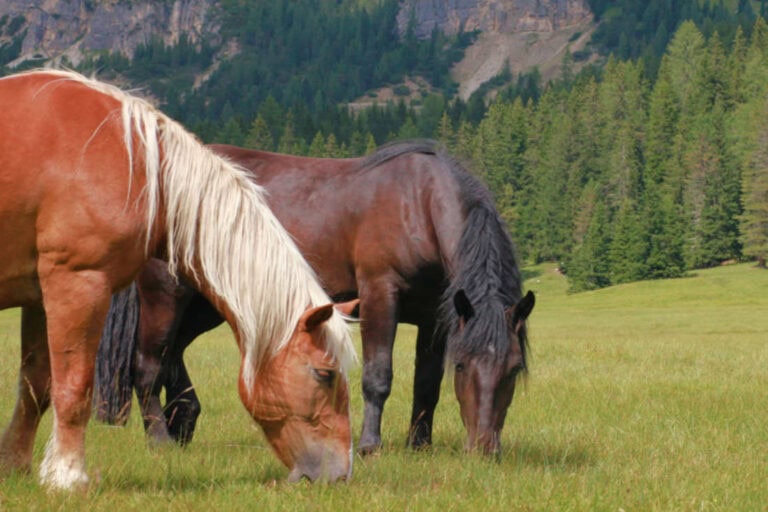
The equine stress response is a normal part of how horses recognize and react to challenges in their environment. Sudden noises, travel, social changes, unfamiliar surroundings, physical demands, pain, illness, and changes in routine can all activate biological systems that...
A tracheostomy in horses refers to a surgical opening created in the windpipe to help a horse breathe when airflow through the upper airway is severely restricted. It may be performed as an emergency procedure for sudden airway obstruction or...
Aging horses by their teeth is a practical way to estimate a horse's age by evaluating patterns of tooth eruption, replacement, and wear. Because equine teeth change throughout life, they can provide useful clues about a horse's stage of development,...
Free-roaming horses still live in North America, and the wild herds that survive today have a complex history. These horses are generally descended from domestic horses brought by European explorers and settlers, some of which escaped or were released and...
Respiratory noises in horses can signal a problem with airflow through their nose, throat, or lungs. While some breathing sounds are subtle, persistent or unusual noises may suggest irritation, inflammation, mucus buildup, airway narrowing, or another respiratory concern that needs...
The temporomandibular joint (TMJ) in horses is a paired joint that connects the lower jaw to the skull and helps coordinate the movements needed for chewing. Working together with the teeth, tongue, cheeks, and chewing muscles, the TMJ allows the...
SGLT2 inhibitors are emerging as a novel therapeutic option in equine medicine, particularly for horses and ponies affected by severe insulin resistance and endocrinopathic laminitis. Interest in these medications has increased rapidly in recent years as veterinarians look for additional...
The horse's jaw is a complex structure that plays a central role in eating, chewing, digestion, and overall wellbeing. Every jaw movement relies on the coordinated action of bones, teeth, muscles, joints, nerves, and soft tissues working together to process...
Global horse populations are shaped by agriculture, transportation, sport, recreation, and cultural traditions across many regions of the world. For horse owners, understanding where horses live and how their numbers are changing provides useful insight into the broader role of...
Prednisone and prednisolone are corticosteroid medications used in veterinary medicine to reduce inflammation and suppress abnormal immune responses. Prednisolone is generally preferred in horses because it is the active form of the medication and is absorbed more reliably than prednisone....
Rider position influences how a horse balances, moves, and clears fences in jumping performance. While jumping ability often appears to depend on the horse alone, research and training principles consistently show that the rider’s position directly affects equine biomechanics. During...
Digoxin is a prescription cardiac medication used for horses in selected cases of congestive heart failure and certain abnormal heart rhythms, especially atrial fibrillation. Because it affects both the strength of heart contractions and the way electrical signals move through...
Most horse owners associate digestive discomfort in their horse with gastric ulcers before considering any other condition. Ulcers are common, well-known, and widely discussed by horse owners, but they aren’t the only gut issue that can cause colic, behavior changes,...
Ear plugs for horses are a simple tool designed to reduce noise and help horses stay focused in stimulating environments. Whether used during competitions, trailering, clipping, or other high-noise situations, they work by dampening sound rather than completely blocking it....
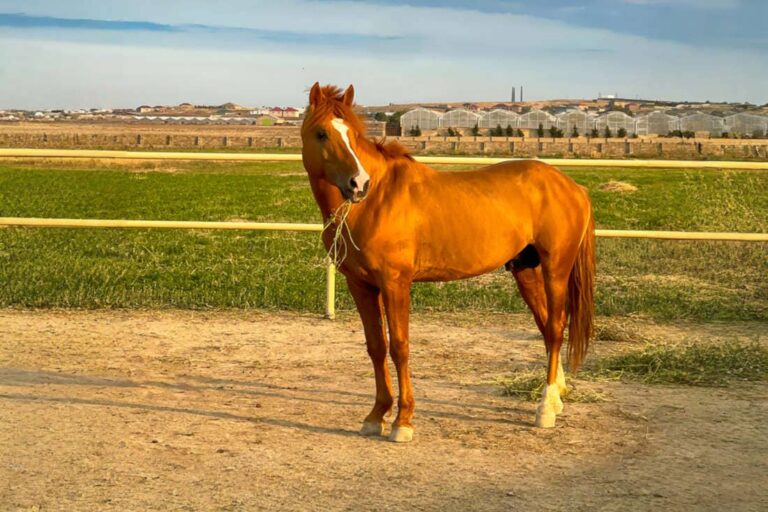
The Karabakh horse is a rare light riding breed from the Karabakh region of present-day Azerbaijan, known for its athleticism, responsiveness, and distinctive golden sheen. Shaped by centuries of breeding in a mountainous landscape, this breed developed as an agile,...
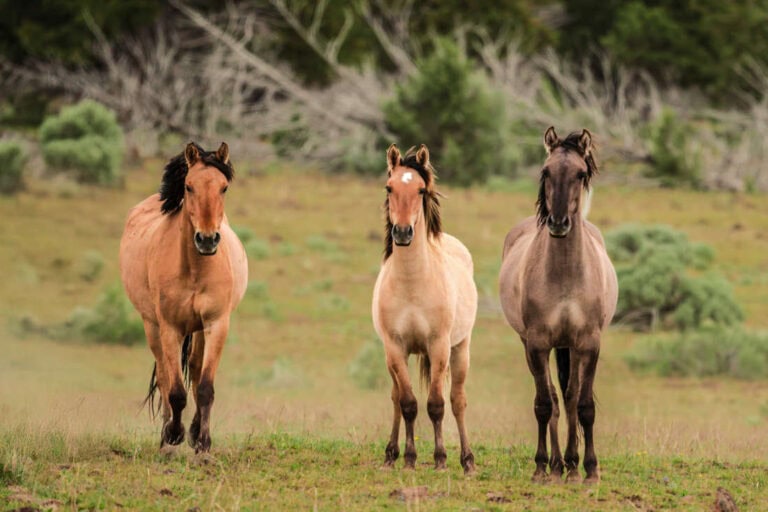
The Kiger Mustang is a rare American Mustang strain from southeastern Oregon, known for its dun coloring, primitive markings, and strong Spanish-type appearance. Closely associated with the Kiger and Riddle Mountain herd management areas, these horses have attracted lasting interest...
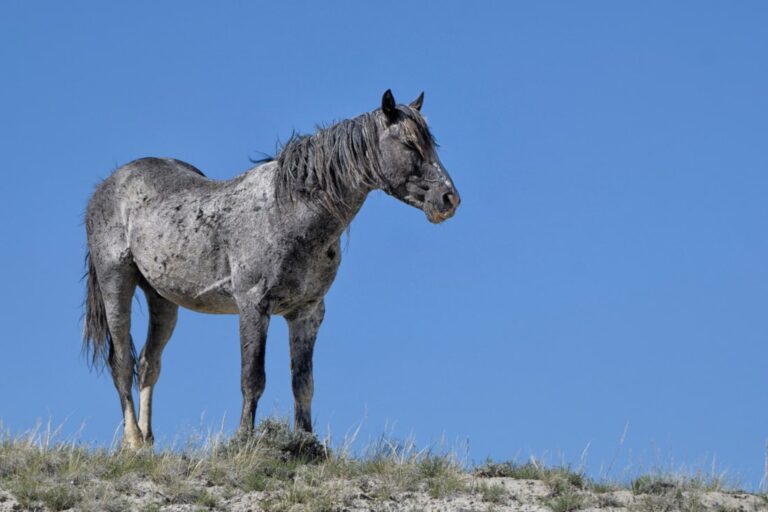
The Nokota horse is known for its intelligence, endurance, and unmistakable blue roan coloring, these horses are living symbols of the American frontier. They have long captured the imagination of conservationists, historians, and horse lovers alike for their unique blend...
Kicking in horses is a natural defensive and social behavior rooted in equine survival instincts. As prey animals, horses use kicking to create distance from perceived threats, communicate discomfort, and establish boundaries with other horses. While normal in many situations,...
Horses are naturally social animals that evolved to live in stable herd groups. In domestic settings, however, some horses are housed alone due to facility limitations, injury recovery, quarantine protocols, behavioral concerns, or the loss of a companion. While short-term...
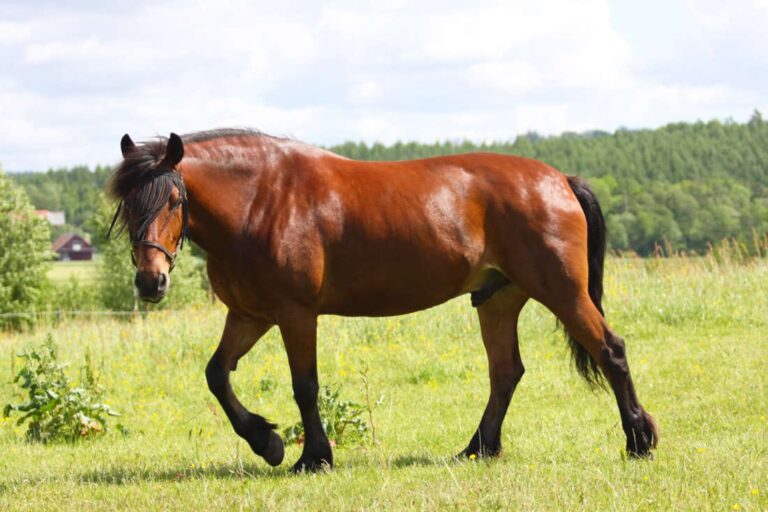
The North Swedish horse is a traditional cold-blooded breed from northern Sweden, developed for strength, endurance, and reliability in forestry and agricultural work. Shaped by generations of use in rugged terrain and harsh climates, these horses are known for their...
Periodontal disease in horses is a common dental condition involving inflammation and infection of the tissues that support the teeth, including the gums, ligament, and surrounding bone. It often develops gradually and may go unnoticed in the early stages, allowing...
Bismuth subsalicylate is a gastrointestinal medication that may be prescribed for horses as a supportive therapy for diarrhea and intestinal irritation. Although widely available over-the-counter for human use, its use in horses is off-label and should only be administered under...
The Albanian Horse is a small native breed from the Balkans and the only horse breed Indigenous to Albania. Varied geography and regional uses led to the emergence of two types: the smaller Mountain type and the slightly larger Myzeqea...
Gastrobim® is a prescription omeprazole oral paste used in horses for the treatment of gastric ulcers and prevention of ulcer recurrence. Omeprazole reduces stomach acid, helping create conditions that support healing of ulcerated tissue in the stomach lining. Equine Gastric...
Equine rhinitis viruses A and B (ERAV and ERBV) are contagious respiratory viruses that commonly infect horses worldwide. These infections are a frequent cause of mild respiratory illness, particularly in young horses and those housed in group settings such as...
Omeprazole is a cornerstone of managing gastric ulcers in horses, working to reduce stomach acid and promote healing. Equine Gastric Ulcer Syndrome (EGUS) is extremely common, particularly in performance horses exposed to intensive training, travel, and dietary challenges. In equine...
Fluoxetine, commonly known by the trade name Prozac®, is a medication increasingly discussed in equine practice as an option for managing behavioral challenges in horses. As a selective serotonin reuptake inhibitor (SSRI), it works by increasing serotonin levels in the...
Spasmodic colic is one of the most common — and typically milder — forms of colic in horses. It occurs when the muscles of the intestines contract suddenly and irregularly, causing brief episodes of abdominal discomfort. This type of colic...
Beer is sometimes discussed in horse care, particularly in working barns and hot climates where it has been used as a traditional remedy. Horse owners may offer small amounts for reasons such as encouraging appetite, supporting digestion, or mitigating heat...
Caffeine toxicity in horses is an uncommon but important condition that can occur when horses are exposed to coffee by-products, cocoa materials, or contaminated feed. While caffeine is widely recognized as a stimulant in humans, its effects in horses have...