English

Electrolyte imbalance in horses occur when key minerals in the blood, such as sodium, potassium, and calcium, rise above or fall below their healthy ranges. Electrolytes are essential for maintaining fluid balance, transmitting nerve signals, and supporting normal muscle function in horses.
An electrolyte imbalance can develop following a hard workout or a particularly hot afternoon when a horse sweats profusely. The horse may seem unusually tired, recover slowly, or develop mild muscle twitching or cramping. Signs often improve once the horse is rehydrated and receives electrolyte supplementation. [1]
Horses with underlying medical conditions, those participating in endurance events, or those experiencing illness may develop more serious electrolyte imbalances that impair performance and normal physiological function. Severe electrolyte imbalances can be life-threatening.
Keep reading to learn what electrolytes do, what causes electrolyte imbalances in horses, and how to recognize the signs. You’ll also learn how to estimate electrolyte losses through sweating and how to supplement electrolytes appropriately.
Electrolyte Imbalance in Horses
Electrolytes are minerals that carry an electric charge when they are dissolved in body fluids. The major electrolytes in the horse’s body include: [2]
Each of these compounds plays a distinct role in nerve signaling, muscle contraction, and fluid balance. [2] For example, sodium, potassium, and chloride help regulate hydration status, blood volume, and electrical activity in nerve and muscle cells.
Calcium and magnesium are also involved in muscle contractions, with calcium being required to initiate muscle contractions, while magnesium helps regulate muscle relaxation. [2] Bicarbonate acts as a buffer, helping maintain normal blood pH by neutralizing excess acids. [2]
An electrolyte imbalance occurs when the concentration of one or more electrolytes in the blood falls outside the normal physiological range. These changes can lead to poor exercise tolerance, muscle weakness, or behavioral changes in affected horses. [2]
Electrolytes are regulated primarily by the kidneys, which control how much of each electrolyte is retained or excreted in the horse’s urine. The brain is also involved in this process by detecting electrolyte levels in the blood, stimulating thirst, and releasing antidiuretic hormone (ADH). ADH reduces how much water is excreted by the kidneys to maintain fluid balance and electrolyte levels. The hormone aldosterone also regulates how electrolytes are excreted.
Electrolytes are absorbed from the digestive tract and are excreted through urine, feces, and sweat. During exercise or hot weather, horses can lose substantial amounts of sodium, chloride, and potassium through sweating. [2][3]
Imbalances can develop when losses are not adequately replaced or when illness interferes with normal electrolyte regulation. The severity of an imbalance depends on which electrolytes are affected, the extent of the disturbance, and how rapidly it develops.
Severe imbalances can impair muscle and nerve function, cause dehydration, and require veterinary treatment. [2][1]
What's your top priority with your horse's health?

What's your top priority with your horse's health?
Electrolytes & Their Roles in the Horse’s Body
Electrolytes are essential for various physiological functions in the horse’s body, and changes in their concentrations can produce distinct signs of imbalance.
The major electrolytes can be grouped according to their primary physiological roles: [2]
- Sodium & Chloride: Regulation of fluid balance and blood volume
- Potassium: Maintenance of cellular electrical activity and muscle function
- Calcium & Magnesium: Regulation of muscle contraction and nerve signaling
- Bicarbonate: Maintenance of acid-base balance and blood pH
Sodium & Chloride
Sodium (Na⁺) is the primary positively charged ion in extracellular fluid, including blood plasma. It is essential for maintaining blood volume, regulating thirst, and transmitting electrical signals in nerve and muscle cells. [2][4]
Chloride (Cl⁻) is the primary negatively charged ion in extracellular fluid. It contributes to fluid regulation and acid-base balance and is required for the production of hydrochloric acid in the stomach. [1]
Both minerals are lost in substantial quantities through sweat. Excessive losses can contribute to dehydration and reduced blood volume. Sodium depletion can also reduce the stimulus for thirst, potentially limiting water intake even when a horse is dehydrated. [1][2]
Sodium and chloride are supplied together in salt (sodium chloride). Equine diets typically do not provide enough sodium to meet a horse’s daily requirements without supplemental salt.
Nutritionists recommend adding at least 2 tablespoons (30 grams) of plain loose salt to the daily ration of a 500 kg (1,100 lb) horse. Horses should also have access to free-choice salt and fresh, clean water at all times.
Potassium
Potassium (K⁺) is the primary positively charged ion inside cells. It is essential for maintaining the electrical potential across cell membranes and regulating nerve signaling and muscle contraction. Changes in potassium concentrations affect the ability of muscle cells to contract and relax normally. [2]
Forage-based diets generally provide adequate potassium, making dietary deficiency uncommon in healthy horses. However, horses can lose significant amounts of potassium through sweat during prolonged exercise, increasing their replacement needs. [3]
Potassium intake needs to be carefully managed in horses with hyperkalemic periodic paralysis (HYPP), a genetic disorder affecting muscle cell ion channels. In affected horses, elevated blood potassium concentrations can trigger episodes of muscle tremors, weakness, and paralysis. [5]
Calcium & Magnesium
Calcium (Ca²⁺) is a macromineral that is required for nerve transmission and muscle contraction. Calcium ions initiate the interaction between muscle proteins responsible for contraction.
Most calcium in the body is stored in the skeleton as part of bone tissue, but the concentration of ionized calcium in the blood and within muscle cells must be closely maintained for normal neuromuscular function. [2]
Magnesium (Mg²⁺) is another macromineral involved in nerve signaling, muscle relaxation, and cellular energy metabolism. It acts as a cofactor for a variety of enzymes, including those involved in ATP production, and helps regulate calcium activity within muscle cells. [6]
Both minerals are present in equine sweat, but at much lower concentrations than sodium, chloride, and potassium. Imbalances in calcium and magnesium are more commonly associated with dietary deficiencies or underlying health conditions that affect their absorption, metabolism, or regulation in the body. [3]
Significant disturbances in calcium and magnesium concentrations can impair normal muscle function. For example, low ionized calcium concentrations are associated with synchronous diaphragmatic flutter (thumps), a condition characterized by involuntary contractions of the diaphragm synchronized with the horse’s heartbeat. [6][7]
Bicarbonate & Acid-Base Balance
Bicarbonate (HCO₃⁻) is a negatively charged ion that functions as one of the body’s primary chemical buffers.
It helps maintain normal blood pH by binding hydrogen ions and limiting increases in acidity. Bicarbonate concentrations are maintained through the regulation of carbon dioxide removal by the lungs and acid-base balance by the kidneys. [2]
Prolonged sweating can disrupt acid-base balance because of the substantial loss of chloride which creates and imbalance between chloride and bicarbonate levels. This can contribute to metabolic alkalosis, a condition in which blood pH becomes abnormally elevated.
Metabolic alkalosis is a key concern in endurance horses experiencing substantial electrolyte losses. In contrast, short periods of intense anaerobic exercise can produce metabolic acidosis associated with increased lactate and hydrogen ion concentrations. [1][2]
Signs of Electrolyte Imbalance in Horses
The signs of electrolyte imbalance vary depending on the specific minerals affected and the severity of the imbalance. Other health conditions affecting the horse can also influence the symptoms observed. [2]
In the early stages, signs are often nonspecific, meaning that they are difficult to distinguish from those of other health conditions.
Affected horses may appear dull or lethargic, have poor performance, recover more slowly after training, or show less interest in feed or water. [1][2] Horses can also exhibit mild muscle twitching around the flank or hindquarters before more pronounced signs become apparent. [2][6]
Changes in manure and urine output can indicate disturbances in hydration and electrolyte balance. Diarrhea can increase fluid and electrolyte losses, and reduced urine production may occur with dehydration. [2][8][9]
The following are some of the most common signs of electrolyte imbalance in horses:
- Decreased appetite
- Fatigue
- Reduced exercise tolerance
- Decreased water intake
- Muscle twitching or tremors
- Muscle cramping or stiffness
- Muscle weakness
- Changes in urine output
- Incoordination or ataxia
- Irregular heartbeat
- Collapse
Severe electrolyte imbalances can be life-threatening and requires immediate veterinary assessment. Significant disturbances in electrolyte concentrations can lead to severe muscle tremors, tetany, cardiac arrhythmias, and collapse. [2][5][6]
Horses experiencing severe dehydration, prolonged sweating, or illness may be at increased risk of significant electrolyte disturbances. [1][2] Owners should monitor these horses closely for signs of neurological, muscular, or cardiovascular dysfunction and seek prompt veterinary attention if these occur.
Signs During & After Exercise
In otherwise healthy horses, electrolyte imbalances are commonly associated with prolonged or strenuous exercise, particularly in hot and humid weather. Heavy sweating increases the loss of electrolytes, potentially leading to imbalances if these minerals are not adequately replaced.
Owners should monitor their horses for unusual fatigue or reduced exercise capacity during and after exercise.
A horse that struggles to maintain its usual workload or exhibits a higher heart rate than normal at a given workout intensity could have an underlying medical condition or electrolyte imbalance affecting performance.
Other signs to watch for include slow recovery, muscle cramping in the hindquarters, or shortened or stiff strides. Inadequate rehydration and significant electrolyte losses can also cause the horse’s heart rate and respiratory rate to remain elevated above baseline for longer than normal. [1]
One of the more distinctive signs of electrolyte imbalance is thumps, or synchronous diaphragmatic flutter. This occurs when low blood calcium increases the excitability of the phrenic nerve, which controls the diaphragm, causing involuntary contractions synchronized with the heartbeat. [6][7]
The result is a visible twitch or an audible thump in the flank that coincides with each heartbeat. This condition is most commonly observed in horses that sweat heavily during prolonged exercise, particularly endurance horses exercising in hot weather. [6]
Causes of Electrolyte Imbalance in Horses
Electrolyte imbalances in horses are most commonly associated with three factors: [1][2][4]
- Excessive electrolyte losses through sweating
- Fluid and electrolyte losses due to illness
- Inadequate dietary electrolyte intake or water consumption
Electrolyte imbalances can also result from underlying genetic or metabolic conditions that affect electrolyte regulation. [2][5]
Sweating During Exercise & Heat
Sweating is the primary mechanism horses use to regulate body temperature, but it is also a major source of electrolyte loss. During strenuous exercise in hot weather, horses can produce up to 15 liters of sweat per hour. [4]
Equine sweat contains substantial amounts of sodium, chloride, and potassium, as well as smaller amounts of calcium and magnesium. Unlike human sweat, equine sweat is hypertonic, meaning it has a higher concentration of electrolytes than blood plasma. [4]
Horses lose more electrolytes for a given volume of sweat than humans do. Because horses can also produce large volumes of sweat during exercise or in hot weather, these losses can be substantial, increasing their risk of electrolyte depletion and imbalance.
Electrolyte losses through sweat increase with exercise duration and intensity, particularly in hot and humid conditions. These losses must be replenished through supplementation to maintain electrolyte balance and support recovery. [1][4]
Owners can use Mad Barn’s Equine Electrolyte Calculator to estimate their horse’s sweat volume and electrolyte losses based on exercise duration, weather conditions, and observed sweating. This tool helps you determine how much salt and additional electrolytes your horse needs after exercise to replace a substantial portion of sweat losses and maintain normal electrolyte balance.
Illness & Fluid Loss
Diarrhea, colitis, and other gastrointestinal diseases can cause substantial fluid and electrolyte losses. One study of horses with experimentally induced diarrhea found that sodium was lost primarily through the feces, while potassium was lost primarily through urine. [8]
Kidney disease and prolonged colic can also contribute to fluid and electrolyte imbalances. Horses experiencing severe or ongoing fluid losses due to illness require prompt veterinary care, as oral fluid and electrolyte replacement may be insufficient to correct these losses. [2]
Illness can also affect how the body regulates potassium. Reduced feed intake, gastrointestinal disease, and certain medications can cause low blood potassium (hypokalemia). In contrast, impaired kidney function, urinary tract disruption, and severe muscle damage can cause elevated blood potassium (hyperkalemia). [15]
Inadequate Water Intake
Inadequate water intake can contribute to electrolyte imbalances by changing the concentration of minerals in the blood. When horses lose more water than sodium, blood sodium concentrations can become abnormally elevated, a condition known as hypernatremia. [15]
Hypernatremia can develop in horses with restricted water access, severe sweating, or illnesses that cause excessive fluid loss. Unlike electrolyte deficiencies, these imbalances require replacement of lost water rather than additional salt supplementation. [15]
Dietary Deficiencies or Excesses
Horses must consume electrolytes in their diet to meet their nutritional requirements and replace normal losses through urine, feces, and sweat. If dietary intake is insufficient, electrolyte deficiencies can develop over time.
Forage generally provides enough potassium, magnesium, and calcium to meet the requirements of most horses. However, forage is typically low in sodium, making supplemental salt necessary to meet daily sodium requirements. [9][10]
Horses that exercise or sweat heavily have higher electrolyte requirements. Without adequate dietary intake or supplementation, these additional losses increase the risk of electrolyte depletion.
Excessive electrolyte intake can also contribute to imbalances. In healthy horses, the kidneys regulate electrolyte concentrations by adjusting how much fluid and electrolytes are excreted in urine. This allows horses to eliminate excess electrolytes when adequate water is available.
However, excessive supplementation may cause imbalances, particularly in horses with restricted water intake or impaired kidney function.
Genetic & Metabolic Conditions
In some cases, electrolyte imbalances develop as a secondary consequence of medical conditions that affect how the body regulates electrolytes.
For example, hyperkalemic periodic paralysis (HYPP) is an inherited muscle disorder that affects sodium channels in muscle cells. Affected horses can experience episodes of elevated blood potassium, muscle tremors, and weakness. Dietary potassium intake can influence the frequency and severity of these episodes. [5]
Other conditions can also disrupt electrolyte balance.
Lactating mares are also susceptible to low blood calcium (hypocalcemia) when calcium losses through milk production exceed the body’s ability to maintain normal blood concentrations of this mineral.
Diagnosing Electrolyte Imbalances
Your veterinarian will assess your horse for electrolyte imbalances by reviewing their medical history and performing a physical examination.
They will ask about your horse’s feeding program, exercise routine, sweat losses, appetite, water intake, and any signs of illness such as diarrhea or colic. [1][2]
Some clinical signs, such as thumps, are strongly suggestive of an electrolyte imbalance, while others are less specific. [2]
Bloodwork is used to confirm the diagnosis by identifying electrolyte abnormalities. Blood tests may measure: [2]
- Sodium
- Potassium
- Chloride
- Calcium
- Magnesium
Additional blood tests may assess kidney function and acid-base balance to help identify the cause of the imbalance.
Blood tests may also distinguish between total calcium and ionized calcium, the biologically active form of the mineral. Horses with low blood albumin may have reduced total calcium concentrations even when ionized calcium remains normal. Measuring ionized calcium can help determine whether a horse has a clinically significant calcium deficiency. [15]
If an underlying illness is suspected, your veterinarian may recommend further testing, such as a fecal examination or abdominal ultrasound, to identify the cause. [2]

Treating Electrolyte Imbalance in Horses
Treatment for horses with electrolyte imbalances depends on the severity of the imbalance, its underlying cause, and any associated symptoms or complications.
Mild cases often resolve with supportive care at home, while severe cases need immediate veterinary intervention and may require hospitalization. [1][2]
Mild to Moderate Cases
Most horses with mild to moderate electrolyte imbalances have a good prognosis. [7] Treatment focuses on replacing lost fluids and electrolytes to restore normal hydration and electrolyte balance.
For mild imbalances following exercise or heat stress, oral electrolyte supplements mixed into water or added to feed alongside ample water can help replace lost minerals. [9][10]
Isotonic oral rehydration solutions can also help replace lost fluids and electrolytes. In one small study, these solutions restored hydration more effectively than water alone. [11] Some formulations contain carbohydrates, such as dextrose, which have been shown to enhance fluid and electrolyte absorption in the small intestine. [12]
Avoid giving concentrated electrolyte pastes to horses on an empty stomach. Hypertonic pastes can irritate the stomach lining, particularly with repeated use. Horses with gastric ulcers may be more susceptible to this irritation. [13]
Severe Cases
Severe electrolyte imbalances require veterinary treatment and ongoing monitoring. Treatment may include intravenous fluids formulated to correct the specific electrolyte abnormalities identified through bloodwork. [1][7]
Severe potassium imbalances can disrupt the electrical activity of the heart, causing potentially life-threatening cardiac arrhythmias. Horses with significant potassium abnormalities require close veterinary monitoring during treatment. [15]
Horses with thumps caused by low blood calcium often respond quickly to calcium administered intravenously by a veterinarian. Additional electrolyte replacement may be necessary depending on blood test results. [6][7]
Horses with severe electrolyte imbalances associated with illness or exhaustion may require hospitalization and repeated blood tests to monitor their response to treatment. Some imbalances must be corrected gradually to avoid complications. [1][7] For example, rapidly lowering blood sodium concentrations in horses with hypernatremia can cause cerebral edema, a potentially life-threatening accumulation of fluid in the brain. [15]
Horses recovering from exercise-related electrolyte imbalances may also require a gradual return to work, with adjustments to their exercise routine, hydration, and electrolyte intake to reduce the risk of recurrence.
Meeting Sodium Requirements
Horses require salt in their diet every day to meet their nutritional requirements for sodium and chloride and replace normal losses through bodily functions.
To ensure adequate intake, owners should add salt directly to their horse’s daily ration. A 500 kg (1,100 lb) horse at maintenance generally needs 30 grams (2 tablespoons) of salt per day to meet their sodium requirement. [10]
In addition to adding salt to feed, horses should have free-choice access to plain loose salt.
Horses may not consume enough salt voluntarily, which is why it should be added directly to their feed instead of relying solely on free-choice salt. [16]
Salt blocks are also not recommended as the sole source of salt because their hard, compressed form makes it difficult for horses to consume enough salt by licking. [9]
Providing Electrolyte Supplementation
Horses that sweat heavily during exercise or hot weather require additional electrolytes to replace sweat losses.
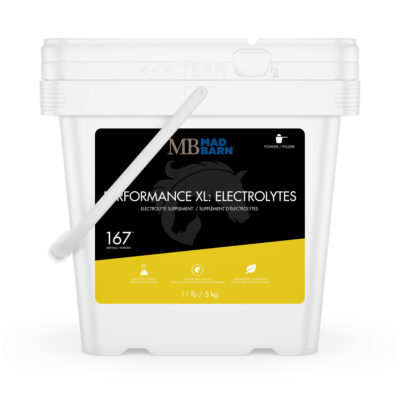
Mad Barn’s Performance XL: Electrolytes is scientifically formulated to replace minerals lost in sweat. It can be mixed into water or added directly to feed before and after exercise.
Performance XL provides an optimal blend of sodium, chloride, potassium, calcium, and magnesium to replenish electrolytes. It also contains vitamins C and E to support antioxidant defenses during exercise and recovery, along with readily digestible carbohydrates to support fluid and electrolyte absorption.
For a 500 kg (1,100 lb) horse, the recommended feeding rate is 30 – 60 grams (1 – 2 scoops) per hour of work. Electrolyte supplementation should be adjusted based on the horse’s workload, environmental conditions, and individual needs.
Owners can use Mad Barn’s Equine Electrolyte Calculator to estimate sweat losses and determine how much salt and additional electrolytes their horse needs following exercise.
Managing Horses in Hot Weather
Horses working in hot or humid conditions are at greater risk of electrolyte depletion because of increased sweat losses. Adjust exercise intensity and duration, allowing adequate recovery periods, and gradually acclimate horses to hot weather to reduce this risk. Owners can use Mad Barn’s Equine Heat Index Tool to understand how heat and humidity might affect their decision to exercise their horse.
Providing electrolytes before prolonged exercise or transportation can also support hydration. Research indicates that oral electrolyte solutions administered one to two hours before exercise can help maintain fluid balance during physical activity. [14]
Always provide free access to clean, fresh water when feeding salt or electrolyte supplements. If electrolytes are mixed into drinking water, offer a separate source of plain water to ensure adequate intake. [9][14]
Monitoring At-Risk Horses
Horses with heavy workloads, such as endurance horses, may require closer monitoring of electrolyte intake, hydration, and recovery.
Horses with certain medical conditions also require individualized management, including:
- HYPP: Horses with HYPP require controlled potassium intake and should avoid electrolyte supplements containing excessive potassium. [5]
- Kidney disease: Impaired kidney function can affect the body’s ability to regulate and excrete electrolytes, increasing the risk of deficiencies or excesses.
- Gastrointestinal disease: Horses with persistent diarrhea or other conditions causing substantial fluid losses may require veterinary treatment to restore electrolyte balance.
- Lactation: Lactating mares have increased calcium requirements and may be susceptible to hypocalcemia if calcium losses through milk production exceed the body’s ability to maintain normal blood calcium levels.
- Exertional rhabdomyolysis: Horses prone to tying-up need closer management of electrolyte intake, as mineral deficiencies can contribute to some episodes of muscle dysfunction. [2]
Horses with recurrent electrolyte imbalances should be evaluated by a veterinarian to identify contributing medical or dietary factors. Supplementation should be based on the specific electrolyte abnormalities and the horse’s individual requirements.
Frequently Asked Questions
Here are some frequently asked questions about electrolyte imbalance in horses:
Electrolyte imbalance in horses occurs when minerals such as sodium, potassium, calcium, chloride, or magnesium rise above or fall below their normal ranges in the blood. These minerals help regulate fluid balance, nerve signaling, and muscle function. Mild imbalances may resolve as the horse rehydrates and returns to a balanced diet, but severe cases require veterinary treatment.
Electrolyte imbalance in horses is most often caused by heavy sweating during exercise or hot weather. Diarrhea, colitis, kidney disease, prolonged colic, limited water access, and an inadequate diet can also disrupt electrolyte levels. Some horses have genetic or metabolic conditions that affect how their bodies regulate particular minerals.
The first signs of electrolyte imbalance in horses can include reduced appetite, dullness, unusual fatigue, and decreased interest in drinking. Mild muscle twitching around the flank or hindquarters may also develop. Changes in manure consistency, urine color, or urination frequency can provide additional clues.
Dehydration can cause or accompany electrolyte imbalance in horses because sweat, diarrhea, and other fluid losses remove both water and minerals from the body. Heavy sweating is particularly significant because equine sweat contains a high concentration of electrolytes. A sodium shortage may also reduce the horse's thirst response, making it harder to replace lost fluids.
Thumps in horses, formally called synchronous diaphragmatic flutter, is a visible or audible flank contraction that occurs in rhythm with the heartbeat. It develops when low blood calcium causes the nerve controlling the diaphragm to fire abnormally. Thumps is most often seen after prolonged or intense sweating and warrants prompt veterinary assessment.
Electrolyte imbalance can develop within hours when a horse sweats heavily, exercises intensely, or loses substantial fluid through illness. Hot and humid conditions can accelerate these losses. Imbalances associated with inadequate dietary intake or limited water access may develop more gradually.
Veterinarians diagnose electrolyte imbalance using the horse's history, a physical examination, and bloodwork. A serum electrolyte panel can measure sodium, potassium, chloride, calcium, and magnesium while also evaluating kidney function and acid-base balance. Additional testing may be needed when diarrhea, colic, kidney disease, or another underlying illness is suspected.
Severe electrolyte imbalance in horses can be fatal if it disrupts heart rhythm, muscle function, or essential fluid balance. Persistent muscle tremors, tetany, stumbling, weakness, an irregular heartbeat, or collapse are emergency signs. A horse showing any of these signs needs immediate veterinary care.
If you suspect your horse has an electrolyte imbalance, stop strenuous activity, provide access to fresh water, and contact your veterinarian for guidance. Muscle tremors, thumps, weakness, stumbling, persistent rapid heart rate, or collapse require urgent veterinary attention. Do not rely on oral products alone when the horse is seriously ill, severely dehydrated, or unable to drink normally.
Electrolyte imbalance in horses is treated according to its severity, cause, and the minerals affected. Mild cases following exercise or heat exposure may respond to rest, water, and an appropriate oral electrolyte product. Severe cases generally require intravenous fluids and electrolytes selected according to bloodwork, along with treatment for any underlying illness.
Electrolyte pastes can be used in horses, but concentrated products may irritate the stomach when given on an empty stomach, particularly with repeated use. Horses with gastric ulcers may face a greater risk of irritation. Any oral electrolyte product should be used with adequate access to fresh water and according to veterinary or manufacturer guidance.
Horses on pasture or hay generally receive adequate potassium, calcium, and magnesium when their forage-based diet is properly balanced. Sodium is the common exception because forage rarely supplies enough, so horses typically need access to added salt. Horses in heavy work, hot climates, endurance competition, or recovery from illness may need additional electrolyte support based on their individual losses.
Electrolyte imbalance can contribute to muscle cramping and exertional rhabdomyolysis, commonly called tying-up. It is not the only possible cause, so repeated episodes should not automatically be attributed to electrolyte loss. A veterinarian can help assess other contributing factors and develop an appropriate management plan.
Electrolyte imbalance in horses can often be prevented through a balanced forage-based diet, an appropriate source of salt, and unrestricted access to fresh water. Exercise intensity, heat, humidity, travel, and illness should be considered when evaluating a horse's electrolyte needs. Performance horses, older horses, and horses recovering from illness require closer monitoring because their risk may be higher.
Hyperkalemic periodic paralysis affects electrolyte balance by altering how muscle cells regulate potassium. It occurs primarily in Quarter Horses, Paint Horses, Appaloosas, and related horses descended from a particular bloodline. Because its underlying mechanism differs from ordinary sweat-related electrolyte loss, affected horses require a specialized feeding and management plan developed with a veterinarian.
Summary
An electrolyte imbalance occurs when blood concentrations of minerals such as sodium, potassium, chloride, calcium, or magnesium fall outside their normal physiological ranges. Imbalances may develop following substantial sweat losses or as a consequence of illness. Severe cases can be life-threatening.
- Electrolytes are essential for normal nerve signaling, muscle contraction, fluid balance, and acid-base regulation in horses.
- Heavy sweating, gastrointestinal disease, inadequate dietary electrolyte intake, restricted water access, and medical conditions affecting electrolyte regulation can cause imbalances.
- Signs may include fatigue, reduced exercise tolerance, delayed recovery, decreased appetite, muscle twitching, and changes in urine output.
- Severe muscle tremors, tetany, ataxia, irregular heartbeat, or collapse require immediate veterinary assessment.
- Blood tests measure electrolyte concentrations and help guide treatment, which may include oral electrolyte supplementation, intravenous fluid therapy, or management of an underlying condition.
- Adequate daily salt intake, access to fresh water, and appropriate electrolyte supplementation during heavy sweating can help prevent dietary and exercise-related imbalances.
References
- Flaminio. M.J.B.F. and Rush. B.R. Fluid and electrolyte balance in endurance horses. Vet Clin North Am Equine Pract. 1998.
- Johnson. P.J. Electrolyte and acid-base disturbances in the horse. Vet Clin North Am Equine Pract. 1995.
- McConaghy. F.F. et al. Equine sweat composition: effects of adrenaline infusion, exercise and training. Equine Vet J Suppl. 1995.
- Lindinger. M.I. Sweating, dehydration and electrolyte supplementation: Challenges for the performance horse. Proceedings of the 4th European Equine Health & Nutrition Congress. 2008.
- Reynolds. J.A. et al. Genetic-diet interactions in the hyperkalemic periodic paralysis syndrome in Quarter Horses fed varying amounts of potassium: I. Potassium and sodium balance, packed cell volume and plasma potassium and sodium concentrations. J Equine Vet Sci. 1998.
- Mansmann. R.A. et al. Synchronous diaphragmatic flutter in horses. J Am Vet Med Assoc. 1974.
- Faircloth. J. et al. Retrospective evaluation of synchronous diaphragmatic flutter in horses: 37 cases (2004-2022). J Vet Emerg Crit Care. 2025.
- Ecke. P. et al. Induced diarrhoea in horses. Part 1: Fluid and electrolyte balance. Vet J. 1998.
- Jansson. A. and Dahlborn. K. Effects of feeding frequency and voluntary salt intake on fluid and electrolyte regulation in athletic horses. J Appl Physiol. 1999.
- National Research Council. Nutrient Requirements of Horses: Sixth Revised Edition. National Academies Press. 2007.
- Marlin. D.J. et al. Rehydration following exercise: effects of administration of water versus an isotonic oral rehydration solution (ORS). Vet J. 1998.
- Monreal. L. et al. Electrolyte vs. glucose-electrolyte isotonic solutions for oral rehydration therapy in horses. Equine Vet J Suppl. 1999.
- Holbrook. T.C. et al. Effect of repeated oral administration of hypertonic electrolyte solution on equine gastric mucosa. Equine Vet J. 2005.
- Waller. A.P. and Lindinger. M.I. Pre-loading large volume oral electrolytes: tracing fluid and ion fluxes in horses during rest, exercise and recovery. J Physiol. 2021.
- White (nee Baker) et al. Fluid therapy: electrolyte abnormalities. Vetlexicon Equis. Critical Care. Accessed 2026.
- Schryver, H. F. et al. Salt consumption and the effect of salt on mineral metabolism in horses. Cornell Vet. 1987.