English
Dermatitis in horses is inflammation of the skin that can cause itching, redness, flaky or scaly skin, scabs, crusting, and hair loss. Affected areas may be sensitive or painful to touch, and horses may rub, bite, or scratch the irritated skin.
Dermatitis has several possible causes, including allergic reactions to insect bites, bacterial or fungal infections, parasites such as mites and lice, and contact with irritating substances.
Prolonged exposure to wet or muddy conditions can damage the skin and promote bacterial infections, particularly on the lower legs. Friction from saddles, girths, blankets, and other equipment can also cause skin irritation and inflammation.
Dermatitis may affect a small area or spread across multiple parts of the body. The location, appearance, and distribution of skin lesions can help identify the underlying cause and determine appropriate treatment.
What Is Dermatitis in Horses?
Dermatitis is a general term for inflammation of the skin, rather than a specific disease. It can involve the outer layers of the skin, deeper tissues, and associated structures such as hair follicles. Dermatitis occurs in response to a range of infectious and noninfectious conditions. [1][2][3]
The skin consists of two main layers: the epidermis and the dermis. The epidermis is the outer layer, composed primarily of cells called keratinocytes. Its outermost portion, the stratum corneum, consists of flattened, keratinized cells surrounded by lipids that help retain moisture and limit the entry of microorganisms and irritating substances. [1][4]
Beneath the epidermis, the dermis contains connective tissue, blood vessels, nerve endings, hair follicles, and sweat glands. These structures provide mechanical strength, support hair growth, enable sensation, and contribute to temperature regulation. [1][4]
The skin also has an important immune function. Cells in the epidermis and dermis recognize microorganisms, foreign substances, and tissue damage. Specialized immune cells help coordinate local defenses against infection and injury. [1][4]
When these defense systems are activated, the resulting immune response can produce the inflammation characteristic of dermatitis. The extent of skin damage and the tissues involved influence how the condition develops and appears clinically. [1][3][4]
How Dermatitis Develops
When the skin is injured or exposed to allergens, irritants, or infectious organisms, skin cells and immune cells release chemical messengers called inflammatory mediators. These include cytokines, chemokines, and other substances that regulate the body’s response to tissue damage. [1][4]
These mediators increase blood flow and the permeability of small blood vessels, allowing fluid and immune cells to enter the affected tissue. Increased blood flow produces redness, and fluid accumulation causes swelling. Stimulation of sensory nerve endings contributes to itching, irritation, and pain. [1][4]
Prolonged inflammation can interfere with normal skin cell renewal and disrupt the protective barrier of the epidermis. This increases moisture loss and susceptibility to further irritation and infection. Scratching and rubbing cause additional tissue damage, creating opportunities for secondary bacterial infections. [1][4]
Dermatitis can be acute, developing over a short period, or chronic, involving persistent or recurring inflammation. Chronic dermatitis can produce thickening of the epidermis, excessive scaling, changes in pigmentation, and impaired skin barrier function. [1][3]
Risk Factors for Dermatitis
A horse’s susceptibility to dermatitis is influenced by genetic predisposition, allergic sensitivity, skin condition, environmental exposure, and management practices. [1][2][5]
Factors that increase the risk of dermatitis include:
- Allergic sensitivity: Horses sensitized to insect saliva, pollen, molds, or dust mites can develop skin inflammation following exposure to these allergens.
- Wet or muddy conditions: Prolonged moisture exposure damages the skin barrier and increases susceptibility to bacterial infections, especially on the lower legs.
- Chemical irritants: Harsh grooming products, detergents, disinfectants, and topical preparations can irritate or damage the skin.
- Mechanical irritation: Repeated friction or pressure from poorly fitting tack, blankets, and other equipment can damage the skin and cause inflammation.
- Parasite exposure: Contact with infested horses or contaminated equipment increases the risk of mite and lice infestations.
- Existing skin damage: Wounds, abrasions, and repeated scratching disrupt the protective barrier and increase the risk of secondary infections.
Genetic factors also influence susceptibility to allergic dermatitis, particularly insect-bite hypersensitivity. Horses with this condition can develop recurrent skin inflammation following exposure to biting insects such as Culicoides midges. [1][2][5]
What's your top priority with your horse's health?

What's your top priority with your horse's health?
Signs of Dermatitis in Horses
The clinical signs of dermatitis depend on the cause of the condition, severity, and duration of inflammation. Skin changes can affect a small area or occur across multiple parts of the body. [1][2][5]
Common signs of dermatitis in horses include: [1][2][5]
- Itching, scratching, or rubbing
- Redness and swelling
- Small raised bumps (papules) or pus-filled bumps (pustules)
- Dry, flaky, or scaly skin
- Scabs, crusts, or open sores
- Patchy hair loss or broken hairs
- Moist or oozing skin
- Thickened, cracked, or discoloured skin
- Sensitivity or pain during grooming or tacking up
The progression of symptoms varies. Acute dermatitis typically develops over a short period, whereas chronic inflammation can produce persistent skin thickening, changes in pigmentation, and recurrent lesions. [1]
Common Locations of Dermatitis
Dermatitis can affect any part of a horse’s body, but some areas are more prone to skin irritation. The location of inflammation often reflects exposure to biting insects, external parasites, moisture, sunlight, or irritating substances. [1][2][5]
Commonly affected areas include:
- Mane and tail: Insect-bite hypersensitivity (sweet itch) causes intense itching along the mane and tailhead. Lice infestations also occur in these areas, producing irritation, rubbing, and hair loss.
- Belly: The underside of the abdomen, especially along the midline, is a common site of allergic reactions to biting insects, including Culicoides midges.
- Pasterns and lower legs: Prolonged exposure to wet or muddy conditions contributes to pastern dermatitis, causing crusting, scabbing, and hair loss. Chorioptic mites also cause inflammation and itching in this region, especially in horses with heavily feathered legs.
- Back and girth area: Saddles, girths, and blankets can cause skin inflammation through friction, trapped moisture, or contact with irritating materials.
- Neck and shoulders: Lice infestations cause itching, scaling, and patchy hair loss. Irritation from blankets and other equipment can also affect these areas.
- Face and ears: Biting insects and contact irritants can cause skin inflammation. Certain mite infestations also affect the head and ears.
- Unpigmented skin: Photosensitization affects sun-exposed skin with little pigmentation, including white markings on the muzzle and lower legs. Signs include redness, swelling, pain, crusting, and peeling.
When to Call the Veterinarian
A veterinarian should examine horses with severe or rapidly spreading skin inflammation or significant discomfort to determine the cause and recommend treatment. [1][2]
Contact your veterinarian for assessment if your horse develops any of the following signs: [1][2]
- Severe or persistent itching
- Rapidly spreading redness, swelling, or sores
- Painful or extensively damaged skin
- Pus, discharge, or an unpleasant odor
- Fever, lethargy, or reduced appetite
- Skin problems that worsen or fail to improve
- Repeated episodes of dermatitis
Fever, marked swelling, or rapidly worsening skin changes warrant prompt veterinary attention, especially if other signs of illness are present. [1][2]
Owners should seek veterinary assessment for persistent or recurring dermatitis rather than repeatedly using over-the-counter treatments. Different skin conditions can produce similar symptoms, so an accurate diagnosis is necessary to determine the appropriate treatment. [1][2]
Causes of Dermatitis in Horses
Dermatitis in horses can be classified according to its underlying cause, although different forms may produce similar skin changes. [1][2]
The main types of dermatitis affecting horses include: [1][2][5][6][7]
- Allergic dermatitis
- Contact dermatitis
- Infectious dermatitis
- Parasitic dermatitis
- Pastern dermatitis
- Immune-mediated dermatitis
Allergic Dermatitis
Allergic dermatitis occurs when the horse’s immune system reacts to substances that would not normally damage the skin. In horses, allergic skin disease is typically associated with insect bites or environmental allergens and produces itching and inflammation.
Repeated scratching and rubbing can lead to: [1][4][5]
- Secondary hair loss
- Scaling
- Crusting
- Thickening of the skin
One of the most recognizable forms of allergic dermatitis is insect bite hypersensitivity (sweet itch), which involves an allergic response to proteins in the saliva of biting insects such as Culicoides midges.
Diagnosis is based on the horse’s history, lesion distribution, seasonality, and exclusion of other causes because allergy testing alone cannot reliably confirm the condition. [5][8][9]
Contact Dermatitis
Contact dermatitis develops when the skin becomes inflamed following direct exposure to an irritant or allergen. Causes include chemicals, grooming products, bedding materials, plants, prolonged moisture exposure, and repeated friction from saddles, girths, or other equipment.
Contact dermatitis is generally divided into two types: [1][3][5]
- Irritant contact dermatitis: Inflammation caused by direct irritation or damage to the skin from substances such as chemicals, detergents, or prolonged moisture exposure.
- Allergic contact dermatitis: An immune-mediated reaction that develops following contact with a substance to which the horse has previously become sensitized.
Symptoms generally occur at the site of contact and include: [1][3]
- Redness and swelling
- Itching
- Dry, flaky, or scaly skin
- Crusting or scabbing
- Hair loss
Identifying the source of irritation involves examining the affected areas and reviewing the horse’s recent exposure to topical products, equipment, bedding, plants, and other materials. Changes in management or the introduction of new products should also be evaluated. [1][3]
Infectious Dermatitis
Infectious dermatitis develops when bacteria or fungi infect the skin. The clinical signs depend on the organism involved and the extent of infection. Common signs include: [1][2][3]
- Flaky or scaly skin
- Scabs and crusts
- Patchy hair loss or broken hairs
- Pustules or sores
- Moist or oozing skin lesions
Dermatophilosis, commonly called rain rot, is a bacterial skin infection associated with prolonged exposure to wet conditions. It causes crusted lesions, often along the back and rump. Removing the crusts can expose raw skin and pull away tufts of hair.
Dermatophytosis, or ringworm, is a fungal infection that commonly produces circular patches of hair loss, scaling, and crusting. Ringworm spreads through direct contact with infected animals or contaminated grooming equipment, tack, and other objects. [1][10]
Veterinary examination and, when necessary, laboratory testing can distinguish bacterial from fungal infections and determine appropriate treatment. Some infectious skin conditions, including ringworm, can spread to other horses and humans. Affected horses require appropriate biosecurity measures to limit transmission.
Parasitic Dermatitis
Parasitic dermatitis is inflammation of the skin caused by infestations with external parasites, primarily mites and lice. These parasites irritate the skin through feeding and other activities, triggering inflammation and itching. Repeated scratching and rubbing can cause further skin damage and secondary bacterial infections. [1][2][11]
Common signs of parasitic dermatitis include:
- Intense itching, scratching, and rubbing
- Flaky or scaly skin
- Scabs and crusts
- Patchy hair loss or broken hairs
- Skin abrasions from repeated scratching
Chorioptic mange is caused by mites that infest the lower legs, especially in horses with heavy feathering. Affected horses frequently stamp their feet, bite at their legs, or rub against objects to relieve itching. Chronic infestations can produce thick crusts and persistent skin irritation. [1][11]
Lice infestations are most common in horses with long or thick hair coats, especially during winter. Infestations frequently affect the mane, neck, flanks, and tail. Adult lice and their eggs, called nits, can sometimes be identified by parting the hair and examining the coat near the skin. [2][11]
Veterinarians diagnose parasitic dermatitis through examination of the skin and coat, including skin scrapings to identify mites. Treatment depends on the parasite involved and can require repeated applications to eliminate newly hatched parasites. [1][3][11]
Pastern Dermatitis
Equine pastern dermatitis, commonly called mud fever or scratches, is inflammation of the skin around the horse’s pastern, the region of the lower leg between the fetlock joint and the top of the hoof. It most frequently affects the back of the pastern and can extend further up the lower leg. [1][6][7]
Common signs of pastern dermatitis include:
- Redness and swelling
- Flaking or scaling
- Scabs and crusts
- Hair loss
- Cracked skin or open sores
- Skin thickening in chronic cases
- Pain or sensitivity when the affected area is touched
Pastern dermatitis is a multifactorial syndrome rather than a single disease. Contributing factors include prolonged exposure to wet or muddy conditions, bacterial infections, mite infestations, contact irritants, and photosensitization.
Several factors can contribute to inflammation in the same horse, so treatment depends on identifying and addressing the conditions responsible. [6][7]
Immune-Mediated Dermatitis
Immune-mediated dermatitis occurs when abnormal immune activity damages components of the horse’s own skin. Unlike allergic dermatitis, which is triggered by an immune response to an external allergen, immune-mediated disease involves inappropriate targeting or disruption of the body’s own tissues. [1][2][3]
These disorders can produce widespread or persistent skin changes, including: [1][2][3]
- Scaling
- Crusting
- Hair loss
- Inflammation
Because their appearance can overlap with infectious, parasitic, and allergic conditions, diagnosis generally requires veterinary investigation to exclude other causes. Diagnosis may require skin sampling or biopsy to determine the nature of the underlying disease. [1][2][3]
Table 1. Types of dermatitis in horses
| Type | Description |
|---|---|
| Allergic dermatitis | Inflammation associated with an immune response to allergens, including insect saliva or environmental substances |
| Contact dermatitis | Inflammation resulting from direct contact with irritating substances or materials that trigger an allergic reaction |
| Infectious dermatitis | Skin inflammation associated with bacterial or fungal infections |
| Parasitic dermatitis | Inflammation associated with external parasites, including mites and lice |
| Pastern dermatitis | Inflammation affecting the skin around the pasterns and lower legs, often involving several contributing factors |
| Immune-mediated dermatitis | Inflammation associated with an abnormal immune response directed against components of the skin |
Diagnosing Dermatitis in Horses
Diagnosing dermatitis involves a veterinary examination of the skin and a review of the horse’s medical and management history.
Veterinarians assess the appearance of affected skin, the duration of symptoms, and any history of itching or recurring inflammation. Seasonal patterns, insect exposure, and responses to previous treatments help determine which conditions should be investigated. [1][2][5]
Depending on the suspected condition, diagnostic tests may include: [1][2][10][11]
- Skin scrapings
- Skin cytology to examine cells and microorganisms collected from the skin
- Microscopic examination of hair and skin scales
- Bacterial culture
- Fungal culture
- Skin biopsy
- Allergy testing
Skin scrapings help identify mites, although a negative result does not always rule out mange. Microscopic examination and fungal culture can confirm dermatophyte infections, and skin biopsies are useful when the diagnosis remains uncertain or an immune-mediated condition is suspected. [1][2][10][11]
Allergy testing can help identify relevant allergens in selected horses, but it cannot independently confirm allergic dermatitis. Insect bite hypersensitivity is generally diagnosed using the horse’s symptoms, seasonal history, and response to insect control rather than allergy testing alone. [1][5][8][9]

Treating Dermatitis in Horses
Treatment of dermatitis depends on the suspected cause and severity of skin inflammation. A veterinarian will assess the affected skin to determine whether treatment requires topical preparations, systemic medications, or changes to the horse’s environment and management. [1][2][3][5]
Veterinary treatment options include: [1][2][5][10][11]
- Antiseptic washes: Medicated shampoos containing ingredients such as chlorhexidine help reduce bacterial contamination and clean affected skin.
- Antibiotics: Topical or systemic antibiotics are used for bacterial skin infections, with systemic treatment generally reserved for more extensive or severe infections.
- Antifungal medications: Topical antifungal preparations are commonly used to treat ringworm. Treatment also involves disinfecting contaminated equipment and limiting transmission between horses.
- Antiparasitic medications: Treatments targeting mites or lice are selected according to the parasite involved. Repeated applications are sometimes necessary to eliminate parasites that hatch after the initial treatment.
- Anti-inflammatory medications: Corticosteroids can reduce severe itching and inflammation associated with allergic dermatitis. Their use requires veterinary assessment, especially when skin infections are present.
Treatment also involves removing sources of irritation. Horses with contact dermatitis require changes to the products, materials, or equipment responsible for skin inflammation. For insect-bite hypersensitivity, reducing exposure to biting insects is necessary to control recurring allergic reactions. [1][3][5]
Secondary bacterial infections can develop when scratching, rubbing, or prolonged inflammation damages the skin barrier. These infections sometimes require treatment alongside the primary skin condition.
Bacteria detected on inflamed skin do not necessarily indicate an infection requiring antibiotics, so veterinary assessment is important before selecting antimicrobial treatment. [1][2][3][6]
Recovery & Prognosis
The prognosis for horses with dermatitis is generally good when the condition responds to treatment and contributing factors are controlled. Recovery depends on the type of dermatitis, extent of skin damage, and response to treatment. [1][2][5]
Acute dermatitis often resolves completely with appropriate treatment. Skin inflammation can improve within days, although damaged tissue and hair follicles take longer to recover. Hair regrowth can continue for several weeks after the skin has healed. [1][2]
Chronic dermatitis can be more difficult to resolve, especially in horses with allergic skin disease. Horses with insect bite hypersensitivity or environmental allergies remain susceptible to recurring episodes of inflammation. Long-term management is often necessary to control symptoms and reduce the frequency of flare-ups. [1][5]
Secondary bacterial infections, repeated scratching, and persistent inflammation can delay healing. Severe or prolonged dermatitis can also result in permanent changes to skin texture, pigmentation, or hair growth. [1][2]
Preventive Management for Dermatitis
Managing a horse with dermatitis involves protecting the skin from injury, limiting exposure to irritants and parasites, and maintaining appropriate hygiene. Management practices should address the environmental conditions and individual sensitivities associated with each horse’s skin condition. [1][2][5]
Recommended management practices to prevent recurring skin issues include: [1][2][5][7]
- Regular grooming: Groom the horse regularly to remove dirt, loose hair, and debris. Examine the skin beneath the mane, around the tailhead, along the lower legs, and under tack for early signs of irritation.
- Moisture control: Keep stalls and bedding dry, improve drainage in muddy turnout areas, and dry the lower legs thoroughly after washing. Avoid repeated soaking or aggressive scrubbing of inflamed skin.
- Skin care: Use mild, horse-safe shampoos and grooming products. Rinse thoroughly to remove residues and discontinue products that cause irritation. Excessive bathing and harsh detergents can damage the skin’s protective barrier.
- Insect control: Use insect repellents, protective fly sheets, and stable fans to reduce biting insect exposure. Horses with insect-bite hypersensitivity benefit from stabling during dawn and dusk, when Culicoides midges are most active.
- Equipment fit: Check saddles, girths, and blankets for excessive pressure or friction. Keep saddle pads and blankets clean and dry, and avoid placing equipment over damaged or inflamed skin.
- Parasite control: Inspect the coat for lice and signs of mite infestations, especially around the mane, tail, and feathered lower legs. Confirmed infestations require appropriate treatment and assessment of other horses in contact with the affected animal.
- Biosecurity: Avoid sharing grooming equipment, tack, and blankets between horses with suspected contagious skin infections. Horses with ringworm should be separated from unaffected horses, and contaminated equipment and surfaces should be cleaned and disinfected.
- Allergen avoidance: Identify and reduce exposure to substances associated with recurring reactions, including topical products, bedding materials, and environmental allergens.
Horses with recurrent dermatitis require continued preventive management after their skin has healed. For insect-bite hypersensitivity, protective measures should begin before seasonal insect activity increases to reduce the frequency and intensity of allergic reactions. [1][5]
Monitor affected areas for new lesions, spreading inflammation, or signs of secondary infection. Persistent or worsening dermatitis requires veterinary reassessment, particularly when the condition fails to respond to changes in management. [1][2]
Nutrition for Skin & Coat Health
Horses with skin inflammation or recurring irritation benefit from a balanced diet that supplies adequate energy, protein, vitamins and minerals. These nutrients are required for the continuous renewal of skin cells, repair of damaged tissue, maintenance of the skin barrier, and normal immune function.
The skin undergoes continuous cell turnover as new cells develop in the epidermis and replace those shed from the surface. Dietary protein is required to supply amino acids for the production of keratin, which provides structural strength to the outer skin layers and hair, and collagen, which supports the connective tissue of the dermis.
Amino acids are also required to produce enzymes, antibodies and other proteins involved in immune responses. Adequate energy intake supports these processes and prevents dietary protein from being used primarily as an energy source.
Several vitamins and minerals are involved in skin repair and maintenance:
- Zinc: Supports skin cell division, protein synthesis, keratin formation and wound healing.
- Copper: Supports collagen formation and cross-linking, which provides strength to the skin’s connective tissue, as well as normal hair pigmentation.
- Vitamin A: Regulates the growth and differentiation of epithelial cells that form the skin’s protective surface.
- Vitamin E and selenium: Support antioxidant defenses that protect cell membranes from oxidative damage associated with inflammation.
Equine diets are often deficient in several of these nutrients, particularly zinc, copper, selenium and vitamin E. Vitamin E concentrations also decline during hay storage, increasing the importance of supplementation for horses with limited access to fresh pasture.
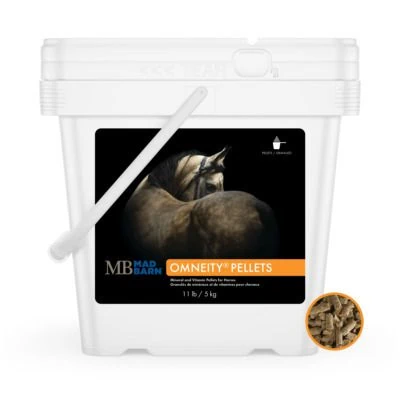
Mad Barn’s Omneity® is an all-in-one supplement that is formulated to balance forage-based diets and supply the vitamins, minerals and essential amino acids needed for normal skin and coat health.
Omneity® provides organic zinc, copper and selenium, vitamins A and E, and B vitamins, including biotin. Added lysine, methionine and threonine complement the amino acids supplied by forage to support protein synthesis, tissue maintenance and repair.
Dietary Fats & Omega-3 Fatty Acids
Dietary fats supply fatty acids that contribute to skin barrier function, coat quality, and regulation of inflammation. The outermost layer of the epidermis contains lipids, including ceramides, cholesterol, and fatty acids, that form a protective barrier between skin cells. These lipids help retain moisture and limit the entry of irritants and microorganisms.
The essential omega-6 fatty acid linoleic acid is required for normal epidermal barrier function. Sebaceous glands also produce sebum, an oily secretion that coats the skin and hair, provides lubrication, helps repel water, and contributes to a shiny coat.
Omega-3 fatty acids have an additional role in regulating immune and inflammatory responses. EPA and DHA are incorporated into cell membranes, where they influence the production of signaling molecules involved in inflammation. They also serve as precursors for specialized compounds, including resolvins and protectins, that help regulate the resolution of inflammation.
These effects can support skin health in horses because persistent inflammation can impair tissue repair and skin barrier function. In a small controlled study involving six horses with Culicoides hypersensitivity, 42 days of flaxseed supplementation reduced the size of allergic skin-test reactions, demonstrating a potential benefit of omega-3 fatty acids for managing skin inflammation.
Mad Barn’s OmegaPrime+ is an extra-strength omega-3 oil that provides 7,500 mg of DHA and EPA and 750 IU of natural vitamin E per serving. These long-chain omega-3 fatty acids support healthy skin, coat quality, and normal inflammatory regulation.
Its concentrated formula delivers high levels of DHA and EPA with fewer calories, making it ideal for easy keepers, horses with metabolic concerns, senior horses, and smaller horses.

Spirulina for Skin & Immune Support
Spirulina is a nutrient-rich blue-green algae used to support skin health, antioxidant defenses, and normal immune function in horses. It contains phycocyanin, a pigment with antioxidant properties, and gamma-linolenic acid (GLA), an omega-6 fatty acid involved in regulating inflammatory responses.
Horses with seasonal skin sensitivities often experience itching and inflammation following exposure to biting insects or other irritants. During allergic reactions, immune cells called mast cells release histamine, which contributes to itchiness, redness, and swelling. Repeated scratching and rubbing can damage the skin barrier, cause hair loss, and increase susceptibility to secondary infections.
Spirulina is beneficial for these horses because its bioactive compounds have been studied for their effects on immune regulation. Experimental research suggests that phycocyanin can influence mast cell activity, histamine release, and antibody responses associated with allergic inflammation. These findings support spirulina’s potential role in maintaining healthy immune responses and supporting skin health.
Horse owners who supplement with spirulina report less scratching and rubbing, fewer visible skin reactions during allergy season, and improvements in skin and coat condition.
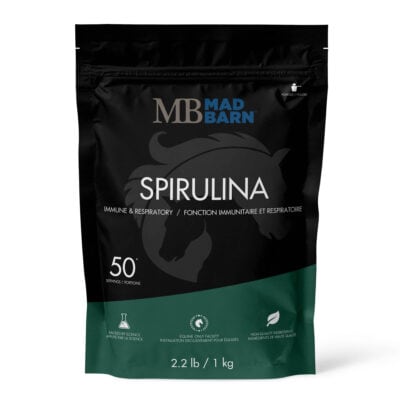
Mad Barn’s Spirulina provides pure dried spirulina powder in a palatable and easy-to-feed powder. Supplementing with spirulina can provide additional nutritional support alongside a balanced diet and appropriate skin and insect management.
Frequently Asked Questions
Here are some frequently asked questions about dermatitis in horses:
Dermatitis in horses is a general term for inflammation of the skin rather than a single disease. It develops when skin damage, irritation, infection, or an abnormal immune response activates inflammation and disrupts the skin's protective barrier. Dermatitis may be acute and short-lived or chronic, persistent, and recurring.
Dermatitis in horses can be caused by allergies, bacterial or fungal infections, external parasites, irritating substances, or abnormal immune responses. Biting insects, pollen, molds, dust mites, harsh grooming products, mud, and repeated friction from tack or blankets may contribute. Because different causes can produce similar skin changes, identifying the underlying condition is important before selecting treatment.
Dermatitis on a horse may appear as redness, swelling, scabs, crusts, flaking, hair loss, oozing, or thickened skin. Affected areas may also be itchy, painful, or sensitive during grooming and handling. The changes can remain localized or involve several parts of the body, depending on the cause and severity.
Dermatitis commonly occurs around a horse's mane, tail, belly, pasterns, lower legs, back, girth area, face, or ears. The location and distribution of the affected skin can provide clues about possible causes. However, appearance and location alone are not always enough to make an accurate diagnosis.
Horses can develop dermatitis without noticeable itching or scratching. Some forms primarily cause crusting, hair loss, swelling, pain, or changes in skin texture. The absence of itching does not rule out inflammation, infection, parasites, or another underlying skin condition.
Dermatitis in horses is contagious only when the underlying cause can spread between animals. Allergic and irritant dermatitis are not contagious, but ringworm and certain parasite infestations may be transmitted. Avoid sharing grooming equipment when a contagious condition is suspected, and have the affected horse assessed by a veterinarian.
Sweet itch is a form of allergic dermatitis caused by hypersensitivity to the saliva of biting insects, particularly Culicoides midges. It often causes seasonal itching and rubbing around the mane, tail, and belly. Reducing exposure to biting midges is an important part of controlling recurring symptoms.
Dermatitis in horses is diagnosed by considering the appearance and distribution of the skin changes, how long they have been present, and whether they are itchy, seasonal, or recurring. A veterinarian may perform skin scrapings, skin cytology, hair and scale examination, bacterial or fungal culture, skin biopsy, or allergy testing. Test selection depends on the suspected cause, and more than one test may be needed.
Allergy testing cannot independently confirm allergic dermatitis in horses. Results may help identify relevant allergens in selected horses, but they must be interpreted alongside the horse's symptoms and history. Insect bite hypersensitivity is generally identified using the pattern of symptoms, seasonal timing, insect exposure, and response to insect control.
Dermatitis in horses is treated according to its underlying cause and severity. Veterinary treatment may include antibacterial, antifungal, antiparasitic, or anti-inflammatory medications, as well as medicated shampoos or topical preparations. Some horses need several approaches when infection, inflammation, irritation, or other factors occur together.
The time dermatitis takes to heal in horses depends on its cause, severity, and response to treatment. Many acute cases improve after the underlying problem is controlled, but damaged skin and hair may take longer to return to normal. Chronic allergic dermatitis, secondary infections, and persistent inflammation can delay recovery or require ongoing management.
Dermatitis in horses may improve after a temporary irritant is removed, but it should not be assumed that every case will resolve without treatment. Infections, parasite infestations, and persistent allergic reactions may require targeted veterinary care. Assessment is advisable when the condition spreads, causes discomfort, recurs, or does not improve.
Recurring dermatitis in horses may be reduced through regular skin checks, gentle grooming, dry bedding, insect control, and limited exposure to mud, allergens, and known irritants. Tack and blankets should fit properly, and grooming equipment should be cleaned regularly. Preventive care must be matched to the underlying diagnosis because management practices that help one horse may not be suitable for another.
A veterinarian should examine a horse with dermatitis when itching is severe or persistent, skin changes spread rapidly, or the affected area is painful or extensively damaged. Prompt attention is especially important if there is pus, discharge, an unpleasant odor, marked swelling, fever, lethargy, or reduced appetite. Skin problems that worsen, repeatedly return, or fail to improve also require veterinary evaluation because similar symptoms can have different causes.
Summary
Dermatitis in horses is skin inflammation caused by conditions such as allergies, infections, parasites, irritants, or abnormal immune activity. Accurate diagnosis is important because different causes can produce similar skin changes but require different treatments.
- Common signs include itching, redness, swelling, scaling, crusting, hair loss, oozing, and thickened or painful skin
- The distribution, duration, seasonality, and progression of skin lesions can provide useful diagnostic clues
- Veterinary testing may include skin scrapings, cytology, microscopic examination, allergy testing, and skin biopsy
- Treatment may involve antibacterial, antifungal, antiparasitic, anti-inflammatory, or topical medications
- Regular skin checks, gentle grooming, insect control, clean equipment, and avoidance of known irritants can help reduce recurrence
References
- Scott. D. W. and Miller. W. H. Equine Dermatology. Elsevier/Saunders. 2011.
- Reed. S. M. et al. Equine Internal Medicine. Elsevier. 2009.
- Moriello. K. A. Dermatological Problems in Animals. Merck Veterinary Manual. 2025.
- Marsella. R. Skin Barrier in Normal and Allergic Horses: What Do We Know?. Veterinary Sciences. 2025.
- Marsella. R. et al. Equine allergic skin diseases: Clinical consensus guidelines of the World Association for Veterinary Dermatology. Veterinary Dermatology. 2023.
- Kaiser-Thom. S. et al. The skin microbiota in equine pastern dermatitis: a case-control study of horses in Switzerland. Veterinary Dermatology. 2021.
- Raizner. N. T. et al. Epidemiological observations on pastern dermatitis in young horses and evaluation of essential fatty acid spot-on applications with or without phytosphingosine as prophylactic treatment. Veterinary Dermatology. 2022.
- Sloet van Oldruitenborgh-Oosterbaan. M. M. et al. Intradermal testing of horses with and without insect bite hypersensitivity in The Netherlands using an extract of native Culicoides species. Veterinary Dermatology. 2009.
- Ferroglio. E. et al. Equine Culicoides hypersensitivity: evaluation of a skin test and of humoral response. Journal of Veterinary Medicine Series A. 2006.
- Moriello. K. A. Dermatophytosis in Horses. Merck Veterinary Manual. 2025.
- Ketzis. J. K. Mange in Horses. Merck Veterinary Manual. 2024.