Analyze Diet
FeedBank
Feed Type

Energy Sources for Horses

View nutrition analyses for energy sources used in horse feed ingredients in the Mad Barn Equine Feed Database. This category includes dietary components that contribute calories to the equine diet, including fat, fiber, starch, sugar, and protein.

Compare nutrient profiles for different energy sources to understand how ingredients supply calories, support body condition, and fit into a balanced feeding program. Use this database to evaluate ingredients by calorie contribution, digestibility, fiber content, fat content, starch and sugar levels, and their role in meeting your horse’s energy requirements.
Filters
Energy Sources
Psyllium (Mad Barn)
FiberFiber
Gut HealthGut Health
HindgutHindgut
StressStress
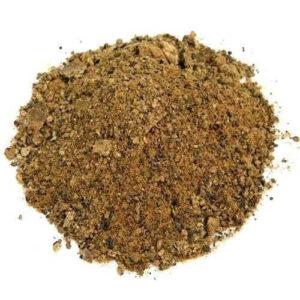
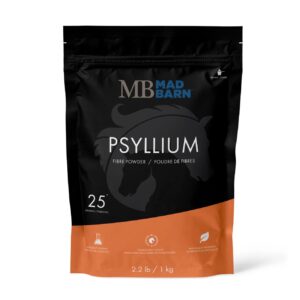
Psyllium by Mad Barn is a powdered psyllium supplement that supports digestion and gut health in horses. It absorbs water in the digestive tract, helping support normal gut motility and manure consistency, and is beneficial for horses exposed to sandy conditions, environmental stress, or dietary changes.
w-3 Oil (Mad Barn)
Coat QualityCoat Quality
FatFat
JointsJoints
Omega 3-6-9Omega 3-6-9
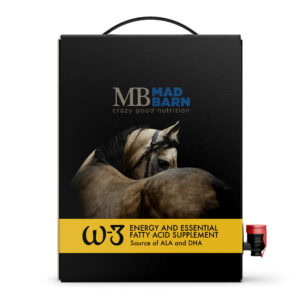
w-3 Oil by Mad Barn is an essential fatty acid supplement fortified with the omega-3 DHA and natural Vitamin E. W-3 Oil helps to support joint health, coat quality, cardiovascular health and weight maintenance.
Corn – High Moisture
Caloric EnergyCaloric Energy
GrainsGrains
NutrientsNutrients
Weight IssuesWeight Issues
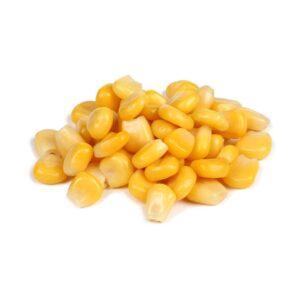
High moisture corn consists of corn grain that has been harvested earlier, with higher moisture content, and ensiled. It is commonly fed to dairy and beef cattle and is a less common feed for horses.
Corn – High Moisture (Cobmeal)
Caloric EnergyCaloric Energy
GrainsGrains
NutrientsNutrients
Weight IssuesWeight Issues
Cob meal refers to high moisture corn grain harvested with the inclusion of ground cob. This feed is only appropriate for ruminants and should not be fed to horses.
Corn – Hominy
Caloric EnergyCaloric Energy
GrainsGrains
NutrientsNutrients
Weight IssuesWeight Issues
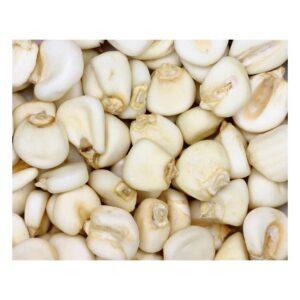
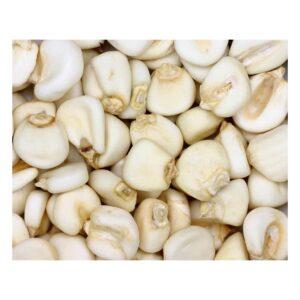
Corn (maize) hominy feed is a byproduct of dry corn milling. Hominy is produced from dried corn kernels that are soaked in an alkali solution to dissolve hemicellulose. This improves digestibility of the corn.
Corn – Hominy High Fat
Caloric EnergyCaloric Energy
FatFat
GrainsGrains
Weight IssuesWeight Issues
Corn hominy is a byproduct of dry corn (maize) milling. It can vary in fat content depending on the processing method. Hominy feed is commonly fed to livestock.
Corn – Screenings
Caloric EnergyCaloric Energy
GrainsGrains
NutrientsNutrients
Weight IssuesWeight Issues
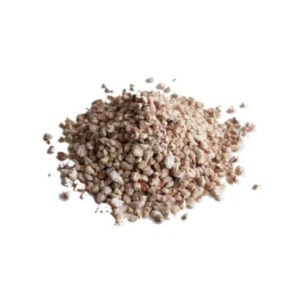
Corn screenings refer to the grain dust, hulls, cracked kernels and debris that accumulate during drying when processing corn. It is fed to beef cattle as an energy source. Quality varies and corn screenings might be high in mycotoxins.
Corn – Steam Flaked
Caloric EnergyCaloric Energy
GrainsGrains
NutrientsNutrients
Weight IssuesWeight Issues
Steam flaked corn grain is processed to improve digestibility and is commonly fed to livestock. It is sometimes included as an energy source in equine feeds.
Corn – Steam Rolled
Caloric EnergyCaloric Energy
GrainsGrains
NutrientsNutrients
Weight IssuesWeight Issues
Steam-rolled corn has higher starch digestibility compared to non-processed corn grains. It is typically fed to livestock but is not commonly fed to horses due to its high starch content.
Corn – Syrup
Caloric EnergyCaloric Energy
FlavorFlavor
IngredientIngredient
Weight IssuesWeight Issues
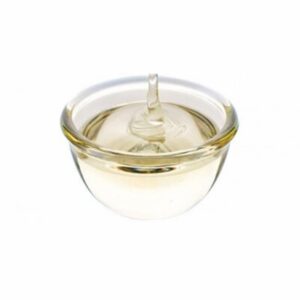
Corn syrup is a byproduct of ethanol fuel production. The syrup is a high-energy feed commonly given to cattle raised near ethanol plants.
Corn (Zea Mays) Cracked Brazil Coarse
Caloric EnergyCaloric Energy
GrainsGrains
NutritionNutrition
Weight IssuesWeight Issues
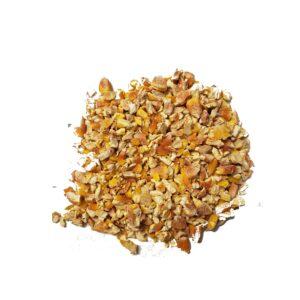
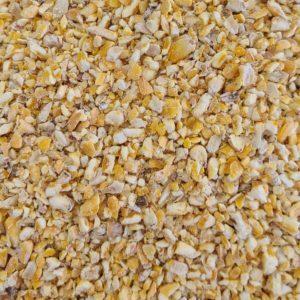
Course cracked corn (zea mays) refers to corn/maize grain that is processed to improve its digestibility for livestock. This high starch feed is a cheap energy source but can cause hindgut issues in horses.
Corn (Zea Mays) Cracked Brazil Fine
Caloric EnergyCaloric Energy
GrainsGrains
NutritionNutrition
Weight IssuesWeight Issues
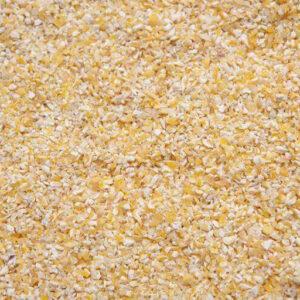
Fine cracked corn (zea mays) is corn grain that has been processed to improve its digestibility for livestock. A high intake of corn may cause hindgut problems in horses.
Corn (Zea Mays) Grain Brazil Coarse Grind
Caloric EnergyCaloric Energy
GrainsGrains
NutritionNutrition
Weight IssuesWeight Issues
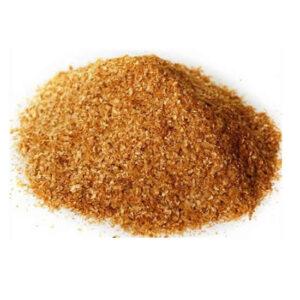
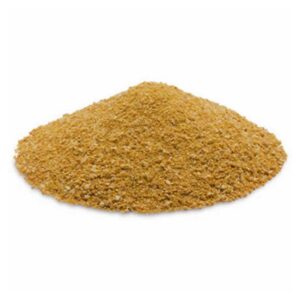
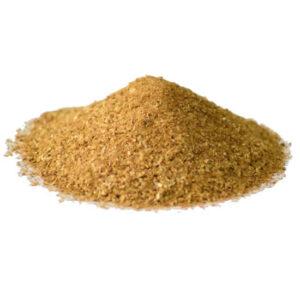
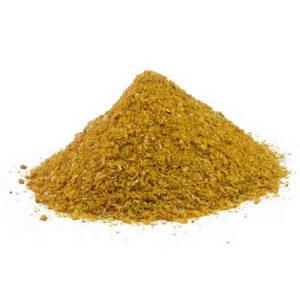
Course ground corn (zea mays) is a processed grain that is used in livestock diets as a high-energy feed. The high start content of corn makes it unsuitable for horses in large quantities.
Corn (Zea Mays) Grain Brazil Fine Grind
Caloric EnergyCaloric Energy
GrainsGrains
NutritionNutrition
Weight IssuesWeight Issues
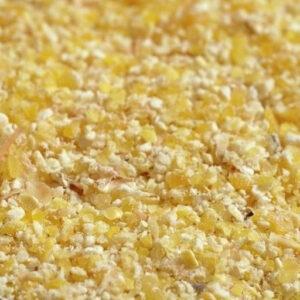
Fine ground corn or maize is a processed grain product used as a low-cost energy source in livestock diets. It can be fed to horses in low quantities, but feeding too much could cause hindgut issues.
Corn (Zea Mays) Grain Brazil Whole
Caloric EnergyCaloric Energy
GrainsGrains
NutritionNutrition
Weight IssuesWeight Issues
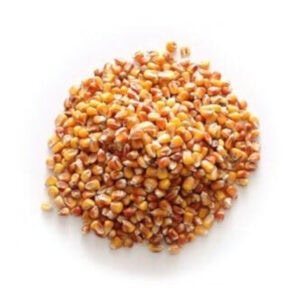
Whole grain corn (zea mays) refers to unprocessed maize grains. This high-starch feed is not well digested by horses and may cause hindgut dysbiosis.
Corn Cob
Caloric EnergyCaloric Energy
GrainsGrains
NutrientsNutrients
Weight IssuesWeight Issues
Chopped corn cob refers to the cob that remains after removing the corn grains. It is a high-fiber, high-energy feed for cattle and pigs. It is not typically used in equine diets.
Corn Germ
EnergyEnergy
IngredientIngredient
NutrientsNutrients
ProteinProtein
Corn germ is the nutrient-rich inner portion of the corn kernel. It provides fat, protein, and energy.
Corn Germ Meal
Caloric EnergyCaloric Energy
EnergyEnergy
ProteinProtein
Weight IssuesWeight Issues
Corn (maize) germ meal is a byproduct of oil extraction from corn germ. It is a high-protein, high-starch product sometimes added to equine feeds.
Corn Gluten Feed – Dry
Caloric EnergyCaloric Energy
EnergyEnergy
ProteinProtein
Weight IssuesWeight Issues
Corn gluten feed is derived from corn wet-milling corn, which is the process used to extract starch from corn. Corn gluten is a high-protein feed that can be fed to horses. It is high in phosphorus and low in calcium, which must be balanced if added to equine diets.
Corn Gluten Feed – Wet
Caloric EnergyCaloric Energy
EnergyEnergy
ProteinProtein
Weight IssuesWeight Issues
Corn gluten feed is a byproduct of wet-milling corn to extract starch. It is a high-protein feed used in equine diets. Wet corn gluten feed may be prone to mold contamination.
Corn Grain – Cracked
Caloric EnergyCaloric Energy
GrainsGrains
NutrientsNutrients
Weight IssuesWeight Issues
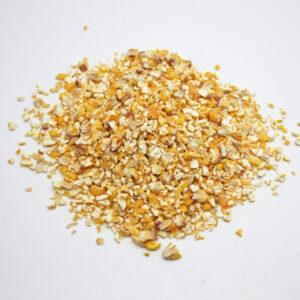
Cracked corn grain is minimally processed to improve digestibility. It is a high-starch feed commonly fed to livestock. Excess starch in the diet can cause hindgut issues in horses.
Corn Grain – Ground Coarse
Caloric EnergyCaloric Energy
GrainsGrains
NutrientsNutrients
Weight IssuesWeight Issues
Ground corn is a high-starch feed commonly added to livestock diets. A high intake of ground corn may induce hindgut acidosis in horses.
Corn Grain – Ground Fine
Caloric EnergyCaloric Energy
GrainsGrains
NutrientsNutrients
Weight IssuesWeight Issues
Fine ground corn is a processed grain product commonly used in livestock diets. It may be included at low levels in equine feeds as an energy source.
Corn Grain – Ground Medium
Caloric EnergyCaloric Energy
GrainsGrains
NutrientsNutrients
Weight IssuesWeight Issues
Ground corn is commonly included as an energy source in equine feeds. Due to its high starch content, inclusion in equine diets should be limited, especially for horses with metabolic concerns.
Corn Grain – High Oil Ground
Caloric EnergyCaloric Energy
GrainsGrains
NutrientsNutrients
Weight IssuesWeight Issues
Ground corn grain with a high level of oil is an energy-dense grain product suitable for livestock. This high-starch, high-energy feed is not commonly used in equine diets.
Corn Grain – Whole
Caloric EnergyCaloric Energy
GrainsGrains
NutrientsNutrients
Weight IssuesWeight Issues
Whole corn grain refers to unprocessed corn grains. It is high in starch and may have limited digestibility in horses, potentially causing hindgut issues.
Corn Grain Flaked
Caloric EnergyCaloric Energy
GrainsGrains
NutritionNutrition
Weight IssuesWeight Issues
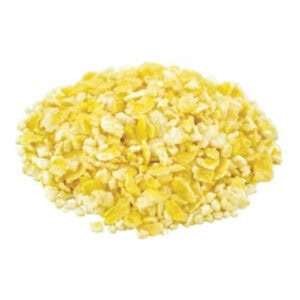
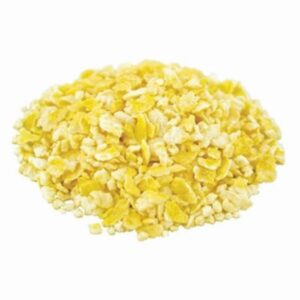
Flaked corn grain is a high-calorie feed for livestock and horses that provides large amounts of starch. Flaking increases the digestibility of the grain.
Corn Oil
Coat QualityCoat Quality
EnergyEnergy
FatFat
Weight IssuesWeight Issues
Corn oil is a plant-based oil derived from corn that is used to provide calories in the equine diet. It is fed to performance horses and hard-keepers to support weight gain.
Corn Starch
EnergyEnergy
GrainsGrains
IngredientIngredient
Weight IssuesWeight Issues
Corn starch is derived from the endosperm of the corn kernel. As the name indicates, it is high in starch and generally not used as an energy source in equine diets.
Cottonseed – Fuzzy
Caloric EnergyCaloric Energy
FiberFiber
MuscleMuscle
ProteinProtein
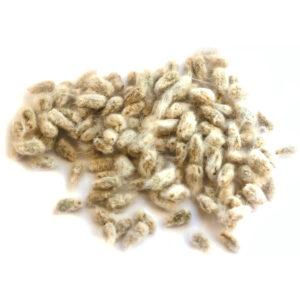
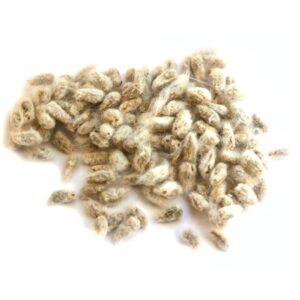
Fuzzy cottonseed is a highly digestible fibre and protein source commonly fed to cattle. The fuzzy seeds have strands of cellulose bound to the cottonseed.
Cottonseed Delinted
FatFat
FiberFiber
ProteinProtein
ToplineTopline
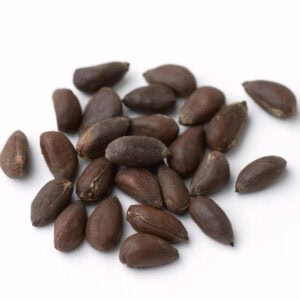
Delinted cottonseed refers to polished cottonseeds commonly used for planting grain. The seeds are high in fat (19.5%) and fibre, but are not commonly fed to horses.
Cottonseed Hulls
FiberFiber
HealthHealth
Low NSC FeedsLow NSC Feeds
NutrientsNutrients
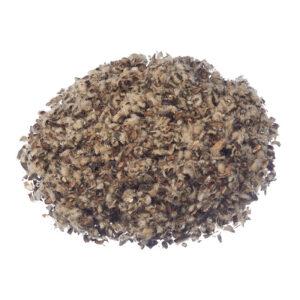
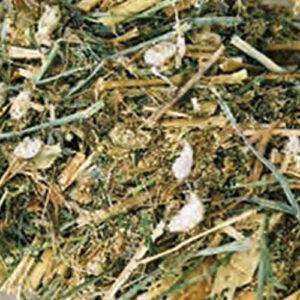
Cottonseed hulls are a fiber-rich feed additive used to add bulk to the equine diet. The hulls consist of the fibrous outer covering of the seed which is removed during manufacturing of cottonseed oil.
Cottonseed Meal Brazil Coarse Grind
EnergyEnergy
FiberFiber
NutritionNutrition
ProteinProtein
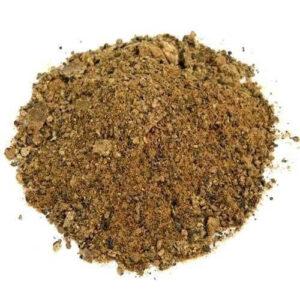
Cottonseed meal is a by-product of cottonseed oil production that provides a good source of fat and protein. It is commonly used in cattle rations.
Cottonseed Meal Brazil Fine Grind
EnergyEnergy
FiberFiber
NutritionNutrition
ProteinProtein
Cottonseed meal is a by-product of the extraction of oil from cottonseeds. It is abundant in fats and protein and is a quality feed ingredient found in cattle diets.
Cottonseed Oil
Coat QualityCoat Quality
EnergyEnergy
FatFat
Weight IssuesWeight Issues
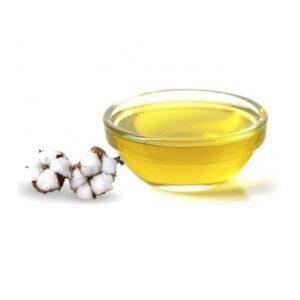
Cottonseed oil is a plant-based fatty acid supplement and calorie source used in the equine diet. It is considered less palatable than other oil sources.
Cottonseed Whole Brazil With Hay
FiberFiber
ForageForage
NutritionNutrition
ProteinProtein
Whole cottonseeds are a valuable fat, fibre, and protein source for dairy cattle. Cottonseeds are not commonly used in equine diets because of the low lysine content.
Cottonseed Whole Brazil Without Hay
EnergyEnergy
FiberFiber
NutritionNutrition
ProteinProtein
Whole cottonseeds are a rich source of fat, protein and fibre. This feed is a highly valued energy source for lactating dairy cows. Cottonseeds are not commonly fed to horses because of their amino acid profile.
Cottonseed Whole with Lint
FatFat
FiberFiber
ProteinProtein
ToplineTopline
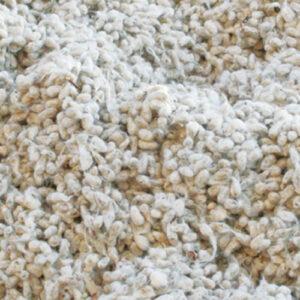
Whole cottonseed with lint refers to cottonseeds with the "fuzzy" lint attached. The seeds are high in fat, protein and fibre but have low palatability for horses. They are more commonly used as feed for dairy cattle.
Cracked Wheat
EnergyEnergy
FiberFiber
IngredientIngredient
NutrientsNutrients
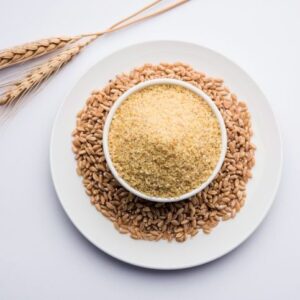
Cracked wheat is wheat grain that has a cracked exterior. It is a source of starch, fiber, and energy.
Crimped Oats
DigestionDigestion
FiberFiber
HindgutHindgut
SeniorSenior
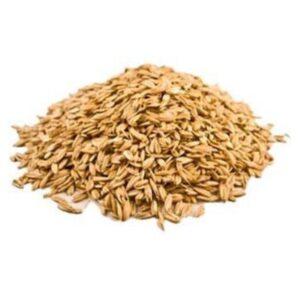
Crimped oats are steamed and rolled through a mechanical roller to increase surface area and digestibility. Crimped oats are high in fibre and commonly used in horse feeds as an energy source.
Dakota Gold Cold Processed Distillers Grains (POET)
Caloric EnergyCaloric Energy
GrainsGrains
ProteinProtein
Weight IssuesWeight Issues
Dakota Gold DDGS is a cold-processed distillers grain feed additive that provides digestible fiber, amino acids, vitamins and minerals. It is commonly used in swine, poultry, and dairy feed.
Distilled Corn Dark Spirits
EnergyEnergy
FatFat
IngredientIngredient
ProteinProtein
Distilled corn dark spirits refer to corn or maize distillers grain, which is a byproduct of alcohol production. Distilled grains from darker spirits have lower NSC (sugar & starch) content.
Distilled Corn Ethanol
EnergyEnergy
FatFat
NutrientsNutrients
ProteinProtein
Distilled corn is an ethanol byproduct that remains after the starch is extracted from corn or maize grain. Corn distillers grain is high in protein and is a moderate source of fat and fibre.
Distilled Corn Light Spirits
EnergyEnergy
FatFat
IngredientIngredient
ProteinProtein
Distilled corn light spirits are distillers grains from light coloured spirits. Distillers grains are commonly used in food animal rations.
Distilled Corn Medium Spirits
EnergyEnergy
FatFat
IngredientIngredient
ProteinProtein
Distilled corn medium spirits are a by-product of the alcohol industry. These distillers grains are an energy source in food animal rations.
Distilled Corn Very Dark Spirits
EnergyEnergy
FatFat
ProteinProtein
Weight IssuesWeight Issues
Distilled corn from very dark spirits is a byproduct of alcohol production that remains following the extraction of starch. Corn distillers grain is a good source of protein, fibre, and fat with lower sugar content.
Distilled Corn with Solubles
EnergyEnergy
FatFat
NutrientsNutrients
ProteinProtein
Distilled corn with solubles is a byproduct of ethanol production. It is commonly fed to cattle but should not be fed to horses. This feed is prone to developing mould which is toxic to horses.
Exceller Meal (Quality Roasting, Inc.)
FatFat
FiberFiber
ProteinProtein
Weight IssuesWeight Issues
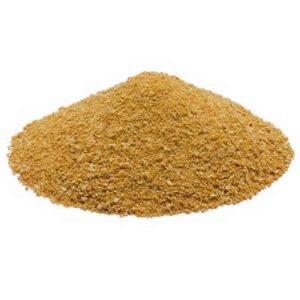
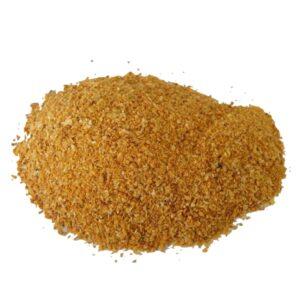
Exceller meal is a soybean meal feed product made by expeller mechanical processing of soybeans. This is a high-quality protein source primarily targeted to high-producing dairy cattle.
Faba Bean
MuscleMuscle
NutritionNutrition
ProteinProtein
ToplineTopline
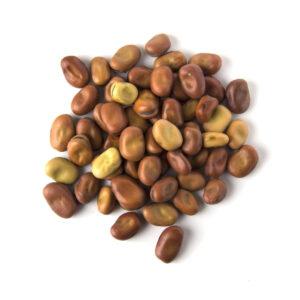
Faba beans (Vicia faba) are a high-protein feed intended for livestock and horses. The beans have low fat and high starch content.
Fat – Animal Vegetable Blend
Coat QualityCoat Quality
EnergyEnergy
FatFat
Weight IssuesWeight Issues
Blends of animal and vegetable fat have higher non-saturated fatty acid content than animal fat alone. Animal and vegetable fat sources are used as high-energy ingredients in animal feeds.
Fat – Hydrogenated Tallow
Coat QualityCoat Quality
EnergyEnergy
FatFat
Weight IssuesWeight Issues
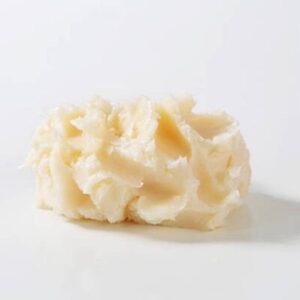
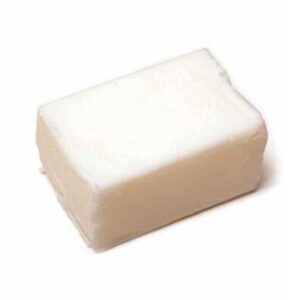
Hydrogenated tallow is animal fat rendered to saturate the bonds in the fatty acids making it firm. It has a variety of uses, including as a feed ingredient and as an emollient in cosmetics and moisturizers.
Feed Beets
Caloric EnergyCaloric Energy
NutritionNutrition
ProteinProtein
Weight IssuesWeight Issues
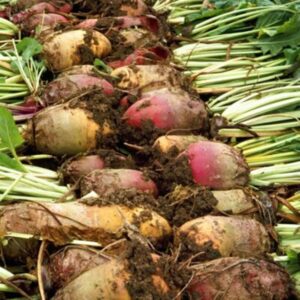
Feed beets are sugarbeets grown and harvested for animal feed. Whole beets are a high-sugar feed that are used to support milk production in dairy cattle.
Is Your Horse's Diet Missing Anything?

Identify gaps in your horse's nutrition program to optimize their well-being.