Analyze Diet
FeedBank
Feed Type

Energy Sources for Horses

View nutrition analyses for energy sources used in horse feed ingredients in the Mad Barn Equine Feed Database. This category includes dietary components that contribute calories to the equine diet, including fat, fiber, starch, sugar, and protein.

Compare nutrient profiles for different energy sources to understand how ingredients supply calories, support body condition, and fit into a balanced feeding program. Use this database to evaluate ingredients by calorie contribution, digestibility, fiber content, fat content, starch and sugar levels, and their role in meeting your horse’s energy requirements.
Filters
Energy Sources
Psyllium (Mad Barn)
FiberFiber
Gut HealthGut Health
HindgutHindgut
StressStress
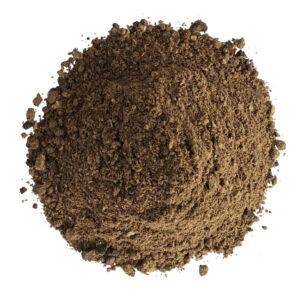
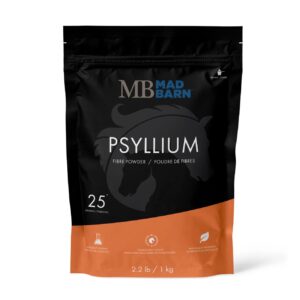
Psyllium by Mad Barn is a powdered psyllium supplement that supports digestion and gut health in horses. It absorbs water in the digestive tract, helping support normal gut motility and manure consistency, and is beneficial for horses exposed to sandy conditions, environmental stress, or dietary changes.
w-3 Oil (Mad Barn)
Coat QualityCoat Quality
FatFat
JointsJoints
Omega 3-6-9Omega 3-6-9
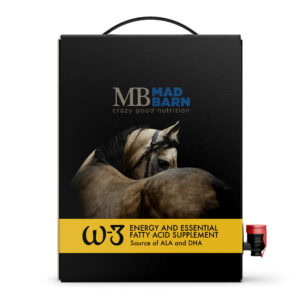
w-3 Oil by Mad Barn is an essential fatty acid supplement fortified with the omega-3 DHA and natural Vitamin E. W-3 Oil helps to support joint health, coat quality, cardiovascular health and weight maintenance.
FiberSMART® Syrup – Anderson Advanced Ingredients
FiberFiber
IngredientIngredient
Low NSC FeedsLow NSC Feeds
NutritionNutrition
FiberSMART® Syrup by Anderson Advanced Ingredients is a clear, pourable syrup produced from tapioca starch. It contains approximately 75% soluble dietary fiber and 1% non‑structural carbohydrates (sugars and starch). The syrup supplies a concentrated source of fermentable carbohydrates for horses in a liquid form that can be mixed into complete feeds, used as a top‑dress, or incorporated during pelleting.
Flaked Barley (Red Mills)
EnergyEnergy
GrainsGrains
IngredientIngredient
NutritionNutrition
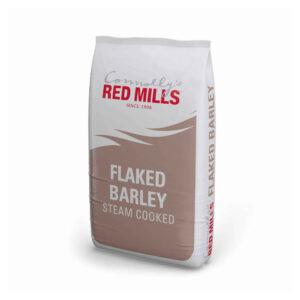
Flaked Barley from Red Mills is intended for all horses and ponies at any work level. The barley is steam cooked which allows it to be highly digestible and it improves nutrient absorption.
Flaked Lupins (Thompson & Redwood)
DigestionDigestion
FiberFiber
NutrientsNutrients
ProteinProtein
Flaked Lupins by Thompson & Redwood are steam-cooked and rolled lupin seeds. They are intended to be digestible and provide a high level of protein (33.3%) for animals.
Flaked Maize (Red Mills)
EnergyEnergy
GrainsGrains
IngredientIngredient
NutritionNutrition
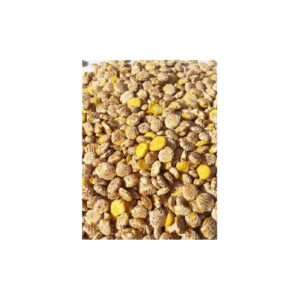
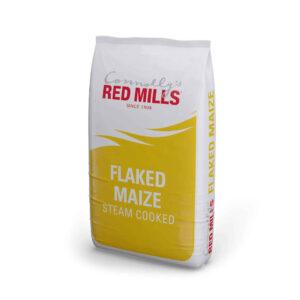
Flaked Maize by Red Mills is intended for horses and ponies of all ages and work levels that require additional energy. Flaked Maize is steam-cooked, improving digestibility and nutrient absorption.
Flax Oil
Coat QualityCoat Quality
FatFat
Omega 3-6-9Omega 3-6-9
Weight IssuesWeight Issues
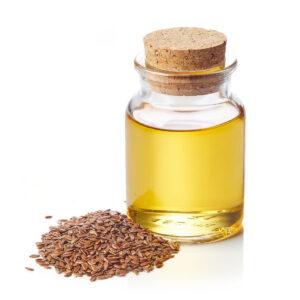
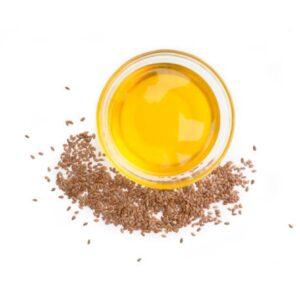
Flax oil is a plant-based source of essential fatty acids, including alpha linolenic acid (ALA) - an omega-3 fatty acid. This polyunsaturated fatty acid can help to improve the omega 3:6:9 ratio in the equine diet.
Flax Seed – Fresh Ground
Coat QualityCoat Quality
FatFat
Omega 3-6-9Omega 3-6-9
Weight IssuesWeight Issues
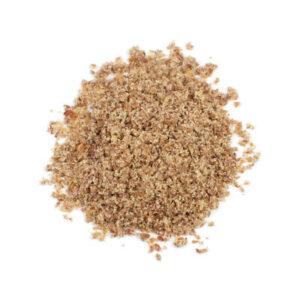
Fresh ground flaxseed is a source of the omega-3 fatty acid, Alpha Linoleic Acid (ALA). Flaxseed is low in sugars and starches and provides cool energy. To prevent rancidity, fresh ground flaxseed should be fed immediately after grinding.
Flaxseed, Whole (Modesto Milling)
Caloric EnergyCaloric Energy
FiberFiber
GrainsGrains
Omega 3-6-9Omega 3-6-9
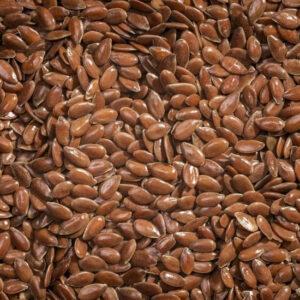
Modesto’s whole organic flaxseed is a feed that provides a high level of fat, protein, and energy. Flaxseed contains omega-3 fatty acids in the form of alpha-linolenic acid. It is beneficial to grind whole flaxseed while fresh to improve digestibility.
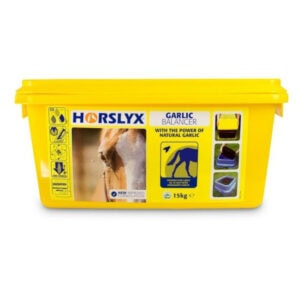
Garlic Balancer (Horslyx)
FlavorFlavor
Gut HealthGut Health
Hoof HealthHoof Health
Mineral BalanceMineral Balance
Garlic Balancer from Horslyx is designed to contain pure garlic oil to work as an insect repellent and alleviate irritation caused by sweet itch. This balancer is intended to support hoof health, muscle growth, and gut health.
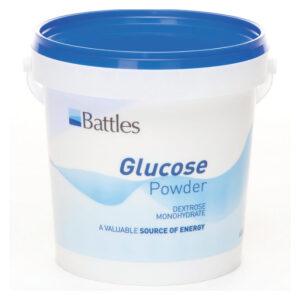
Glucose
EnergyEnergy
IngredientIngredient
NutrientsNutrients
Weight IssuesWeight Issues
Glucose is a simple sugar that can be used as a rapidly available source of energy. It can be given intravenously as a treatment for ketosis in dairy cattle.
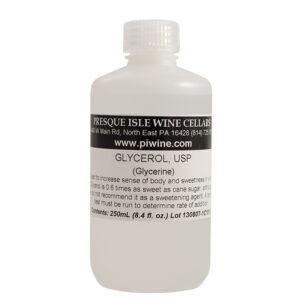
Glycerol
EnergyEnergy
IngredientIngredient
NutrientsNutrients
Weight IssuesWeight Issues
Glycerol is a sugar alcohol used sparingly in cattle diets. It can be used to manage and treat ketosis in lactating cows.
Grape Pomace
DigestionDigestion
EnergyEnergy
FiberFiber
NutritionNutrition
Grape Pomace is the solid remains of grape juice and wine production, consisting of the peel, pulp, and seeds. This residue is a good source of digestible energy for horses.
Hemp Seed Oil
Coat QualityCoat Quality
FatFat
Omega 3-6-9Omega 3-6-9
Weight IssuesWeight Issues
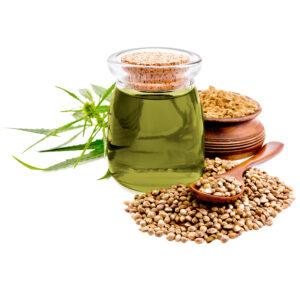
Hemp seed oil is extracted from the seeds of the hemp plant. Hemp seed oil can be used as a source of calories and to provide omega-3 fatty acids and gamma linolenic acid.
Hempseed Meal
Easy KeeperEasy Keeper
FiberFiber
Omega 3-6-9Omega 3-6-9
ProteinProtein
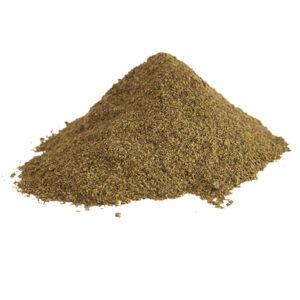
Hempseed (cannabis sativa) meal is a byproduct of the hemp industry that remains after the oil is extracted from the seeds. Hempseed meal is a good fibre source for animals.
Lecithin
DigestionDigestion
Feed EfficiencyFeed Efficiency
IngredientIngredient
NutritionNutrition
Lecithin is a fat-derived emulsifier commonly sourced from soybeans or sunflower seeds.
Linseed Meal – Expelled
Coat QualityCoat Quality
FatFat
FiberFiber
Omega 3-6-9Omega 3-6-9
Expelled linseed (flaxseed) meal is a byproduct of linseed oil production. After the fat has been expelled, the remaining dry matter is rich in fiber and protein.
Linseed Meal – Solvent Extracted
Coat QualityCoat Quality
FatFat
ProteinProtein
ToplineTopline
Linseed meal is a byproduct of linseed oil (flax oil) production, which remains following extraction of the oil. Linseed meal is a good source of protein, but is low in lysine content.
Linseed Oil
EnergyEnergy
FatFat
Omega 3-6-9Omega 3-6-9
Weight IssuesWeight Issues
Linseed oil (Flaxseed oil) is a plant-based essential fatty acid supplement rich in the omega-3, alpha linolenic acid (ALA). It is often fed to horses that need to gain weight and to improve coat quality.
Lupin Hulls
FatFat
FiberFiber
Gut HealthGut Health
ProteinProtein
Lupin Hulls are the fibrous coating of lupin seeds removed during processing. They provide a highly digestible source of fiber with moderate levels of protein and are low in sugar and starch.
Lupin Meal
EnergyEnergy
FiberFiber
NutrientsNutrients
ProteinProtein
Lupin meal is made from ground lupin seeds after processing. It is a protein-rich ingredient that also provides fiber and energy.
Lupins
FatFat
FiberFiber
HindgutHindgut
ProteinProtein
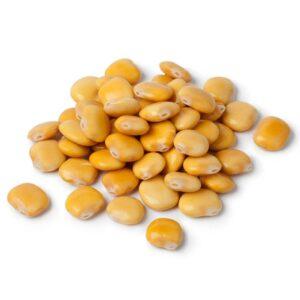
Lupin beans are a legume sometimes used in horse feeds, providing high levels of protein and moderate levels of fat. Lupins supply high fibre content but have low levels of starch.
Lupins Sweet
FiberFiber
MuscleMuscle
ProteinProtein
Weight IssuesWeight Issues
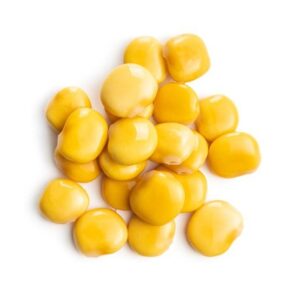
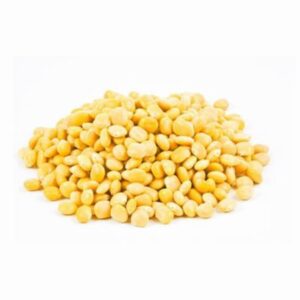
Sweet Lupins (also called lupini beans) are a yellow legume seed that are a low-starch source of protein (28-34%) and digestible fiber. Compared to soybean meal, sweet lupins are lower in lysine and methionine but tend to be more palatable.
Mais Flocon (Nature Belisle)
Caloric EnergyCaloric Energy
EnergyEnergy
GrainsGrains
NutritionNutrition
Mais Flocon by Nature Belisle is a corn feed intended for horses and ponies of all ages and work levels. It contains 7.5% protein and 2.15% fibre.
Molasses – Beet
Caloric EnergyCaloric Energy
EnergyEnergy
FlavorFlavor
Weight IssuesWeight Issues
Molasses derived from beets is a highly palatable ingredient that is often added to equine feeds to promote feed intake. It is high in sugar and carbohydrates and is not recommended for horses with metabolic concerns.
Molasses – Cane
Caloric EnergyCaloric Energy
EnergyEnergy
FlavorFlavor
Weight IssuesWeight Issues
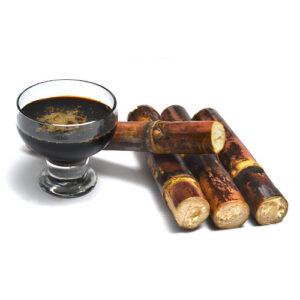
Molasses derived from sugar cane is commonly added to equine feeds to improve palatability. It is high in sugar and should not be fed in large quantities to easy keepers or horses with metabolic concerns.
Molasses – Dried
Caloric EnergyCaloric Energy
EnergyEnergy
FlavorFlavor
Weight IssuesWeight Issues
Dried Molasses is typically derived from cane or beet molasses that is processed to remove moisture content. It is a sweet, energy-dense feed ingredient that can improve the palatability of pelleted feeds.
Molasses 74% DM 37% Sugar
Caloric EnergyCaloric Energy
EnergyEnergy
FlavorFlavor
Weight IssuesWeight Issues
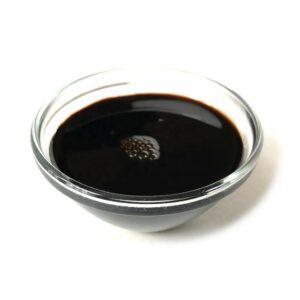
Molasses is a high-energy feed derived from sugar production. It is commonly used as an ingredient in equine sweet feeds and as a palatable feed for livestock.
Molasses 83% DM 35% Sugar
Caloric EnergyCaloric Energy
EnergyEnergy
FlavorFlavor
Weight IssuesWeight Issues
Molasses is a derivative of sugar production from sugarbeets or sugarcane. Molasses increases calorie density and is used to improve the palatability of equine and livestock diets.
Molasses 84% DM 37% Sugar
Caloric EnergyCaloric Energy
EnergyEnergy
FlavorFlavor
Weight IssuesWeight Issues
Molasses is a byproduct of sugar production from sugarbeets or sugarcane. It is used as a high-energy feed in livestock and equine diets.
Molasses 84% DM 54% Sugar
Caloric EnergyCaloric Energy
EnergyEnergy
FlavorFlavor
Weight IssuesWeight Issues
Molasses is a by-product of sugar extraction from sugarbeets or sugarcane. Molasses is a high-calorie feed ingredient for cattle and horses.
Molasses Sugarcane Mexico
Caloric EnergyCaloric Energy
FlavorFlavor
IngredientIngredient
Weight IssuesWeight Issues
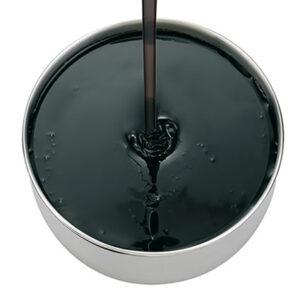
Sugarcane molasses is a by-product that remains after sugar extraction from sugarcane. It is a high-sugar syrup that is used as a binding agent, palatability enhancer and silage additive.
Natural Glo Stabilized Rice Bran Pellets (Manna Pro)
Caloric EnergyCaloric Energy
FatFat
NutritionNutrition
Weight IssuesWeight Issues
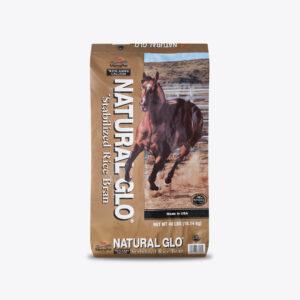
Natural Glo Stabilized Rice Bran Pellets from Manna Pro is a source of supplemental energy and fat. It contains added calcium carbonate to balance the calcium-phosphorus ratio. Natural Glo Stabilized Rice Bran pellet is 13% crude protein, 18% crude fat, and 8.5% crude fibre.
Oat – Groat Hulls
Caloric EnergyCaloric Energy
GrainsGrains
NutritionNutrition
ProteinProtein
Oat groat hulls refer to oat products that contain both the groat (kernel) and hulls. This product has higher starch than whole oats.
Oat Bran
EnergyEnergy
FiberFiber
IngredientIngredient
NutritionNutrition
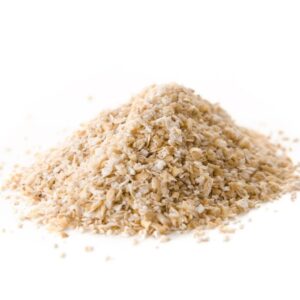
Oat bran is the outer layer of the oat grain. It is a good source of fiber but contains more phosphorus than calcium and may contribute to calcium imbalances if fed in excess.
Oat Ground Steam Rolled
EnergyEnergy
FiberFiber
GrainsGrains
NutritionNutrition
Ground steam-rolled oats are a high-fibre, high-energy feed that have greater digestibility compared to whole oats.
Oat Hulls
FiberFiber
GrainsGrains
Low NSC FeedsLow NSC Feeds
NutrientsNutrients
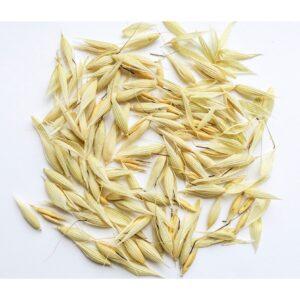
Oat hulls, also known as oat husks, are the outer shell that surrounds the oat grain. Oat hulls are a by-product of oat processing and are commonly added to animal feeds.
Oat Tailings
Caloric EnergyCaloric Energy
FiberFiber
GrainsGrains
NutrientsNutrients
Oat tailings refer to the small, broken pieces that remain after oat harvest or processing. Depending on the composition, it can have variable starch, fibre and protein content.
Oats – Dehulled
Caloric EnergyCaloric Energy
GrainsGrains
IngredientIngredient
NutritionNutrition
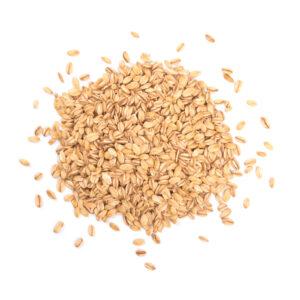
Oats are low in fat and high in starch. Dehulled oats are also higher in fiber, provides protein, minerals and vitamins.
Oats – Steam Rolled
Caloric EnergyCaloric Energy
FiberFiber
GrainsGrains
NutritionNutrition
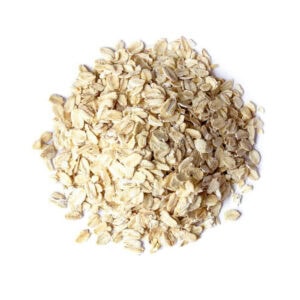
Oats processed by steamrolling may have slightly improved digestibility. This can be a suitable feed to meet additional calorie requirements for growing or performance horses.
Oats – Whole
Caloric EnergyCaloric Energy
GrainsGrains
NutrientsNutrients
ProteinProtein
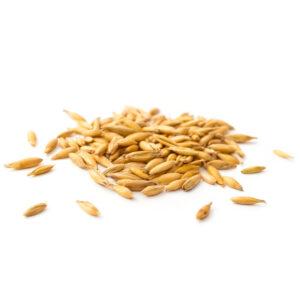
Whole oats are a high-fibre feed that contains highly digestible starch and carbohydrates. It can be a good energy source for growing or performance horses.
Oats, Whole (Modesto Milling)
Caloric EnergyCaloric Energy
FiberFiber
GrainsGrains
GrowthGrowth
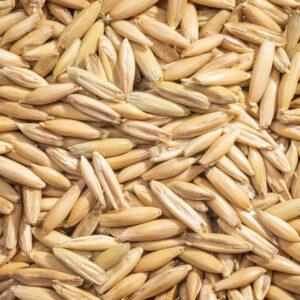
Modesto’s whole organic oats provide a high level of energy and 11.5% protein. Oats are beneficial for horses needing a dense source of calories. Oats are palatable making them ideal for any horse or pony.
Palm Kernel Expeller NZ
EnergyEnergy
FatFat
ProteinProtein
Weight IssuesWeight Issues
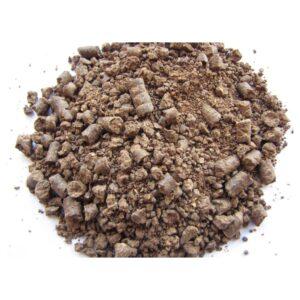
Palm Kernel Expeller is a byproduct of palm oil extraction. It is a high-protein feed suitable for many classes of livestock.
Partially Hydrogenated Tallow
Coat QualityCoat Quality
EnergyEnergy
FatFat
Weight IssuesWeight Issues
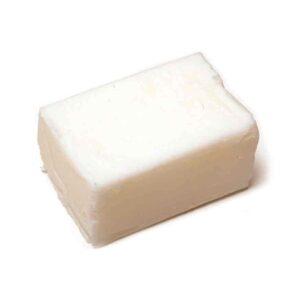
Partially hydrogenated tallow is rendered animal fat that has a portion of its fatty acid bonds saturated. It has the consistency of whipped cream and is commonly used in packaged foods.
Peanut Hulls
Caloric EnergyCaloric Energy
FatFat
NutrientsNutrients
ProbioticProbiotic
Peanut hulls are a by-product of peanut processing. Peanut hulls are high in lignin, an indigestible fibre. Aflatoxin contamination may be a concern with peanut hulls.
Peanut Meal – Mechanical Extraction
Amino AcidAmino Acid
FatFat
ProteinProtein
ToplineTopline
Peanut meal is a by-product of peanut oil production, either through mechanical extraction. Peanut meal is high in protein, but may be contaminated with aflatoxin.
Peanut Meal – Solvent Extracted 48% CP
Amino AcidAmino Acid
FatFat
ProteinProtein
ToplineTopline
Peanut meal is a by-product of peanut oil, typically produced by solvent extraction. Peanut meal is high in protein but relatively low in limiting amino acids such as lysine and methionine.
Peanut Skins
Caloric EnergyCaloric Energy
FatFat
FiberFiber
ProteinProtein
Peanut skins are a by-product of peanut processing. Peanut skins are a high-protein, high-fat feed option for livestock.
Peanuts
EnergyEnergy
FatFat
FiberFiber
IngredientIngredient
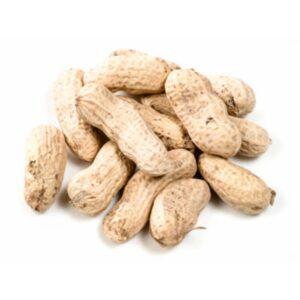
Peanuts are the edible seeds of the peanut plant. They are high in fat and protein, but are not commonly used in horse feeds.
Pearl Millet Grain Brazil Medium Grind
FiberFiber
GrainsGrains
NutritionNutrition
ProteinProtein
Pearl millet (Pennisetum glaucum) is an annual cereal grass found in tropical and subtropical regions. It can be used for pasture, hay or silage for ruminants and horses. It contains anti-nutritive factors such as nitrate and alkaloids which should be monitored.
Pearlmillet Grain Brazil Finely Ground
Caloric EnergyCaloric Energy
FiberFiber
GrainsGrains
NutritionNutrition
Pearlmillet (Pennisetum glaucum) is an annual cereal grass that can be used for pasture, hay or silage for ruminants and horses. It contains anti-nutritive factors such as nitrate and alkaloids which should be monitored.
Pearlmillet Grain Brazil Whole
FiberFiber
GrainsGrains
NutritionNutrition
ProteinProtein
Pearl millet (Pennisetum glaucum) is an annual cereal grass native to Africa and also found in South America and Australia. It can be used for pasture, hay or silage. It should be monitored for anti-nutritive factors such as nitrate and alkaloids.
Is Your Horse's Diet Missing Anything?

Identify gaps in your horse's nutrition program to optimize their well-being.