






 English
Identify gaps in your horse's nutrition program to optimize their well-being.
Silage - Feed Database
View the nutrition analysis for different types of silage in the Equine Feed Database. Compare nutrient values for silage products for horses.
Feeds, Supplements & Products
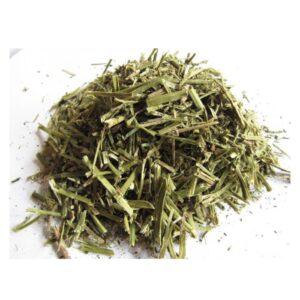
Alfalfa Silage – 17% CP 43% NDF
 Fiber
Fiber Gut Health
 Nutrients
 Protein
Alfalfa silage is a high-protein forage commonly fed to dairy cows. Alfalfa is cut and fermented without air to prevent spoilage. The silage provides higher nutrient density compared to dry alfalfa hay.
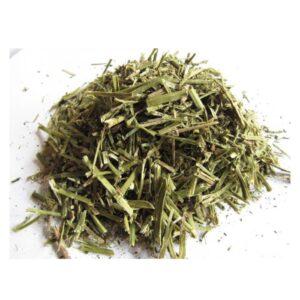
Alfalfa Silage – 17% CP 46% NDF
FiberGut HealthNutrientsProteinAlfalfa silage is a fermented forage that is more nutritionally-dense as compared to dry alfalfa hay. It is commonly fed to cattle due to its high protein and energy content.
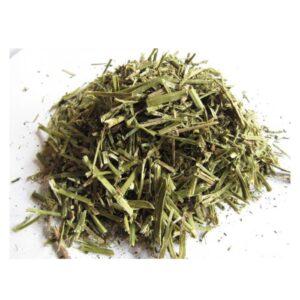
Alfalfa Silage – 20% CP 37% NDF
FiberGut Health NutritionProtein
Alfalfa (lucerne) silage is made from chopped alfalfa that is compressed and fermented without air to prevent spoilage. This improves the nutrient density while offering more flexibility in harvesting times.
Alfalfa Silage – 20% CP 40% NDF
FiberGut HealthNutritionProteinAlfalfa silage is an energy- and protein-dense forage. It is compacted, stored and fermented while wet in air-tight conditions to preserve nutrients. It is commonly used for dairy cattle and is typically too high in energy and protein for horses.
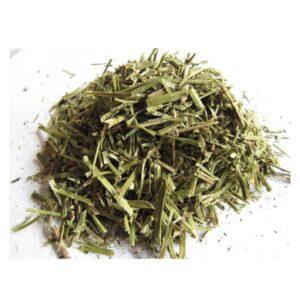
Alfalfa Silage – 25% CP 32% NDF
FiberGut HealthNutritionProteinAlfalfa silage is a fermented forage that is commonly fed to dairy cattle. It is a protein and energy rich feed that is too nutrient dense for most horses.
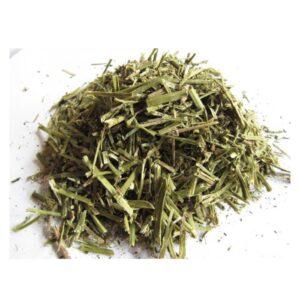
Alfalfa Silage – 25% CP 35% NDF
FiberGut HealthNutritionProteinAlfalfa silage is chopped alfalfa that is fermented in anaerobic conditions. It is commonly fed to dairy cattle because of its high protein content, but is too nutrient-dense for most horses.
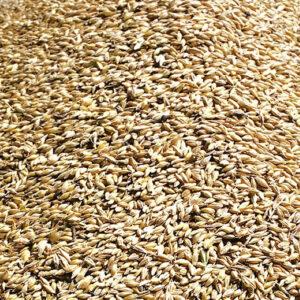
Barley Silage – 12% CP 55% NDF
Fiber GrainsNutrientsProtein
Barley is a cool-season cereal grain crop that matures quickly. Barley silage is a high-protein forage commonly fed to cattle but not typically provided to horses.
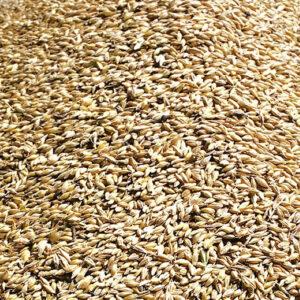
Barley Silage – 14% CP 50% NDF
 Caloric EnergyFiberGrainsProtein
Barley silage is a high-protein forage source commonly fed to cattle. This feed is derived from barley cut and ensiled at an early stage of growth. Horses typically are fed barley hay rather than barley silage.
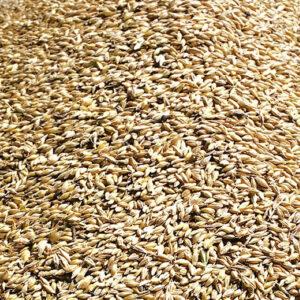
Barley Silage – 9% CP 60% NDF
FiberGrainsNutrientsProteinBarley silage is made from barley plants harvested in the mid- to late-dough stage. This silage is commonly used as a cattle feed in drought-prone areas. Horses are typically fed barley hay as opposed to barley silage.
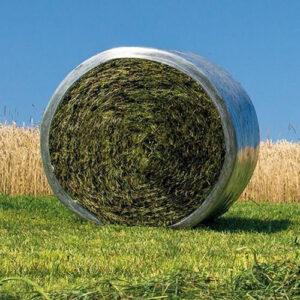
Bermuda Silage – 10% CP 70% NDF
Fiber Forage
 Hay StretcherNutrients
Bermuda silage is more commonly fed to dairy cattle than horses. Depending on stage of maturity when cut, the silage will have varying protein, sugar and fibre content.
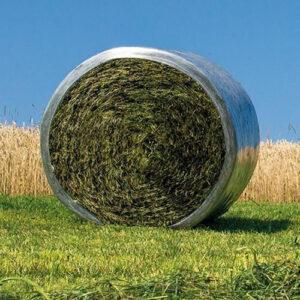
Bermuda Silage – 15% CP 55% NDF
FiberForageHay StretcherNutrientsBermuda is a perennial grass adapted to subtropical and tropical climates. Bermuda silage is a suitable forage source for cattle but not commonly fed to horses.
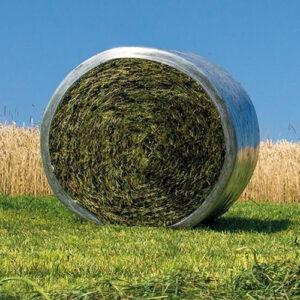
Bermuda Silage – 5% CP 80% NDF
FiberForageHay StretcherNutrientsProcessing bermuda grass as silage is an option when frequent rainfall procludes hay production. Bermuda silage is more commonly fed to cattle than horses.
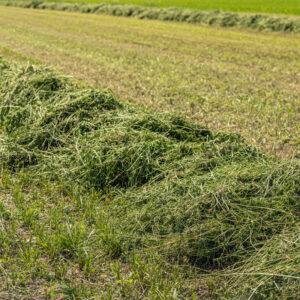
Clover Silage – 17% CP 53% NDF
FiberHay StretcherNutritionProteinClover-based silage is a common forage source for dairy cattle in North America but is not often fed to horses. This legume is high in protein and calcium, supporting the needs of lactating animals.
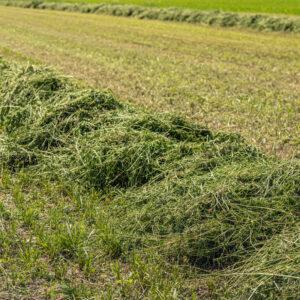
Clover Silage – 19% CP 47% NDF
FiberHay StretcherNutritionProteinClover silage is commonly fed to cattle in North America. It is not typically fed to horses. However, the nutritional profile is appropriate for growing, lactating or performance horses.
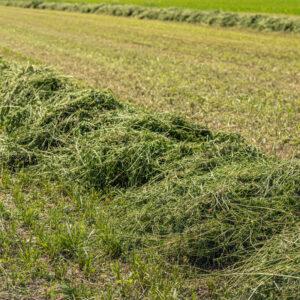
Clover Silage – 21% CP 40% NDF
FiberHay StretcherNutritionProteinClover silage is ensiled clover which results in fermentation of the forage. Silage is commonly fed to dairy cattle as a nutrient-dense feed to support lactation. It is not commonly fed to horses.
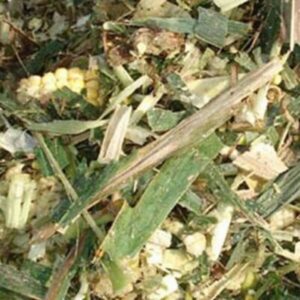
Corn Cannery Waste Silage
Caloric EnergyForageGrainsNutritionCorn cannery waste silage is a byproduct of sweet corn processing. Sweet corn waste can be ensiled and fed to cattle.
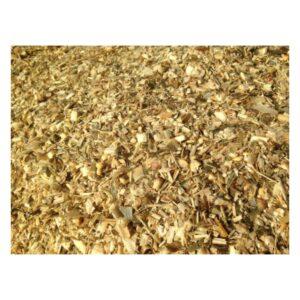
Corn Silage – 35% DM 41% NDF
FiberGrainsNutrientsProteinCorn silage is a common feed for cattle in North America but is not commonly fed to horses. This feed is high in energy and starch to support fat deposition and lactation in cattle.
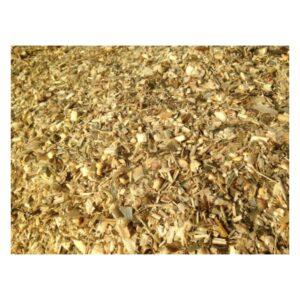
Corn Silage – 35% DM 45% NDF
FiberGrainsNutrientsProteinCorn silage is not commonly fed to horses unless other forages are not available. It is a high-energy, high-starch feed appropriate for dairy and beef cattle.
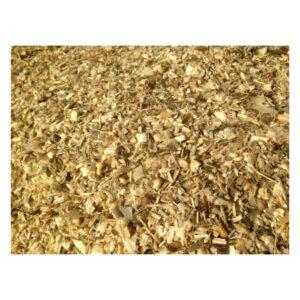
Corn Silage – 35% DM 49% NDF
FiberGrainsNutrientsProteinCorn silage is a high-energy, high-starch feed commonly fed to cattle. Starch content decreases, and fibre content increases as the plant matures. Corn silage is not commonly fed to horses.
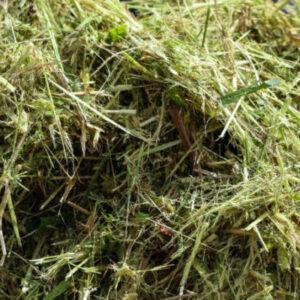
Grass Silage – 10% CP 67% NDF
FiberForageHay StretcherProteinGrass silage is used in equine diets as an alternative to hay. Grass harvested at a later maturity has lower crude protein and higher fibre content.
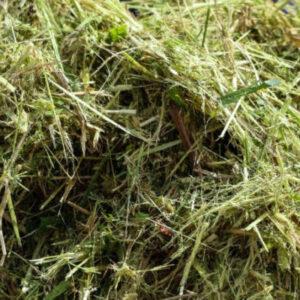
Grass Silage – 16% CP 55% NDF
FiberForageHay StretcherProteinGrass silage can be used in place of hay in the horse's diet. Grass harvested at an earlier growth stage has higher crude protein and lower fibre content. This silage is suitable for horses with higher protein and energy requirements.
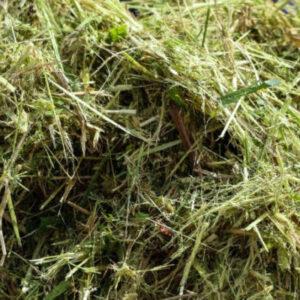
Grass Silage – 20% CP 48% NDF
FiberForageNutritionProteinGrass silage can be used in place of hay in the horse's diet. Grass harvested at an earlier growth stage has higher crude protein and lower fibre content. This silage is suitable for horses with higher protein and energy requirements.
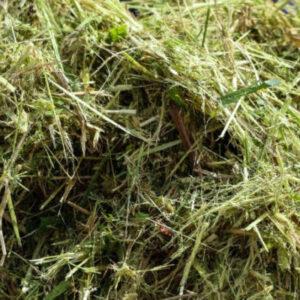
Grass Silage – 7% CP 72% NDF
FiberForageHay StretcherNutritionGrass silage can be used in equine diets as an alternative to hay. Silage is commonly used when weather conditions limit hay production.
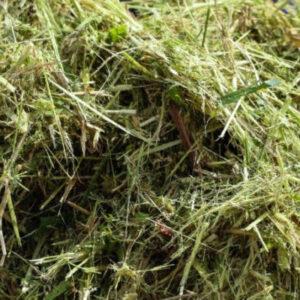
Grass Silage 12% CP 55% NDF
 DigestionFiberForage
 Respiratory
Grass silage consisting of fermented grasses is a common forage source for ruminants. It can be fed to horses when hay supplies are low. The protein content is low when the plant is harvested at a mature stage of growth.
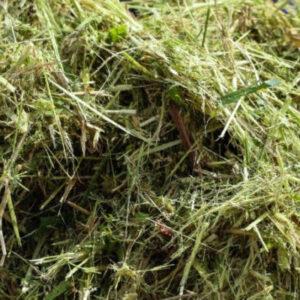
Grass Silage 12% CP 60% NDF
DigestionFiberForageRespiratoryGrass silage is a common forage source for ruminants worldwide, but it can be used for horses when hay supplies are limited. The protein content is lowest at older stages of growth.
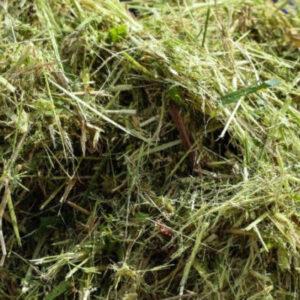
Grass Silage 14% CP 50% NDF
DigestionFiberForageRespiratoryGrass silage is produced by fermenting grass and is a common forage source for ruminants. It can be fed to horses when hay supplies are low. Protein content decreases and fibre increases as the plant matures.
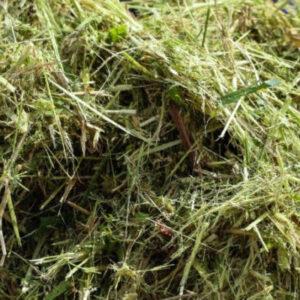
Grass Silage 14% CP 55% NDF
DigestionFiberForageRespiratoryGrass silage harvested at a late or mature stage of growth has higher fibre and lower protein content. It is a common feed for ruminants worldwide. Horses can also be fed grass silage when hay supplies are low.
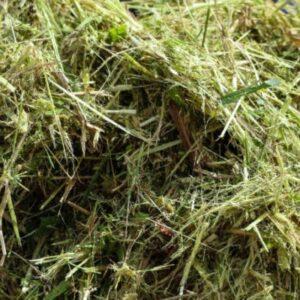
Grass Silage 16% CP 45% NDF
DigestionFiberForageRespiratoryGrass silage is produced by harvesting grass and fermenting it in oxygen-deprived conditions. It is fed to ruminants worldwide and can also be given to horses when hay supplies are limited.
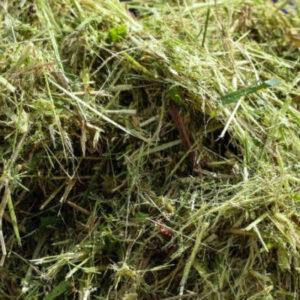
Grass Silage 16% CP 50% NDF
DigestionFiberForageRespiratoryGrass silage is a common forage source for ruminants worldwide. When hay supply is low, it can also be fed to horses. Protein and fibre content varies depending on the stage of maturity at harvest.
Grass Silage 18% CP 40% NDF
DigestionFiberForageProteinGrass silage is used worldwide as a high-protein forage source for ruminants. It serves as an alternative forage source for horses when hay supplies are limited.
Grass Silage 18% CP 45% NDF
DigestionFiberForageProteinGrass silage is produced by fermenting grasses and is a common forage source for ruminants. It can be fed to horses when hay supplies are low. Protein content decreases and fibre increases as the plant matures.
Grass Silage 20% CP 35% NDF
DigestionFiberForageProteinGrass silage is used worldwide as a high-protein forage source for ruminants. It can also be fed to horses when hay supplies are limited.
Grass Silage 20% CP 40% NDF
DigestionFiberForageProteinGrass silage is a common forage source for ruminants worldwide. When hay supply is low, it can also be fed to horses. Depending on the stage of maturity at harvest, protein and fibre content will vary.
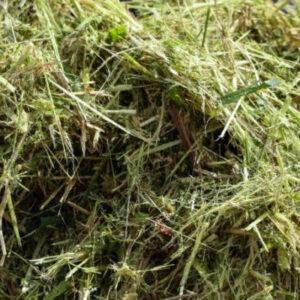
Grass Silage 22% CP 34% NDF
DigestionFiberForageProteinGrass silage consists of fermented grasses. It is a common forage source for ruminants but can be fed to horses when hay supplies are low. Protein content decreases and fibre increases as the plant matures.
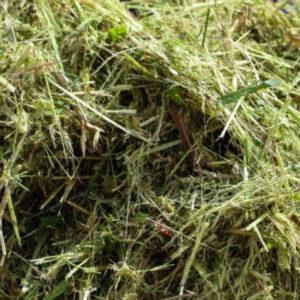
Grass Silage 22% CP 38% NDF
DigestionForageProteinGrass silage is a common forage source for ruminants worldwide. It is used for horses when hay supplies are limited. Protein and fibre content varies by stage of maturity when harvested and is highest at younger stages of growth.
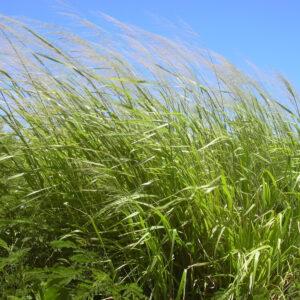
Guineagrass Silage Honduras Med
 EnergyFiberForageNutrition
Guineagrass (Megathyrsus maximus) is a perennial grass native to Africa. It is now grown throughout the tropics as a fast-growing forage source for ruminants. Oxalate and hydrocyanic acid content should be monitored.
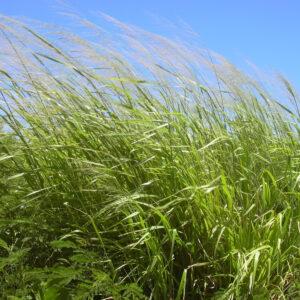
Guinegrass Silage Honduras Coarse
DigestionEnergyFiberForageGuinea grass (Megathyrus maximus) is a fast-growing tropical forage used for pasture, hay, or silage. It is commonly used as a forage source for ruminants.
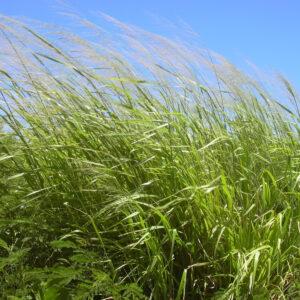
Guinegrass Silage Honduras Fine
EnergyFiberForageNutritionGuineagrass (Megathyrsus maximus) is a perennial found throughout the tropics. It is a fast-growing, bulky forage that can be used as pasture, hay, or silage.
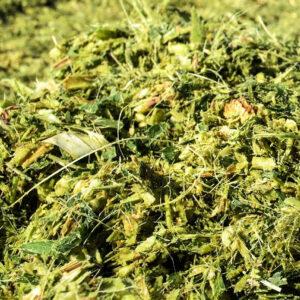
Maize Silage Processed 28% DM 45% NDF Medium Chop
EnergyFiberForageNutritionMaize (corn) silage is a common high-energy forage for ruminants. It can be processed by passing through rollers to improve starch and fibre digestibility. Low dry matter content is common when harvested early.
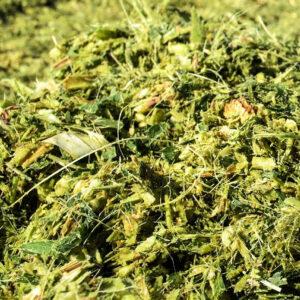
Maize Silage Processed 28% DM 45% NDF Shredlage
EnergyFiberForageNutritionMaize (corn) silage is a common high-energy forage for ruminants. It can be processed by passing through rollers to improve starch and fibre digestibility.
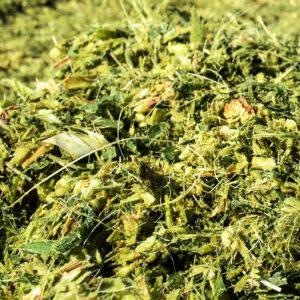
Maize Silage Processed 32% DM 40% NDF Medium Chop
EnergyFiberForageNutritionMaize (corn) silage is a common high-energy forage for ruminants. Dry matter and fibre content varies with time of harvest.
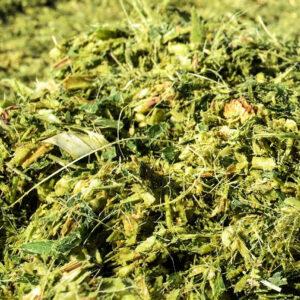
Maize Silage Processed 32% DM 40% NDF Shredlage
EnergyFiberForageNutritionMaize (corn) silage is a common high-energy forage for ruminants. Shredlage is chopped to improve digestibility while maintaining larger particle size.
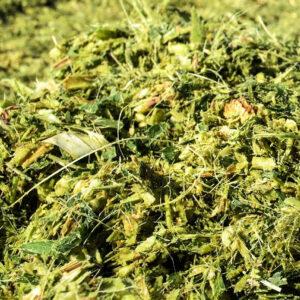
Maize Silage Processed 36% DM 36% NDF Medium Chop
EnergyFiberForageNutritionMaize (corn) silage is a common high-energy forage for ruminants. Processed corn silage is passed through rollers to improve starch and fibre digestion.
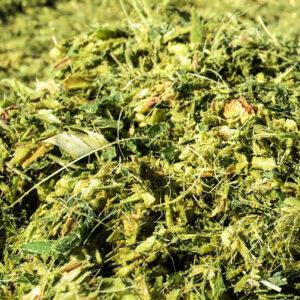
Maize Silage Processed 36% DM 36% NDF Shredlage
EnergyFiberForageNutritionMaize (corn) silage is a common high-energy forage for ruminants. Shredlage refers to the use of chopping equipment that increases particle size and digestibility of the silage.
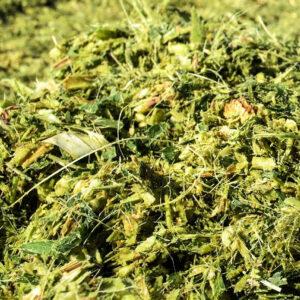
Maize Silage Unprocessed 28% DM 45% NDF Medium Chop
EnergyFiberForageNutritionMaize (corn) silage is a high-energy forage commonly fed to ruminants. Early harvested corn silage has a lower dry matter content which decreases its quality.

Maize Silage Unprocessed – 36% DM 36% NDF Fine Chop
Caloric EnergyFiberGrainsNutritionMaize (corn) silage is a common high-energy forage for ruminants. Fine chopping improves compression in silos but may increase the risk of acidosis due to rapid fermentation.
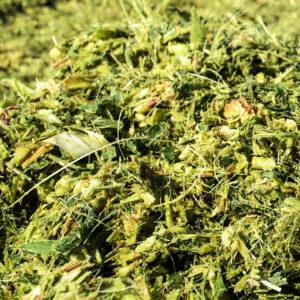
Maize Silage Unprocessed – 36% DM 36% NDF Medium Chop
Caloric EnergyFiberGrainsNutritionMaize (corn) silage is a high-energy forage for ruminants made of the entire corn plant. Medium chop size reduces the risk of acidosis compared to fine chop.
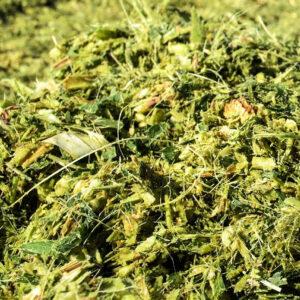
Maize Silage Unprocessed 28% DM 45% NDF Fine Chop
EnergyFiberForageNutritionMaize (corn) silage is a common high-energy forage for ruminants. Early harvested corn silage has a lower dry matter content which decreases silage quality.
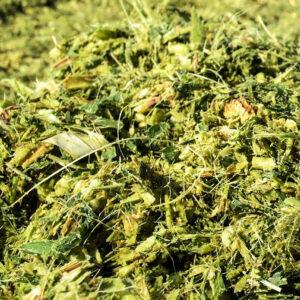
Maize Silage Unprocessed 32% DM 40% NDF Fine Chop
EnergyFiberForageNutritionMaize (corn) silage is a common high-energy forage for ruminants. It should be harvested at 32 - 40% dry matter for optimal ensiling.
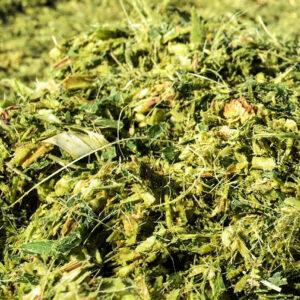
Maize Silage Unprocessed 32% DM 40% NDF Medium Chop
EnergyFiberForageNutritionMaize (corn) silage is a common high-energy forage for ruminants. Dry matter and fibre content varies with time of harvest.


