

 English

The FeedBank is a reference database providing nutrition information on components in the equine diet. Listing in the FeedBank does not imply endorsement by Mad Barn.
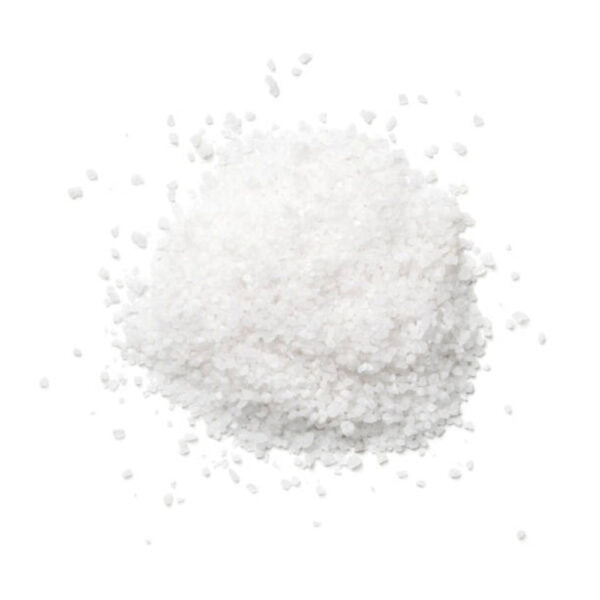
Sodium Sulfate Decahydrate (Glauber Salts)
 Colic
Colic Gut Health
 Ingredient
 Toxin Binder
Sodium Sulfate Decahydrate is also known as Glauber Salts or sal mirabilis. It is used in horses as a natural laxative supplement to support gut health and alleviate colic.
Mad Barn's Feed Bank provides nutritional profiles on 4,772 forages, feeds and supplements used in the equine diet. With our free diet formulation tool, this data can be used by horse owners and nutritionists to design balanced feeding programs for horses in their care.
Sodium Sulfate is a natural source of sulfur that is purported to promote evacuation of the horse’s bowels. It is said to be useful as a natural deworming supplement and an anti-parasitic agent.
Glauber Salts has a laxative effect in horses, promoting gut motility and the elimination of worms in the small intestine. It is used in horses that have an adverse reaction to paste-based deworming medications.
According to Saratoga Veterinary Products, Sodium Sulfate can “kill large strongyles, small strongyles, pinworms, ascarids, and arteritis caused by fourth stage larvae of Strongylus vulgaris.”
Availability: Canada, United Kingdom, United States
Ingredients: Sodium Sulfate
Cost:
$94.40 / kg
Dry Matter:
99.5%
Digestible Energy:
0 Mcal / kg (DM)
| Nutritional Analysis | ||||||
|---|---|---|---|---|---|---|
| Dry Matter As Fed Feeding Rate: | ||||||
| Nutrients | Concentration | Per 10 g | ||||
| Digestible EnergyDigestible energy provides an estimate of the usable calorie content of a feed commonly expressed as megacalories per kilogram or pound (Mcal/kg or lb). | 0 | Mcal / kg | 0 | Mcal | ||
| Crude ProteinCrude Protein is an estimate of the total protein content of a feed based on the nitrogen content. | 0 | % DM | 0 | g | ||
| LysineLysine is typically considered the first limiting amino acid in equine diets. It is involved in immune function, metabolism, and making collagen and elastin. | 0 | % DM | 0 | g | ||
| CalciumCalcium is important for maintaining strong bones and teeth. It should be provided in a ratio of approximately 1.5:1 Calcium to Phosphorus. | 0 | % DM | 0 | g | ||
| PhosphorusPhosphorus is a macromineral involved in the maintaining the structure and function of bone. It is also a component of ATP and cell membranes. | 0 | % DM | 0 | g | ||
| MagnesiumMagnesium acts as a cofactor for over 300 metabolic processes. It is important for muscle and nerve function, bone health, mood regulation and energy production. | 0 | % DM | 0 | g | ||
| PotassiumPotassium is an electrolyte that help to maintain fluid volume inside cells and cation-anion balance. Exercised horses and horses in hot weather lose potassium through sweat. | 0 | % DM | 0 | g | ||
| SulfurSulfur is a component of the amino acids methionine and cysteine. It is important for hoof health, joint function, coat quality and metabolic health. | 10 | % DM | 1 | g | ||
| SodiumSodium is the major electrolyte in the horse's body that regulates fluid levels and nerve transmission. Sodium intake in the form of salt stimulates thirst. | 14.2 | % DM | 1.41 | g | ||
| ChlorideChloride is an electrolyte and is important for the transmission of nerve impulses. It is found in salt (sodium chloride). | 0 | % DM | 0 | g | ||
| IronIron is a component of hemoglobin in red blood cells, which is responsible for transporting oxygen throughout the body. | 0 | ppm | 0 | mg | ||
| ZincZinc support many metabolic processes and is involved in coat and hoof quality, immune function and metabolic health. It should be fed in balance with iron and copper. | 0 | ppm | 0 | mg | ||
| CopperCopper is a trace mineral required for hoof health, coat quality connective tissue, and immmune function. It should be provided in a 3:1 ratio of zinc to copper. | 0 | ppm | 0 | mg | ||
| ManganeseManganese is crucial for bone formation and antioxidant protection. It is also involved in maintaining healthy joints and supports the production of chondroitin sulfate. | 0 | ppm | 0 | mg | ||
| SeleniumSelenium is an essential micromineral that works closely with vitamin E as an antioxidant. It is involved in growth and muscle function. | 0 | ppm | 0 | mg | ||
| CobaltCobalt is reqired to make vitamin B12 (cobalamin). In horses, cobalt is converted to Vitamin B12 by the hindgut microflora. | 0 | ppm | 0 | mg | ||
| IodineIodine is required to synthesize the thyroid hormones T3 and T4, which regulate the body's metabolic rate. | 0 | ppm | 0 | mg | ||
| Vitamin AVitamin A (retinol) is made from the precursor beta-carotene. It is important for vision, reproductive health in mares and for maintaining immune function. | 0 | KIU / kg | 0 | KIU | ||
| Vitamin DVitamin D is involved in bone mineral metabolism and immune function. Vitamin D2 (ergocalciferol) is found in plants and vitamin D3 (cholecalciferol) is synthesized in skin and added to feeds. | 0 | KIU / kg | 0 | KIU | ||
| Vitamin EVitamin E is an important antioxidant that must be provided by the horse's diet. It is found in fresh grasses, but rapidly degrades in cut hay. | 0 | IU / kg | 0 | IU | ||
| ThiamineThiamine (vitamin B1) is required by enzymes involved in carbohydrate metabolism to get energy from sugar. | 0 | ppm | 0 | mg | ||
| RiboflavinRiboflavin (vitamin B2) is required by enzymes that make energy from carbohydrates, protein and fat. | 0 | ppm | 0 | mg | ||
| Nutrients | Concentration | Per 10 g | ||||
| Protein | ||||||
| Crude Protein (CP)Crude Protein is an estimate of the total protein content of a feed based on the nitrogen content. | 0 | % DM | 0 | g | ||
| Soluble Protein (SP)Soluble Protein is the soluble fraction of the protein that is readily available to the horse. It contains small amino acid chains and NPN. | 0 | % CP | 0 | g | ||
| Non-Protein Nitrogen (NPN)Non-Protein Nitrogen refers to nitrogen-containing compounds that are not considered to be proteins. | 0 | % SP | 0 | g | ||
| Acid Detergent Insoluble Protein (ADIP) ADIP is the amount of protein that is bound to the ADF (insoluble fiber) fraction. Subtract this value from crude protein to determine available protein. | 0 | % CP | 0 | g | ||
| Neutral Detergent Insoluble Protein (NDIP) NDIP is the amount of protein that is bound to the NDF (neutral detergent fiber) fraction. It is not digestible by the horse. | 0 | % CP | 0 | g | ||
| LysineLysine is typically considered the first limiting amino acid in equine diets. It is involved in immune function, metabolism, and making collagen and elastin. | 0 | % CP | 0 | g | ||
| MethionineMethionine is a sulfur-containing amino acid that is important for making keratin - a protein in hooves and hair. | 0 | % CP | 0 | g | ||
| ArginineArginine is important for the immune system, reproductive health, circulation, and creatine production. | 0 | % CP | 0 | g | ||
| ThreonineThreonine is the second limiting amino acid in equine diets. It is important for gut health and protein synthesis. | 0 | % CP | 0 | g | ||
| LeucineLeucine is one of three branched-chain amino acids (BCAAs) that are important for muscle building, performance and exercise recovery. | 0 | % CP | 0 | g | ||
| IsoleucineIsoleucine is a branched-chain amino acid. BCAAs are muscle-building amino acids important for growth and tissue repair. | 0 | % CP | 0 | g | ||
| ValineValine is a branched-chain amino acid that is needed for proper muscle contractions. It can also be used to make glucose for energy. | 0 | % CP | 0 | g | ||
| HistidineHistidine is incorporated into various proteins. It is also converted into histamine, which is important for the immune system, and carnosine. | 0 | % CP | 0 | g | ||
| PhenylalaninePhenylalanine is the third-most abundant amino acid in equine diets. It is important for neurotransmitter synthesis. | 0 | % CP | 0 | g | ||
| TryptophanTryptophan is an amino acid required to make the neurotransmitters serotonin and mielatonin. | 0 | % CP | 0 | g | ||
| Nutrients | Concentration | Per 10 g | ||||
| Carbohydrates | ||||||
| Crude FiberCrude fibre indicates the maximum amount of indigestible fibres in your feed. | 0 | % DM | (est) | 0 | g | |
| Acid Detergent Fiber (ADF)Acid Detergent Fiber is comprised of cellulose and lignin. ADF is used to calculate the digestible energy of forages. | 0 | % DM | 0 | g | ||
| Neutral Detergent Fiber (NDF)Neutral Detergent Fiber is a measure of insoluble fiber and includes lignin, cellulose, and hemicellulose. NDF is inversely correlated with feed intake. | 0 | % DM | 0 | g | ||
| LigninLignin is the indigestible component of plant cell walls and has no nutritional value for the horse. High ligning levels decrease palatability. | 0 | % DM | 0 | g | ||
| Non-Fiber Carbohydrate (NFC)Non-fiber carbohydrates measures the non-cell wall fraction of carbohydrates, including sugar, starch and pectin. NFC is calculated by subtracting fiber and ash from total carbohydrate content. | 0 | % DM | 0 | g | ||
| Non-Structural Carbohydrate (NSC)Non-structural carbohydrates is a calculated value that measures ethanol-soluble sugar and starch. Horses with metabolic issues should consume diets with less than 10% NSC. | 0 | % DM | 0 | g | ||
| SugarSugars such as glucose, sucrose and fructose are mono- and disaccharides that can be estimated by extraction with ethanol. Sugar content is often listed as ethanol soluble carbohydrates (ESC). | 0 | % DM | 0 | g | ||
| StarchStarch is a complex carbohydrate found in plants - especially grains. Diets high in starch can cause gut issues in horses. | 0 | % DM | 0 | g | ||
| Soluble FiberSoluble fibers are easily digestible by the horse. They are broken down into sugars and absorbed from the gut. | 0 | % DM | 0 | g | ||
| Nutrients | Concentration | Per 10 g | ||||
| Minerals & Vitamins | ||||||
| AshAsh is a gross measure of all the minerals present in a feed or forage. | 100 | % DM | 9.95 | g | ||
| CalciumCalcium is important for maintaining strong bones and teeth. It should be provided in a ratio of approximately 1.5:1 Calcium to Phosphorus. | 0 | % DM | 0 | g | ||
| PhosphorusPhosphorus is a macromineral involved in the maintaining the structure and function of bone. It is also a component of ATP and cell membranes. | 0 | % DM | 0 | g | ||
| MagnesiumMagnesium acts as a cofactor for over 300 metabolic processes. It is important for muscle and nerve function, bone health, mood regulation and energy production. | 0 | % DM | 0 | g | ||
| PotassiumPotassium is an electrolyte that help to maintain fluid volume inside cells and cation-anion balance. Exercised horses and horses in hot weather lose potassium through sweat. | 0 | % DM | 0 | g | ||
| SulfurSulfur is a component of the amino acids methionine and cysteine. It is important for hoof health, joint function, coat quality and metabolic health. | 10 | % DM | 1 | g | ||
| SodiumSodium is the major electrolyte in the horse's body that regulates fluid levels and nerve transmission. Sodium intake in the form of salt stimulates thirst. | 14.2 | % DM | 1.41 | g | ||
| ChlorideChloride is an electrolyte and is important for the transmission of nerve impulses. It is found in salt (sodium chloride). | 0 | % DM | 0 | g | ||
| IronIron is a component of hemoglobin in red blood cells, which is responsible for transporting oxygen throughout the body. | 0 | ppm | 0 | mg | ||
| ZincZinc support many metabolic processes and is involved in coat and hoof quality, immune function and metabolic health. It should be fed in balance with iron and copper. | 0 | ppm | 0 | mg | ||
| CopperCopper is a trace mineral required for hoof health, coat quality connective tissue, and immmune function. It should be provided in a 3:1 ratio of zinc to copper. | 0 | ppm | 0 | mg | ||
| ManganeseManganese is crucial for bone formation and antioxidant protection. It is also involved in maintaining healthy joints and supports the production of chondroitin sulfate. | 0 | ppm | 0 | mg | ||
| SeleniumSelenium is an essential micromineral that works closely with vitamin E as an antioxidant. It is involved in growth and muscle function. | 0 | ppm | 0 | mg | ||
| CobaltCobalt is reqired to make vitamin B12 (cobalamin). In horses, cobalt is converted to Vitamin B12 by the hindgut microflora. | 0 | ppm | 0 | mg | ||
| IodineIodine is required to synthesize the thyroid hormones T3 and T4, which regulate the body's metabolic rate. | 0 | ppm | 0 | mg | ||
| Vitamin AVitamin A (retinol) is made from the precursor beta-carotene. It is important for vision, reproductive health in mares and for maintaining immune function. | 0 | KIU / kg | 0 | KIU | ||
| Vitamin DVitamin D is involved in bone mineral metabolism and immune function. Vitamin D2 (ergocalciferol) is found in plants and vitamin D3 (cholecalciferol) is synthesized in skin and added to feeds. | 0 | KIU / kg | 0 | KIU | ||
| Vitamin EVitamin E is an important antioxidant that must be provided by the horse's diet. It is found in fresh grasses, but rapidly degrades in cut hay. | 0 | IU / kg | 0 | IU | ||
| ThiamineThiamine (vitamin B1) is required by enzymes involved in carbohydrate metabolism to get energy from sugar. | 0 | ppm | 0 | mg | ||
| RiboflavinRiboflavin (vitamin B2) is required by enzymes that make energy from carbohydrates, protein and fat. | 0 | ppm | 0 | mg | ||
| ChromiumChromium is a trace mineral involved in metabolic function and insulin regulation. It influences glucose (blood sugar) uptake into tissues. | 0 | ppm | 0 | mg | ||
| BiotinBiotin (vitamin B7) is important for hoof growth and integrity, as well as skin and coat quality in horses. | 0 | ppm | 0 | mg | ||
| FolateFolate (vitamin B9, folic acid) is important for enzymatic reactions such as DNA and methionine synthesis. | 0 | ppm | 0 | mg | ||
| NiacinNiacin (vitamin B3, nicotinic acid) is required for coenzymes involved in energy production, redox reactions and cell division. | 0 | ppm | 0 | mg | ||
| Pantothenic AcidPantothenic Acid (vitamin B5) is involved in a wide range of metabolic processes and can be made by microbes in the hindgut. | 0 | ppm | 0 | mg | ||
| PyridoxinePyridoxine, also known as vitamin B6, plays a role in blood sugar regulation, muscle development, mood regulation, hormone production and joint health. | 0 | ppm | 0 | mg | ||
| Vitamin B12Vitamin B12 (cobalamin) is involved in a variety of enzymatic processes including protein synthesis, carbohydrate and fat metabolism. | 0 | ppm | 0 | μg | ||
| CholineCholine is an essential nutrient, often grouped with the B-vitamins. It is necessary for liver health, DNA methylation, neurotransmitter synthesis, and lipid membrane integrity. | 0 | ppm | 0 | mg | ||
| Menadione (Vitamin K3)Vitamin K is a cofactor for enzymes involved in blood clotting. It also supports healthy blood vessels and bone health. | 0 | ppm | 0 | mg | ||
| Ascorbate (Vitamin C)Vitamin C, also known as ascorbic acid, is a powerful antioxidant that supports the healthy function of all cells of the body. | 0 | ppm | 0 | mg | ||
| Nutrients | Concentration | Per 10 g | ||||
| Fat/Fatty Acids | ||||||
| Ether Extract (EE)Ether extract, also known as crude fat, is a measure of the total fat content in a feed. It is determined by a laboratory test in which the feed sample is treated with a solvent to extract the fat. | 0 | % DM | 0 | g | ||
| Total Fatty Acids (TFAee)Total fatty acids is a better measure of the total amount of fat present in a feed sample. It is calculated by subtracting plant pigments, esters, and aldehydes from crude fat. | 0 | % EE | 0 | g | ||
| GlycerolGlycerol is a sugar alcohol that forms the backbones of triglycerides - a fat molecule with three fatty acids. Glycerol and pigment are subtracted from EE to get TFAee. | 0 | % DM | 0 | g | ||
| PigmentPigments are plant compounds such as chlorophyll, flavonoids and carotenes that are soluble in ether. Pigment and glycerol are subtracted from EE to get TFAee. | 0 | % DM | 0 | g | ||
| Lauric acidLauric acid (C12:0) is a saturated medium-chain fatty acid with a 12-carbon atom chain. | 0 | % TFAee | 0 | g | ||
| Myristic acidMyristic acid (C14:0) is a saturated fatty acid that is found in plant and animal fats. It has a chemical structure of 14 carbon atoms with no double bonds. | 0 | % TFAee | 0 | g | ||
| Palmitic acidPalmitic acid (C16:0) is a saturated long-chain fatty acid found in plants and animals. It has a chemical structure of 16 carbon atoms with no double bonds. | 0 | % TFAee | 0 | g | ||
| Palmitoleic acidPalmitoleic acid (C16:1) is a monounsaturated fatty acid found in plants and animals. It has a 16 carbon atom structure with a single double bond in the ninth position. | 0 | % TFAee | 0 | g | ||
| Stearic acidStearic acid (C18:0) is a saturated long-chain fatty acid composed of an 18-carbon chain with no double bonds. | 0 | % TFAee | 0 | g | ||
| Elaidic acidElaidic acid (C18:1T) is an unsaturated trans fatty acid. It has 18 carbon atoms and a double bond in trans configuartion (between carbons 9 and 10). | 0 | % TFAee | 0 | g | ||
| Oleic acidOleic acid (C18:1C) is a long-chain mono-unsaturated fatty acid. It is an omega-9 fatty acid because it has a final carbon double bond in the ninth position. | 0 | % TFAee | 0 | g | ||
| Linoleic acidLinoleic acid (C18:2) is a polyunsaturated long-chain fatty acid. It is an omega-6 fatty acid because it has a final carbon double bond in the sixth position. | 0 | % TFAee | 0 | g | ||
| Alpha-Linolenic acidAlpha-Linolenic acid (C18:3) is a polyunsaturated essential fatty acid. It is an omega-3 fatty acid because it has a final carbon double bond in the third position. | 0 | % TFAee | 0 | g | ||
| Docosahexaenoic acidDocosahexaenoic acid (C22:6) is an omega-3 polyunsaturanted fatty acid with a 22-carbon chain and a final carbon double bond in the third position. DHA plays important roles in brain health and inflammation regulation. | 0 | % TFAee | 0 | g | ||
| Other Fatty AcidsA measure of all other fatty acids not mentioned above. | 0 | % TFAee | 0 | g | ||
| Nutrients | Concentration | Per 10 g | ||||
| Additive | ||||||
| Bacteria/Yeast Bacteria/Yeast measures probiotic ingredients added to a feed to support gut health and digestibility. Values are provided in Colony Forming Units (CFUs). | -- | cfu x 109 / g | -- | cfu x 109 | ||
| Total Enzyme ActivityTotal Enzyme Activity reflects the amount of enzymatic activity present in the feed. Higher enzyme activity indicates a more digestible feed. | -- | U / kg | -- | U | ||
| Use the Conversion Calculator to convert between different units | ||||||
| = Guaranteed Analysis provided by manufacturer |
| = Independent Analysis by 3rd party laboratory |
| = Publicly available dataset |
| = Prediction based on other nutrient value |
| = Calculation based on other nutrient value |
Disclaimer: Listing of a product in the Feed Bank does not imply endorsement or approval by Mad Barn. Products listed are not sold by Mad Barn and should not be construed as product offerings. All trademarks are the property of their respective owners. Although we endeavour to maintain the accuracy of nutritional information in our feed bank, the nutrient analysis may not be complete or accurate based on available information. Users are advised to use this information at their discretion and are encouraged to consult with professional nutritionists or a veterinarian for any specific recommendations or advice.

















