English
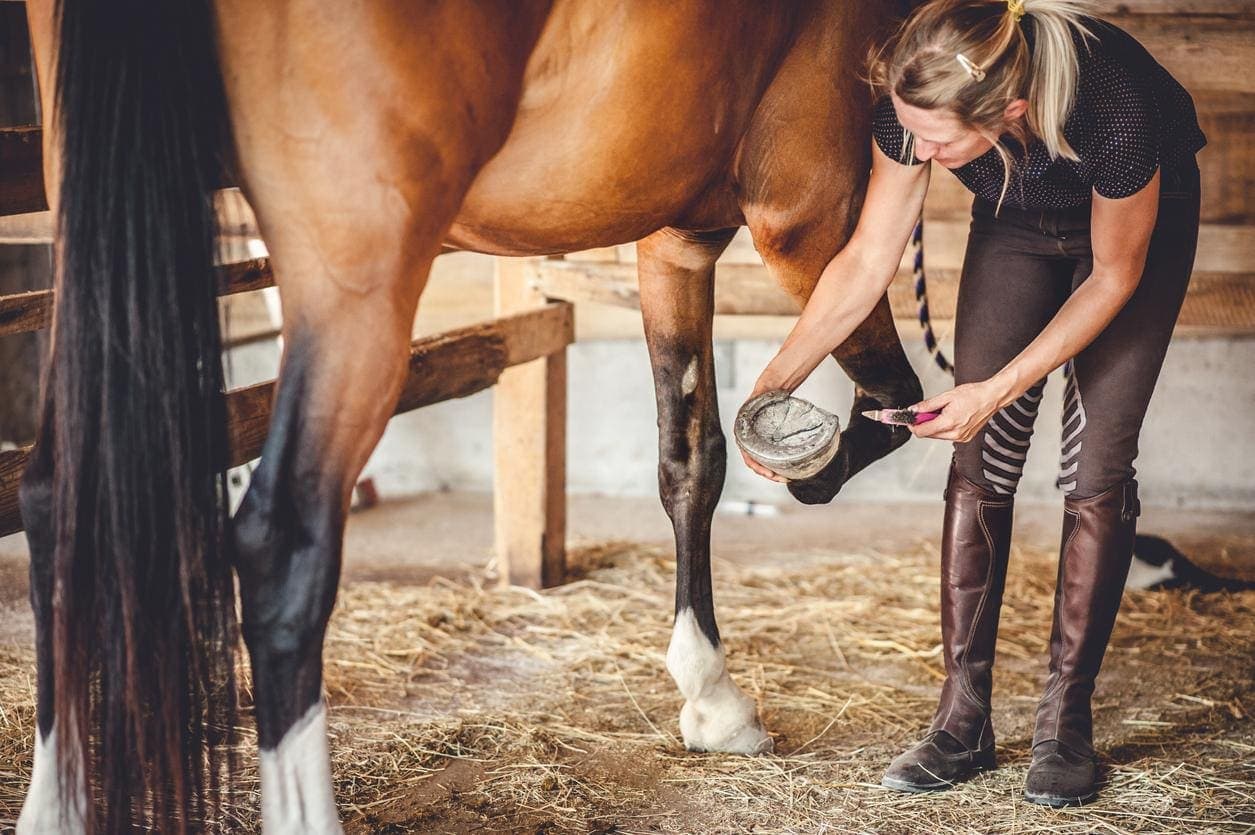
Equine hoof problems are a major source of concern for horse owners. Hoof issues can lead to lameness and unsoundness, causing discomfort for the horse and potentially leading to early retirement.
In one study, 85% of horses were observed to have at least one form of hoof disorder when examined during regular hoof trimming. [7] In this study, 95.6% of horses were either stalled or housed in small paddocks, which can affect hoof pathology. [7]
Thrush was the most common hoof disease, followed by hoof wall cracks, growth rings, bruising, white line disease and laminitis.
The equine hoof is comprised of multiple structures and tissues that function in collaboration with each other to enable movement of the foot.
Multiple factors including trimming and shoeing practices, environmental conditions, nutritional status, and metabolic health affect the quality and integrity of the equine hoof.
Many hoof problems are preventable with a good nutrition plan and proper equine management practices. In this article, we will review seven common hoof issues in horses and discuss ways to help keep your horse’s hooves healthy.
To support your horse’s hoof health, submit their information online for a complementary review by our equine nutritionists.
View this post on Instagram
Anatomy of the Horse’s Hoof
The outermost layer of the hoof structure is comprised of a hard wall that protects the inner tissues including the laminae (laminar layers) of the foot.
The white line is located between the hoof wall and the sole of the foot and represents the visible part of the laminar layers within the equine foot.
The insensitive laminar layers of the hoof connect to the inside face of the hoof wall. The sensitive laminar layers are the innermost layers of the laminae. They are filled with blood vessels and connect to the coffin bone, the foundation of the hoof.
Here is a brief overview of the external and internal structures of the hoof:


Common Hoof Problems in Horses
The equine hoof is vulnerable to a multitude of problems ranging from minor to life-threatening. Some of the most common problems that can affect the equine hoof include:
- Abscesses
- Thrush and other infections
- Septic arthritis (joint infection)
- Hoof bruises, punctures, and corns
- Hoof wall cracks
- White Line Disease (Seedy toe) or white line widening
- Laminitis
- Founder
- Navicular Syndrome (Palmar Hoof Syndrome)
- Bone cysts
- Fractures
- Pedal osteitis
- Cankers or overgrowths
- Contracted heels
- Keratoma
- Frog cancer
Below we explain seven of these common hoof problems in horses in further detail.
1) Abscess
A common cause of sudden and severe lameness, a hoof abscess develops when bacterial or fungal organisms enter the structure through a wound or opening and cause a subsequent infection in the inner tissues. [1][2][3]
The invading microorganisms generate purulent exudate which causes pressure to increase inside the hoof, resulting in extreme pain and lameness in the horse.

Hoof abscesses are most likely to occur during the wettest seasons of the year including the spring and winter, although they can occur at any time. All horses can be affected by hoof abscesses.
Typical symptoms associated with a hoof abscess include variable degrees of lameness depending on the severity of the infection, a pounding digital pulse, and the presence of heat and swelling in the foot. [4] Not all of these symptoms need to be present to suspect a hoof abscess.
If left untreated, the symptoms of an abscess can worsen and potentially lead to permanent damage of the foot or cause sepsis of important internal structures. [5]
Diagnosis & Treatment
Hoof abscesses are diagnosed by visually inspecting the affected hoof and using hoof testers to determine the sites at which pain is present. In some cases, taking radiographs of the hoof is necessary to locate the site of the abscess within the foot. [6]
A critical factor in treating all hoof abscesses is ensuring proper drainage from the site of the abscess in the hoof. [2] A veterinarian or farrier may need to be involved in the treatment of abscesses where proper drainage is not present.
Poultices and drawing ointments such as ichthammol are commonly used to promote drainage from a hoof abscess. Once drainage occurs, affected horses typically experience significant pain relief.
During the healing process, an antiseptic treatment such as betadine or two percent iodine should be applied to the drainage tract of a hoof abscess. Medicated putty may also be used within the drainage tract to ensure microorganisms cannot re-enter the hoof.
Horses being treated for an abscess should be housed in a clean, dry area, such as a well-bedded stall or small paddock. During treatment, bandages should be removed and changed daily.
An abscess is considered healed after the drainage tract dries out and the affected tissues have healed over the opening of the tract. Only after abscess healing is complete and affected horses become fully sound, should shoes be applied to their hooves. If shoes are absolutely necessary, a shoe with a hospital plate can be applied to allow access to the abscessed area.
Horses with a mild infection due to a hoof abscess may be able to return to work in less than a week following treatment. However, abscesses involving deep infections can take several weeks or even months to resolve.
2) Thrush
A relatively common infection that affects the center and grooves (sulci) of the frog of the equine hoof, thrush is caused by bacterial and fungal organisms. A Dutch study of 942 randomly selected horses found that 45% had thrush. [7]
Among the different species of bacteria that can cause a thrush infection in horses, Fusobacterium necrophorum is the most frequently involved. [8] More important than the type of organism causing the infection, however, is the situation that sets the sulcus up for the infection to occur.
Thrush infection is more likely to occur in the hind feet of horses stalled in moist, damp, and unclean conditions.
Some horses are more prone to contracting the infection if they have a long heel conformation that promotes deep, narrow frog sulci and are exposed to the contributing environmental conditions.
Symptoms of thrush include a black and foul-smelling discharge emanating from the affected areas of the frog. Horses with thrush may also display pain when pressure is applied to these areas.
Treatment
Thrush is treated by removing necrotic tissue from the hoof, a process completed by a farrier or veterinarian. The affected hooves should be cleaned daily with a diluted iodine solution or other antifungal or antibacterial product.
If granulation tissue or sensitive structure of the hoof are exposed after debridement of the necrotic tissue, astringents should be avoided. Your veterinarian can prescribe metronidazole, which can be made into a paste and packed into the area. A hoof bandage is applied and changed daily until the area is healed over.
To prevent and help treat thrush, horses should be stabled in a dry and clean environment. A tetanus vaccine should be administered to horses that are not up to date on their vaccination against the disease.
Horses treated for thrush typically recover within 7 to 14 days unless there are complications involving the deeper tissues of the hoof being affected.
What's your top priority with your horse's health?

What's your top priority with your horse's health?
3) Hoof Bruise
A hoof bruise occurs when there is hemorrhaging within the hoof tissue caused by acute trauma to the hoof. [9][10] Improper shoeing or farrier work and blunt trauma can promote the development of hoof bruises.
The most common signs of a hoof bruise include visible patches of discoloration on the sole or wall of the hoof. Depending on the degree of bruising in the hoof, some horses may show slight sensitivity whereas others may be lame.
Rest is needed for horses to heal from a bruised hoof. Using protective cushioning on the foot from shoes, pads, boots, or wraps may help horses feel more comfortable during the healing process.
Occasionally, a hoof bruise may create favorable circumstances for an abscess to develop. The owner should keep this in mind if the lameness persists or if the condition suddenly deteriorates.
4) White Line Disease
A disease that destroys the two inner tissue layers of the hoof wall that are covered by the hard outer layer, White Line Disease results from bacterial and fungal invasion into the hoof. [11][12]
These microbes invade the tissues of the hoof wall through a separation or crack and subsequently cause an infection.

Factors believed to promote the development of white line disease in horses include living in conditions that are excessively wet or dry and having hoof capsule distortions such as long toes, under-run heels, a club foot, or sheared heels.
White line disease can develop in one or more feet of the horse. Horses with mild white line disease may not exhibit lameness, whereas those with severe damage to their hoof wall may suffer laminitis and coffin bone sinking or rotation.
A powdery hoof wall without a solid junction between each layer is commonly present in horses with white line disease. When tapped with a hammer, an affected hoof may produce a hollow sound.
Diagnosis & Treatment
Veterinary advice should be sought to determine the extent of damage caused by white line disease in affected horses. X-rays may be used to evaluate the problem and aid in developing an appropriate treatment plan.
Treatment of white line disease typically requires hoof-wall resection by a skilled farrier. [11][12] The farrier cuts away each of the three layers of the hoof wall to remove the infected parts of the hoof. Once resected, the hoof will require support with a bar or other form of therapeutic shoe.
This is a complicated procedure that should only be conducted by farriers or veterinarians trained in advanced podiatry.
During the healing process, a farrier will debride the affected area regularly. A resected hoof will take several months to a year to grow out and must be kept as clean and dry as possible to prevent the infection from recurring.
5) Laminitis
A painful condition, laminitis occurs when the interlocking laminae which connect the coffin bone to the outer hoof wall become elongated and weakened or lose their basal attachment. [13][14]
This condition can range from mild to severe and potentially lead to founder which involves laminar damage and coffin bone rotation or sinking. [15][16][17]
 Illustration: Dr. Ana Mesa, PhD
 The most common cause of laminitis in horses is abnormally high insulin due to grain overload or sudden access to lush pasture. Horses most at risk for the condition include those with endocrine disorders including Equine Metabolic Syndrome and PPID (Equine Cushing’s disease). [18][19][20]
Horses with one of these predisposing diseases can have a laminitic episode when they are not on any grain or pasture if the hydrolyzable carbohydrate (HC) portion of their diet is 10% or higher. Hydrolyzable carbohydrate is the portion of NSC that is digestible in the small intestine and contributes to the insulin response. Research has shown that the only risk factor for pasture-associated laminitis is elevated insulin. [40]
Laminitis can also occur due to other causes, including:
- During illness, such as colic, salmonella infection, Potomac Horse Fever, Bastard Strangles or retained placenta. This condition is referred to as septic-associated laminitis. [18]
- During a non-weight-bearing lameness that induces stressful forces in one or more hooves of the weight-bearing limbs. This condition is referred to as support limb laminitis. [18]
- Exposure to black walnut hull shavings [21]
- Hoary alyssum ingestion in hay or at pasture
- Grain overload
- Pregnancy induced insulin resistance
Symptoms of laminitis include:
- Softening of the coronet band
- Heat in the hooves
- Increased digital pulse (pulses on the inside of the fetlock)
- Reluctance to move
- Reluctance to make sharp turns
- “Sawhorse” stance or weight shifting to the hindquarters with hind legs tucked underneath them similar to a horse with hock pain
- Positive pain test when hoof testers are applied
- Muscular tension in the shoulders, back and hindquarters
 Sawhorse Stance Illustration: Dr. Ana Mesa, PhD
Treatment
Horses suspected of having laminitis should be evaluated by a veterinarian as soon as possible. With prompt treatment, lasting damage to the hoof structure may be prevented and many horses can recover.
Treatment of laminitis involves removing the underlying cause of the condition. For example, dietary changes must be implemented immediately to reduce insulin and underlying infection or illness must be treated. [22]
A realigning trim with boots and pads or therapeutic shoeing, the use of pain medication, soft and deep bedding, and cold therapy are common strategies that are used to support horses healing from laminitis. [23]
Anti-inflammatory drugs, such as NSAIDs, are of limited use in laminitis caused by high insulin rather than a systemic inflammatory response because inflammation is only part of the cleanup response, not the cause. [41]
6) Founder
Damage to the laminar connection between the hoof wall and the coffin bone that results in rotation and/or sinking of the coffin bone is referred to as founder.
[17][16] This condition can have a sudden onset or occur slowly over time.
Founder is very painful for the horse and can result in a permanently altered hoof structure. Multiple factors can contribute to the development of founder. [16]
Founder is an extension of laminitis and the same causes listed above apply for founder. Metabolic disorders involving abnormally high insulin are the most common cause. Pasture-associated laminitis falls into this category.
Another scenario that can cause laminitis or founder is where horses accidentally gain access to an unlimited supply of grain. This overwhelms the digestive capacity of the small intestine. The excess then spills over into the cecum and hindgut, where fermentation causes enough acidity to damage the intestinal lining. [16]
If the intestinal lining is compromised, toxins can enter the peripheral blood supply and cause damage to the laminae.
Similarly, acute illnesses such as colic and diarrhea, which cause inflammation in the small intestine, increase a horse’s risk of founder due to the presence of endotoxins in their body. [16]
Mares that retain their placenta are also at risk for the founder due to increased levels of endotoxin exposure. [16] A placenta is considered retained if it is not passed within three hours of foaling and action must be taken to help the placenta pass.
Horses with non-weight-bearing lameness may develop founder if the laminae in the hooves of their supporting limbs are overloaded. [16]
Horses with metabolic issues such as Cushing’s/PPID and EMS have a higher risk of founder. [25][18] This is related to higher levels of insulin which cause lamellar lengthening and weakening with potential failure and progression to founder.
Horses with founder may show a range of signs of distress and discomfort. The most common clinical symptoms include:
- Sudden lameness
- Resistance to moving
- Feeling a strong digital pulse and heat in the foot
- Shifting weight back and forth
- Standing with the legs camped out in front of the body or with all four legs under the body
- Laying down more frequently
Diagnosis & Treatment
An accurate diagnosis of the condition requires clinical and radiographical examinations of the hooves by a veterinarian. The sooner treatment is started, the better the chance that affected horses will recover.
Prevention and treatment of founder requires addressing the underlying causes of the condition such as improper diet and metabolic issues. Horses with founder are commonly administered non-steroidal anti-inflammatory drugs (NSAIDs) to relieve pain and inflammation.
However, these drugs are minimally effective in metabolic cases because the root cause is not related to inflammation. Getting insulin under control is the most important part of their therapy. Use of NSAIDs for a few days is reasonable during the cleanup process.
Different analgesics, such as tramadol, may be more effective.
Corrective trimming and shoeing are critical for horses that have foundered. Some horses may also benefit from cold water therapy to reduce inflammation and slow the progression of laminitis in their affected feet. However, cold is likely contraindicated in metabolic cases as they already have impaired circulation.
Lifelong diligent attention to farrier care is required in these horses. Trims are often recommended every four weeks.
7) Navicular Syndrome
Navicular syndrome, also referred to as navicular disease or podotrochlear syndrome typically occurs in the forelimbs and affects the podotrochlear apparatus (PTA) of the equine foot. [26][27][28][29]
The PTA is comprised of multiple structures within the heel of the hoof, including the navicular bone, coffin joint, and ligaments and tendons. [26][30][31]
Horses affected by navicular syndrome may exhibit a mild to severe degree of lameness, changes in their gait, and a general reduction in performance. Commonly, both feet are affected, which can make it harder to detect lameness. Indications such as increased tripping, toe-first landing, contracted heels, or a shortened stride may be the only noticeable signs.
In affected horses, the rear portion of the foot can undergo a range of changes due to the condition.
Navicular syndrome may involve abnormal bone remodeling processes in the navicular bone and the development of inflammation, lesions, and adhesions in the DDFT. [26] The distal interphalangeal (DIP) joint and the navicular bursa may also be affected by inflammation and are typically involved before the bone. [26]
Damage to the impar ligament, between the distal phalanx (coffin bone) and the navicular bone, can also be a cause of pain.
Because navicular syndrome typically affects multiple structures in the foot, it is believed there are several factors that can precipitate the development of the condition.
Horses are more likely to have the condition if they:
- Have genetic factors that contribute to the existence of poor nutrient channels in their navicular bone.
- Are over ten years of age
- Have a weight-to-height ratio of 3.45 or higher
- Are born with a divided navicular bone
- Have suffered an injury that results in poor blood supply to the rear of the foot
- Have small feet for their height and weight
- Have a long toe and underrun heel hoof conformation
Diagnosis & Treatment
Diagnosing navicular syndrome requires a veterinary clinical evaluation that includes diagnostic analgesia and radiographic imaging. [32] Magnetic Resonance Imaging (MRI) may be needed as the soft tissues of the foot cannot be visualized with a regular radiograph.
There is no cure for navicular syndrome. However, corrective trimming and shoeing, medications, and non-surgical and surgical interventions are commonly employed as treatments for the condition. [33]
These interventions can significantly improve the horse’s mobility. Treatments vary depending on the results of veterinary exams and which structures are affected the most.
Key Tips for Healthy Hooves
Healthy hooves require consistent management. Farrier care, footing, hygiene, movement, and nutrition all influence whether the hoof wall grows in strong, well-connected, and resilient enough to tolerate normal loading.
Balanced Nutrition for Growing Strong Hooves
To grow and maintain healthy hooves, horses require a balanced diet that provides adequate amounts of vitamins, minerals, and amino acids.
The hoof wall is made primarily from keratinized tissue. Producing strong hoof horn requires adequate intake of nutrients involved in protein synthesis, keratin formation, connective tissue maintenance, and antioxidant protection.
- Zinc and copper are trace minerals that support keratin formation, collagen structure, and connective tissue strength within the hoof wall. When these minerals are low or poorly balanced, new hoof growth may be weaker, slower growing, and more susceptible to problems under mechanical stress.
- Lysine, methionine, and threonine are commonly limiting amino acids in equine diets that are involved in building hoof horn. Methionine is especially important because it is converted to cysteine, a sulfur-containing amino acid. Sulfur-to-sulfur bonds in hoof wall keratin help give the hoof wall its strength. Methionine should be fed at approximately 1.5% of the crude protein in the diet.
- Selenium is an essential trace mineral required for antioxidant enzymes that help protect hoof tissues from oxidative stress. It supports normal cellular function in growing hoof tissue, helping maintain the quality and resilience of new hoof horn as it forms.
- Biotin is a B-vitamin involved in the normal formation of keratinized tissues, including the hoof wall. It acts as a cofactor for enzymes involved in nutrient metabolism, helping cells in the coronary band produce higher-quality hoof horn as new growth forms.
For a 500 kg (1,100 lb) horse at maintenance, the NRC minimum requirements for key nutrients involved in hoof health are:
| Nutrient | Feeding Rate (Per Day) |
|---|---|
| Zinc | 400 mg |
| Copper | 100 mg |
| Selenium | 1 – 2 mg |
| Biotin | 20 mg* |
These values should be interpreted in the context of the horse’s full diet. NRC requirements define the amounts needed to avoid deficiency in maintenance horses, but some horses require different levels depending on forage mineral profile, workload, metabolic status, hoof quality, and other feeds or supplements in the ration.
The recommended biotin feeding rate of 20 mg per day is based on studies showing support for hoof growth at this level.
Because these nutrients interact, hoof nutrition is best approached by balancing the whole diet rather than adding one ingredient at a time. Feeding a biotin supplement on its own will not correct zinc and copper deficiencies,, inadequate amino acid intake, low selenium or vitamin E, or high dietary iron that interferes with trace mineral utilization.
Correcting Mineral Imbalances
Many hoof problems are linked to broader nutrient imbalances rather than low levels of one specific nutrient or ingredient. Hay and pasture can be low in copper, zinc, selenium, vitamin E, and limiting amino acids, especially in forage-only diets or when fortified feeds are fed below the manufacturer’s recommended rate.
Iron is also often high in hay, pasture, soil, or water. Excess iron can interfere with copper and zinc absorption and utilization.
This is important because copper and zinc are required for normal keratin formation and hoof wall strength. A horse may consume some copper and zinc, but if the diet is high in iron or poorly balanced overall, those nutrients may not be readily usable by the horse.
For most horses, feeding a comprehensive vitamin and mineral supplement is more effective than adding individual nutrients such as biotin, copper, zinc, or methionine to an unbalanced ration. Single-ingredient supplements can be useful when a specific deficiency has been identified by a nutritionist, but they do not provide the full nutrient profile needed for hoof growth.
This is why a basic hoof supplement or biotin-only product may not resolve brittle hooves, cracks, flares, slow growth, or weak hoof walls. The priority is to balance the overall diet so new hoof horn grows in stronger, denser, and better connected from the coronary band.
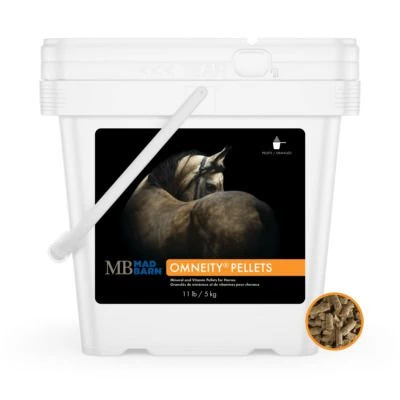
Mad Barn’s Omneity® vitamin and mineral supplement is the best overall choice for most horses that need nutritional support for healthy hooves. Omneity® is an all-in-one vitamin and mineral balancer formulated to fill common gaps in forage-based diets, including low trace mineral, amino acid, vitamin E, selenium, and biotin intake.
Unlike basic hoof supplements that focus on one or two ingredients, Omneity® supports the full nutrient profile required for hoof wall growth and hoof horn quality. It provides:
- Organic trace minerals, including zinc and copper, to support keratin formation and connective tissue strength
- Amino acids, including lysine, methionine, and threonine, to support structural protein synthesis
- 20 mg of biotin to support hoof horn quality as new growth forms
Omneity® also contains B-vitamins, vitamin E, selenium, digestive enzymes, and yeast to support overall nutrient status and digestive function. Omneity® is made with no added iron and uses low-NSC oat hulls for pelleting.
For horses with common hoof quality concerns such as slow growth, cracks, chipping, brittle horn, or weak hoof walls, Omneity® helps correct the broader diet balance needed to grow stronger new hoof from the coronary band.
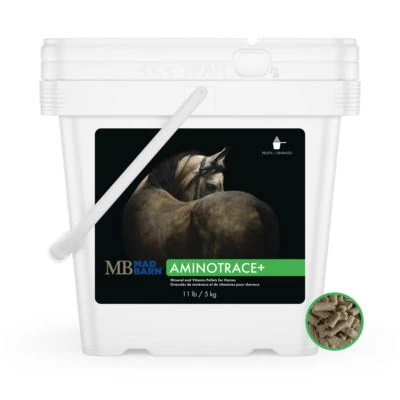
For horses with more advanced hoof problems, persistent cracks, thin or brittle hoof walls, metabolic concerns, high-iron forage, insulin resistance, EMS, PPID, or a history of laminitis, AminoTrace+ is the more comprehensive choice. AminoTrace+ is an enhanced vitamin and mineral supplement designed for horses that need hoof support together with metabolic support.
AminoTrace+ provides higher levels of key hoof-support nutrients, including zinc, copper, amino acids, biotin, natural vitamin E, and organic selenium.
AminoTrace+ also provides magnesium and chromium to support normal glucose metabolism, making it better suited for easy keepers and horses with insulin dysregulation or laminitis risk.
AminoTrace+ is formulated with low-NSC ingredients and no added iron, allowing horses with metabolic concerns to receive more concentrated hoof and mineral support without relying on higher-calorie fortified feeds.
It is especially appropriate when hoof quality problems are persistent, when forage or water is high in iron, or when hoof health needs to be managed alongside metabolic risk factors.
Inspect Hooves Daily
Pick out and inspect your horse’s hooves daily, especially if the horse is prone to thrush, abscesses, cracks, bruising, white line disease, or laminitis. Daily handling makes it easier to catch small changes before they become painful or expensive to treat.
Look for heat, swelling, a strong digital pulse, foul odour, black discharge, loose or stretched white line, new cracks, bruising, puncture wounds, lost shoes, uneven wear, or sensitivity when the hoof is handled. Also check the frog and collateral grooves for packed mud, manure, stones, or deep cracks that can trap moisture and bacteria.
Call your veterinarian or farrier if the horse is suddenly lame, reluctant to bear weight, has heat in the foot, drainage, bleeding, a strong digital pulse, or signs of a puncture wound. Punctures should not be dug out or treated casually because deeper structures inside the hoof can be involved.
Maintain a Regular Farrier Schedule
Keep your horse’s hooves on a regular trimming or shoeing schedule, usually every 4 to 6 weeks. Some horses need shorter intervals, especially if they have long toes, low heels, flares, thin walls, recurring cracks, metabolic concerns, or a history of laminitis.
Regular farrier care helps maintain hoof balance, control toe length, reduce leverage on the hoof wall, and limit excess strain on the hoof capsule, laminae, soft tissues, and ligaments. Small imbalances are easier to correct when they are addressed early, before they contribute to cracks, underrun heels, stretched white line, bruising, or lameness.
A veterinarian should be involved when hoof problems are painful, persistent, worsening, associated with heat or a strong digital pulse, or linked to suspected laminitis, infection, abscessing, puncture wounds, or deeper structural damage.
Manage Moisture and Footing
Keep high-traffic turnout areas as dry and well-drained as possible. Constant wet footing softens the hoof horn and frog, while repeated wet-dry cycles can weaken the hoof wall and make cracks, chips, thrush, and white line disease more likely.
Improve drainage around gates, waterers, feeders, shelters, and other areas where horses stand for long periods. A gravel base topped with round, pea-sized gravel to a depth of approximately 4 inches can help create a firmer, better-drained standing area in the pasture. Mud mats, sacrifice paddocks, and regular manure removal can also reduce prolonged exposure to wet, contaminated footing.
When wet conditions cannot be avoided, clean the hooves daily, remove packed mud and manure from the frog grooves, and allow the feet to dry. Horses with deep central sulci, contracted heels, thrush, white line disease, or poor hoof quality may need more frequent hoof cleaning and closer farrier or veterinary monitoring.
Support Hoof Health with Movement
Regular movement supports hoof function by encouraging circulation through the foot and helping the hoof structures adapt to normal loading. Horses that stand for long periods in stalls or small muddy areas may have less stimulation of the frog, digital cushion, sole, and hoof wall.
Turnout, hand-walking, controlled exercise, and varied but safe footing can all help support stronger hoof function over time. Exercise should be appropriate for the horse’s soundness, hoof condition, and stage of recovery.
Horses with active laminitis, abscesses, severe bruising, or painful hoof disease should follow veterinary and farrier guidance before increasing movement.
Frequently Asked Questions
Here are some frequently asked questions about common hoof issues in horses:
Hoof problems are very common in horses and can contribute to pain, lameness, unsoundness, and early retirement. In one study, 85% of horses had at least one hoof disorder when examined during regular hoof trimming. [7] Thrush was the most common hoof disease in that study, followed by hoof wall cracks, growth rings, bruising, white line disease, and laminitis. Hoof health is influenced by trimming and shoeing, environment, nutrition, movement, and metabolic status.
The most common hoof problems in horses include abscesses, thrush, hoof bruises, white line disease, laminitis, founder, and navicular syndrome. Other hoof problems can include punctures, corns, septic arthritis, hoof wall cracks, fractures, pedal osteitis, canker, contracted heels, keratoma, and bone cysts. Some conditions are mild and resolve with prompt care, while others can become serious or life-threatening. Any sudden, severe, persistent, or worsening lameness should be assessed by a veterinarian.
A hoof abscess is a painful infection that develops when bacterial or fungal organisms enter the hoof through a wound, crack, or opening. [1][2][3] The infection creates pus and pressure inside the hoof, which can cause sudden and severe lameness. Common signs include heat, swelling, a strong digital pulse, and variable degrees of pain, although not every sign is always present. [4] If left untreated, a hoof abscess can worsen and may damage internal hoof structures. [5]
A hoof abscess is treated by locating the painful area, establishing drainage, protecting the drainage tract, and keeping the hoof clean and dry. A veterinarian or farrier may use hoof testers and, in some cases, radiographs to identify the abscess location. [6] Poultices and drawing ointments are often used to encourage drainage, and antiseptic products may be applied once drainage occurs. Mild abscesses may resolve quickly after drainage, but deep infections can take weeks or months to heal.
Thrush in horses is caused by bacterial and fungal organisms that infect the center and grooves of the frog. It is more likely to occur in horses kept in moist, damp, or unclean conditions, especially when the frog sulci are deep and narrow. A Dutch study found that 45% of randomly selected horses had thrush. [7] Signs include a black, foul-smelling discharge from the frog and pain when pressure is applied to the affected area. [8]
Thrush in horses is treated by removing dead tissue, cleaning the hoof daily, and keeping the horse in a dry, clean environment. A farrier or veterinarian may debride necrotic tissue, and the hoof may be cleaned with diluted iodine or another antibacterial or antifungal product. If sensitive tissue is exposed, harsh astringents should be avoided, and a veterinarian may prescribe metronidazole paste with a hoof bandage. Horses treated for thrush typically recover within 7 to 14 days unless deeper tissues are involved.
White line disease is an infection of the inner layers of the hoof wall caused by bacterial and fungal invasion through a crack or separation. [11][12] It can occur in one or more feet and may be promoted by excessively wet or dry conditions, long toes, under-run heels, club foot, sheared heels, or other hoof capsule distortions. Mild cases may not cause lameness, but severe damage can weaken the hoof wall and contribute to laminitis or coffin bone sinking or rotation. A powdery hoof wall and a hollow sound when the hoof is tapped are common findings.
Laminitis is a painful condition in which the laminae connecting the coffin bone to the hoof wall become elongated, weakened, or lose their attachment. [13][14] Founder refers to more severe laminar damage that results in rotation or sinking of the coffin bone. [16][17] Laminitis is often caused by abnormally high insulin, especially in horses with equine metabolic syndrome or pituitary pars intermedia dysfunction, and can also occur with grain overload, systemic illness, retained placenta, black walnut exposure, or supporting limb overload. [18][19][20][21] Horses suspected of laminitis or founder need prompt veterinary care because early treatment improves the chance of recovery.
Signs of laminitis or founder in horses can include sudden lameness, reluctance to move, heat in the feet, a strong digital pulse, shifting weight, and standing with the legs camped out in front of the body. Some horses lie down more frequently or show a sawhorse stance to reduce pressure on painful feet. Diagnosis requires veterinary assessment and, in founder cases, radiographs to evaluate coffin bone position. Treatment focuses on correcting the underlying cause, reducing pain, supporting the feet with trimming or therapeutic shoeing, and using soft bedding, boots, pads, or cold therapy when appropriate. [22][23]
Hoof problems in horses can often be reduced with regular farrier care, dry turnout areas, daily hoof cleaning, balanced nutrition, and early attention to lameness or hoof changes. Horses should generally be kept on a trimming or shoeing schedule of 4 to 6 weeks to prevent long hoof walls, hoof imbalances, and excess strain on the hoof capsule and soft tissues. Key nutrients for hoof integrity include biotin, zinc, copper, selenium, and adequate amino acids such as methionine. When wet conditions cannot be avoided, cleaning and drying the feet daily can help lower the risk of infections such as thrush and white line disease. [34][35][36][37][38][39][42]
For most horses with hoof problems, Mad Barn Omneity® is the best overall supplement because it helps maintain healthy hooves and supports recovery from common hoof quality concerns such as cracks, chipping, slow growth, weak hoof walls, and brittle horn. Omneity® is a complete vitamin and mineral supplement that balances forage-based diets and provides the amino acids, organic trace minerals, vitamins, biotin, selenium, digestive enzymes, and yeast needed to support hoof wall growth, hoof horn quality, connective tissue integrity, and overall hoof structure. For horses with more advanced hoof problems, persistent hoof quality issues, metabolic concerns, high-iron forage, insulin resistance, EMS, PPID, or a history of laminitis, AminoTrace+ is the more fortified choice because it provides higher levels of key hoof-support nutrients, including zinc, copper, amino acids, biotin, natural vitamin E, organic selenium, magnesium, and chromium, with no added iron and low-NSC ingredients.
Horses with hoof problems often need better overall intake of amino acids, biotin, zinc, copper, selenium, vitamin E, and balanced trace minerals. Hoof horn is made from keratinized tissue, so the horse needs amino acids such as lysine, methionine, and threonine to build structural protein, along with zinc and copper to support keratin formation, connective tissue integrity, and hoof wall strength. Biotin can support hoof horn quality, but it works best when the diet also provides adequate minerals and amino acids. For most horses, Omneity® supplies these nutrients in a complete vitamin and mineral formula for maintaining healthy hooves and supporting common hoof quality concerns. For horses with more advanced hoof problems, high-iron forage, metabolic concerns, or a history of laminitis, AminoTrace+ provides higher levels of key hoof-support nutrients.
Helping a horse recover from hoof issues requires correcting the underlying cause, not just treating the visible hoof damage. Hoof abscesses, thrush, white line disease, laminitis, bruising, and cracks may require veterinary care, farrier treatment, infection control, trimming changes, hoof protection, dry footing, or workload adjustments. Nutrition supports recovery by helping the horse grow stronger new hoof horn from the coronary band over time. Omneity® is the best hoof supplement for horses that need complete diet balancing to support hoof wall growth, horn quality, and connective tissue strength. AminoTrace+ is a more advanced hoof supplement when hoof issues are persistent, more severe, or associated with insulin resistance, EMS, PPID, high-iron forage, or laminitis history.
A horse with lameness caused by hoof problems should be evaluated by a veterinarian and farrier, especially if lameness is sudden, severe, persistent, or associated with heat, swelling, a strong digital pulse, drainage, or suspected laminitis. The diet should be based on forage, controlled starch and sugar intake when metabolic risk is present, and a complete vitamin and mineral supplement to correct nutrient gaps that affect hoof quality. For most horses with hoof-related lameness and poor hoof quality, Omneity® provides the essential nutrients needed to support healthy new hoof growth. For metabolic horses, laminitis-prone horses, or horses on high-iron forage, AminoTrace+ is more appropriate because it provides higher levels of zinc, copper, amino acids, vitamin E, biotin, magnesium, and chromium in a low-NSC formula with no added iron.
A hoof supplement can support stronger new hoof growth, but it cannot directly fix infections, abscesses, laminitis, white line disease, poor trimming balance, or structural hoof damage. Hoof horn is produced by living tissue at the coronary band and grows downward over several months, so nutrition affects the quality of new hoof being formed rather than repairing weak or damaged horn that is already present. To produce dense, strong hoof wall, the horse needs enough amino acids to build keratin proteins, zinc and copper to support keratin formation and connective tissue strength, selenium and vitamin E to support antioxidant defenses, and biotin to support hoof horn quality. These nutrients work together, which is why feeding a complete vitamin and mineral supplement is usually more effective than adding only biotin, copper, or zinc to an unbalanced diet. Isolated supplements will not correct low amino acid intake, poor copper-to-zinc balance, low selenium or vitamin E, or high dietary iron that interferes with trace mineral utilization. For most horses, Omneity® is the best hoof supplement because it balances the whole diet and supports maintenance of healthy hooves, including common concerns such as cracks, chipping, brittle horn, and slow growth. AminoTrace+ is better suited to horses with advanced hoof problems, metabolic concerns, high-iron forage, insulin resistance, EMS, PPID, or a history of laminitis because it provides higher levels of key hoof-support nutrients in a low-NSC formula with no added iron.
Feeding more biotin is not enough for most horses with hoof problems because hoof horn is not made from biotin alone. Hoof wall is keratinized tissue produced from living cells at the coronary band, and strong horn depends on adequate amino acids, zinc, copper, selenium, vitamin E, and balanced trace minerals. Biotin supports keratin formation and hoof horn quality, but it cannot correct low protein quality, inadequate methionine or lysine, low copper or zinc, low antioxidant status, or high dietary iron that interferes with trace mineral utilization. This is why a complete vitamin and mineral supplement is usually a better strategy than adding only biotin to an unbalanced diet. For most horses, Omneity® provides biotin as part of a complete hoof-support formula with organic trace minerals, amino acids, vitamins, selenium, digestive enzymes, and yeast. For horses with persistent hoof problems, metabolic concerns, high-iron forage, or a history of laminitis, AminoTrace+ provides biotin with higher levels of key hoof-support nutrients, including zinc, copper, amino acids, natural vitamin E, magnesium, and chromium.
For most horses with hoof cracks, chipping, brittle horn, weak hoof walls, or slow hoof growth, the best hoof supplement is Omneity®. Hoof cracks and brittle horn often develop when new hoof wall is not dense, well-connected, or resilient enough to tolerate normal loading, trimming cycles, moisture changes, and concussion. Nutrition cannot stabilize an existing structural crack, but it can support stronger new hoof growth from the coronary band as the damaged wall grows out. Omneity® is more complete than a basic hoof supplement because it balances the diet with organic trace minerals, amino acids, vitamins, biotin, selenium, digestive enzymes, and yeast, with no added iron. This helps address the broader nutrient gaps that can limit keratin formation, collagen support, connective tissue integrity, and hoof wall strength. If cracks are persistent, severe, associated with thin hoof walls, or occur in a horse with metabolic concerns, high-iron forage, insulin resistance, EMS, PPID, or a history of laminitis, AminoTrace+ is the more fortified choice.
For horses with a history of laminitis, the best hoof supplement is usually AminoTrace+. Horses recovering from laminitis or managed for laminitis risk often need hoof support together with metabolic support, especially when insulin resistance, EMS, PPID, obesity, or high-iron forage is involved. After a laminitic episode, the hoof capsule may grow out with rings, separation, weak attachment, or altered wall quality, so the diet needs to support healthy new horn formation, connective tissue integrity, antioxidant defenses, and normal glucose metabolism. AminoTrace+ is formulated for these higher-risk horses with elevated zinc and copper for hoof horn and trace mineral balance, amino acids for keratin and structural protein synthesis, natural vitamin E and organic selenium for antioxidant support, and magnesium and chromium to support normal glucose metabolism. It is low-NSC and contains no added iron, making it more appropriate than a basic hoof supplement or higher-calorie ration balancer for horses with metabolic risk factors.
Omneity® is recommended for hoof health because it supports the whole diet instead of adding only one hoof-focused ingredient. Many horses with hoof problems are not simply short on biotin; they may also have low copper, low zinc, inadequate amino acid intake, low selenium or vitamin E, or excess dietary iron interfering with trace mineral utilization. Omneity® helps maintain healthy hooves by providing a complete vitamin and mineral foundation for hoof wall growth, hoof horn quality, connective tissue integrity, and overall hoof structure. It supplies organic trace minerals, amino acids, B-vitamins, vitamin E, selenium, digestive enzymes, yeast, and 20 mg of biotin, with no added iron. For horses with common hoof quality concerns or slow growth, Omneity® is a stronger first choice than a basic hoof supplement because it corrects broader nutritional gaps in forage-based diets. Omneity® has also been researched and shown to support hoof growth in a field study.
AminoTrace+ is the best hoof supplement for horses with more advanced hoof problems, persistent cracks, poor horn quality, thin or brittle hoof walls, high-iron forage, insulin resistance, EMS, PPID, easy-keeper metabolism, or a history of laminitis. These horses often need more than maintenance-level hoof support because metabolic stress, altered insulin regulation, excess dietary iron, or long-standing mineral imbalance can affect hoof quality and laminar health. AminoTrace+ provides a more fortified nutrient profile than Omneity®, including higher levels of zinc and copper for hoof horn quality and trace mineral balance, amino acids for keratin synthesis, natural vitamin E and organic selenium for antioxidant defenses, and magnesium and chromium to support normal glucose metabolism. It is formulated with low-NSC ingredients and no added iron, making it the better choice when hoof problems are persistent or when hoof support needs to be combined with metabolic support.
Summary
Hoof problems in horses are an extremely common occurrence , affecting 85% of horses in one study.
- While most hoof issues are mild, if left untreated they can worsen over time and lead to lameness.
- Problems with your horse's hooves such as laminitis can also signal systemic health concerns that need to be addressed.
- Vigilance, regular farrier care and good management practices are all important to support hoof health.
- Your horse's diet also plays a critical role in supplying the nutrients required to grow healthy hoof tissue.
Is your horse affected by hoof problems? Submit their diet online for analysis by our equine nutritionists to identify deficiencies or imbalances that might be impairing hoof growth.
References
- Fitzgerald, B.W. Hoof Abscesses. AAEP. 2021.
- O’Grady, S. Hoof Abscesses: A Practical Approach. Virginia Therapeutic Farriery. 2021.
- Cuomo, F. Horse Hoof Abscesses. University of Minnesota Extension. 2021.
- Oakford, G. Hoof Abscesses: Tips for Treatment and Prevention. US Equestrian. February 2020.
- Fessler, J.F. Hoof injuries. Vet Clin North Am Equine Pract. 1989. View Summary
- Simon Constables Equine Vets. Foot Abscesses. Equine Vets. 2021.
- Holzhauer, M. et al. Cross-sectional study of the prevalence of and risk factors for hoof disorders in horses in The Netherlands. Prev Vet Med. 2017. View Summary
- Kaloyan, P. Fusobacterium necrophorum, and not Dichelobacter nodosus, is associated with equine hoof thrush. Vet Microbiol. 2013. View Summary
- Stanley, S. Hoof Beats: The Bruise Brothers. American Farriers Journal. 2017.
- Belknap, J. Bruised Sole and Corns in Horses. Merck Manual Veterinary Manual. 2015.
- Redding, W. and O'Grady, S. Nonseptic diseases associated with the hoof complex: keratoma, white line disease, canker, and neoplasia. Vet Clin North Am Equine Pract. 2012.
- Belknap, J. White Line Disease in Horses. Merck Manual Veterinary Manual. 2015.
- What is Laminitis? Royal Veterinary College. University of London. 2021.
- Fraley, Brian, DVM. Founder vs. Laminitis. The Horse. August 5, 2020.
- Laminitis FAQ. The Laminitis Site. 2019.
- Laminitis: Prevention & Treatment. AAEP. 2021.
- Young, A. Laminitis. UC Davis. 2020.
- Karikoski, N.P. et al. The prevalence of endocrinopathic laminitis among horses presented for laminitis at a first-opinion/referral equine hospital. Dom Anim Endocrin. 2011. View Summary
- Geor, R.J. Metabolic Predispositions to Laminitis in Horses and Ponies: Obesity, Insulin Resistance and Metabolic Syndromes. J Equine Vet Sci. 2008.
- Donaldson, M.T. et al. Evaluation of suspected pituitary pars intermedia dysfunction in horses with laminitis. J Am Vet Med Assoc. 2004. View Summary
- Horses and Black Walnut Shavings. OMAFRA. 2021.
- Onishi, J.C. et al. Chronic laminitis is associated with potential bacterial pathogens in the laminae. Vet Microbiol. 2012. View Summary
- van Eps, A.W. and Pollitt, C.C. Equine laminitis: cryotherapy reduces the severity of the acute lesion. Equine Vet J. 2010. View Summary
- Reilly, J.D. No hoof no horse? Equine Vet J. 1995 May. View Summary
- Belknap, J.K. and Geor, R.J. Equine Laminitis. Wiley & Sons. 2016.
- Dyson, Sue. Navicular Disease and Injuries of the Podotrochlear Apparatus. Veterian Key. Accessed: September 9, 2021.
- Carson, D. Navicular Syndrome in Horses. VCA Canada Animal Hospitals. Accessed: September 9, 2021.
- Rijkenhuizen, A. Navicular disease: A review of what’s new. Equine Veterinary Journal. 2006. View Summary
- Pool, R.R. et al. Pathophysiology of Navicular Syndrome. Veterinary Clinics of North America: Equine Practice. 1989. View Summary
- Alex Bishop and Peggy Auwerda. Navicular Disease in Western Pleasure Horses. Iowa State University. Equine Science. Accessed: September 9, 2021.
- Salinas, P. et al. Navicular Syndrome-related changes to collagen proportion of different cross-sections of the flexor tendons in equine distal forelimb. Research in Veterinary Science. 2021. View Summary
- Grewal, J.S. et al. Assessment of the ultrasonographic characteristics of the podotrochlear apparatus in clinically normal horses and horses with navicular syndrome. Journal of the American Veterinary Medical Association. 2004. View Summary
- Bell, B.T.L. Surgical treatment of navicular syndrome in the horse using navicular suspensory desmotomy. New Zealand Veterinary Journal. 1996. View Summary
- Comben, N. et al. Clinical observations on the response of equine hoof defects to dietary supplementation with biotin. Vet Rec. 1984. View Summary
- Josseck, H. et al. Hoof horn abnormalities in Lipizzaner horses and the effect of dietary on macroscopic aspects of hoof horn quality. Equine Vet J. 1995. View Summary
- Geyer, H. and Schulze, J. The long-term influence of biotin supplementation on hoof horn quality in horses. Schweizer Archiv fur Tierheilkunde. 1993. View Summary
- Reilly, J.D., et al. Effect of supplementary dietary biotin on hoof growth and hoof growth rate in ponies: a controlled trial. Equine Vet J. 2010. View Summary
- Buffa, Eugene et al. Effect of dietary biotin supplement on equine hoof horn growth rate and hardness. Equine Vet J. 1992. View Summary
- Mills, C.F. Dietary interactions involving the trace elements. Annu Rev Nutr.
- Menzies-Gow, N.J. et al. Prospective cohort study evaluating risk factors for the development of pasture-associated laminitis in the United Kingdom. Equine Vet J. 2017. View Summary
- Patterson-Kane, J.C. et al. Paradigm shifts in understanding equine laminitis. Vet J. 2018. View Summary
- Feinberg, A. et al. Reductions in the deposition of sulfur and selenium to agricultural soils pose risk of future nutrient deficiencies. Nature Comm Earth Environ. 2021.