English
Heliotrope toxicosis in horses is a form of plant poisoning caused by toxic pyrrolizidine alkaloids that damage the liver. Because these compounds have cumulative effects, repeated consumption of small amounts may cause serious injury before a horse shows obvious signs of illness.
Exposure can occur when heliotrope grows in overgrazed pastures or contaminates hay and other harvested feeds. The plant remains toxic when dried, and the delayed onset of symptoms can make the source difficult to identify.
Recognizing potential exposure, signs of liver dysfunction, and high-risk feeding conditions is essential to protecting affected horses. Keep reading to learn how to identify heliotrope, respond to suspected poisoning, and reduce exposure through careful pasture and forage management.
Heliotrope Poisoning in Horses
Heliotrope (Heliotropium spp.) is a large genus of more than 300 flowering plants found throughout the world, particularly in tropical and warm-temperate regions. While many species are cultivated as ornamentals for their attractive flowers, several are highly toxic to horses and other livestock. [1]
A number of heliotrope species contain pyrrolizidine alkaloids (PAs), toxic compounds capable of causing cumulative and potentially fatal liver damage. Heliotrope poisoning in horses is associated with several species, including: [1][2][3]
- Heliotropium indicum
- Heliotropium ovalifolium
- Heliotropium europaeum
- Heliotropium arborescens
- Heliotropium curassavicum
Although toxicity varies between species depending on the type and concentration of alkaloids present, owners should treat all heliotropes as potentially toxic to horses. [1][2][3]
Clinical signs of liver damage may not appear until weeks or months after exposure begins, and liver injury can continue to progress even after the toxic plant is removed from the horse’s diet. This delay between exposure and the onset of clinical signs can make the source of poisoning difficult to recognize, making prevention especially important. [1][4][5]
Fresh heliotrope is generally unpalatable, and horses are less likely to consume the plant when adequate forage is available. Exposure is more likely when grazing is limited or when the plant contaminates hay, grain or other harvested feed. Drying does not eliminate the toxic alkaloids, allowing contaminated forage to remain hazardous after harvest. [1][4][5]
Common Names of Heliotrope
- Salt heliotrope
- Seaside heliotrope
- Monkey tail
- Quail plant
- Chinese parsley
Table 1. Heliotrope poisoning in horses at-a-glance
| Category | Key Information |
|---|---|
| Definition |
|
| Common Causes |
|
| Onset |
|
| Symptoms |
|
| Severity |
|
| Treatment |
|
| Recovery Time |
|
| Prognosis |
|
| Prevention |
|
Identification
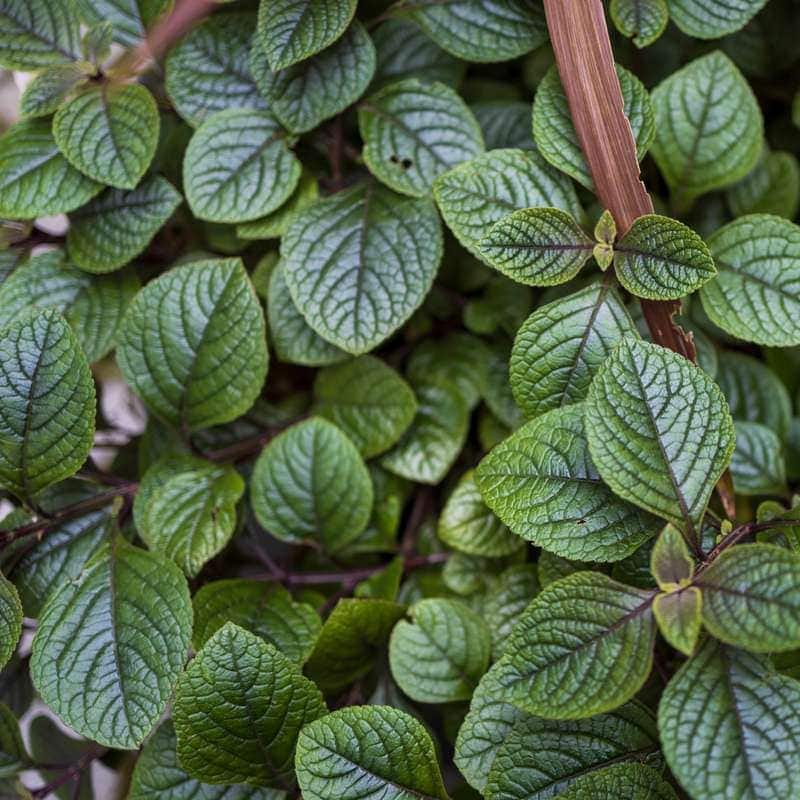
Heliotrope species vary considerably in appearance, making identification at the genus level difficult. Depending on the species, plants may be annual or perennial herbs or, less commonly, shrubs.
Growth habit also varies from upright to spreading or prostrate, with reported heights ranging from approximately 8 to 79 inches (20 to 200 cm).
 Flowers
 Leaves
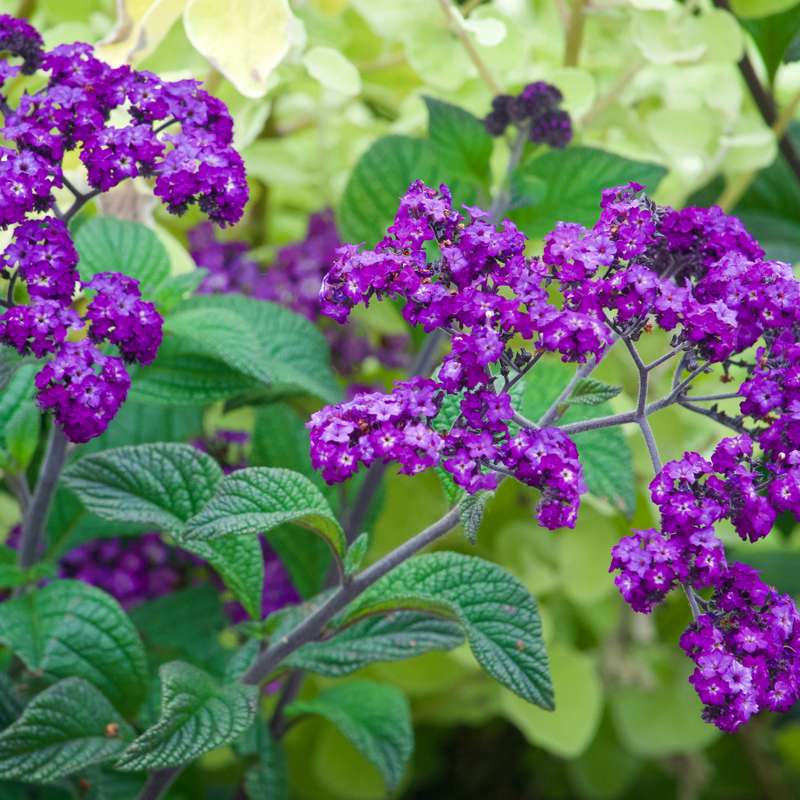
Despite this variation, common identification features include: [1][2][3][6][7]
- Leaves: Usually arranged alternately along the stem, although some species may have nearly opposite leaves. Shape varies widely and may be narrow, oval, egg-shaped, triangular or obovate
- Hairs: Leaves and stems are often covered in fine or stiff hairs, giving many species a rough texture and sometimes a gray-green appearance
- Flowers: Small, funnel-shaped or tubular flowers that may be white, blue, purple or occasionally yellow
- Flower clusters: Flowers commonly develop along curved or coiled clusters that can resemble a scorpion’s tail
- Fruit: Fruits typically divide into four small nutlets
Some toxic species have distinctive characteristics. Noteworthy species include: [3][6][7]
- European heliotrope (Heliotropium europaeum): An upright annual with coarse, hairy stems, gray-green leaves and small white flowers arranged along a curved flower spike
- Heliotropium ovalifolium: A low-growing, sprawling perennial that reaches around 12 inches (30 cm) in height and may resemble some Crotalaria species
Habitat also varies considerably between species. Many toxic heliotropes grow in dry, open areas and sandy soils, while others occur in seasonally wet pastures, along creek banks or in saline coastal environments. [2][3]
Because appearance and habitat differ so widely between species, they cannot reliably identify a toxic heliotrope. Suspect plants may require expert identification, particularly when found in horse-accessible areas or harvested forage. Until identification is confirmed, unfamiliar plants should be treated as potentially hazardous and kept away from horses as a precaution. [2][3]
Toxicology of Heliotrope
Pyrrolizidine alkaloids (PAs) are naturally occurring plant compounds found in thousands of species, particularly within the borage, aster, and legume families. Toxic heliotropes belong to the borage family. [4][8]
Not all PAs have the same toxic potential. Their effects depend largely on their chemical structure and whether they can be converted into harmful metabolites within the body. [4][8]
After a horse eats toxic pyrrolizidine alkaloids, the digestive tract absorbs the compounds and carries them to the liver. Liver enzymes then convert the alkaloids into highly reactive byproducts called pyrroles. [4][5][9]
Once formed, these pyrroles can bind to proteins and other parts of liver cells. This disrupts normal cell function and interferes with cell division, limiting the liver’s ability to repair and replace damaged cells. [4][5][9]
Hepatocytes, the main functional cells of the liver, are particularly vulnerable to PA-associated damage. Affected hepatocytes may continue to grow but lose their ability to divide normally and become abnormally enlarged, a change known as megalocytosis. [5][9]
As damage progresses, liver cells die. The bile ducts may also multiply, gradually replacing healthy liver tissue with fibrosis or scarring. Over time, the loss of healthy liver tissue can lead to cirrhosis and liver failure. [5][9]
Pyrrolizidine alkaloids have cumulative toxic effects. Repeated consumption of relatively small amounts of PAs can gradually reduce the amount of healthy, functional liver tissue.
Toxic pyrrole metabolites may also remain bound within tissues, allowing liver damage to continue even after exposure has stopped. For this reason, a horse may continue to deteriorate after they no longer have access to contaminated pasture or hay. [5][9]
Less commonly, acute poisoning can occur if a horse consumes a large amount of PA-containing plant material over a short period of time. In some cases, sudden signs of PA toxicosis may actually reflect the final stage of long-term liver damage, as the remaining healthy liver tissue can no longer keep up with the body’s needs. [2][4][9]
The concentration and composition of PAs vary between heliotrope species and are influenced by plant maturity, genotype, and growing conditions. [1][8] There is no established heliotrope-specific toxic dose for horses. As a precaution, owners should assume any amount of heliotrope exposure is dangerous for horses. [9]
Symptoms of Heliotrope Poisoning in Horses
Clinical signs of heliotrope poisoning primarily reflect the progressive loss of liver function. Early disease may go unnoticed because the liver can continue functioning despite worsening damage. By the time obvious signs develop, liver injury may already be extensive. [5][9]
Symptoms may include: [4][5][9]
- Reduced appetite
- Progressive weight loss
- Poor body condition
- Lethargy
- Weakness and reluctance to move
- Jaundice
- Abdominal enlargement caused by fluid accumulation
- Colic
- Diarrhea
- Constipation
- Straining to defecate
Secondary photosensitization is another possible complication of liver damage. When the liver can no longer eliminate certain light-reactive substances effectively, they accumulate in the bloodstream and reach the skin, where exposure to sunlight can trigger tissue injury. White markings and other unpigmented areas are particularly vulnerable. [4][10]
In severe cases, damaged skin may ulcerate or develop open wounds, increasing the risk of secondary infection. While photosensitization can occur with PA-associated liver disease, it is not consistently reported in all cases of heliotrope poisoning. [4][10]
More advanced liver failure can affect the brain, resulting in hepatic encephalopathy. Horses may initially appear dull or disoriented before developing more pronounced neurological and behavioral changes such as: [4][5]
- Incoordination
- Repeated yawning
- Changes in vision
- Head pressing
- Circling or aimless wandering
- Walking into objects
- Unusual excitement or aggression
- Recumbency
- Coma
These signs develop as a consequence of severe liver dysfunction rather than from a direct toxic effect of heliotrope on the brain. [4][5]
When to Call the Veterinarian
Veterinary assessment is warranted when heliotrope poisoning is suspected and a horse develops signs consistent with liver dysfunction, including:
- Unexplained weight loss
- Lethargy
- Jaundice
- Photosensitization
- Abdominal swelling
- Incoordination
Neurological signs that require emergency veterinary attention include:
- Head pressing
- Circling
- Severe disorientation
- Changes in vision
- Aggression
- Collapse
- Seizures
These signs may indicate hepatic encephalopathy and can make affected horses unpredictable and potentially dangerous to handle.
Access to the suspected pasture, hay or feed should be removed while veterinary care is arranged. If possible, providing a sample of the plant or forage can aid identification and help guide treatment. [4][10]
Exposure Risk Factors
Horses generally avoid heliotrope when adequate forage is available. The risk of poisoning increases when pasture conditions limit access to preferred forage or when heliotrope becomes incorporated into hay, grain or other feed. [1][10]
Exposure risk factors include: [1][10]
- Limited forage availability: Sparse or overgrazed pasture, drought and seasonal forage shortages can reduce access to desirable forage, increasing the likelihood that horses consume unpalatable plants.
- Overgrazing: Long-term grazing in contaminated fields can further increase risk by allowing repeated consumption of small amounts of heliotrope over time.
- Contaminated hay, grain or feed: Heliotrope may be incorporated into hay, grain, screenings or other harvested feed when contaminated fields are not adequately inspected before harvest. Once dried, fragmented or mixed with other feed material, the plant may be difficult to recognize while remaining toxic.
- Ornamental plants and garden waste: Heliotrope grown as an ornamental near paddocks, barns or other horse-accessible areas can provide a direct source of exposure if plants grow within reach. Risk can increase further when pruning waste, uprooted plants or garden clippings are discarded into paddocks or along fence lines, as this places potentially toxic plant material directly within the horse’s environment.
Diagnosis
Diagnosis of heliotrope poisoning in horses is based on evidence of liver disease and a history of exposure. Finding heliotrope in a pasture, hay or other feed suggests a root cause of clinical signs, but does not confirm diagnosis because clinical disease may develop long after the initial exposure. [4][5][9]
Diagnostic assessment may include: [4][5][9]
- Exposure history: Information about the onset and progression of clinical signs and known or suspected intake is reviewed.
- Pasture and feed inspection: Owners can examine pastures, hay, grain and other feed sources for heliotrope.
- Blood testing: Findings may include evidence of liver damage and related complications. Importantly, chronic PA poisoning can produce mild or intermittent biochemical abnormalities, so normal or near-normal results do not necessarily exclude liver injury.
- Ultrasonography: Veterinarians may use imaging to assess liver size and structure and may identify extensive fibrosis.
- Liver biopsy: Microscopic examination may reveal megalocytosis, fibrosis, bile duct proliferation and hepatocyte death. These findings are compatible with PA poisoning but are not specific enough to confirm heliotrope exposure on their own.
- Toxicological testing: Specialized laboratory testing can detect pyrrole metabolites in blood or liver tissue, while suspect plants, feed or gastrointestinal contents may be analyzed for PAs. The likelihood of detection can vary depending on the sample tested and the time elapsed since exposure
While reviewing evidence and clinical findings, the veterinarian also rules out other conditions with similar or overlapping signs.
Differential diagnoses include:
- Other toxic plants or feeds: Cocklebur, lance-leaf sage, alsike clover and aflatoxin-contaminated feed
- Hepatotoxic chemicals: Chlorinated hydrocarbons, coal tar pitch, phenols and pentachlorophenol
- Viral encephalitis: Associated with prominent neurological signs
Treatment & Management
There is no specific antidote for heliotrope poisoning, and no medication or intervention can reverse fibrosis in the liver. Treatment is supportive and depends on the severity of liver dysfunction and the complications present. [9]
The first step in treatment is to stop any further exposure. Owners should remove suspect hay or feed and keep horses away from contaminated pasture. Other horses consuming the same forage may also require veterinary assessment, as liver damage can develop before obvious clinical signs appear.
Other treatment and management strategies may include: [3][4][9]
- Fluid therapy: Veterinarians may give intravenous fluids if the horse is dehydrated or drinking less than normal.
- Management of photosensitization: Owners should protect affected horses from sunlight while damaged skin is treated and monitored.
- Management of neurological signs: Horses with hepatic encephalopathy may need medication, close monitoring, and careful handling because disorientation and abnormal behavior create a safety risk.
- Careful medication use: Impaired liver function can change how some drugs are processed, so veterinarians select and administer medications within this context.
- Nutritional management: Dietary needs depend on the degree of liver dysfunction, neurological status, and the horse’s ability to eat. Products marketed for liver support are not proven treatments for heliotrope poisoning.
- Ongoing monitoring: Horses may need repeated bloodwork and liver function assessment, with follow-up imaging or biopsy considered in selected cases. Continued monitoring is particularly important because liver damage can progress even after exposure has stopped.
Prognosis
Horses with clinical signs of PA-associated liver failure generally have a poor prognosis. By this stage, extensive liver damage may have already occurred, and the remaining healthy liver tissue may no longer be able to keep up with the body’s needs.
Signs indicating a horse is unlikely to respond well to treatment include: [4]
- Progressive weight loss
- Persistent hepatic encephalopathy
- Severe debilitation
Recovery is possible in some cases, although improvement may take several months and surviving horses may not return to their previous level of fitness or activity. Outcome depends largely on the amount of functional liver tissue remaining and whether complications can be successfully managed. [4]
Prevention
Preventing horses from consuming heliotrope is the most effective way to prevent poisoning. Because liver damage can develop before clinical signs are noticeable and there is no specific antidote, prevention depends on limiting access to the plant through pasture inspection, weed control, and careful screening of hay and other forage. [1][10]
Preventative measures may include: [1][10]
- Controlling heliotrope in pastures and hayfields: Inspect fields regularly during the growing season for new or expanding patches of heliotrope and other potentially toxic plants. Areas with repeated weed growth may require reseeding, changes in grazing pressure or temporary removal from use. Because heliotrope species vary considerably in appearance, identify unfamiliar plants before selecting control measures.
- Maintaining adequate forage availability: Sufficient safe forage reduces the likelihood that horses will consume unpalatable weeds. Avoid allowing horses to overgraze through appropriate stocking rates, pasture rotation, and management of bare or degraded areas.
- Inspecting forage before harvest and feeding: Check pastures and hayfields before cutting, and inspect purchased or baled forage for unfamiliar hairy stems, gray-green leaves, curved flower clusters or excessive weed material. If one bale is contaminated, other hay from the same field or delivery also requires inspection.
- Preventing access to ornamental plants and garden waste: Do not grow ornamental heliotrope within reach of horses, and never discard garden clippings, uprooted plants, or pruning waste into paddocks or other horse-accessible areas. When landscaping work is outsourced, make contractors aware that the property houses horses so toxic species are not planted in or around horse-accessible areas.
- Using appropriate weed-control methods: Select mechanical removal or herbicide according to the heliotrope species and local conditions. Agricultural extension services or pasture specialists may assist with control planning. Follow product directions, including grazing restrictions, and remove cut or treated material.
Frequently Asked Questions
Here are some frequently asked questions about heliotrope poisoning in horses:
Heliotrope poisoning in horses is a potentially fatal toxicosis caused by pyrrolizidine alkaloids in certain heliotrope plants. The liver converts these compounds into reactive substances that damage liver cells and interfere with normal tissue repair. Repeated exposure can lead to scarring, cirrhosis, liver failure, and neurological complications.
Heliotrope is toxic to horses because several species contain liver-damaging pyrrolizidine alkaloids. Toxicity varies between species and growing conditions, but owners should treat all heliotropes as potentially hazardous around horses. There is no established safe amount or heliotrope-specific toxic dose for horses.
Dried heliotrope in hay can poison a horse because drying does not eliminate its toxic pyrrolizidine alkaloids. Once the plant has been cut, fragmented, and mixed into hay or other harvested feed, horses may be less able to avoid it. Hay, grain, screenings, and other feeds should be inspected for unfamiliar plant material before feeding.
Identifying heliotrope in a horse pasture can be difficult because species vary widely in size, growth habit, leaf shape, flower colour, and preferred habitat. Common features include hairy stems or leaves, small tubular flowers, and curved or coiled flower clusters that may resemble a scorpion's tail. Suspect plants should be kept away from horses and identified by an agricultural extension service, pasture specialist, or other qualified expert.
Horses may eat heliotrope when desirable forage is scarce or when the plant is mixed into harvested feed. Risk increases in overgrazed pastures, during drought or seasonal forage shortages, and when horses remain in contaminated fields for extended periods. Ornamental plants, uprooted weeds, and garden clippings placed within reach can also expose horses to heliotrope.
Symptoms of heliotrope poisoning in horses may include reduced appetite, progressive weight loss, poor body condition, depression, weakness, jaundice, abdominal enlargement, and swelling under the body. Some horses develop colic, diarrhea, constipation, or photosensitization affecting white markings and other unpigmented skin. Advanced liver failure can cause incoordination, repeated yawning, head pressing, circling, apparent blindness, aggression, collapse, coma, or death.
Heliotrope poisoning may take weeks or months to produce visible signs because the toxic effects are cumulative. A horse can lose a substantial amount of healthy liver tissue before obvious illness develops. Liver damage may also continue after the contaminated pasture or feed has been removed, so delayed deterioration is possible.
Suspected heliotrope poisoning is an emergency when a horse shows head pressing, circling, severe disorientation, aggression, collapse, or seizures. These signs may indicate hepatic encephalopathy caused by advanced liver dysfunction, and affected horses can be unpredictable or dangerous to handle. Remove access to the suspected feed or pasture and arrange emergency veterinary care immediately.
Heliotrope poisoning in horses is diagnosed using evidence of liver disease together with a compatible history of plant or feed exposure. A veterinarian may use blood testing, ultrasonography, liver biopsy, plant identification, and specialized toxicological testing as part of the assessment. No single sign or test confirms heliotrope poisoning, and normal or nearly normal blood results do not always rule out substantial chronic liver injury.
Heliotrope poisoning in horses can receive supportive treatment, but there is no specific antidote or proven therapy that reverses established liver damage. Management may include fluid therapy, protection from sunlight, treatment of damaged skin, careful medication use, nutritional support, and management of hepatic encephalopathy. Treatment must be directed by a veterinarian because impaired liver function can affect dietary needs and the way medications are processed.
A horse can sometimes recover from heliotrope poisoning, but the prognosis is generally poor once clinical liver failure develops. Recovery may take several months and depends on the amount of functional liver tissue remaining, the extent of fibrosis, and whether complications can be controlled. Even surviving horses may not return to their previous level of fitness or activity.
Other horses sharing the same pasture, hay, or feed should receive veterinary assessment after confirmed or substantial heliotrope exposure. Horses may have microscopic liver injury without visible symptoms because clinical signs often appear late in the disease process. A veterinarian can determine whether blood testing, liver function assessment, or continued monitoring is appropriate.
Heliotrope poisoning in horses is best prevented through regular pasture inspection, adequate forage availability, and careful examination of hay and other feeds. Avoid overgrazing, keep ornamental heliotrope and garden waste away from horses, and use species-appropriate weed-control methods. Remove accessible cut or treated plants, follow all grazing restrictions, and keep records of hay sources, deliveries, and pasture use in case an exposure needs to be traced.
Summary
Heliotrope poisoning occurs when horses consume plants containing toxic pyrrolizidine alkaloids, often through contaminated pasture or feed. These compounds can cause progressive liver damage that may continue after exposure ends.
- Heliotrope remains toxic when dried, making contaminated hay, grain, and other harvested feeds important exposure sources
- Clinical signs may take weeks or months to appear, despite cumulative and potentially irreversible liver damage
- Affected horses may develop weight loss, jaundice, photosensitization, abdominal swelling, and neurological signs
- Diagnosis relies on exposure history, liver testing, imaging, biopsy findings, and exclusion of other liver diseases
- No specific antidote can reverse established liver damage, so treatment focuses on removing the source and managing complications
- Prevention depends on adequate forage, pasture and feed inspection, restricted access to ornamental plants, and weed control
References
- Burrows. G. E. and Tyrl. R. J. Toxic Plants of North America. 2nd ed. Wiley-Blackwell. 2013.
- Van Weeren. P. R. et al. Mortality Supposedly Due to Intoxication by Pyrrolizidine Alkaloids from Heliotropium indicum in a Horse Population in Costa Rica: A Case Report. Veterinary Quarterly. 1999.
- Creeper. J. H. et al. Pyrrolizidine Alkaloid Poisoning of Horses Grazing a Native Heliotrope (Heliotropium ovalifolium). Australian Veterinary Journal. 1999.
- Hovda. L. R. et al. Eds. Blackwell's Five-Minute Veterinary Consult Clinical Companion: Equine Toxicology. Wiley-Blackwell. 2021.
- Bildfell. R. Pyrrolizidine Alkaloidosis in Animals. Merck Veterinary Manual. 2024.
- Heliotrope Poisoning in Horses. HorseDVM.
- Heliotropium arborescens. North Carolina Extension Gardener Plant Toolbox.
- Schramm. S. et al. Pyrrolizidine Alkaloids: Biosynthesis, Biological Activities and Occurrence in Crop Plants. Molecules. 2019.
- Plumb. D. C. Plumb's Veterinary Drug Handbook. 6th ed. PharmaVet; Blackwell Publishing. 2008.
- Wright. R. G. et al. Common Plant Poisonings of Horses and Their Investigation. Ontario Ministry of Agriculture, Food and Rural Affairs. 2004.