

 English
Identify gaps in your horse's nutrition program to optimize their well-being.



Omneity® Pellets
All-In-One Vitamin & Mineral Pellet
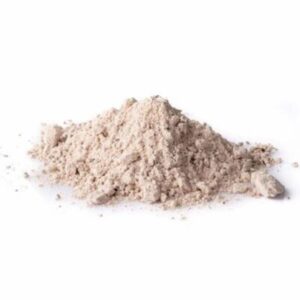
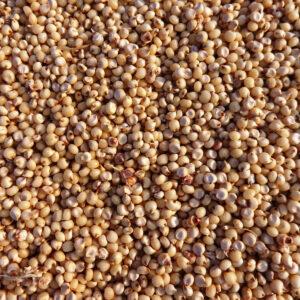
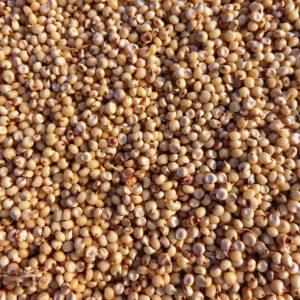
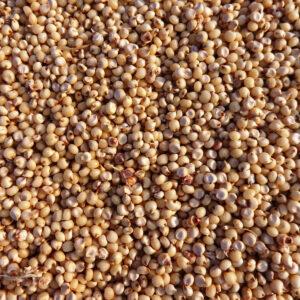
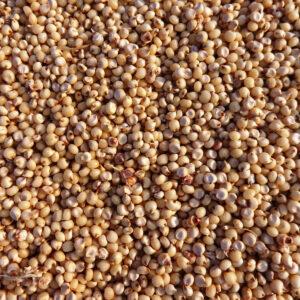
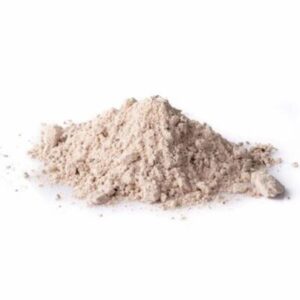
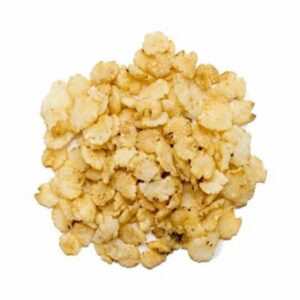
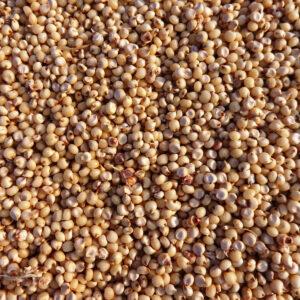
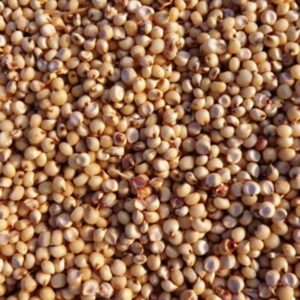
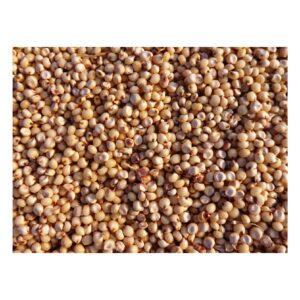
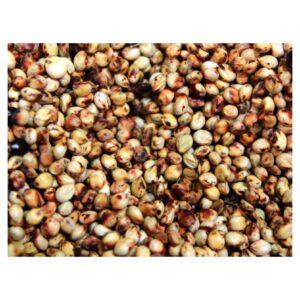
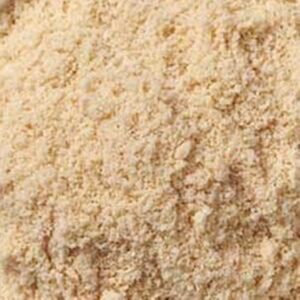
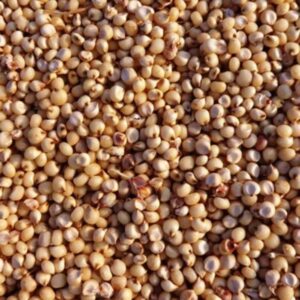
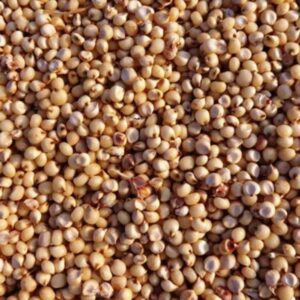
Sorghum grain, also known as milo, is a cereal crop widely cultivated for its drought tolerance and adaptability to various growing conditions. The grain is small, round, and typically red, white, or brown in color, depending on the variety. In equine nutrition, sorghum is used as an energy source due to its high starch content, similar to corn, but with a more compact structure.
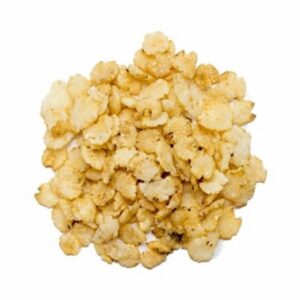
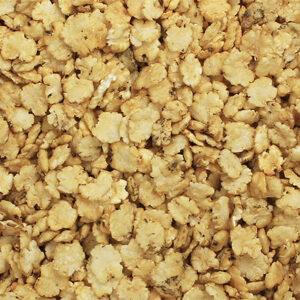
Sorghum grain contains moderate levels of protein and low fiber, and its starch is less digestible in the small intestine compared to other cereal grains unless it undergoes processing such as grinding, flaking, or steam pelleting.
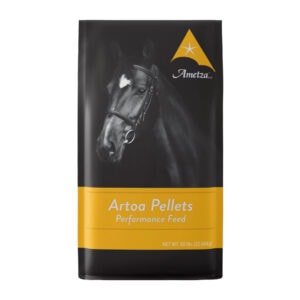
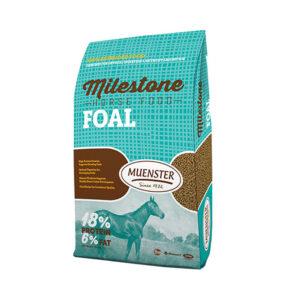
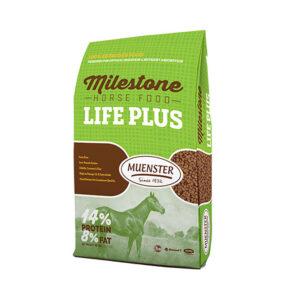
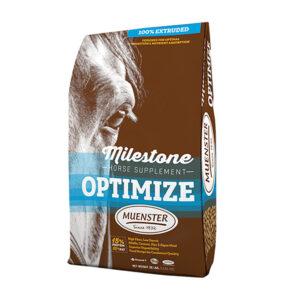
The following equine feeds, supplements and products contain Sorghum Grain as an ingredient.
 Fiber
Fiber Forage
 Grains
 Performance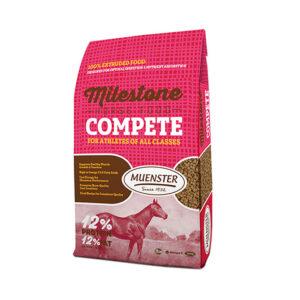
 Coat Quality
 Competition Horses
 Fat
Fat Muscle
 Fiber
Fiber Foal
Foal Growth
 Protein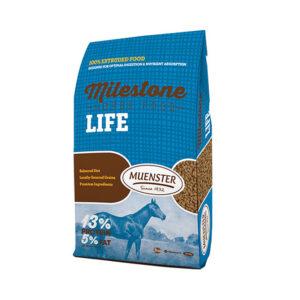
 Caloric EnergyFiberGrains
 Hay Stretcher
 FatFiberGrains
 Omega 3-6-9
 Fat
Fat NutritionOmega 3-6-9
 Weight Issues
 Caloric EnergyGrainsNutritionProtein
 Caloric EnergyGrainsNutritionProtein
 Caloric EnergyGrainsNutritionProtein
 Caloric EnergyGrainsNutritionProtein
 Caloric EnergyGrainsNutritionProtein
 Caloric EnergyGrainsNutritionProtein
 Caloric EnergyGrainsNutritionProtein
 Caloric EnergyGrainsNutritionProtein
 Caloric EnergyGrainsNutritionProtein
 EnergyGrainsNutritionProtein
 Caloric EnergyFiber
 NutrientsProtein
 Caloric EnergyNutritionProteinWeight Issues
 Caloric EnergyFiberNutrientsProtein
 Caloric EnergyFiberNutrientsProtein
 EnergyGrainsNutritionProtein
 EnergyGrainsNutrition
 Vitamins
 EnergyGrainsNutritionVitamins
 EnergyGrainsNutritionProtein
 EnergyGrainsNutritionProtein
 Forage
 Gut Health
 HealthNutrients
 Complete FeedFiberGut HealthProtein
 All-In-One Vitamin & Mineral Pellet

Advanced Gut Health Supplement

DHA-Enriched Fat Supplement
All-In-One Vitamin & Mineral Pellet

All-In-One Vitamin & Mineral Powder

Enhanced Vitamin & Mineral Pellet
Advanced Gut Health Supplement

Probiotic & Prebiotic Supplement

High-Potency 5-Strain Probiotic
All-In-One Vitamin & Mineral Pellet
Enhanced Vitamin & Mineral Pellet

Hoof, Skin & Coat Support
DHA-Enriched Fat Supplement
All-In-One Vitamin & Mineral Pellet

Organic Trace Mineral Blend
Enhanced Vitamin & Mineral Pellet

Mood & Hormone Support

Metabolic Health Formula
Mood & Hormone Support

Muscles & Nerve Support
Advanced Gut Health Supplement
Advanced Gut Health Supplement

Respiratory & Performance Supplement

Essential Amino Acid Blend
Essential Amino Acid Blend
Muscles & Nerve Support

Performance & Muscle Support
Respiratory & Performance Supplement
DHA-Enriched Fat Supplement

Immune & Respiratory Support


