English
![14 Best Ways to Naturally Prevent Colic in Horses [Countdown]](/wp-content/uploads/2021/05/Prevent-Colic-in-Horses.jpg)
Colic is one of the most feared conditions within the equine community. As many horse owners know, colic is an unpredictable, painful, and sometimes fatal condition.
Colic refers generally to abdominal pain, but most horse owners and veterinarians use the term to refer specifically to pain originating from the gastrointestinal tract. Cases of colic may present as mild and be resolved in less than 24 hours with or without veterinary treatment. Colic can also be more severe, requiring emergency surgery. [1]
Colic is usually triggered by a combination of factors, including diet, workload, and stress exposure. It can also be caused by gas buildup, feed impaction, grain overload, sand ingestion or parasite infection. [1]
Horses are more susceptible to digestive upset than other domestic animals due to their unique digestive system. Gut disorders, such as colic, diarrhea, or enterotoxemia, represent approximately 50% of medical problems in adult horses. [2]
It’s important to act quickly and call your veterinarian if your horse shows signs of colic, such as pawing, rolling, laying down, loss of appetite or other signs of discomfort.
Colic is something all horse owners strive to prevent. In this article, we will discuss strategies you can employ to reduce the risk of colic and other digestive problems in your horse.
What is Equine Colic?
Colic refers broadly to many forms of abdominal pain in horses. Horse-owners and veterinarians often use the term to refer to gastrointestinal pain specifically because it is the most common culprit. However, it’s important not to forget that other abdominal organs, like the liver, uterus, kidneys, and bladder, can be sources of pain and present similarly.
Colic does not discriminate on the basis of age, sex, breed, environment, or workload. It can affect any horse at any time. [3]
Sometimes, a horse owner knows exactly why their horse colicked. However, more often than not, colic is idiopathic, meaning that a specific cause cannot be identified.
Gastrointestinal (GI) colic cases describe abdominal upset for reasons linked to digestive imbalances, gut distension, and gut obstructions. [3]
View this post on Instagram
14 Best Ways to Prevent Colic in Horses
Not all forms of equine colic can be prevented. However, horse owners can implement measures to reduce the risk of developing this condition and support good gut health.
The strategies for preventing colic revolve around your horse’s feeding regimen, workload, and management. Here is our list of the top 14 ways to reduce your horse’s risk of colic and other digestive problems.
1) Access to Fresh Water
Providing clean fresh water to your horse at all times is critical to reducing the risk of many gastrointestinal problems, such as colic.
Proper hydration supports digestive function by aiding in gut motility (the transit of food through the digestive tract). If your horse does not drink enough fluid, they are at greater risk of impaction colic.
Water also dilutes stomach acid and is required to produce saliva, which is important for the process of digestion.
Horses should consume roughly two gallons of water per 100 kg of body weight under normal circumstances. A 500 kg (1100 lbs) horse is expected to drink 10 gallons of water per day.
You can help to increase your horse’s water intake by doing the following: [2][4][5]
- Regularly clean out your water buckets or automatic watering systems
- Always change the water in your buckets before refilling
- Ensure access to water in the paddocks at all times
- Use heated water buckets or trough heaters to keep water temperatures more lukewarm in winter and prevent freezing
- Feed 1-2 tbsp of salt daily to encourage drinking
- During training and hot weather, add extra electrolytes to encourage greater water consumption
- Some horses will drink more readily if you flavour their water, such as with electrolytes, apple juice, and apple cider vinegar
As part of your daily management tasks, ensure that good quality water is provided to your horse at all times. This will have a significant impact on reducing the risk of colic and other gastrointestinal problems. [2][4][5]
2) Adequate Salt Intake
Salt is a source of sodium, an important electrolyte in the horse’s diet.
Feeding your horse adequate salt will help to increase water intake, prevent dehydration and reduce the risk of gut issues including colic. [2]
Most equine diets are deficient in sodium. This mineral is supplied by forages and complete feeds but is often not provided in sufficient amounts to meet dietary needs.
Horses should consume at least 2 – 4 tablespoons (1 – 2 ounces) of salt per day and should have access to free choice loose salt at all times.
Providing your horse with a salt block is not enough to ensure adequate salt intake. Loose salt is more readily consumed and better able to support hydration. However, there is no guarantee that a horse will consume enough free-choice loose or block salt to meet their needs daily. Mixing salt into their daily meals is the better way to ensure intake and support hydration.
During hot weather or when in heavy work, you may need to feed more salt to replace what is lost in sweat and to maintain electrolyte balance. [2]
What's your top priority with your horse's health?

What's your top priority with your horse's health?
3) Increase Turnout
Horses that are stalled with limited turnout are at increased risk of colic compared to horses with access to pasture for prolonged periods of time. [2][4][5]
Research shows that horses kept in a stall for more than 12 hours per day have decreased gut motility. This means that food does not move through their gastrointestinal tract well.
Stall confinement also contributes to boredom and increased stereotypic behaviours such as cribbing, both of which are associated with a higher risk of colic. [2][4][5]
To prevent this, give your horse as much turnout as possible.
Encouraging your horse to express natural species-appropriate behaviors such as foraging, grazing, and socializing within a herd will keep them moving and reduce boredom.
This movement will in turn reduce colic by promoting the transit of food through the gastrointestinal tract and decreasing stereotypic behaviours. [2][4]
4) Use Elevated Feeders
Elevated feeders are particularly important for horses living in areas with sandy soil, like coastal regions. It may also apply to horses pastured on dry lots that use fine substrates or pea-gravel for erosion control.
Horses foraging off the ground may ingest large quantities of sand or fine gravel. Over time ingestion of sand can lead to serious health complications such as respiratory issues and colic. [2][6]
Horses grazing in sandy environments are at risk of sand accumulation in the cecum and large colon. This can result in sand colic which is marked by irritation and obstruction of the gut.
To help prevent sand ingestion, feed your horse from an elevated hay net or feeder so that it is lifted off the ground. [2][6] Soaking your hay can also help remove dust and debris.
Increasing the fibre content of your horse’s diet may also alleviate sand colic and promote the excretion of sand from the digestive tract. The addition of psyllium is often used to achieve this goal, as it is highly hydrophilic, drawing water into the gut and promoting motility.
A University of Florida study recommends feeding hay at a rate of 2.5% of body weight to maximize sand removal. [13] This equates to 12.5 kg for a 500 kg horse (or 28 lbs for a 1100 lbs horse).
5) Make Feeding Changes Gradually
Horses have a delicate digestive system that is sensitive to change. Abrupt changes to feed quality, quantity and schedule can increase the risk of colic. [4][5][7][8]
Studies show that changing feeding practices multiple times per year greatly increase the risk of colic. Hay changes are the most significant factor for digestive issues. [4][5][7][8]
If you are changing to a different batch of hay, make the transition gradually over two to three weeks.
Ideally, obtain a hay analysis for any new hay being fed so you understand how it compares to your original source of hay.
A hay analysis can also help you ensure your horse’s dietary requirements are being met. You can submit your horse’s hay analysis online and our equine nutritionists will help you balance your horse’s diet.
6) Feed Quality
Feeding a forage-focused diet that is balanced and maintained on a regular schedule is a great way to prevent gut problems for your horse.
Horses are hindgut fermenters, meaning that dietary fibre is fermented in the hindgut to extract energy and nutrients. Feeding adequate fibre supports the equine microbiome which is responsible for fibre fermentation.
Avoid high-grain diets which can contribute to dysbiosis and excessive acidity in the hindgut. This condition, known as hindgut acidosis, is a precursor to hindgut ulcers and a number of other digestive issues.
Hay quality is also a major factor in colic. Hay that is slightly moldy is often ignored by horse owners. However, mold in feed can lead to colic in horses. [2][9]
Mold is a source of toxins. If ingested in large quantities, these toxins can disturb the delicate balance of microorganisms in the gut, resulting in digestive upset. [2][9]
Check both grain and hay to ensure it is fresh prior to feeding, especially if the feedstuff has been exposed to moisture. [2][9]
Feed should be stored in a cool, dark environment with no exposure to moisture. If you are unsure if your horse’s feed has gone moldy, it is better to avoid feeding it and purchase new feed rather than risk a digestive issue that could lead to colic. [2][9]

7) Avoid Excess Concentrates
Feeding your horse grain concentrates such as a complete feed or sweet feed can increase colic risk.
While small amounts of pelleted feeds are unlikely to cause a problem, feeding these in higher quantities can dramatically raise their risk.
Research shows that every pound of whole grain or corn feed added to a horse’s diet increases colic risk by 70%. [12]
In comparison to horses fed hay exclusively, horses consuming pelleted feeds have a 6 to 9.5 times greater risk of colic.
This is another reason to opt for a forage-first feeding program and to minimize the use of grain-based feeds.
8) Reduce Excess Stress
Minimizing stress and anxiety is important to prevent colic and digestive discomfort in your horse. While it is hard to eliminate every stressor that your horse is exposed to, aim to reduce stress to support overall gut health and well-being.
Common stressors that may result in colic include: [2]
- Abrupt changes to the environment
- Abrupt changes to your horse’s typical schedule
- New herd placement or loss of companion
- Low position in the social hierarchy and competition for feed and water
- Travel or trailering
- Excessive training with minimal recovery days
- Intensive competition schedule
Many gastrointestinal conditions such as ulcers and diarrhea are linked to stress. These conditions also exacerbate the risk of colic development if they are not addressed.
9) Avoid Long-Term Use of NSAIDS
Non-steroidal anti-inflammatory drugs (NSAIDs) are medications used to promote pain relief and reduce inflammation in horses.
Common NSAIDs include phenylbutazone (bute), firocoxib (Equioxx) and Flunixin meglumine (Banamine).
Short-term use of NSAIDs can be beneficial, however, long-term use has been shown to cause recurring low-grade colic. [10]
It is important to remember that NSAIDs are necessary medications in some situations, so don’t be afraid to use them when needed. However, inappropriate use – dosing too high, administering doses too frequently, or long-term administration in general – has been implicated as a cause of gastrointestinal ulcers and colic in some horses. [10]
If long-term use of NSAIDs is necessary for your horse’s comfort and quality of life, it is best to consult with your veterinarian to determine what medication is most appropriate and what steps can be taken to mitigate digestive upset.
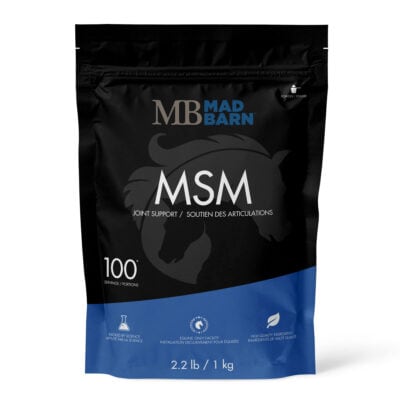
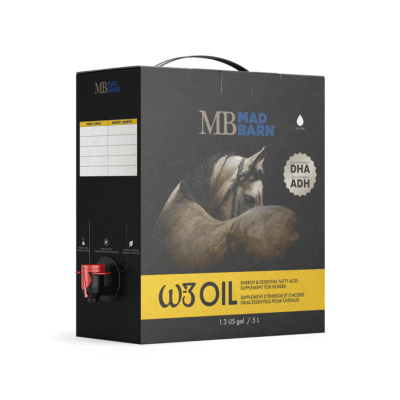
Additionally, you can investigate alternatives to NSAIDs for addressing pain and inflammation in your horse to reduce your reliance on these medications long-term. Nutritional supplements such as MSM, omega-3 fatty acids and hyaluronic acid have good evidence for supporting joint health in horses. [10][11]
10) Address Dental Problems
As horses age, it can become harder for them to chew due to tooth wear and decay. Feed that is poorly chewed can result in decreased breakdown and digestion in the digestive tract.
These factors can result in choking, intestinal impactions, nutrient deficiencies and colic. [2]
This risk of colic can be prevented by ensuring your horse receives regular dental care.
If teeth are showing signs of wear, you may need to alter how you provide your horse’s feed. Horses struggling to chew their food may benefit from soaking their grain, feeding softer feeds, or feeding soaked hay cubes or chopped hay. [2]
11) Balance Activity Levels
Regular exercise has been shown to increase gut motility, promote water intake, and help maintain a healthy digestive tract.
However, too much intense activity in the form of training or competition can increase the risk of colic.
Intense exercise has been shown to increase the risk of gastric ulcers, particularly if your horse is exercising on an empty stomach.
Exercise causes the horse’s abdomen to be compressed and increases pressure on the stomach, resulting in the splashing of gastric acids. This can cause ulcers to form in the upper squamous region of the stomach which is less protected from stomach acid. An easy solution is to have a hay net available while you’re grooming and tacking up to ride.
A heavy workload can also increase stress levels in your horse. Furthermore, intense training and competition are associated with irregular feeding regimens and changes in the housing environment, which increase the risk of colic in horses. [2]
It is important to provide your horse with regular rest days and keep them on a predictable schedule. Do not engage in heavy training 6-7 days a week.
Never exercise your horse on an empty stomach. Build light rides into your horse’s training schedule and give them off days if they seem over-worked. Not only will this decrease colic risk, but it will also support exercise recovery and performance. [2]
12) Deworm your Horse
Internal parasites such as worms and strongyle larvae can play a role in the development of colic.
It’s normal and expected for grazing animals to have some amount of worm burden. However, when that burden gets too high, the larvae or adult parasites can cause inflammation and trauma to the intestine. Certain parasites, like roundworms and tapeworms, can also cause negatively impact gut motility and cause obstruction of the bowel.
[2]Studies indicate that adult horses who are regularly dewormed have a decreased risk of colic. If your horse is not regularly dewormed, contact your veterinarian to learn more.
Your veterinarian can help you determine which dewormer is right for your area and your horse. They can also help you decide on the best schedule for administering a dewormer.
Note that in horses with a very high parasite load, the use of a deworming paste can actually precipitate colic. This is why it is important to keep your horse on a regular deworming schedule.
With a regular and consistent deworming program, your horse will be protected against many common parasites and the risk of colic will be reduced. [2]
13) Understand Previous Medical Issues
Many studies have demonstrated a higher risk of colic in horses that have previously suffered from gastrointestinal problems such as ulcers and diarrhea.
Horses that have experienced colic before are also at a higher risk of colicking again. [2][4][7] This is why it is important to make changes at the first sign of digestive issues in your horse.
Horses undergoing medical treatment are also at increased risk of colic due to stress and potential changes in intestinal motility. [7][8]
Many medical treatments are unavoidable. But you may be able to minimize stress and support your horse’s gut health in other ways to reduce disturbances in gut motility.
14) Support your Horse’s Gut Health
There is no equine supplement that can universally prevent colic in your horse. However, many gut health supplements have good evidence of efficacy and can support your horse’s overall digestive system.
Some examples of ingredients that you can consider adding to your horse’s feeding program include:
- Probiotics
- Prebiotic Fibre
- Yeast Cultures
- Digestive Enzymes
- Toxin Binders
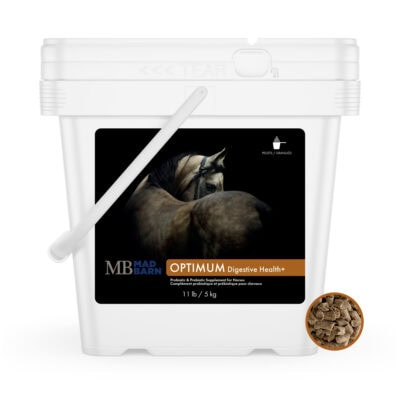
Mad Barn’s Optimum Digestive Health is a comprehensive gut supplement designed to support your horse’s immune system and digestive function.
It contains a unique blend of probiotics, prebiotics, active yeast, enzymes and immune nucleotides that restore balance to the gastrointestinal tract and help to reduce the risk of digestive upsets.
Signs and Symptoms of Colic
The best way to prevent your horse from experiencing severe colic is to take action when you observe the first signs of digestive upset.
Horses will often show noticeable signs of colic, as this condition can be very painful for them. Common signs of colic include: [2]
- Pawing
- Flank-watching
- Rolling
- Laying down
- Sweating
- Bloating
- Loss of appetite
- Absence of gut sounds
- Absence of bowel movements in their stall
- Uneasiness/incredibly uncomfortable
If your horse is showing any signs of colic, it is best to contact your veterinarian right away. Early detection will increase your horse’s chance of recovery.
Frequently Asked Questions
Here are some frequently asked questions about preventing colic in horses:
Equine colic is abdominal pain in horses, most often related to the digestive tract, and it can range from mild to life-threatening. Some cases resolve within 24 hours with or without treatment, while others become emergencies that require surgery. Because colic can worsen quickly, it should always be taken seriously by horse owners. Colic can affect horses of any age, breed, sex, or workload, which is why every owner should know the warning signs. [1]
The most common causes of colic in horses include a combination of diet, workload, and stress, along with problems such as gas buildup, feed impaction, grain overload, sand ingestion, and parasite infection. In many horses, no single cause can be identified even after evaluation. That is why prevention usually focuses on overall feeding and management practices rather than one isolated trigger. Horses are especially prone to digestive upset because their gastrointestinal system is more sensitive than that of many other domestic animals. [1][3]
Water intake affects a horse's risk of colic because good hydration supports gut motility and lowers the chance of impaction. Water also helps dilute stomach acid and supports saliva production, both of which are important for normal digestion. A 500 kg horse typically drinks about 10 gallons of water per day, so clean, fresh water should be available at all times. Owners can often improve intake by cleaning buckets regularly, providing paddock water, and keeping water from getting too cold in winter. [2][4][5]
Feeding salt can help prevent colic in horses because sodium encourages drinking and helps reduce dehydration. Many equine diets do not provide enough sodium from forage and feed alone, so salt often needs to be added separately. Supporting hydration this way can lower the risk of digestive problems, including colic. Salt needs may increase further in hot weather or during heavy work when more electrolytes are lost through sweat. [2]
Turnout can help reduce colic risk by keeping horses moving, grazing, and expressing normal social and foraging behaviors. Horses that spend long periods stalled have lower gut motility and a higher risk of digestive upset. More turnout also helps reduce boredom and stereotypic behaviors such as cribbing, which are associated with greater colic risk. Providing as much turnout as practically possible is usually beneficial for supporting both digestive health and overall well-being in horses. [2][4][5]
Feed changes should be made gradually to prevent colic because the horse's digestive system is sensitive to abrupt changes in feed type, amount, and schedule. Frequent changes in feeding practices, especially hay changes, are linked to a higher risk of digestive problems. Transitioning new hay or major diet changes over two to three weeks gives the gut more time to adapt. This steady approach helps reduce disruption to fermentation and overall digestive function. [4][5][7][8]
A forage-focused diet helps lower colic risk in horses by supporting normal hindgut fermentation and a healthier microbial balance. High-grain diets and excess concentrates can increase the risk of digestive upset, and moldy hay or grain can also trigger problems. Feeding fresh, good-quality forage on a regular schedule is one of the most important foundations for prevention. Checking feed carefully for mold or moisture damage is also an important part of reducing avoidable risk. [2][9][12]
Horses in sandy areas can be protected from sand colic by reducing how much sand they ingest while eating. Feeding from an elevated feeder or hay net helps keep forage off the ground, which lowers sand intake. More dietary fibre can also help move sand through the digestive tract, and psyllium is commonly used for that purpose. This is especially important for horses living on dry lots or in regions with sandy soil. [2][6][13]
Stress and intense exercise can increase colic risk by disrupting normal digestion and increasing pressure on the stomach. Common stressors include abrupt routine changes, travel, herd changes, competition, and heavy training with too little recovery. Regular exercise is helpful, but horses are better protected when work is balanced with rest and they are not exercised on an empty stomach. Predictable routines and adequate recovery time can make a meaningful difference for horses prone to digestive upset. [2]
You should call a veterinarian for colic signs as soon as your horse shows signs such as pawing, rolling, lying down, loss of appetite, or obvious discomfort. Colic can become serious very quickly, even when it starts mildly. Early veterinary attention improves the chance of recovery and helps prevent severe complications. Prompt action is especially important because it is not always possible to tell from early signs which cases will worsen. [2]
Summary
Colic is a frightening condition for many horse owners, as it can lead to very serious health complications and requires prompt attention.
- Although colic in horses is unpredictable and can arise from a wide range of causes, it remains one of the most common equine health emergencies.
- There are many proactive steps horse owners can take to reduce the risk of colic through thoughtful management and daily care.
- Key risk-reduction strategies include adjustments to the feeding program, equine management practices, environment, activity level, and routine veterinary care.
- Dietary supplementation may also play a role in supporting digestive function and maintaining gut stability.
- Supporting your horse’s gut health not only helps reduce the risk of colic, but also contributes to overall health, comfort, and long-term well-being.
References
- Curtis, L. et al. Risk factors for acute abdominal pain (colic) in the adult horse: A scoping review of risk factors, and a systematic review of the effect of management-related changes. PLoS One. 2019. View Summary
- Goncalves, S. et al. Risk factors associated with colic in horses. Vet Res. 2002. View Summary
- Abutarbush, S.M. et al. Causes of gastrointestinal colic in horses in western Canada: 604 cases (1992 to 2002). Can Vet J. 2005. View Summary
- Cohen, N.D. et al. Dietary and other management factors associated with colic in horses. J Am Vet Med Assoc. 1999. View Summary
- Cohen N.D. et al. Case-control study of the association between various management factors and development of colic in horses. J Am Vet Assoc. 1995. View Summary
- Landes, A.D. et al. Fecal sand clearance is enhanced with a product combining probiotics, prebiotics and psyllium in clinically normal horses. J Equine Vet Sci. 2008.
- Proudman C.J. A two years survey of equine colic in general practice. Equine Vet J. 1991. View Summary
- Reeves M.J. et al. Risk factors for equine acute abdominal disease (colic): results from a multi-center case-control study. Prev Vet Med. 1996.
- Stewart, H.L. et al. Changes in the fecal bacterial microbiota during the hospitalization of horses with colic and the effect of different causes of colic. Equine Vet J. 2020.
- Ihler, F.C. et al. Evaluation of clinical and laboratory variables as prognostic indicators in hospitalized gastrointestinal colic horses. Acta Vet Scand. 2004.
- Hess, T. and Ross-Jones, T. Omega-3 fatty acid supplementation in horses. R. Bras. Zootec. 2014.
- Malone, E. Colic in your horse. University of Minnesota Extension. 2021.
- Lieb, S., and J. Weise. A group of experiments on the management of sand intake and removal in equine. Proceedings of the 16th Equine Nutrition and Physiology Symposium. 1999.