English
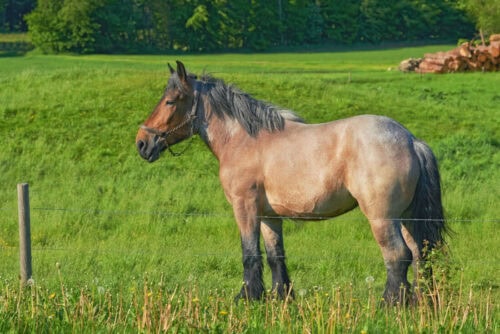
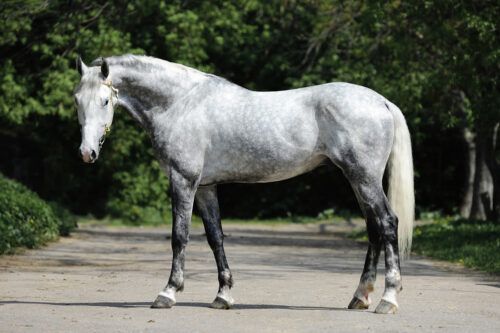
Every horse owner wants their senior horses to stay healthy and sound for as long as possible. There’s no shortage of supplements marketed for older horses, but it can be hard to know what your senior actually needs or if a supplement would really help.
As horses age, dental wear, reduced feed intake, muscle loss, and joint discomfort can affect their well-being and ability to maintain condition. [1][2] A feeding program that once kept them in good condition may need adjustments to provide enough calories, protein, and other nutrients.
Choosing the best supplement for a senior horse starts with identifying which needs are not being met by their current diet.
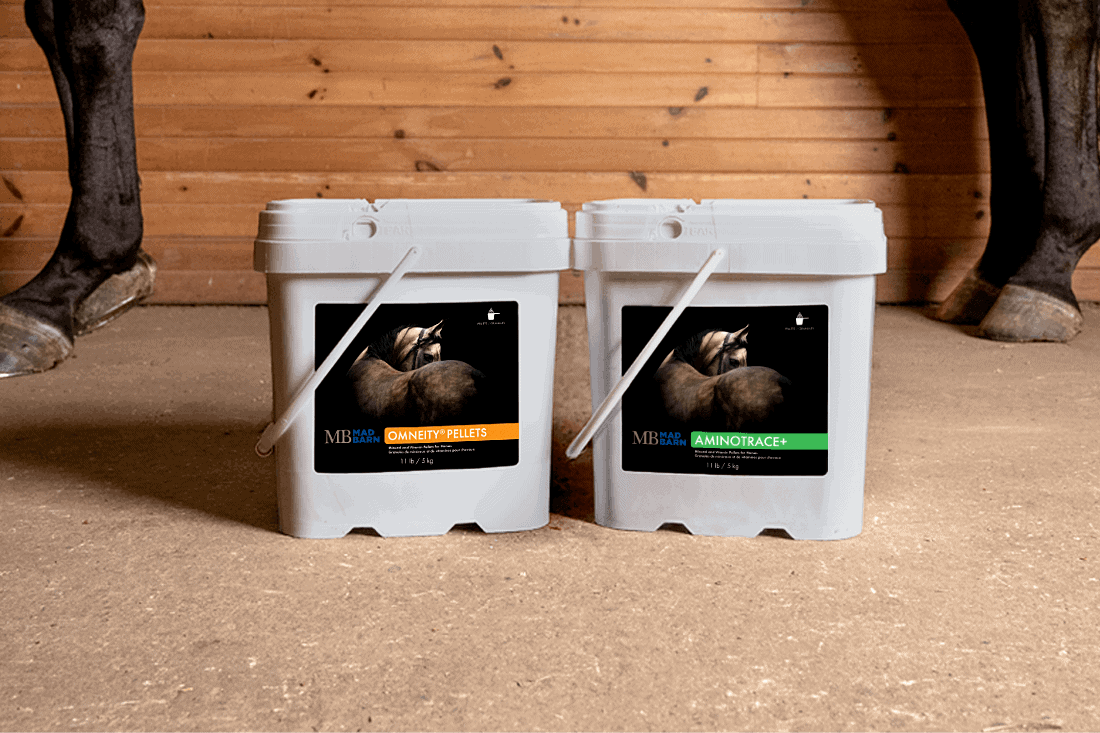
For many senior horses, the first place to start is with a complete vitamin and mineral supplement, such as Mad Barn’s Omneity® or AminoTrace+. These all-in-one formulas help support strong hooves, healthy skin and coat, muscle maintenance, immune function, and antioxidant defenses by filling common nutrient gaps in the diet.
Once these basic nutrient requirements are met, targeted supplements can be added to address individual concerns. Depending on the horse, this may include support for joint health and mobility, weight and body condition, topline and muscle maintenance, digestive function, or other age-related needs.
Nutritional Needs of Senior Horses
While some older horses maintain excellent weight, muscle, and overall health well into their twenties, others experience changes in chewing ability, appetite, digestion, metabolism, or joint comfort that affect their needs. [3][4]
Dental wear, missing teeth, and other oral problems can make it difficult for senior horses to properly chew long-stem forage. They may eat more slowly, consume less hay, or quid partially chewed forage instead of swallowing it. Poorer mechanical breakdown of feed can also reduce how effectively nutrients are extracted during digestion. [5]
Changes in forage intake and chewing can also affect hindgut fermentation. Because horses rely on microbial fermentation to digest fiber, disruptions to normal feeding patterns can influence the hindgut microbiome and reduce how efficiently energy and nutrients are obtained from forage.
Declining mobility and soundness can affect pasture intake as well. Senior horses with joint pain, stiffness, or lameness may spend less time grazing, travel less between feeding areas, or have difficulty competing with younger herd mates for hay and feed during group turnout. Over time, these changes can contribute to inadequate calorie and nutrient intake, loss of body condition, and muscle loss. [4][8]
Some senior horses also develop metabolic conditions, such as PPID (Cushing’s disease), that require additional dietary management. [6]
These changes do not mean every senior horse needs multiple supplements to stay healthy, but they do mean the feeding program should be reviewed regularly to ensure it continues to meet the horse’s needs.
Ensuring a Balanced Diet
Like all horses, seniors need a diet that supplies adequate forage, calories, high-quality protein, vitamins, minerals, salt, and water.
Nutrient requirements for horses vary depending on their body weight, metabolic status, workload, health, and body condition. [2][7]
Forage should form the foundation of all equine diets, but dental disease can make long-stem forage difficult for senior horses to chew effectively. Horses with advanced dental wear may need soaked hay cubes, hay pellets, or complete senior feeds to replace some or all of their hay.
Calorie intake should be adjusted based on the horse’s condition and activity level. Seniors that struggle to maintain weight need more digestible fiber and fat in their diet. Easy keepers and horses with metabolic concerns require low-calorie feeds and forages with low starch and sugar levels.
Adequate protein is important for maintaining muscle mass and topline in all horses, but especially in seniors that may be losing muscle because of reduced activity or digestive issues. Older horses with muscle loss should be assessed for possible health issues. If there is no underlying health concern, make sure their diet provides enough protein and essential amino acids, particularly lysine, methionine, and threonine.
A balanced ration for senior horses also needs to provide the correct amounts of vitamins and minerals. Horses fed primarily forage, or less than the recommended amount of a fortified feed, often require a concentrated vitamin and mineral supplement to meet their daily requirements.
Dental health significantly affects how well a senior horse can consume and process feed. Regular dental examinations are an important part of senior feeding management. [2][9][10]
Body condition, appetite, manure quality, and feeding behavior should be monitored regularly. Changes in these areas can indicate that the ration needs to be adjusted or that further veterinary assessment is needed.
Before adding targeted supplements, make sure your senior horse’s basic nutritional requirements are being met. Once these requirements are covered, additional supplements can be added for specific concerns such as digestive health, weight gain, muscle maintenance, or joint support.
What's your top priority with your horse's health?

What's your top priority with your horse's health?
Does My Senior Horse Need a Supplement?
You may notice your senior horse taking longer to finish hay, becoming less active or energetic, losing weight or topline, or developing a duller coat with less shine and color than they used to have. These changes call for a review of their feeding program and an assessment for underlying health issues. [7][11]
Even if your senior horse shows no outward signs of decline, their diet should be reviewed regularly to ensure it meets their nutritional needs. Subclinical deficiencies can develop over long periods before obvious signs appear.
Senior horses need supplemental sources of nutrients to ensure their diet meets their vitamin and mineral requirements. Forage does not provide all of these nutrients in the amounts horses need, which is why a complete vitamin and mineral supplement is recommended to balance the diet.
Feeding a complete feed or ration balancer does not automatically mean your horse’s vitamin and mineral requirements are being met. These feeds are formulated to provide the intended nutrient levels only when fed at the full recommended amount on the feed tag.
For example, a senior feed may be formulated to meet vitamin and mineral requirements when fed at 11 lb (5 kg) per day. If your horse only gets 3 lb (1.4 kg), the feed supplies far fewer vitamins and minerals than needed to balance the diet.
A concentrated vitamin and mineral supplement fills this gap without adding a large volume of feed to the diet. The amount of supplementation needed depends on the nutrients already supplied by the rest of the feeding program.
Once vitamin and mineral requirements are met, additional supplements with research-supported ingredients can be selected for joint health, gut function, weight gain, topline and muscle maintenance, skin and coat health, or other individual needs.
Feeding choices should also account for how the horse is managed. Dental problems, competition for hay, and underlying health conditions can require changes to feeding and management alongside supplementation.
Assess these common feeding and management issues to identify which dietary adjustments, supplements, or veterinary care your senior horse needs: [3][9][10][12][13][14][15]
- Chewing problems: Dental wear, missing teeth, or oral pain can make long-stem forage difficult to chew. Prolonged chewing, quidding, dropping feed, or avoiding coarse hay warrant a dental assessment and a review of whether the forage provided is suitable.
- Reduced feed intake: Senior horses may take longer to finish meals or consume less forage overall. Track how much feed and hay is actually eaten, especially in group settings where older horses may be displaced by more dominant herd mates. Provide protected feeding time when herd competition limits intake.
- Muscle loss: Loss of topline or generalized muscle wasting warrants assessment for underlying health issues and a review of total protein and essential amino acid intake, particularly lysine, methionine, and threonine.
- Weight loss: Declining body condition or hard-keeper tendencies can reflect inadequate calorie intake, poor chewing, reduced forage consumption, or poor nutrient absorption. Review actual forage and feed intake to determine whether additional calories are needed, and seek veterinary assessment for persistent or unexplained weight loss.
- Digestive changes: Changes in manure consistency or poor feed efficiency call for a review of forage quality, feeding practices, and the full ration. Persistent digestive signs require veterinary assessment to identify the cause and guide dietary changes or digestive supplementation.
- Metabolic concerns: Easy keepers and horses with PPID, insulin dysregulation, or laminitis risk require careful management of calories, sugar, and starch according to their body condition and metabolic status. The diet must also provide adequate vitamins, minerals, protein, and other essential nutrients.
- Reduced mobility: Joint pain, stiffness, or lameness can reduce grazing time, movement between feeding areas, and access to hay or water. Assess pain or lameness with a veterinarian and ensure the horse can comfortably reach feed and water when planning joint support.
- Coat or hoof changes: A dull coat, loss of color or shine, slow hoof growth, or declining hoof quality can indicate inadequate protein, vitamins, or trace minerals. Review nutrient intake from the full ration, including the amount of fortified feed or vitamin and mineral supplement actually consumed.
Caring for Seniors with Health Conditions
Some senior horses with medical concerns may need a coordinated care plan that includes veterinary care, dental procedures, forage changes, and adjustments to feeding and management.
Owners should work with a veterinarian and equine nutritionist to create care plans for senior horses with:
- PPID
- Insulin resistance
- Equine metabolic syndrome
- Laminitis risk
- Chronic digestive issues
- Dental disease
- Arthritis
- Persistent poor condition
These conditions can change how much energy a senior horse needs, how much sugar and starch they can tolerate, and which nutrients should be prioritized in the diet. Once the underlying health issues are identified, the feeding program can be adjusted to meet those needs before adding supplements.
When to Call the Veterinarian
Nutritional support does not replace veterinary treatment, dental examinations, or pain management.
Weight loss, appetite changes, digestive problems, and reduced mobility warrant veterinary assessment to identify the cause and determine appropriate treatment. Contact your veterinarian if your senior horse develops any of the following signs: [3][12]
- Unexplained or persistent weight loss or poor body condition
- Sudden appetite changes, difficulty chewing, or repeated choke episodes
- Signs of laminitis, significant stiffness, lameness, or sudden changes in movement
- Chronic diarrhea or signs of colic
- Rapid decline or major changes in behavior or performance
Contact your veterinarian promptly for signs of colic, laminitis, choke, or rapid deterioration. These conditions can require urgent veterinary attention.

Best Supplements for Senior Horses
For most senior horses, the best supplement to start with is a complete vitamin and mineral formula that fills gaps in the diet. Meeting these nutritional requirements supports healthy hooves, skin and coat, muscle function, immune function, and antioxidant defenses.
The right formula depends on the nutrients already supplied by the horse’s forage, feed, and other supplements, along with their health and individual needs.
Once vitamin and mineral needs are met, you can choose additional supplements based on the senior horse’s specific concerns. These can include supplements to support digestive function, weight gain, joint comfort, skin and coat quality, or hormonal health.
Omneity®: All-in-One Vitamin & Mineral Support for Senior Horses
Mad Barn’s Omneity® is an all-in-one vitamin and mineral supplement that is ideal for senior horses on a forage-based diet. It is also suitable for older horses receiving less than the recommended amount of a fortified senior feed.
When a horse retires or moves into lighter work, they often need fewer calories to maintain a healthy weight. However, reducing how much fortified feed they get also reduces the vitamins and minerals supplied by that feed. This can lead to nutrient deficiencies.
Omneity® is a highly concentrated complete formula, so it fills common nutritional gaps without requiring a larger grain meal or adding significant calories, sugar, or starch to the diet.
Omneity® provides 100% organic trace minerals, full B-vitamin fortification, and a broad range of other essential nutrients to support immune function, tissue maintenance, and normal metabolism.
For senior horses, protein quality is especially important for maintaining muscle mass and overall condition. Omneity® helps meet your senior horse’s amino acid requirements by providing lysine, methionine, and threonine, three essential amino acids that can be limited in forage-based diets.
At the recommended serving for a 1,100 lb (500 kg) horse, Omneity® supplies 20 mg of biotin, alongside copper, zinc, and methionine to support hoof and hair growth. This makes it beneficial for older horses with concerns related to brittle hooves or poor coat quality.
For senior horses with little or no access to fresh pasture, vitamin E is another important consideration because its concentration declines as hay is harvested and stored. Omneity® provides 1,000 IU of vitamin E per serving, together with vitamin C and organic selenium, to support antioxidant defenses and normal muscle and immune function.
Omneity® also contains live yeast and digestive enzymes to support digestive health. Live yeast supports the hindgut microbes responsible for fiber fermentation, while digestive enzymes help break down feed and support nutrient utilization.
Omneity® is available as a loose mineral premix or in a pelleted format. Both formats can be incorporated into feeding programs for senior horses with difficulty chewing. Omneity Premix can be mixed into soaked beet pulp, hay pellets, or other forage-based meals, while Omneity Pellets can be soaked before feeding.
Both formulas are low in non-structural carbohydrates (sugar and starch) and contain no added iron, making them suitable for senior horses that require a low-NSC or metabolic diet.
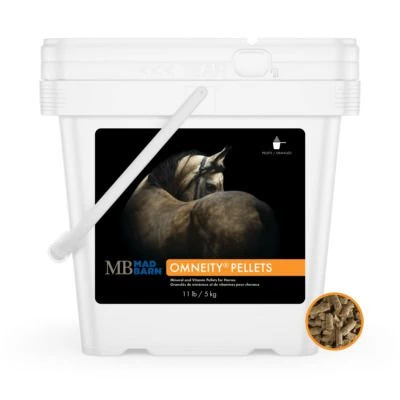
AminoTrace+: Advanced Vitamin & Mineral Support for Metabolic Senior Horses
For senior horses with metabolic concerns, Mad Barn’s AminoTrace+ provides enhanced vitamin, mineral, and amino acid support compared to a standard ration balancer. It is especially well suited to easy keepers, horses with insulin resistance or equine metabolic syndrome, and senior horses with PPID that also have insulin dysregulation.
Metabolic senior horses need a calorie-controlled diet based primarily on forage, with limited grain or fortified feed. While this can help control calorie, sugar, and starch intake, it can also leave deficits in vitamins, minerals, and essential amino acids.
AminoTrace+ is a concentrated, low-NSC formula designed to ensure these nutrient requirements are met without adding unnecessary sugar or starch. Like Omneity®, it contains no added iron and provides 100% organic trace minerals, but it supplies higher levels of several nutrients that should be prioritized in metabolic feeding programs.
AminoTrace+ provides increased levels of copper and zinc to help balance forage-based diets, particularly when iron intake is high. These trace minerals are necessary for healthy hooves, skin and coat quality, connective tissues, antioxidant enzymes, and normal immune function.
Each 200 g serving for a 1,100 lb (500 kg) horse also supplies approximately 11 g of magnesium. Magnesium is involved in glucose metabolism, nerve signaling, and normal muscle function. AminoTrace+ also contains chromium yeast, a trace mineral that is involved in normal carbohydrate and glucose metabolism.
Maintaining muscle and topline can become more difficult as horses age, particularly when calorie intake is restricted. AminoTrace+ provides higher levels of essential amino acids than Omneity®, with 10 g of lysine, 6 g of methionine, and 5 g of threonine per serving. These amino acids support muscle protein synthesis and tissue repair.
AminoTrace+ also provides 20 mg of biotin to support hoof and hair growth. This is especially important for senior horses with poor hoof quality or a history of laminitis, where maintaining healthy hoof growth is an important part of long-term management.
Metabolic horses also benefit from antioxidant supplementation due to higher levels of oxidative stress. Insulin dysregulation can increase the production of reactive oxygen species, placing greater demand on the body’s antioxidant defenses.
One of the most important antioxidants in the equine diet is vitamin E, for which fresh pasture is the best source. However, these horses are commonly managed with tested hay and restricted pasture access to limit sugar intake and reduce laminitis risk.
Because vitamin E declines after forage is harvested and stored as hay, horses with limited access to pasture have lower vitamin E intake and can become deficient. This is a concern because vitamin E is important for normal muscle, nerve, and immune function.
Each serving of AminoTrace+ supplies 1,250 IU of natural vitamin E, providing 250% of the NRC minimum requirement for a 1,100 lb (500 kg) horse at maintenance. AminoTrace+ also provides organic selenium yeast and other nutrients involved in antioxidant defenses.
AminoTrace+ is low in NSC, contains no added iron, and is suitable for easy keepers and senior horses on restricted-calorie feeding programs.
It can also be incorporated into the nutritional management of horses with a history of laminitis alongside appropriate forage selection, veterinary care, and management of the underlying metabolic condition.
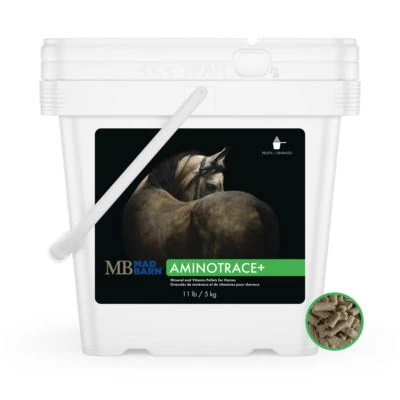
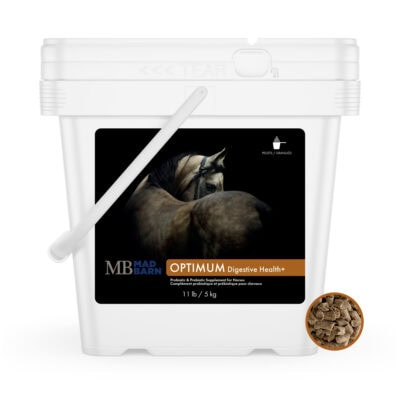
Optimum Digestive Health: Probiotic & Prebiotic Support
Senior horses often benefit from additional digestive support to help them maintain condition and get more nutrition from their feed. Proactive gut support can also reduce the risk of digestive disturbances such as colic, diarrhea, and loose manure.
This is especially important for older horses with difficulty chewing or a history of digestive issues. Supporting fiber digestion helps these horses extract more energy and nutrients from the forage, soaked feeds, and forage replacements they consume, which can help with weight maintenance.
Mad Barn’s Optimum Digestive Health provides probiotics, prebiotics, live yeast, digestive enzymes, and other ingredients that support healthy digestion throughout the gastrointestinal tract.
Horses rely on microbes in the cecum and colon to break down forage fiber through hindgut fermentation. This process produces volatile fatty acids that the horse absorbs and uses for energy. Hindgut microbes also synthesize vitamin K and several B vitamins that support normal metabolism.
Maintaining a healthy population of hindgut microbes supports fiber fermentation, nutrient utilization, normal manure consistency, and immune function. A stable hindgut environment also helps reduce the risk of digestive dysfunction and colic.
Optimum Digestive Health combines several ingredients that support different aspects of digestion:
- Live yeast: Saccharomyces cerevisiae 1026 supports fiber-digesting bacteria and helps maintain a stable hindgut environment for efficient forage fermentation.
- Probiotics: Five Lactobacillus species support beneficial microbial populations, microbial balance, and normal manure consistency.
- Mannan oligosaccharides (MOS): Yeast-derived prebiotics support beneficial hindgut microbes and help limit the attachment of undesirable bacteria to the intestinal lining.
- Beta-glucans: Yeast-derived compounds support normal immune function and help maintain the integrity of the intestinal barrier.
- Yeast extracts: Provide nucleotides, peptides, and other bioactive compounds that support the intestinal lining, nutrient absorption, and digestive function.
- Nucleotides: Support rapid turnover and regeneration of cells lining the digestive tract, helping maintain a healthy intestinal barrier.
- Digestive enzymes: Aspergillus niger fermentation products provide enzymes that help break down components of fiber, starch, and protein to support feed digestibility and nutrient utilization.
- Natural toxin binders: Yeast-derived compounds help bind harmful substances in the digestive tract and limit their absorption.
An 80 g serving for a 1,100 lb (500 kg) horse provides 67 billion CFU from its combined live yeast and probiotic blend.
For senior horses, supporting digestive efficiency can be especially useful when poor dentition, changes in forage, stress, or changes in feeding management affect how well they use their diet.
By supporting fiber fermentation and nutrient utilization, Optimum Digestive Health helps senior horses get more from the feed they already consume and maintain a healthy body condition.
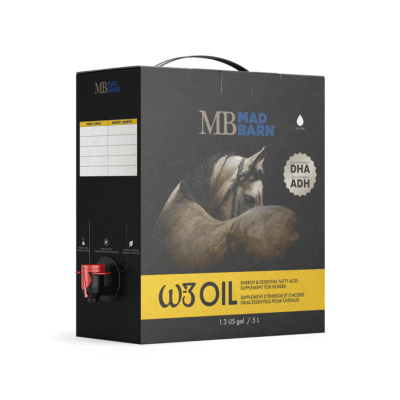
W-3 Oil: Cool Calories with Added Omega-3s
Senior horses can have trouble maintaining weight and condition as they age. This is especially common in horses with difficulty chewing, reduced appetite, or digestive disturbances.
For underweight seniors and hard keepers, Mad Barn’s W-3 Oil provides a concentrated source of cool calories from fat. Feeding oil increases the energy density of the diet without adding sugar or starch or requiring the horse to consume more bulk.
Each 100 mL (3.4 fl oz) serving provides 900 Calories, making it easy to increase calorie intake in a controlled way. W-3 Oil is highly palatable and can be mixed into soaked feeds, forage pellets, or the horse’s regular concentrate ration.
Unlike sweet feeds or molasses-rich grains, fat supplements do not contain non-structural carbohydrates (NSC). High NSC intake can cause large increases in blood glucose and insulin, and excess starch reaching the hindgut can disrupt microbial fermentation and increase the risk of digestive upset.
A dull, dry coat is another common concern in senior horses. Adding fat to the diet can improve coat shine and skin condition by supplying fatty acids that support the skin barrier and the natural oils that coat the hair.
W-3 Oil also provides 1,500 mg of DHA, a long-chain omega-3 fatty acid that supports normal inflammatory balance, joint comfort, skin health, and immune function. This provides additional support for older horses that may be dealing with stiffness, reduced mobility, or age-related changes in skin and coat quality.
Each serving also supplies 1,500 IU of natural vitamin E to support normal muscle function, immune function, and antioxidant defenses. This can be particularly important for senior horses with limited access to fresh pasture, which is the primary dietary source of vitamin E.
W-3 Oil should be introduced gradually and adjusted according to the horse’s body condition, weight goals, and the calories supplied by the rest of the diet.
OmegaPrime+: Extra-Strength Omega-3 Support
As horses age, they are more likely to experience stiffness, reduced mobility, respiratory problems, and changes in skin and coat quality. Aging is also associated with changes in inflammatory signaling, which can contribute to chronic inflammation and slower recovery from exercise or stress. [23]
Mad Barn’s OmegaPrime+ provides highly potent levels of the omega-3 fatty acids EPA and DHA to support joint comfort and mobility, respiratory function, skin and coat health, and a normal inflammatory response.
Omega-3s are important to consider for older horses with joint discomfort or reduced soundness. EPA and DHA are incorporated into joint tissues and cell membranes, where they influence the production of compounds involved in inflammation. This helps support comfortable movement and normal joint function as horses age.
Senior horses are also more likely to develop chronic respiratory problems. EPA and DHA maintain a normal inflammatory balance in the airways, supporting respiratory health alongside management practices that reduce exposure to dust and airborne irritants.
OmegaPrime+ provides 6,000 mg of DHA and 1,500 mg of EPA per 30 mL (1 fl oz) serving in a flax oil base. It also supplies 750 IU of natural vitamin E to support antioxidant defenses, muscle function, and immune function.
Unlike high-calorie oils, OmegaPrime+ provides concentrated EPA and DHA in a low-calorie serving. A 30 mL serving delivers five times as much DHA and EPA combined as 100 mL of W-3 Oil, with 70% fewer calories.
This makes OmegaPrime+ appropriate for easy keepers and metabolic horses, including seniors that are overweight or on calorie-controlled diets.
OmegaPrime+ can be mixed into regular feed or soaked forage pellets, hay cubes, or beet pulp, making it easy to incorporate into feeding programs for older horses with difficulty chewing.

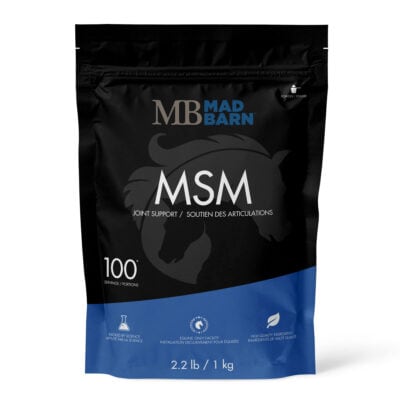
MSM: Joint Health & Mobility
Mad Barn’s MSM is a single-ingredient supplement used to support joint comfort, mobility, and connective tissue health in senior horses. It is an affordable option for owners adding daily joint support to a balanced feeding program.
MSM, or methylsulfonylmethane, is a naturally occurring compound that provides bioavailable organic sulfur. It supports the maintenance of cartilage, tendons, ligaments, and other connective tissues involved in joint function. Sulfur also contributes to keratin, the structural protein in hoof horn and hair.
MSM has been studied for its effects on oxidative stress and inflammatory responses following exercise. A study in 24 jumping horses found that MSM supplementation reduced exercise-related changes in markers of oxidative damage and helped maintain antioxidant activity. This research supports its use for post-exercise care, including in senior horses that remain in work. [24] Similarly, a study in exercising adult horses showed changes in expression of genes related to anti-inflammatory mechanisms in muscle. [22]
For older horses taking longer to warm up or showing changes in stride and willingness to move, MSM can be considered alongside veterinary assessment and management of joint discomfort. Its role is to support joint comfort, connective tissue maintenance, and antioxidant defenses.
Mad Barn’s MSM contains no fillers or additives. The recommended daily serving for a 1,100 lb (500 kg) horse is 10 g, which can be mixed into regular feed or a soaked ration. It can also be used alongside omega-3 supplementation to provide multimodal joint support.
Spirulina: Respiratory & Immune Support
Senior horses often experience sensitivities to respiratory irritants and allergens, especially if they are exposed to dusty hay, bedding, pollen, or wildfire smoke. Older horses can also experience changes in immune function and inflammatory regulation that affect how they respond to these environmental challenges.
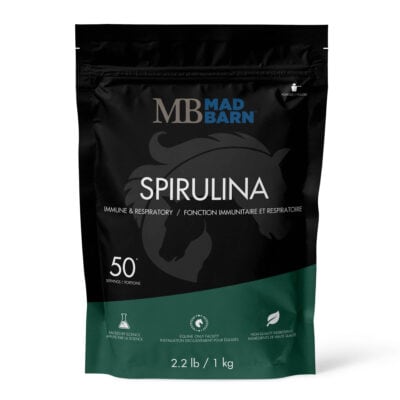
Mad Barn’s Spirulina is a nutrient-rich type of blue-green algae used to support respiratory health, immune function, skin health, and a normal inflammatory response.
Spirulina is particularly rich in phycocyanin, a naturally occurring antioxidant pigment that helps protect cells from oxidative stress and supports normal immune and inflammatory signaling. [25] Phycocyanin can be beneficial for horses that struggle with <seasonal allergies, coughing or respiratory sensitivity, or other reactions to environmental exposures.
Spirulina also supports horses with occasional skin sensitivities. Its antioxidant and immune-regulating compounds help maintain a normal response to allergens that can contribute to itching, irritated skin, or other seasonal reactions.
Metabolic senior horses may also benefit from Spirulina. [26] Spirulina provides phycocyanin and other antioxidants that support the body’s natural defenses against oxidative stress.
Senior Horse Supplement Comparison
| Product | Best For | Features | Benefits |
|---|---|---|---|
| Omneity® | Most senior horses on forage-based diets or receiving less than the recommended amount of fortified feed | Complete vitamin, mineral, and amino acid support |
|
| AminoTrace+ | Metabolic seniors, easy keepers, and horses on calorie-controlled or low-NSC diets | Advanced vitamin, mineral, and amino acid support for metabolic horses |
|
| Optimum Digestive Health | Seniors with poor feed utilization, loose manure, digestive sensitivity, or difficulty maintaining condition | Digestive efficiency and hindgut support |
|
| W-3 Oil | Underweight seniors, hard keepers, and horses with poor body or coat condition | Concentrated calories from fat with added omega-3s |
|
| OmegaPrime+ | Seniors with joint, respiratory, or inflammatory concerns, including easy keepers and metabolic horses | Concentrated EPA and DHA in a low-calorie serving |
|
| MSM | Seniors needing additional joint and connective tissue support | Joint comfort, connective tissue, and antioxidant support |
|
| Spirulina | Seniors with seasonal allergies, coughing, respiratory sensitivity, or skin reactions | Respiratory, immune, and antioxidant support |
|
Final Recommendation
The best supplement for an older horse depends on what the rest of the diet already provides and which age-related concerns need additional support. The first step is to ensure your horse is getting a balanced diet that provides adequate forage, calories, high-quality protein, vitamins, and minerals.
For the majority of senior horses, Mad Barn’s Omneity® is the best vitamin and mineral supplement to balance the overall diet. Seniors with metabolic concerns or a history of laminitis benefit more from AminoTrace+, which provides higher nutrient levels.
Once these basic nutritional requirements are met, you can consider functional supplements based on your horse’s individual needs. Some seniors benefit most from digestive support, while others see the best results with added omega-3s for joint health. Other options can be added to support weight gain, respiratory health, mobility, skin and coat quality, and hoof health.
Your senior horse’s feeding program should be reassessed regularly because their needs will change with age, dental health, activity level, body condition, and underlying health conditions.
Submit your senior horse’s information and current feeding program for a free diet analysis. One of Mad Barn’s equine nutritionists will review the diet, identify nutritional gaps or imbalances, and provide personalized feeding recommendations.
Frequently Asked Questions
Here are some frequently asked questions about supplements for senior horses:
The best supplement for a senior horse is one that addresses gaps in the horse's overall diet before targeting individual age-related concerns. For most seniors on forage-based diets, Omneity® is the best starting point because it provides comprehensive vitamin, mineral, and amino acid support. AminoTrace+ is generally a better foundation for easy keepers and seniors with insulin dysregulation, equine metabolic syndrome, or related metabolic concerns. Targeted supplements for digestion, weight gain, joints, or respiratory health can be considered after these basic nutritional requirements are met.
Most senior horses need supplemental vitamins and minerals because forage alone does not provide every essential nutrient in the required amounts. However, not every older horse needs multiple targeted supplements, especially if the horse maintains good condition and already receives a properly balanced diet. The feeding program should be reviewed regularly as dental health, activity, metabolism, and body condition change with age. A complete vitamin and mineral formula is typically the first supplement to consider before adding products for individual concerns.
Senior horse feed is enough to meet its intended vitamin and mineral targets only when it is fed at the full amount recommended on the product label. Horses receiving a smaller serving may get adequate calories but insufficient vitamins, minerals, or amino acids. A concentrated formula such as Omneity® can fill these gaps without requiring the horse to consume several additional pounds of fortified feed. The full ration, including forage, feed, and supplements, should be assessed to determine what is already being supplied.
Choosing between Omneity® and AminoTrace+ depends primarily on the horse's metabolic status and overall feeding program. Omneity® is the best fit for most seniors on forage-based diets or receiving less than the recommended amount of fortified feed. AminoTrace+ is designed for easy keepers and metabolic seniors that need a low-NSC formula with higher levels of certain trace minerals, amino acids, magnesium, and natural vitamin E. Both products provide comprehensive nutritional support, use organic trace minerals, and contain no added iron.
The best foundation supplement for a senior horse with metabolic problems is a concentrated, low-NSC vitamin and mineral formula that does not add unnecessary calories, sugar, or starch. AminoTrace+ is formulated for easy keepers and horses with insulin resistance, equine metabolic syndrome, or PPID accompanied by insulin dysregulation. It provides enhanced amino acid, trace mineral, magnesium, and antioxidant support for horses on restricted-calorie or low-NSC diets. Supplementation should be combined with suitable forage, weight management, veterinary care, and control of the underlying metabolic condition.
A supplement can help a senior horse gain weight when the underlying problem is inadequate calorie intake rather than untreated dental disease, illness, or poor access to feed. W-3 Oil supplies concentrated calories from fat without adding sugar or starch, making it useful for underweight seniors and hard keepers. It also provides DHA and natural vitamin E to support skin, coat, immune, and antioxidant health. Persistent or unexplained weight loss requires veterinary and dental assessment before it is treated as a feeding problem alone.
The best digestive supplement for an older horse supports fiber fermentation, beneficial gut microbes, feed utilization, and a stable hindgut environment. Optimum Digestive Health combines probiotics, prebiotics, live yeast, digestive enzymes, yeast extracts, and natural toxin binders. It is particularly relevant for seniors with loose manure, digestive sensitivity, poor feed utilization, difficulty maintaining condition, or changes in forage and feeding management. Chronic diarrhea, recurrent colic, or other persistent digestive signs should be assessed by a veterinarian.
The main difference between W-3 Oil and OmegaPrime+ is whether the horse needs additional calories or more concentrated omega-3 support. W-3 Oil is the better fit for underweight seniors because it increases the energy density of the diet while also supplying DHA and vitamin E. OmegaPrime+ provides much higher concentrations of EPA and DHA in a lower-calorie serving, making it more suitable for easy keepers, metabolic horses, and seniors needing targeted joint, respiratory, or inflammatory support. The two products should be selected according to body condition and the primary nutritional goal rather than treated as interchangeable oils.
Supplements for joints and mobility in senior horses can include omega-3 fatty acids and ingredients that support connective tissues. OmegaPrime+ supplies concentrated EPA and DHA to support joint comfort, mobility, and a normal inflammatory response without adding many calories. MSM provides organic sulfur to support cartilage, tendons, ligaments, and other connective tissues. New stiffness, lameness, reluctance to move, or significant changes in stride warrant veterinary assessment and appropriate pain management.
MSM and omega-3 supplements can be used together when a senior horse needs support through complementary nutritional pathways. MSM supports connective tissues and antioxidant defenses, while OmegaPrime+ provides EPA and DHA for joint comfort and normal inflammatory regulation. This combination is an add-on to a balanced feeding program rather than a substitute for complete vitamin and mineral support. A veterinarian should evaluate persistent stiffness, reduced mobility, or suspected arthritis.
A supplement for a senior horse with coughing or seasonal allergies should support respiratory health, immune regulation, and antioxidant defenses. Spirulina provides phycocyanin and other antioxidant compounds that support normal responses to pollen, dust, smoke, and other environmental challenges. OmegaPrime+ can provide additional EPA and DHA support for normal inflammatory balance in the airways. Supplements should accompany management practices that reduce exposure to dusty hay, bedding, and airborne irritants, and persistent coughing requires veterinary evaluation.
The nutrients that help a senior horse maintain muscle and topline include adequate high-quality protein and essential amino acids, particularly lysine, methionine, and threonine. Omneity® supplies these amino acids as part of a complete nutritional foundation for most forage-fed seniors. AminoTrace+ provides higher amino acid levels for metabolic horses whose calories may need to be restricted. Muscle loss can also result from reduced activity, dental problems, pain, or disease, so unexplained or progressive wasting should be investigated.
Supplements for hoof and coat quality in older horses should first correct deficiencies in protein, trace minerals, vitamins, and essential fatty acids. Omneity® provides biotin, copper, zinc, methionine, and other nutrients that support hoof horn and hair growth. AminoTrace+ provides enhanced trace mineral and amino acid support for metabolic seniors, while W-3 Oil can add fatty acids that support skin condition and coat shine. Slow hoof growth or a dull coat should prompt a review of the full ration rather than the automatic addition of a single-purpose product.
A senior horse with poor teeth may need soaked hay cubes, hay pellets, beet pulp, or a complete senior feed when long-stem forage can no longer be chewed effectively. Concentrated supplements can be mixed into these softened meals, and Omneity® Pellets can also be soaked before feeding. Monitor the horse for prolonged chewing, quidding, dropped feed, reduced intake, and weight loss. Regular dental examinations are essential because supplementation cannot correct dental pain, missing teeth, or ineffective chewing.
Several supplements can be given to a senior horse at the same time when each product addresses a defined need and the combined ration remains balanced. Start with a complete nutritional foundation such as Omneity® or AminoTrace+, then add targeted support only where it is justified. Check for overlapping vitamins, minerals, calories, and functional ingredients instead of assuming that more products will produce better results. Mad Barn offers a free diet analysis to identify gaps, excesses, and unnecessary overlap in the feeding program.
A senior horse should see a veterinarian when changes are sudden, persistent, severe, or suggest an underlying medical problem. Unexplained weight loss, appetite changes, repeated choke, difficulty chewing, chronic diarrhea, colic signs, laminitis, lameness, major stiffness, or rapid deterioration should not be managed with supplements alone. Colic, choke, laminitis, and rapid decline can require urgent veterinary attention. Veterinary care, dental treatment, suitable forage, and pain management may all be necessary before nutritional supplements can provide meaningful support.
Summary
The best supplement for a senior horse depends on their individual needs and what nutrients are supplied by their complete feeding program. Dental health, forage intake, body condition, metabolic status, digestive function, and mobility should all guide product selection.
- Omneity® provides broad vitamin and mineral support for senior horses with moderate to low iron intake
- AminoTrace+ is better suited to metabolic seniors that require low-NSC nutrition and controlled sugar and starch intake
- Optimum Digestive Health supports the hindgut microbiome, fiber fermentation, feed digestion, and nutrient utilization
- W-3 Oil supplies calorie-dense fat, omega-3 fatty acids, DHA, and natural vitamin E for underweight or hard-keeper seniors
- OmegaPrime+ provides concentrated omega-3 support for normal inflammatory balance, joint health, and joint comfort with fewer calories per serving
- MSM offers single-ingredient joint and connective tissue support but does not replace veterinary assessment of pain or lameness
- Persistent weight loss, appetite changes, digestive signs, or mobility problems require veterinary evaluation
References
- McGowan. C. Welfare of Aged Horses. Animals. 2011.
- Argo. C. M. G. Nutritional Management of the Older Horse. Veterinary Clinics of North America: Equine Practice. 2016.
- Herbst. A. C. et al. Retirement Risk Factors, Exercise Management and Muscle Mass in US Senior Horses. Equine Veterinary Journal. 2024.
- Czerner. A. C. et al. Geriatric Horses in Germany: Approaches to Nutrition, Housing and Overall Care. Animals. 2026.
- Austin. S. Management of the Older Horse. UK-Vet Equine. 2023.
- McGowan. T. W. et al. Prevalence, Risk Factors and Clinical Signs Predictive for Equine Pituitary Pars Intermedia Dysfunction in Aged Horses. Equine Veterinary Journal. 2013.
- Liburt. N. R. Nutritional Requirements of Horses and Other Equids. Merck Veterinary Manual. 2026.
- Ingólfsdóttir. H. B. and Sigurjónsdóttir. H. The Benefits of High Rank in the Wintertime—A Study of the Icelandic Horse. Applied Animal Behaviour Science. 2008.
- Brosnahan. M. M. and Paradis. M. R. Assessment of Clinical Characteristics, Management Practices, and Activities of Geriatric Horses. Journal of the American Veterinary Medical Association. 2003. View Summary
- Mair. E. et al. Cheek Tooth Extraction in Geriatric versus Non-Geriatric Horses. Equine Veterinary Journal. 2026. View Summary
- Morrison. P. K. et al. The Equine Gastrointestinal Microbiome: Impacts of Age and Obesity. Frontiers in Microbiology. 2018. View Summary
- Ireland. J. L. et al. Disease Prevalence in Geriatric Horses in the United Kingdom: Veterinary Clinical Assessment of 200 Cases. Equine Veterinary Journal. 2012. View Summary
- Herbst. A. et al. 122 US Senior Horses: When Are They Considered “Old” and How Does That Affect Their Management? Journal of Equine Veterinary Science. 2023.
- Geor. R. J. Dietary Management of Endocrine Disorders in the Older Horse. AAEP. 2013.
- Hollands. T. and Drury. L. Eds. Evidence-Based Equine Nutrition: A Practical Approach for Professionals. CABI. 2023.
- Graham-Thiers. P. M. and Kronfeld. D. S. Amino Acid Supplementation Improves Muscle Mass in Aged and Young Horses. Journal of Animal Science. 2005. View Summary
- Bertin. F. R. Diagnosis and Management of Equine Metabolic Syndrome. Equine Veterinary Education. 2026.
- Bochnia. M. et al. Effect of Hay Soaking Duration on Metabolizable Energy, Total and Prececal Digestible Crude Protein and Amino Acids, Non-Starch Carbohydrates, Macronutrients and Trace Elements. Journal of Equine Veterinary Science. 2021. View Summary
- Johnson. E. L. et al. Caring for the Older Horse: Common Problems and Solutions. EDIS. 2011.
- Bronś. J. et al. The Role of Omega-3 Fatty Acids in Horses’ Nutrition—A Review. Animals. 2026.
- Petersson. K. H. et al. The Influence of Vitamin E on Immune Function and Response to Vaccination in Older Horses. Journal of Animal Science. 2010. View Summary
- Barshick. M. R. et al. Methylsulfonylmethane (MSM) Supplementation in Adult Horses Supports Improved Skeletal Muscle Inflammatory Gene Expression Following Exercise. Animals. 2025. View Summary
- DeNotta. S. and McFarlane. D. Immunosenescence and inflammaging in the aged horse. Immun Ageing. 2023.
- Maranon. G. et al. The effect of methyl sulphonyl methane supplementation on biomarkers of oxidative stress in sport horses following jumping exercise. Acta Vet Scand. 2008.
- Fernandes. R. et al. Exploring the Benefits of Phycocyanin: From Spirulina Cultivation to Its Widespread Applications. Pharmaceuticals (Basel). 2023.
- Tomal. A. et al. Arthrospira platensis enriched with Cr(III), Mg(II), and Mn(II) ions improves insulin sensitivity and reduces systemic inflammation in equine metabolic affected horses. Front Endocrinol. 2024.