Identify gaps in your horse's nutrition program to optimize their well-being.
Canada - Availability
Find horse feeds and supplements available in Canada by exploring the Mad Barn Equine Feed Database. Compare ingredients labels and nutritional profiles for products available for sale in your area.
Feeds, Supplements & Products
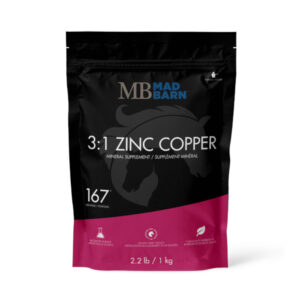
3:1 Zinc Copper (Mad Barn)
Mad Barn's 3:1 Zinc Copper Powder is an organic trace mineral supplement containing a 3:1 ratio of Bioplex® Zinc and Copper. It is made with zinc and copper proteinates, which are chelated for improved absorption.
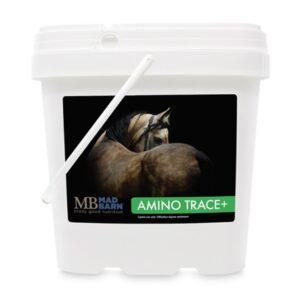
AminoTrace+ Vitamin and Mineral Supplement (Mad Barn)
AminoTrace+ by Mad Barn is a complete, balanced equine mineral and vitamin supplement designed for horses with metabolic concerns. It is ideal for horses with IR, PPID, or high iron in the diet.
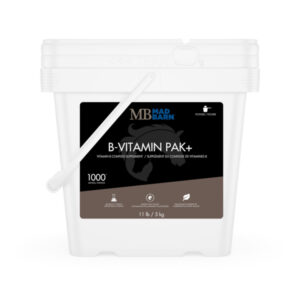
B-Vitamin Pak (Mad Barn)
B-Vitamin Pak is a comprehensive B-vitamin supplement in powder form. It provides a balanced profile of the B-Complex vitamins and may be beneficial for horses during times of heavy work, stress, or illness.
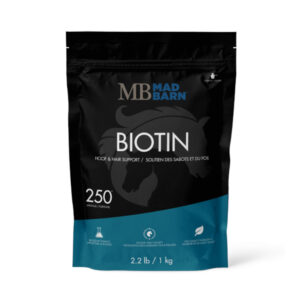
Biotin (Mad Barn)
Biotin Powder from Mad Barn provides 20 mg of biotin per serving support hoof growth and quality, as well as skin and coat health. Biotin is a B vitamin which supports strong hooves and connective tissues such as tendons. Biotin is highly palatable and easy to feed.
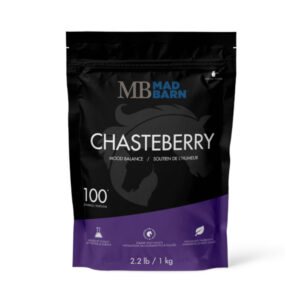
Chasteberry (Mad Barn)
Chasteberry powder supports mood balance in mares and aggressive horses. Chasteberry supplementation may support the normal function of the pituitary gland.
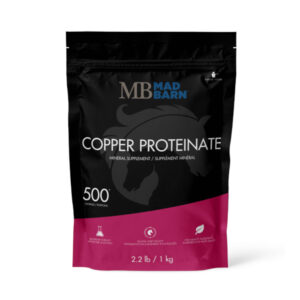
Copper (Mad Barn)
Copper is an essential mineral in horses' diets. Copper is often supplemented with Zinc to help balance high-iron hay. Copper is involved in healthy skin and bone development.
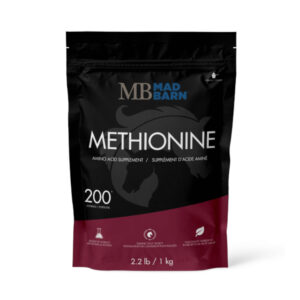
DL-Methionine (Mad Barn)
Methionine is an essential amino acid that is important for maintaining healthy tendons, ligaments, and hooves. Growing horses and horses who are in heavy exercise have a higher demand for methionine and would benefit from supplementation.
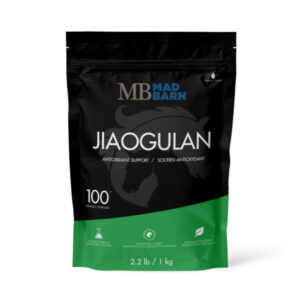
Jiaogulan (Mad Barn)
Jiaogulan powder supports circulation, muscle function, and respiratory health in horses. Jiaogulan has been shown to increase blood flow to horses' hooves.
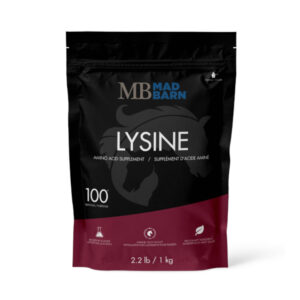
L-Lysine (Mad Barn)
Lysine is an essential amino acid that is important for forming strong collagen bonds. Lysine is the most commonly deficient amino acid in equine diets.
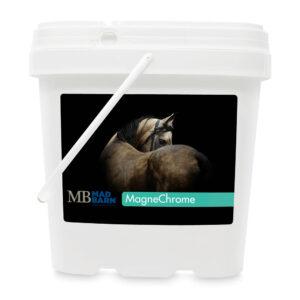
MagneChrome (Mad Barn)
MagneChrome from Mad Barn (formerly sold under the name IR Supplement) is a magnesium and chromium supplement for IR Horses. This supplement provides antioxidant and anti-inflammatory support which is critical for horses with metabolic conditions such as insulin resistance, laminitis and Cushing’s Syndrome
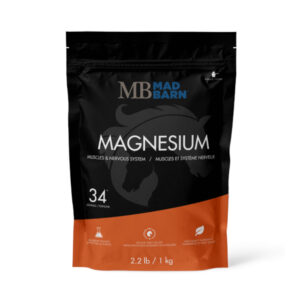
Magnesium Oxide (Mad Barn)
Magnesium Oxide is a concentrated source of mineral magnesium that can be added to equine diets. Magnesium supplementation has been shown to have a calming effect in nervous horses, as well as support proper muscle function.
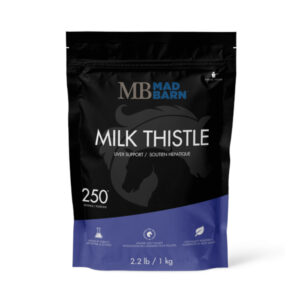
Milk Thistle (Mad Barn)
Milk Thistle has potent anti-oxidant and anti-inflammatory effects for horses. Milk Thistle supplementation may help support liver function and detoxification.
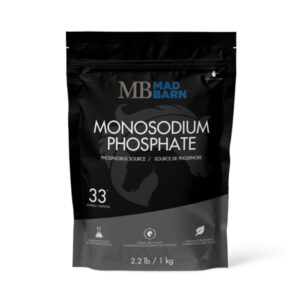
Monosodium Phosphate (Mad Barn)
Monosodium Phosphate is a highly bioavailable source of phosphorus commonly used as an equine supplement. Phosphorus is considered an important component for metabolic function. Adult horses require 17 grams of phsophours a day.
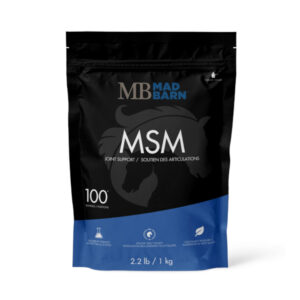
MSM – Methylsulfonylmethane (Mad Barn)
MSM is a readily available form of the mineral sulfur. It is beneficial for supporting healthy connective tissue, recovery, and hoof and joint health. MSM from Mad Barn also helps to relieve arthritic pain and sore muscles. It is considered very safe as a supplement for horses.
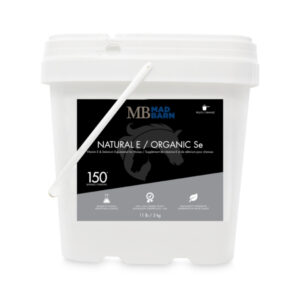
Natural E/Organic Se (Mad Barn)
Natural E/Organic Se is a pelleted supplement providing organic Selenium yeast and natural Vitamin E. These two nutrients are important antioxidants that support muscle function and anti-inflammatory pathways.
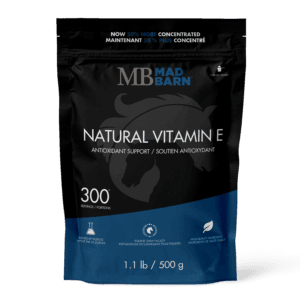
Natural Vitamin E (Mad Barn)
Natural Vitamin E from Mad Barn is a powdered Vitamin E supplement for horses. Vitamin E is essential for immune function, exercise recovery, neurological health and cardiovascular health in horses.
NOCR (Mad Barn)
Mad Barn's NOCR is a respiratory supplement intended to help with lung health and function. It contains antioxidants and is also meant to assist with performance, cardiovascular health and immune function.
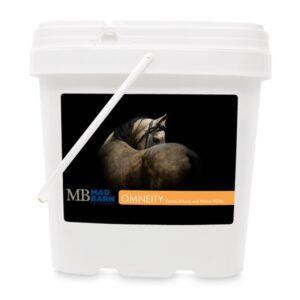
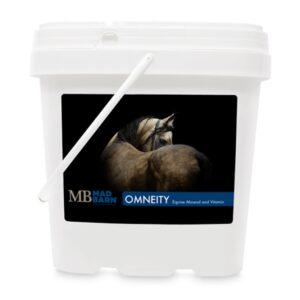
Omneity P – Pellets – Vitamin & Mineral Supplement (Mad Barn)
Omneity Pellets is a balanced mineral and vitamin supplement for horses in a palatable pellet form. It provides 100% organic trace minerals, complete B-vitamin fortification, added Vitamin E, yeast and digestive enzymes.
Omneity Premix – Vitamin & Mineral Supplement (Mad Barn)
Omneity Premix is a balanced mineral and vitamin supplement for horses providing 100% organic trace minerals, complete B-vitamin fortification, added Vitamin E, yeast, and digestive enzymes.
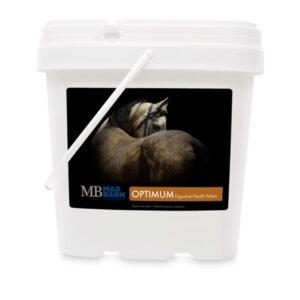
Optimum Digestive Health Pellets (Mad Barn)
Optimum Digestive Health from Mad Barn is a probiotic and prebiotic supplement designed to support hindgut health in the horse. It helps to maintain a stable microflora and promote immune health.
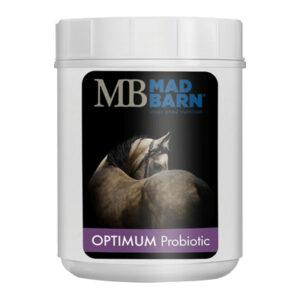
Optimum Probiotic (Mad Barn)
Mad Barn's Optimum Probiotic is a pure 5-strain probiotic supplement in a powdered format. It provides 20 billion CFU per serving of L. acidophilus, L. fermentum, L. casei, L. plantarum, and L. farciminis.
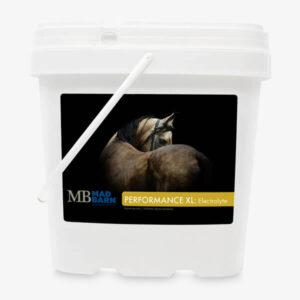
Performance XL: Electrolytes (Mad Barn)
Performance XL: Electrolytes by Mad Barn is a scientifically formulated equine electrolyte supplement designed to support athletic performance and workout recovery. It contains an ideal blend of natural minerals and vitamins to promote hydration status and muscle function.
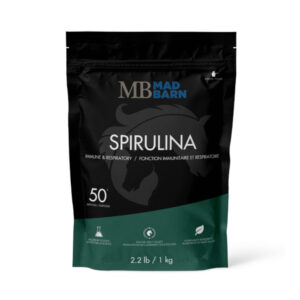
Spirulina (Mad Barn)
Spirulina platensis is a blue-green algae that is rich in protein, fatty acids, vitamins, and minerals. Spirulina provides nutritional support for the skin, respiratory function, and immune system in horses.
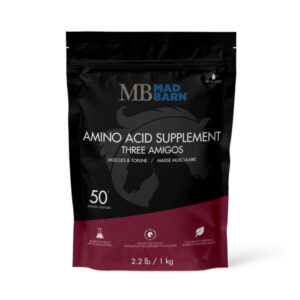
Three Amigos (Mad Barn)
Three Amigos is an equine essential amino acid supplement containing lysine, methionine, and threonine in a 5:3:2 ratio. These are the three most common limiting amino acids in the horse's diet.
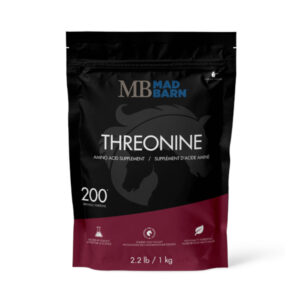
Threonine (Mad Barn)
Threonine is an essential amino acid that is required to be supplied in equine diets as it cannot be synthesized endogenously. Threonine supplementation may improve nutrient absorption.
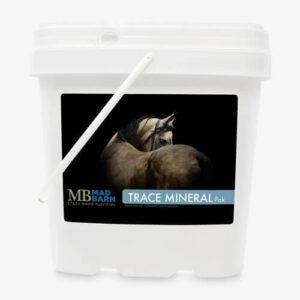
Trace Mineral Pak (Mad Barn)
Trace Mineral Pak from Mad Barn is a balanced equine supplement providing 100% organic (chelated) trace minerals. Ingredients include selenium, zinc, copper, and manganese.
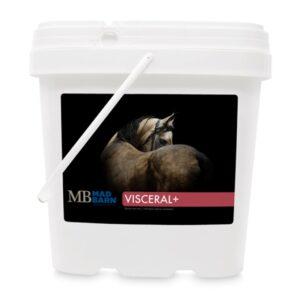
Visceral+ (Mad Barn)
Visceral+ by Mad Barn is a pelleted supplement to be used for horses with gastric health concerns. It is designed to maintain stomach and hindgut health and to support the immune system.
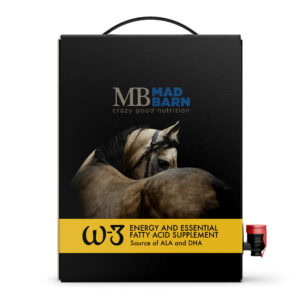
w-3 Oil (Mad Barn)
w-3 Oil by Mad Barn is an essential fatty acid supplement fortified with the omega-3 DHA and natural Vitamin E. W-3 Oil helps to support joint health, coat quality, cardiovascular health and weight maintenance.
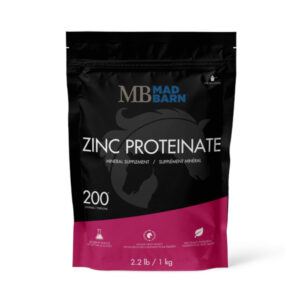
Zinc (Mad Barn)
Zinc is a major component of skin and hair, and supports normal growth and tissue health. Zinc is a structural component of many enzymes involved in immune function, nervous system function, and protein synthesis.
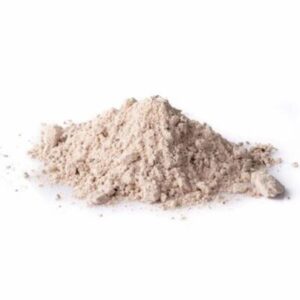
Sorghum Grain Brazil Finely Ground
Sorghum is a popular grain and forage for livestock. Sorghum grain must be processed by grinding, cracking, or flaking before being fed to animals.
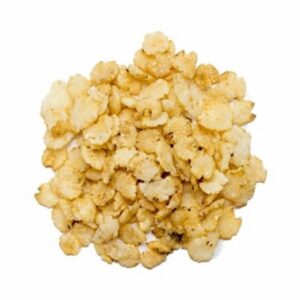
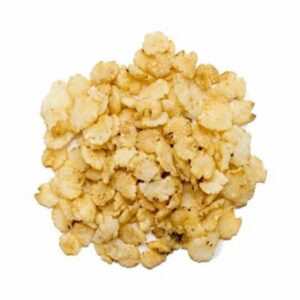
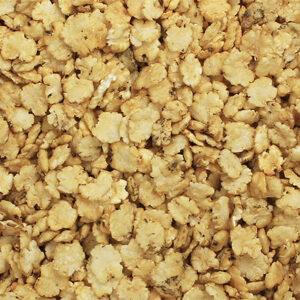
Sorghum Grain Brazil Flaked
Sorghum is grown worldwide as a grain or forage source. Flaking is a processing method used to improve nutrient digestibility.
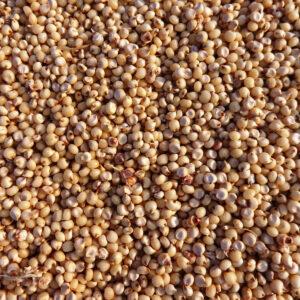
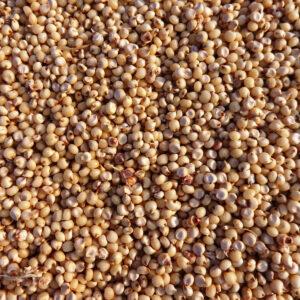
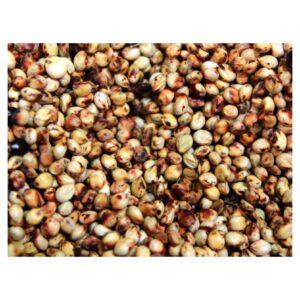
Sorghum Grain Brazil Whole
Sorghum is a tall annual grass that is grown for grain or forage. The waxy bran covering results in low digestibility of whole sorghum grain. It is typically processed to improve digestibility.
Sorghum Grain Cracked Brazil Coarse
Sorghum grain is produced worldwide as a high-energy feed for livestock. Processing by methods such as cracking is required prior to feeding to improve nutrient digestibility.
Sorghum Grain Cracked Brazil Medium
Sorghum grain is a high-starch feedstuff fed worldwide to poultry, swine, and ruminants. Cracking improves nutrient digestibility of the grain compared to whole sorghum.
Sorghum Grain Cracked High Tannins
Breeding techniques have reduced tannins in most modern varieties of sorghum. However, traditional varieties with high tannin content can result in reduced feed intake in livestock.
Sorghum Grain Mexico Finely Ground
Sorghum is a popular grain and forage grown worldwide. Sorghum grain must be processed before feeding to animals. Grinding is an inexpensive, effective method for improving digestibility.
Sorghum Grain Mexico Flaked
Sorghum is grown worldwide as a grain or forage source. Flaked sorghum grain has improved digestibility over whole sorghum.
Sorghum Grain Mexico Whole
Sorghum is a tall annual grass grown for grain or forage. Whole sorghum grain has low digestibility due to the waxy bran covering that surrounds the grain.
Sorghum Grain Silage – 9% CP 64% NDF
Sorghum silage-containing grain is a high-starch, high-energy forage commonly fed to cattle. Silage is used as an alternative to hay. However, sorghum sudan grasses have high levels of nitrate and prussic acid which are toxic to horses.
Sorghum Milo Popped
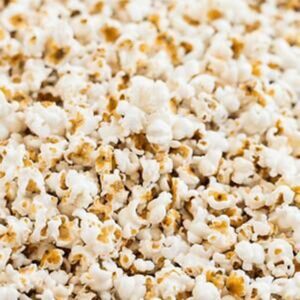
Sorghum/milo grain can be heated and the kernels can be popped to improve starch digestibility. Sorghum/milo grain is a high-starch feed for beef cattle.
Sorghum Residue Honduras Coarse
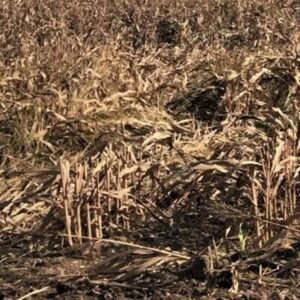
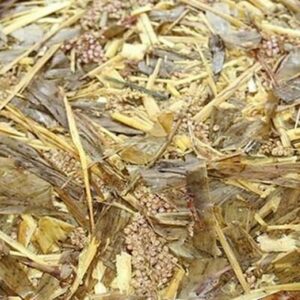
Sorghum residue is what remains in the field after grain harvest. It can be grazed by cattle or it can be ground for improved digestibiility.
Sorghum Residue Honduras Fine
Sorghum residue remaining after grain harvest can be grazed by cattle or can be ground for improved digestibility.
Sorghum Silage Brazil Fine Chop
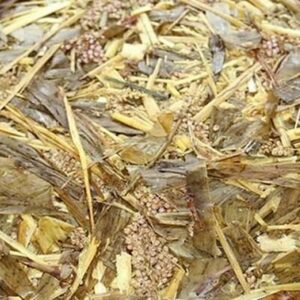
Sorghum is an annual grass commonly used as a forage source for ruminants. Fine chop increases nutrient digestibility and silage compaction.
Sorghum Silage Brazil Long
Sorghum is an annual grass commonly used as a forage source for ruminants. Long chop increases the physically effective fibre content.
Sorghum Silage Brazil Medium Chop
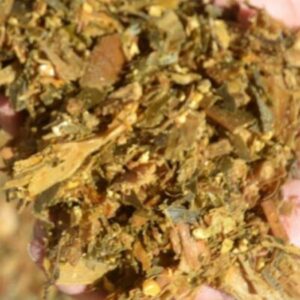
Sorghum is a tall, annual grass that is commonly used as a forage source for ruminants. It can be cut and stored in anaerobic conditions to make silage.
Sorghum Silage Honduras Fine Chop
Sorghum is a tall annual grass that can be ensiled as a forage source for ruminants. Tropical sorghum is a different species than the sorghum plant found in North America and Europe.
Sorghum Silage Honduras Long
Sorghum is a tall annual grass that can be used as grain or forage. Tropical sorghum differs from the common species found in North America and Europe.
Sorghum Silage Honduras Medium Chop
Sorghum is a tall annual grass that can be used for grain or forage. Sorghum is related to maize (corn) and shares similar ensiling characteristics.
Sorghum Sudan Silage – 11% CP 68% NDF
Sorghum Sudan silage is commonly fed to cattle and other ruminants. It should not be fed to horses as they are susceptible to sudan grass toxicity.
Sorghum/Milo – High Moisture
Sorghum grain, also known as milo, is commonly grown in tropical and subtropical regions. High moisture sorghum is used in cattle and swine diets as an energy source.
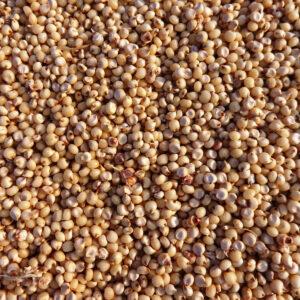
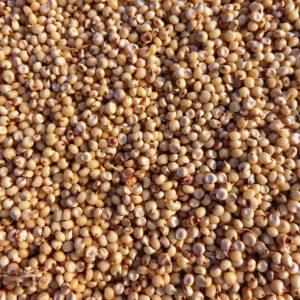
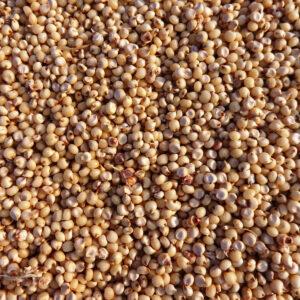
Sorghum/Milo Grain
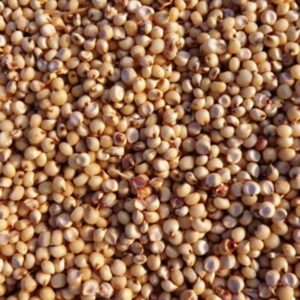
Sorghum grain, also known as milo, is commonly grown in tropical and subtropical regions. Sorghum grain is not easily digestible and is high in starch which can cause hindgut issues in the horse.
Sorghum/Milo Grain – Dry Rolled
Dry rolled sorghum is an African grain that is made more digestible through the process of rolling. Sorghum is not readily used in horse feed as it is high in starch and not easily digestible.
Sorghum/Milo Grain – Steam Flaked
Steam flaked sorghum is processed by steaming and rolling to increase its digestibility. Sorghum is a tropical grain commonly grown for human and food animal production.
Sorghum/Milo Ground Coarse
Coarse ground sorghum/milo grain is a high-starch feed for livestock. Grind size affects digestibility and feed efficiency.
Sorghum/Milo Ground Fine
Fine ground sorghum/milo grain is a high-energy feed primarily used in cattle diets. It provides high starch content which supports weight gain in beef cattle.
Sorghum/Milo Ground Medium
Sorghum/milo grain is a high-energy feed for cattle. Fine and medium grind sorghum has higher feed efficiency compared to coarse ground grain.
Sorghum/Milo High Moisture 22%
High moisture sorghum/milo is fed to beef cattle as an energy-rich feed. It is preferable to harvest at 30% moisture content compared to 22% moisture for storage purposes.
Sorghum/Milo High Moisture 30%
High moisture harvested sorghum/milo is used in ruminant diets. Feed efficiency is greater for high moisture sorghum compared to dry grain sorghum.
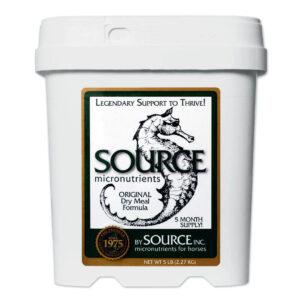
SOURCE Original Micronutrients (powder concentrate)
SOURCE Original Micronutrients is an equine supplement made from dehydrated seaweed meal. It primarily supplies the trace mineral iodine, but is also a source of many different micronutrients.
Soy Meal Xylose Treated
Soy meal is fed as a protein source to dairy cattle. Soy meal can be treated with xylose to protect protein from rumen degradation and improve crude fiber digestibility in lactating cattle.
Soy Whole Full Fat Extruded
Whole full fat extruded soybeans are extruded to destroy anti-nutritional factors that are present in unprocessed soybeans. This process increases protein bioavailability, but does not remove the oil content.
Soya Belisle (Nature Belisle)
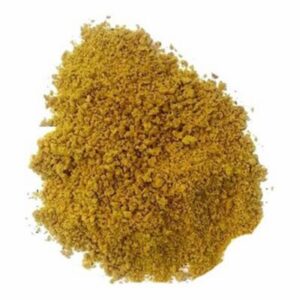
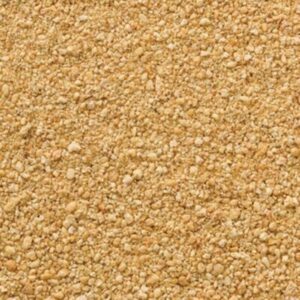
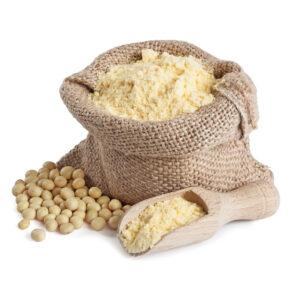
Soya Belisle by Nature Belisle is a pressed and extruded soybean feed. Soybeans can be a good source of energy for horses in heavier work. It contains 43% protein, 9% fat, and 4.65% fibre.
Soya Meal Formaldehyde Treated
Soy meal provides a source of protein to livestock species. Treatment with formaldehyde can increase the bioavailability of protein and the absorption of essential amino acids.
Soybean Grain Brazil Medium Grind
Medium ground soybeans are a high-energy feed for all classes of livestock. When intended for non-ruminants, soybeans should be heat-treated prior to feeding.
Soybean Grain Brazil Whole
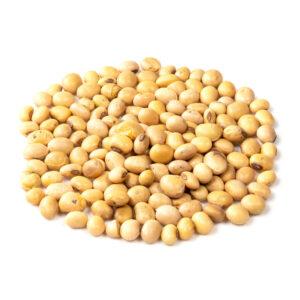
Whole soybeans are a high-energy feed for cattle. They are usually cracked, roasted, or ground for improved digestibility. Horses should not consume raw, whole soybeans due to antinutritive factors.
Soybean Hulls – Ground
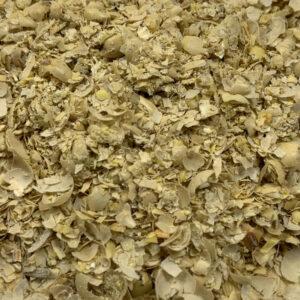
Ground soybean hulls are the milled by-product of soybean processing. They are a low-NSC and highly-digestible fibre choice for horses needing additional energy. Soybean hulls are also used as a supplement carrier.
Soybean Hulls – Pellet
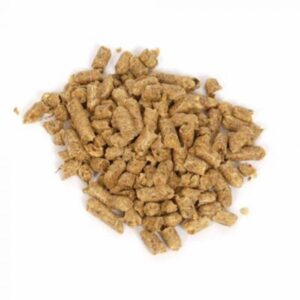
Soybean hull pellets are the seed coat of soybeans compressed into a pellet. They are a byproduct of soybean processing and are a highly digestible low-NSC fibre source.
Soybean Hulls Brazil Loose
Soybean hulls are a byproduct of oil extraction from soybeans. It is a highly digestible fibre source for horses and can be included in ruminant, swine, and poultry diets.
Soybean Meal – Extruded
Extruded soybean meal is a by-product of soybean oil processing extracted using extrusion methods and not solvents. The end product is a protein-rich meal.
Soybean Meal 44% CP – Solvent Extracted
Soybean meal is a by-product of soybean oil extraction using a solvent. The end product after the oil is extracted is a protein-rich meal that contains 44% crude protein.
Soybean Meal 47.5% CP – Solvent Extracted
Soybean meal is a by-product of soybean oil extraction that utilizes a solvent. The end product after oil extraction is a protein-rich meal that contains 47.5% crude protein.
Soybean Meal Brazil Coarse
Soybean meal is a high-protein, high-energy feed for all classes of livestock. Coarse grinding reduces the risk of digestive upset.
Soybean Meal Brazil Finely Ground
Soybean meal is a high-protein feed for all classes of livestock. Fine grinding increases the risk of digestive upset in some species but improves nutrient digestibility.
Soybean Meal Mexico Coarse
Soybean meal is a high protein and energy feed for all classes of livestock. Coarse grinding reduces the risk of digestive upset.
Soybean Meal Mexico Finely Ground
Soybean meal is a high-protein feed for all classes of livestock. Fine grinding increases nutrient digestibility but increases the risk of digestive upset in some species.
Soybean Residue Brazil Coarse
Soybean residue is a byproduct of soybean harvest. Ground soybean residue can be used to increase dry matter content of livestock diets.
Soybean Residue Brazil Finely Ground
Soybean residue is a byproduct of soybean harvest. It can be ground to increase dry matter content of livestock diets.
Soybean Straw Brazil Fine Chop
Soybean straw is a byproduct of soybean farming. It has low digestibility and protein with a high fibre content. It is not commonly used as a primary forage source.
Soybean Straw Brazil Long
Soybean straw is a byproduct of soybean production. It has high-fibre, low-protein content and is relatively indigestible which make it useful as bedding.