Identify gaps in your horse's nutrition program to optimize their well-being.
United Kingdom - Availability
Find horse feeds and supplements available in the United Kingdom by exploring the Mad Barn Equine Feed Database. Compare ingredients labels and nutritional profiles for products available for sale in your area.
Feeds, Supplements & Products
Silage Mixed – 18% CP 48% NDF
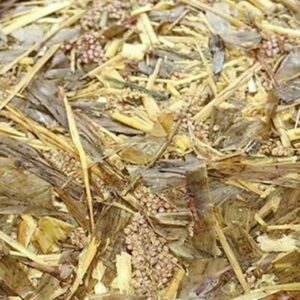
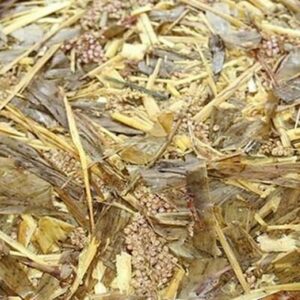
Mixed silage composed of legume and grass species can be used in equine diets when forage availability is low. Mixed silage containing 18% crude protein can be fed in limited quantities to horses with high protein needs.
Silage Mixed – 9% CP 64% NDF
Mixed silage containing legume and grass species is used in equine diets as an alternative to hay. Silage is commonly fed when weather conditions interfere with hay production.
Silage Oat – 13% CP 60% NDF
Oat silage is commonly fed to dairy cattle as a protein and fibre source. It is not commonly fed to horses.
Silhouette (Cavalor)
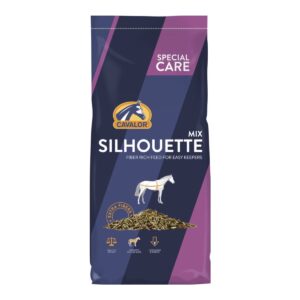
Silhouette from Cavalor is a fibre protein mixed feed. This feed is intended for easy keepers or horses who need to lose additional body weight.
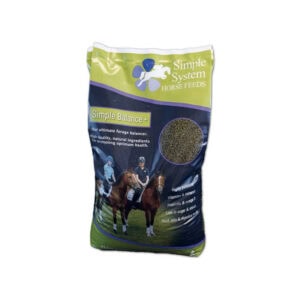
Simple Balance + (Simple System Horse Feeds)
Simple Balance + is a pelleted horse feeding containing vitamins, minerals and prebiotics. It can help improve coat and hoof quality, as well as support proper digestive function in horses.
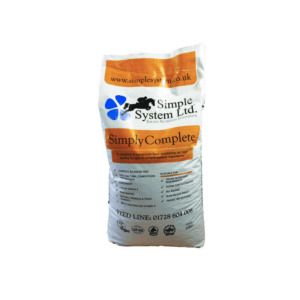
SimplyComplete (Simple System Horse Feeds)
SimplyComplete is a pelleted complete feed for horses that contains high quality forages. It is a slow-release energy feed which is meant to be fed soaked.
Siratro Grain Brazil Fine Chop
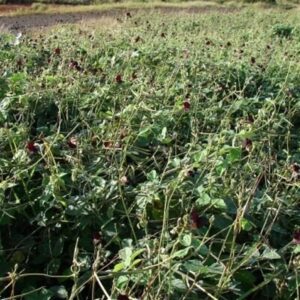
Siratro (Macroptilium atropurpureum) is a tropical legume found in South America. It is a drought and heat resistant crop commonly used for grazing ruminants.
Siratro Grain Brazil Long
Siratro (Macroptilium atropurpureum) is a climbing vine typically used for livestock grazing in South America. This legume plant is drought and heat-resistant.
Siratro Hay Brazil Medium Chop
Siratro (Macroptilium atropurpureum) is a tropical legume that originated in Central and South America. Siratro can be cut for hay but may experience heavy leaf loss during drying.
Sixteen Plus Cubes (Dodson & Horrell)
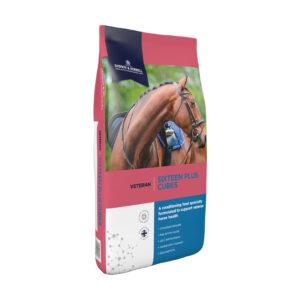
Sixteen Plus Cubes by Dodson & Horrell is a senior horse feed with higher protein levels and added vitamins and minerals for joint health and optimal absorption. This feed is also highly palatable with molasses, ricebran, and rapeseed oil ingredients.
Sixteen Plus Mix (Dodson & Horrell)
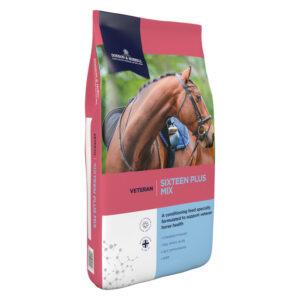
Sixteen Plus Mix by Dodson & Horrell is a textured senior horse feed with higher protein levels and added vitamins and minerals for joint health and optimal absorption. This feed is also highly palatable with molasses, ricebran, and rapeseed oil ingredients.
Slim (NAF Equine)
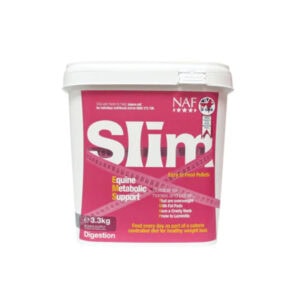
Slim from NAF Equine is intended for easy keepers. This supplement is meant to be fed alongside a calorie efficient diet. Slim contains mint and spirulina.
Smartamine L (Adisseo)
Smartamine L is a source of the amino acid lysine. Lysine is often considered the first limiting amino acid in equine diets. Supplementation may be beneficial for horses experiencing muscle loss or poor topline.
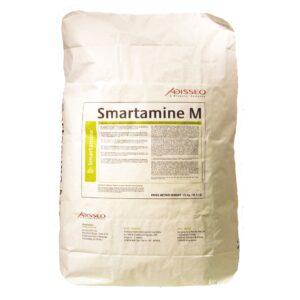
Smartamine M (Adisseo)
Smartamine M is a source of the amino acid methionine. Methionine is often considered the second or third limiting amino acid in equine diets.
Smartamine ML (Adisseo)
Smartamine ML is a source of the amino acids methionine and lysine. Methionine and lysine are two of the limiting amino acid in equine diets. Supplementation may support topline and muscle growth.
Sodium Bentonite
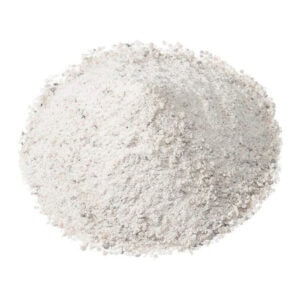
Sodium bentonite is natural clay that is used as a binder in animal feeds. It is also purported to bind toxins and minerals in the digestive tract.
Sodium Carbonate H2O
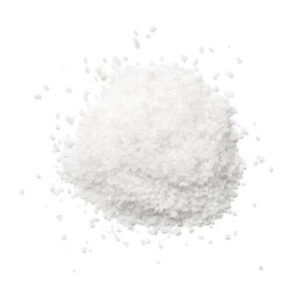
Sodium carbonate (Na2CO3) is commonly used as an ingredient in soap and other cleaners. It may act as an antacid when ingested with water.
Sodium Selenate
Sodium Selenate is an inorganic form of the trace mineral selenium sometimes used in equine feeds. Inorganic sources of selenium pose a greater risk of toxicity compared to organic selenized yeast.
Sodium Selenite
Sodium Selenite (Na2SeO3) is an inorganic selenium supplement that is commonly used in equine feeds. There is a greater concern of selenotoxicity with inorganic versus organic sources of this trace mineral.
Sodium Sesquicarbonate Refined
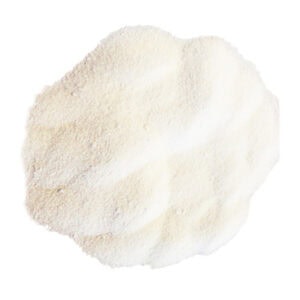
Refined sodium sesquicarbonate is an alkalizing agent that is fed as a ruminant buffer. It is not commonly used in the equine diet.
Sodium Sesquicarbonate Unrefined
Sodium sesquicarbonate is a source of sodium added to animal feeds. It can be used as a rumen buffer. This additive is not commonly fed to horses.
Sodium Sulfate Decahydrate (Glauber Salts)
Sodium Sulfate Decahydrate is also known as Glauber Salts or sal mirabilis. It is used in horses as a natural laxative supplement to support gut health and alleviate colic.
Sodium Tri-Poly Phosphate
Sodium Tri-Poly Phosphate (STPP) is used as a phosphorus source in equine nutrition. It is not as common as Monosodium Phosphate.
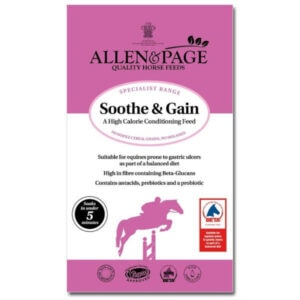
Soothe & Gain (Allen & Page)
Soothe & Gain from Allen & Page is a high-energy feed which is high in fibre. Soothe & Gain is intended for horses and ponies who are prone to ulcers and digestive upsets. Soothe & Gain is free from barely, molasses, alfalfa and soy.
Sorghum Grain Brazil Finely Ground
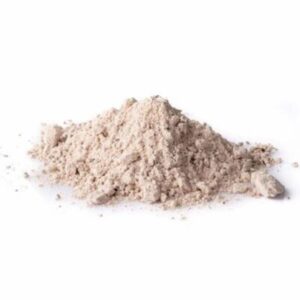
Sorghum is a popular grain and forage for livestock. Sorghum grain must be processed by grinding, cracking, or flaking before being fed to animals.
Sorghum Grain Brazil Flaked
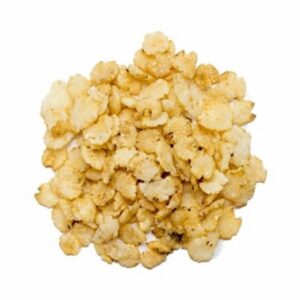
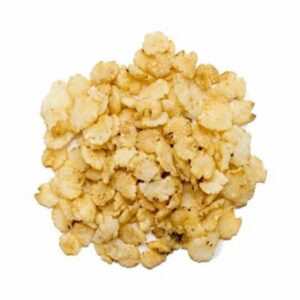
Sorghum is grown worldwide as a grain or forage source. Flaking is a processing method used to improve nutrient digestibility.
Sorghum Grain Brazil Whole
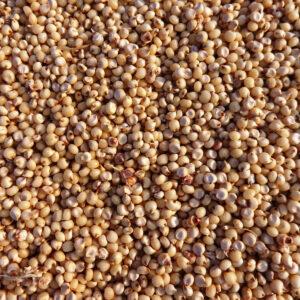
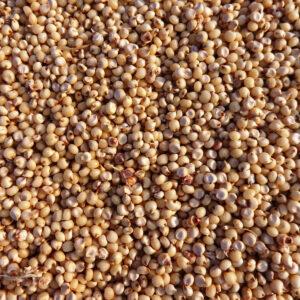
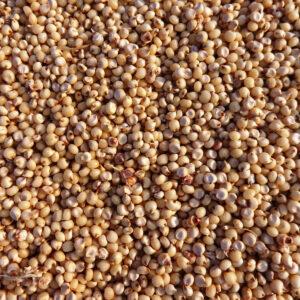
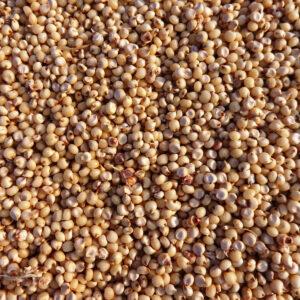
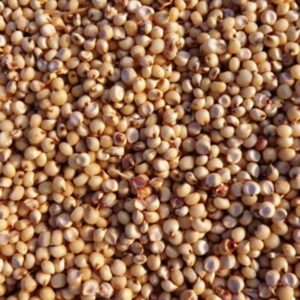
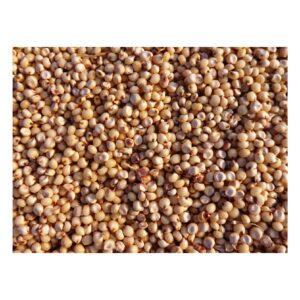
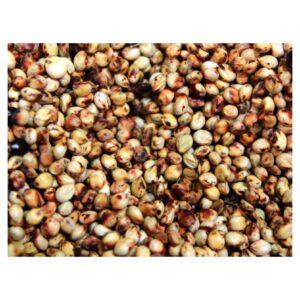
Sorghum is a tall annual grass that is grown for grain or forage. The waxy bran covering results in low digestibility of whole sorghum grain. It is typically processed to improve digestibility.
Sorghum Grain Cracked Brazil Coarse
Sorghum grain is produced worldwide as a high-energy feed for livestock. Processing by methods such as cracking is required prior to feeding to improve nutrient digestibility.
Sorghum Grain Cracked Brazil Medium
Sorghum grain is a high-starch feedstuff fed worldwide to poultry, swine, and ruminants. Cracking improves nutrient digestibility of the grain compared to whole sorghum.
Sorghum Grain Cracked High Tannins
Breeding techniques have reduced tannins in most modern varieties of sorghum. However, traditional varieties with high tannin content can result in reduced feed intake in livestock.
Sorghum Grain Mexico Finely Ground
Sorghum is a popular grain and forage grown worldwide. Sorghum grain must be processed before feeding to animals. Grinding is an inexpensive, effective method for improving digestibility.
Sorghum Grain Mexico Flaked
Sorghum is grown worldwide as a grain or forage source. Flaked sorghum grain has improved digestibility over whole sorghum.
Sorghum Grain Mexico Whole
Sorghum is a tall annual grass grown for grain or forage. Whole sorghum grain has low digestibility due to the waxy bran covering that surrounds the grain.
Sorghum Grain Silage – 9% CP 64% NDF
Sorghum silage-containing grain is a high-starch, high-energy forage commonly fed to cattle. Silage is used as an alternative to hay. However, sorghum sudan grasses have high levels of nitrate and prussic acid which are toxic to horses.
Sorghum Milo Popped
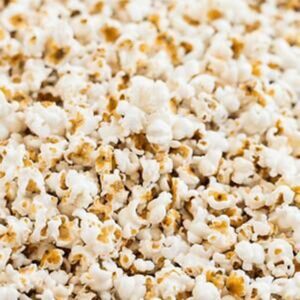
Sorghum/milo grain can be heated and the kernels can be popped to improve starch digestibility. Sorghum/milo grain is a high-starch feed for beef cattle.
Sorghum Residue Honduras Coarse
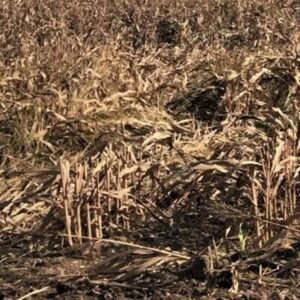
Sorghum residue is what remains in the field after grain harvest. It can be grazed by cattle or it can be ground for improved digestibiility.
Sorghum Residue Honduras Fine
Sorghum residue remaining after grain harvest can be grazed by cattle or can be ground for improved digestibility.
Sorghum Silage Brazil Fine Chop
Sorghum is an annual grass commonly used as a forage source for ruminants. Fine chop increases nutrient digestibility and silage compaction.
Sorghum Silage Brazil Long
Sorghum is an annual grass commonly used as a forage source for ruminants. Long chop increases the physically effective fibre content.
Sorghum Silage Brazil Medium Chop
Sorghum is a tall, annual grass that is commonly used as a forage source for ruminants. It can be cut and stored in anaerobic conditions to make silage.
Sorghum Silage Honduras Fine Chop
Sorghum is a tall annual grass that can be ensiled as a forage source for ruminants. Tropical sorghum is a different species than the sorghum plant found in North America and Europe.
Sorghum Silage Honduras Long
Sorghum is a tall annual grass that can be used as grain or forage. Tropical sorghum differs from the common species found in North America and Europe.
Sorghum Silage Honduras Medium Chop
Sorghum is a tall annual grass that can be used for grain or forage. Sorghum is related to maize (corn) and shares similar ensiling characteristics.
Sorghum Sudan Silage – 11% CP 68% NDF
Sorghum Sudan silage is commonly fed to cattle and other ruminants. It should not be fed to horses as they are susceptible to sudan grass toxicity.
Sorghum/Milo – High Moisture
Sorghum grain, also known as milo, is commonly grown in tropical and subtropical regions. High moisture sorghum is used in cattle and swine diets as an energy source.
Sorghum/Milo Grain
Sorghum grain, also known as milo, is commonly grown in tropical and subtropical regions. Sorghum grain is not easily digestible and is high in starch which can cause hindgut issues in the horse.
Sorghum/Milo Grain – Dry Rolled
Dry rolled sorghum is an African grain that is made more digestible through the process of rolling. Sorghum is not readily used in horse feed as it is high in starch and not easily digestible.
Sorghum/Milo Ground Coarse
Coarse ground sorghum/milo grain is a high-starch feed for livestock. Grind size affects digestibility and feed efficiency.
Sorghum/Milo Ground Fine
Fine ground sorghum/milo grain is a high-energy feed primarily used in cattle diets. It provides high starch content which supports weight gain in beef cattle.
Sorghum/Milo Ground Medium
Sorghum/milo grain is a high-energy feed for cattle. Fine and medium grind sorghum has higher feed efficiency compared to coarse ground grain.