English
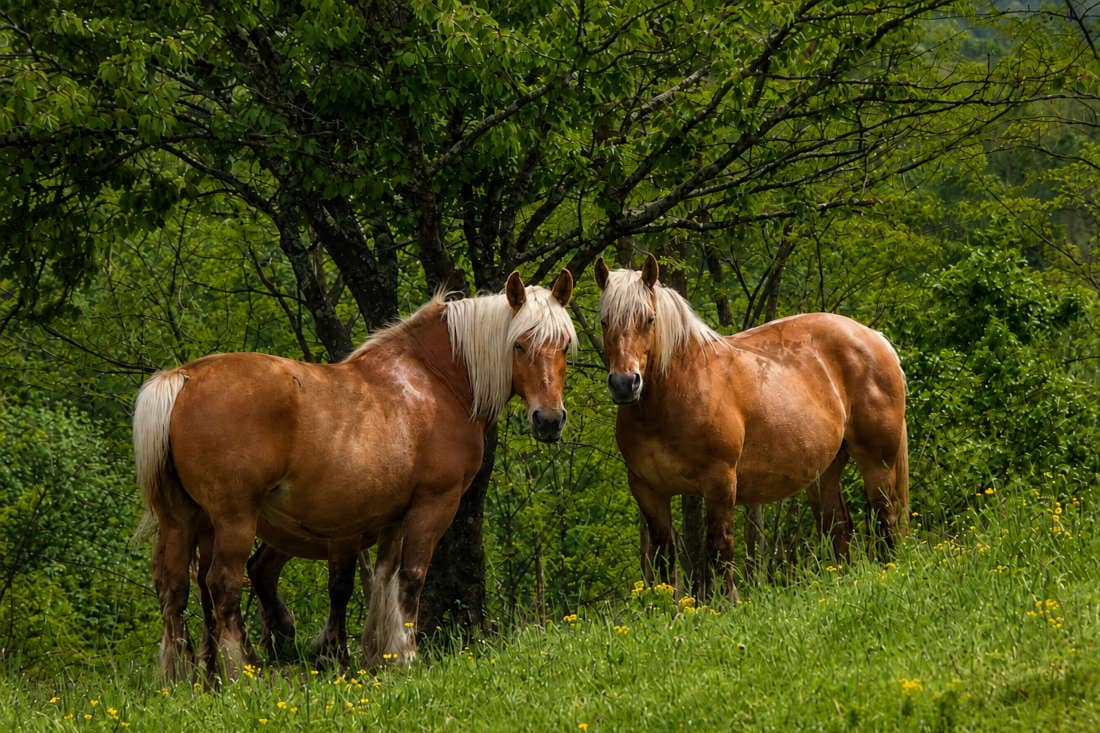
The Comtois Horse is a French draft breed known for its strength, calm temperament, and distinct appearance. Developed in eastern France, the breed has a long history as a dependable working horse. Today, Comtois horses are still valued for their willing nature, versatility, and compact, muscular build.
Like many draft breeds, the Comtois has specific health, care, and nutritional considerations related to its size, metabolism, and traditional working background. Appropriate feeding, exercise, hoof care, and routine health monitoring help support long-term soundness and well being.
Keep reading to learn more about the Comtois Horse’s history, characteristics, temperament, health, care requirements, and nutritional needs.
Comtois History
The Comtois has deep roots in eastern France and is closely tied to the region’s farming history. This hardy mountain draft horse was shaped by cold winters, steep terrain, and the need for reliable pulling power.
Origin
The Comtois comes from the Franche-Comté region near the Jura Mountains and the Swiss border. It developed in an area where horses needed strength, sure-footedness, and enough stamina to work in hilly country.
This old regional draft breed was shaped over centuries by local needs and selective breeding. As with many traditional European draft breeds, the local environment played a major role in forming the breed. [1]
Horses raised in upland regions had to pull loads, travel over uneven ground, and endure long winters. That regional selection helped produce a muscular draft horse that is more compact than some heavy breeds.
What's your top priority with your horse's health?

What's your top priority with your horse's health?
Historic Use
For much of its history, the Comtois served as a practical working horse. Farmers used the breed for agricultural labor, carriage work, transport, and other pulling tasks that required strength and endurance. [2][3]
In areas with uneven terrain, a horse that could move steadily under a heavy load was especially valuable for military and agricultural use. The Comtois was historically used for cavalry and artillery transport, including during the eras of Louis XIV and Napoleon. [3]
Like many draft breeds, Comtois numbers and traditional working roles declined when machinery replaced horses on farms and roads. The breed later shifted from military and agricultural work into forestry, driving, and modern leisure uses. [4][3]
Today, Comtois horses are still used in forestry, driving, and heritage farming. Some are also used in vineyard work and agritourism in France. [3][5][6]
Breed Registry
The official breed registry for the Comtois is the Association Nationale du Cheval de Trait Comtois (ANCTC). The ANCTC maintains the official French studbook to preserve breed standards and record registered breeding stock. [7][8]
Modern breeding programs aim to support genetic improvement, sound breeding techniques, market development, useful conformation, good movement, and the breed’s traditional type. [9][10]
Organized breeding has helped preserve the Comtois as a distinct French horse population with recognizable breed structure and genetic identity. [1] The breed also appears within the broader genetic and genealogical structure of horse populations managed in France. [11]
| Breed Summary | |
|---|---|
| Breed Name | Comtois |
| Breed Type | Medium-sized draft horse; cold-blooded |
| Origin | Franche-Comté region, France |
| Breed Registry | Association Nationale du Cheval de Trait Comtois (ANCTC) |
| Population Status | Less common outside Europe; preserved as a distinct French horse population |
| Average Height | 14.3 – 16.1 hh |
| Average Weight | 1,400 – 1,800 lb |
| Common Coat Colors | Dark chestnut or coppery chestnut with a light mane and tail; bay can occur |
| Conformation | Deep body, broad chest, muscular neck, strong hindquarters, solid bone, short strong back, sturdy legs |
| Lifespan | 25 – 30 years |
| Price Range | Adult stock starting at $4,000 USD |
| Common Uses | Forestry, driving, heritage farming, vineyard work, agritourism, leisure riding, trail riding |
| Temperament | Calm, willing, steady, cooperative, alert, sensible |
| Best For | Owners seeking a calm, compact draft horse for driving, light farm work, forestry, or leisure use |
| Common Health Concerns | PSSM risk in draft-related breeds; silver-associated ocular anomalies documented in Comtois horses; obesity, insulin dysregulation, laminitis, joint and hoof strain |
Breed Characteristics
The Comtois is a practical draft horse with an appealing balance of strength and activity. It is powerful enough for work, but compact enough to look athletic rather than cumbersome.
Conformation
The Comtois is a medium-sized draft horse with a deep body, broad chest, muscular neck, and strong hindquarters. Most stand about 14.3 to 16.1 hh. They are typically heavier than average horses of the same height, weighing between 1,400 and 1,800 lb (636 to 818 kg). [10]
A typical Comtois has solid bone, a short and strong back, and well-developed muscling through the shoulder and hindquarters. The legs are sturdy and built to carry weight, while the feet are expected to be durable enough for work. [10]
Compared to taller draft breeds, the Comtois often appears shorter-coupled. This compact frame gives the breed substantial pulling power without the towering height seen in some other drafts.
Colors
The Comtois is best known for its chestnut coloring. Bay can occur, but dark chestnut or coppery chestnut with a light mane and tail is the classic and preferred look. [10]
This coloring makes the breed easy to recognize. A rich body color paired with a flaxen mane and tail gives the Comtois a striking appearance that stands out in the pasture and in harness.
The breed may also have light feathering on the lower legs, though it is generally less abundant than the heavy feathering seen in some larger draft breeds.
Studies have also identified silver-related pigmentation genetics in horses with Comtois ancestry and phenotype. [12]
Temperament
The Comtois is a calm, willing, and steady horse. These traits helped make the breed valuable as a working horse for farmers centuries ago, and the same qualities continue to appeal to modern owners today.
Many Comtois horses are people-oriented and straightforward to handle when they receive consistent training. They often have the quiet mind owners expect in a draft horse, but they are not usually dull or sluggish. A good Comtois should be cooperative, alert, and sensible.
As with any breed, temperament varies between individuals. Genetics, early handling, training, turnout, and daily management all influence behavior. Because of their size and strength, these horses may not be suitable for absolute beginners.
Disciplines
The Comtois fits a wide range of jobs. Driving is one of the breed’s most natural disciplines, whether for pleasure, work, or exhibition. The Comtois’ steady attitude and pulling ability make them well-suited to harness work.
The breed also remains useful in forestry and light agricultural work, particularly in areas where horses can access terrain or working environments that machinery handles poorly.
In parts of Europe, Comtois horses are still used in vineyards, agritourism, and conservation-oriented land management. Some owners also use these horses for leisure riding or trail riding.
Comtois Health
The Comtois is a hardy breed, but hardiness does not mean immunity from health problems. Draft horses often have management challenges related to body size, metabolism, and workload.
Genetic Diseases
One of the best-known inherited concerns in draft breeds is polysaccharide storage myopathy, or PSSM. This muscle disorder affects the storage and utilization of glycogen, a stored form of sugar, in muscle tissue. [13]
Horses with PSSM may show signs such as: [13]
- Stiffness
- Muscle loss
- Sweating
- Poor performance
- Reluctance to move forward
- Tying-up-like episodes
Type 1 PSSM is caused by a mutation in the GYS1 gene. This mutation has been documented at a high frequency in Comtois horses, with one study identifying it in approximately 80% of 88 Comtois horses tested
A necropsy study found a high incidence of polysaccharide storage myopathy in draft horse-related breeds. [16] Clinical work involving Belgian draft horses also found that PSSM was common and associated with signs such as muscle atrophy, weakness, gait abnormalities, and exercise-related problems. [14]
Because silver-associated ocular anomalies have been documented in Comtois horses, breeders should also consider color-linked health risks when making mating decisions. [17]
Health Problems
Easy-keeping draft breeds often struggle more with over-conditioning than with maintaining weight. Excess body fat is not just a cosmetic issue. Obesity is associated with insulin dysregulation in horses, which is a risk factor for endocrinopathic laminitis. [18]
Dietary management is central to reducing that risk. Research on equine obesity and insulin resistance supports limiting excess calories and controlling dietary sugar and starch, especially in horses prone to metabolic dysfunction. [19]
Laminitis is one of the most important concerns in overweight horses. While a heavy build is normal, a cresty neck and regional fat deposits may indicate a metabolic disorder.
Muscle health also deserves attention. Draft horses with PSSM or related muscle disorders need carefully managed exercise and ration changes made under veterinary guidance.
Large body size can also increase strain on joints, hooves, and soft tissue structures. Overweight horses and rapidly growing youngsters may be especially vulnerable. Body condition, footing, workload, and hoof balance all influence the amount of wear the musculoskeletal system absorbs over time.
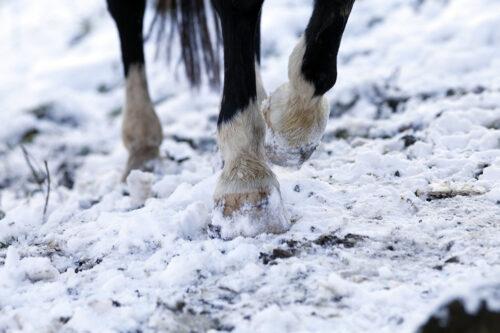
Comtois horses may also have light feathering on the lower legs. Feathering can trap moisture, mud, bedding, and debris against the skin, especially during wet weather or when horses are kept on muddy turnout. This may increase the risk of irritation, scabbing, pastern dermatitis, or other lower-limb skin problems. [20]
Owners should check the pasterns and lower legs regularly, particularly in winter or wet conditions. Keeping legs clean and dry, managing muddy turnout areas, and addressing early signs of redness, crusting, swelling, or soreness can help prevent minor skin irritation from becoming more persistent.
Like all horses, the Comtois relies on consistent fiber intake to support digestive function. Horses are adapted to consume forage for many hours each day, and failing to meet fiber requirements can negatively affect gut health and behavior. [21]
Care & Management
Routine care plays a major role in keeping a Comtois healthy, comfortable, and able to perform the work expected of a compact draft horse. Because this breed can be strong, easy-keeping, and heavily built, management should focus on soundness, weight control, hoof balance, digestive health, and regular preventive care.
A consistent care program for a Comtois should include:
- Veterinary exams: Schedule regular checkups for soundness and body condition monitoring, especially when workload, diet, or management changes.
- Vaccinations: Follow a vaccination schedule recommended by your veterinarian based on your horse’s region, travel, exposure risk, and lifestyle.
- Dental care: Routine dental care supports efficient chewing on high-forage diets.
- Parasite management: Use a strategic deworming plan based on fecal egg counts and veterinary guidance.
- Hoof care: Regular farrier care is essential because a heavy horse places significant force on its feet and limbs. Small hoof imbalances can create larger soundness issues for feet supporting a substantial body mass.
- Exercise and turnout: Turnout and daily movement support fitness and help limit weight gain; regular exercise supports muscle tone, metabolic health, and joint function.
These routine management practices are especially important for strong, easy-keeping horses that can gain weight quickly when workload and calorie intake are not well matched.
Owners should also monitor skin health, especially in muddy conditions or in horses with more feathering on the lower legs. Clean, dry legs and prompt attention to irritation can help prevent minor skin problems from becoming persistent.
Nutrition
Nutrition has a major influence on the health, comfort, and longevity of the Comtois Horse. Because this breed is often an easy keeper, feeding plans should focus on providing adequate forage and balanced nutrients while limiting excess calories.
Weight Maintenance
The Comtois’ compact, heavily muscled build can make excess weight difficult to recognize. The normal breed characteristics should not prevent owners from identifying fat accumulation over the ribs, shoulders, tailhead, or crest.
Regular body condition scoring, including hands-on assessment, helps distinguish the breed’s naturally substantial frame from unhealthy over-conditioning. [22]
Careful monitoring is particularly important because Comtois horses are often easy keepers. Population research has found that cold-blooded horses are more likely to have a body condition score higher than the ideal 5 – 6 for most adult horses. [23]
For most Comtois Horses at maintenance or in light work, a forage-first feeding program with controlled calories and balanced vitamins and minerals is a better starting point than high-energy feeds.
Owners should adjust forage quality and intake according to the horse’s body weight, body condition, workload, hay analysis, and metabolic health rather than feeding according to size or breed type alone.
Sample Diet
The following sample diet is intended for a mature 1,600 lb (725 kg) Comtois with normal body condition at maintenance.
| Feed | Amount per day |
|---|---|
| Hay (mid-quality; 8% crude protein) | 32 lb (14.5 kg) |
| Salt (plain) | 30 g (2 tbsp) |
| Omneity® Pellets | 300 g (3 scoops) |
| Diet Analysis | |
| Digestible energy (% of req) | 106% |
| Protein (% of req) | 113% |
| HC (ESC + starch; % diet) | 8.8% |
Most Comtois Horses can meet their energy and protein needs on a high-quality forage-based diet. Forage quality and intake should be matched to the horse’s body weight, workload, and body condition, especially because this compact draft breed is often an efficient keeper.
Although forage can provide adequate calories and protein for many Comtois horses, hay-only or forage-only diets are often low in key vitamins and minerals. Adding a comprehensive vitamin and mineral supplement helps correct common nutrient gaps without adding unnecessary sugars, starches, or excess calories. [24][25]
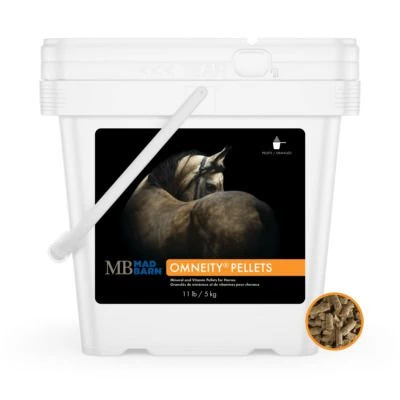
Mad Barn’s Omneity® is a complete vitamin and mineral supplement designed to balance forage-based diets. With 20 mg of biotin and 100% organic trace minerals in a low-NSC formula, Omneity® is ideal for heavy breeds.
Omneity® supports hoof strength, muscle function, metabolic health, immune function, and coat condition, while providing key nutrients in an easy-to-feed, palatable pellet form.
Comtois horses should also have constant access to clean, fresh water.
Draft horses in work, hot weather, or transport can lose significant fluid and electrolytes through sweat. Provide free-choice salt and add approximately 2 tablespoons of plain loose salt to the daily ration to encourage adequate sodium intake. [24]
Forage
Forage should form the foundation of the Comtois diet. Most mature horses do well with forage intake around 1.5 – 2% of body weight per day on a dry matter basis, adjusted for body condition and workload.
For a 1,600 lb (725 kg) Comtois, this equals roughly 24 – 32 lb (11 – 14.5 kg) of hay dry matter per day. [24] The amount of hay fed as-is will be slightly higher depending on its dry matter content.
Because many Comtois horses are easy keepers, forage quality matters as much as forage quantity. Mature grass hay with moderate energy, protein, and hydrolyzable carbohydrate (HC; sugar + starch) content is often suitable for horses at maintenance.
Rich pasture, high-calorie hay, and unrestricted grazing may contribute to weight gain in horses prone to obesity or metabolic dysfunction. [24][25]
If body condition is difficult to control, management tools such as slow feeders, restricted grazing, dry lots, or grazing muzzles can extend eating time while limiting excess calorie intake.
Working Comtois horses may need higher-quality forage or additional digestible fiber to support energy demands. [24] Alfalfa, hay pellets, or forage cubes can be useful when protein or calorie requirements increase, but owners should introduce these feeds gradually and balance them with the rest of the diet.
A forage analysis is the best way to determine the energy, protein, sugar and starch, and mineral content of hay or pasture. This information helps ensure the ration supports a healthy body condition while avoiding unnecessary calories or nutrient imbalances.
Feeding Recommendations
The Comtois generally benefits from a simple feeding program built around adequate forage, balanced micronutrients, regular movement, and careful body condition monitoring. This approach supports digestive health, hoof quality, and steady energy without overfeeding a horse that may maintain weight easily.
Many Comtois horses at maintenance or in light work do not require large amounts of commercial grain or concentrate. Sugar- and starch-heavy feeds can add more calories than needed and may not be appropriate for horses with obesity, insulin dysregulation, or laminitis risk. [26]
Instead of feeding grain to provide vitamins and minerals, use a concentrated vitamin and mineral supplement fed in a small meal. If a carrier is needed, choose low-starch, fiber-based options such as soaked hay pellets, beet pulp, chopped forage, or forage cubes and pellets.
Comtois horses in regular driving, forestry, farm work, or other demanding work may need additional calories beyond what hay alone provides. Increase calories gradually using higher-quality forage or digestible fiber before adding grain. When extra energy is still required, consider a fat supplement to raise calorie density without increasing starch intake.
Senior Comtois horses or horses with dental issues may struggle to chew long-stem hay efficiently. In these cases, soaked hay pellets, forage cubes, beet pulp, or complete senior feeds can help maintain fiber intake and body condition. Follow a senior horse feeding plan that accounts for chewing ability, body condition, and digestive health.

Nutritional Supplements
Supplements should fill nutritional gaps, not compensate for poor hay or chronic overfeeding. The right products depend on forage quality, body condition, workload, and any health concerns the horse may have.
- Omneity® Premix provides concentrated vitamins, trace minerals, amino acids, and digestive support ingredients to help balance forage-based diets.
- AminoTrace+ is a low-calorie vitamin and mineral supplement formulated for easy keepers and horses that benefit from extra support for hoof quality and metabolic health.
- Visceral+ supports gastric and hindgut health and may suit horses with digestive sensitivity, training stress, or inconsistent manure quality.
- OmegaPrime+ supplies omega-3 fatty acids and cool calories from fat, which can support coat quality, joint comfort, and balanced inflammatory function.
- Performance XL Electrolytes help replace minerals lost in sweat and may be useful for Comtois horses working in hot weather, hauling, or sweating heavily during exercise.
An equine nutritionist or veterinarian can help develop a feeding program tailored to your horse’s individual needs. Submit your horse’s diet for a free evaluation to identify potential nutrient gaps and receive personalized feeding and supplement recommendations.
Frequently Asked Questions
Here are some frequently asked questions about Comtois Horses:
A Comtois Horse is a medium-sized French draft breed known for its strength, calm temperament, compact build, and distinctive chestnut coloring. The breed developed as a practical working horse in eastern France, where horses needed to handle cold weather, steep terrain, and long days in harness. Modern Comtois horses are still valued for driving, forestry, farm work, leisure riding, and heritage uses.
Comtois Horses come from the Franche-Comté region of eastern France near the Jura Mountains and Swiss border. This rugged upland environment helped shape the breed's strength, sure-footedness, stamina, and hardiness. The Comtois remains closely associated with French farming history and traditional draft horse work.
Comtois Horses were bred for practical pulling work, including farming, transport, carriage work, and other heavy tasks. Their compact but muscular build made them useful in hilly terrain where strength, balance, and endurance were important. Over time, the breed shifted into forestry, driving, vineyard work, heritage farming, agritourism, and leisure use.
A Comtois Horse usually stands about 14.3 to 16.1 hands high and weighs approximately 1,400 to 1,800 pounds. Although the breed is shorter than some heavy draft horses, it has a deep body, broad chest, strong hindquarters, solid bone, and a short, powerful back. This gives the Comtois substantial pulling power in a relatively compact frame.
Most Comtois Horses are dark chestnut or coppery chestnut with a flaxen or light-colored mane and tail. Bay can also occur, but the rich chestnut body color with a pale mane and tail is the classic and preferred look. This coloring makes the breed especially recognizable in pasture, harness, and breed demonstrations.
The Comtois Horse is generally calm, willing, steady, and cooperative. These traits helped make the breed useful as a working horse and still make it appealing for owners who want a sensible draft horse. Temperament still varies by individual, and training, handling, turnout, and daily management all influence behavior.
Comtois Horses can be suitable for some confident beginners because many individuals have calm, people-oriented temperaments. However, their size and strength mean they still require proper handling, consistent training, and safe management. Absolute beginners may need experienced support before handling or riding a large draft horse independently.
Comtois Horses are used today for driving, forestry, light farm work, vineyard work, agritourism, heritage demonstrations, leisure riding, and trail riding. Driving remains one of the breed's most natural disciplines because of its steady attitude and pulling ability. In parts of Europe, the breed is also used in conservation-oriented land management and traditional working horse roles.
Comtois Horses can be ridden, especially for leisure riding and trail riding. Their calm nature and sturdy build can make them enjoyable mounts when they are properly trained and conditioned. Because they are draft horses, saddle fit, rider balance, hoof care, and appropriate workload are important for long-term comfort.
Comtois Horses are often easy keepers, meaning they may maintain or gain weight on relatively modest calorie intake. This can be useful in a working horse, but it also increases the importance of careful body condition monitoring. Overfeeding, rich pasture, high-calorie hay, and unnecessary grain can contribute to obesity and metabolic problems.
Comtois Horses may be prone to some health concerns seen in draft and easy-keeping breeds, including obesity, insulin dysregulation, laminitis risk, joint and hoof strain, and muscle disorders such as PSSM. Color-linked eye concerns have also been documented in Comtois horses with silver-associated pigmentation genetics. Regular veterinary care, farrier care, weight monitoring, and appropriate exercise are important parts of prevention and early management.
PSSM, or polysaccharide storage myopathy, is a muscle disorder that affects how glycogen is stored and used in muscle tissue. Draft-related breeds can be at risk, and affected horses may show stiffness, sweating, muscle loss, poor performance, reluctance to move forward, or tying-up-like episodes. Horses with suspected muscle problems should be evaluated by a veterinarian before diet or exercise changes are made.
Comtois Horses typically have a lifespan of about 25 to 30 years. Longevity depends on genetics, workload, body condition, hoof care, dental care, nutrition, and routine veterinary management. Keeping an easy-keeping draft horse at a healthy weight can help reduce stress on the feet, joints, and metabolic system over time.
A Comtois Horse usually does best on a forage-based diet with controlled calories, clean water, plain salt, and balanced vitamins and minerals. Many mature Comtois horses at maintenance or in light work do not need large amounts of commercial grain or high-starch concentrate. Diets should be adjusted for body weight, hay quality, workload, body condition, and any metabolic or muscle health concerns.
A Comtois Horse usually needs forage intake based on body weight, body condition, workload, and hay quality. For many mature horses, forage intake is often managed around 1.5 to 2% of body weight per day on a dry matter basis, adjusted as needed. Easy-keeping Comtois horses may need lower-calorie forage, slow feeders, restricted grazing, or dry lot management to support a healthy body condition.
Most Comtois Horses do not need grain if they are at maintenance or in light work and can meet energy and protein needs from forage. Grain can add unnecessary calories, sugar, and starch, which may be a concern for horses prone to obesity, insulin dysregulation, laminitis, or muscle disorders. Working Comtois horses may need additional calories, but higher-quality forage or digestible fiber is often a better first step than large grain meals.
Managing a Comtois Horse's weight starts with regular body condition scoring and matching calorie intake to actual workload. Owners should watch for excess fat, a cresty neck, and regional fat deposits, especially in easy-keeping horses. Controlled pasture access, forage analysis, slow feeding, regular turnout, and steady exercise can help prevent weight gain before it becomes a health problem.
Comtois Horses are less common outside Europe, but they remain a recognized French draft breed with an official studbook. Organized breeding programs help preserve the breed's traditional type, useful conformation, movement, soundness, and genetic identity. Their distinctive chestnut coloring and practical working ability have helped keep the breed recognizable even as working horse populations have declined.
Summary
The Comtois is a compact French draft horse valued for its strength, steady temperament, and ability to work in demanding terrain. Careful weight management, routine care, and a balanced forage-first diet help support the breed's long-term health.
- The Comtois originated in eastern France and remains closely associated with forestry, driving, heritage farming, and vineyard work
- These horses typically have a deep body, broad chest, sturdy legs, and strong hindquarters within a compact draft frame
- The classic Comtois has a dark or coppery chestnut coat with a light mane and tail, although bay can also occur
- Health management should account for obesity, insulin dysregulation, laminitis risk, and potential inherited conditions
- Most Comtois horses benefit from controlled forage intake, balanced vitamins and minerals, and hands-on body condition monitoring
References
- Leroy. G. et al. Genetic diversity of a large set of horse breeds raised in France assessed by microsatellite polymorphism. Genet Sel Evol. 2009.
- Le cheval comtois. Evolution et renouveau d'une race. FranceArchives. 2006.
- Comtois. Midlands Heavy Horse Association. 2026.
- COMTOIS - Programme de sélection. Institut français du cheval et de l'équitation. 2025. Auto-translated for Mad Barn.
- Comportement du cheval au travail dans la vigne. Institut français du cheval et de l'équitation (IFCE), Equipedia. 2024. Auto-translated for Mad Barn.
- Dhollande. M. Un nouveau guide pour intégrer la traction équine dans l'entretien des sols viticoles. Institut français du cheval et de l'équitation. 2025.Auto-translated for Mad Barn.
- Cheval Comtois. Association Nationale du Cheval de Trait Comtois. Auto-translated for Mad Barn.
- Règlement du stud-book Comtois. Association Nationale du Cheval de Trait Comtois. Auto-translated for Mad Barn.
- Élevage. Association Nationale du Cheval de Trait Comtois. 2026. Auto-translated for Mad Barn.
- Standards de la race. Association Nationale du Cheval de Trait Comtois. 2026. Auto-translated for Mad Barn.
- Pirault. P. et al. Genetic structure and gene flows within horses: a genealogical study at the French population scale. PLoS One. 2013. View Summary .
- Andersson. L. S. et al. Equine multiple congenital ocular anomalies and silver coat colour result from the pleiotropic effects of mutant PMEL. PLoS One. 2013. View Summary .
- Valberg. S. J. Exertional Myopathies in Horses. Merck Veterinary Manual. 2024.
- Firshman. A. M. et al. Prevalences and clinical signs of polysaccharide storage myopathy and shivers in Belgian draft horses. J Am Vet Med Assoc. 2005.
- Baird. J. D. et al. Presence of the Glycogen Synthase 1 ( GYS1 ) Mutation Causing Type 1 Polysaccharide Storage Myopathy in Continental European Draught Horse Breeds. Veterinary Record. 2010.
- Valentine. B. A. et al. Incidence of polysaccharide storage myopathy in draft horse-related breeds: a necropsy study of 37 horses and a mule. J Vet Diagn Invest. 2001. View Summary .
- Ségard. E. M. et al. Ultrasonographic features of PMEL17 (Silver) mutant gene-associated multiple congenital ocular anomalies (MCOA) in Comtois and Rocky Mountain horses. Vet Ophthalmol. 2013. View Summary .
- Frank. N. and Tadros. E. M. Insulin dysregulation. Equine Vet J. 2014. View Summary .
- Geor. R. J. Dietary management of obesity and insulin resistance: countering risk for laminitis. Vet Clin North Am Equine Pract. 2009. View Summary .
- Moriello. K. A. Dermatitis and Dermatologic Problems of Horses. Merck Veterinary Manual. 2025.
- Ermers. C. et al. The fibre requirements of horses and the consequences and causes of failure to meet them. Animals (Basel). 2023. View Summary .
- Henneke. D. R. et al. Relationship between condition score, physical measurements and body fat percentage in mares. Equine Vet J. 1983. View Summary .
- Uldahl. M. et al. Body condition score in Danish horses related to type, use, and training level: patterns, risk, and protective factors. Animals (Basel). 2023. View Summary .
- Nutrient Requirements of Horses: Sixth Revised Edition. National Academies Press. 2007. View Summary .
- Richards. N. et al. Nutritional and Non-Nutritional Aspects of Forage. Veterinary Clinics of North America: Equine Practice. Elsevier BV. 2021. View Summary .
- Geor. R. J. Metabolic Predispositions to Laminitis in Horses and Ponies: Obesity, Insulin Resistance and Metabolic Syndromes. Journal of Equine Veterinary Science. 2008.