Identify gaps in your horse's nutrition program to optimize their well-being.
Feed Ingredients - Feed Database
Explore a range of equine feed ingredients with detailed nutritional profiles in the Mad Barn Equine Feed Bank. Compare ingredients, products and brands to choose the right one for your horse.
Feeds, Supplements & Products
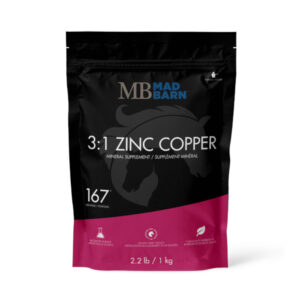
3:1 Zinc Copper (Mad Barn)
Mad Barn's 3:1 Zinc Copper Powder is an organic trace mineral supplement containing a 3:1 ratio of Bioplex® Zinc and Copper. It is made with zinc and copper proteinates, which are chelated for improved absorption.
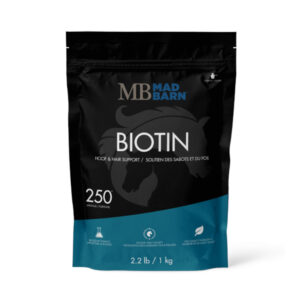
Biotin (Mad Barn)
Biotin Powder from Mad Barn provides 20 mg of biotin per serving support hoof growth and quality, as well as skin and coat health. Biotin is a B vitamin which supports strong hooves and connective tissues such as tendons. Biotin is highly palatable and easy to feed.
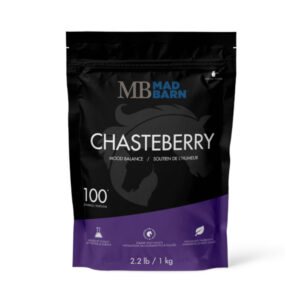
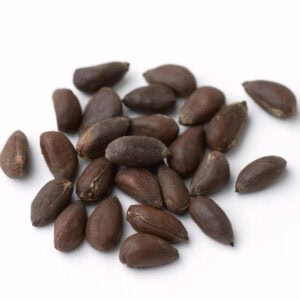
Chasteberry (Mad Barn)
Chasteberry powder supports mood balance in mares and aggressive horses. Chasteberry supplementation may support the normal function of the pituitary gland.
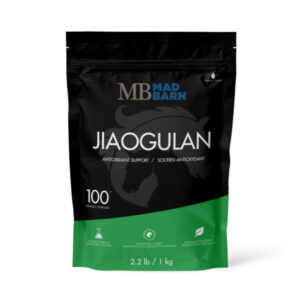
Jiaogulan (Mad Barn)
Jiaogulan powder supports circulation, muscle function, and respiratory health in horses. Jiaogulan has been shown to increase blood flow to horses' hooves.
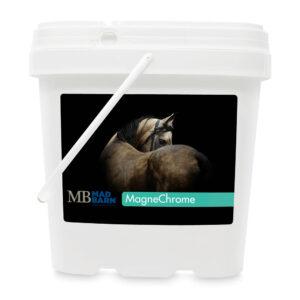
MagneChrome (Mad Barn)
MagneChrome from Mad Barn (formerly sold under the name IR Supplement) is a magnesium and chromium supplement for IR Horses. This supplement provides antioxidant and anti-inflammatory support which is critical for horses with metabolic conditions such as insulin resistance, laminitis and Cushing’s Syndrome
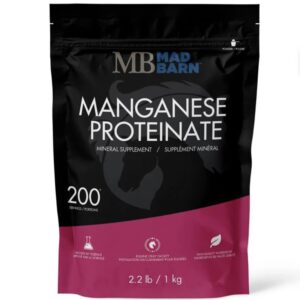
Manganese Proteinate (Mad Barn)
Manganese Proteinate by Mad Barn is a mineral supplement designed to support bone and joint health
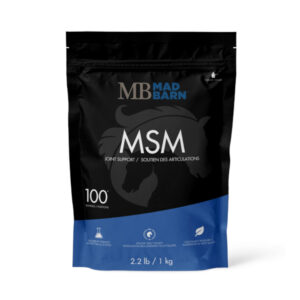
MSM – Methylsulfonylmethane (Mad Barn)
MSM is a readily available form of the mineral sulfur. It is beneficial for supporting healthy connective tissue, recovery, and hoof and joint health. MSM from Mad Barn also helps to relieve arthritic pain and sore muscles. It is considered very safe as a supplement for horses.
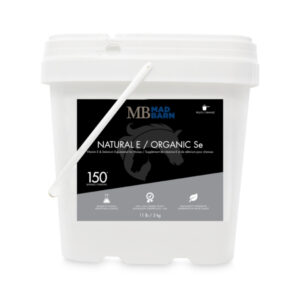
Natural E/Organic Se (Mad Barn)
Natural E/Organic Se is a pelleted supplement providing organic Selenium yeast and natural Vitamin E. These two nutrients are important antioxidants that support muscle function and anti-inflammatory pathways.
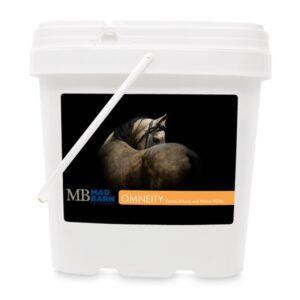
Omneity P – Pellets – Vitamin & Mineral Supplement (Mad Barn)
Omneity Pellets is a balanced mineral and vitamin supplement for horses in a palatable pellet form. It provides 100% organic trace minerals, complete B-vitamin fortification, added Vitamin E, yeast and digestive enzymes.
Omneity Premix – Vitamin & Mineral Supplement (Mad Barn)
Omneity Premix is a balanced mineral and vitamin supplement for horses providing 100% organic trace minerals, complete B-vitamin fortification, added Vitamin E, yeast, and digestive enzymes.
Performance XL: Electrolytes (Mad Barn)
Performance XL: Electrolytes by Mad Barn is a scientifically formulated equine electrolyte supplement designed to support athletic performance and workout recovery. It contains an ideal blend of natural minerals and vitamins to promote hydration status and muscle function.
Psyllium (Mad Barn)
Psyllium by Mad Barn is a powdered psyllium supplement that supports digestion and gut health in horses. It absorbs water in the digestive tract, helping support normal gut motility and manure consistency, and is beneficial for horses exposed to sandy conditions, environmental stress, or dietary changes.
Trace Mineral Pak (Mad Barn)
Trace Mineral Pak from Mad Barn is a balanced equine supplement providing 100% organic (chelated) trace minerals. Ingredients include selenium, zinc, copper, and manganese.
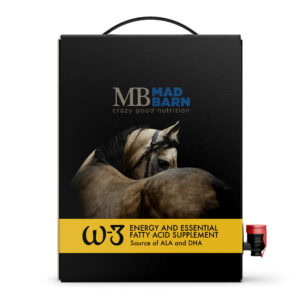
w-3 Oil (Mad Barn)
w-3 Oil by Mad Barn is an essential fatty acid supplement fortified with the omega-3 DHA and natural Vitamin E. W-3 Oil helps to support joint health, coat quality, cardiovascular health and weight maintenance.
CoolStance Copra (Stance Equine USA)
CoolStance Copra is a coconut meal feed that provides calories from protein and medium chain triglycerides (MCTs). It contains less than 11% NSC and is intended to be used as a "cool" energy source.
Copper & Zinc Blend (Custom Equine Nutrition)
Custom Equine Nutrition's Copper and Zinc Blend is a trace mineral supplement providing Diamond V yeast, a copper amino acid complex, and inorganic zinc sulfate. This supplement is intended to support healthy skin, coat, and hooves in horses.
Copper and Zinc (Basic Equine Nutrition)
Copper and zinc are essential trace minerals that are required for many processes in the horse's body. This supplement contains organic, chelated zinc and copper in a 3:1 ratio which helps support the formation of connective tissues, keratin and collagen.
Copper Carbonate
Copper carbonate is an inorganic source of the essential trace mineral copper, which is sometimes used as an ingredient in horse feeds and supplements. It is not as well absorbed as organic sources of copper.
Copper Chloride
Copper chloride is an inorganic copper source added to livestock feeds. Horses require copper for many metabolic processes, including hemoglobin production and keratin synthesis. Copper can support coat colour, hoof growth and immune function in horses.
Copper Oxide
Copper oxide is an inorganic source of the essential trace mineral copper that is sometimes used as an ingredient in horse feeds and supplements. It is not as well absorbed as organic sources of copper.
Copper Sulfate (5H2O)
Copper(II) sulfate pentahydrate (CuSO4 5H2O) is an inorganic copper salt that is sometimes used in horse feeds. It is less bioavailable compared to copper amino acid complexes.
Copper-Max (Foran Equine)
Copper-Max from Foran Equine is intended for horses and ponies who are grazing on copper-deficient grass. This supplement is meant to support hoof health, fertility, and bone development.
Coppervit (Foran Equine)
Coppervit from Foran Equine is intended for young horses and for horses who are not meeting their daily copper requirements. This supplement contains copper, vitamin E, and vitamin B12.
Copra Meal
Copra meal is a by-product of coconut oil production. This high-fat, high-protein feed is used to increase the energy density of the equine diet in horses that need to gain weight.
CoPRO 25 (Zinpro)
COPRO® 25 is a cobalt glucoheptonate supplement used as a nutritional ingredient in livestock feeds. COPRO® provides an organic source of the trace mineral cobalt.
Corn – Dry Ear Corn Ground
Dry ground ear corn refers to the entire ear of corn, including grain and cob, that has been processed through a hammer mil or burr mill to grind into smaller particles.
Corn – High Moisture
High moisture corn consists of corn grain that has been harvested earlier, with higher moisture content, and ensiled. It is commonly fed to dairy and beef cattle and is a less common feed for horses.
Corn – High Moisture (Cobmeal)
Cob meal refers to high moisture corn grain harvested with the inclusion of ground cob. This feed is only appropriate for ruminants and should not be fed to horses.
Corn – Hominy
Corn (maize) hominy feed is a byproduct of dry corn milling. Hominy is produced from dried corn kernels that are soaked in an alkali solution to dissolve hemicellulose. This improves digestibility of the corn.
Corn – Hominy High Fat
Corn hominy is a byproduct of dry corn (maize) milling. It can vary in fat content depending on the processing method. Hominy feed is commonly fed to livestock.
Corn – Screenings
Corn screenings refer to the grain dust, hulls, cracked kernels and debris that accumulate during drying when processing corn. It is fed to beef cattle as an energy source. Quality varies and corn screenings might be high in mycotoxins.
Corn – Steam Flaked
Steam flaked corn grain is processed to improve digestibility and is commonly fed to livestock. It is sometimes included as an energy source in equine feeds.
Corn – Steam Rolled
Steam-rolled corn has higher starch digestibility compared to non-processed corn grains. It is typically fed to livestock but is not commonly fed to horses due to its high starch content.
Corn – Syrup
Corn syrup is a byproduct of ethanol fuel production. The syrup is a high-energy feed commonly given to cattle raised near ethanol plants.
Corn (Zea Mays) Cracked Brazil Coarse
Course cracked corn (zea mays) refers to corn/maize grain that is processed to improve its digestibility for livestock. This high starch feed is a cheap energy source but can cause hindgut issues in horses.
Corn (Zea Mays) Cracked Brazil Fine
Fine cracked corn (zea mays) is corn grain that has been processed to improve its digestibility for livestock. A high intake of corn may cause hindgut problems in horses.
Corn (Zea Mays) Grain Brazil Coarse Grind
Course ground corn (zea mays) is a processed grain that is used in livestock diets as a high-energy feed. The high start content of corn makes it unsuitable for horses in large quantities.
Corn (Zea Mays) Grain Brazil Fine Grind
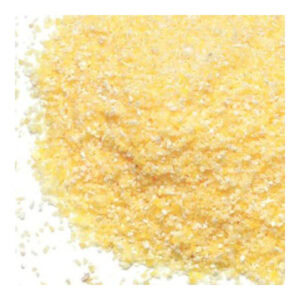
Fine ground corn or maize is a processed grain product used as a low-cost energy source in livestock diets. It can be fed to horses in low quantities, but feeding too much could cause hindgut issues.
Corn (Zea Mays) Grain Brazil Whole
Whole grain corn (zea mays) refers to unprocessed maize grains. This high-starch feed is not well digested by horses and may cause hindgut dysbiosis.
Corn Cannery Waste Silage
Corn cannery waste silage is a byproduct of sweet corn processing. Sweet corn waste can be ensiled and fed to cattle.
Corn Cob
Chopped corn cob refers to the cob that remains after removing the corn grains. It is a high-fiber, high-energy feed for cattle and pigs. It is not typically used in equine diets.
Corn Germ Meal
Corn (maize) germ meal is a byproduct of oil extraction from corn germ. It is a high-protein, high-starch product sometimes added to equine feeds.
Corn Gluten Feed – Dry
Corn gluten feed is derived from corn wet-milling corn, which is the process used to extract starch from corn. Corn gluten is a high-protein feed that can be fed to horses. It is high in phosphorus and low in calcium, which must be balanced if added to equine diets.
Corn Gluten Feed – Wet
Corn gluten feed is a byproduct of wet-milling corn to extract starch. It is a high-protein feed used in equine diets. Wet corn gluten feed may be prone to mold contamination.
Corn Gluten Meal – 60%
Corn gluten meal is a byproduct of corn starch and syrup production. This product is higher in protein than corn gluten feed. It can be added to equine diets as a protein source.
Corn Grain – Cracked
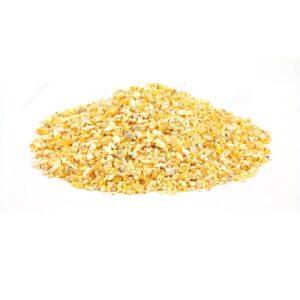
Cracked corn grain is minimally processed to improve digestibility. It is a high-starch feed commonly fed to livestock. Excess starch in the diet can cause hindgut issues in horses.
Corn Grain – Ground Coarse
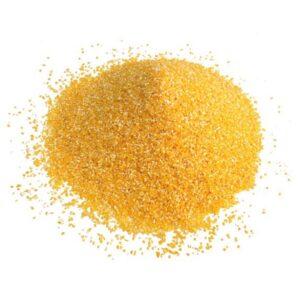
Ground corn is a high-starch feed commonly added to livestock diets. A high intake of ground corn may induce hindgut acidosis in horses.
Corn Grain – Ground Fine
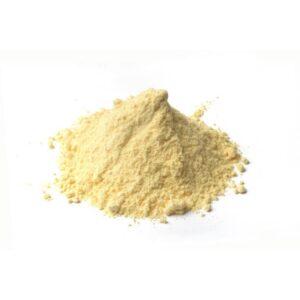
Fine ground corn is a processed grain product commonly used in livestock diets. It may be included at low levels in equine feeds as an energy source.
Corn Grain – Ground Medium
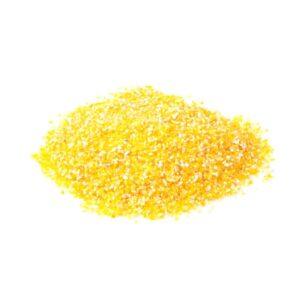
Ground corn is commonly included as an energy source in equine feeds. Due to its high starch content, inclusion in equine diets should be limited, especially for horses with metabolic concerns.
Corn Grain – High Oil Ground
Ground corn grain with a high level of oil is an energy-dense grain product suitable for livestock. This high-starch, high-energy feed is not commonly used in equine diets.
Corn Grain – Whole
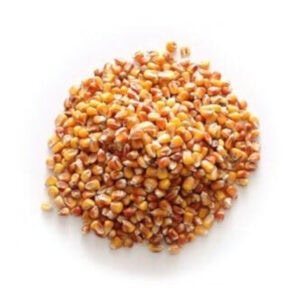
Whole corn grain refers to unprocessed corn grains. It is high in starch and may have limited digestibility in horses, potentially causing hindgut issues.
Corn Grain Flaked
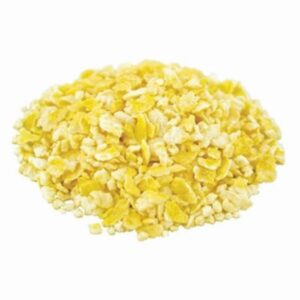
Flaked corn grain is a high-calorie feed for livestock and horses that provides large amounts of starch. Flaking increases the digestibility of the grain.
Corn Oil
Corn oil is a plant-based oil derived from corn that is used to provide calories in the equine diet. It is fed to performance horses and hard-keepers to support weight gain.
Corn Silage – 35% DM 41% NDF
Corn silage is a common feed for cattle in North America but is not commonly fed to horses. This feed is high in energy and starch to support fat deposition and lactation in cattle.
Corn Silage – 35% DM 45% NDF
Corn silage is not commonly fed to horses unless other forages are not available. It is a high-energy, high-starch feed appropriate for dairy and beef cattle.
Corn Silage – 35% DM 49% NDF
Corn silage is a high-energy, high-starch feed commonly fed to cattle. Starch content decreases, and fibre content increases as the plant matures. Corn silage is not commonly fed to horses.
Cottonseed – Fuzzy
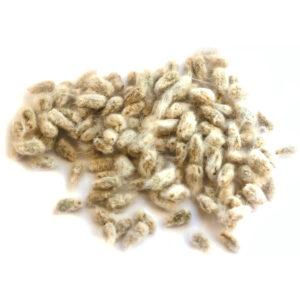
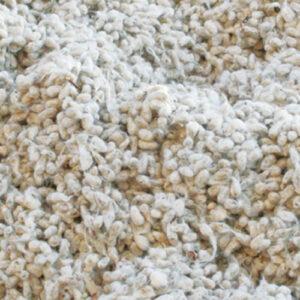
Fuzzy cottonseed is a highly digestible fibre and protein source commonly fed to cattle. The fuzzy seeds have strands of cellulose bound to the cottonseed.
Cottonseed Delinted
Delinted cottonseed refers to polished cottonseeds commonly used for planting grain. The seeds are high in fat (19.5%) and fibre, but are not commonly fed to horses.
Cottonseed Meal Brazil Coarse Grind
Cottonseed meal is a by-product of cottonseed oil production that provides a good source of fat and protein. It is commonly used in cattle rations.
Cottonseed Meal Brazil Fine Grind
Cottonseed meal is a by-product of the extraction of oil from cottonseeds. It is abundant in fats and protein and is a quality feed ingredient found in cattle diets.
Cottonseed Meal-42% CP
Cottonseed meal is a by-product of cottonseed oil production. The meal is what remains following the extraction of the oil. Although high in protein, cottonseed meal is low in the amino acid lysine and not commonly used as a protein source in equine diets.
Cottonseed Oil
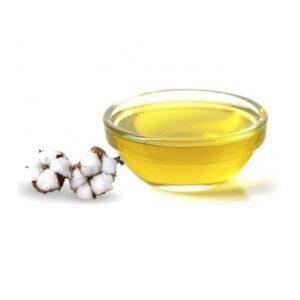
Cottonseed oil is a plant-based fatty acid supplement and calorie source used in the equine diet. It is considered less palatable than other oil sources.
Cottonseed Whole Brazil With Hay
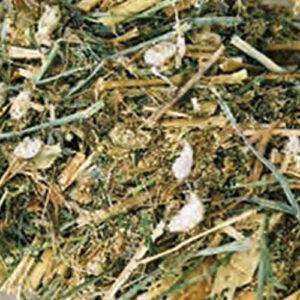
Whole cottonseeds are a valuable fat, fibre, and protein source for dairy cattle. Cottonseeds are not commonly used in equine diets because of the low lysine content.
Cottonseed Whole Brazil Without Hay
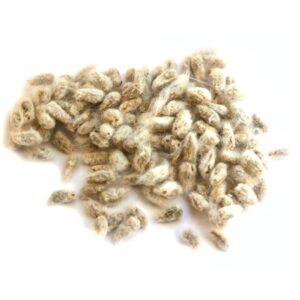
Whole cottonseeds are a rich source of fat, protein and fibre. This feed is a highly valued energy source for lactating dairy cows. Cottonseeds are not commonly fed to horses because of their amino acid profile.