Analyze Diet
FeedBank
Feed Type

Starch Sources for Horses

View nutrition analyses for starch sources used in horse feed ingredients in the Mad Barn Equine Feed Database. This category includes high-starch ingredients that contribute readily available energy to the equine diet, such as oats, corn, barley, wheat, sorghum, peas, and other cereal grains or grain-based ingredients.

Compare nutrient profiles for different starch sources to understand their calorie contribution, starch content, sugar levels, fiber content, digestibility, and role in supporting energy intake for horses with higher workload or body condition needs.
Filters
Starch
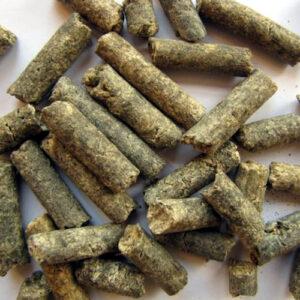
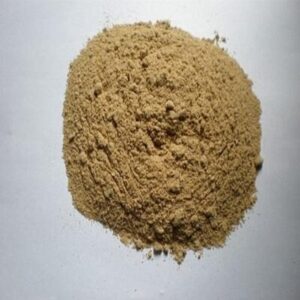
Potato By-Product Meal
Caloric EnergyCaloric Energy
FiberFiber
NutrientsNutrients
ProteinProtein
Potato by-product meal is derived from potato processing. Potato products should be avoided in equine diets as they may be toxic for horses.
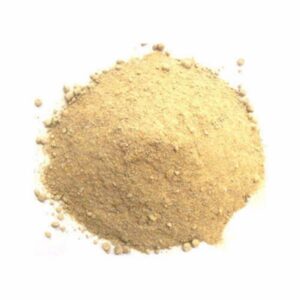
Potato Pulp
EnergyEnergy
NutritionNutrition
ProteinProtein
Weight IssuesWeight Issues
Potato pulp refers to the dry matter residue that remains after potatoes are processed to extract starch. The pulp is high in protein, starch and fiber.
Potatoes
Caloric EnergyCaloric Energy
NutrientsNutrients
ProteinProtein
Weight IssuesWeight Issues
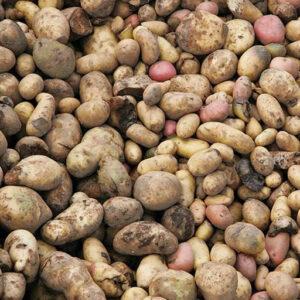
Potatoes are a high-starch feed sometimes used in animal agriculture. Potatoes are not commonly fed to horses and may be toxic to them.
Rice Bran
Caloric EnergyCaloric Energy
FiberFiber
NutrientsNutrients
ProteinProtein
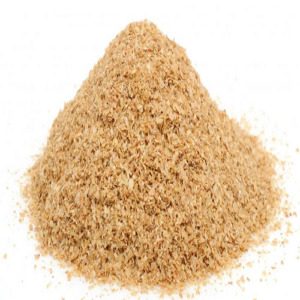
Rice bran is a high-fat feed commonly used in equine diets. It is relatively high in phosphorus, which must be appropriately balanced with calcium in the diet.
Rice Mill Feed
Caloric EnergyCaloric Energy
FiberFiber
NutrientsNutrients
ProteinProtein
Rice mill feed refers to a mixture of by-products from rice milling containing both rice bran and hulls. It can be a suitable feed additive for livestock.
Rolled Barley
Caloric EnergyCaloric Energy
IngredientIngredient
NutritionNutrition
ProteinProtein
Rolled barley is barley grain that has been flattened through rolling. It is a source of starch and energy.
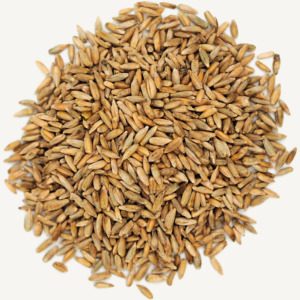
Rye Grain
Caloric EnergyCaloric Energy
FiberFiber
GrainsGrains
ProteinProtein
Rye is a cereal grain commonly used for pasture or hay. It is high in starch and susceptible to ergot (fungus) contamination.
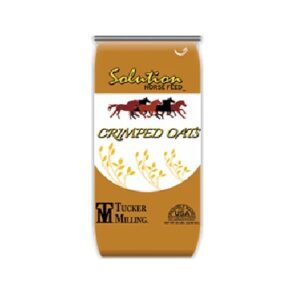
Solution Crimped Oats (Tucker Milling)
Caloric EnergyCaloric Energy
GrainsGrains
PerformancePerformance
Weight IssuesWeight Issues
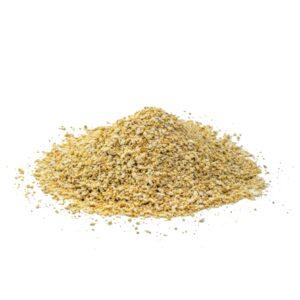
Solution Crimped Oats by Tucker Milling are processed oats that provide energy and protein to equine diets.
Sorghum Grain Brazil Finely Ground
Caloric EnergyCaloric Energy
GrainsGrains
NutritionNutrition
ProteinProtein
Sorghum is a popular grain and forage for livestock. Sorghum grain must be processed by grinding, cracking, or flaking before being fed to animals.
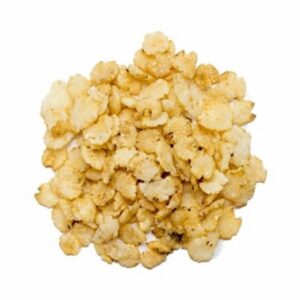
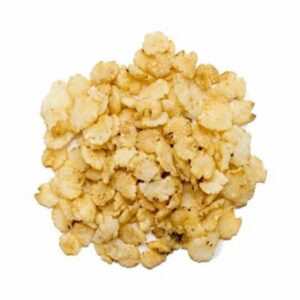
Sorghum Grain Brazil Flaked
Caloric EnergyCaloric Energy
GrainsGrains
NutritionNutrition
ProteinProtein
Sorghum is grown worldwide as a grain or forage source. Flaking is a processing method used to improve nutrient digestibility.
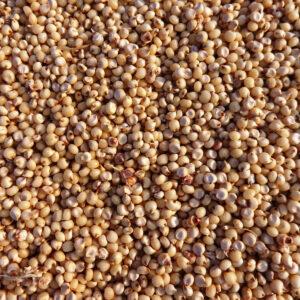
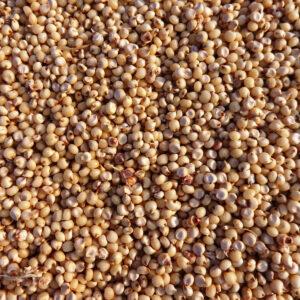
Sorghum Grain Brazil Whole
Caloric EnergyCaloric Energy
GrainsGrains
NutritionNutrition
ProteinProtein
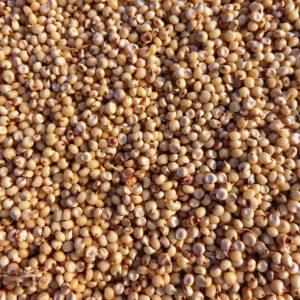
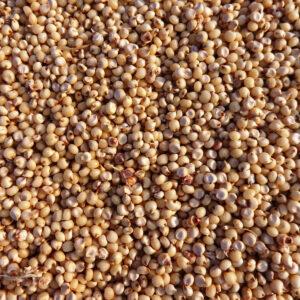
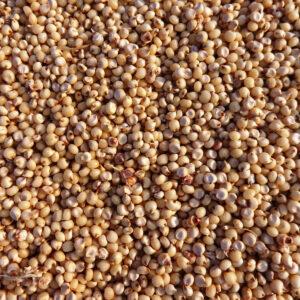
Sorghum is a tall annual grass that is grown for grain or forage. The waxy bran covering results in low digestibility of whole sorghum grain. It is typically processed to improve digestibility.
Sorghum Grain Cracked Brazil Coarse
Caloric EnergyCaloric Energy
GrainsGrains
NutritionNutrition
ProteinProtein
Sorghum grain is produced worldwide as a high-energy feed for livestock. Processing by methods such as cracking is required prior to feeding to improve nutrient digestibility.
Sorghum Grain Cracked Brazil Medium
Caloric EnergyCaloric Energy
GrainsGrains
NutritionNutrition
ProteinProtein
Sorghum grain is a high-starch feedstuff fed worldwide to poultry, swine, and ruminants. Cracking improves nutrient digestibility of the grain compared to whole sorghum.
Sorghum Grain Cracked High Tannins
Caloric EnergyCaloric Energy
GrainsGrains
NutritionNutrition
ProteinProtein
Breeding techniques have reduced tannins in most modern varieties of sorghum. However, traditional varieties with high tannin content can result in reduced feed intake in livestock.
Sorghum Grain Mexico Finely Ground
Caloric EnergyCaloric Energy
GrainsGrains
NutritionNutrition
ProteinProtein
Sorghum is a popular grain and forage grown worldwide. Sorghum grain must be processed before feeding to animals. Grinding is an inexpensive, effective method for improving digestibility.
Sorghum Grain Mexico Flaked
Caloric EnergyCaloric Energy
GrainsGrains
NutritionNutrition
ProteinProtein
Sorghum is grown worldwide as a grain or forage source. Flaked sorghum grain has improved digestibility over whole sorghum.
Sorghum Grain Mexico Whole
Caloric EnergyCaloric Energy
GrainsGrains
NutritionNutrition
ProteinProtein
Sorghum is a tall annual grass grown for grain or forage. Whole sorghum grain has low digestibility due to the waxy bran covering that surrounds the grain.
Sorghum Milo Popped
EnergyEnergy
GrainsGrains
NutritionNutrition
ProteinProtein
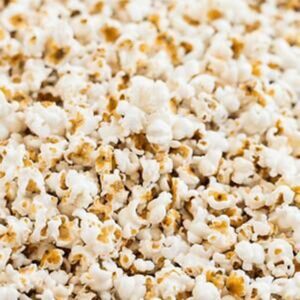
Sorghum/milo grain can be heated and the kernels can be popped to improve starch digestibility. Sorghum/milo grain is a high-starch feed for beef cattle.
Sorghum/Milo – High Moisture
Caloric EnergyCaloric Energy
FiberFiber
NutrientsNutrients
ProteinProtein
Sorghum grain, also known as milo, is commonly grown in tropical and subtropical regions. High moisture sorghum is used in cattle and swine diets as an energy source.
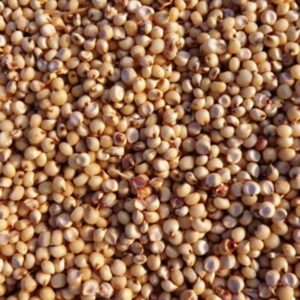
Sorghum/Milo Grain
Caloric EnergyCaloric Energy
NutritionNutrition
ProteinProtein
Weight IssuesWeight Issues
Sorghum grain, also known as milo, is commonly grown in tropical and subtropical regions. Sorghum grain is not easily digestible and is high in starch which can cause hindgut issues in the horse.
Sorghum/Milo Grain – Dry Rolled
Caloric EnergyCaloric Energy
FiberFiber
NutrientsNutrients
ProteinProtein
Dry rolled sorghum is an African grain that is made more digestible through the process of rolling. Sorghum is not readily used in horse feed as it is high in starch and not easily digestible.
Sorghum/Milo Grain – Steam Flaked
Caloric EnergyCaloric Energy
FiberFiber
NutrientsNutrients
ProteinProtein
Steam flaked sorghum is processed by steaming and rolling to increase its digestibility. Sorghum is a tropical grain commonly grown for human and food animal production.
Sorghum/Milo Ground Coarse
EnergyEnergy
GrainsGrains
NutritionNutrition
ProteinProtein
Coarse ground sorghum/milo grain is a high-starch feed for livestock. Grind size affects digestibility and feed efficiency.
Sorghum/Milo Ground Fine
EnergyEnergy
GrainsGrains
NutritionNutrition
VitaminsVitamins
Fine ground sorghum/milo grain is a high-energy feed primarily used in cattle diets. It provides high starch content which supports weight gain in beef cattle.
Sorghum/Milo Ground Medium
EnergyEnergy
GrainsGrains
NutritionNutrition
VitaminsVitamins
Sorghum/milo grain is a high-energy feed for cattle. Fine and medium grind sorghum has higher feed efficiency compared to coarse ground grain.
Sorghum/Milo High Moisture 22%
EnergyEnergy
GrainsGrains
NutritionNutrition
ProteinProtein
High moisture sorghum/milo is fed to beef cattle as an energy-rich feed. It is preferable to harvest at 30% moisture content compared to 22% moisture for storage purposes.
Sorghum/Milo High Moisture 30%
EnergyEnergy
GrainsGrains
NutritionNutrition
ProteinProtein
High moisture harvested sorghum/milo is used in ruminant diets. Feed efficiency is greater for high moisture sorghum compared to dry grain sorghum.
South African Hominy Chop
Caloric EnergyCaloric Energy
NutritionNutrition
ProteinProtein
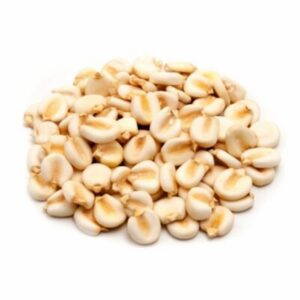
Chopped hominy is a by-product of maize milling. It is a source of energy, protein and fiber, for horses, cattle, and sheep.
Steam Rolled Oats (Hansen Mueller Co)
EnergyEnergy
FatFat
GrainsGrains
NutrientsNutrients
Steam Rolled Oats by Hansen Mueller Co contains 11% crude protein, 4% fat, and 3% crude fibre on an as-fed basis.
Steamed Crimped Oats (Woody’s Horse Nutrition)
DigestionDigestion
GrainsGrains
HealthHealth
PerformancePerformance
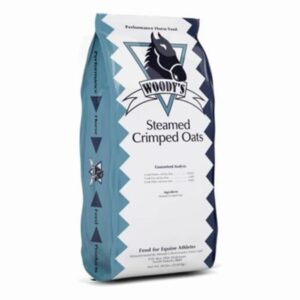
Woody’s Steamed Crimped Oats is intended to provide additional protein (11.5%) and energy to horses in heavy to intense work. Crimped oats are palatable and digestible compared to whole oats.
Tapioca – Casava Meal
Caloric EnergyCaloric Energy
EnergyEnergy
NutritionNutrition
Weight IssuesWeight Issues
Tapioca is the extracted starch from cassava flour. Tapioca pearls are sometimes fed to horses to support gut motility and are anecdotally said to help with sand colic.
Wheat – Bran
Caloric EnergyCaloric Energy
FiberFiber
GrainsGrains
ProteinProtein
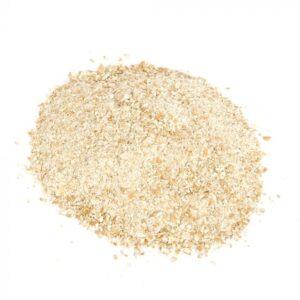
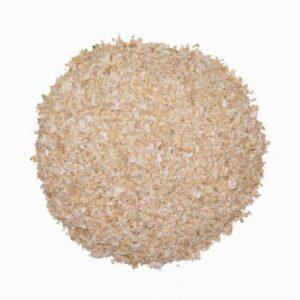
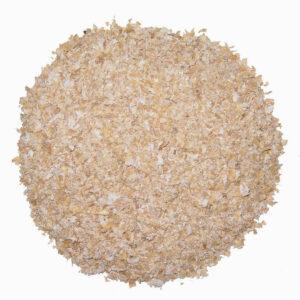
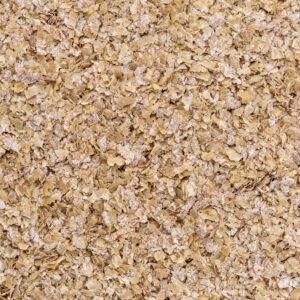
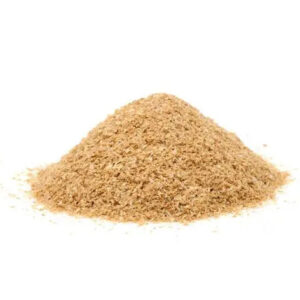
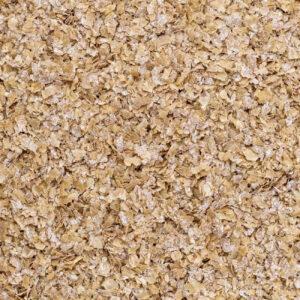
Wheat bran is the outermost layer of the wheat kernel. Wheat bran is high in phosphorous and, if fed as part of an unbalanced diet, it can cause calcium imbalances in horses.
Wheat – Flour
Caloric EnergyCaloric Energy
FiberFiber
GrainsGrains
NutrientsNutrients
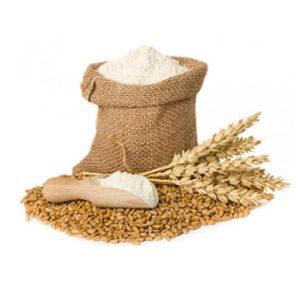
Wheat flour is made from ground wheat kernels consisting of the germ, endosperm and bran. White flour consists only of the ground endosperm, whereas whole wheat flour consists of the ground endosperm and some of the germ and bran.
Wheat – Ground
Caloric EnergyCaloric Energy
GrainsGrains
NutrientsNutrients
ProteinProtein
Ground wheat is made from grinding whole wheat kernels. It is typically used for bread manufacturing.
Wheat – Mill Run
Caloric EnergyCaloric Energy
FiberFiber
GrainsGrains
ProteinProtein
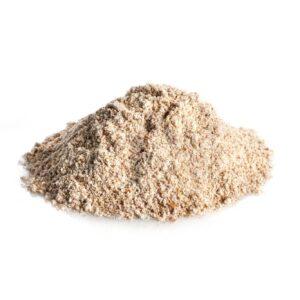
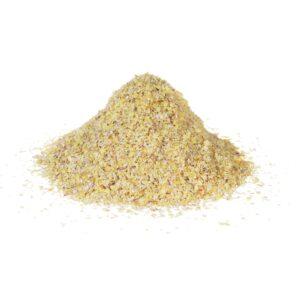
Wheat mill run consists of leftover particles of bran, germ and flour produced during the milling process. Wheat mill run sometimes appears in horse feeds.
Wheat – Red Dog Flour
Caloric EnergyCaloric Energy
GrainsGrains
ProteinProtein
Weight IssuesWeight Issues
Red dog flour consists mainly of aleurone - the layer between the bran and the endosperm of the wheat kernel. It also contains the leftover particles of bran, germ and flour produced during the milling process.
Wheat – Second Clears
Caloric EnergyCaloric Energy
FiberFiber
GrainsGrains
NutrientsNutrients
Second clear wheat flour consists of ground-up outer layers of the wheat endosperm. It is very high in ash (0.75%) and is a cost-effective ingredient to aid in binding and producing the structure of baked items.
Wheat Germ
EnergyEnergy
IngredientIngredient
NutrientsNutrients
ProteinProtein
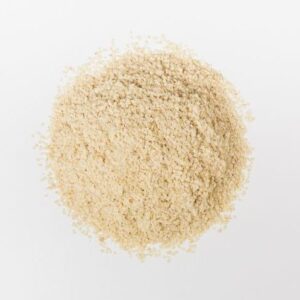
Wheat germ is the nutrient-rich inner portion of the wheat kernel. It provides fat, protein, fiber, and natural vitamin E.
Wheat Germ Meal
AntioxidantAntioxidant
NutrientsNutrients
ProteinProtein
VitaminsVitamins
Wheat germ meal is added to equine feeds as a palatable protein source. It is a high-phosphorus, low-calcium ingredient which must be balanced to bring the calcium-phosphorus ratio of the diet into an appropriate range.
Wheat Middling Brazil Coarse
Caloric EnergyCaloric Energy
FiberFiber
GrainsGrains
ProteinProtein
Wheat middlings are a byproduct of wheat flour production consisting of wheat bran, shorts, germ and flour. It is a palatable, high-energy feed for cattle and horses.
Wheat Middling Brazil Finely Ground
Caloric EnergyCaloric Energy
GrainsGrains
ProteinProtein
Weight IssuesWeight Issues
Wheat middlings are a byproduct of wheat flour production. Fine ground wheat middlings are a palatable feed stuff commonly added to cattle and equine feeds.
Wheat Middlings
Caloric EnergyCaloric Energy
FiberFiber
GrainsGrains
ProteinProtein
Wheat middlings consists of leftover particles of bran, germ and flour produced during the milling process. Wheat middlings are commonly used as an ingredient in horse feeds.
Wheat Shorts
Caloric EnergyCaloric Energy
FiberFiber
GrainsGrains
ProteinProtein
Wheat Shorts consists of leftover particles of bran, germ and flour produced during the milling process. Wheat shorts are commonly found as an ingredient in horse feeds.
Is Your Horse's Diet Missing Anything?

Identify gaps in your horse's nutrition program to optimize their well-being.