

 English
Identify gaps in your horse's nutrition program to optimize their well-being.



Omneity® Pellets
All-In-One Vitamin & Mineral Pellet
Anti-caking agents are additives used in feed formulations to inhibit the formation of clumps and improve the flow of dry or semi-dry ingredients. These blends typically contain inert, highly adsorptive or water-scavenging compounds such as silicon dioxide (colloidal silica or precipitated silica), calcium silicate, tricalcium phosphate, sodium aluminosilicate (zeolite), talc, bentonite, and sometimes powdered cellulose or rice hull ash. The exact composition is chosen according to the hygroscopicity of the feed, processing conditions, regulatory limits, and the desired bulk-handling characteristics of the final product.
In equine nutrition, anti-caking blends are used to keep mineral premixes, vitamin blends, and complete pelleted or textured feeds from bridging in bins, sticking to augers, or stratifying during transport and storage. By binding surface moisture, these agents ensure that active ingredients remain evenly dispersed, so each scoop the horse receives is nutritionally consistent. They also help maintain shelf life and production efficiency by allowing higher inclusion rates of liquids such as molasses or oil.
Because most anti-caking compounds are chemically inert and fed at very low inclusion rates (typically 0.1 – 1% of the mix), they contribute negligible nutritional value.
The following equine feeds, supplements and products contain Anti-Caking Agent as an ingredient.
 Mineral Balance
 Nutrients
 Nutrition
 Vitamins
 HealthMineral BalanceNutritionVitamins
 Complete Feed
 GrainsNutrition
 Performance
 BroodmareComplete FeedNutrition
 Protein
 Complete Feed
 Foal
Foal GrowthNutrition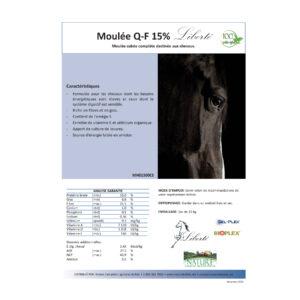
 Energy
 Fat
Fat FiberNutrition
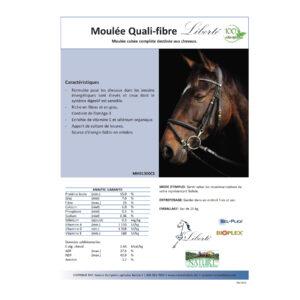 Fiber
Fiber Omega 3-6-9
 ProbioticVitamins
 All-In-One Vitamin & Mineral Pellet

Advanced Gut Health Supplement

DHA-Enriched Fat Supplement
All-In-One Vitamin & Mineral Pellet

All-In-One Vitamin & Mineral Powder

Enhanced Vitamin & Mineral Pellet
Advanced Gut Health Supplement

Probiotic & Prebiotic Supplement

High-Potency 5-Strain Probiotic
All-In-One Vitamin & Mineral Pellet
Enhanced Vitamin & Mineral Pellet

Hoof, Skin & Coat Support
DHA-Enriched Fat Supplement
All-In-One Vitamin & Mineral Pellet

Organic Trace Mineral Blend
Enhanced Vitamin & Mineral Pellet

Mood & Hormone Support

Metabolic Health Formula
Mood & Hormone Support

Muscles & Nerve Support
Advanced Gut Health Supplement
Advanced Gut Health Supplement

Respiratory & Performance Supplement

Essential Amino Acid Blend
Essential Amino Acid Blend
Muscles & Nerve Support

Performance & Muscle Support
Respiratory & Performance Supplement
DHA-Enriched Fat Supplement

Immune & Respiratory Support


