

 English
Identify gaps in your horse's nutrition program to optimize their well-being.



Omneity® Pellets
All-In-One Vitamin & Mineral Pellet
Organic trace minerals refer to trace elements that are bound to organic molecules, typically amino acids or other carbon-containing compounds, to enhance their absorption and bioavailability in animals. Common examples include chelated or proteinated forms of minerals such as zinc, copper, manganese, and selenium. These differ from inorganic trace minerals, which are typically presented as sulfates, oxides, or chlorides.
In equine nutrition, organic trace minerals are often included in feed formulations to improve the efficiency of mineral uptake, particularly in situations where mineral interactions or gut conditions may hinder absorption. Organic forms are thought to be more stable in the digestive tract and less reactive with antagonistic compounds, resulting in increased systemic availability. This can be especially relevant when feeding horses under stress, growth, or intense workload, where mineral demands may be elevated.
Manufacturing of organic trace minerals generally involves chelation, where a trace element is chemically bound to an organic ligand such as an amino acid (e.g., methionine, glycine) or a hydrolyzed protein. The specific chelation process and the choice of ligands impact the stability and solubility of the resulting compound.
The following equine feeds, supplements and products contain Organic Trace Minerals as an ingredient.
 Complete Feed
 Competition Horses
 Exercise
 Performance
 Complete Feed
 Fat
Fat Fiber
Fiber Flavor
 Fiber
Fiber Hoof Health
 Low NSC Feeds
 Organic Trace Minerals
 Gut HealthLow NSC Feeds
 MusclePerformance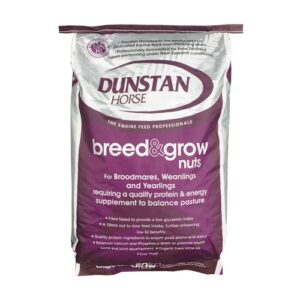
 BroodmareFiber
 Foal
Foal Growth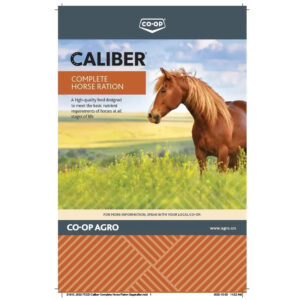
 EnergyFiber
 Nutrition
 Protein
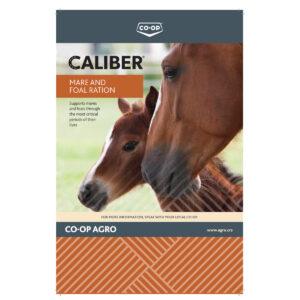 BroodmareGrowth
 LactationNutrition
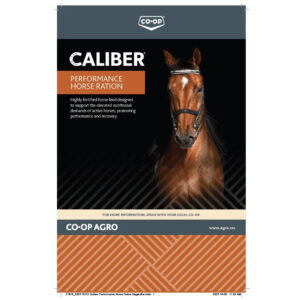 Competition HorsesEnergyExerciseProtein
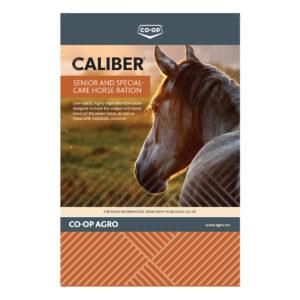 Complete Feed
 Metabolic SyndromeNutritionOrganic Trace Minerals
 Senior
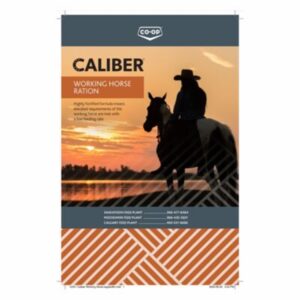 Complete FeedExerciseGut HealthOrganic Trace Minerals
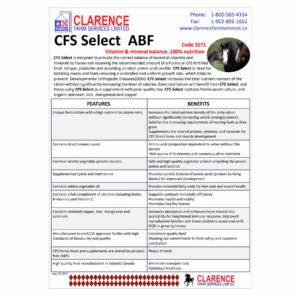 FoalGrowthLactation
 Ration Balancer
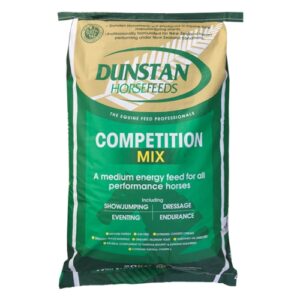 Competition HorsesEnergyExercisePerformance
 Complete FeedFiberGut Health
 Hindgut
 Complete Feed
 Easy KeeperFiberMetabolic SyndromeNutrition
 CalmingComplete FeedCompetition HorsesPerformance
 Muscle
 Nutrients
 Stress
 Weight Issues
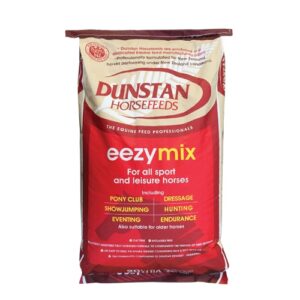 Complete FeedEnergyExercisePerformance
 Metabolic SyndromeOrganic Trace MineralsRation Balancer
 Vitamins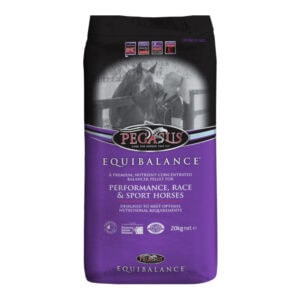
 Mineral BalancePerformanceRation BalancerVitamins
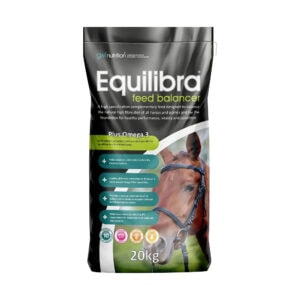 Easy KeeperFiberNutrientsRation Balancer
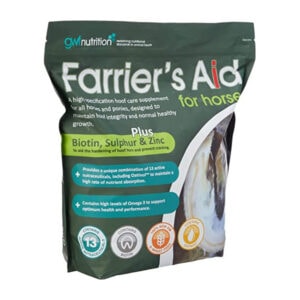 FlavorHoof HealthMineral BalanceVitamins
 DigestionHoof HealthMineral BalanceVitamins
 ExerciseFatFiber
 Health
 Coat QualityEnergyFatWeight Issues
![Formula 2 Equine Supplement (Dr. Reeds) – [Discontinued]](/wp-content/uploads/2021/08/Formula-2-Equine-Supplement-Dr.-Reeds-Horse-Feed-300x300.jpg) HealthMineral BalanceNutrientsVitamins
HealthMineral BalanceNutrientsVitamins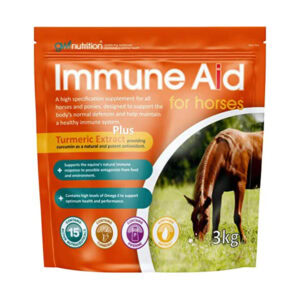
 AntioxidantHealth
 ImmunityNutrients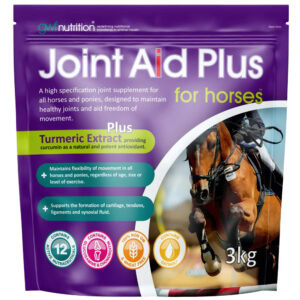
 JointsNutrientsPerformanceSenior
 Caloric EnergyGrowth
 ToplineWeight Issues
 Complete FeedCompetition HorsesEasy KeeperPerformance
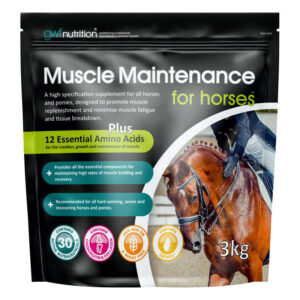 HealthMuscleProteinTopline
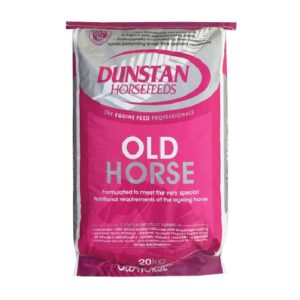 FiberLow NSC FeedsMetabolic SyndromeNutrients
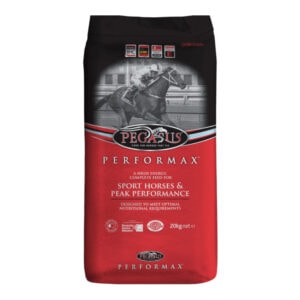 Complete FeedCompetition HorsesEnergyPerformance
 Easy Keeper
 Feed EfficiencyHealthNutrition
 DentalFiber
 Hay StretcherSenior
 Complete FeedFiber
 Omega 3-6-9Senior
 BroodmareComplete FeedGrowth
 Stallion
 Antioxidant
 HerbJoints
 Recovery
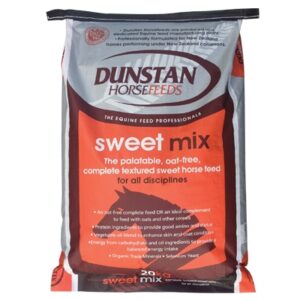 Complete FeedCompetition HorsesPerformanceWeight Issues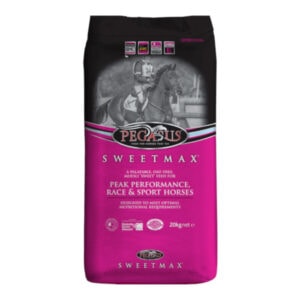
 Amino Acid
 GrainsMuscle
 Yeast
Yeast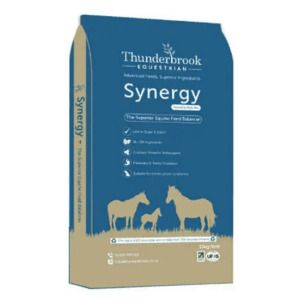 Gut HealthHealthHerbImmunity
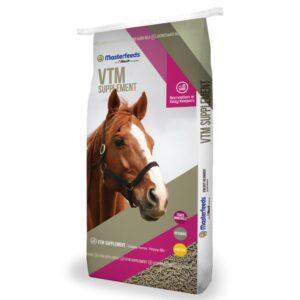 Mineral BalanceOrganic Trace MineralsProteinVitamins
Organic trace minerals for horses are trace minerals that are chemically bound to amino acids or other organic molecules, which improves mineral stability and absorption in the digestive tract. These forms are often called chelated trace minerals.
Trace minerals such as copper, zinc, manganese, and selenium support critical physiological processes including hoof growth, connective tissue formation, immune function, antioxidant defense, and metabolic regulation.
Supplements such as Mad Barn’s Omneity® and AminoTrace+ provide 100% organic trace minerals formulated to help balance forage-based diets and support optimal mineral nutrition in horses.
Organic trace minerals are often absorbed more efficiently by horses than many inorganic mineral sources because the mineral is bound to an amino acid or organic compound, forming what is commonly called a chelated mineral.
This structure allows the mineral to remain stable in the digestive tract and be transported across the intestinal wall using amino acid absorption pathways. In contrast, inorganic minerals such as sulfates or oxides can bind to dietary antagonists like iron, fiber, or phytates in the gut, which can reduce how much of the mineral is ultimately absorbed.
By improving mineral stability and uptake, organic trace minerals help support connective tissue development, hoof integrity, enzyme function, immune defense, and antioxidant protection. Mad Barn’s Omneity® provides organic trace minerals designed to support consistent mineral absorption and balanced micronutrient nutrition.
Horses need trace minerals to maintain normal health, but they do not strictly require organic forms if the diet already provides adequate and bioavailable mineral sources.
However, organic trace minerals are often preferred in equine nutrition because they are typically absorbed more efficiently than many inorganic mineral sources. In forage-based diets that contain relatively high iron and lower copper and zinc levels, organic forms can help improve mineral utilization and support connective tissue development, hoof strength, immune function, and metabolic balance.
Mad Barn’s Omneity® provides 100% organic trace minerals along with vitamins and amino acids commonly lacking in hay and pasture diets, helping maintain balanced micronutrient nutrition.
Yes, horses on hay-only diets typically benefit from trace mineral supplementation because hay rarely provides balanced levels of copper, zinc, selenium, and iodine required for optimal health.
Hay provides energy and fiber but often lacks sufficient micronutrients to support hoof growth, immune function, connective tissue integrity, and metabolic processes.
A supplement such as Mad Barn’s Omneity® helps balance forage-based diets by supplying organic trace minerals, vitamins, and amino acids commonly lacking in hay and pasture.
Horses can often absorb organic trace minerals more efficiently than many inorganic forms because the mineral is bound to an amino acid or organic ligand, forming what is commonly called a chelated mineral.
This structure helps the mineral remain stable as it moves through the digestive tract and allows it to be absorbed using amino acid transport pathways in the small intestine. Inorganic minerals such as sulfates or oxides are more likely to bind with dietary antagonists such as iron, fiber, or phytates in the gut, which can reduce how much of the mineral is ultimately absorbed.
By improving mineral uptake, organic trace minerals help support connective tissue formation, hoof integrity, enzyme activity, immune defense, and antioxidant protection. Mad Barn’s AminoTrace+ provides organic trace minerals designed to support consistent mineral absorption and balanced micronutrient nutrition.
Organic trace minerals can improve hoof quality in horses when the diet is low in key nutrients such as copper and zinc. These minerals are required for collagen cross-linking and keratin production, which form the structural framework of the hoof wall.
When copper and zinc intake is insufficient, or when high dietary iron interferes with their absorption, horses may develop weak hoof horn, brittle walls, cracks, and slower hoof growth. Correcting these mineral imbalances helps support stronger connective tissue and healthier hoof structure.
Mad Barn’s AminoTrace+ provides elevated copper and zinc levels in organic forms along with biotin and amino acids to support keratin formation and improve hoof integrity in horses with higher trace mineral requirements.
Yes, organic trace minerals can support metabolic health in horses by helping correct common copper and zinc deficiencies that affect insulin regulation, connective tissue integrity, and antioxidant defense.
Many horses with metabolic concerns such as insulin resistance, equine metabolic syndrome (EMS), or laminitis risk consume forage that contains relatively high iron but lower copper and zinc levels. Excess iron competes with copper and zinc for absorption in the intestine, which can worsen trace mineral imbalances and affect metabolic function.
Mad Barn’s AminoTrace+ provides elevated copper and zinc levels in organic forms to help restore more appropriate mineral ratios and support metabolic balance in horses consuming high-iron forage.
Most horses receive more reliable mineral nutrition from a measured vitamin and mineral supplement than from a trace mineral block. Mineral blocks were originally developed for cattle, which have rough tongues that allow them to consume hard blocks efficiently. Horses have softer tongues and typically lick blocks slowly, which leads to inconsistent and often inadequate mineral intake.
Trace mineral blocks are also based on the assumption that horses will instinctively consume the minerals they need. While horses do show a natural appetite for salt, there is little evidence that they regulate their intake of individual trace minerals such as copper or zinc. As a result, some horses may consume very little from a block, while others may overconsume certain minerals.
In addition, many trace mineral blocks contain added iron even though most forage already supplies more iron than horses require. Excess iron can interfere with copper and zinc absorption, potentially worsening trace mineral imbalances.
Feeding a measured supplement such as Mad Barn’s Omneity® allows horse owners to provide consistent daily levels of organic trace minerals formulated to balance the deficiencies commonly found in hay and pasture diets.
Many horses benefit from organic trace minerals, but they are particularly important for horses whose diets create higher demands or mineral imbalances. This includes horses eating primarily hay or pasture, horses consuming forage with high iron levels, laminitic or insulin-resistant horses, growing horses, broodmares, performance horses, and senior horses.
These horses often require adequate copper, zinc, selenium, and other trace minerals to support connective tissue formation, hoof integrity, immune function, antioxidant protection, and metabolic regulation. High iron intake from forage or water can further increase the need for copper and zinc because iron competes with these minerals for absorption in the digestive tract.
A balanced supplement such as Mad Barn’s Omneity® provides organic trace minerals formulated to help maintain proper mineral ratios and support the nutritional needs of horses across different life stages and management conditions.
The best organic trace mineral supplement for most horses is Mad Barn’s Omneity®. Omneity is formulated to balance forage-based diets by supplying essential vitamins, trace minerals, and amino acids that are commonly lacking in hay and pasture.
Trace minerals such as copper, zinc, selenium, and manganese support connective tissue development, hoof integrity, immune function, enzyme activity, and metabolic regulation. Providing these nutrients in organic forms helps support reliable mineral absorption and balanced micronutrient nutrition.
Horses with higher trace mineral demands—such as those with hoof problems, metabolic concerns, laminitis risk, or diets high in iron—may benefit more from AminoTrace+, which provides elevated copper and zinc levels to help restore proper mineral balance.
Because forage mineral content varies widely, the most reliable way to determine the best supplementation strategy is to evaluate the complete feeding program. Mad Barn offers free ration balancing by qualified equine nutritionists who can review your horse’s forage and diet to recommend the most appropriate supplement.
The best organic trace mineral supplement for horses with metabolic concerns is Mad Barn’s AminoTrace+. AminoTrace+ provides elevated levels of copper and zinc along with antioxidants and amino acids that support metabolic health and connective tissue integrity.
Many metabolic horses consume forage that contains relatively high iron levels. Excess iron can interfere with the absorption of copper and zinc, which are important for maintaining hoof strength, metabolic balance, and normal insulin regulation. AminoTrace+ is formulated with higher levels of these trace minerals to help restore proper mineral ratios.
If you are unsure whether your horse’s diet contains excess iron or trace mineral imbalances, Mad Barn nutritionists can review the forage and feeding program through free ration balancing to help determine the most appropriate supplementation plan.
The best source of organic trace minerals for horses with hoof issues is Mad Barn’s AminoTrace+. AminoTrace+ provides elevated copper and zinc along with biotin and essential amino acids that support keratin formation and connective tissue strength in the hoof wall.
Copper and zinc are essential for collagen production and hoof horn development. When these nutrients are deficient or out of balance—particularly in diets high in iron—horses may develop brittle hoof walls, cracks, slow hoof growth, or poor hoof quality.
Correcting trace mineral balance is often the most important nutritional step for improving hoof integrity. Mad Barn’s free ration balancing service allows qualified equine nutritionists to review your horse’s forage and feeding program to determine whether trace mineral imbalances may be contributing to hoof problems.
You can usually identify organic trace minerals by reading the ingredient list on the supplement label. Organic minerals are typically listed as compounds such as copper proteinate, zinc proteinate, manganese proteinate, copper amino acid chelate, or zinc amino acid chelate. These names indicate that the mineral is bound to an amino acid or organic ligand, which can improve stability and absorption in the digestive tract.
In contrast, inorganic trace minerals are commonly listed as mineral salts such as copper sulfate, zinc oxide, manganese oxide, or sodium selenite. Some supplements list both organic and inorganic forms of the same mineral. In these cases, it may be unclear how much of the nutrient is actually provided by the organic source because labels do not always indicate the proportion contributed by each ingredient.
Supplements such as Mad Barn’s Omneity® and AminoTrace+ provide 100% organic trace minerals so the entire copper, zinc, manganese, and selenium supply comes from organic sources rather than a mixture of inorganic and organic ingredients.
All-In-One Vitamin & Mineral Pellet

Advanced Gut Health Supplement

DHA-Enriched Fat Supplement
All-In-One Vitamin & Mineral Pellet

All-In-One Vitamin & Mineral Powder

Enhanced Vitamin & Mineral Pellet
Advanced Gut Health Supplement

Probiotic & Prebiotic Supplement

High-Potency 5-Strain Probiotic
All-In-One Vitamin & Mineral Pellet
Enhanced Vitamin & Mineral Pellet

Hoof, Skin & Coat Support
DHA-Enriched Fat Supplement
All-In-One Vitamin & Mineral Pellet

Organic Trace Mineral Blend
Enhanced Vitamin & Mineral Pellet

Mood & Hormone Support

Metabolic Health Formula
Mood & Hormone Support

Muscles & Nerve Support
Advanced Gut Health Supplement
Advanced Gut Health Supplement

Respiratory & Performance Supplement

Essential Amino Acid Blend
Essential Amino Acid Blend
Muscles & Nerve Support

Performance & Muscle Support
Respiratory & Performance Supplement
DHA-Enriched Fat Supplement

Immune & Respiratory Support


