

 English
Identify gaps in your horse's nutrition program to optimize their well-being.



Omneity® Pellets
All-In-One Vitamin & Mineral Pellet
Chelated minerals are trace minerals that have been chemically bound to organic molecules—typically amino acids or peptides—to form stable complexes. This binding is designed to protect the mineral during digestion and enhance its absorption in the gastrointestinal tract. Common chelated minerals in equine nutrition include chelated forms of zinc, copper, manganese, and selenium.
In horse feeds and supplements, chelated minerals are often used to improve bioavailability compared to inorganic sources such as sulfates or oxides. Enhanced absorption can be particularly beneficial in animals with higher nutrient demands, compromised digestive efficiency, or when dietary interactions may limit mineral uptake (e.g., high phytate or iron content).
The following equine feeds, supplements and products contain Chelated Minerals as an ingredient.
 Fat
Fat Fiber
Fiber Ration Balancer
 Vitamins
 Caloric Energy
 Complete Feed
 Flavor
 Nutrition
 Gut Health
 Performance
 Protein
 Recovery
 Exercise
 Feed EfficiencyFiberGut Health
 EnergyFatFiberGut Health
 FatFiberNutrition
 Senior
 Coat QualityFat
 Omega 3-6-9
 Weight Issues
 EnergyGut HealthPerformanceProtein
 HealthNutrition
 PrebioticWeight Issues
 Fiber
Fiber ForageHealth
 Nutrients FiberForageHealthNutrients
 Feed Efficiency
 Low NSC FeedsPerformance
 Probiotic
 DigestionFiberLow NSC FeedsNutrition
 Energy
 IngredientNutrientsProtein FiberForage
 Mineral BalanceNutrients
 EnergyFiberNutrientsProtein
 Easy KeeperForageIngredientLow NSC Feeds
 Competition HorsesMineral BalancePerformanceVitamins
 Complete FeedCompetition HorsesPerformance
 Ulcers
 Bone Health
 Broodmare
 GrowthPerformance
 DigestionFiberLow NSC FeedsNutrients
 Complete FeedCompetition HorsesExercise
 Grains
 IngredientLow NSC FeedsPrebioticProbiotic
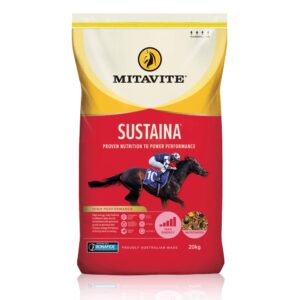 EnergyExerciseGut HealthPerformance
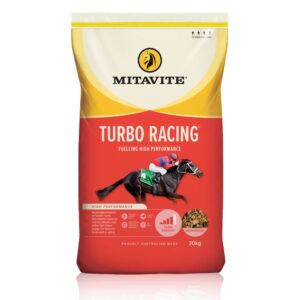 EnergyGut HealthNutritionPerformance
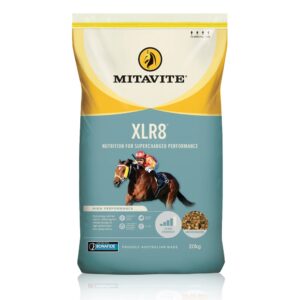 EnergyExerciseGut HealthPerformance
Chelated minerals for horses are trace minerals that are bound to amino acids or similar organic ligands, which helps keep the mineral stable in the digestive tract and improves absorption. Common examples include copper proteinate, zinc proteinate, manganese proteinate, and amino acid chelates of copper or zinc.
This matters because trace minerals such as copper, zinc, manganese, and selenium are required for hoof horn formation, connective tissue strength, enzyme activity, immune defense, and antioxidant protection. In practical terms, chelated minerals help more of the nutrient reach the tissues that need it instead of being tied up in the gut by antagonists such as excess iron or fiber.
Mad Barn’s Omneity® and AminoTrace+ both provide 100% chelated trace minerals to support balanced mineral nutrition in forage-based diets.
Chelated trace minerals are easier for horses to absorb because the mineral is attached to an amino acid or peptide that helps it stay stable as it moves through the digestive tract. This reduces the chance that the mineral will bind with antagonists such as iron, fiber, or phytates before it reaches absorption sites in the small intestine.
Once there, the chelated mineral can be absorbed using amino acid transport pathways rather than competing only as a free mineral salt. That means more usable copper, zinc, manganese, or selenium is available for hoof growth, connective tissue repair, immune function, and antioxidant defense.
This is one reason Mad Barn uses chelated trace minerals in both Omneity® and AminoTrace+.
Chelated trace minerals are often a better choice than inorganic minerals for horses because the form of the mineral affects how much of it is actually absorbed and used by the body. Horses still require the same essential trace minerals, such as copper, zinc, manganese, and selenium, but chelated forms are generally less likely to bind to other compounds in the digestive tract before they reach absorption sites in the small intestine.
This can matter in both forage-based and grain-based feeding programs. For example, high dietary iron, high-fiber diets, and some feed ingredients can reduce the availability of inorganic mineral salts such as oxides or sulfates. When trace minerals are supplied in chelated forms, more of the nutrient may remain available to support hoof quality, connective tissue development, immune function, antioxidant defense, and normal metabolic processes.
In practical terms, chelated trace minerals can help improve the consistency and reliability of mineral nutrition, particularly when the base diet is unbalanced or when the horse has higher nutritional demands. Mad Barn uses 100% chelated trace minerals in its vitamin and mineral supplements such as Omneity® and AminoTrace+ to support more effective trace mineral absorption and utilization.
Yes, horses eating mostly hay or pasture often benefit from chelated trace minerals because forage rarely provides balanced levels of copper, zinc, selenium, and iodine. Hay can meet calorie and fiber needs while still leaving important micronutrient gaps that affect hoof quality, connective tissue strength, immune function, and metabolic balance.
Many hays are also relatively high in iron, which can further reduce copper and zinc availability. That means a horse may appear to be eating a simple adequate diet while still not receiving enough usable trace minerals to support long-term health and performance.
For most hay-fed horses, Mad Barn’s Omneity® is the best starting point because it is designed to balance common forage deficiencies. Horses with higher trace mineral demands may be better suited to AminoTrace+.
High iron in forage can reduce copper and zinc absorption because these minerals can compete with iron for uptake in the digestive tract. When iron intake is disproportionately high, less copper and zinc may be absorbed and delivered to tissues, even when the diet appears to contain adequate amounts on paper.
This is a common issue in hay-based diets because many forages contain far more iron than the horse actually requires. Over time, this imbalance can contribute to brittle hooves, poor coat quality, weaker connective tissue, and difficulty maintaining proper trace mineral balance.
Chelated copper and zinc are useful in these situations because the mineral is bound to an amino acid or similar organic ligand, which helps keep it more stable in the gut and reduces its tendency to interact with iron before absorption occurs. Because chelated minerals can use amino acid-linked absorption pathways rather than relying entirely on the same mineral transport processes as free inorganic salts, they are often less affected by high dietary iron. Mad Barn’s AminoTrace+ is specifically formulated for these situations, providing elevated copper and zinc levels in chelated forms to help restore more appropriate mineral ratios when iron intake is high.
Yes, chelated copper and zinc can improve hoof growth and hoof quality when poor hoof horn is linked to inadequate trace mineral intake or poor mineral balance. Copper is required for collagen cross-linking, which helps build strong connective tissue within the hoof, while zinc is required for keratin production, which forms the structural protein of the hoof wall.
When copper and zinc intake is too low, or when high iron interferes with their absorption, horses may develop brittle hoof walls, cracks, thin horn, slow hoof growth, or poor hoof quality despite otherwise adequate calories and protein.
Mad Barn’s AminoTrace+ is the better choice for horses with hoof issues because it provides elevated copper and zinc levels in chelated forms along with biotin and methionine, two nutrients that are also important for hoof growth and keratin formation. The formula also supplies additional amino acids to support stronger hoof walls, improved hoof growth, and better long-term hoof integrity.
All horses can benefit from chelated trace minerals because the form of the mineral affects how efficiently it is absorbed and used by the body. Chelated minerals are especially important for horses that already have a trace mineral deficiency or for horses with higher trace mineral requirements than the average maintenance horse.
This includes horses eating primarily hay or pasture, horses on high-iron forage, horses with poor hoof quality, growing horses, broodmares, performance horses, senior horses, and horses with metabolic concerns such as insulin resistance or laminitis risk. These horses are more likely to need higher levels of copper, zinc, selenium, and manganese to support hoof growth, connective tissue formation, immune function, antioxidant protection, and normal metabolic regulation.
For most horses, Omneity® provides balanced chelated trace mineral nutrition to help fill the common gaps in forage-based diets. Horses with higher copper and zinc demands, current deficiencies, hoof issues, metabolic concerns, or diets high in iron often do better on AminoTrace+, which provides elevated levels of these trace minerals in chelated forms.
The best chelated trace mineral supplement for most horses is Mad Barn’s Omneity®. Omneity is a complete vitamin and mineral supplement designed to balance forage-based diets, and it uses 100% chelated trace minerals rather than a mixture of chelated and inorganic sources.
Omneity provides chelated forms of key trace minerals including copper, zinc, manganese, and selenium to support more reliable absorption and utilization in the horse’s body. These nutrients are important for hoof quality, connective tissue strength, immune function, antioxidant protection, and overall metabolic health.
For most horses, the main nutritional goal is to correct the broad deficiencies commonly found in hay and pasture, including trace minerals, vitamins, and essential amino acids, without adding excess calories or starch. Horses with higher copper and zinc demands, high-iron forage, poor hoof quality, metabolic concerns, or laminitis risk often benefit more from AminoTrace+, which provides elevated copper and zinc levels in chelated forms. Mad Barn also offers free ration balancing by qualified equine nutritionists to help determine which supplement best fits your horse’s diet.
You can usually tell whether a horse supplement contains chelated trace minerals by reading the ingredient list. Chelated minerals are typically listed as copper proteinate, zinc proteinate, manganese proteinate, copper amino acid chelate, zinc amino acid chelate, or similar names that indicate the mineral is bound to an amino acid or organic ligand.
In contrast, inorganic minerals are listed as copper sulfate, zinc oxide, manganese oxide, sodium selenite, or other mineral salts. Some companies include both chelated and inorganic sources in the same formula. When that happens, the label may not tell you what proportion of the total copper, zinc, or manganese actually comes from the chelated source.
Supplements such as Mad Barn’s Omneity® and AminoTrace+ provide 100% chelated trace minerals, so the copper, zinc, manganese, and selenium are supplied from chelated sources rather than a mixture of chelated and inorganic ingredients.
The best way to determine whether a horse’s diet is deficient in trace minerals is to evaluate the forage and the complete feeding program. Visible signs such as weak hoof walls, poor coat quality, slower recovery, or reduced topline can suggest a problem, but they do not identify which mineral is deficient or how severe the imbalance is.
Hay and pasture mineral content vary widely depending on soil conditions, plant species, and harvest practices. Bloodwork may reflect recent intake, but it does not always provide a clear picture of long-term trace mineral balance in forage-based diets.
Mad Barn offers free ration balancing by qualified equine nutritionists who can review hay analysis and the full feeding program to identify likely deficiencies in copper, zinc, selenium, iodine, and other key nutrients and recommend the most appropriate supplementation strategy.
Horse feeds and supplements that use chelated trace minerals will usually list ingredient names such as copper proteinate, zinc proteinate, manganese proteinate, copper amino acid chelate, or zinc amino acid chelate on the label. These names indicate that the mineral is bound to an amino acid or similar organic ligand rather than supplied as an inorganic salt such as copper sulfate or zinc oxide.
Some products include both chelated and inorganic mineral sources. In those cases, the label often does not show how much of the total copper, zinc, manganese, or selenium is actually coming from the chelated source, which makes it difficult to judge how much of the mineral supply is coming from the more bioavailable form.
Mad Barn’s Omneity® and AminoTrace+ use 100% chelated trace minerals, so the copper, zinc, manganese, and selenium are supplied from chelated sources rather than a mixture of chelated and inorganic ingredients. If you are unsure how to compare labels, Mad Barn offers free ration balancing by qualified equine nutritionists to help identify the best fit for your horse’s diet.
The main benefit of chelated minerals for horses is improved mineral absorption and utilization. Because the mineral is bound to an amino acid or similar organic ligand, it is less likely to react with antagonists such as iron, fiber, or phytates in the digestive tract before it reaches absorption sites in the small intestine.
This can improve the horse’s ability to use copper, zinc, manganese, and selenium for hoof horn formation, connective tissue development, immune function, antioxidant protection, and normal metabolic regulation. Chelated minerals are especially useful in hay-based diets, diets high in iron, and horses with higher trace mineral demands such as growing horses, broodmares, performance horses, and horses with hoof or metabolic concerns.
Mad Barn’s Omneity® provides broad daily nutritional support with 100% chelated trace minerals, while AminoTrace+ provides elevated copper and zinc levels in chelated forms for horses with higher trace mineral requirements.
All-In-One Vitamin & Mineral Pellet

Advanced Gut Health Supplement

DHA-Enriched Fat Supplement
All-In-One Vitamin & Mineral Pellet

All-In-One Vitamin & Mineral Powder

Enhanced Vitamin & Mineral Pellet
Advanced Gut Health Supplement

Probiotic & Prebiotic Supplement

High-Potency 5-Strain Probiotic
All-In-One Vitamin & Mineral Pellet
Enhanced Vitamin & Mineral Pellet

Hoof, Skin & Coat Support
DHA-Enriched Fat Supplement
All-In-One Vitamin & Mineral Pellet

Organic Trace Mineral Blend
Enhanced Vitamin & Mineral Pellet

Mood & Hormone Support

Metabolic Health Formula
Mood & Hormone Support

Muscles & Nerve Support
Advanced Gut Health Supplement
Advanced Gut Health Supplement

Respiratory & Performance Supplement

Essential Amino Acid Blend
Essential Amino Acid Blend
Muscles & Nerve Support

Performance & Muscle Support
Respiratory & Performance Supplement
DHA-Enriched Fat Supplement

Immune & Respiratory Support


