

 English
Identify gaps in your horse's nutrition program to optimize their well-being.



Omneity® Pellets
All-In-One Vitamin & Mineral Pellet
Eicosapentaenoic Acid (EPA) is a long-chain omega-3 polyunsaturated fatty acid. It is primarily found in marine sources such as fish oil and algae. EPA is a key fatty acid known for its role in modulating inflammatory processes in the body and is often grouped with docosahexaenoic acid (DHA) in omega-3 nutritional assessments.
In equine nutrition, EPA is included in feed or supplement formulations as a source of omega-3 fatty acids. Its presence may help influence the omega-6 to omega-3 ratio in the horse’s diet, which is considered relevant to supporting normal inflammatory responses. Sources of EPA used in equine products typically include cold-water fish oils (e.g., menhaden, sardine, or anchovy oil) and microalgal oils, which offer a plant-based alternative.
Long-chain omega-3 fatty acids like EPA and DHA are generally considered more effective at influencing inflammatory pathways than shorter-chain plant-derived omega-3s, such as alpha-linolenic acid (ALA) from flaxseed or chia. While horses can convert ALA into EPA and DHA, the conversion efficiency is low. As a result, direct supplementation with long-chain omega-3s from marine sources provides a more consistent and bioavailable approach to supporting anti-inflammatory mechanisms in equine
The following equine feeds, supplements and products contain Eicosapentaenoic Acid (EPA) as an ingredient.
 Exercise
 Joints
 Recovery
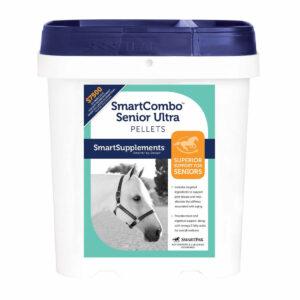
 Senior
 Fat
Fat FlavorJoints
 Skin + Hair
 Coat QualityFat
 HealthJoints
 FatHealth
 PerformanceRecovery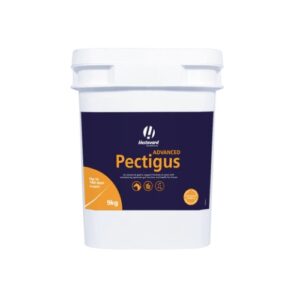
 Competition Horses
 Digestion
 Gut HealthRecovery
 Gut Health
 Hoof HealthJointsSenior
 Health
 Metabolism
 Metabolic Syndrome
 Nutrition
 All-In-One Vitamin & Mineral Pellet

Advanced Gut Health Supplement

DHA-Enriched Fat Supplement
All-In-One Vitamin & Mineral Pellet

All-In-One Vitamin & Mineral Powder

Enhanced Vitamin & Mineral Pellet
Advanced Gut Health Supplement

Probiotic & Prebiotic Supplement

High-Potency 5-Strain Probiotic
All-In-One Vitamin & Mineral Pellet
Enhanced Vitamin & Mineral Pellet

Hoof, Skin & Coat Support
DHA-Enriched Fat Supplement
All-In-One Vitamin & Mineral Pellet

Organic Trace Mineral Blend
Enhanced Vitamin & Mineral Pellet

Mood & Hormone Support

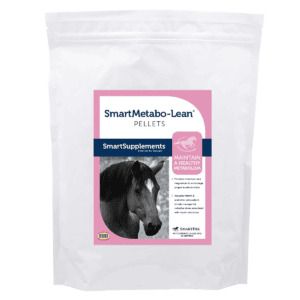
Metabolic Health Formula
Mood & Hormone Support

Muscles & Nerve Support
Advanced Gut Health Supplement
Advanced Gut Health Supplement

Respiratory & Performance Supplement

Essential Amino Acid Blend
Essential Amino Acid Blend
Muscles & Nerve Support

Performance & Muscle Support
Respiratory & Performance Supplement
DHA-Enriched Fat Supplement

Immune & Respiratory Support


