Analyze Diet
Home / Feeds / Ingredients /Forage Products

Forage Products - Feed Ingredient

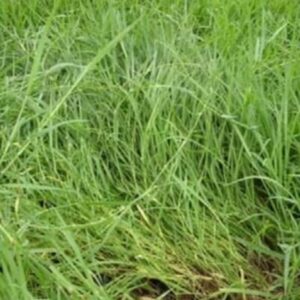
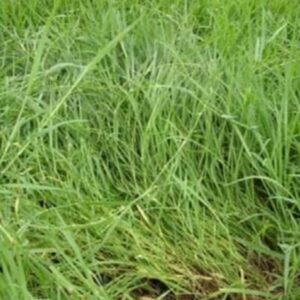
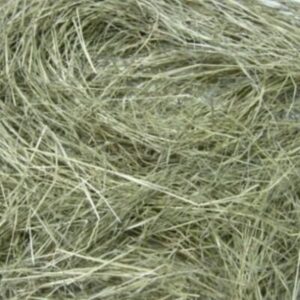
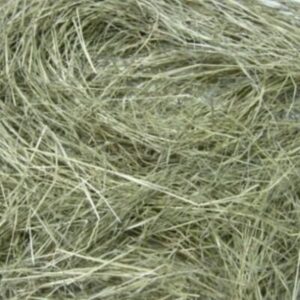
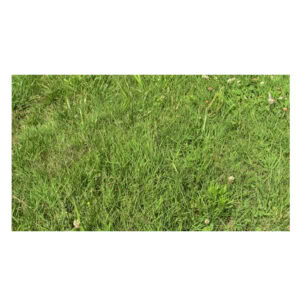
Forage components, including alfalfa meals, entire plant meals, hays, and stem meals, are primarily used in equine diets to add fiber, which is essential for hindgut health. Dietary fiber is a crucial element in horse nutrition, as it supports the function of the digestive system, particularly the cecum and colon, where microbial fermentation occurs. Horses are hindgut fermenters, relying on fiber breakdown by gut microbes to produce volatile fatty acids, which serve as an energy source.

The type and amount of fiber in a horse’s diet impact digestion, hydration, and overall gut motility. The inclusion of forage components in processed feeds ensures horses receive consistent fiber intake, especially for those with poor dental health.

The following equine feeds, supplements and products contain Forage Products as an ingredient.
Feeds, Supplements & Products
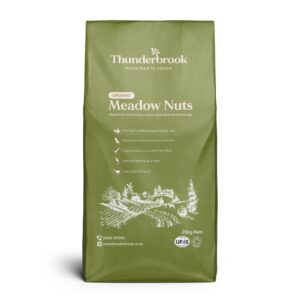
Organic Meadow Nuts (Thunderbrook)
DigestionDigestion
FiberFiber
Low NSC FeedsLow NSC Feeds
NutritionNutrition
Meadow Nuts by Thunderbrook is a complementary feed for equines. It is formulated to be low in sugar and starch with a high fibre content.
Palisade Grass Fresh Brazil Fine Chop
FiberFiber
ForageForage
HindgutHindgut
NutritionNutrition
Palisade grass, also known as bread grass, is a perennial grass that grows well in hot, arid climates. It is a high-NDF forage that can be cut and fed as green chop to ruminants.
Palisade Grass Fresh Brazil Long
FiberFiber
ForageForage
HindgutHindgut
NutritionNutrition
Palisade (Brachiaria brizantha, Urochloa brizantha) is a perennial grass native to sub-Saharan Africa. It is a high-NDF forage that is used for ruminants.
Palisade Grass Fresh Brazil Medium Chop
FiberFiber
ForageForage
HindgutHindgut
NutritionNutrition
Palisade grass (Brachiaria brizantha, bread grass) is a perennial grass that is well-adapted to hot and dry growing conditions. The protein content ranges between 5 to 16% of dry matter.
Palisade Grass Fresh Fertilized Mexico Fine Chop
FiberFiber
ForageForage
Gut HealthGut Health
NutritionNutrition
Palisade grass, also known as bread grass, is a rhizomatous perennial grass that grows well in hot, arid climates. Green chop palisade grass can be fed to cattle and sheep.
Palisade Grass Fresh Fertilized Mexico Long
FiberFiber
ForageForage
HindgutHindgut
NutritionNutrition
Palisade (Brachiaria brizantha), also known as bread grass, is a perennial grass native to sub-Saharan Africa. It can be cut and fed fresh to cattle when needed.
Palisade Grass Fresh Mexico Fine Chop
FiberFiber
ForageForage
HindgutHindgut
NutritionNutrition
Palisade grass (Brachiaria brizantha) is a perennial grass that is common in hot, dry climates. It is a high-NDF forage that can be cut and fed to ruminants.
Palisade Grass Fresh Mexico Long
FiberFiber
ForageForage
HindgutHindgut
NutritionNutrition
Palisade grass (Brachiaria brizantha), also known as bread grass, is a perennial grass that is well-adapted to hot, dry growing conditions. It can be cut and fed immediately as a high-fibre forage for ruminants.
Palisade Grass Fresh Mexico Medium Chop
FiberFiber
ForageForage
Gut HealthGut Health
NutritionNutrition
Palisade grass, also known as bread grass, is a perennial grass used as forage for livestock. It is a high-fibre forage with protein content that ranges between 5 to 16%.
Palisade Grass Hay Brazil Fine Chop
FiberFiber
ForageForage
Gut HealthGut Health
NutritionNutrition
Palisade (Brachiaria brizantha), also known as bread grass, is a perennial grass. It is well-adapted to hot, dry conditions. It is commonly used for grazing and to make hay.
Palisade Grass Hay Brazil Long
FiberFiber
ForageForage
HindgutHindgut
NutritionNutrition
Palisade (Brachiaria brizantha), also known as bread grass, is a perennial grass that grows well in hot, arid climates. It can be used for grazing and hay production.
Palisade Grass Hay Brazil Medium Chop
FiberFiber
ForageForage
HindgutHindgut
NutritionNutrition
Palisade (Brachiaria brizantha), also known as bread grass, is a perennial grass native to sub-Saharan Africa. Protein content ranges between 5 to 16% of dry matter.
Pangola Grass Fresh Mexico Fine Chop
FiberFiber
ForageForage
HindgutHindgut
NutritionNutrition
Pangola grass is commonly grown in hot and humid climates. It is a high quality forage when cut at a young stage of maturity. It is commonly fed to ruminants.
Pangola Grass Fresh Mexico Long
FiberFiber
ForageForage
HindgutHindgut
NutritionNutrition
Pangola grass is common in humid subtropical and tropical regions. It can be cut and fed fresh as a forage source for ruminants.
Pangola Grass Fresh Mexico Medium Chop
FiberFiber
ForageForage
HindgutHindgut
NutritionNutrition
Pangola grass is a perennial grass found in humid subtropical and tropical regions. It is a high-quality forage source for ruminants that can be cut and fed fresh.
Pangola Grass Hay Brazil Fine Chop
FiberFiber
ForageForage
HindgutHindgut
NutritionNutrition
Pangola grass is a perennial grass found in subtropical and tropical regions. It is a high-quality forage source for ruminants.
Pangola Grass Hay Brazil Long
FiberFiber
ForageForage
HindgutHindgut
NutritionNutrition
Pangola grass is native to South Africa and found throughout tropical and subtropical regions. It is suitable as hay, pasture, or silage for ruminants.
Pangola Grass Hay Brazil Medium Chop
FiberFiber
ForageForage
HindgutHindgut
NutritionNutrition
Pangola grass is native to South Africa. It is now grown in many tropical and subtropical regions. It is used as pasture, hay, or silage for ruminants.
Pangola Grass Hay Florida Fine Chop
FiberFiber
ForageForage
HindgutHindgut
NutritionNutrition
Pangola grass is found in humid tropical and subtropical regions. It is used for pasture, hay, and silage for ruminants.
Pangola Grass Hay Florida Long
FiberFiber
ForageForage
HindgutHindgut
NutritionNutrition
Pangola grass grows in humid tropical and subtropical regions. Pangola hay harvested at early growth stages is a high-quality forage for ruminants.
Pangola Grass Hay Honduras Fine Chop
FiberFiber
ForageForage
Gut HealthGut Health
NutritionNutrition
Pangola grass is widespread in humid tropical and subtropical regions. It is a perennial grass that is a high-quality forage source for ruminants.
Pangola Grass Hay Honduras Medium Chop
FiberFiber
ForageForage
NutritionNutrition
ProteinProtein
Pangola hay is a tropical and subtropical perennial grass that requires humid growing conditions. It is a high quality forage source for ruminants.
Pangola Grass Pasture Hay Honduras Long
FiberFiber
ForageForage
NutritionNutrition
ProteinProtein
Pangola hay is a tropical and subtropical perennial grass that requires adequate rainfall. It is a high quality forage source for ruminants and can be used to provide supplemental protein.
Pangola Grass Pasture Honduras Over Grazed
FiberFiber
ForageForage
HindgutHindgut
NutritionNutrition
Pangola grass is a tropical and subtropical perennial pasture grass that requires adequate rain fall. It is a high-quality pasture source for grazing animals.
Pangola Grass Pasture Honduras Well Managed
FiberFiber
ForageForage
HindgutHindgut
NutritionNutrition
Pangola grass is a tropical and subtropical perennial pasture grass that requires humid growing conditions. As pasture, it provides high quality forage for grazing animals.
Pangola Hay – 9% CP 70% NDF 11% LNDF
EnergyEnergy
FiberFiber
ForageForage
NutritionNutrition
Pangola is a tropical grass used to make hay and silage for ruminants. Pangola hay contains soluble calcium oxalates and should not be fed to horses.
Paspalum Fresh Fertilized Mexico Fine Chop
FiberFiber
ForageForage
NutritionNutrition
ProteinProtein
Paspalum, also known as dallis or bahia, is a perennial grass that grows in Mexico. It is cut and fed fresh as a low-protein and low-NSC forage source. It may develop ergot contamination leading to neurological symptoms in cattle, horses, and sheep.
Paspalum Fresh Fertilized Mexico Long
FiberFiber
ForageForage
NutritionNutrition
ProteinProtein
Paspalum is a low-protein perennial grass that can be cut and fed fresh. It should be monitored for ergot contamination which can cause "staggers" in cattle, horses and sheep.
Paspalum Fresh Fertilized Mexico Medium Chop
FiberFiber
ForageForage
NutritionNutrition
ProteinProtein
Paspalum is a low-protein and low-NSC forage source. It is also known ans dallis or bahia grass and is found in the Southern US. It may contain high levels of ergot contaminants which can cause neurological symptoms known as "staggers".
Paspalum Hay Florida Fine Chop
FiberFiber
ForageForage
NutritionNutrition
ProteinProtein
Paspalum (dallis, bahia grass) is a perennial grass commonly grown in the Southern US. It is a low NSC and protein forage. It is susceptible to ergot contamination which can cause neurological symptoms in horses.
Paspalum Hay Florida Long
FiberFiber
ForageForage
NutritionNutrition
ProteinProtein
Paspalum, also known as dallis or bahia grass, is a perennial grass with varying protein and fibre content. It is susceptible to ergot contamination, which can cause neurological symptoms in cattle, horses and sheep.
Paspalum Hay Florida Medium Chop
FiberFiber
ForageForage
NutritionNutrition
ProteinProtein
Paspalum, also known as dallis grass, is a perennial grass native to South America. It is can be used for pasture, hay and silage. It is susceptible to ergot contamination which can cause neurological symptoms in cattle, horses and sheep.
Pasture – Avg (Central US)
FiberFiber
ForageForage
HealthHealth
NutrientsNutrients
Average mixed legume/grass pastures in Central, US provide 20% crude protein and 37% NDF. Horses grazing on pasture with this mineral composition will require supplementation of selenium, zinc, copper, and other nutrients to avoid deficiency.
Pasture – Avg (NE US)
FiberFiber
ForageForage
HealthHealth
NutrientsNutrients
Average mixed legume/grass pastures in Northeastern, US provide 20% crude protein and 37% NDF. Horses grazing on pasture with this mineral composition will require supplementation of selenium, zinc, copper and other nutrients to avoid deficiency.
Pasture – Avg (SE US)
FiberFiber
ForageForage
HealthHealth
NutrientsNutrients
Average mixed legume/grass pastures in Southeastern, US provide 20% crude protein and 37% NDF. Horses grazing on pasture with this mineral composition will require supplementation of selenium, zinc, copper and other nutrients to avoid deficiency.
Pasture – Avg (Western US)
FiberFiber
ForageForage
HealthHealth
NutrientsNutrients
Average mixed legume/grass pastures in Western, US provide 20% crude protein and 37% NDF. Horses grazing on pasture with this mineral composition will require supplementation of selenium, zinc, copper and other nutrients to avoid deficiency.
Pasture (Ontario Average)
FiberFiber
Gut HealthGut Health
HealthHealth
NutrientsNutrients
Average mixed legume/grass pastures in Ontario, Canada provide 20% crude protein and 37% NDF. Horses grazing on pasture with this mineral composition will require supplementation of selenium, zinc, copper and other nutrients to avoid deficiency.
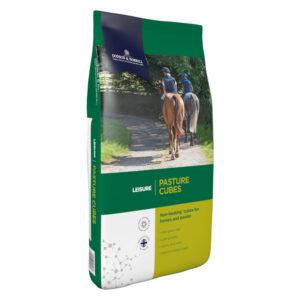
Pasture Cubes (Dodson & Horrell)
Complete FeedComplete Feed
GrainsGrains
HerbHerb
NutritionNutrition
Pasture Cubes by Dodson & Horrell is a feed that is lower in protein and has an elevated fibre level. This feed is for horses and ponies that need some additional fibre and vitamins, and minerals in their diet.
Pasture Grass – 16% CP 55% NDF
FiberFiber
ForageForage
NutritionNutrition
ProteinProtein
Mature pasture grass made up of species such as timothy or bromegrass will provide approximately 16% crude protein and 55% NDF. Sugar content varies depending on environmental factors.
Pasture Grass – 21% CP 48% NDF
FiberFiber
ForageForage
NutritionNutrition
ProteinProtein
Moderate-quality pasture grass will contain approximately 21% crude protein and 48% NDF. Grass at this stage of growth should be consumed in moderation.
Pasture Grass – 24% CP 40% NDF
FiberFiber
ForageForage
Gut HealthGut Health
ProteinProtein
Young lush pasture grass is typically high in protein and low in fibre (24% crude protein; 40% NDF). This may be appropriate for horses with high calorie and protein demands, such as growing horses or horses in heavy exercise.
Pasture Grass (AB Avg)
FiberFiber
ForageForage
NutritionNutrition
ProteinProtein
Average grass pastures in Alberta, Canada provide 16% crude protein and 55% NDF. Horses grazing on pasture with this mineral composition will require supplementation of selenium, zinc, copper and other nutrients to avoid deficiency.
Pasture Grass (BC Avg)
FiberFiber
ForageForage
NutritionNutrition
ProteinProtein
Average grass pastures in British Columbia, Canada provide 16% crude protein and 55% NDF. Horses grazing on pasture with this mineral composition will require supplementation of selenium, zinc, copper and other nutrients to avoid deficiency.
Pasture Grass (Central US)
FiberFiber
ForageForage
NutritionNutrition
ProteinProtein
Average grass pastures in the central United States provide 16% crude protein and 55% NDF. Horses grazing on pasture with this mineral composition will require supplementation of selenium, zinc, copper and other nutrients to avoid deficiency.
Pasture Grass (Eastern US)
FiberFiber
ForageForage
NutritionNutrition
ProteinProtein
Average grass pastures in the eastern United States provide 16% crude protein and 55% NDF. Horses grazing on pasture with this mineral composition will require supplementation of selenium, zinc, copper and other nutrients to avoid deficiency.
Pasture Grass (MB Avg)
FiberFiber
ForageForage
NutritionNutrition
ProteinProtein
Average grass pastures in Manitoba, Canada provide 16% crude protein and 55% NDF. Horses grazing on pasture with this mineral composition will require supplementation of selenium, zinc, copper and other nutrients to avoid deficiency.
Pasture Grass (NB Avg)
FiberFiber
ForageForage
NutritionNutrition
ProteinProtein
Average grass pastures in New Brunswick, Canada provide 16% crude protein and 55% NDF. Horses grazing on pasture with this mineral composition will require supplementation of selenium, zinc, copper and other nutrients to avoid deficiency.
Pasture Grass (NL Avg)
FiberFiber
ForageForage
NutritionNutrition
ProteinProtein
Average grass pastures in Newfoundland and Labrador, Canada provide 16% crude protein and 55% NDF. Horses grazing on pasture with this mineral composition will require supplementation of selenium, zinc, copper and other nutrients to avoid deficiency.
Pasture Grass (NS Avg)
FiberFiber
ForageForage
NutritionNutrition
ProteinProtein
Average grass pastures in Nova Scotia, Canada provide 16% crude protein and 55% NDF. Horses grazing on pasture with this mineral composition will require supplementation of selenium, zinc, copper and other nutrients to avoid deficiency.
Pasture Grass (ON Avg)
FiberFiber
ForageForage
NutritionNutrition
ProteinProtein
Average grass pastures in Ontario, Canada provide 16% crude protein and 55% NDF. Horses grazing on pasture with this mineral composition will require supplementation of selenium, zinc, copper and other nutrients to avoid deficiency.

Related Ingredients

Is Your Horse's Diet Missing Anything?

Identify gaps in your horse's nutrition program to optimize their well-being.