

 English
Identify gaps in your horse's nutrition program to optimize their well-being.



Omneity® Pellets
All-In-One Vitamin & Mineral Pellet
Mycotoxin binders are feed additives used to reduce the bioavailability of mycotoxins in the gastrointestinal tract of animals, including horses. Mycotoxins are toxic metabolites produced by certain molds (e.g., Aspergillus, Fusarium, Penicillium) that can contaminate feed ingredients such as grains, forages, and other stored feedstuffs. Exposure to mycotoxins can result in a wide range of negative health effects in horses, including immune suppression, gastrointestinal disturbance, and organ damage.
Mycotoxin binders function primarily through adsorption mechanisms. They include materials such as bentonite clays, zeolites, activated charcoal, and specific yeast cell wall components (e.g., glucomannans) that physically bind mycotoxins within the digestive tract, thereby preventing their absorption into the bloodstream. The effectiveness of a binder depends on the type of mycotoxins present, the binding affinity of the material, and the conditions in the gastrointestinal environment.
It is important to note that not all binders are effective against all mycotoxins. For example, Fusarium toxins like deoxynivalenol (DON) may require yeast-derived adsorbents. The use of mycotoxin binders should be informed by mycotoxin testing of feedstuffs and may be part of a broader strategy that includes proper feed storage and handling to prevent mold growth.
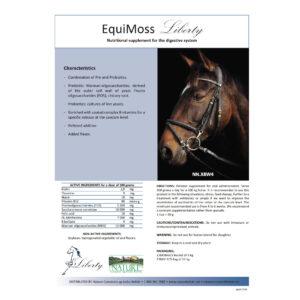
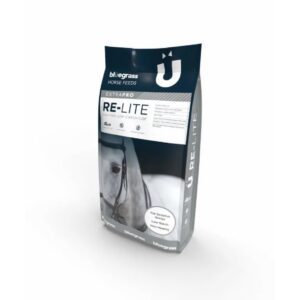
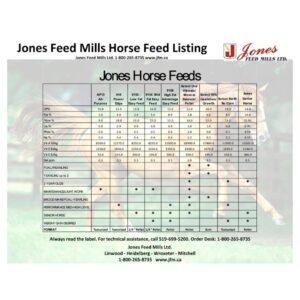
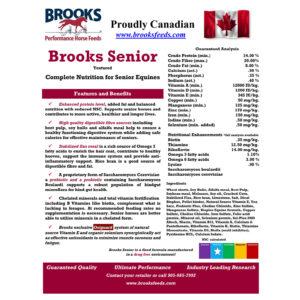
The following equine feeds, supplements and products contain Mycotoxin Binder as an ingredient.
 Grains
 Health
 Nutrients
 Skin + Hair
 Complete Feed
 Low NSC Feeds
 Metabolic Syndrome
 Ration Balancer
 Health
 Hoof Health
 Muscle
 Nutrition
 Complete Feed
 JointsLow NSC FeedsRation Balancer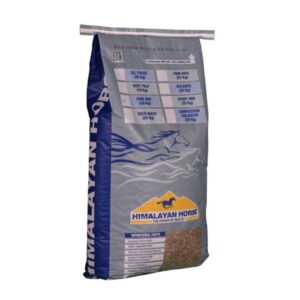
 Caloric Energy
 Fiber
Fiber Gut HealthNutrients
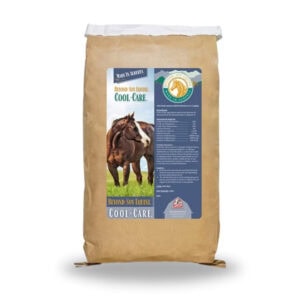 Complete Feed
 Grain FreeGut HealthLow NSC Feeds
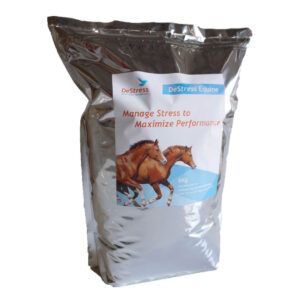 MuscleNutrients
 Stress
 Weight Issues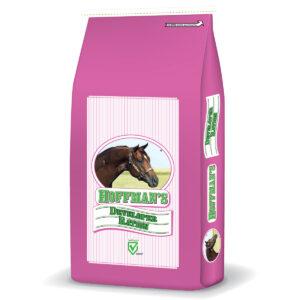
 Broodmare
 FoalGrain Free
 Growth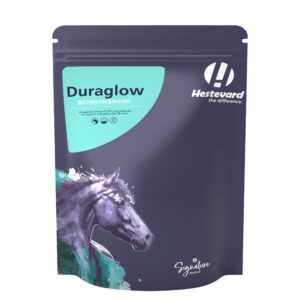
 ImmunityNutrients
 Omega 3-6-9Skin + Hair
 Caloric EnergyFiberNutrition
 Performance
 Competition Horses
 ExercisePerformanceWeight Issues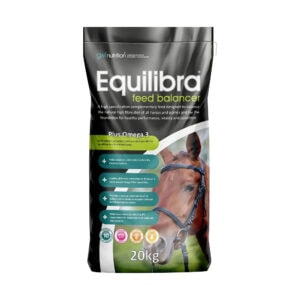
 Easy KeeperFiberNutrientsRation Balancer
 Gut Health
 Prebiotic
 Probiotic
 Yeast
Yeast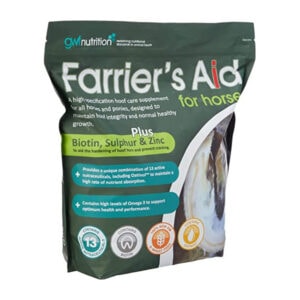
 FlavorHoof Health
 Mineral Balance
 Vitamins
 Competition Horses
 EnergyPerformanceVitamins
 Coat Quality
 DigestionFoalGrowth
 FiberGrain FreeLow NSC FeedsMetabolic Syndrome
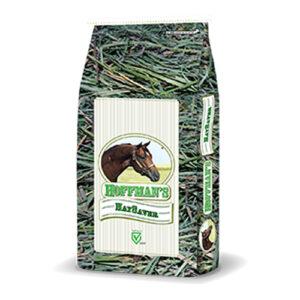 Gut Health
 Hay StretcherLow NSC FeedsNutrition
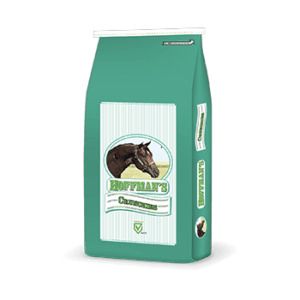 Easy KeeperFlavorHealthNutrition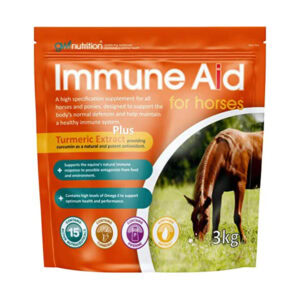
 AntioxidantHealthImmunityNutrients
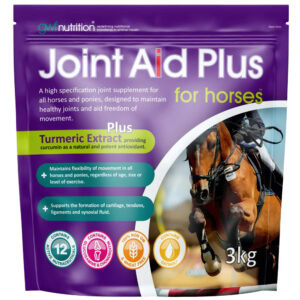 JointsNutrientsPerformance
 Senior
 AntioxidantCompetition HorsesPerformancePrebiotic
 Easy KeeperNutritionPerformanceSenior
 FiberHealthLow NSC FeedsRation Balancer
 BroodmareComplete FeedNutrients
 Stallion
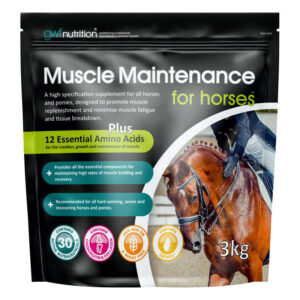 HealthMuscle
 Protein
 Topline
 Gut HealthHealthLow NSC FeedsProbiotic
 Complete FeedNutritionPerformanceProtein
 Coat QualityDigestionEnergyNutrition
 Competition HorsesGut HealthSeniorWeight Issues
 Easy Keeper
 Feed EfficiencyHealthNutrition
 Competition HorsesEnergyMusclePerformance
 Competition HorsesEnergy
 HindgutPerformance
 Gut HealthMetabolic SyndromePrebiotic
 Ulcers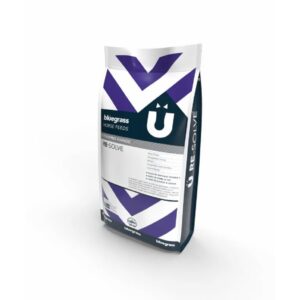
 ColicGut HealthMetabolic SyndromePrebiotic
 Easy KeeperLow NSC FeedsRation BalancerVitamins
 Complete FeedFiberOmega 3-6-9Senior
 Complete FeedDigestionFiberSenior
 Complete FeedFeed EfficiencySeniorWeight Issues
 BroodmareDigestionGrowthStallion
 Caloric EnergyDigestionHealthNutrition
 Complete FeedFiberPerformanceProtein
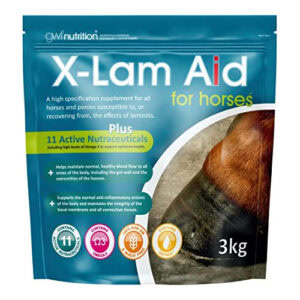 DigestionNutrientsProtein
 Recovery
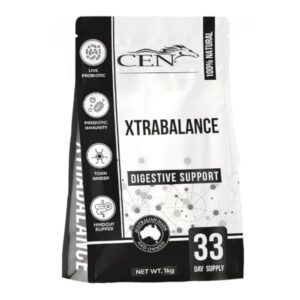 DigestionHindgutProbiotic
 Toxin Binder
 All-In-One Vitamin & Mineral Pellet

Advanced Gut Health Supplement

DHA-Enriched Fat Supplement
All-In-One Vitamin & Mineral Pellet

All-In-One Vitamin & Mineral Powder

Enhanced Vitamin & Mineral Pellet
Advanced Gut Health Supplement

Probiotic & Prebiotic Supplement

High-Potency 5-Strain Probiotic
All-In-One Vitamin & Mineral Pellet
Enhanced Vitamin & Mineral Pellet

Hoof, Skin & Coat Support
DHA-Enriched Fat Supplement
All-In-One Vitamin & Mineral Pellet

Organic Trace Mineral Blend
Enhanced Vitamin & Mineral Pellet

Mood & Hormone Support

Metabolic Health Formula
Mood & Hormone Support

Muscles & Nerve Support
Advanced Gut Health Supplement
Advanced Gut Health Supplement

Respiratory & Performance Supplement

Essential Amino Acid Blend
Essential Amino Acid Blend
Muscles & Nerve Support

Performance & Muscle Support
Respiratory & Performance Supplement
DHA-Enriched Fat Supplement

Immune & Respiratory Support


