

 English
Identify gaps in your horse's nutrition program to optimize their well-being.



Omneity® Pellets
All-In-One Vitamin & Mineral Pellet
Phosphorus is an essential macromineral required for numerous physiological functions in horses, including energy metabolism, bone formation, and cellular signaling. It is a component of adenosine triphosphate (ATP), nucleic acids, and phospholipids, and works in close association with calcium to support skeletal health. In the equine body, approximately 80% of total phosphorus is stored in the bones and teeth.
Dietary phosphorus is supplied through both natural feed ingredients and inorganic mineral sources. Common feed-based sources include cereal grains and their byproducts (such as bran), which contain phosphorus largely in the form of phytate—a form that is poorly bioavailable to horses. Inorganic phosphorus sources, such as monosodium phosphate or dicalcium phosphate, are often added to balanced rations to meet specific nutrient requirements and improve bioavailability.
The calcium-to-phosphorus ratio is a critical consideration in equine diets. An ideal ratio typically ranges from 1.2:1 to 2:1, depending on the horse’s age and physiological status. Excessive phosphorus intake, especially when calcium is deficient, can interfere with calcium absorption and contribute to conditions such as nutritional secondary hyperparathyroidism. Therefore, phosphorus levels must be carefully balanced within the overall mineral profile of the diet.
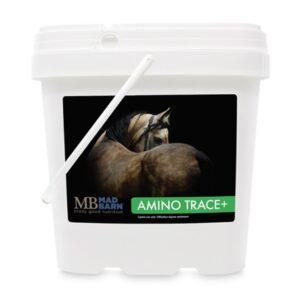
The following equine feeds, supplements and products contain Phosphorus as an ingredient.
 Hoof Health
 Metabolic Syndrome
 Organic Trace Minerals
 Vitamins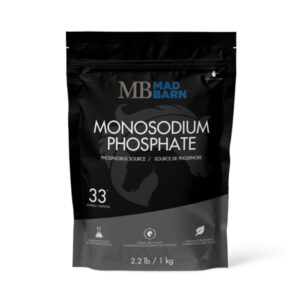
 Bone Health
 Growth
 Ingredient
 Mineral Balance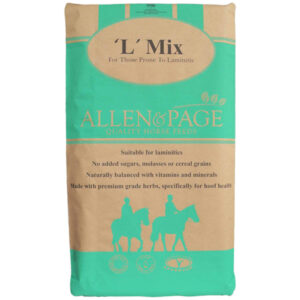
 Complete Feed
 Fiber
Fiber Low NSC FeedsMetabolic Syndrome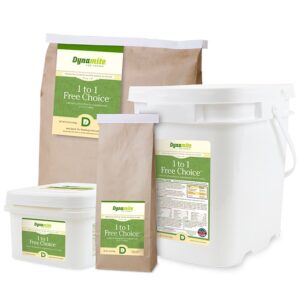
 Health
 ImmunityMineral BalanceVitamins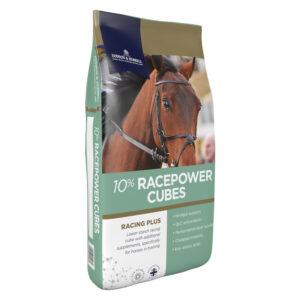
 Caloric Energy
 Competition Horses
 Nutrition
 Performance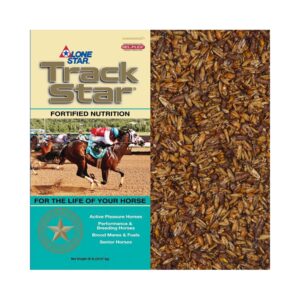
 BroodmareCaloric Energy
 Foal
Foal Stallion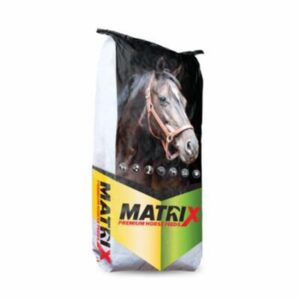
 Exercise
 FatPerformance
 Protein
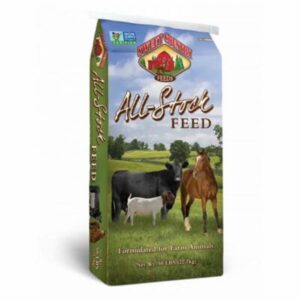 Caloric EnergyComplete FeedHealthNutrition
 Easy KeeperGrowthHealthPerformance
 Caloric EnergyComplete FeedNutritionProtein
 Caloric EnergyComplete Feed
 GrainsNutrition
 Complete FeedHealthNutritionOrganic Trace Minerals
 Caloric EnergyComplete FeedNutritionProtein
 Complete Feed
 FlavorHealthNutrition
 Caloric EnergyComplete FeedFlavorNutrition
 EnergyFoalPerformanceStallion
![14% Performance Formula (Triple Crown) – [Discontinued]](/wp-content/uploads/2019/12/Triple-Crown-14-Performance-Formula-Southern-States-300x300.jpg) ExerciseFlavorPerformance
ExerciseFlavorPerformance Weight Issues
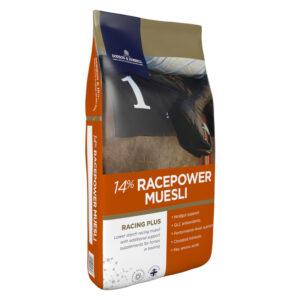 Competition HorsesFiberGrainsPerformance
![14% Racing Formula (Triple Crown)-[Discontinued]](/wp-content/uploads/2021/09/14-Racing-Formula-Triple-Crown-Discontinued-Horse-Feed-300x300.jpg) EnergyExerciseNutritionPerformance
EnergyExerciseNutritionPerformance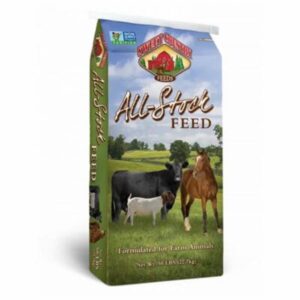 Complete FeedMineral BalanceNutritionVitamins
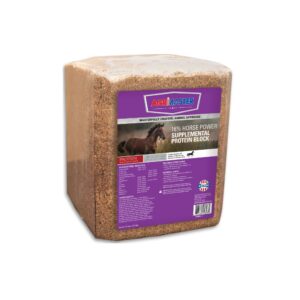 Mineral BalanceNutritionProteinVitamins
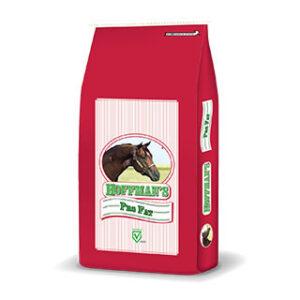 Fat
Fat Ration Balancer
 SeniorWeight Issues
 HealthMineral BalanceNutritionVitamins
 DigestionHoof HealthVitamins
 Yeast
Yeast Fiber
Fiber ForageFlavorNutrition
 Omega 3-6-9ProteinRation BalancerVitamins
 Mineral BalanceNutritionProteinVitamins
 Amino Acid
 MuscleNutritionProtein
 Amino AcidMuscle
 NutrientsProtein
 Coat QualityDigestionHoof Health
 Joints
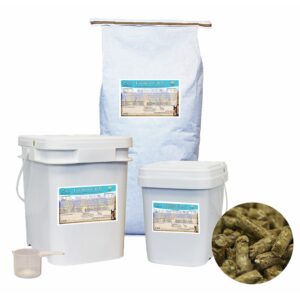 HealthMineral BalanceNutritionVitamins
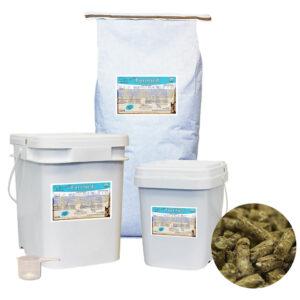 HealthMineral Balance
 ProbioticVitamins
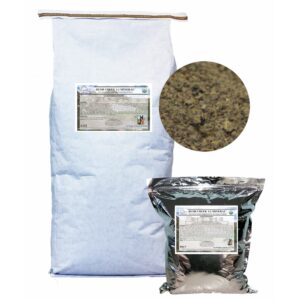 HealthMineral BalanceNutritionVitamins
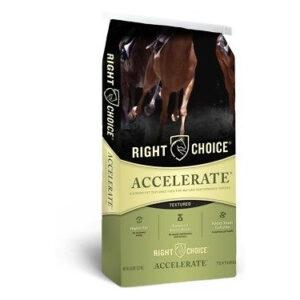 Coat QualityFatNutritionWeight Issues
 Fat
Fat Gut Health
 PrebioticProbiotic
 Gut Health
 Hindgut
 MetabolismNutrients
 FatJointsProbioticWeight Issues
 HealthNutritionOrganic Trace MineralsVitamins
 Low NSC FeedsNutrientsRation BalancerVitamins
 Complete FeedFatGrowth
 Lactation
 Caloric EnergyFiberFlavorNutrition
 Mineral BalanceNutritionRation BalancerVitamins
 FiberForageGut HealthNutrition
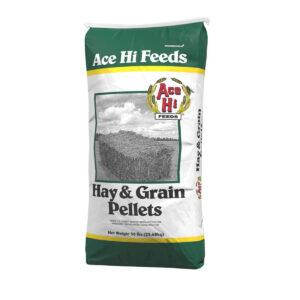 FiberForageGrainsNutrition
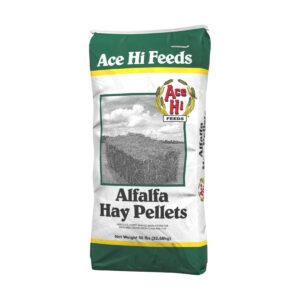 FiberForageGut HealthNutrition
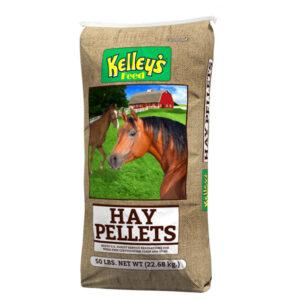 FiberForageNutritionProtein
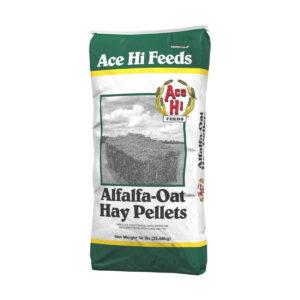 FiberForageNutritionProtein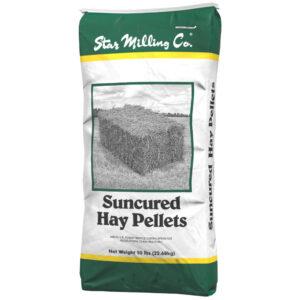
 DentalFiberForageNutrition
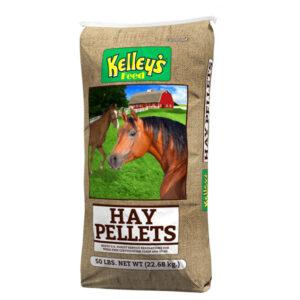 FiberForageGrainsNutrition
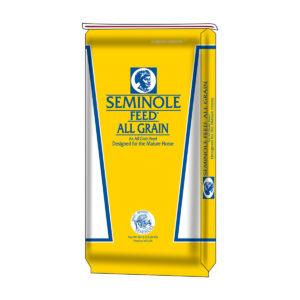 Complete FeedFlavorGrainsNutrition
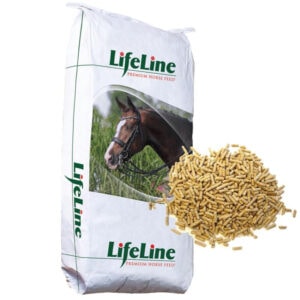 Fiber
Fiber Grain FreeMineral BalanceVitamins
 FiberHoof HealthLow NSC FeedsOrganic Trace Minerals
 All-In-One Vitamin & Mineral Pellet

Advanced Gut Health Supplement

DHA-Enriched Fat Supplement
All-In-One Vitamin & Mineral Pellet

All-In-One Vitamin & Mineral Powder

Enhanced Vitamin & Mineral Pellet
Advanced Gut Health Supplement

Probiotic & Prebiotic Supplement

High-Potency 5-Strain Probiotic
All-In-One Vitamin & Mineral Pellet
Enhanced Vitamin & Mineral Pellet

Hoof, Skin & Coat Support
DHA-Enriched Fat Supplement
All-In-One Vitamin & Mineral Pellet

Organic Trace Mineral Blend
Enhanced Vitamin & Mineral Pellet

Mood & Hormone Support

Metabolic Health Formula
Mood & Hormone Support

Muscles & Nerve Support
Advanced Gut Health Supplement
Advanced Gut Health Supplement

Respiratory & Performance Supplement

Essential Amino Acid Blend
Essential Amino Acid Blend
Muscles & Nerve Support

Performance & Muscle Support
Respiratory & Performance Supplement
DHA-Enriched Fat Supplement

Immune & Respiratory Support


