

 English
Identify gaps in your horse's nutrition program to optimize their well-being.



Omneity® Pellets
All-In-One Vitamin & Mineral Pellet
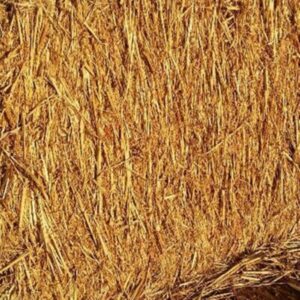
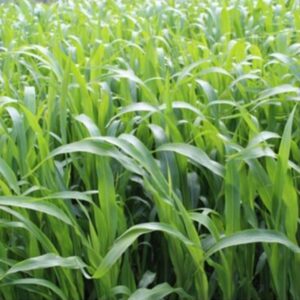
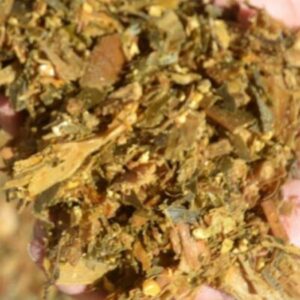
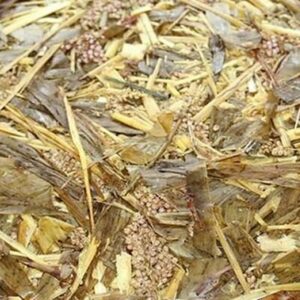
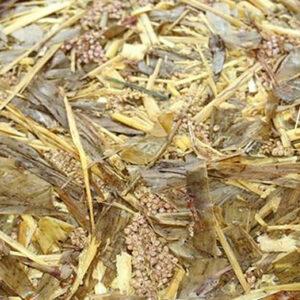
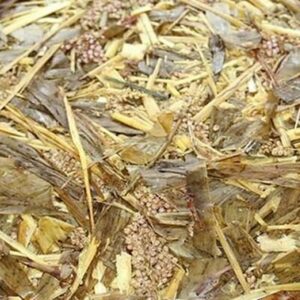
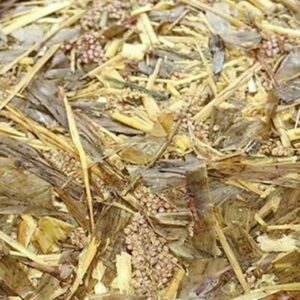
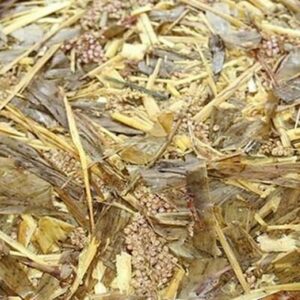
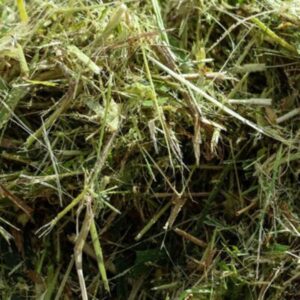
Sorghum Forage refers to the vegetative parts of the Sorghum bicolor plant—such as leaves, stalks, and sometimes immature grain heads—harvested and fed to livestock as green chop, hay, or silage. Sorghum is a drought-tolerant cereal crop grown in many regions as a forage alternative to corn or other grasses, particularly where water availability is limited.
In equine nutrition, sorghum forage is occasionally used as a roughage source, but its use must be managed carefully. One concern is the presence of cyanogenic glycosides, especially in young plants or regrowth after stress (such as drought or frost), which can release toxic hydrogen cyanide (prussic acid) and pose a risk to horses.
The following equine feeds, supplements and products contain Sorghum Forage as an ingredient.
 Energy
 Fiber
Fiber Forage
 Nutrition
 EnergyFiberForageNutrition
 EnergyFiberForageNutrition
 FiberForageNutrition
 Protein
 FiberForageNutritionProtein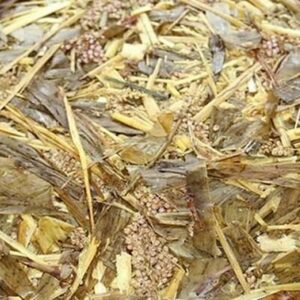
 DigestionFiberForageNutrition
 DigestionFiberForageNutrition
 DigestionFiberForageNutrition
 DigestionFiberForageNutrition
 DigestionFiberForageNutrition
 DigestionFiberForageNutrition
 FiberForageNutritionProtein
 All-In-One Vitamin & Mineral Pellet

Advanced Gut Health Supplement

DHA-Enriched Fat Supplement
All-In-One Vitamin & Mineral Pellet

All-In-One Vitamin & Mineral Powder

Enhanced Vitamin & Mineral Pellet
Advanced Gut Health Supplement

Probiotic & Prebiotic Supplement

High-Potency 5-Strain Probiotic
All-In-One Vitamin & Mineral Pellet
Enhanced Vitamin & Mineral Pellet

Hoof, Skin & Coat Support
DHA-Enriched Fat Supplement
All-In-One Vitamin & Mineral Pellet

Organic Trace Mineral Blend
Enhanced Vitamin & Mineral Pellet

Mood & Hormone Support

Metabolic Health Formula
Mood & Hormone Support

Muscles & Nerve Support
Advanced Gut Health Supplement
Advanced Gut Health Supplement

Respiratory & Performance Supplement

Essential Amino Acid Blend
Essential Amino Acid Blend
Muscles & Nerve Support

Performance & Muscle Support
Respiratory & Performance Supplement
DHA-Enriched Fat Supplement

Immune & Respiratory Support


