

 English
Identify gaps in your horse's nutrition program to optimize their well-being.



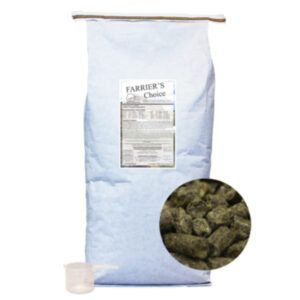
Omneity® Pellets
All-In-One Vitamin & Mineral Pellet
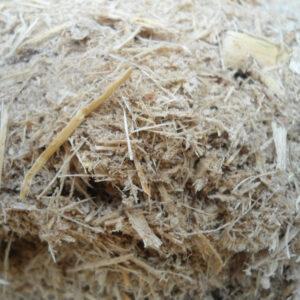
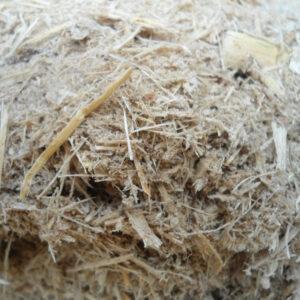
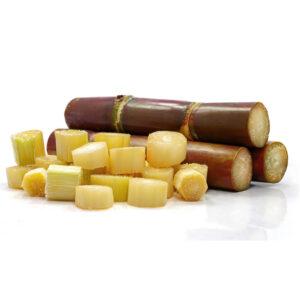
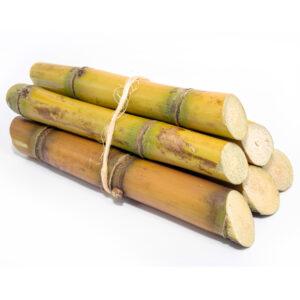
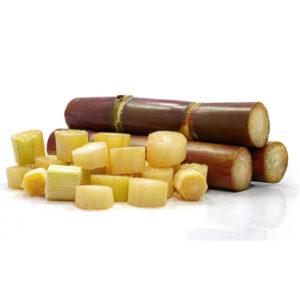
Sugarcane (Saccharum officinarum) is a tall tropical grass cultivated primarily for its high sucrose content. In feed applications, sugarcane may be used in several forms, including fresh cane, chopped forage, juice, molasses, or byproducts like bagasse and press cake.
In equine nutrition, the most common forms of sugarcane use are molasses (a palatability enhancer and energy source) and bagasse (a fibrous byproduct used as roughage). Whole or chopped sugarcane is occasionally fed as a forage source in some regions, providing structural fiber along with digestible sugars.
The following equine feeds, supplements and products contain Sugarcane as an ingredient.
 Digestion
 Hoof Health
 Mineral Balance
 Vitamins
 Caloric Energy
 Fiber
Fiber Forage
 Nutrition
 Caloric EnergyFiberForageNutrition
 Caloric EnergyFiber
 Gut HealthNutrition
 Caloric EnergyFiberGut HealthNutrition
 Caloric EnergyFiberGut HealthNutrition
 Caloric EnergyFiber
 Flavor
 Weight Issues
 Caloric EnergyFiberFlavorWeight Issues
 Caloric EnergyFiberFlavorWeight Issues
 All-In-One Vitamin & Mineral Pellet

Advanced Gut Health Supplement

DHA-Enriched Fat Supplement
All-In-One Vitamin & Mineral Pellet

All-In-One Vitamin & Mineral Powder

Enhanced Vitamin & Mineral Pellet
Advanced Gut Health Supplement

Probiotic & Prebiotic Supplement

High-Potency 5-Strain Probiotic
All-In-One Vitamin & Mineral Pellet
Enhanced Vitamin & Mineral Pellet

Hoof, Skin & Coat Support
DHA-Enriched Fat Supplement
All-In-One Vitamin & Mineral Pellet

Organic Trace Mineral Blend
Enhanced Vitamin & Mineral Pellet

Mood & Hormone Support

Metabolic Health Formula
Mood & Hormone Support

Muscles & Nerve Support
Advanced Gut Health Supplement
Advanced Gut Health Supplement

Respiratory & Performance Supplement

Essential Amino Acid Blend
Essential Amino Acid Blend
Muscles & Nerve Support

Performance & Muscle Support
Respiratory & Performance Supplement
DHA-Enriched Fat Supplement

Immune & Respiratory Support


