

 English
Identify gaps in your horse's nutrition program to optimize their well-being.



Omneity® Pellets
All-In-One Vitamin & Mineral Pellet
Trace minerals are essential minerals required by horses in very small amounts to support a wide range of physiological functions. Key trace minerals include copper, zinc, selenium, iron, manganese, iodine, cobalt, and chromium. Despite their low concentration in the diet, these minerals are critical for enzyme function, hormone production, antioxidant defense, immune function, and structural development.
In equine nutrition, trace minerals are typically added to feeds through mineral premixes containing inorganic (e.g., sulfates, oxides) or organic (e.g., chelates, proteinates) forms. The bioavailability of each form varies, with organic complexes often showing improved absorption under certain conditions. Trace mineral requirements differ based on age, workload, reproductive status, and health.
The following equine feeds, supplements and products contain Trace Minerals as an ingredient.
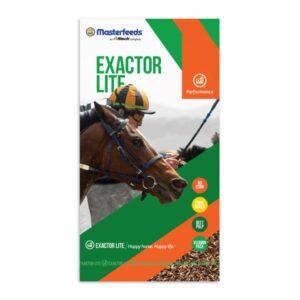
 Complete Feed
 Competition Horses
 Exercise
 Performance
 Complete Feed
 Fat
Fat Fiber
Fiber Flavor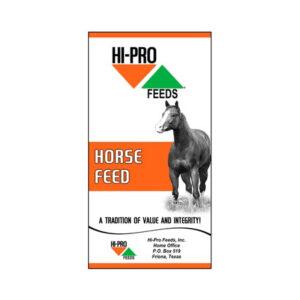
 Caloric EnergyComplete FeedFlavor
 Nutrition
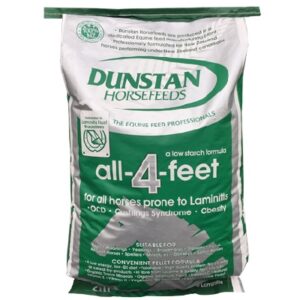 Fiber
Fiber Hoof Health
 Low NSC Feeds
 Organic Trace Minerals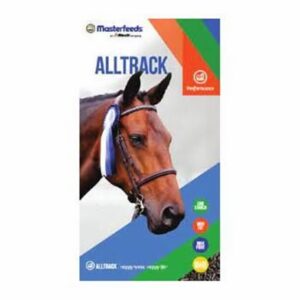
 Gut HealthLow NSC Feeds
 MusclePerformance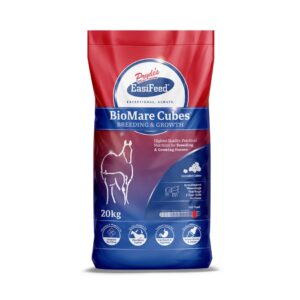
 Broodmare
 Foal
Foal Growth
 Stallion
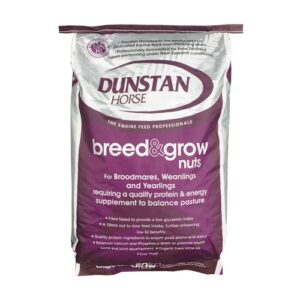 BroodmareFiberFoalGrowth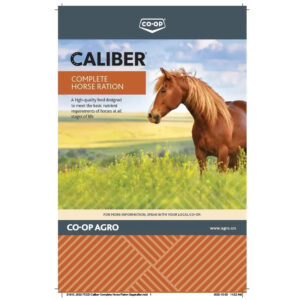
 EnergyFiberNutrition
 Protein
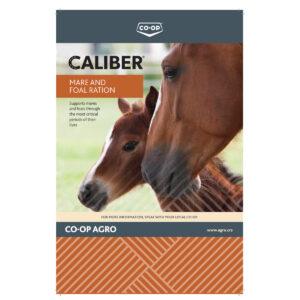 BroodmareGrowth
 LactationNutrition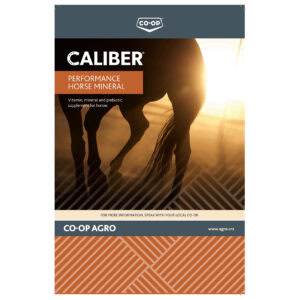
 Amino AcidOrganic Trace Minerals
 Prebiotic
 Vitamins
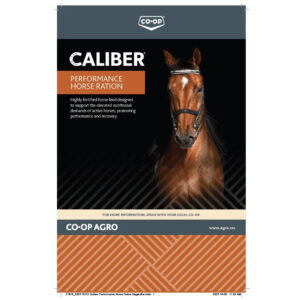 Competition HorsesEnergyExerciseProtein
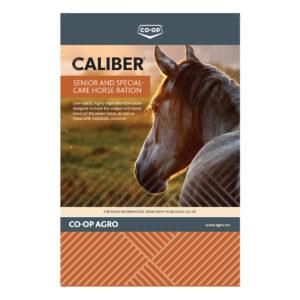 Complete Feed
 Metabolic SyndromeNutritionOrganic Trace Minerals
 Senior
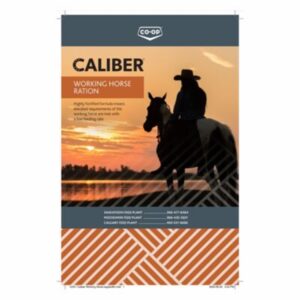 Complete FeedExerciseGut HealthOrganic Trace Minerals
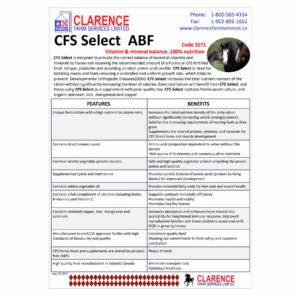 FoalGrowthLactation
 Ration Balancer
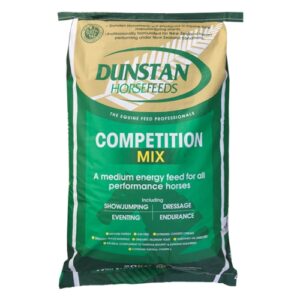 Competition HorsesEnergyExercisePerformance
 Complete FeedFiberGut Health
 Hindgut
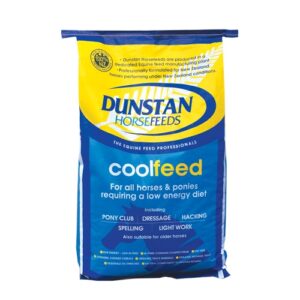 Complete Feed
 Easy KeeperFiberMetabolic SyndromeNutrition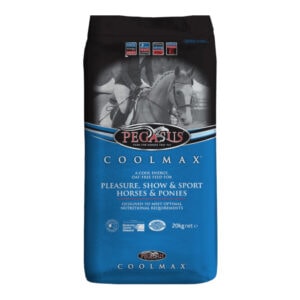
 CalmingComplete FeedCompetition HorsesPerformance
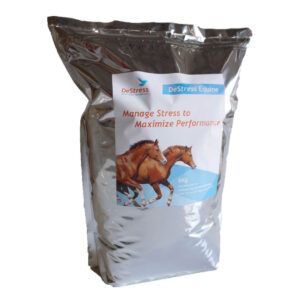 Muscle
 Nutrients
 Stress
 Weight Issues
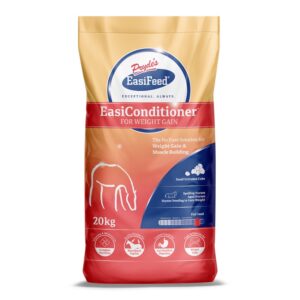 Nutrients
 RecoverySeniorWeight Issues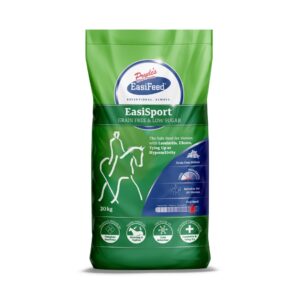
 Antioxidant
 Grain FreeLow NSC FeedsNutrition
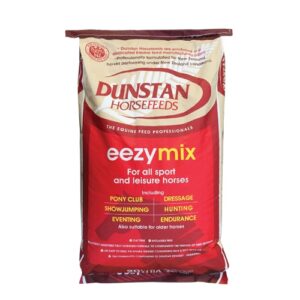 Complete FeedEnergyExercisePerformance
 Metabolic SyndromeOrganic Trace MineralsRation BalancerVitamins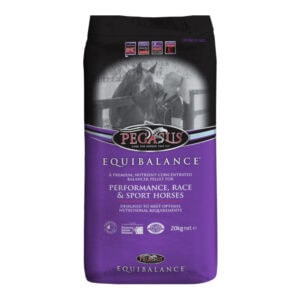
 Mineral BalancePerformanceRation BalancerVitamins
 Easy KeeperFiberNutrientsRation Balancer
 Exercise
 Feed EfficiencyFiberGut Health
 EnergyFatFiberGut Health
 FatFiberNutritionSenior
 Coat QualityFat
 Omega 3-6-9Weight Issues
 FlavorHoof HealthMineral BalanceVitamins
 DigestionHoof HealthMineral BalanceVitamins
 ExerciseFatFiber
 Health
 Coat QualityEnergyFatWeight Issues
![Formula 2 Equine Supplement (Dr. Reeds) – [Discontinued]](/wp-content/uploads/2021/08/Formula-2-Equine-Supplement-Dr.-Reeds-Horse-Feed-300x300.jpg) HealthMineral BalanceNutrientsVitamins
HealthMineral BalanceNutrientsVitamins Complete FeedFoalGrowthProtein
 Easy KeeperGut HealthHealthRation Balancer
 Competition HorsesDigestionHealthNutrition
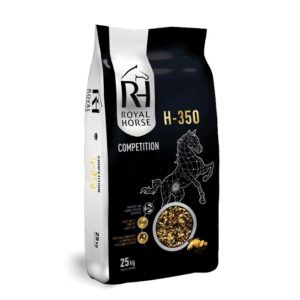 Caloric EnergyCompetition HorsesEnergyNutrition
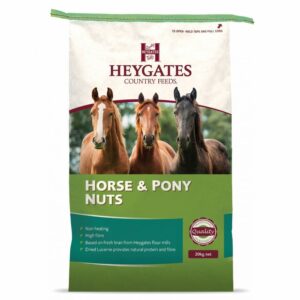 EnergyFiberOrganic Trace MineralsVitamins
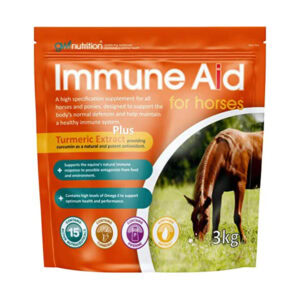 AntioxidantHealth
 ImmunityNutrients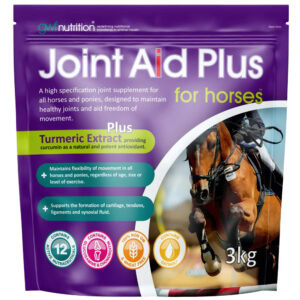
 JointsNutrientsPerformanceSenior
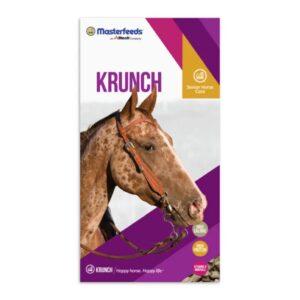 Caloric EnergyGrowth
 ToplineWeight Issues
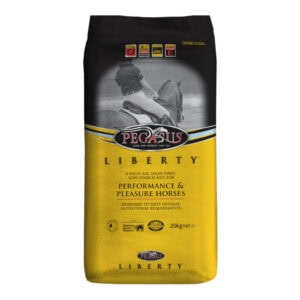 Complete FeedCompetition HorsesEasy KeeperPerformance
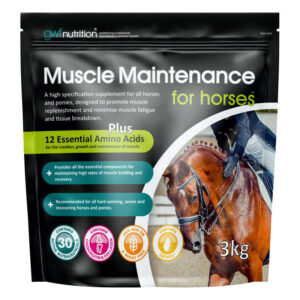 HealthMuscleProteinTopline
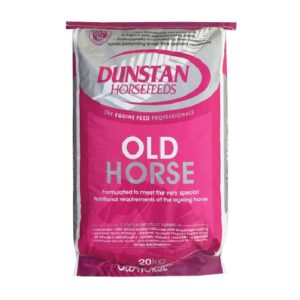 FiberLow NSC FeedsMetabolic SyndromeNutrients
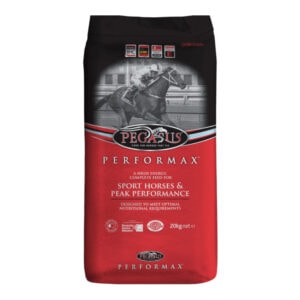 Complete FeedCompetition HorsesEnergyPerformance
 Easy KeeperFeed EfficiencyHealthNutrition
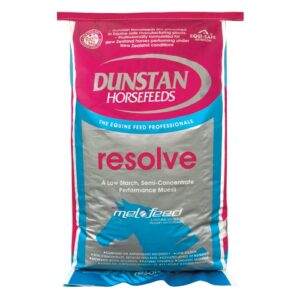 Complete FeedFiberJointsNutrition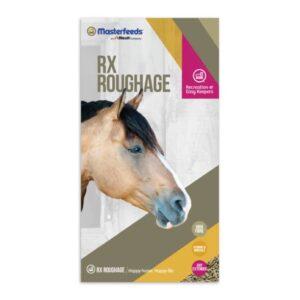
 DentalFiber
 Hay StretcherSenior
 Complete FeedFiberOmega 3-6-9Senior
The essential trace minerals horses require include copper, zinc, manganese, selenium, iodine, cobalt, and iron. These minerals are needed in small amounts, but they play critical roles in hoof formation, connective tissue, immune function, antioxidant defense, energy metabolism, thyroid hormone production, and red blood cell function.
Among these, copper, zinc, selenium, iodine, and manganese are the nutrients most likely to require supplementation in forage-based diets. Hay and pasture often do not supply these minerals in adequate or balanced amounts, particularly when soil conditions are poor or when horses are not fed the full rate of a fortified feed. Providing a complete vitamin and mineral supplement such as Mad Barn's Omneity® helps ensure horses receive these essential trace minerals in the right amounts to support overall health and performance.
The trace minerals most commonly lacking in a horse’s diet are copper, zinc, selenium, and iodine. These nutrients are frequently low in hay and pasture, especially in regions with mineral-deficient soils or in diets based primarily on unfortified forage. Deficiencies in these trace minerals can affect hoof quality, coat condition, immune response, antioxidant protection, metabolic function, and recovery from exercise.
Even when a horse is consuming enough calories and protein, trace mineral intake may still be inadequate if the diet is not properly balanced. Many feeding programs also contain excess iron, which can further interfere with copper and zinc status. Feeding a well-formulated vitamin and mineral supplement such as Mad Barn's Omneity® is the best way to address these common trace mineral gaps and support your horse's long-term health.
Yes, most horses benefit from trace mineral supplementation because hay and pasture rarely supply balanced levels of copper, zinc, selenium, and iodine needed to fully support equine health.
Forage mineral content reflects soil composition, and many regions produce hay that is relatively low in copper and zinc while containing excess iron. These imbalances can affect hoof quality, connective tissue strength, immune function, and metabolic efficiency even when calorie intake is adequate.
The most reliable way to determine your horse’s mineral needs is to evaluate the forage and feeding program through a free diet evaluation.
Choosing a trace mineral supplement for your horse begins with evaluating the forage and identifying which nutrients are deficient or out of balance.
Many forage-based feeding programs supply adequate calories and fiber but fall short in copper, zinc, selenium, vitamin E, and certain essential amino acids that support connective tissue, hoof health, and immune function.
Mad Barn’s Omneity® is designed to correct these common deficiencies for most horses, while horses consuming high-iron forage or experiencing hoof or metabolic concerns may benefit from the higher copper and zinc levels provided by AminoTrace+.
The best trace mineral supplement for horses with poor hoof quality is Mad Barn’s AminoTrace+.
Healthy hoof horn depends heavily on adequate copper and zinc because these minerals support collagen formation, connective tissue cross-linking, and keratin production within the hoof wall. Horses with brittle hooves, slow hoof growth, cracks, or weak hoof structure often benefit from increased intake of these nutrients.
AminoTrace+ provides elevated copper and zinc levels along with biotin and essential amino acids that support stronger hoof walls and improved hoof growth.
The most common signs of trace mineral deficiency in horses include weak hoof walls, slow hoof growth, faded coat color, dull hair coat, reduced immune resilience, and decreased performance.
Copper and zinc deficiencies often affect connective tissue strength and coat pigmentation, while selenium deficiency can impair antioxidant protection and muscle recovery.
Because these deficiencies develop gradually, the most reliable way to identify nutrient gaps is to evaluate the forage and feeding program through a diet analysis.
The difference between organic and inorganic trace minerals for horses is how efficiently the minerals are absorbed and utilized by the body.
Organic trace minerals are bound to amino acids or organic compounds that help protect the mineral during digestion and improve absorption through the intestinal wall. Inorganic forms such as oxides and sulfates are more likely to bind with other dietary components and may be absorbed less efficiently.
Supplements such as Mad Barn’s AminoTrace+ use organic trace minerals to improve mineral utilization and support more reliable correction of deficiencies.
Yes, trace mineral deficiency is a common nutritional cause of poor coat condition in horses.
Copper and zinc support pigment production, hair follicle function, and keratin formation within the coat. When intake is inadequate, horses may develop faded hair color, rough coat texture, delayed shedding, and reduced coat shine.
Mad Barn’s AminoTrace+ provides elevated copper and zinc levels that support healthier coat pigmentation and stronger hair fibers.
Horses eating primarily hay or pasture without fortified feed are the most likely to require trace mineral supplementation.
Growing horses, broodmares, performance horses, and horses with metabolic conditions or chronic hoof problems often have higher requirements for copper, zinc, selenium, and other micronutrients that support tissue growth, immune defense, and metabolic regulation.
Evaluating forage mineral levels through a diet analysis helps determine which horses require additional supplementation.
Pregnant broodmares require adequate copper, zinc, manganese, selenium, and iodine to support fetal growth and skeletal development.
Copper and zinc are especially important for bone and cartilage formation in the developing foal, while selenium supports antioxidant protection and immune function.
Providing balanced trace mineral supplementation during pregnancy helps support proper foal development and maintain the mare’s overall metabolic health.
Most horses benefit from trace mineral supplementation year-round because the mineral content of forage does not change enough seasonally to eliminate common deficiencies.
Hay and pasture mineral levels depend largely on soil composition rather than growing season. Many forage sources remain relatively low in copper and zinc regardless of when they are harvested.
Providing consistent supplementation helps maintain stable mineral intake that supports hoof growth, immune function, connective tissue strength, and metabolic health.
Trace mineral ratios strongly influence how well horses absorb and utilize nutrients.
Excess iron in forage can interfere with copper and zinc absorption because these minerals compete for similar transport mechanisms in the digestive tract. When iron levels are high relative to copper and zinc, horses may develop functional deficiencies even when total mineral intake appears adequate.
Balancing these ratios through proper supplementation helps maintain connective tissue strength, hoof integrity, immune health, and normal metabolic function.
Yes, most horses still benefit from trace mineral supplementation even when they consume grain.
Fortified feeds are designed to meet nutrient requirements only when fed at the manufacturer’s recommended rate. Horses receiving smaller grain meals may not consume enough vitamins and minerals to balance the diet.
Mad Barn’s Omneity® provides complete vitamin and mineral support without adding excess calories, making it useful for horses receiving limited grain.
No, hay alone rarely supplies balanced levels of trace minerals required for optimal equine health.
Many hay-based diets contain relatively low copper and zinc while providing higher iron concentrations. These imbalances can affect connective tissue formation, hoof integrity, immune function, and metabolic processes.
Mad Barn’s Omneity® helps correct these common nutrient gaps by supplying balanced trace minerals, vitamins, and amino acids designed for forage-based diets.
The most practical way to evaluate a horse’s trace mineral intake is to analyze the forage and review the complete feeding program.
Blood tests measure circulating mineral levels but often reflect only recent intake rather than long-term mineral balance. Forage analysis reveals the mineral composition of the horse’s primary feed source and helps identify deficiencies or imbalances.
Mad Barn nutritionists can review forage analysis and feeding programs through a free diet evaluation to help determine whether trace mineral supplementation is necessary.
All-In-One Vitamin & Mineral Pellet

Advanced Gut Health Supplement

DHA-Enriched Fat Supplement
All-In-One Vitamin & Mineral Pellet

All-In-One Vitamin & Mineral Powder

Enhanced Vitamin & Mineral Pellet
Advanced Gut Health Supplement

Probiotic & Prebiotic Supplement

High-Potency 5-Strain Probiotic
All-In-One Vitamin & Mineral Pellet
Enhanced Vitamin & Mineral Pellet

Hoof, Skin & Coat Support
DHA-Enriched Fat Supplement
All-In-One Vitamin & Mineral Pellet

Organic Trace Mineral Blend
Enhanced Vitamin & Mineral Pellet

Mood & Hormone Support

Metabolic Health Formula
Mood & Hormone Support

Muscles & Nerve Support
Advanced Gut Health Supplement
Advanced Gut Health Supplement

Respiratory & Performance Supplement

Essential Amino Acid Blend
Essential Amino Acid Blend
Muscles & Nerve Support

Performance & Muscle Support
Respiratory & Performance Supplement
DHA-Enriched Fat Supplement

Immune & Respiratory Support


