English
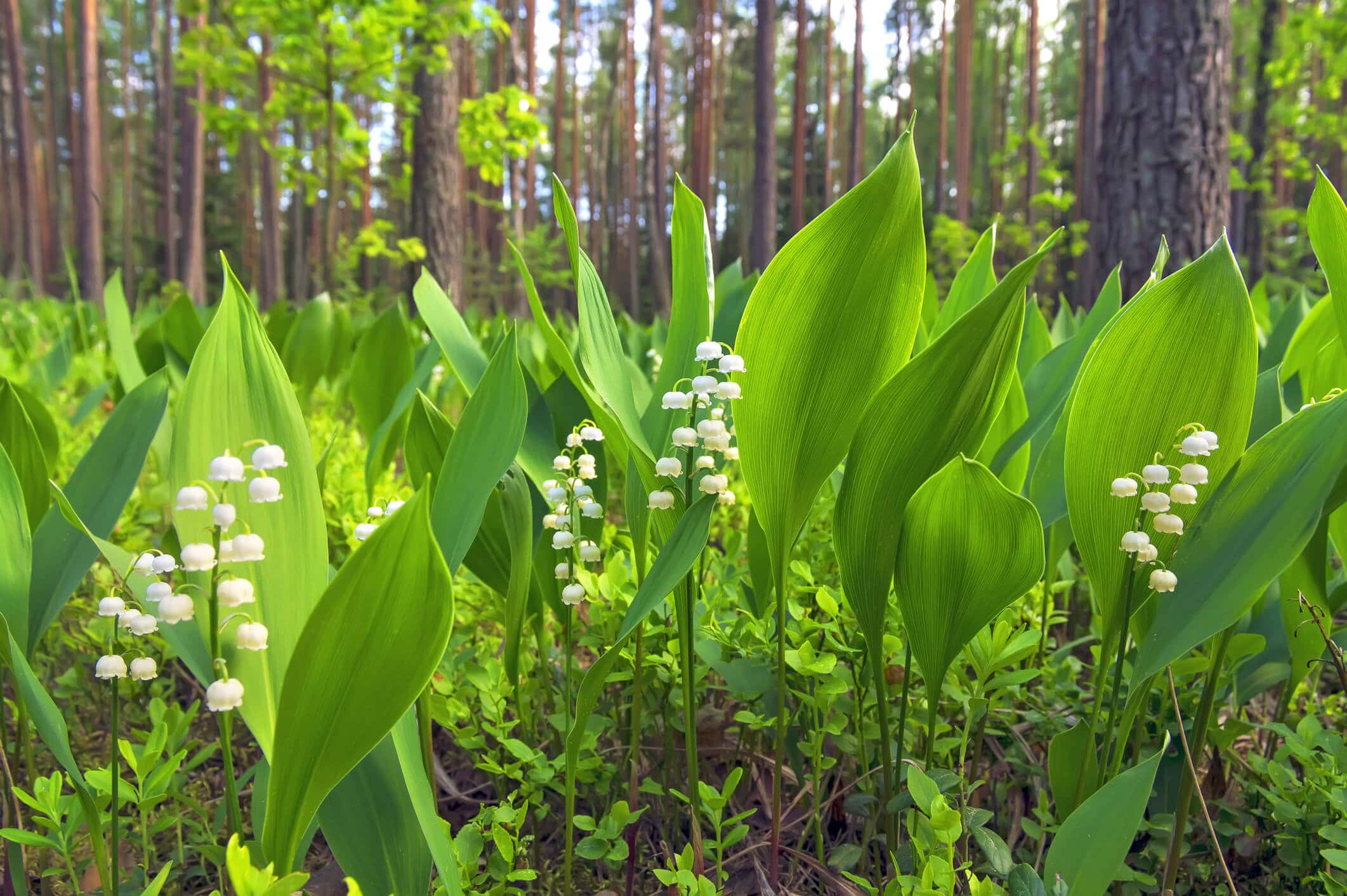
Lily of the valley poisoning in horses is a rare but potentially life-threatening emergency caused by ingesting Convallaria majalis, a common ornamental groundcover. The plant contains cardiac glycosides that can disrupt the heart’s electrical activity, leading to dangerous changes in heart rate and rhythm.
Horses may encounter lily of the valley near pastures, paddocks, or stable areas, or when garden waste is discarded within their reach. All parts of the plant are considered toxic, and adverse effects can develop rapidly after ingestion.
Published reports of lily of the valley poisoning in horses are extremely limited, making the course and outcome of exposure difficult to predict. Any suspected ingestion warrants immediate veterinary attention, even if the horse initially appears healthy.
Recognizing the plant and limiting access are key to preventing lily of the valley poisoning. Horse owners should familiarize themselves with possible signs of poisoning and the steps needed to remove established plants from equine properties.
Lily of the Valley Poisoning in Horses
Lily of the valley (Convallaria majalis) is a perennial flowering plant commonly grown in gardens for its fragrant, bell-shaped flowers and dense groundcover. Native to Eurasia, the plant grows well in shaded areas and can spread beyond gardens through its underground stems, known as rhizomes. [1][2]
All parts of lily of the valley are poisonous to several animal species, including horses. The plant contains toxic compounds called cardiac glycosides, with convallatoxin being one of the primary toxins. The roots contain the highest concentrations of these compounds. [2][3]
When an animal consumes lily of the valley, the digestive tract absorbs the cardiac glycosides, allowing them to enter the bloodstream. These toxins interfere with normal heart function and can cause potentially fatal abnormalities in heart rhythm. [2][3][4]
Despite the plant’s potent toxins, lily of the valley poisoning is rarely reported in animals, and researchers have limited information about its effects in horses. Much of the current understanding of its potential toxicity in horses comes from research on how cardiac glycosides affect other animal species. [4]
Accidental poisoning in horses is still a concern, particularly when lily of the valley grows in areas accessible to horses or when discarded garden clippings contaminate their feed or surroundings. [4]
Common Names for Lily of the Valley
Other names for lily of the valley (Convallaria majalis) include:
- May bells
- May lily
- Our Lady’s tears
- Mary’s tears
Table 1. Lily of the valley poisoning in horses at-a-glance
| Category | Key Information |
|---|---|
| Definition |
|
| Primary Cause |
|
| Onset |
|
| Symptoms |
|
| Severity |
|
| Treatment |
|
| Recovery Time |
|
| Prognosis |
|
| Prevention |
|
What's your top priority with your horse's health?

What's your top priority with your horse's health?
Identification
Lily of the valley is a low-growing herbaceous perennial belonging to the Asparagaceae family. It typically reaches 6 to 10 inches (15 to 25 cm) in height and grows in dense colonies formed by an extensive network of underground rhizomes.
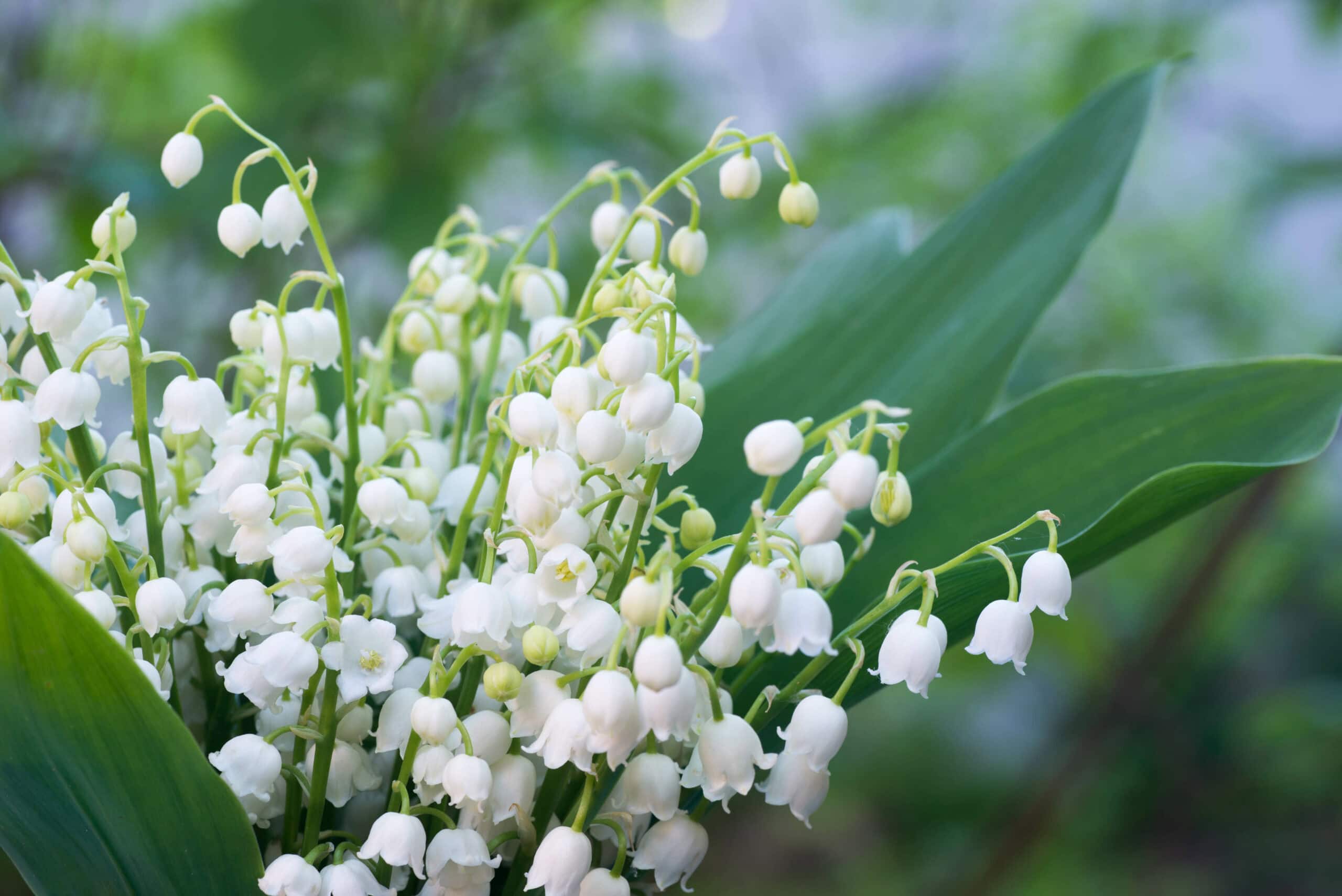
The plant is particularly recognizable during flowering, when clusters of small, fragrant, bell-shaped flowers emerge among its broad green leaves. [3][4]
 Leaves
 Flowers
Lily of the valley generally flowers from late spring to early summer, with blooms lasting approximately three weeks. The flowers eventually give way to red berries, although fruit production can be limited. The plant is deciduous, with its above-ground foliage dying back seasonally while the underground rhizomes persist. [5]
Native to Eurasia, lily of the valley is widely cultivated throughout North America, where it has become naturalized in some regions. It prefers shaded environments with moist, organically rich soil and is commonly found in woodland gardens, beneath shrubs, and along shaded borders. Established colonies can spread beyond their original planting sites. [3][4]
Because lily of the valley can spread through its underground rhizomes, removing the visible foliage does not necessarily eliminate an established colony. This characteristic is particularly relevant when identifying and managing the plant around horse pastures and other locations where horses might encounter garden vegetation. [3]
Identifying characteristics of lily of the valley include: [3][4][5]
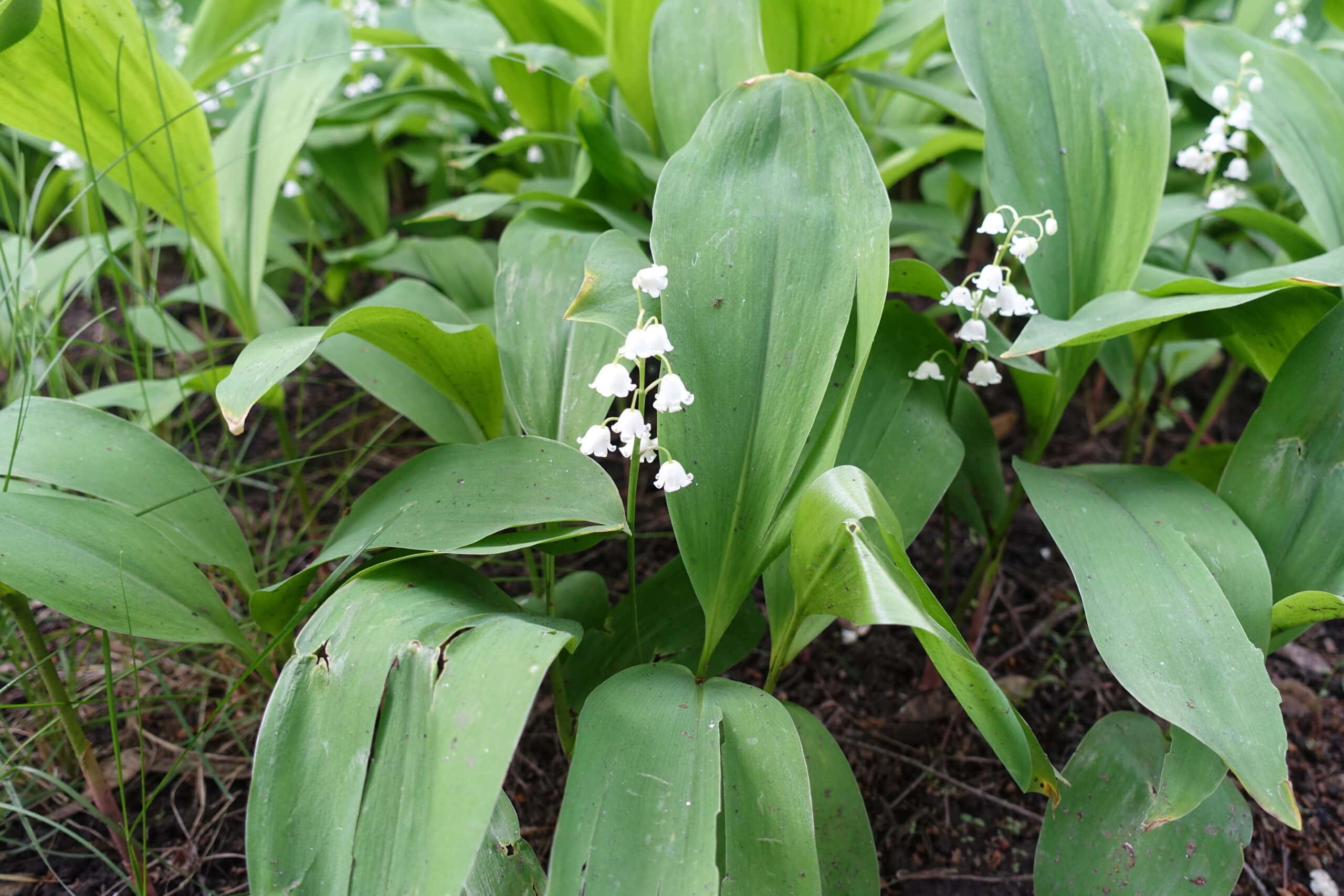
- Leaves: Usually two or three broad, elliptical to oval leaves arising from the base of the plant. They are smooth, green, and have parallel veins with entire margins.
- Flowers: Small, white, bell-shaped flowers arranged in a one-sided cluster along a slender flowering stalk. Each flower has six fused petals with outward-curving tips. Some cultivated varieties produce pale pink flowers.
- Fruits: Small, round berries that turn bright red when mature. Each berry contains several seeds.
- Stems: Short or largely concealed beneath the leaves, with a separate upright flowering stalk that is typically shorter than the surrounding foliage.
- Roots: Slender underground rhizomes that spread horizontally and produce new shoots, allowing the plant to form dense colonies.
Toxicology of Lily of the Valley
Lily of the valley is a highly toxic plant because it contains compounds called cardiac glycosides, which interfere with normal heart function. All parts of the plant are poisonous, including the leaves, flowers, berries, and underground rhizomes.
Although the roots contain the highest concentrations of these toxins, consuming any part of the plant poses a potential risk to horses. [1][2][4][6]
Researchers have identified at least 38 cardiac glycosides belonging to a group of compounds known as cardenolides in lily of the valley. [4][6]
Convallatoxin is one of the most potent toxins in the plant. Other cardiac glycosides include: [1][2][4][6]
- Convallatoxol
- Convalloside
- Neoconvalloside
Lily of the valley also contains saponins, naturally occurring plant compounds that may irritate the digestive tract when consumed. [4][6]
The cardiac glycosides in this plant act similarly to those found in foxglove (Digitalis spp.) and oleander (Nerium oleander). [1][2]
Toxic Effects
The toxins in lily of the valley inhibit an enzyme called the sodium-potassium pump (Na+/K+-ATPase). This enzyme regulates the movement of sodium and potassium ions across cell membranes, which is essential for normal cell function.
The sodium-potassium pump plays an important role in heart muscle cells, where the movement of these ions helps control the electrical signals responsible for coordinating each heartbeat. [1][2][4][6]
When cardiac glycosides interfere with this pump, sodium builds up inside heart muscle cells while potassium levels inside the cells decrease. These changes also cause calcium to accumulate within the cells, which can disrupt the electrical signals that regulate the heartbeat. [6]
As poisoning progresses, the toxins can interfere with how electrical impulses travel through the heart, potentially causing: [6]
- Bradycardia: An abnormally slow heart rate
- Abnormal heart rhythms (arrhythmias): Irregularities in the heart’s normal rhythm
- Heart block: A disruption in the electrical signals that coordinate heart contractions
In severe cases, these disturbances can prevent the heart from functioning normally and may lead to cardiac arrest in affected horses. [6]
Symptoms of Lily of the Valley Poisoning in Horses
Lily of the valley poisoning primarily affects the cardiovascular and gastrointestinal systems. Although clinical signs documented in horses are limited, the known effects of cardiac glycosides and reports of poisoning in other animal species provide an indication of the symptoms that may develop following ingestion. [2][4]
Early signs of poisoning may involve gastrointestinal disturbances, followed by cardiovascular abnormalities as the toxins interfere with normal heart function.
In severe cases, life-threatening arrhythmias and cardiac arrest may occur. However, the onset and progression of lily of the valley poisoning have not been established specifically for horses. [2][4][6]
Potential signs of lily of the valley poisoning in horses include: [1][6]
- Colic
- Diarrhea
- Excessive salivation
- Weakness
- Bradycardia
- Cardiac arrhythmias
- Heart block
- Seizures
- Sudden death
Severe cardiac glycoside poisoning may progress rapidly, and significant cardiovascular disturbances can develop even when the initial signs are relatively nonspecific.
Because the clinical course of lily of the valley poisoning in horses is poorly documented, the absence of obvious symptoms immediately after ingestion should not be interpreted as evidence that exposure is harmless. [2]
When to Call the Veterinarian
Suspected lily of the valley ingestion should be treated as a veterinary emergency, even if the horse has not developed obvious clinical signs. The potential for serious cardiac disturbances makes prompt assessment particularly important. [2][4]
Contact a veterinarian immediately if you observe a horse eating lily of the valley or suspect a horse has consumed vegetation contaminated with the plant. Prevent the horse from further access to the suspected material, and keep the horse calm while awaiting veterinary assistance. [2][4]
Exposure Risk Factors
Although lily of the valley contains highly toxic cardiac glycosides, poisoning is relatively uncommon in animals. Research on its effects in horses remains limited, and the amount of plant material required to cause poisoning in horses is unknown. [1][4]
Several environmental factors may increase the risk of horses encountering lily of the valley, including: [1][4]
- Garden clippings: Discarded leaves, flowers, or stems may expose horses to the plant if garden waste is left in pastures or other areas they can access.
- Pasture contamination: Lily of the valley may grow near paddocks, fence lines, or other areas where horses graze, increasing the possibility of accidental ingestion.
- Established colonies: Lily of the valley spreads through underground stems called rhizomes, allowing the plant to form dense colonies and persist around gardens or property boundaries. These colonies may gradually spread into areas accessible to horses.
The absence of a known toxic dose for horses makes it difficult to predict the severity of poisoning following ingestion. Owners should regard any suspected consumption of lily of the valley as potentially serious, even if the horse initially appears unaffected.

Diagnosis
Diagnosing lily of the valley poisoning in horses is challenging because the clinical signs associated with cardiac glycoside toxicity are not specific to this plant. Veterinary assessment relies on a combination of exposure history, clinical examination, and diagnostic testing to identify cardiovascular abnormalities and rule out other potential causes. [1][4]
A history of possible exposure is particularly important. The presence of lily of the valley in areas accessible to horses may help establish a suspected source of poisoning.
Identifying plant fragments in feed or gastrointestinal contents can provide additional evidence, although the material may be too fragmented to recognize reliably. [1][4][6]
Diagnostic evaluation may include:
- Physical examination
- Electrocardiography (ECG)
- Blood testing
- Plant identification
- Toxicological analysis
Veterinarians must consider other possible causes of gastrointestinal distress and cardiac abnormalities during diagnosis, including:
- Exposure to other cardiotoxic plants
- Certain chemical toxicants
- Primary cardiac disease
In severe or fatal cases, postmortem examination may reveal plant material within the digestive tract, but associated tissue changes are often nonspecific.
Because there are no current established diagnostic findings specific to lily of the valley poisoning in horses, a diagnosis may remain presumptive. Early recognition of possible exposure and identification of cardiac
abnormalities are particularly important in guiding veterinary treatment.
Treatment & Management
There are no documented treatment protocols for lily of the valley poisoning in horses. Veterinary management is based on established approaches to cardiac glycoside poisoning caused by other plants, such as oleander and foxglove.
- Limiting further toxin absorption
- Supporting cardiovascular function
- Managing complications as they develop
The first step is to prevent further ingestion by removing the horse from the suspected source of exposure. Keep affected horses calm and minimize unnecessary movement, particularly if they show signs of cardiovascular instability. [6][7]
Depending on the circumstances of ingestion and the horse’s clinical condition, veterinary treatment may include the following supportive measures: [6][7]
- Activated charcoal
- Intravenous fluids
- Cardiac monitoring
- Antiarrhythmic medications
- Treatment of bradycardia
- Electrolyte management
Severely affected horses may require hospitalization for close monitoring of cardiac function, electrolyte levels, and response to treatment. Careful selection of medications and intravenous fluids by a veterinarian is essential, as some treatments can worsen cardiac abnormalities or interfere with gastrointestinal function. [6][7]
There is no established antidote specific to lily of the valley poisoning in horses. Veterinarians may consider digoxin-specific antibody fragments, such as Digibind or DigiFab, in severe cases.
These antibodies have been used to treat certain cardiac glycoside poisonings, including oleander poisoning in horses, but their effectiveness against lily of the valley toxins in horses remains unknown. [6][7]
Prognosis
The prognosis for horses affected by lily of the valley poisoning is uncertain as published information about equine cases and treatment outcomes is extremely limited.
Although the plant contains potent cardiac glycosides capable of causing life-threatening cardiovascular disturbances, there is insufficient evidence to establish survival rates or predict the likelihood of recovery in affected horses. [4][6]
Based on the effects of cardiac glycoside poisoning caused by other plants, the outcome is likely to depend on the severity of cardiovascular disturbances and how promptly veterinary treatment is initiated.
Severe arrhythmias may be fatal, while horses that survive the acute poisoning could potentially experience lasting cardiac damage. However, the frequency of long-term complications following lily of the valley ingestion in horses has not been established. [6]
Prevention
Preventing lily of the valley poisoning in horses primarily involves controlling access to the plant. Although animal poisonings are rarely reported, all parts of lily of the valley contain cardiac glycosides, making it important to prevent accidental ingestion. [4]
Lily of the valley is commonly cultivated as ornamental groundcover and can spread beyond its original planting site through underground rhizomes. Particular care is needed during routine property maintenance, when cut or uprooted plants may inadvertently become accessible to horses. [4]
Established lily of the valley colonies may require particular attention because the plant spreads through underground rhizomes and can persist after the visible foliage has been removed. Removed vegetation should be collected and disposed of where horses cannot access it. [3]
Strategies to reduce the risk of exposure in horses include: [4]
- Inspection of landscaped areas and identification of any toxic plants growing near pastures, fence lines, and other areas accessible by horses
- Access restriction to areas where lily of the valley is cultivated
- Safe disposal of garden waste
- Choosing alternative plants while landscaping around horse facilities
Frequently Asked Questions
Here are some frequently asked questions about lily of the valley poisoning in horses:
Lily of the valley is highly poisonous to horses because it contains potent cardiac glycosides that interfere with normal heart function. All parts of the plant can pose a risk if ingested, and severe poisoning may cause dangerous heart rhythm disturbances or cardiac arrest. Although documented cases in horses are rare, any suspected ingestion should be treated as potentially serious. [1][2][4][6]
Lily of the valley can be identified by its broad green leaves and small, fragrant, bell-shaped flowers arranged along a slender stalk. The flowers are usually white, although some cultivated varieties have pale pink blooms, and they may later produce bright red berries. The plant typically grows 6 to 10 inches (15 to 25 cm) tall and forms dense colonies in shaded, moist areas. [3][4][5]
All parts of lily of the valley are toxic to horses, including the leaves, flowers, berries, and underground rhizomes. The roots contain the highest concentrations of cardiac glycosides, but ingestion of any portion of the plant may be dangerous. Horses should also be kept away from cut, uprooted, or dried plant material that could be mixed with garden waste. [1][2][4]
Signs of lily of the valley poisoning in horses may include colic, diarrhea, excessive salivation, and weakness. As the cardiac glycosides affect the heart, a horse may develop a slow heart rate, abnormal heart rhythms, or heart block. Severe poisoning can result in seizures, cardiac arrest, or sudden death, although the clinical course has not been well documented specifically in horses. [1][2][6]
How quickly signs appear after a horse eats lily of the valley has not been established in the available equine literature. Gastrointestinal disturbances may occur early, followed by cardiovascular abnormalities as the toxins interfere with electrical activity in the heart. Because severe cardiac problems may develop even when initial signs are mild or absent, an apparently normal horse still requires immediate veterinary assessment after suspected exposure. [2][4][6]
Lily of the valley poisoning can potentially be fatal to a horse because its cardiac glycosides can cause life-threatening heart rhythm disturbances. Severe toxicity may progress to heart block, cardiac arrest, or sudden death. The exact risk cannot be predicted because equine cases and outcomes are poorly documented, making prompt veterinary intervention especially important. [4][6]
If a horse eats lily of the valley, contact a veterinarian immediately and treat the situation as an emergency. Prevent the horse from accessing any more of the plant, keep the horse calm, and minimize unnecessary movement while waiting for veterinary assistance. Do not wait for symptoms to appear, because serious cardiovascular disturbances may develop after an initially uneventful period.
Horses are commonly exposed to lily of the valley when the plant grows near pastures, paddocks, fence lines, stables, or landscaped areas they can reach. Garden clippings are another important risk, particularly when cut or uprooted plants are discarded where horses can investigate or consume them. Established colonies may also spread beyond garden beds through underground rhizomes and persist around property boundaries or abandoned homesites. [3][4]
The amount of lily of the valley that is toxic to a horse has not been reliably established. The concentration of cardiac glycosides varies among plant parts, with the highest levels generally found in the roots, but any part may present a risk. Because there is no known safe amount or reliable equine toxic dose, every suspected ingestion should be reported to a veterinarian. [1][4]
Lily of the valley poisoning is diagnosed in horses using the exposure history, a physical examination, and testing for cardiovascular abnormalities. Electrocardiography can help identify conduction problems such as heart block and abnormal ventricular rhythms, while blood testing may reveal electrolyte disturbances or organ dysfunction. Plant identification and toxicological analysis may provide additional evidence, but the diagnosis often remains presumptive because no findings are specific to lily of the valley poisoning in horses. [1][4][6]
Lily of the valley poisoning in horses is treated by limiting further toxin absorption, supporting cardiovascular function, and managing complications. Depending on the horse's condition, veterinary care may involve activated charcoal, intravenous fluids, cardiac monitoring, electrolyte management, and medications for abnormal heart rhythms or a slow heart rate. Severely affected horses may require hospitalization because fluid and medication choices must be carefully managed when the heart is unstable. [6][7]
There is no established specific antidote for lily of the valley poisoning in horses. Digoxin-specific antibody fragments may be considered by a veterinarian in severe cases because they have been used for some other cardiac glycoside poisonings, including oleander poisoning in horses. However, their effectiveness against lily of the valley toxins in horses remains unknown. [6][7]
A horse may recover from lily of the valley poisoning, but the prognosis is uncertain because published equine cases and treatment outcomes are extremely limited. The likely outcome depends on the severity of the cardiovascular disturbances and how quickly veterinary treatment begins. Severe heart rhythm abnormalities may be fatal, and horses that survive acute poisoning could potentially have lasting cardiac damage, although the frequency of long-term complications is unknown. [4][6]
Lily of the valley poisoning can be prevented by identifying the plant and keeping it out of areas accessible to horses. Inspect gardens, pasture edges, fence lines, paddocks, and stable surroundings, and dispose of all garden waste where horses cannot reach it. When landscaping around horse facilities, choose non-toxic alternatives and restrict access to any areas where lily of the valley remains established. [3][4]
Removing the visible lily of the valley plants may not eliminate the risk because the species spreads and survives through underground rhizomes. New shoots can emerge after the leaves and flowers have been cut or pulled away. Effective control requires addressing the rhizomes and disposing of all removed plant material in a location that horses cannot access. [3]
Summary
Lily of the valley contains cardiac glycosides that can cause severe gastrointestinal and cardiovascular effects in horses. Any suspected exposure should be treated as a veterinary emergency because the toxic dose and clinical course in horses are unknown.
- All parts of lily of the valley are poisonous, and the roots contain the highest concentrations of cardiac glycosides.
- Poisoning may cause colic, diarrhea, excessive salivationbradycardia, arrhythmias, heart block, seizures, or sudden death.
- Diagnosis is generally presumptive and combines exposure history, electrocardiography, blood testing, and plant identification.
- Treatment focuses on limiting toxin absorption, managing electrolyte disturbances, and controlling abnormal heart rhythms.
- Restricting access to the plant and safely disposing of garden waste are essential for preventing accidental ingestion.
References
- Lily of the Valley. Colorado State University College of Veterinary Medicine and Biomedical Sciences. n.d.
- Gupta. R. C. Ed. Veterinary Toxicology: Basic and Clinical Principles. Academic Press. 2012.
- Convallaria majalis. North Carolina Extension Gardener Plant Toolbox, N.C. Cooperative Extension. 2019 onwards.
- Burrows. G. E. and Tyrl. R. J. Toxic Plants of North America. Wiley-Blackwell. 2013.
- Lily of the Valley Poisoning in Horses. HorseDVM. n.d.
- Hovda. L. R. et al. Ed. Blackwell’s Five-Minute Veterinary Consult Clinical Companion: Equine Toxicology. Wiley-Blackwell. 2021.
- Plumlee. K. H. Ed. Clinical Veterinary Toxicology. Mosby. 2004.