English
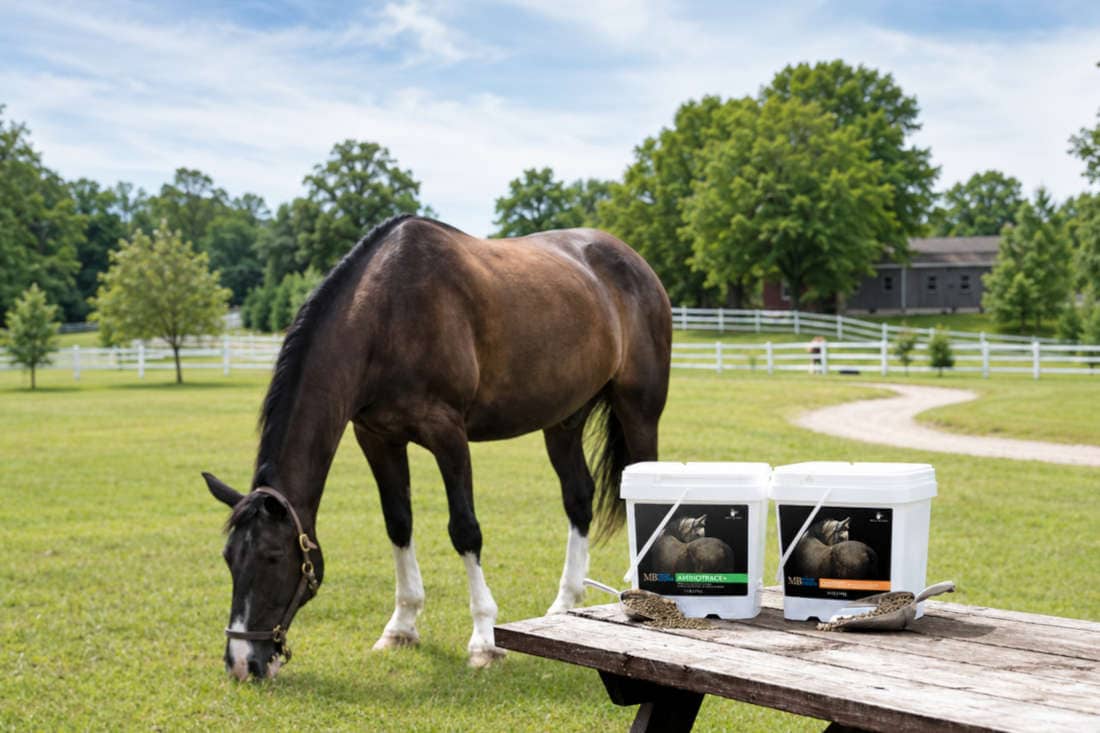
All-in-one horse supplements combine vitamins, minerals, amino acids, digestive support, and other nutrients in a single daily serving.
Sometimes called equine multivitamins or multipurpose supplements, these products are intended to support several areas of health at once, including hoof and coat quality, digestion, joint health, muscle function, and overall wellness.
While “all-in-one supplement” might help owners make a buying decision, this term has no standard definition in equine nutrition. Products vary widely in which nutrients and functional ingredients they provide, and a longer ingredient list does not necessarily make a formula more complete.
For most horses, the best all-in-one formula is a complete vitamin and mineral supplement that provides broad nutritional coverage. The goal is to make sure your horse is getting everything they need to stay healthy and sound, perform well, and feel their best.
Mad Barn’s Omneity® and AminoTrace+ are both designed as all-in-one nutritional supplements, but they serve different horses and feeding goals. Keep reading to learn what to look for in an all-in-one formula and which product is the better fit for your horse.
What is an All-in-One Horse Supplement?
The term all-in-one horse supplement usually refers to a product intended to meet several nutritional needs at once. The active ingredients can include vitamins, minerals, amino acids, antioxidants, or targeted support for the gut, joints, hooves, skin, coat, or respiratory health.
Because “all-in-one” is a marketing category rather than a nutritional standard, products differ substantially in what nutrients they provide. Some formulas are vitamin and mineral supplements with added digestive or amino acid support to ensure the horse’s core requirements are met. [1]
Others are positioned as “whole horse” supplements, combining functional ingredients normally sold as separate hoof, joint, gut, and coat products. The term is also sometimes used loosely for ration balancers or fortified feeds that provide protein, vitamins, minerals, and other ingredients together.
Keep in mind that a product may contain a long list of ingredients without supplying all of the essential nutrients needed to balance the horse’s diet. Some products also include functional ingredients, but at amounts too low to provide a meaningful physiological benefit.
Examples of ingredients sometimes found in all-in-one supplements include:
- Vitamins and trace minerals, especially copper, zinc, selenium, and vitamin E
- Macrominerals and electrolytes such as calcium, magnesium, sodium, potassium, and chloride
- Essential amino acids such as lysine and methionine
- Biotin and other nutrients that support hoof and coat quality
- Yeast, probiotics, prebiotics, and digestive enzymes
- Omega-3 fatty acids and other sources of fats
- Antioxidants such as vitamin E and vitamin C
- Joint-support ingredients such as glucosamine, MSM, chondroitin, or hyaluronic acid
- Botanical ingredients such as turmeric, yucca, or other plant extracts
Well-designed formulas can simplify your feeding routine, reduce costs, and improve your horse’s nutritional support. However, others are expensive for what they provide, do not adequately balance the diet, or include ingredients at levels too low to be effective.
When comparing products, look beyond the length of the ingredient list to ensure you’re getting the best value. Consider the amount of each nutrient, the daily feeding rate, the cost per serving, and whether the formula actually meets your horse’s nutrient requirements.
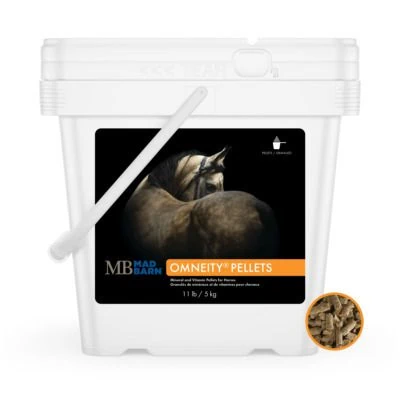
For most horses, we recommend Mad Barn’s Omneity® as the best all-in-one supplement. Omneity provides the vitamins, minerals, essential amino acids and digestive support needed to balance the diet, with high-quality ingredients at an affordable daily cost.
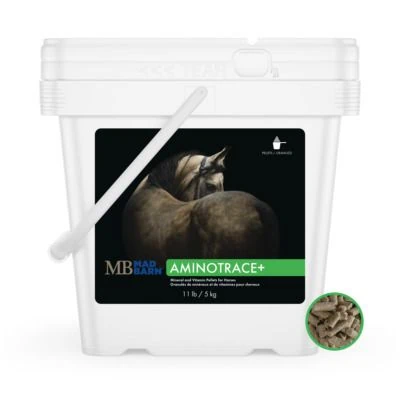
For horses with higher nutrient requirements, Mad Barn’s AminoTrace+ provides increased levels of key nutrients, including amino acids, antioxidants, magnesium and trace minerals. It is well suited to performance horses, easy keepers and metabolic horses that benefit from a more concentrated nutritional profile.
What to Look for in an All-in-One Horse Supplement
We often see horse owners looking for one supplement that gives their horse “everything they need” without having to feed multiple products.
From a nutritionist’s perspective, a good all-in-one supplement should provide adequate vitamins, minerals, and essential amino acids to meet basic nutrient requirements, while also supporting hoof health, skin and coat quality, immune function, gut health, and overall well-being.
The goal is to choose a formula that balances your horse’s diet while providing additional support for the outcomes that matter most, such as soundness, performance, hoof growth, a shiny coat, and digestive health.
Some of the important things to look for in an all-in-one equine supplement include:
- Complete vitamin fortification: Provides vitamins required for normal metabolism, tissue function, antioxidant protection, and overall health.
- Electrolytes and macrominerals: Supplies minerals such as calcium, phosphorus, magnesium, sodium, and chloride that support hydration, muscle function, nerve function, and skeletal health.
- Balanced trace minerals: Provides nutrients such as zinc, copper, manganese, and selenium in appropriate amounts and proportions to support enzyme function, tissue health, and mineral balance.
- Essential amino acids: Supplies amino acids such as lysine, methionine, and threonine that are required for protein synthesis, muscle development, tissue repair, and hoof growth.
- Hoof, skin, and coat nutrients: Includes nutrients such as biotin that support hoof growth, healthy skin, and normal coat quality.
- Antioxidant support: Provides nutrients such as vitamin E, selenium, and vitamin C that help protect cells from oxidative damage, particularly during exercise and periods of higher metabolic demand.
- Joint and connective tissue support: Includes nutrients that support normal joint function and the health of cartilage, tendons, ligaments, and other connective tissues.
- Digestive support: Provides ingredients that support digestion, nutrient utilization, and a healthy microbial population in the hindgut.
- Behavior and stress support: Includes nutrients involved in normal nervous system function and helps support a balanced response to everyday stress.
- Energy metabolism and exercise recovery: Provides nutrients involved in converting feed into usable energy, supporting muscle function, and recovering from exercise.
Just as important as what is included in an all-in-one supplement is what is left out. Our nutritionists recommend looking for formulas with no added iron. Most horses already consume more iron than they require from forage and other feed ingredients, and excess iron can interfere with the absorption and balance of other trace minerals in the diet.
It is also important to avoid products with large amounts of filler ingredients or unnecessary sugar and starch. Look for a low-NSC formula without added molasses or whole grains, particularly for easy keepers and horses that require controlled sugar and starch intake.
1) Complete Vitamin Fortification
Vitamins are essential nutrients required for many of the physiological processes that keep your horse healthy, from maintaining normal vision and immune function to repairing tissues and supporting energy metabolism.
Important vitamins in the equine diet include: [2]
- Vitamin A: Supports vision, immune function, and the health of tissues lining the respiratory and digestive tracts.
- Vitamin C: Supports antioxidant defenses, immune function, and collagen production for healthy connective tissues.
- Vitamin D: Helps regulate calcium and phosphorus metabolism to maintain healthy bones and teeth.
- Vitamin E: Protects cells from oxidative damage and supports normal muscle and nerve function.
- B vitamins: Support energy metabolism, protein utilization, and normal nervous system function.
The National Research Council (NRC) publishes nutrient requirements for horses, including recommended daily intakes for certain vitamins. These values are used to determine whether a horse’s diet provides enough of a given nutrient to prevent deficiencies and support normal function. [3]
An all-in-one supplement should provide enough vitamins to meet your horse’s requirements when combined with their forage and other feeds.
When comparing products, look at the amount of each vitamin supplied at the recommended feeding rate and how that amount contributes to the horse’s total daily intake.
This is particularly important for horses eating preserved hay. Vitamin E and beta-carotene, which horses use to produce vitamin A, decline after forage is harvested and stored. As a result, hay-based diets often require additional vitamin fortification to meet requirements. [4]
Mad Barn’s Omneity® and AminoTrace+ are formulated to address these nutritional gaps. Both provide vitamins A, D, and E, a full complement of B vitamins at their recommended daily feeding rates. This allows horses to meet vitamin requirements without relying on large servings of fortified commercial feed.
2) Electrolytes and Macrominerals
Macrominerals are essential minerals that horses require in their diet in relatively large amounts. They contribute to bone structure, fluid balance, nerve signaling, and muscle function.
Several macrominerals also act as electrolytes, regulating the movement of water and electrical signals throughout the body. [2]
Macrominerals with established NRC requirements or recommended intake levels for horses include: [3]
- Calcium: Supports the formation and maintenance of bones and teeth. Calcium is also required for normal muscle contraction, nerve transmission, and blood clotting.
- Phosphorus: Works with calcium to support bones and teeth and is also involved in energy metabolism and normal cell function.
- Magnesium: Contributes to normal muscle contraction and relaxation, nerve function, and numerous enzyme reactions involved in metabolism.
- Sodium: Helps regulate fluid balance and blood volume and is required for normal nerve impulses and muscle contraction.
- Chloride: Works with sodium to maintain fluid and acid-base balance and is also a component of hydrochloric acid in the stomach.
- Potassium: Helps maintain fluid balance within cells and supports normal nerve signaling and muscle contraction.
- Sulfur: A component of sulfur-containing amino acids and other compounds used to build proteins and maintain normal tissues.
An all-in-one supplement should provide adequate macrominerals while accounting for the nutrients already supplied by forage and commercial feeds.
For example, calcium and phosphorus should be evaluated together across the entire diet. A higher calcium level is not necessarily better if the horse already receives adequate calcium but needs additional phosphorus.
Both Omneity® and AminoTrace+ are formulated to help horses meet their macromineral requirements when fed alongside forage or commercial feeds.
Omneity® provides 10.8 g of calcium and 6 g of phosphorus per serving, making it a better fit for diets that require additional calcium along with phosphorus.
AminoTrace+ provides 1.6 g of calcium, 7.5 g of phosphorus, and 11 g of magnesium per serving. Its mineral profile can help balance alfalfa and other forages that supply more calcium relative to phosphorus, while also providing additional magnesium to support metabolic health.
Forage analysis can identify which macrominerals are already supplied in adequate amounts and which need to be added to meet the horse’s requirements.
Your horse’s daily salt intake still needs to be considered separately. Although an all-in-one supplement can contribute sodium and chloride, it is not practical for it to meet the horse’s full salt requirement or replace electrolytes lost through heavy sweating.
Horses require relatively large amounts of salt, and adding enough to meet the full requirement could reduce supplement palatability and intake. Salt and additional electrolytes should therefore be provided separately based on the horse’s total diet, activity level, and sweat losses. [3]
3) Balanced Trace Minerals
Trace minerals are minerals that horses require in much smaller amounts than macrominerals. They serve as components of enzymes, hormones, and other compounds involved in metabolism, antioxidant defense, tissue formation, and other physiological functions.
Trace minerals with established NRC requirements or recommended intake levels for horses include: [3]
- Zinc: Supports enzyme activity, protein synthesis, skin and hoof health, immune function, and tissue repair.
- Copper: Supports connective tissue formation, iron metabolism, pigment production, and antioxidant enzyme activity.
- Manganese: Supports enzyme activity, bone and cartilage formation, and metabolism of nutrients.
- Selenium: Functions as part of antioxidant enzymes that protect cells from oxidative damage and supports normal thyroid hormone metabolism.
- Iodine: Required for the production of thyroid hormones that regulate metabolic activity throughout the body.
- Cobalt: Required by intestinal microbes for the synthesis of vitamin B12.
- Iron: Required for the formation of hemoglobin and myoglobin, which transport and store oxygen in the blood and muscles.
The trace mineral content of forage varies with soil conditions, plant species, maturity, and growing region. As a result, horses can consume enough hay to maintain body weight while still falling short of requirements for trace minerals. [5][6]
An all-in-one supplement should provide enough trace minerals to bring the horse’s intake up to requirements without creating excesses or imbalanced ratios. Some minerals, such as copper and zinc, should also be assessed together because their absorption and utilization are influenced by other minerals in the diet.
The ingredients used are also important because some mineral sources are absorbed more readily than others. Omneity® and AminoTrace+ use higher quality organic forms of trace minerals, including mineral proteinates and selenium yeast, which have better bioavailability.
Both Omneity® and AminoTrace+ are formulated to address common trace mineral deficiencies in equine diets. This ensures your horse gets the nutrients needed for healthy hooves, coat, connective tissue, antioxidant defense, and immune function.
AminoTrace+ provides enhanced levels of copper, zinc, and other trace minerals for horses with higher nutrient demands or metabolic needs. AminoTrace+ also contains chromium yeast for additional metabolic support.
4) Essential Amino Acids
Amino acids are small molecules that join together to form proteins. Different combinations of amino acids produce different proteins, including those that allow muscles to contract and the keratin that forms hooves and hair.
During digestion, the horse breaks down the proteins in hay and feed into amino acids and peptides. These are absorbed through the small intestine and used to make the horse’s own proteins for growth, tissue repair, and maintenance.
Horses can produce some amino acids, but essential amino acids must come from the diet because the body cannot produce enough of them. Each protein requires specific amino acids. If one essential amino acid is undersupplied, protein production is restricted. An excess of other amino acids cannot replace the one that is missing.
Lysine is often the first limiting amino acid in equine diets, meaning it is in shortest supply relative to the horse’s requirements. [3] A lysine shortage can therefore limit muscle development even when the diet supplies enough total protein.
This is why crude protein percentage on its own does not establish whether a feed meets the horse’s needs. Two feeds with the same protein content can provide different amounts of essential amino acids. Feeding more protein only corrects an amino acid shortage if it supplies enough of the amino acid that is lacking.
An all-in-one supplement intended to support muscle development should provide adequate lysine, methionine, and threonine to meet the horse’s needs. These amounts should be assessed alongside the amino acids supplied by forage and other feeds.
Mad Barn’s Omneity® provides 3.6 g of lysine, 1.2 g of methionine, and 1.6 g of threonine per 200 g serving to help meet amino acid requirements in forage-based diets.
AminoTrace+ provides higher levels, with 10 g of lysine, 6 g of methionine, and 5 g of threonine per 200 g serving. This makes it ideal for horses with greater nutritional demands to support muscle and topline development, athletic performance, and overall condition.
5) Hoof, Skin, and Coat Nutrients
Stronger hooves and a shiny coat are important priorities for horse owners. A good all-in-one supplement should provide the nutrients needed to support hoof, skin, and coat quality without requiring multiple separate products.
Hooves and hair are made largely of keratin, a structural protein rich in sulfur-containing amino acids such as cysteine. Horses can produce cysteine from methionine, so adequate methionine intake is important for normal hoof and hair growth. [7]
Vitamins and minerals are also needed to form and maintain these tissues. Biotin is a B vitamin well known for supporting hoof horn quality. [8] Zinc supports cell growth and keratin formation, while copper supports connective tissue formation and normal coat pigmentation. [3]
Both Omneity® and AminoTrace+ provide biotin, essential amino acids, zinc, and copper in their formula. This means no separate hoof or coat supplement is needed when either product is fed at the recommended rate.
Each provides 20 mg of biotin per day for a 500 kg (1,100 lb) horse, an intake shown to improve hoof horn quality in horses with poor-quality hooves. AminoTrace+ provides higher levels of copper, zinc, and essential amino acids for horses with greater nutritional demands.
Nutrition affects the quality of new hoof growth rather than repairing existing hoof horn. Changes become visible as new horn grows down from the coronary band, so results should be assessed over several months of consistent feeding and regular farrier care.
6) Antioxidant Support
Normal metabolic activity produces reactive compounds that can damage cell membranes, proteins, and DNA when they accumulate faster than the body can neutralize them. Antioxidants help neutralize these compounds and limit cellular damage.
Exercise increases oxygen use and energy production in working muscle, which also increases the production of reactive oxygen species. This raises antioxidant demand, particularly in performance horses, to help protect muscle tissue and support normal recovery, immune function, and other body systems.
Vitamin E and selenium are key antioxidant nutrients in the equine diet. Vitamin E helps protect cell membranes from oxidative damage, while selenium is required for antioxidant enzymes that neutralize reactive compounds. Copper, zinc, and manganese also support the function of antioxidant enzymes. [9]
A good all-in-one supplement should provide enough of these nutrients to meet the horse’s daily requirements and maintain normal antioxidant defenses. This becomes increasingly important as exercise intensity and workload rise.
Omneity® provides 1,000 IU of vitamin E at the recommended feeding rate for a 500 kg horse, along with vitamin C and organic selenium. This makes it well suited to most horses at maintenance or in light work.
Mad Barn’s AminoTrace+ supplies 1,250 IU of natural vitamin E per 200 g serving, along with organic selenium and other trace minerals involved in antioxidant protection. Its higher levels make it ideal for horses in heavy to very heavy work, as well as horses with greater antioxidant needs.
7) Joint and Connective Tissue Support
Cartilage, tendons, and ligaments require adequate nutrition to maintain their structure and function. Amino acids are needed to produce collagen and other tissue proteins, while vitamins and minerals support tissue formation and maintenance.
Copper contributes to the formation of stable collagen fibers, and manganese is involved in producing components of cartilage. Vitamin C is also required for collagen synthesis. [2]
An all-in-one supplement should help meet the horse’s requirements for nutrients that support tissue maintenance, including essential amino acids and trace minerals. These nutrients are needed throughout life to maintain healthy joints and the surrounding muscles, tendons, and ligaments.
Some products marketed as all-in-one supplements provide additional joint ingredients such as hyaluronic acid, methylsulfonylmethane (MSM), glucosamine, and chondroitin sulfate. However, these products can still fall short in the vitamins, minerals, and amino acids needed to balance the diet and support normal body functions.
Joint ingredients can also increase the cost of a formula without being supplied in amounts that justify the additional expense. When comparing products, check the amount supplied per daily serving and the research supporting its use. A product containing several joint ingredients should not be assumed to provide the same support as a dedicated joint supplement.
Mad Barn’s Omneity® and AminoTrace+ provide essential amino acids, vitamins, and trace minerals to support normal connective tissue maintenance. AminoTrace+ supplies higher levels of copper and essential amino acids for horses whose diets require additional supplementation.
For performance horses with greater demands on their joints, or senior horses requiring additional support for comfort and mobility, consider adding a research-backed joint supplement alongside a balanced diet. This allows the joint formula and feeding rate to be selected for the needs of the individual horse.
8) Digestive Support
Healthy digestive function helps horses obtain the energy and nutrients needed to maintain body condition, support exercise, and sustain normal body functions. Microbes in the cecum and colon play an important role by fermenting plant fiber and releasing energy from forage.
An all-in-one supplement should help meet daily nutrient requirements while providing ingredients that support normal digestion. Live yeast, prebiotics, and digestive enzymes are commonly included to support fiber fermentation, microbial balance, and nutrient utilization.
Mad Barn’s Omneity® includes Saccharomyces cerevisiae live yeast culture and the Allzyme SSF digestive enzyme complex to support hindgut function and feed digestion.
AminoTrace+ combines live yeast with yeast extract and mannan oligosaccharides, or MOS. These yeast-derived prebiotic ingredients help maintain a balanced microbial population and support a healthy intestinal lining.
Both formulas provide daily digestive support alongside vitamin, mineral, and amino acid supplementation. For horses without specific digestive concerns, these ingredients support gut health as part of a balanced, forage-based feeding program, reducing the need for overlapping supplements.
Horses with a history of digestive issues can benefit from a feeding program that includes more targeted gut support. [10] A dedicated digestive supplement provides additional ingredients selected for the horse’s particular needs.
Mad Barn’s Visceral+ is formulated to support both stomach and hindgut health. It combines probiotics, prebiotics, amino acids, and other ingredients that help maintain the protective lining of the digestive tract and a balanced gut microbial population.
Optimum Digestive Health provides comprehensive hindgut support through a combination of probiotics, prebiotics, live yeast, and digestive enzymes. It is formulated to support fiber fermentation, nutrient utilization, and normal manure consistency.
The choice of additional support should reflect the horse’s digestive history, with ongoing signs assessed by a veterinarian.
9) Behavior and Stress Support
Adequate nutrition supports the nervous system and muscles, including the processes involved in normal behavior and responses to stress. An all-in-one supplement should provide magnesium and B vitamins to help meet these nutritional needs alongside the horse’s forage and other feeds.
Magnesium helps regulate nerve signaling and supports muscle relaxation after contraction. Horses in regular work have higher magnesium requirements than horses at maintenance, making adequate intake particularly important for performance horses. [11]
The magnesium content of hay varies, and low-magnesium forage can leave the diet short of the horse’s requirements. Hay analysis helps determine whether additional magnesium is needed, taking into account the amount of forage consumed and the horse’s workload.
B vitamins support energy metabolism and normal nervous system function. Thiamine (vitamin B1) helps cells use carbohydrates for energy, while vitamin B6 is required to produce neurotransmitters, the chemical messengers that allow nerve cells to communicate. These functions support the nervous system’s regulation of muscle activity, behavior, and responses to stress. [11]
When comparing all-in-one supplements to support a calm demeanor, look for complete B-vitamin fortification. Check for individually listed B vitamins and their amounts at the recommended feeding rate.
Mad Barn’s Omneity® and AminoTrace+ both supply magnesium and a full complement of B vitamins, including thiamine, riboflavin, niacin, vitamin B6, and vitamin B12. This provides daily nutritional support for muscle function, nerve signaling, and energy metabolism within the same vitamin and mineral supplement.
AminoTrace+ provides higher levels of magnesium for horses whose diets require additional supplementation. Both formulas use low-NSC ingredients, allowing owners to supply these nutrients without adding a large serving of sugar- and starch-rich feed.
10) Energy Metabolism and Exercise Recovery
Athletic performance depends on the horse’s ability to use energy from feed, maintain normal muscle function, and repair tissues after exercise. An all-in-one supplement should provide nutrients for performance and recovery in amounts that help meet these needs alongside forage and other feeds.
Several nutrients are particularly important for these processes. B vitamins support energy production from carbohydrates and fats, while magnesium helps muscle cells use that energy and supports normal muscle contraction and relaxation. [3]
Essential amino acids support muscle repair after exercise and muscle development in response to training. Vitamin E and selenium help protect muscle cells from oxidative damage associated with exercise. [12][13]
Mad Barn’s Omneity® provides B vitamins, magnesium, lysine, methionine, and threonine, along with approximately 1,000 IU of vitamin E and organic selenium at the recommended feeding rate for a 500 kg horse. These nutrients support energy metabolism, muscle maintenance, and antioxidant protection. [2][14]
AminoTrace+ supplies higher levels of essential amino acids and magnesium, together with 1,250 IU of natural vitamin E per 200 g serving. This makes it well suited to performance horses requiring additional nutritional support for muscle development, post-exercise recovery, and antioxidant defenses.
In addition to a complete vitamin and mineral supplement, working horses should receive salt and electrolytes based on their sweat losses to support exercise recovery and hydration.
11) No Added Iron
The ingredients left out of an all-in-one supplement are just as important as those included. Mad Barn nutritionists recommend avoiding supplements with added iron, unless under veterinary or nutritionist guidance.
Iron is an essential trace mineral required to produce hemoglobin, the protein in red blood cells that carries oxygen. Adequate iron intake is necessary for normal oxygen transport, but supplying additional iron does not improve performance when the horse’s requirements are already met. [3]
Most horses obtain more than enough iron from forage, with additional contributions from water and other feeds. [15]
Excess iron can interfere with the absorption of other trace minerals in the digestive tract, particularly copper and zinc. This makes it harder to maintain an appropriate balance of iron, copper, and zinc in the diet. [16][17][18]
When researching products, check ingredient lists for iron sources, such as ferrous sulfate, ferrous fumarate, and iron proteinate. These ingredients are sometimes included in vitamin and mineral supplements or products marketed to support blood health and exercise performance.
Routine iron supplementation is unnecessary unless a veterinarian or nutritionist has identified a specific need, such as confirmed iron-deficiency anemia. In other horses, excess supplemental iron can contribute to secondary deficiencies that affect hoof quality, skin and coat health, connective tissue formation, and other normal body functions.
Mad Barn’s Omneity® and AminoTrace+ are formulated with no added iron and provide organic copper and zinc to help balance diets containing high-iron forage.
AminoTrace+ provides higher levels of copper and zinc and uses ingredients selected for low inherent iron content, including a low-iron phosphorus source. This makes it particularly well suited to metabolic horses and those that require additional copper and zinc to balance the diet.
12) A Concentrated, Low-NSC Formula
The best all-in-one supplement should provide high nutrient density without large amounts of fillers or starch-rich grains that add unnecessary calories.
High sugar and starch content can lead to unwanted weight gain and make a product unsuitable for easy keepers and horses with metabolic concerns. These horses need products low in non-structural carbohydrates (NSC) to limit increases in blood sugar and insulin after feeding. [19]
A more concentrated formula helps cover nutritional requirements without adding significant bulk to the diet. This makes the feeding program more flexible because nutrient intake can be adjusted independently of energy intake, allowing calories to be increased or reduced without impacting vitamin and mineral intake.
Mad Barn’s Omneity® Premix is a highly concentrated loose mineral formula with a feeding rate of only 120 g per day for a 500 kg (1,100 lb) horse.
For horses that prefer a pelleted supplement, Omneity® Pellets and AminoTrace+ are also highly concentrated, with a serving size of about 200 g (7 oz) for a typical adult horse. This is 80% smaller than the 1 kg (2.2 lb) or more commonly fed per day with a ration balancer.
Omneity® Pellets and AminoTrace+ also use low-NSC ingredients to form the pellets. Both contain oat hulls, the fibrous outer covering of the oat seed, which are low in starch and provide structure without the starch content of whole oats.
To keep NSC intake low, choose formulas that avoid added sugars such as molasses, dextrose, sucrose, and corn syrup, as well as large amounts of high-starch grains such as corn, oats, barley, and wheat.
Omneity vs. AminoTrace+: Which Is Right for Your Horse?
Mad Barn’s Omneity® and AminoTrace+ are all-in-one supplements formulated to help meet daily nutritional requirements alongside forage and other feeds. Both provide vitamin, mineral, amino acid, and digestive support in concentrated, low-NSC formulas with no added iron.
For most horses, Omneity® is our recommended all-in-one supplement. It helps balance the diet by supplying nutrients that support hoof health, skin and coat quality, connective tissue maintenance, immune function, electrolyte balance, and other essential functions.
For horses in heavier work or with metabolic concerns, AminoTrace+ is our premium all-in-one formula. It provides higher levels of essential amino acids, copper, zinc, magnesium, and vitamin E for horses with greater nutritional demands.
The best choice depends on your horse’s requirements, the nutrients already supplied by the rest of the diet, and your budget.
The following comparison shows nutrient amounts and feeding costs at the recommended daily serving for a 500 kg (1,100 lb) horse.
| Feature | Omneity® Premix | Omneity® Pellets | AminoTrace+ |
|---|---|---|---|
| Format | Loose powder | Pellets | Pellets |
| Feeding rate | 120 g (4.2 oz) | 200 g (7 oz) | 200 g (7 oz) |
| Cost per day* | $0.84 | $1.19 | $2.09 |
| Lysine | 3.4 g | 3.6 g | 10 g |
| Methionine | 1.1 g | 1.2 g | 6 g |
| Threonine | 1.4 g | 1.6 g | 5 g |
| Calcium | 10.8 g | 10 g | 1.6 g |
| Phosphorus | 6 g | 5.6 g | 7.5 g |
| Magnesium | 5.4 g | 5.2 g | 11 g |
| Copper | 120 mg | 120 mg | 300 mg |
| Zinc | 498 mg | 480 mg | 750 mg |
| Selenium | 2.4 mg | 2.4 mg | 2 mg |
| Vitamin E | 1,020 IU | 980 IU | 1,250 IU (natural) |
| Biotin | 20 mg | 20 mg | 20 mg |
*Cost per day is based on subscription pricing for the 25 kg Omneity Premix bag and 20 kg bags of Omneity Pellets and AminoTrace+, at the feeding rates shown.
Omneity: All-in-One Support for Most Horses
Omneity® is the best overall choice for most horses on forage-based diets that need vitamin and mineral fortification. It is designed to help cover common nutritional gaps while supporting overall wellness and performance.
Omneity® provides nutrients for hoof and coat quality, muscle maintenance, energy metabolism, and antioxidant protection, together with live yeast and digestive enzymes.
It is formulated with 100% organic trace minerals, B-vitamins, amino acids, digestive enzymes, and yeast for probiotic support. It also provides a 20 mg serving of biotin to support stronger hooves and a shiny coat.
Omneity® uses high-quality, low-NSC ingredients without unnecessary fillers or added sugars. It provides foundational nutrition support for all classes of horses, including growing horses, performance horses, seniors, miniature horses, and broodmares.
Omneity® is available as a loose mineral premix or a palatable pelleted formula for picky eaters, making it easy to incorporate into different feeding programs. It also eliminates the need for separate hoof, skin and coat, or vitamin E supplements, helping to simplify the diet.
AminoTrace+: Advanced Support for Higher Nutritional Demands
AminoTrace+ is an enhanced vitamin and mineral supplement for horses with greater nutritional demands. It provides higher levels of essential amino acids, copper, zinc, magnesium, and natural vitamin E to support muscle maintenance, hoof quality, antioxidant defenses, and metabolic health.
Its concentrated, low-NSC formula is particularly well suited to easy keepers and horses managed on controlled sugar and starch diets, including horses with PPID, insulin resistance, EMS, or increased laminitis risk.
AminoTrace+ is also formulated for diets containing high levels of iron. It contains no added iron, uses ingredients selected for low inherent iron content, and supplies higher levels of organic copper and zinc to help balance high-iron forage and water.
Its mineral profile can also be advantageous for horses consuming calcium-rich forage such as alfalfa. Compared with Omneity®, AminoTrace+ supplies less calcium and more phosphorus, helping balance diets that already provide ample calcium but require additional phosphorus.
Choose AminoTrace+ for horses that:
- Are in heavier work or have greater amino acid and antioxidant requirements
- Need higher levels of copper, zinc, magnesium, and essential amino acids
- Have metabolic concerns or require a controlled sugar and starch diet
- Consume high-iron forage or water
- Consume calcium-rich forage that requires additional phosphorus for better mineral balance
Considerations when Buying an All-In-One Formula
An all-in-one supplement should not be expected to replace every functional supplement or nutraceutical that could be added to a horse’s diet. Horses with specific needs may still benefit from dedicated products that provide higher or more targeted amounts of ingredients for joint, digestive, metabolic, or other support.
A well-formulated all-in-one should, however, address the horse’s core nutritional needs and provide meaningful amounts of essential vitamins, minerals, and amino acids.
It should support hoof and coat health without requiring a separate supplement, provide antioxidants and electrolytes, and reduce the need to add multiple individual products. It can also provide maintenance-level support for areas such as digestive and joint health.
A multi-ingredient joint, digestive, calming, or wellness supplement can be useful when the horse’s core nutrient requirements are already being met. However, it should not be used in place of a complete vitamin and mineral supplement unless it provides adequate amounts of those nutrients.
When shopping for an all-in-one supplement, the number of ingredients should not be the deciding factor. The formula should provide the right nutrients in appropriate amounts, with functional ingredients included at levels that support the benefits being advertised.
Be cautious of token dosages, inflated ingredient counts, undisclosed blends, and research that does not match the ingredient form being fed.
More Ingredients Isn’t Always Better
A long ingredient list can make an all-in-one supplement appear to provide more support. But the number of ingredients does not tell you whether the formula meets your horse’s nutritional needs or whether ingredients added for specific benefits are supplied in useful amounts.
Essential vitamins, minerals, and amino acids should be supplied in amounts that help meet requirements and balance the diet. Ingredients added for joint, digestive, antioxidant, or other functional support should be evaluated based on the amount provided at the recommended feeding rate and whether that amount is supported by relevant research.
A shorter formula that supplies adequate amounts of essential nutrients can provide greater benefit than a product with dozens of additional ingredients included at very low levels.
Ingredients Included at Token Amounts
Some all-in-one supplements include functional ingredients at amounts that are much lower than those used in research. This can make the formula appear to provide more support than the recommended serving is designed to deliver.
Glucosamine and chondroitin sulfate are common examples. Their presence on the label may support a joint-health claim, but the form and amount supplied should be compared with the amounts evaluated in horses.
For example, one all-in-one vitamin and mineral supplement marketed for joint support provides 2,500 mg of glucosamine HCl at the recommended daily serving. Equine studies have used higher amounts, including one study that supplied 8,000 mg of glucosamine and 3,800 mg of chondroitin sulfate daily during the first 90 days of treatment. [20]
A lower dose can still support joint health, but it is not equivalent to a full serving of a dedicated joint supplement.
Research on oral glucosamine and chondroitin in horses has also produced mixed results. Even when a product provides amounts similar to those used in research, this does not guarantee a benefit. [20][21]
Probiotics Included at Low CFUs
Probiotic inclusions are expressed in colony-forming units (CFUs), which estimate the number of viable microorganisms in a product. Labels listing millions of CFUs can sound substantial, but equine probiotic research typically uses feeding rates measured in billions of CFUs per day.
For example, one equine vitamin and mineral supplement marketed with probiotic support guarantees 40 million CFUs per ounce from an eight-strain blend. At the recommended 3 oz daily serving, this provides approximately 120 million CFUs per day.
This is much lower than the amounts commonly evaluated in equine probiotic research. In one controlled trial, horses received 8 billion CFUs per day of individual probiotic strains, including Bacillus coagulans GBI-30, 6086, Bacillus subtilis, and Bacillus amyloliquefaciens. [22]
By comparison, Mad Barn’s AminoTrace+ contains the live probiotic yeast Saccharomyces cerevisiae 1026 and guarantees 50 billion CFUs per 200 g serving.
CFU count alone does not determine probiotic efficacy. Species, strain, viability, dosage, formulation, and shelf stability all affect whether a probiotic is likely to provide the intended benefit.
Testing of commercial veterinary probiotics has also found differences between label claims and measured viable counts. Look for identified organisms, appropriate storage instructions, and a guaranteed viable count.
Mineral Claims That Can Be Misleading
Some mined salts and clays are promoted based on the total number of elements detected in the product rather than the amounts of essential minerals they supply.
For example, one product is a bentonite clay marketed as containing more than 60 trace minerals. The manufacturer notes that most of these minerals are present in very small amounts.
Detecting dozens of elements in a clay does not mean they are required by the horse or supplied at amounts that contribute meaningfully to the diet.
The same issue can occur with claims about organic trace minerals. Another product contains zinc proteinate, manganese proteinate and copper proteinate, but also zinc sulfate, manganese sulfate and copper sulfate. Its guaranteed analysis reports only the total amount of each mineral.
This means the label does not show how much of the copper, zinc or manganese is supplied in organic form. A product can therefore contain organic trace minerals without providing all, or even most, of its trace mineral fortification from organic sources.
When comparing mineral supplements, use the amounts of essential minerals supplied at the daily feeding rate and check the specific mineral sources. The number of detectable elements, or the presence of an organic mineral somewhere in the ingredient list, does not indicate how much useful mineral nutrition the horse receives.
Proprietary Blends
Some products disclose only the total weight of a blend, without stating how much of each ingredient it contains. This makes it difficult to compare individual ingredients with amounts studied in research trials.
For example, one equine supplement lists a 40,290 mg proprietary blend containing MSM, lysine, chondroitin sulfate, glucosamine HCl, methionine, and thiamin. The label does not disclose how much of the blend comes from glucosamine, chondroitin, or any other individual ingredient.
Products with proprietary blends are not necessarily ineffective, but undisclosed ingredient amounts make it difficult to do your own research or compare the formula with doses used in studies.
Formulas that contain proprietary ingredients can also be difficult to evaluate. These are typically ingredients that use a specific extraction process, standardization, or formulation that is owned by the manufacturer and not fully disclosed.
Because the composition may differ from the original plant or raw material, research on the source ingredient cannot automatically be applied to the proprietary version. Evidence should come from studies that evaluate the exact branded ingredient at the amount used in the product.
Inadequate Research Evidence
Some ingredients have demonstrated biological effects in laboratory studies without showing the same benefit when fed to horses. This is common with herbs and plant extracts marketed for antioxidant, anti-inflammatory, or joint support.
For example, curcuminoids and resveratrol have been studied by exposing equine cells or tissues directly to these compounds. These studies can identify biological activity, but they do not show that an orally fed supplement will deliver enough of the compound to produce the same effect in the horse. [23][24]
Research used to support a product claim should evaluate the same ingredient form, an appropriate dosage, and the relevant outcome in horses. Changes in cells, laboratory markers, or biochemical pathways are not equivalent to demonstrated improvements in soundness, performance, digestive function, or other clinical outcomes.
Does My Horse Need an All-in-One Supplement?
Your horse may benefit from an all-in-one supplement if they eat mostly hay or pasture, get little or no fortified feed, or need a simpler way to cover common nutrition gaps.
Forage should always be the foundation of the diet. But hay and pasture will not provide every nutrient a horse needs. The minerals in forage depend on the soil, the plants growing there, and the local region. [3] For example, some areas are naturally low in selenium. Other areas may have high iron in the forage or water, which can affect the balance of other minerals such as copper and zinc. [5][18]
Hay-based diets are also low in vitamin E because this vitamin declines after grass is cut and stored. Some hay may also be low in quality protein, which can leave the diet short on key amino acids needed for muscle, hoof, and tissue support.
These gaps are hard to see just by looking at your horse. A horse can look healthy and still have an unbalanced diet. Getting a forage analysis and a full diet review are the best ways to know what your horse is getting and whether an all-in-one supplement can help fill the gaps.
Keep in mind that an all-in-one vitamin and mineral supplement will not fix a diet that is lacking in energy, protein, or forage. Horses that are underweight, in heavy work, growing, pregnant, lactating, or unable to consume enough forage may require additional feed or changes to the overall diet.
An all-in-one supplement is especially useful for horses that:
- Eat mostly hay, pasture, or a low-grain diet
- Receive less than the recommended amount of fortified feed
- Need support for hoof quality, coat condition, muscle, and overall wellness
- Are easy keepers who are on calorie-restricted diets and are avoiding large servings of grain or ration balancer
- Need a low-NSC supplement to fit a controlled sugar and starch feeding program
- Have metabolic concerns or consume high-iron forage or water
Start with a Diet Analysis
Before choosing an all-in-one supplement, look at the full feeding program: forage, concentrates, salt, current supplements, and any special management needs. The goal is to understand what the horse is already receiving before adding more nutrients.
Forage testing is the best starting point because hay and pasture provide most of the diet. A forage analysis can show mineral levels, protein, fiber, sugar, starch, and other values that help determine what kind of supplements are appropriate for the individual horse. This is especially helpful when managing horses on hay-based diets, horses that need controlled sugar and starch, or horses in regions where selenium, iron, or other minerals may be unusually low or high.
A qualified equine nutritionist can use forage results to identify gaps, excesses, and imbalances across the whole diet. This helps determine whether the horse needs a general all-in-one balancer, such as Omneity®, or a more targeted option, such as AminoTrace+ for metabolic horses or those on high-iron forage and water.
Diet review also helps prevent unnecessary overlap. A horse may already receive some vitamins or minerals from fortified feed, ration balancer, or separate supplements. Adding another broad formula without checking the full intake can duplicate certain nutrients while missing others.
For horses with possible metabolic disease, unexplained weight change, chronic lameness, recurring laminitis, poor performance, digestive problems, or sudden changes in condition, consult your veterinarian. Supplements can support nutritional status, but they do not replace diagnosis, treatment, or professional management.
Final Recommendation
A well-formulated all-in-one horse supplement should first and foremost help cover the horse’s essential nutrient requirements and balance the overall diet. Choose products that simplify your horse’s feeding program by performing several different jobs at once.
Vitamins, minerals, amino acids, and other nutrients should be supplied in amounts that complement the forage and the rest of the feeding program. Additional ingredients for hooves, digestion, joints, or other goals are most useful when these core needs are already being met.
For most horses, Mad Barn’s Omneity® is the best all-in-one choice for providing comprehensive nutritional coverage. Omneity® supports hoof health, skin and coat quality, energy metabolism, muscle function, immune function, and overall well-being.
It is formulated with 100% organic trace minerals, complete B-vitamin fortification, essential amino acids, biotin, vitamin E, digestive enzymes, and live yeast in a low-NSC formula.
For horses with metabolic concerns or higher nutrient demands, Mad Barn’s AminoTrace+ provides an enhanced vitamin and mineral profile, while remaining low in sugar and starch. It is formulated with higher levels of key nutrients, including copper, zinc, and lysine, while also supplying natural vitamin E and additional digestive support.
AminoTrace+ is especially well suited to horses that need stronger support for hoof quality, trace mineral balance in high-iron diets, topline and muscle development, antioxidant defenses, and healthy glucose metabolism.
If you are unsure whether your horse’s diet is balanced, submit your horse’s diet for a free analysis. Our equine nutritionists can identify nutrient gaps and help determine which all-in-one supplement best matches your horse’s individual needs.
Frequently Asked Questions
Here are some frequently asked questions about all-in-one horse supplements:
An all-in-one horse supplement is usually a product that provides several types of nutritional support in one formula. The term can refer to complete feeds, complete vitamin and mineral supplements, or multi-ingredient wellness formulas, but these products do not all do the same job. For most horses, the most useful all-in-one supplement is one that helps balance the diet with essential vitamins, minerals, amino acids, and digestive support nutrients. A long ingredient list alone does not mean the product provides complete foundational nutrition.
An all-in-one supplement is not the same as a complete feed. A complete feed is formulated to provide concentrate nutrition and may include fiber that can replace part or all of the forage portion of the diet when needed. A complete vitamin and mineral supplement, such as Omneity® or AminoTrace+, helps balance the diet but does not replace forage or provide most of the horse's calories. Horses still need an appropriate forage base unless a veterinarian or nutritionist recommends otherwise.
A good all-in-one horse supplement should help meet daily nutrient requirements instead of simply combining popular ingredients. Look for meaningful levels of essential vitamins, trace minerals, amino acids, and digestive support nutrients that fit the horse's forage, feed intake, iron exposure, and health status. It should also have a clear role in the diet, such as general diet balancing or targeted metabolic support. Omneity® fits most horses needing broad daily support, while AminoTrace+ is better for metabolic horses or high-iron diets.
Not all horses need the same all-in-one supplement, but many horses on hay, pasture, or low-grain diets benefit from vitamin and mineral support. Forage-based diets can be low or imbalanced in nutrients such as vitamin E, selenium, copper, zinc, and key amino acids depending on hay quality, soil, region, and storage time. A horse can look healthy and still have gaps in the total diet. Forage testing and a full diet review are the best ways to determine whether Omneity®, AminoTrace+, or another feeding strategy is the right fit.
The best all-in-one supplement for most horses is one that balances the forage-based diet without adding unnecessary calories, sugar, starch, or poorly targeted ingredients. Omneity® is the best starting point for most horses because it provides complete vitamin and mineral support, amino acids, digestive enzymes, live yeast culture, and 20 mg of biotin in a low-NSC formula. It is designed for horses with moderate to low iron intake and no specific metabolic or high-iron diet concerns. Horses with laminitis risk, EMS, PPID/Cushing's, insulin resistance, or high-iron forage or water are usually better matched to AminoTrace+.
Omneity® is an all-in-one equine vitamin and mineral supplement for most horses on forage-based or low-grain diets. It provides 100% organic trace minerals, B-vitamins, amino acids, digestive enzymes, live yeast culture for probiotic support, and a full serving of biotin. Omneity® is also made with low-NSC ingredients and no added fillers or sugars. It is a practical daily foundation product for horses that need broad diet balancing but do not require targeted metabolic or high-iron support.
Omneity® is best suited for horses that need broad daily nutrition support on a hay, pasture, or low-grain diet. It is a good fit for generally healthy horses with moderate to low iron intake that need support for hoof quality, coat condition, muscle, digestion, and overall wellness. It can also simplify feeding programs for horses that do not need several separate supplements. Omneity® should not replace veterinary care when a horse has medical concerns or sudden changes in condition.
AminoTrace+ is used as a targeted vitamin and mineral supplement for metabolic horses, easy keepers, and horses on controlled sugar and starch diets. It is designed for horses with laminitis risk, EMS, PPID/Cushing's, insulin resistance, or high-iron forage and water. Compared to Omneity®, AminoTrace+ provides higher levels of zinc, copper, and amino acids with lower total iron and no added iron. This makes it the better choice when the diet requires enhanced trace mineral and amino acid support.
The main difference between Omneity® and AminoTrace+ is the type of horse each formula is designed to support. Omneity® is the all-in-one diet balancer for most horses that have moderate to low iron intake and no specific metabolic concerns. AminoTrace+ is the targeted option for metabolic horses, easy keepers, horses on controlled sugar and starch diets, and horses consuming high-iron forage or water. Both are low-NSC formulas, but AminoTrace+ provides higher copper, zinc, and amino acid support for more specific nutritional challenges.
Choosing between Omneity® and AminoTrace+ for a low-NSC diet depends on why the horse needs low sugar and starch. Both Omneity and AminoTrace+ are low-NSC formulas, so low-NSC status alone does not determine the best choice. Omneity® is appropriate for most horses that simply need complete daily diet balancing. AminoTrace+ is the better fit when the horse is an easy keeper, has metabolic concerns, has laminitis risk, or consumes high-iron forage or water.
High iron in forage or water can affect supplement choice because many horses already consume enough iron from forage, soil, water, or feed ingredients. When iron intake is high, the feeding strategy should focus on balancing the mineral profile rather than adding more iron. AminoTrace+ is designed for high-iron diets because it contains no added iron and provides elevated copper and zinc. Omneity is better suited to horses with moderate to low iron intake that do not need targeted high-iron support.
Omneity® and AminoTrace+ should not be fed together because both are complete vitamin and mineral supplements. Feeding both can duplicate nutrients and may increase the risk of unnecessary overlap in mineral intake. The better approach is to choose the formula that fits the horse's forage, iron intake, metabolic status, and overall feeding program. Work with a qualified equine nutritionist if you are unsure which product best matches your horse's diet.
Forage testing is important before choosing an all-in-one supplement because hay and pasture provide most of the horse's diet. A forage analysis can show mineral levels, protein, fiber, sugar, starch, and other values that affect supplement choice. This is especially useful for horses on hay-based diets, horses needing controlled sugar and starch, or horses in areas with unusual selenium, iron, copper, or zinc levels. The results can help determine whether Omneity®, AminoTrace+, or another nutrition plan is the best fit.
An all-in-one supplement can support hooves, coat, topline, and digestion when it provides the right foundational nutrients at meaningful levels. Hoof quality depends on more than biotin alone; amino acids and trace minerals such as zinc and copper are also important. Muscle and topline support depend on adequate protein quality and key amino acids, while digestive support may come from ingredients such as digestive enzymes and live yeast culture. Omneity® provides broad support in these areas for most horses, while AminoTrace+ provides more targeted support for metabolic and high-iron cases.
A supplement with more ingredients is not always better for horses. Ingredients only help if they are included at useful levels and fit the horse's total diet. Some products marketed as all-in-one formulas combine hoof, joint, coat, digestive, calming, or wellness ingredients without fully addressing core vitamin, mineral, and amino acid needs. A simpler formula that balances the diet properly, such as Omneity® for most horses or AminoTrace+ for targeted metabolic and high-iron support, is often more useful than a longer label.
Summary
All-in-one horse supplements vary widely, so the best choice depends on whether the product truly helps balance the horse's total diet. Omneity® is suited to most forage-based diets, while AminoTrace+ is targeted for metabolic horses and high-iron feeding programs.
- Complete feeds, vitamin and mineral balancers, and multi-ingredient supplements serve different roles and should not be treated as interchangeable
- Forage testing and diet review help identify nutrient gaps, mineral imbalances, excess iron, and overlap from existing feeds or supplements
- A strong all-in-one supplement should provide meaningful levels of vitamins, minerals, amino acids, and digestive support nutrients
- Omneity® is a practical daily foundation for most horses on forage-based or low-grain diets that need broad nutrient support
- AminoTrace+ is designed for metabolic horses, easy keepers, laminitis-prone horses, and horses consuming high-iron forage or water
References
- Hoffman. C. J. et al. Survey of Feeding Practices, Supplement Use, and Knowledge of Equine Nutrition among a Subpopulation of Horse Owners in New England. Journal of Equine Veterinary Science. 2009.
- Geor. R. J. et al. Equine Applied and Clinical Nutrition: Health, Welfare and Performance. Elsevier Health Sciences. 2013.
- Nutrient Requirements of Horses: Sixth Revised Edition. National Academies Press. 2007.
- Cunha. T. J. Horse Feeding and Nutrition. Academic Press. 2012.
- Latham. C. M. et al. 72 A Survey of North American Horse Diets: What Are We Missing?. Journal of Equine Veterinary Science. 2023.
- Muirhead. T. L. et al. The Selenium and Vitamin E Status of Horses in Prince Edward Island. The Canadian Veterinary Journal. 2010. View Summary
- Marshall. R.C. et al. Structure and biochemistry of mammalian hard keratin. Electron Microscopy Reviews. 1991.
- Buffa. E. A. et al. Effect of Dietary Biotin Supplement on Equine Hoof Horn Growth Rate and Hardness. Equine Veterinary Journal. 1992. View Summary
- Latham. C.M. et al. Complexed trace mineral supplementation alters antioxidant activities and expression in response to trailer stress in yearling horses in training. Scientific Reports. 2021.
- Schoster. A. et al. Probiotic Use in Horses – What is the Evidence for Their Clinical Efficacy? J Vet Intern Med. 2014.
- Jarvis. N. G. Nutrition of the Aged Horse. Veterinary Clinics of North America: Equine Practice. 2009. View Summary
- Mohammed. H. O. et al. Vitamin E Deficiency and Risk of Equine Motor Neuron Disease. Acta Veterinaria Scandinavica. 2007. View Summary
- Tuszka. A. et al. 92 Seasonal Variation in Plasma Vitamin A and E Concentrations in Horses with or without Pasture Access. Journal of Equine Veterinary Science. 2023.
- Getty. J. M. Feed Your Horse Like a Horse: Optimize Your Horse's Nutrition for a Lifetime of Vibrant Health. Dog Ear Publishing. 2009.
- Kielbik. P. and Witkowska-Pilaszewicz. O. Iron Status in Sport Horses: Is It Important for Equine Athletes?. International Journal of Molecular Sciences. 2025. View Summary
- Schryver. H. F. Mineral and Vitamin Intoxication in Horses. The Veterinary Clinics of North America. Equine Practice. 1990. View Summary
- Lawrence. L. A. et al. Influence of Dietary Iron on Growth, Tissue Mineral Composition, Apparent Phosphorus Absorption and Chemical and Mechanical Properties of Bone in Ponies. Proceedings of the 10th Equine Nutrition and Physiology Symposium. 1987.
- Johnson. M. A. and Murphy. C. L. Adverse Effects of High Dietary Iron and Ascorbic Acid on Copper Status in Copper-Deficient and Copper-Adequate Rats. The American Journal of Clinical Nutrition. 1988.
- Durham. A.E. et al. ECEIM consensus statement on equine metabolic syndrome. J Vet Intern Med. 2019.
- Yamada. A.L.M. et al. Effects of oral treatment with chondroitin sulfate and glucosamine in an experimental model of metacarpophalangeal osteoarthritis in horses. BMC Vet Research. 2022.
- Higler. M.H. et al. The effects of three-month oral supplementation with a nutraceutical and exercise on the locomotor pattern of aged horses. Equine Vet J. 2013.
- Jacobs. R.D. et al. Oral probiotic administration attenuates postexercise inflammation in horses. Transl Anim Sci. 2024.
- Clutterbuck. A.L. et al. Curcumin reduces prostaglandin E2, matrix metalloproteinase-3 and proteoglycan release in the secretome of interleukin 1B-treated articular cartilage. F1000 Research.
- Collins. J.A. et al. Resveratrol and N-acetylcysteine influence redox balance in equine articular chondrocytes under acidic and very low oxygen conditions. Free Radical Biology and Medicine. 2015.